1/16
The Best Smart Switches for Your Smart Home
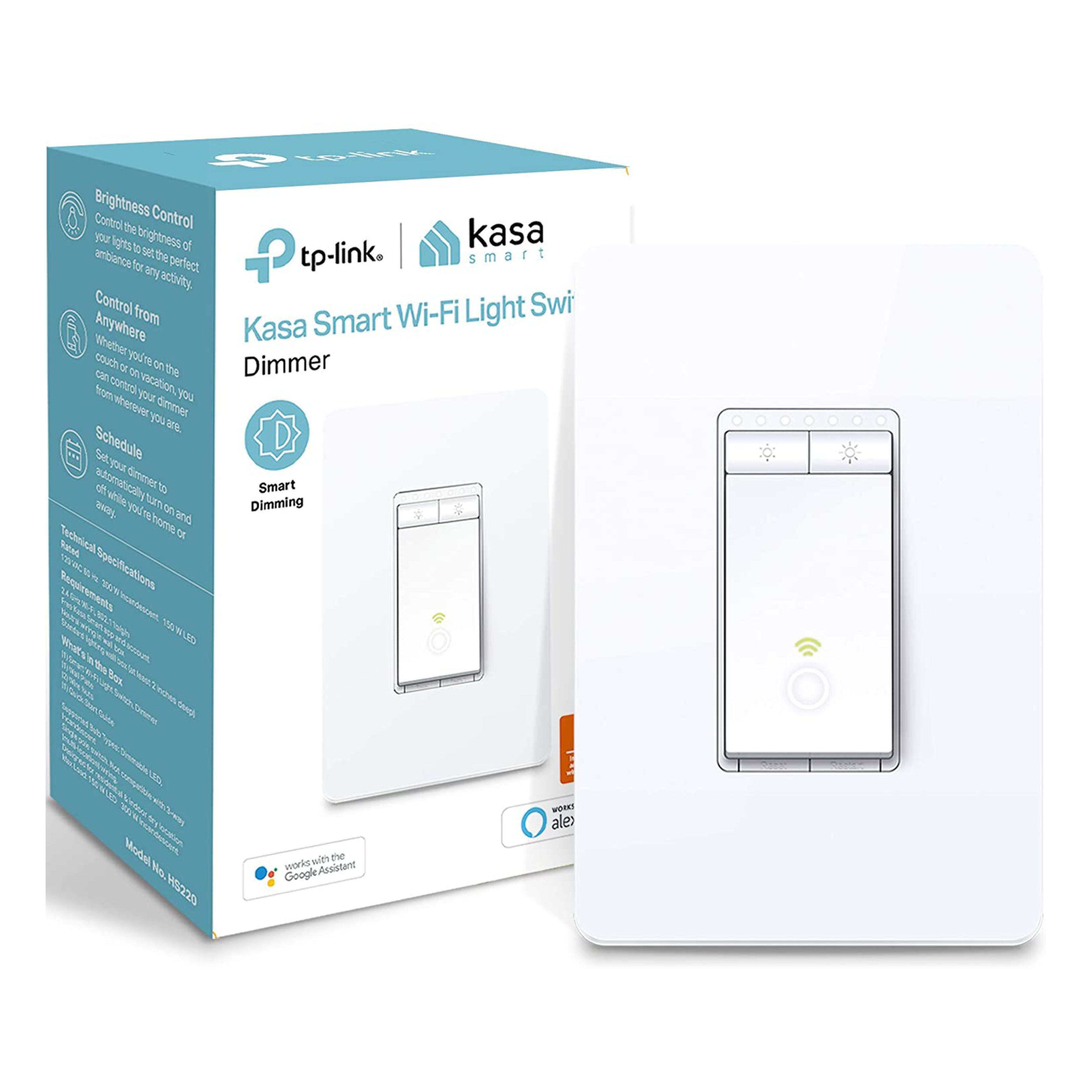
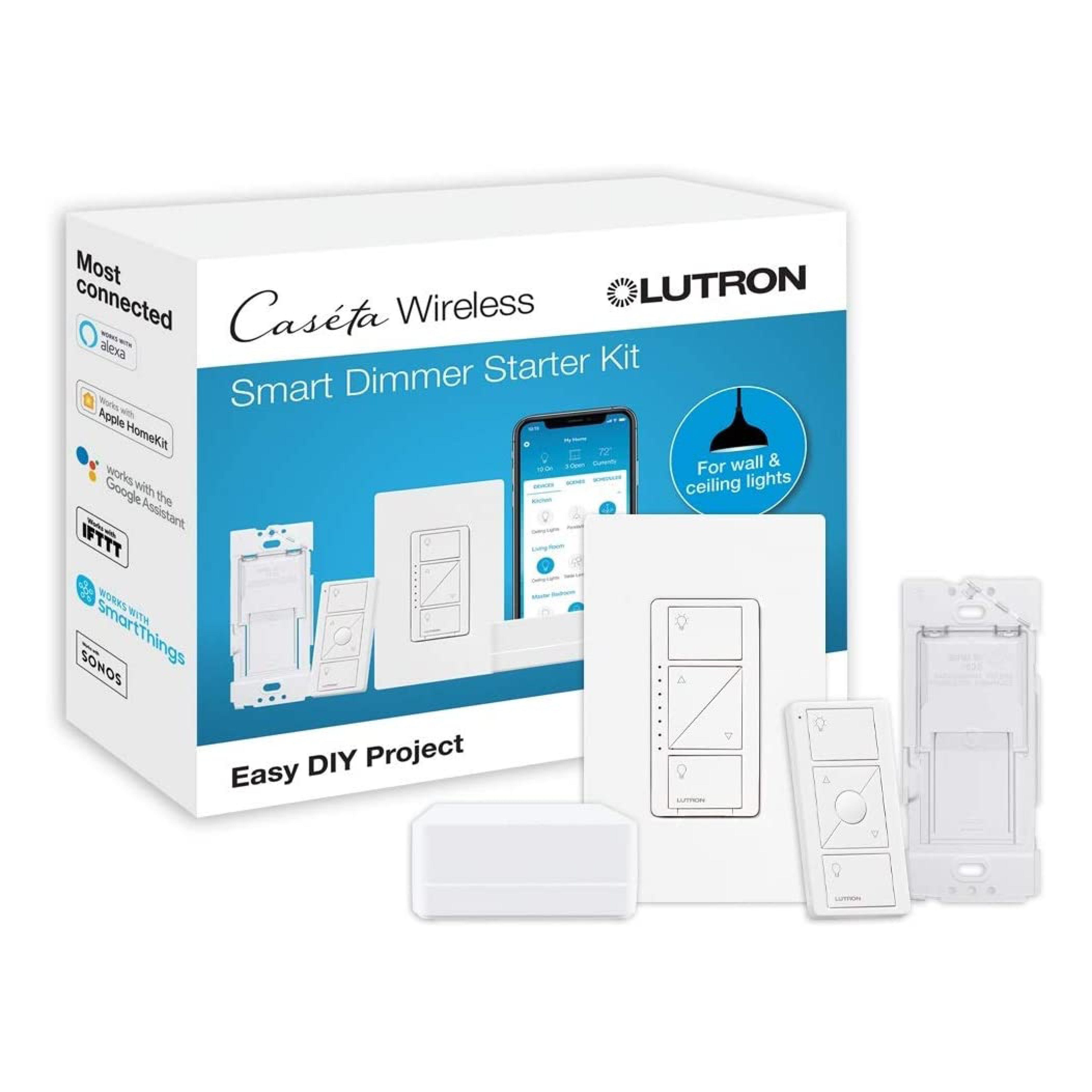
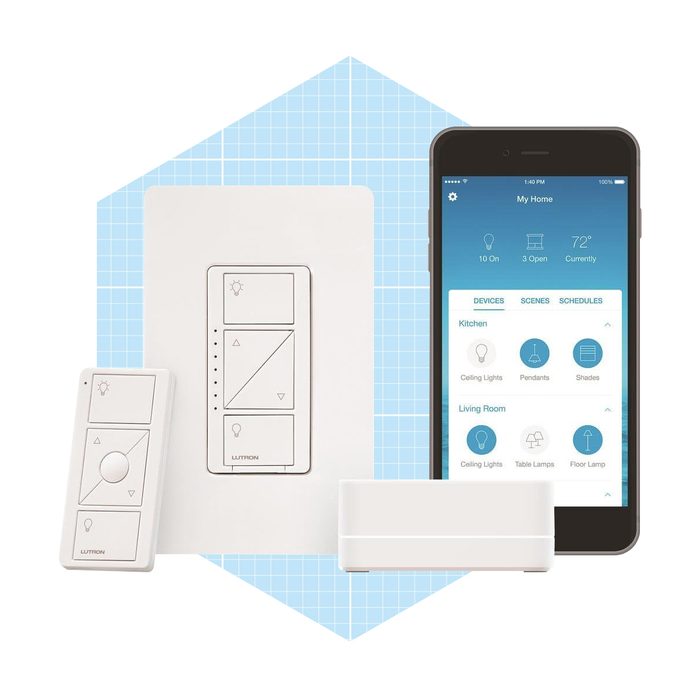
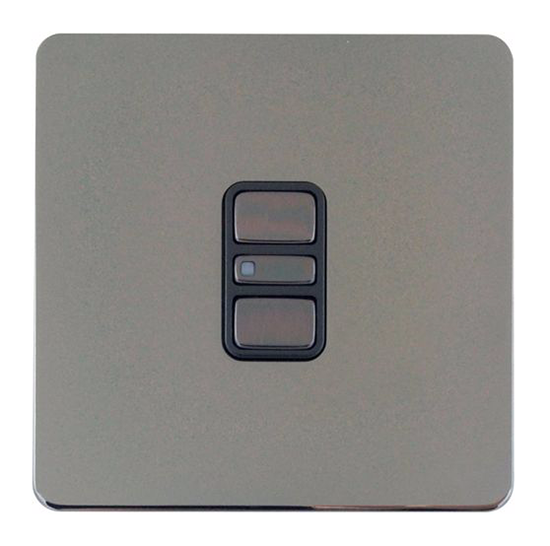
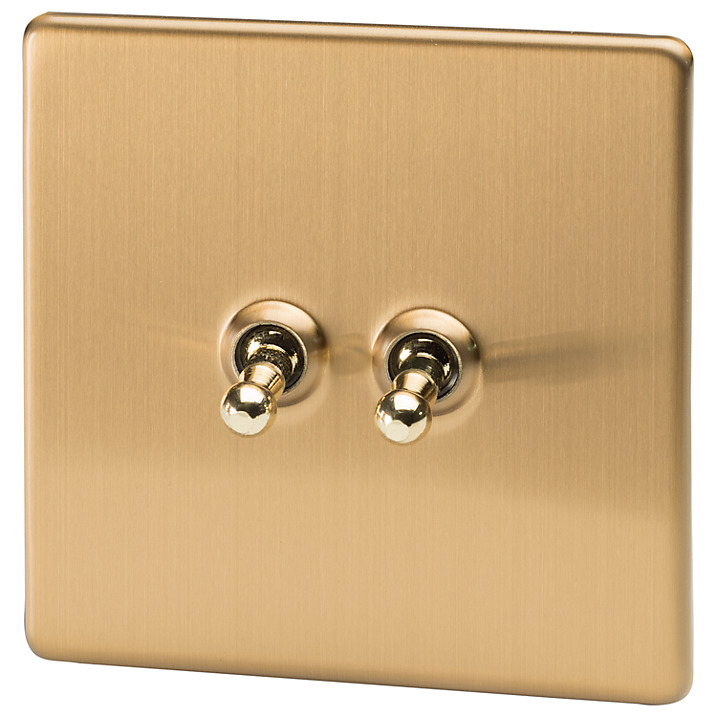
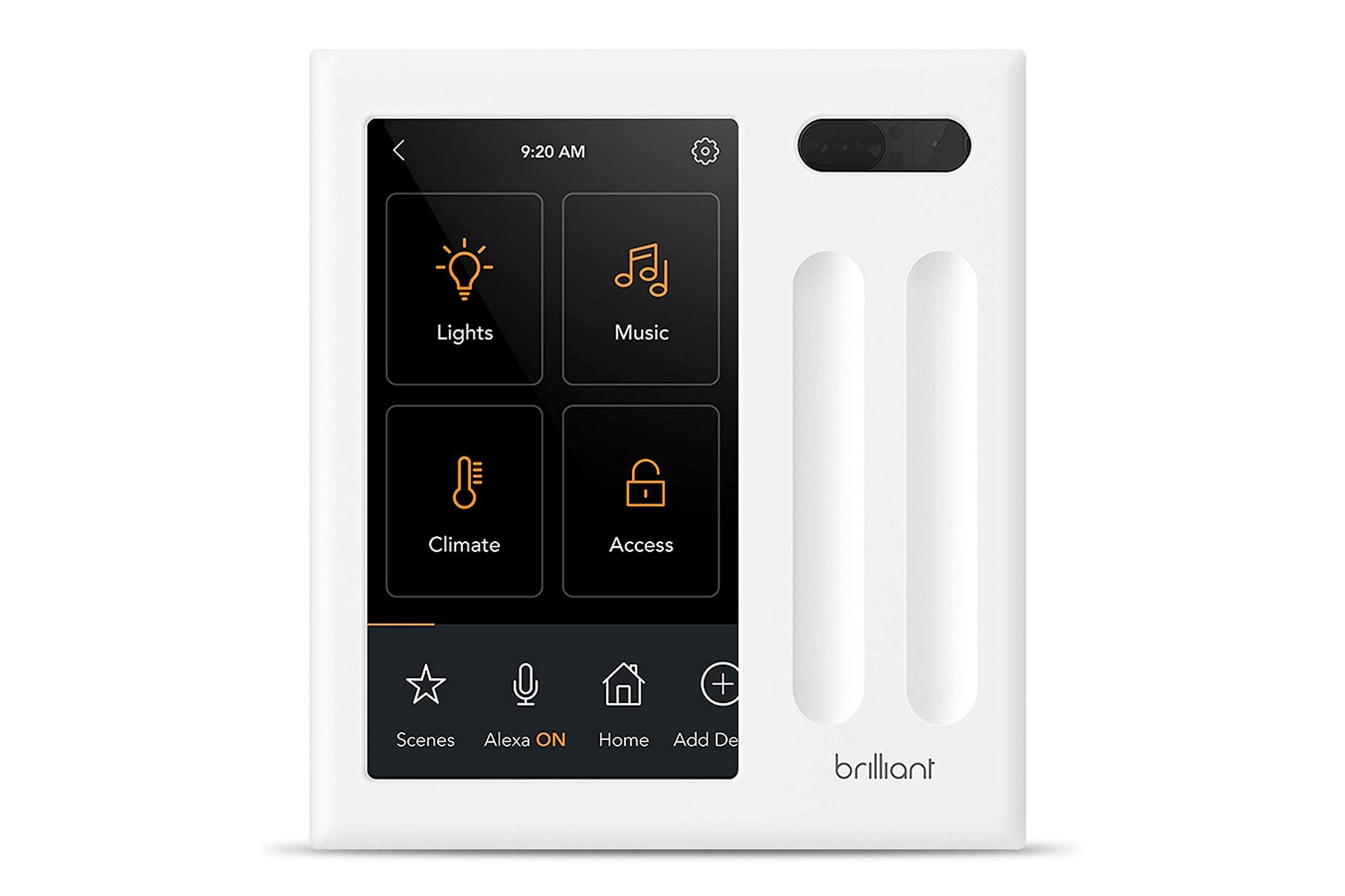
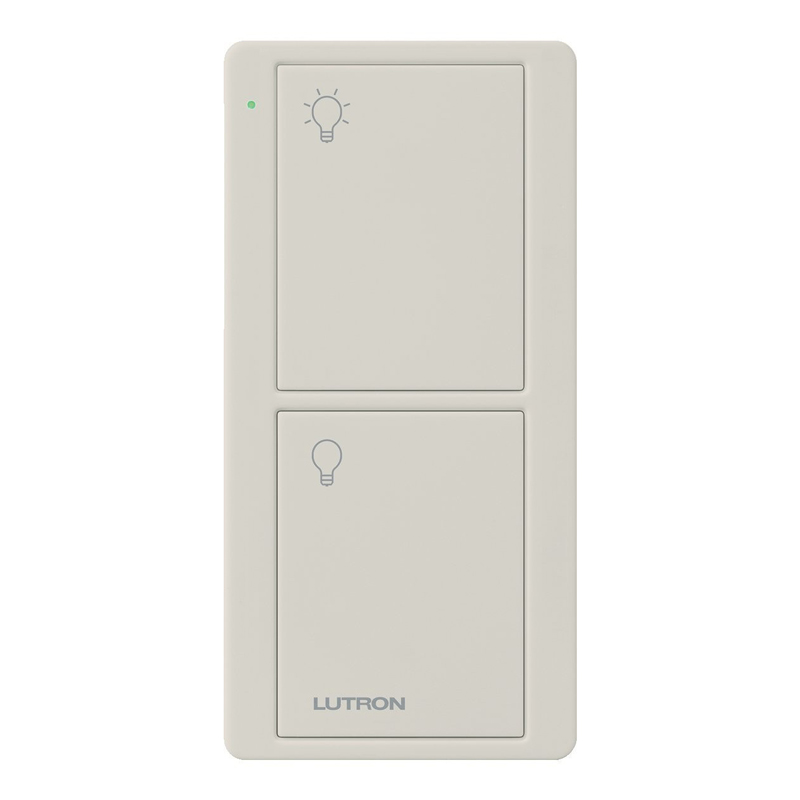
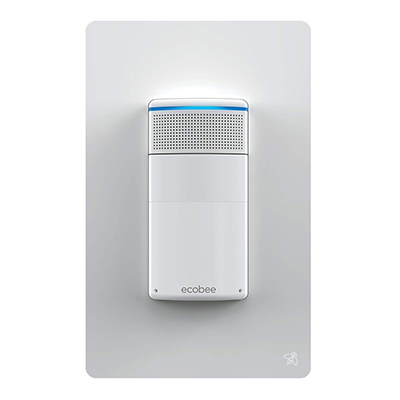
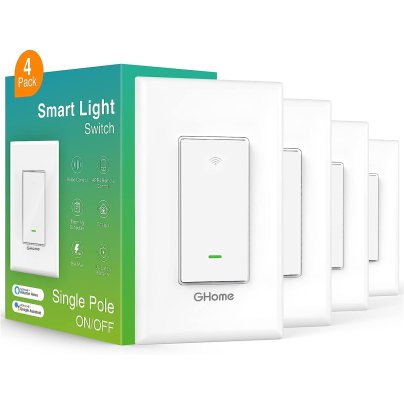
Smart light switches offer enhanced control and convenience for a home's lighting system, allowing users to issue verbal commands, program timers, and receive smartphone alerts. While many smart switches integrate with broader smart-home ecosystems, a significant number also operate independently via Wi-Fi or Bluetooth. When selecting a smart light switch, factors such as compatibility with existing wiring, network connection, and wattage ratings are crucial, in addition to the desired functionality.
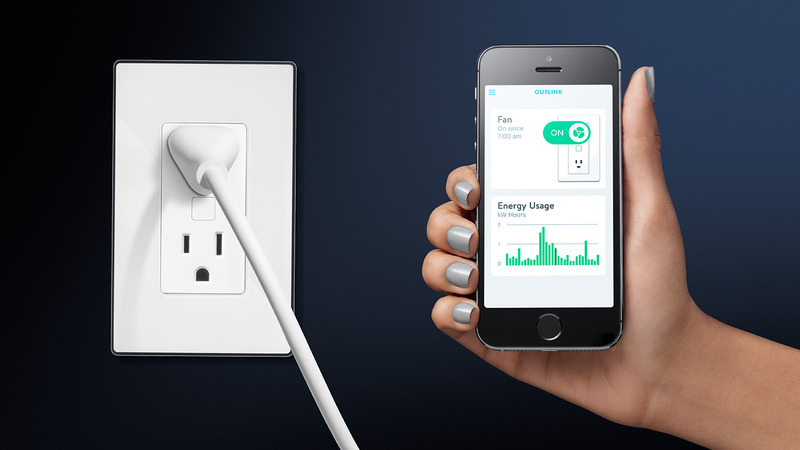
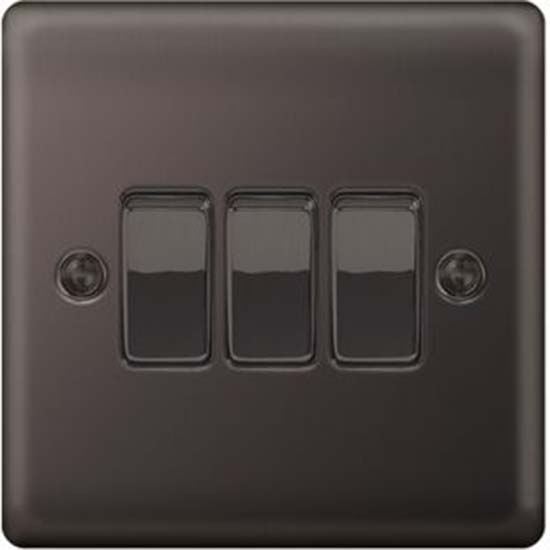
There are various types of smart switches available. Single-pole (1-way) switches control a single circuit, while 3-way switches manage lights from two locations, and 4-way switches from three or more. Plug-in switches convert standard lamps or small appliances into smart devices. Most smart switches rely on Wi-Fi (typically 2.4 GHz) for connectivity with smart-home systems like Amazon Alexa, Google Home, and Samsung SmartThings. Some switches utilize Zigbee technology, which acts as a communication protocol for various smart devices.
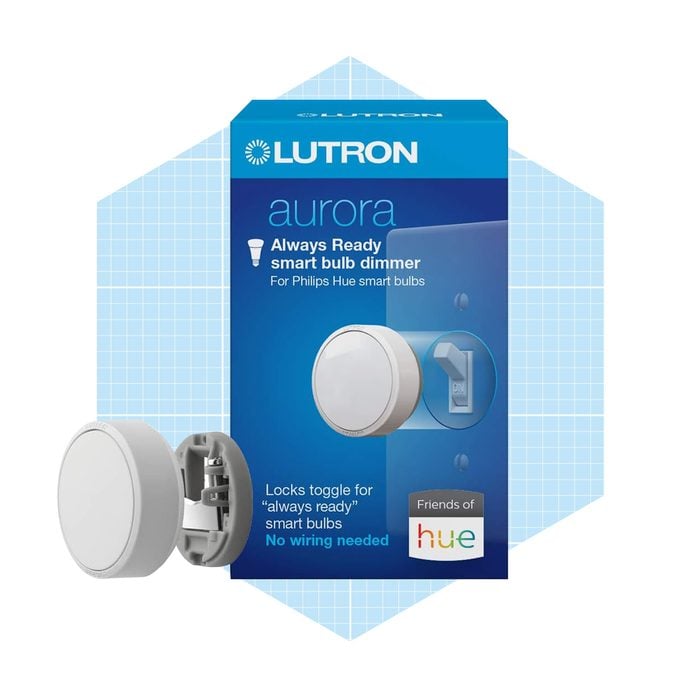
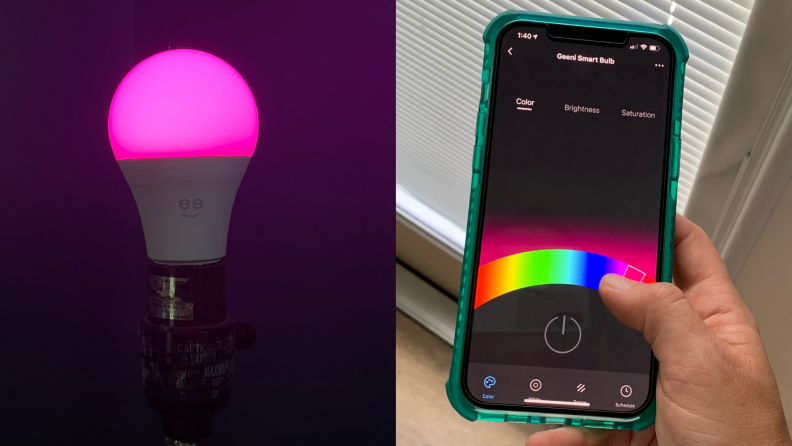
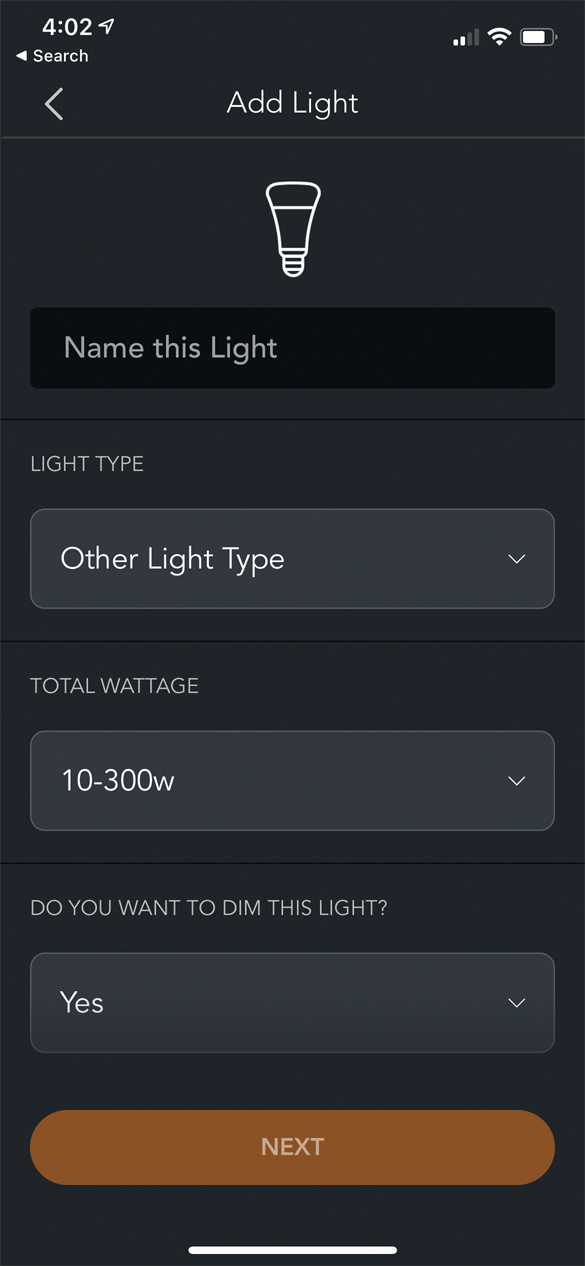
Light bulb compatibility is another important consideration. Smart switches work with standard bulbs, but for dimming functions, the bulbs must be dimmable. While smart switches can control smart bulbs, certain advanced features like color-changing hues might require the bulb's dedicated app. Switches also have wattage ratings, which must match or exceed the total wattage of the bulbs in the fixture to ensure proper operation.
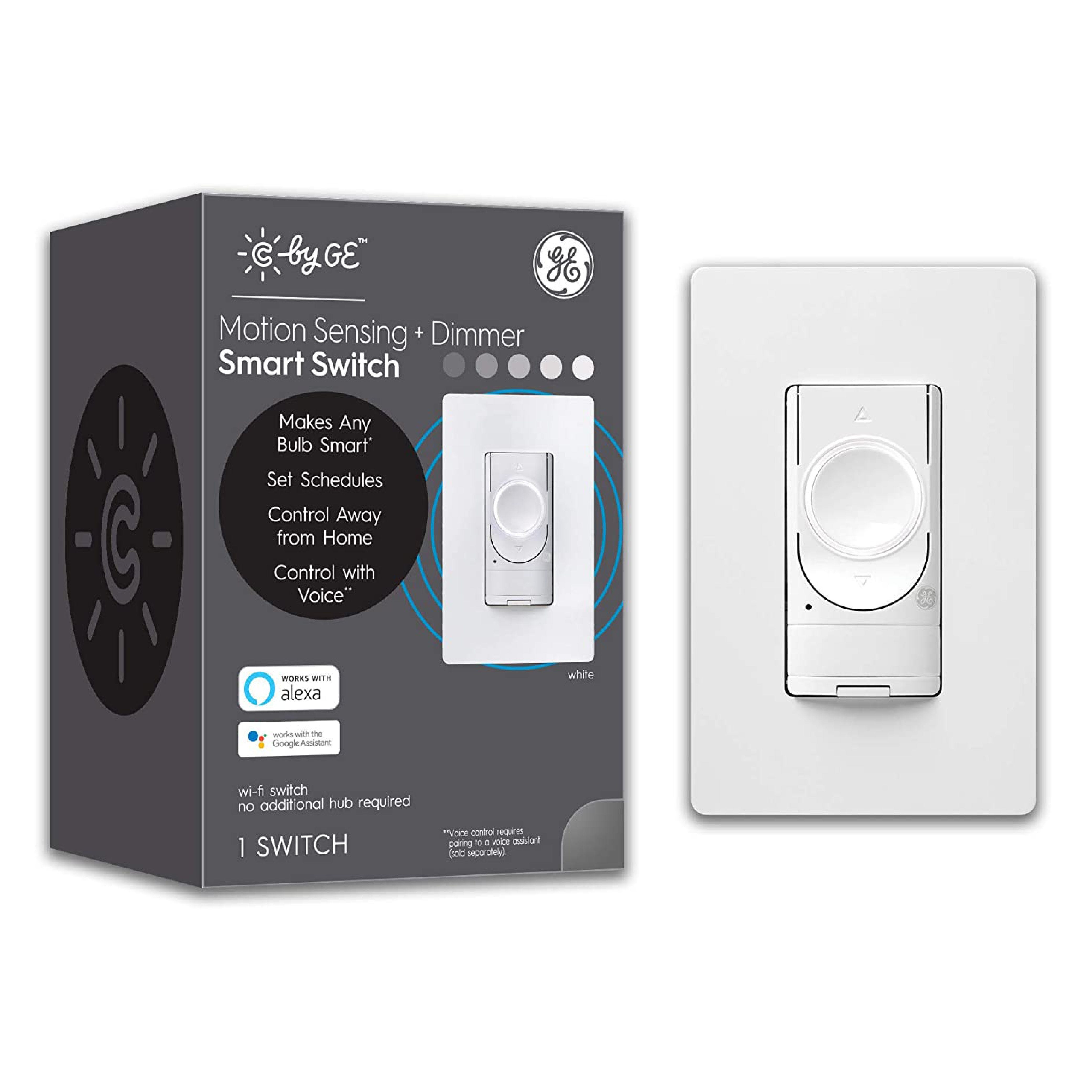
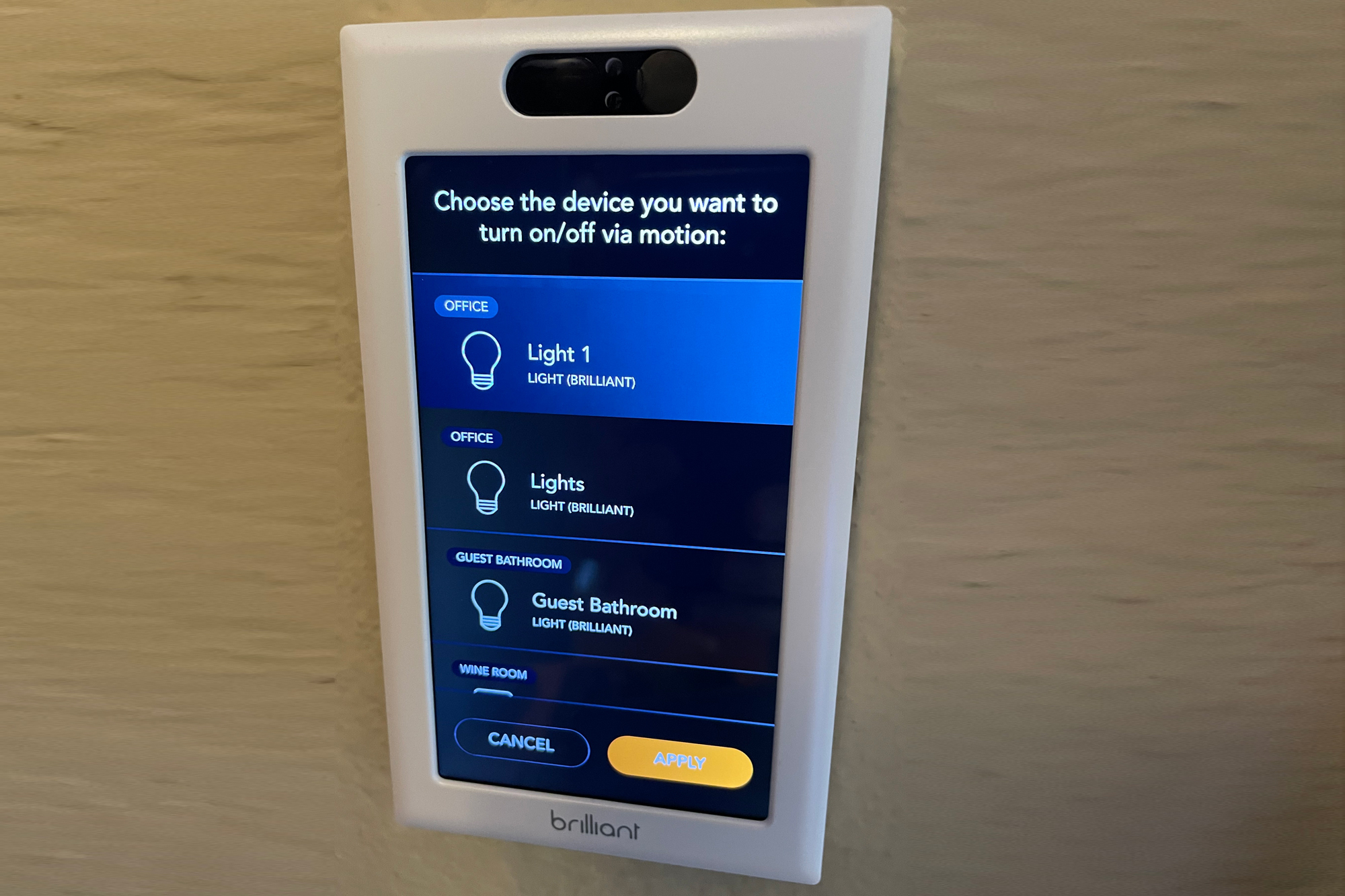
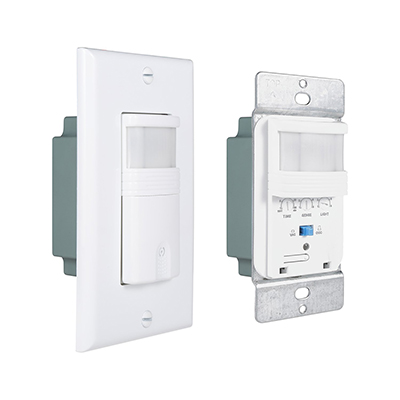
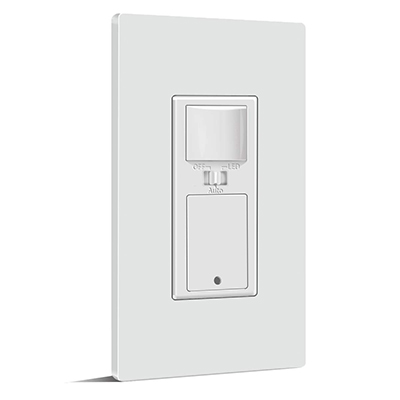
Smart switches offer diverse control styles, including voice commands via popular assistants, remote control through mobile apps, and touch-based interfaces. Motion sensors are available for automated lighting activation. Dimmable switches contribute to energy savings by allowing adjustable light levels, but bulbs must be dimmer-enabled. Motion-sensing switches can automatically turn lights on when movement is detected and off after a period of inactivity.
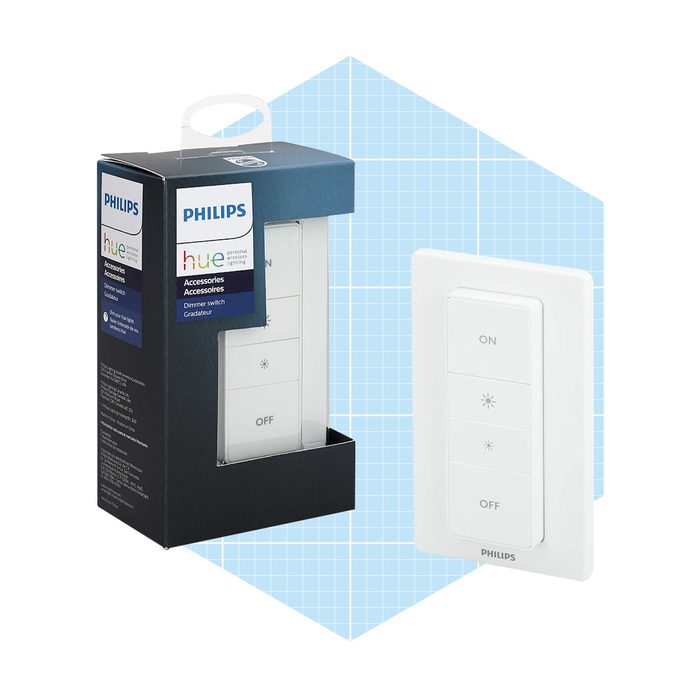
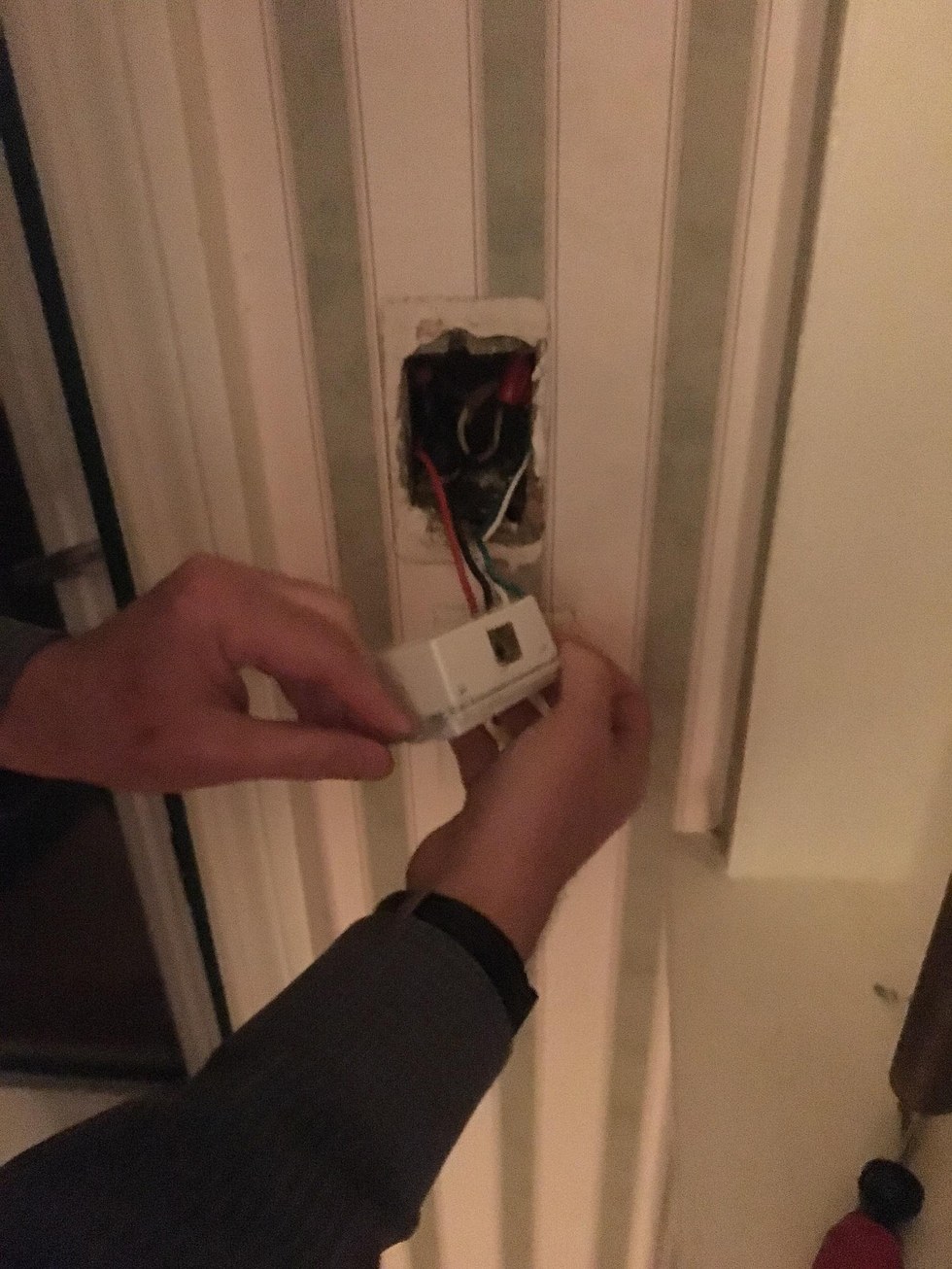
Installation of smart switches can be undertaken by experienced DIYers, but consulting local building authorities and potentially hiring a qualified electrician is advisable due to electrical codes and the need for proper integration. Many smart switches require a neutral wire to power their Wi-Fi connectivity. After physical installation, users must download the associated app to connect the switch to their smartphone or smart-home system. Switches that connect to a central hub, like Philips Hue, require the hub to be plugged into the router for configuration.
Concerns about security for smart switches are valid due to their reliance on wireless connections, which can be vulnerable to hackers. Users are encouraged to secure their home Wi-Fi networks with strong encryption. Smart switches consume a small amount of electricity even when off, as they maintain a minimal electrical load through the neutral wire to stay connected. The need for a smart-home hub varies; some switches connect directly to smartphones, while others, particularly Zigbee-enabled devices, require a dedicated hub. For 4-way switch setups, replacing the existing switch on the load side is key to controlling all functions.
#SmartHome #SmartLighting #HomeAutomation #SmartSwitches #LightControl #DIYHomeImprovement #HomeTechnology #ElectricalWiring #ProductReview #SmartHome #SmartLighting #HomeAutomation #SmartSwitches #LightControl #DIYHomeImprovement #HomeTechnology #ElectricalWiring #ProductReview
0 comment in total
 No comments yet
You may also like

Control Your Home in Seconds With The Best Smart Light Switches of 2022

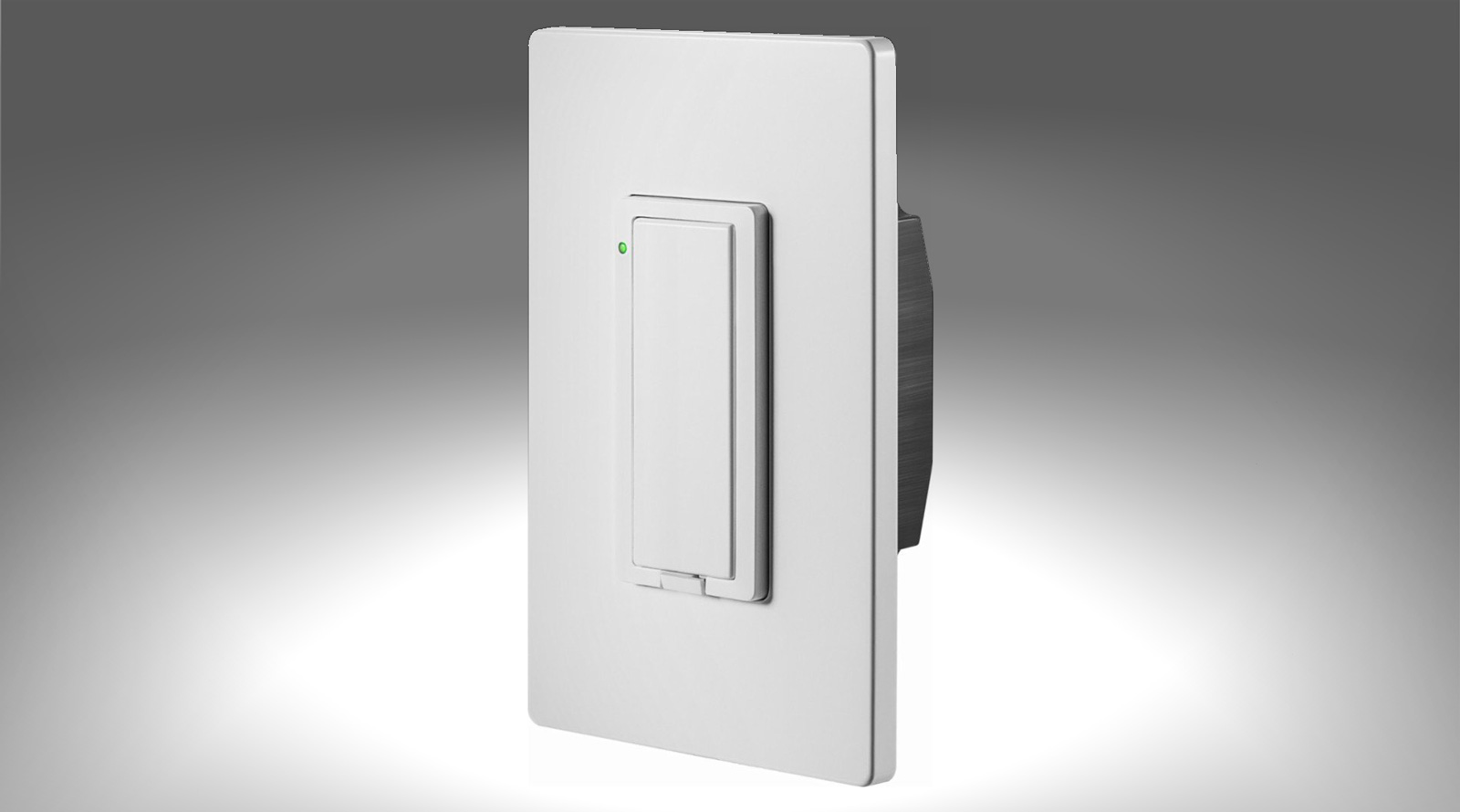
Insignia Smart Light Switch (review)

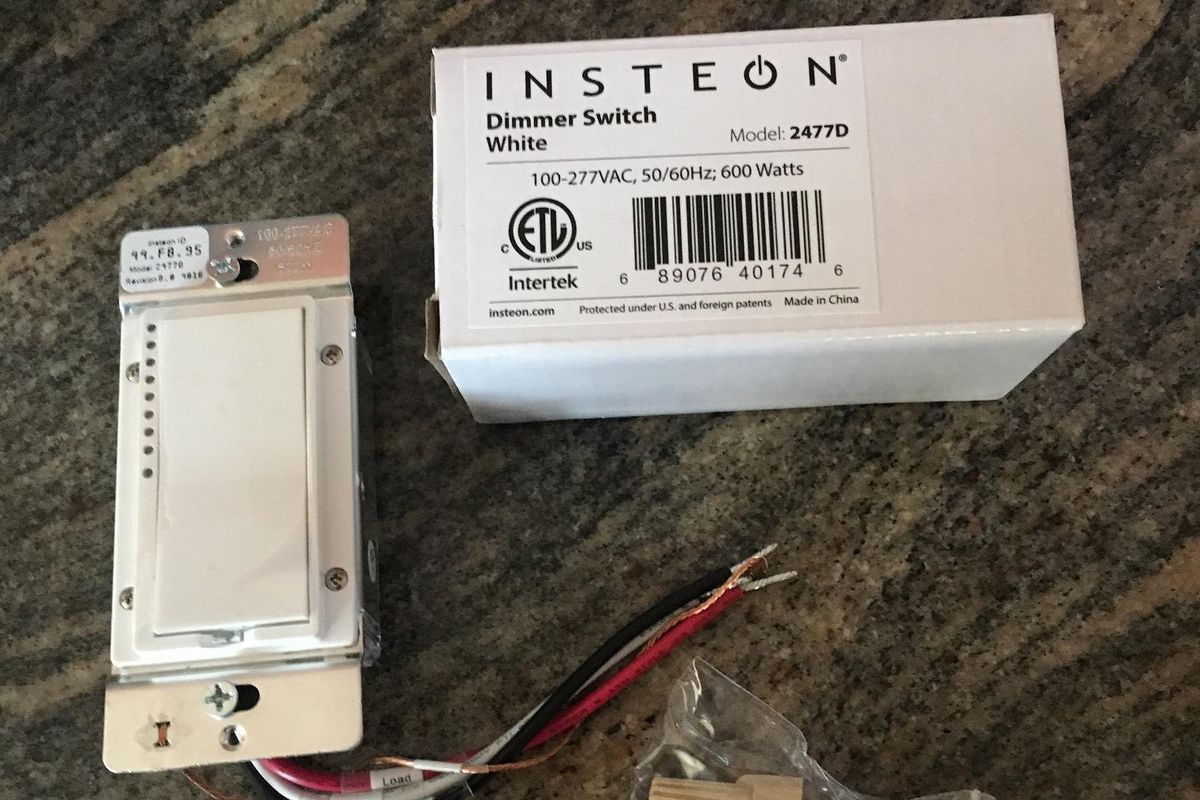
Review: Insteon Dimmer Switch is no ordinary light switch

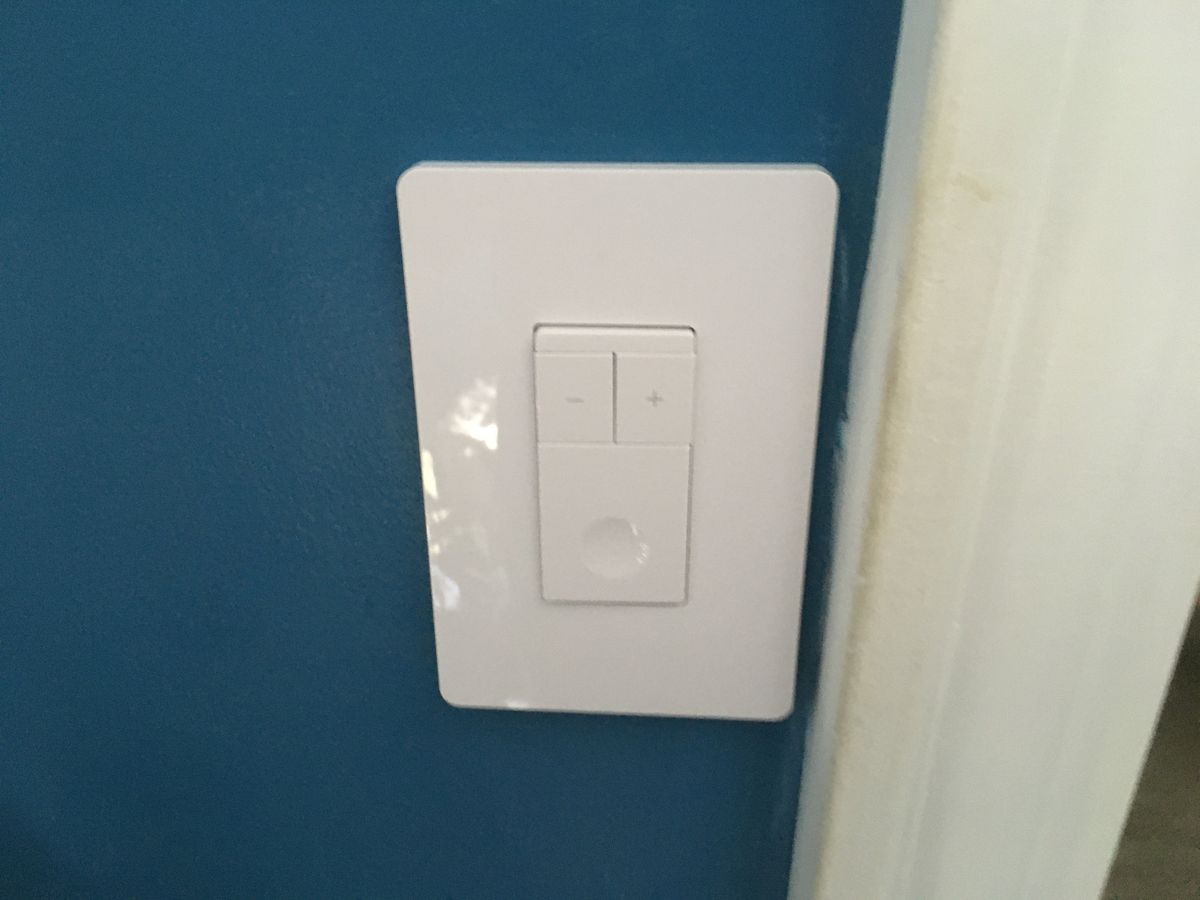
TreatLife Smart Light and Dimmer Switch Review
Upgrade Your Lighting With These Smart Light Switches

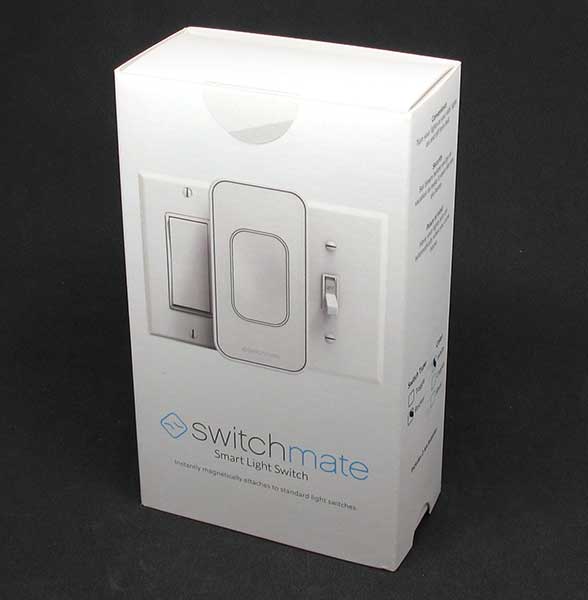
Switchmate Smart Light Switch review

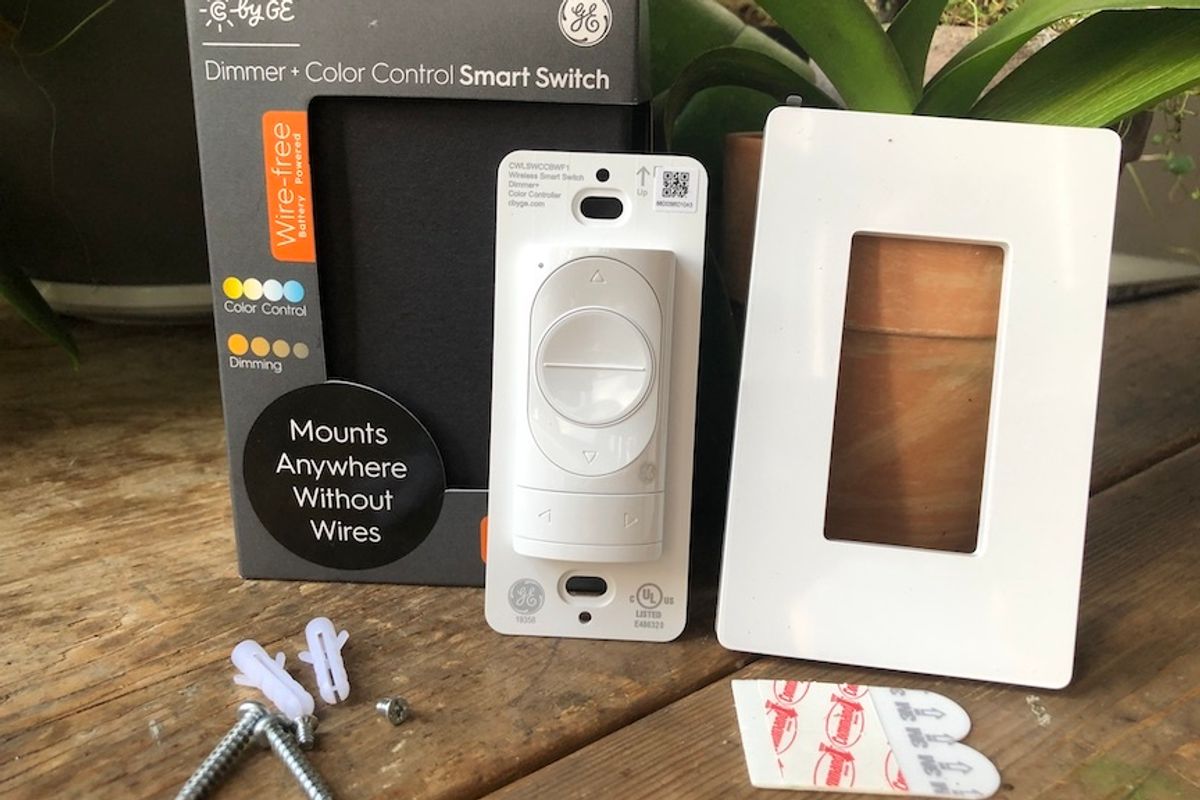
Review: C by GE Wire-Free Dimmer and Color Control Smart Switch
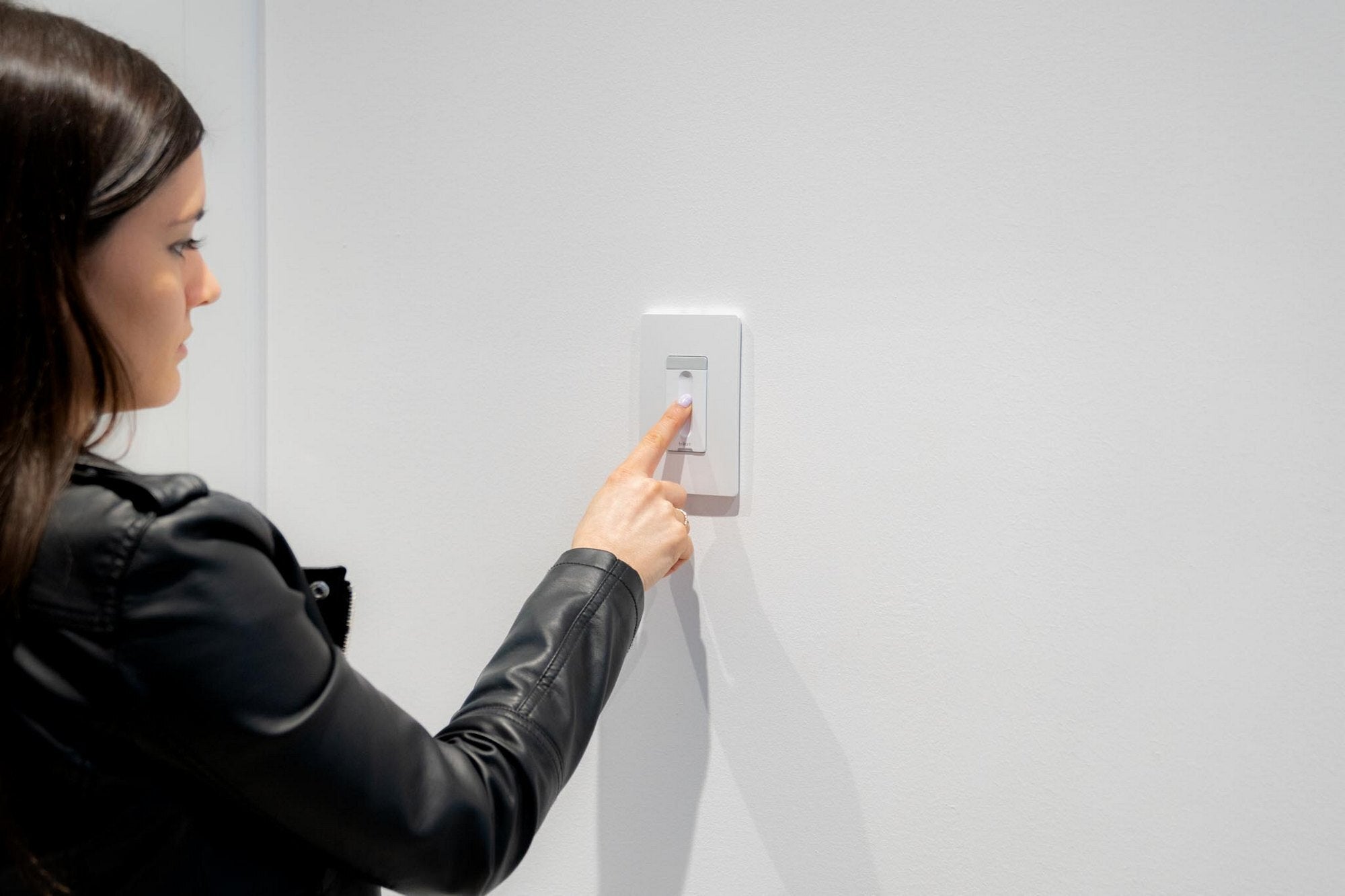
Brilliant Smart Dimmer Switch review: A simple addition to a luxe smart home system

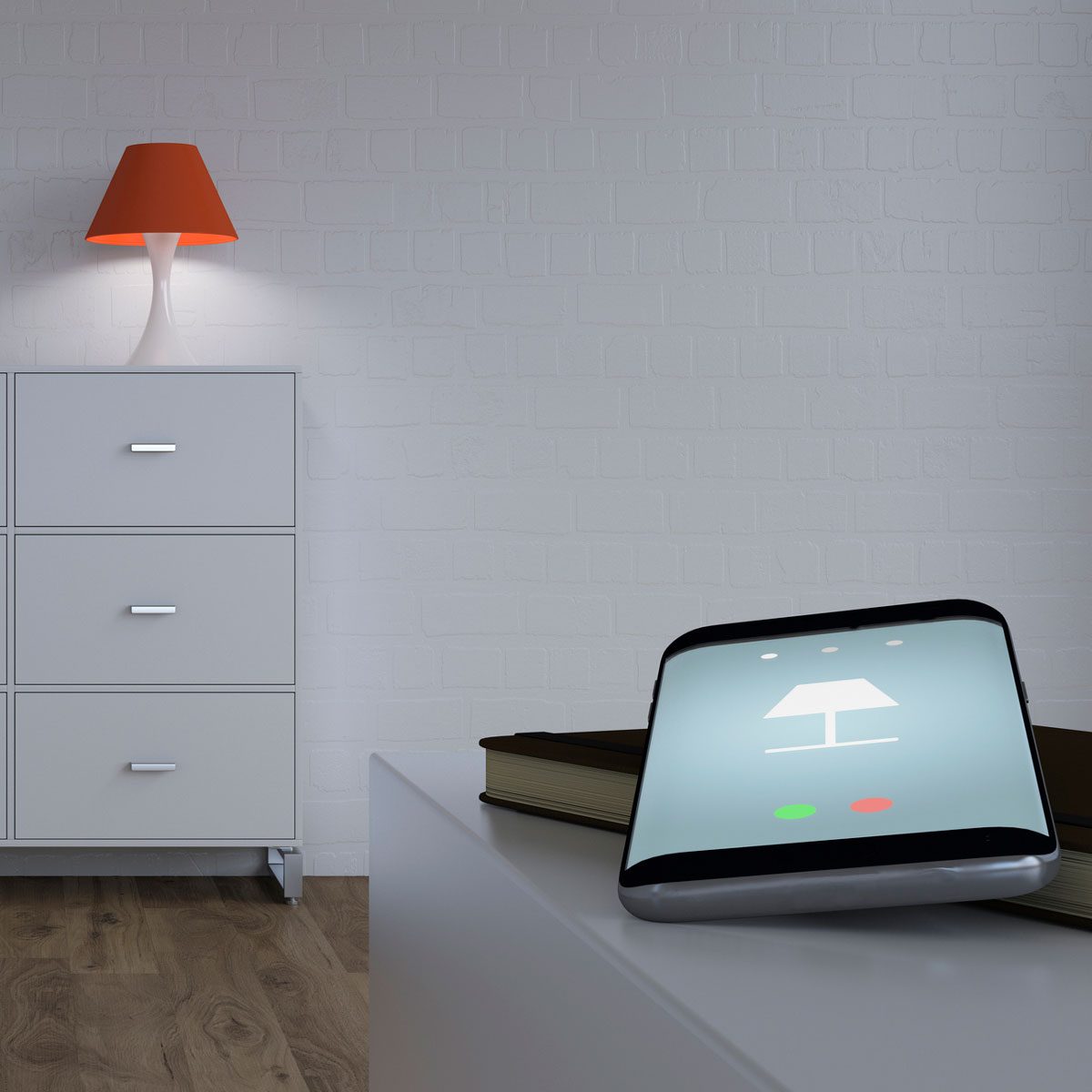
The 8 Best Smart Light Switches and Dimmers of 2025

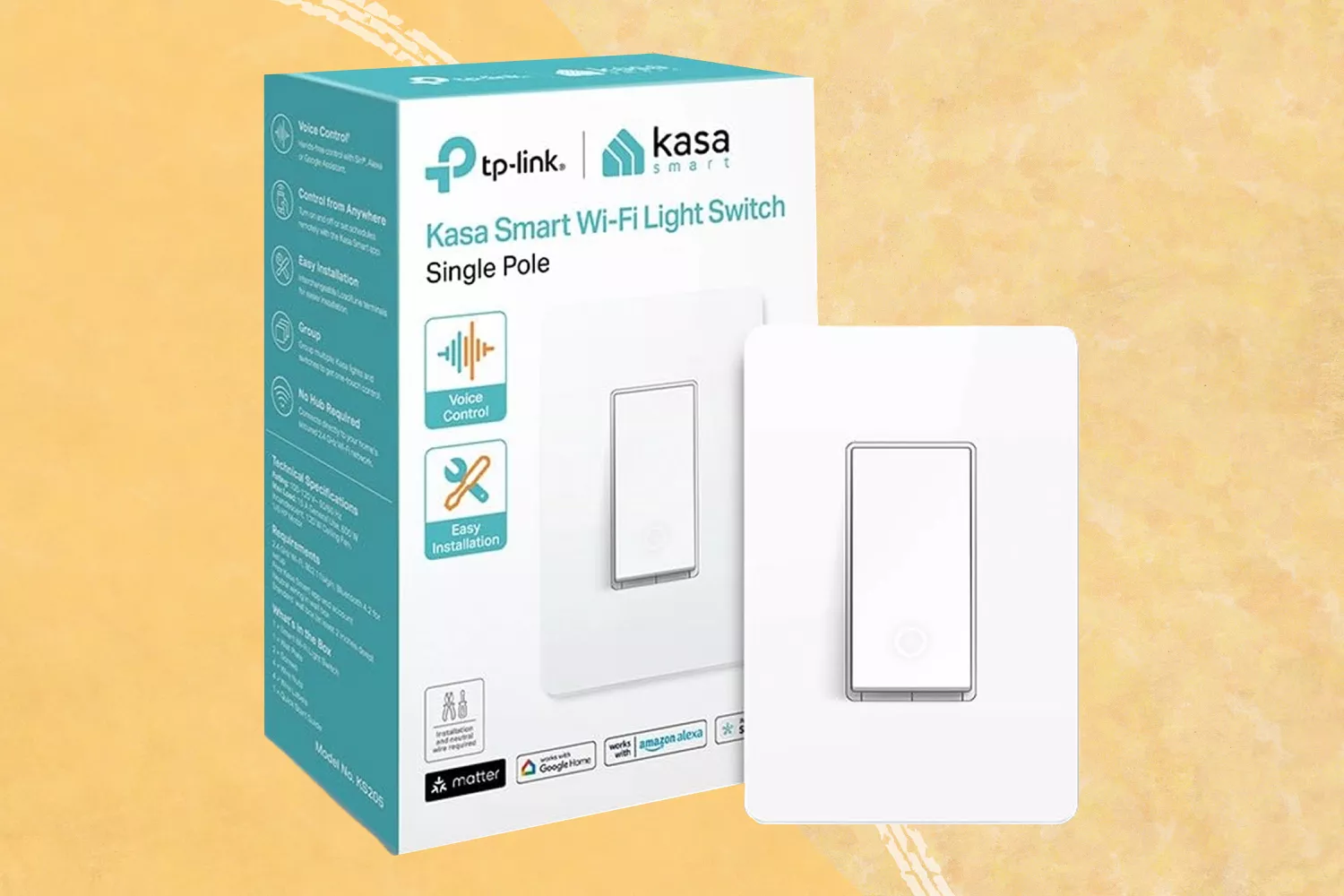
Our Favorite Smart Switches Add Convenient Hands-Free Controls to Any Light

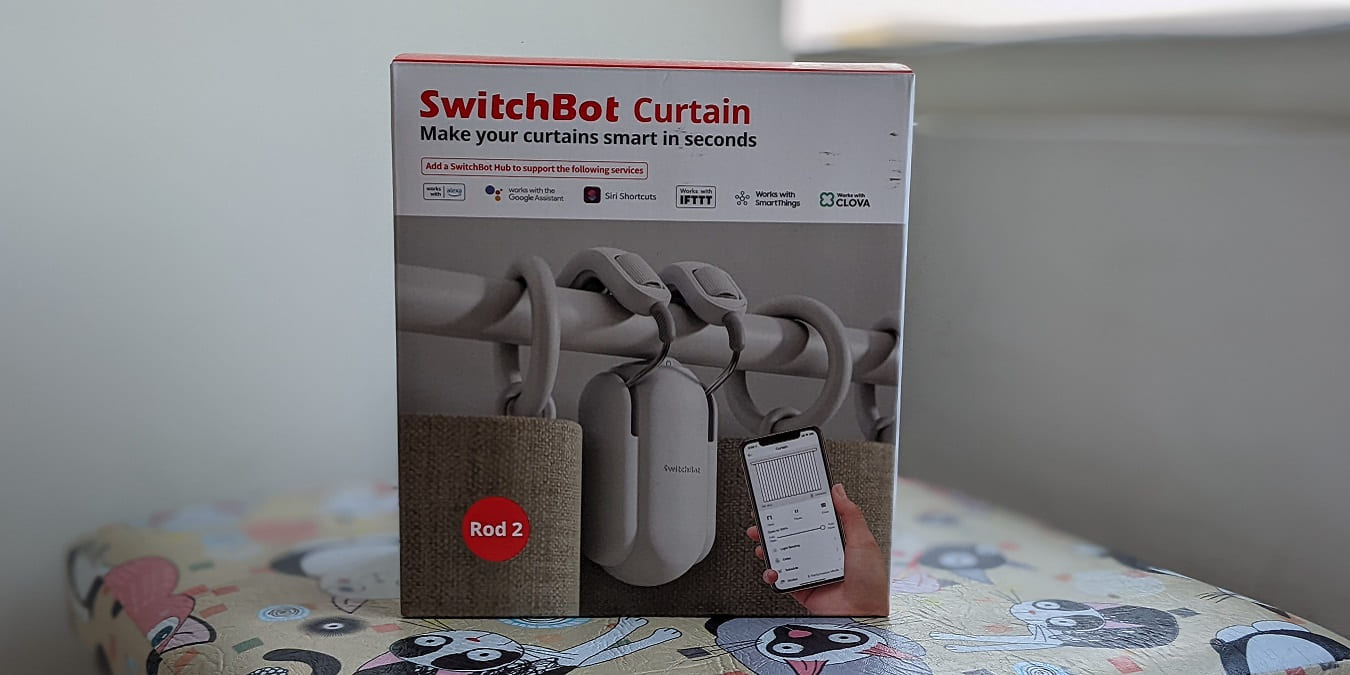
SwitchBot Curtain Rod 2 Review

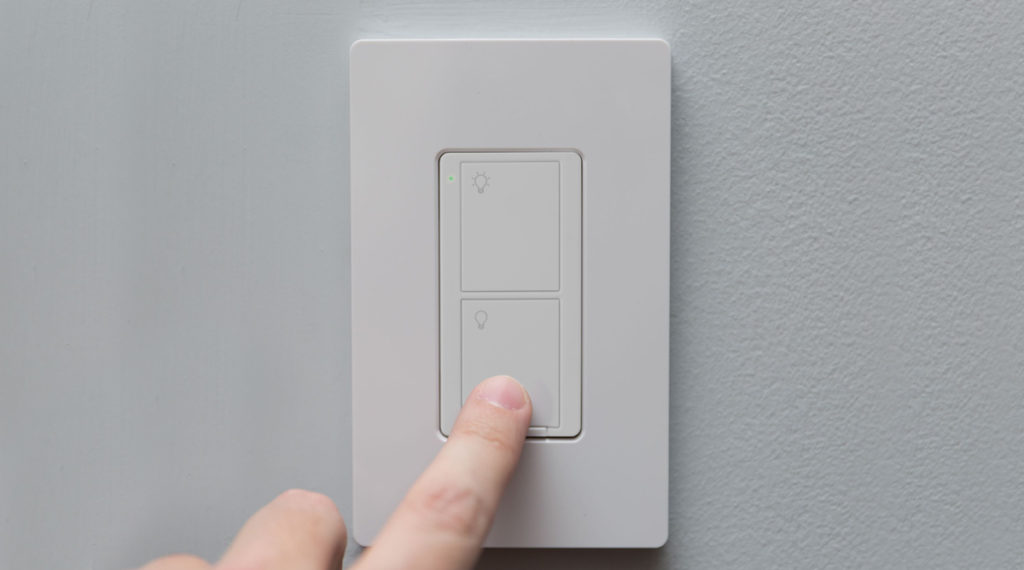
Lutron Caseta In Wall On/Off Switch (review)
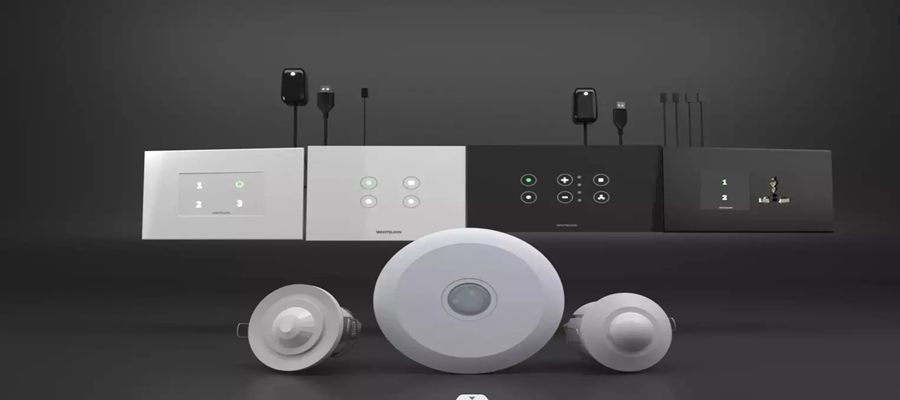
10 Best Smart Switches for Home Automation

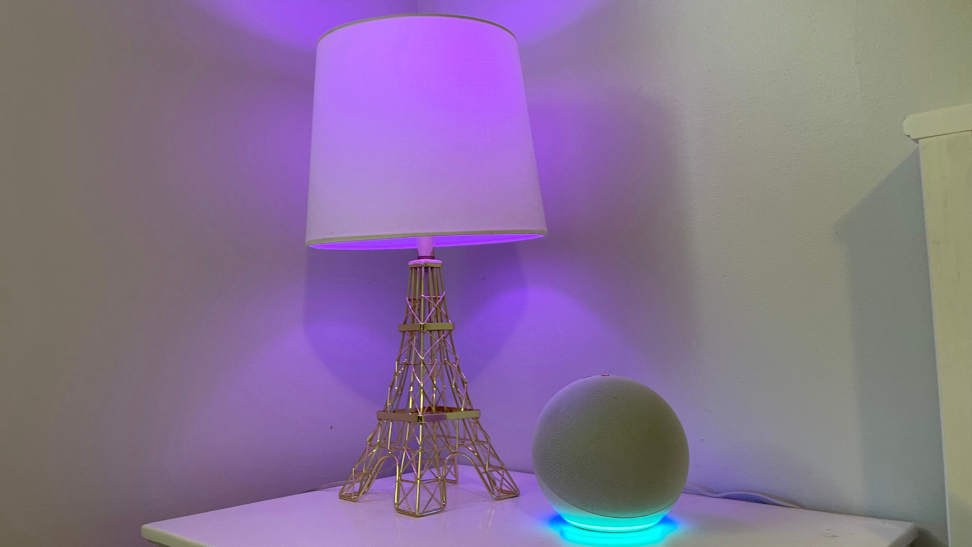
The Best Smart Lights of 2025

Light Switches - Our Pick of the Best
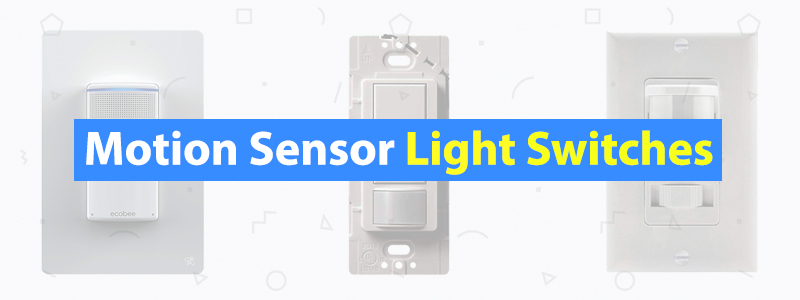
6 Best Motion Sensor Light Switches of 2019

Smart bulbs vs. smart switches: The pros and cons of connected lighting

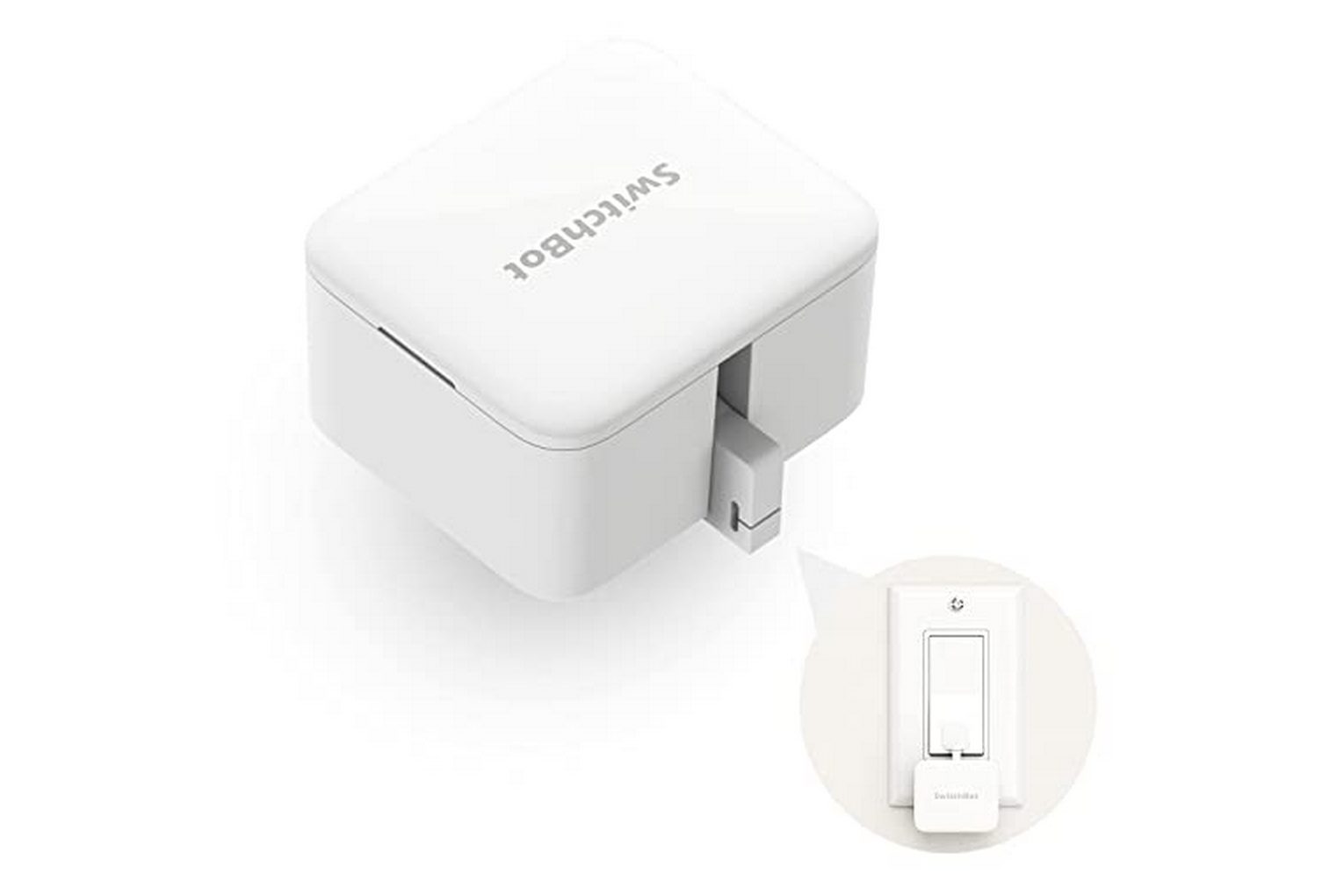
SwitchBot Bot review: Convert your dumb light switches into smart ones the easy way
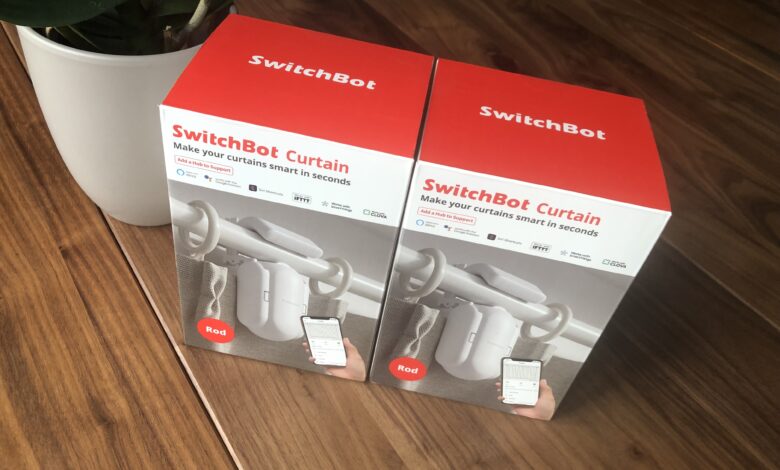
SwitchBot Curtain: Smart curtain with lots of accessories in the test

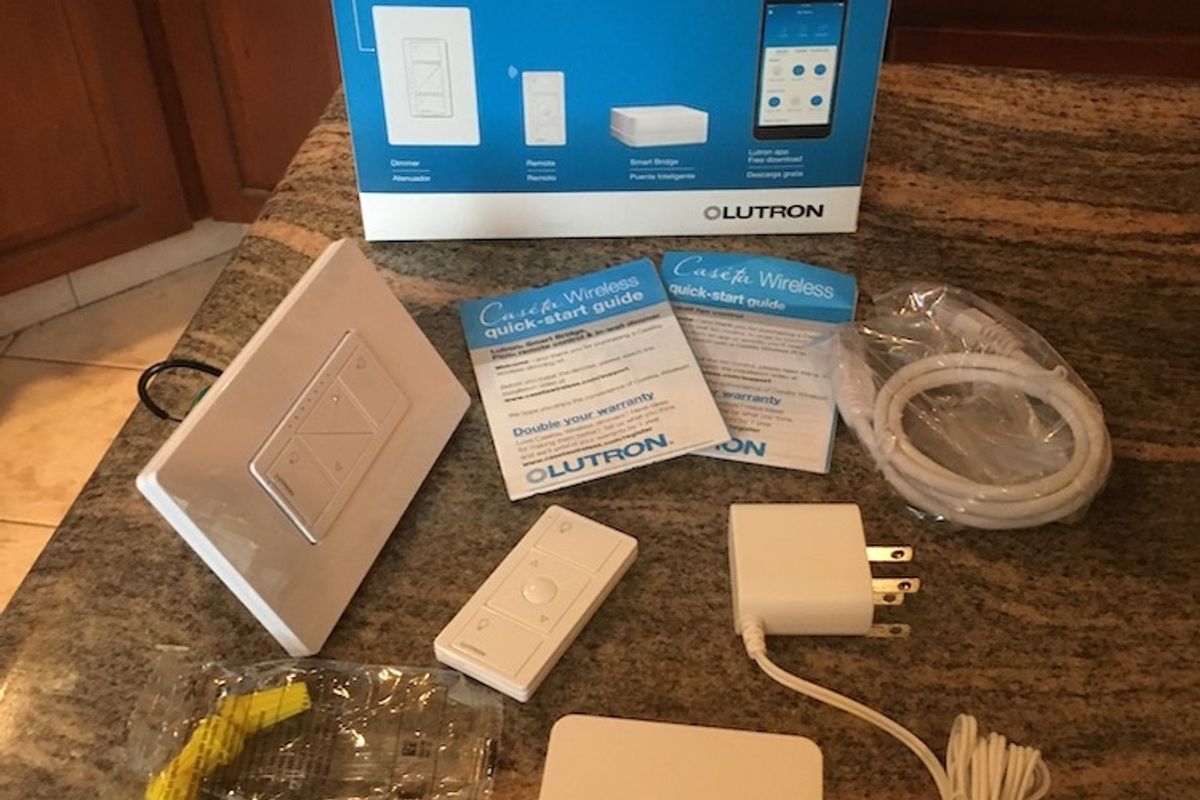
Lutron Caseta Wireless Dimmer Kit with Smart Bridge Review