1/2
Experts Told Us Why Our Home LED Lights Die Out So Fast
LED bulbs are marketed with promises of energy savings, customization, and longevity, often claiming several years of use. While many of these claims hold true, instances of LED bulbs failing prematurely are common, leading to frustration, especially given their higher cost compared to traditional incandescent bulbs. This article investigates the reasons behind the early failure of LED bulbs and offers solutions to prolong their lifespan.
One significant factor contributing to early LED failure is the discrepancy between advertised lifespan ratings and real-world performance. Manufacturers often base their lifespan estimates on internal testing, presenting average figures that might not reflect typical usage conditions. For example, a bulb advertised to last seven years might be based on an average, where a small percentage of bulbs fail much sooner, yet these early failures are more memorable to consumers than those that meet or exceed expectations. Furthermore, some companies may inflate lifespan claims by assuming fewer hours of daily use (e.g., 2-3 hours instead of a more realistic 6-8 hours), leading to exaggerated year-based projections. Despite these issues, LED bulbs generally still offer a significantly longer average lifespan than incandescent bulbs, which typically last around 800 hours.
The primary cause of LED bulb failure is not the light-emitting diode itself, which tends to degrade slowly over time, but rather the other electrical components, particularly the drivers and converters. LED bulbs require these components to convert standard AC home power to the DC power they use. These internal circuit parts and their soldered connections are delicate and highly susceptible to harsh conditions, especially heat. Installing an LED bulb in poorly ventilated or hot fixtures, or in deep-set sockets, can cause these components to overheat and fail prematurely. Opting for LED bulbs with robust aluminum heat sinks can mitigate some of these heat-related issues.
Another contributing factor is the quality of the home's electrical power. An unstable or "dirty" power supply, characterized by frequent, small voltage spikes, can strain the LED bulb's converters, leading to premature wear and overheating. If multiple bulbs fail without apparent reason, a dirty power supply might be the culprit. Poor installation or old, dirty sockets can also mimic the effects of a dirty power supply, causing inefficient power transfer and burnout. Proper, gentle installation in clean sockets is recommended.
Environmental factors like high humidity can also shorten an LED bulb's life. Elevated moisture combined with heat accelerates the degradation of electrical connections. In humid environments, using dehumidifiers can help create a more favorable environment for LED longevity. Lastly, incompatibility with older dimmer switches is a common problem. Traditional dimmers are designed for high-wattage incandescent bulbs and can cause burnout issues with low-wattage LEDs. Installing an LED-compatible dimmer or using smart LED bulbs with app-controlled dimming features are effective solutions. The overall manufacturing quality plays a crucial role; many manufacturers compromise on the quality of drivers and converters to cut costs, leading to early failures. Consumers should choose reputable brands like Philips, Wiz, Govee, Nanoleaf, and Cree, even if they come at a slightly higher price, to ensure better durability and performance.
#LEDLights #SmartHome #HomeLighting #EnergyEfficiency #BulbLifespan #ElectricalIssues #HomeMaintenance #SmartTechnology #LEDLights #SmartHome #HomeLighting #EnergyEfficiency #BulbLifespan #ElectricalIssues #HomeMaintenance #SmartTechnology
 No comments yet
The 3 Best LED Light Bulbs of 2025 | Reviews by Wirecutter
These LED bulbs offer 100 watts worth of light: Which is best?
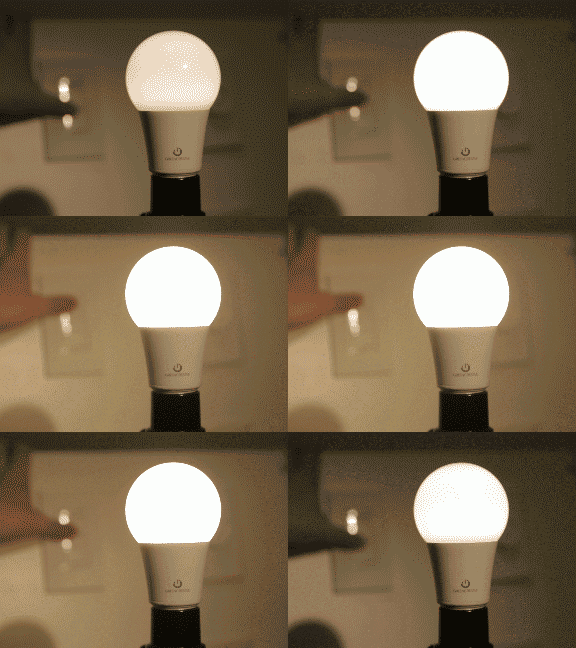
These migraine-inducing GIFs will show you which LEDs to avoid

Dispelling the myths about LED blue light and light flicker, Lifestyle News

Ask Wirecutter: Stop Stressing About Turning Off the Lights When Leaving the Room!
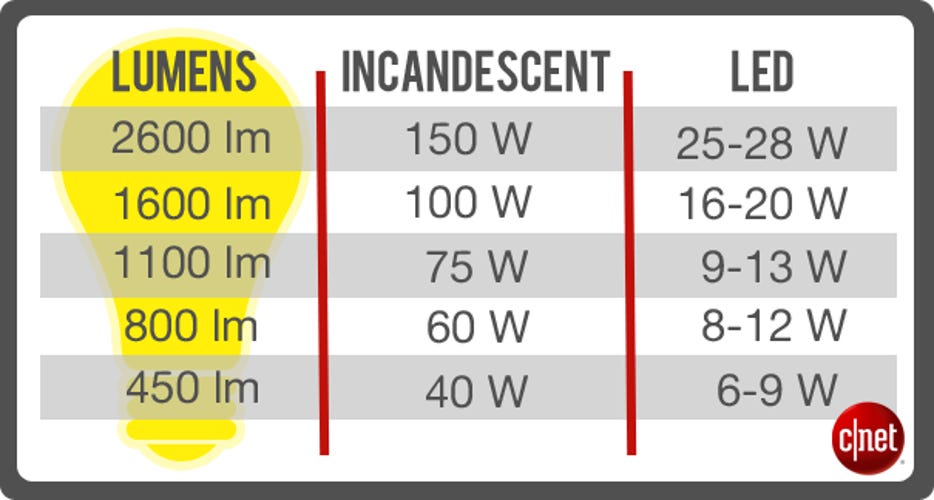
Light Bulb Moment: 5 Things to Consider When Switching to LED Bulbs

Why Do Homes These Days Have So Much Recessed Lighting?