Light Bulb Moment: 5 Things to Consider When Switching to LED Bulbs
The transition to LED light bulbs is becoming increasingly necessary due to new regulations from the Department of Energy, which effectively ban the sale of most incandescent light bulbs in the US. These regulations mandate that light bulbs must emit at least 45 lumens per watt, a standard approximately three times higher than what incandescent bulbs provide. This shift means that incandescent bulbs will no longer be manufactured, making now an opportune time for consumers to switch to LED technology.
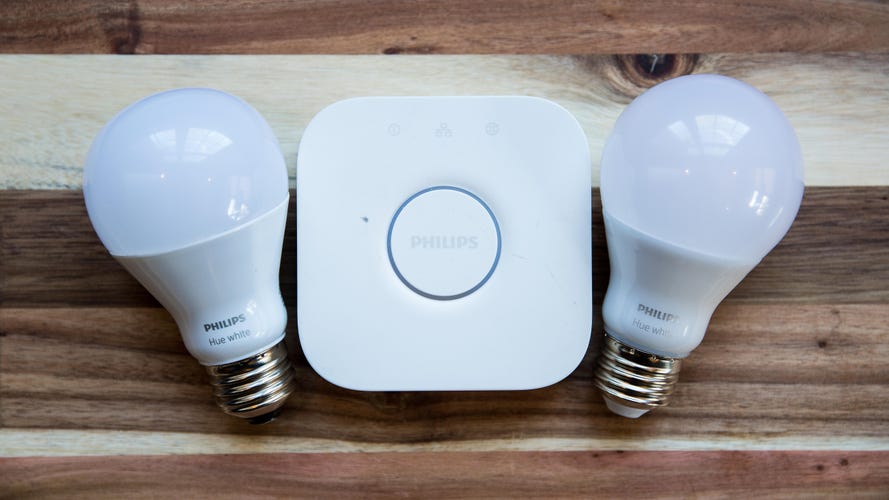
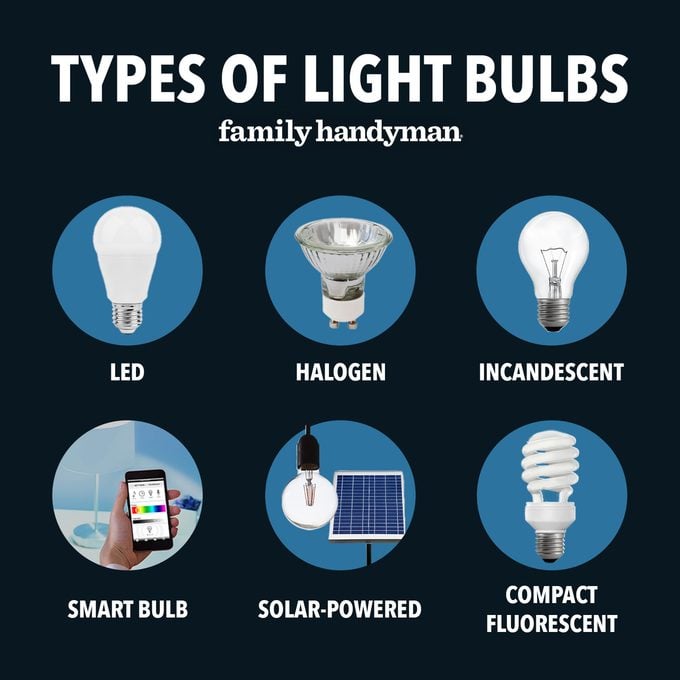
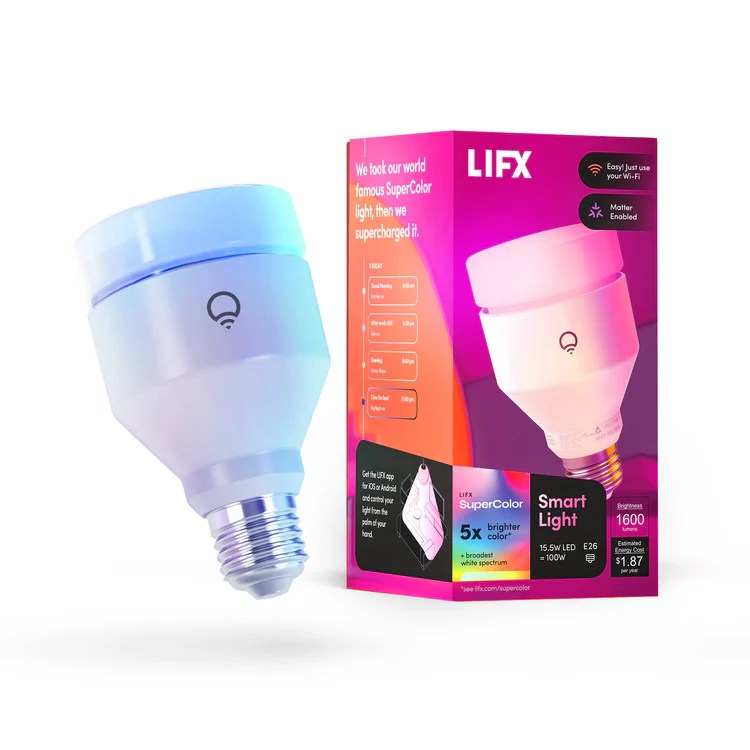
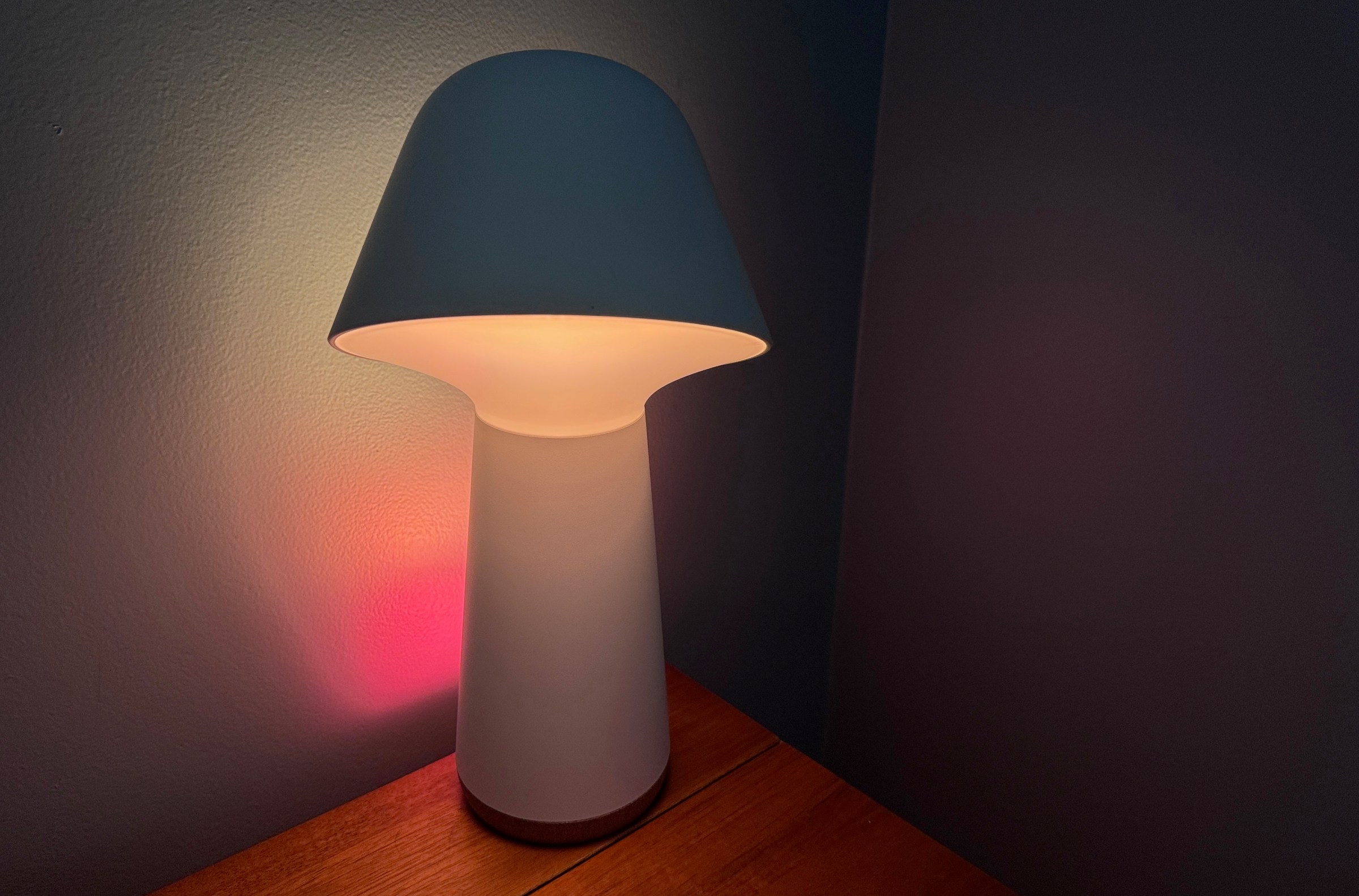
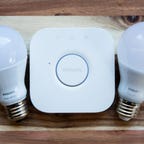
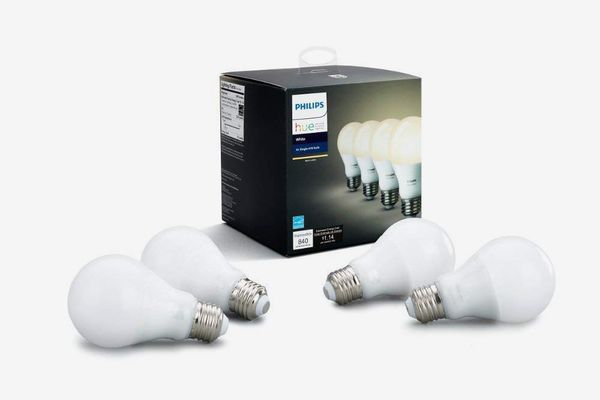
LED bulbs offer numerous advantages over their incandescent counterparts. They boast a significantly longer lifespan and consume considerably less energy to produce the same amount of light. This not only benefits the environment by reducing global-warming carbon emissions by an estimated 222 million metric tons over the next three decades but also translates into substantial savings on electricity bills for consumers. The Department of Energy projects that this new policy will save US consumers almost $3 billion on their utility bills. Beyond efficiency and cost savings, LED bulbs also come with advanced features such as color-changing capabilities and seamless integration with smart home systems, home security setups, or voice assistants.
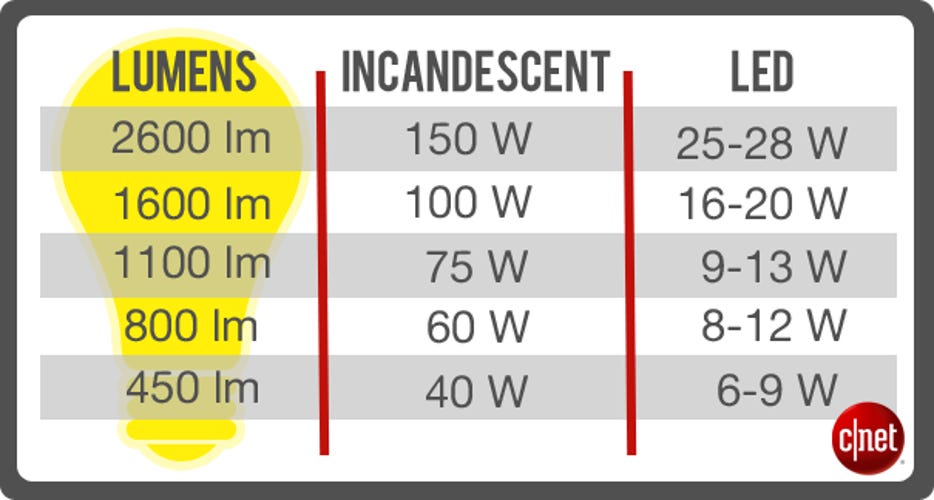
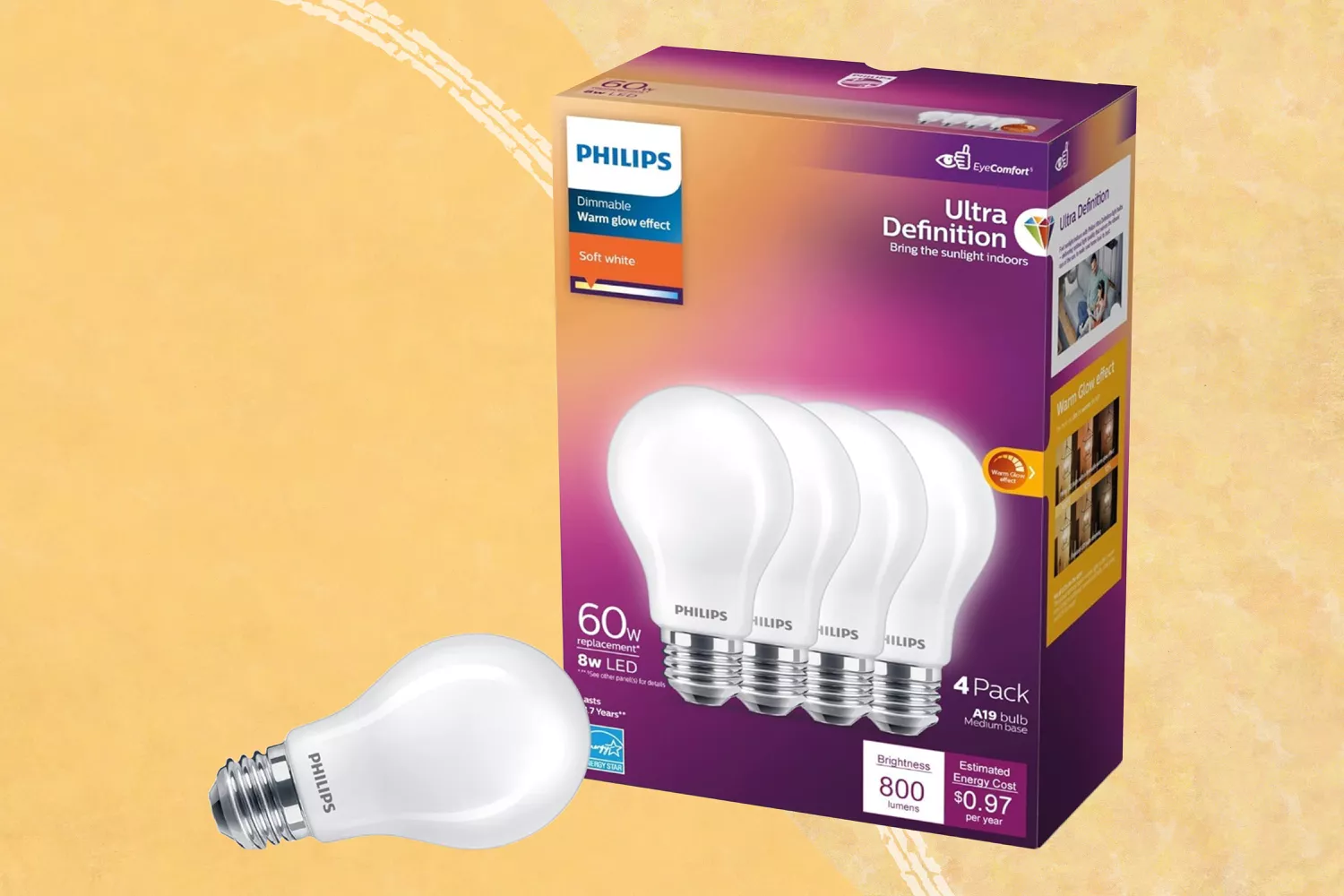
When purchasing LED bulbs, there are five key considerations. Firstly, consumers should focus on lumens (lm) rather than watts to determine brightness. While watts indicate energy consumption, lumens provide the actual measurement of light output. For instance, an LED bulb that matches the brightness of a 60-watt incandescent bulb typically draws only 8 to 12 watts. Therefore, comparing lumens is crucial to accurately assess brightness, with a conversion chart illustrating that incandescents often require up to five times more wattage for the same lumen output.
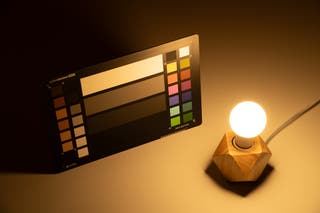
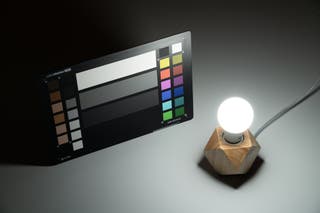
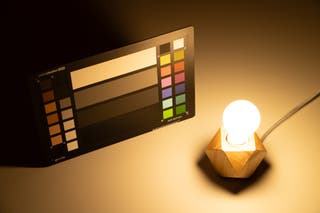
Secondly, selecting the appropriate color temperature is important. Unlike the warm, yellowish hue of incandescent bulbs, LEDs offer a range of colors. The two primary options for residential use are 'soft white' (or 'warm white'), which emits a yellow, candle-like glow (2,700K to 3,500K on the Kelvin scale), and 'bright white' (or 'daylight'), which produces a whiter light (5,000K or higher) similar to natural daylight or office lighting.
Thirdly, while LED bulbs have a higher upfront cost than incandescents, they prove more economical in the long run. Although an LED bulb might cost $5 or less, compared to a dollar or so for an incandescent, the operational cost is significantly lower. A 60-watt incandescent bulb adds about $7 to an annual energy bill (based on three hours of daily use), whereas a comparable LED bulb adds only about $1. This makes LEDs the more cost-effective choice within a year of use, in addition to offering reduced heat production and a longer lifespan.
Fourthly, consumers must be aware of dimmability. Not all LED bulbs are compatible with traditional dimmer switches due to their distinct circuitry. Existing dimmers, designed for incandescents, rapidly cut off electricity, which can cause issues with LEDs that draw less power. It is essential to purchase LED bulbs specifically labeled as dimmable. A practical approach is to test a single dimmable LED bulb from a reputable manufacturer with existing dimmer switches before making a larger purchase. Alternatively, upgrading to newer dimmer models designed for LEDs or opting for smart bulbs, which often feature built-in dimming mechanisms and voice assistant compatibility, can resolve compatibility concerns.
Finally, it is crucial to consider the fixture type. Although LED bulbs generate less heat than incandescents, they still produce heat that needs to be dissipated by a heat sink in their base. If an LED bulb is used in an enclosed fixture, the heat cannot dissipate effectively, leading to premature failure and reduced lifespan. Therefore, for enclosed fixtures, traditional incandescent, fluorescent, or halogen bulbs might be more suitable, or specific LED bulbs designed for enclosed environments should be chosen to ensure optimal performance and longevity.
#LEDLighting #EnergyEfficiency #SmartHome #HomeImprovement #LightingTechnology #UtilitySavings #EnvironmentalImpact #SmartBulbs #LEDLighting #EnergyEfficiency #SmartHome #HomeImprovement #LightingTechnology #UtilitySavings #EnvironmentalImpact #SmartBulbs
0 comment in total
 No comments yet
You may also like
Forget the Ceiling Light — These Are the 5 Ways You Should Be Lighting Your Living Room

Where to Put LED Lights — 5 Inspiring Ways to Use This Versatile Lighting Design
The 5 bathroom lighting rules design experts always follow for a bright and beautiful space

5 best-LED lights for residential applications

Light sizing – 5 essential expert tips for choosing the right size ceiling light

Room-by-Room Lightbulb Guide | Lightbulb Reviews
Brighten Up Your Day With the Best Bathroom Bulbs for Every Fixture
How to Find Energy-Efficient Bulbs That Give Off Not-Horrible Light, According to Interior Designers
Best LED Light Bulb for Every Room in Your House in 2025
What to Know About Upgrading Your Light Fixtures

5 Bathroom Lighting Mistakes to Avoid — Designers Advise How to Dodge The Most Common Problems

The 3 Best LED Light Bulbs of 2025 | Reviews by Wirecutter
Light Bulb Buyer’s Guide

Proper lighting can add drama and coziness to any space

Best LED Light Bulb for Every Room in Your House in 2026
5 ways you didn't know smart lighting can improve your living space and wellbeing
How to change a lightbulb above the stairs – 4 safe steps to switch out bulbs
Fall into smarter lighting
5 outdated lighting trends designers say to avoid – and the designs and techniques to use, instead
5 Lighting Trends You're About to See Everywhere, According to Designers