1/8
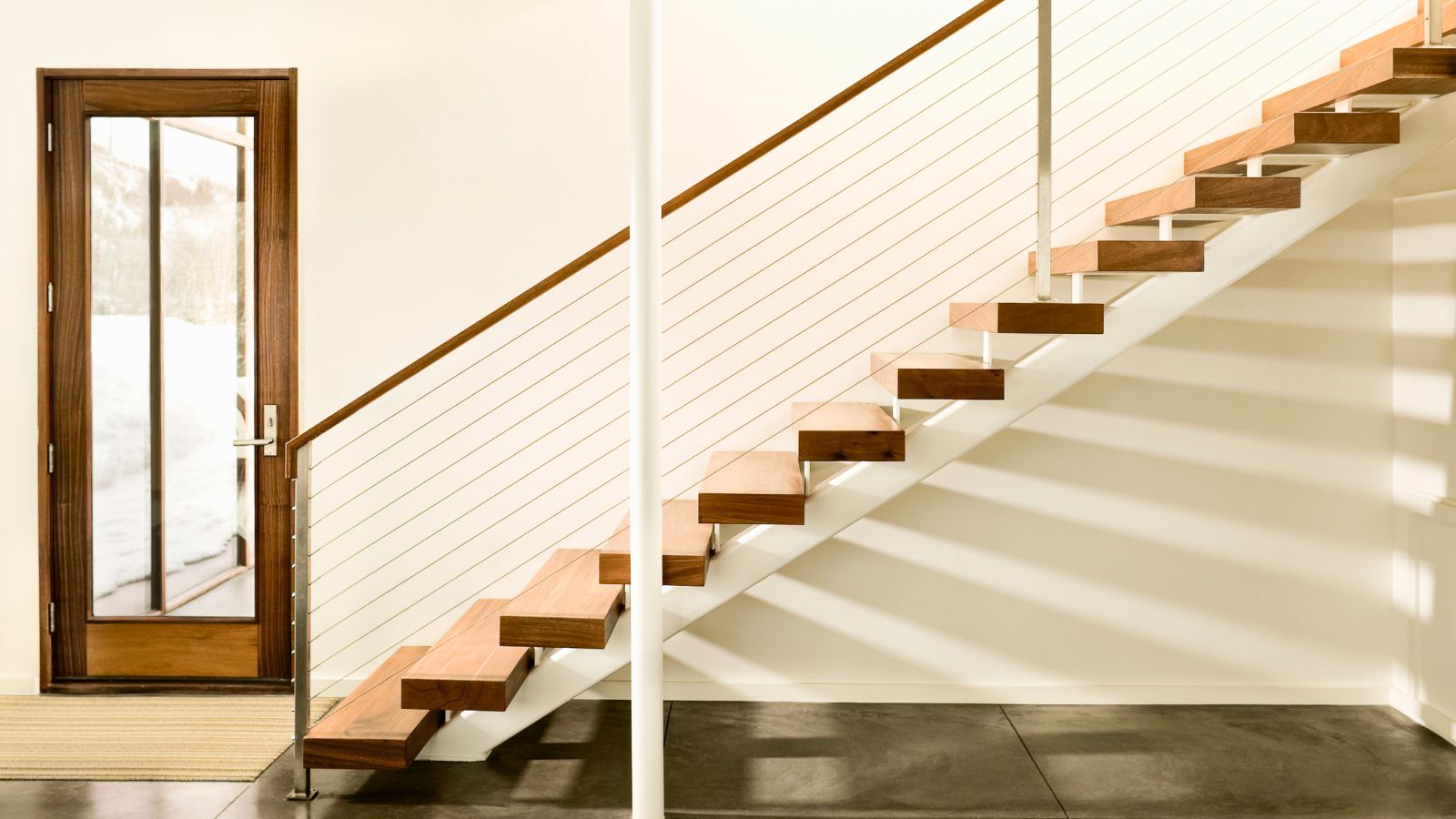
How to change a lightbulb above the stairs – 4 safe steps to switch out bulbs
Changing a lightbulb positioned above a staircase can be a challenging and potentially hazardous task, often requiring more than a simple stool. This guide outlines four essential steps to ensure safety and efficiency when performing this common household maintenance. The primary focus is on avoiding falls and electrical accidents while successfully replacing the bulb.
The first critical step involves using the appropriate equipment. It is highly recommended to minimize working at heights whenever possible. Professional contractor Josh Rudin suggests utilizing a lightbulb-changing extension tool, which allows individuals to replace bulbs from the ground, eliminating the need for precarious balancing acts on furniture or ladders. These tools are affordable and widely available at hardware stores. If an extension tool is not an option, and a ladder must be used, specific safety precautions are paramount. Remodeling expert Nick Chatzigeorgakis advises using an extension ladder equipped with a standoff to provide a stable, secure platform, especially on uneven surfaces like stairs. It is crucial to ensure the ladder's footing is secure, possibly using rubber mats or anti-slip pads to prevent slipping. Additionally, all ladder locks must be engaged and double-checked, and working with another person to stabilize the ladder and provide assistance is strongly recommended.
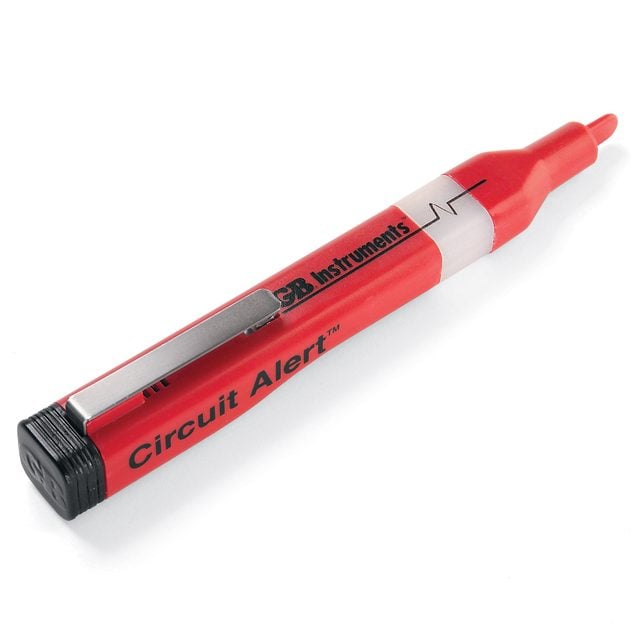
The second step emphasizes turning off the power before beginning any work. Professional handyman Shlomo Cherniak stresses the importance of cutting off electricity, either at the wall switch or the main breaker, to prevent electrocution, particularly when working at heights. If the lightbulb has recently blown, it is also advisable to wait for it to cool down to avoid burns before attempting to remove it.
The third step focuses on wearing the correct safety equipment. While it may not seem glamorous, protective gear is crucial when working at heights. Kristin Hintlian, co-owner of Bonsai Builders, recommends wearing shoes with a strong grip to maintain stability. Hands-free accessories, such as a small tool belt or pockets, are useful for holding the new bulb and tools, reducing the need to frequently climb up and down. Furthermore, if the old bulb has shattered, wearing safety glasses is essential to protect the eyes from falling glass shards, and gloves are recommended to prevent cuts.
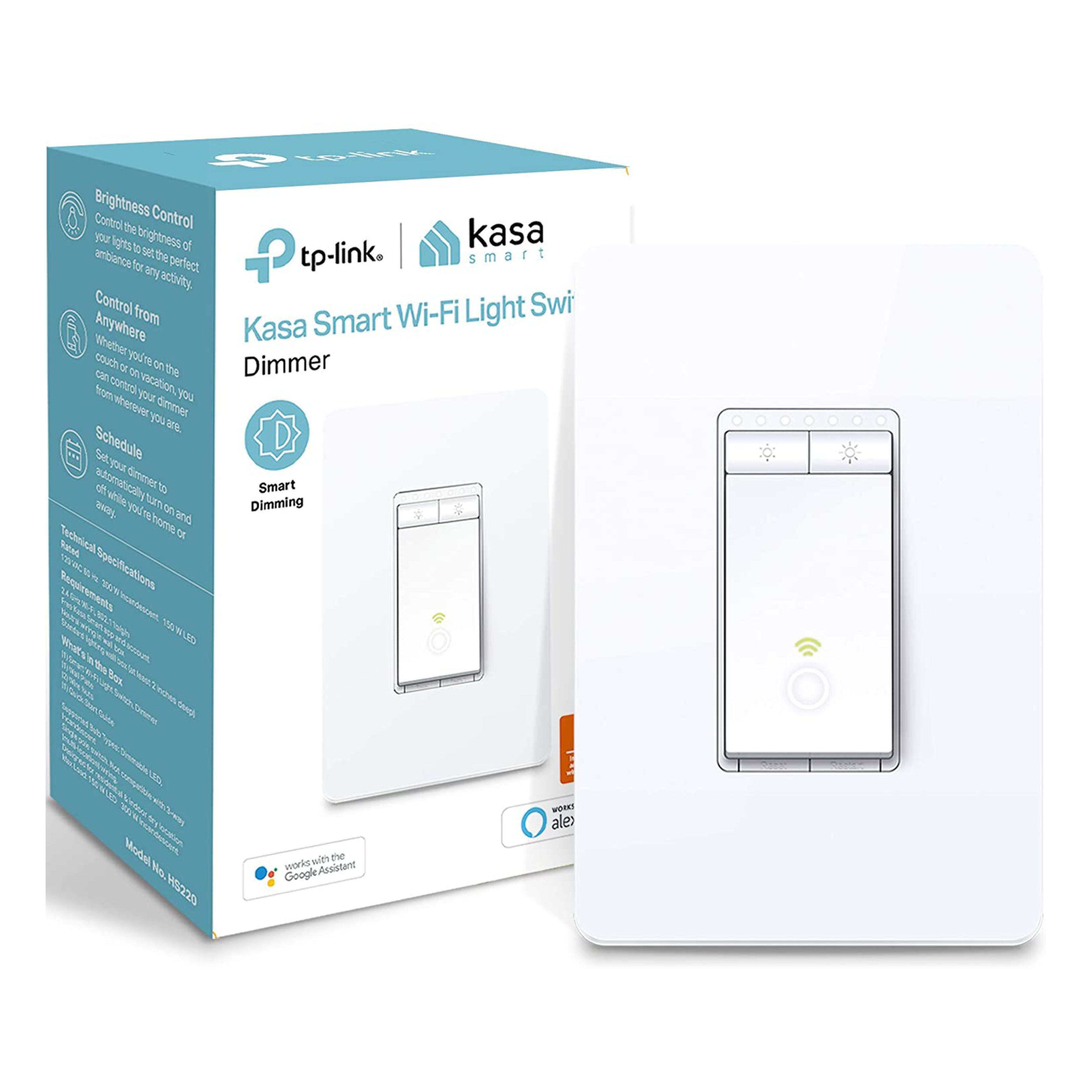
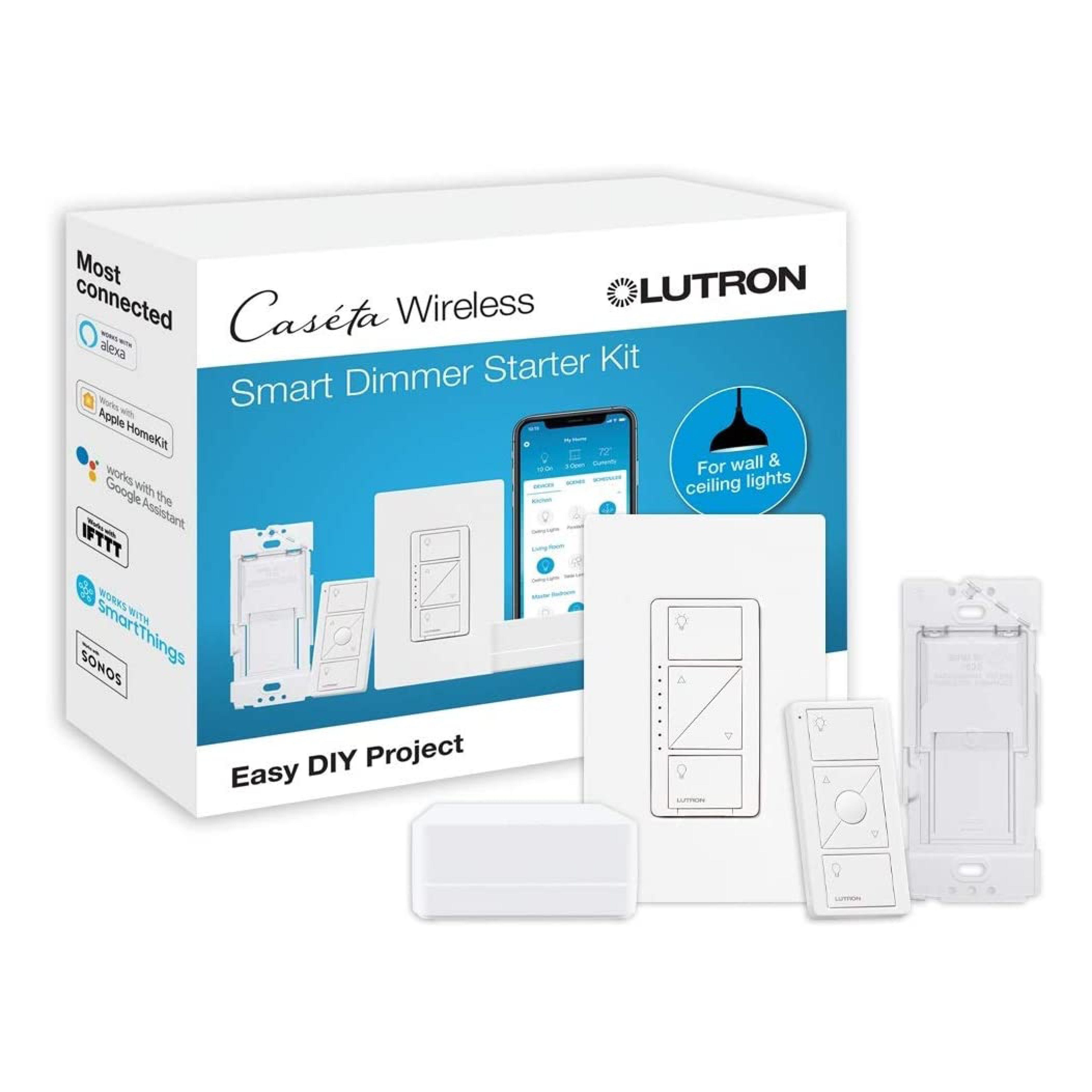
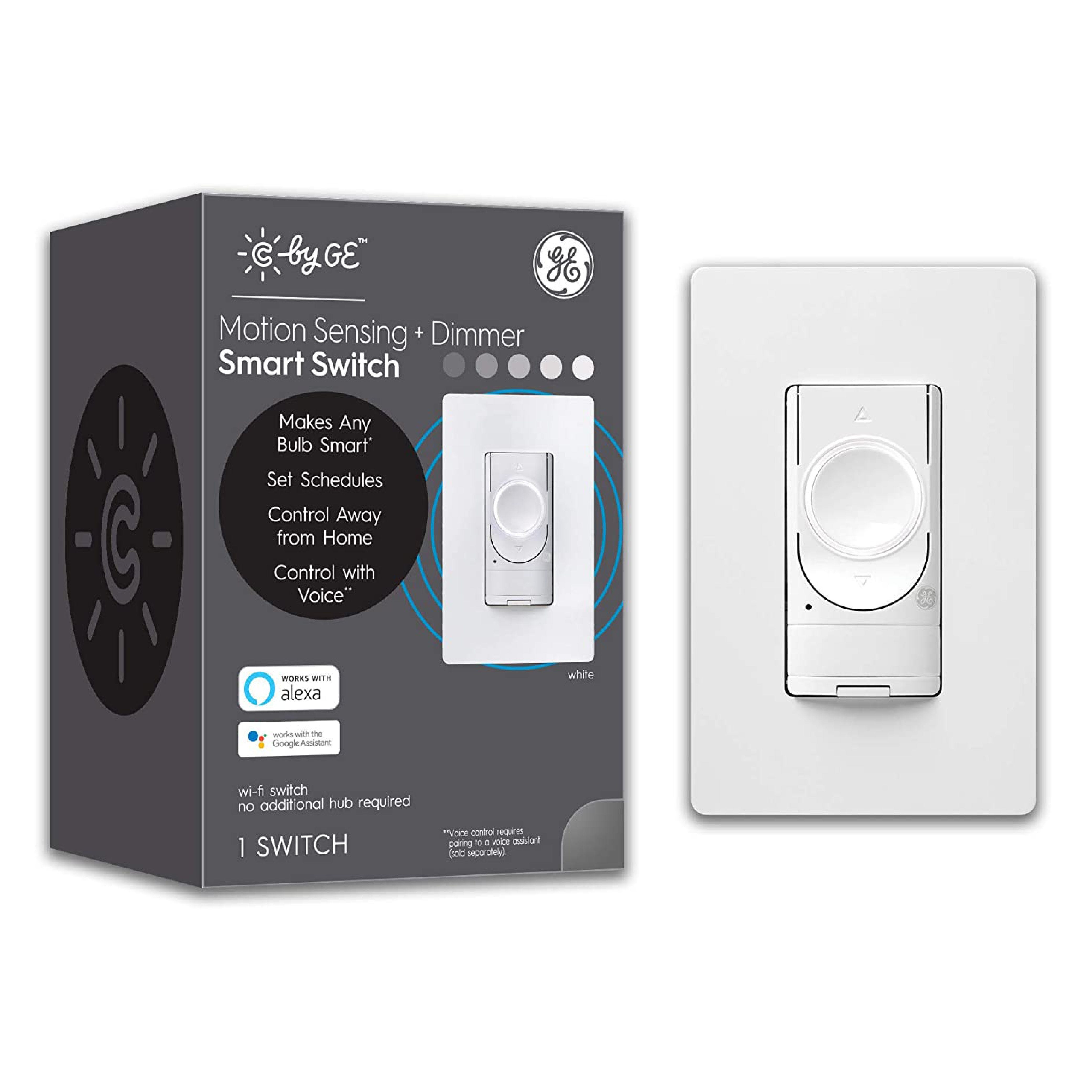
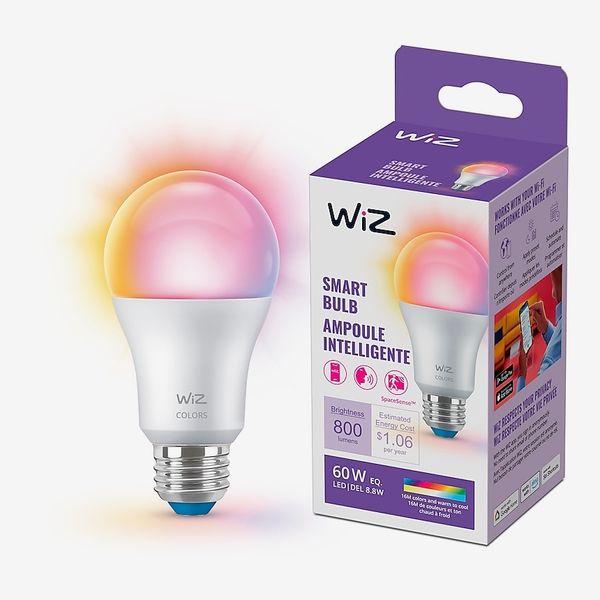
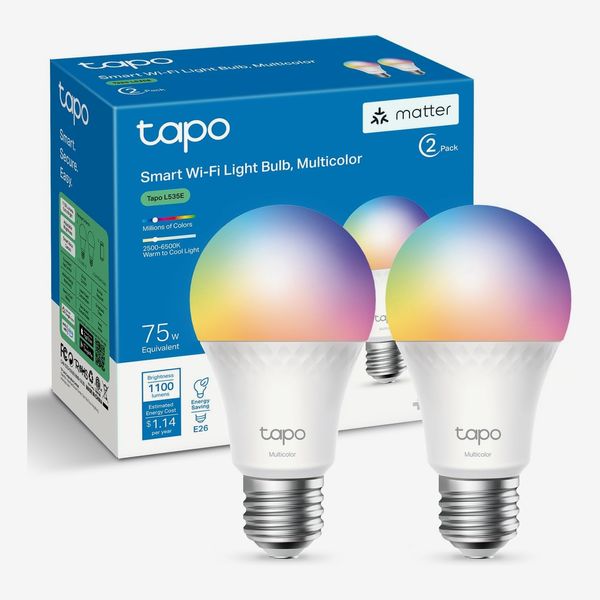
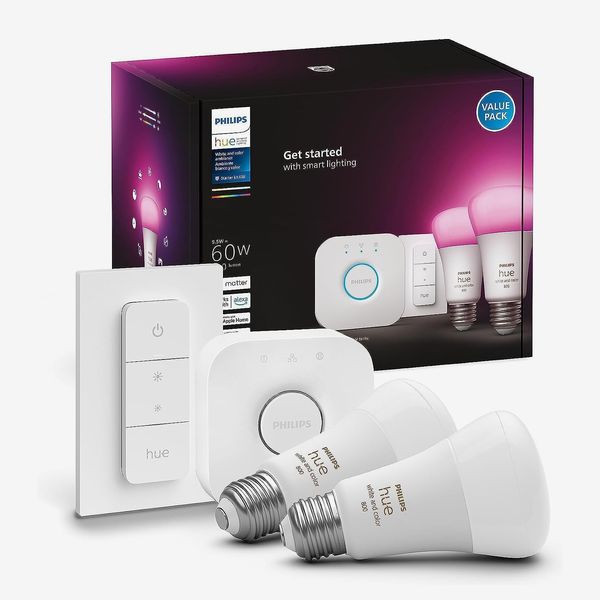
The fourth and final step involves selecting energy-efficient replacement bulbs. Opting for modern, energy-efficient alternatives not only helps to reduce electricity bills but also extends the lifespan of the bulb, decreasing the frequency of future replacements. Smart lighting options are particularly beneficial, offering features like adjustable light temperatures and automatic activation when motion is detected on the stairs. These modern solutions enhance convenience and safety, ensuring the staircase remains well-lit without requiring frequent, risky bulb changes. Considering alternative lighting solutions, such as floor-level lighting on each step, can also provide a more practical and aesthetically pleasing illumination method that is easier to maintain.
#LightbulbReplacement #StaircaseLighting #HomeSafety #DIYHomeMaintenance #ElectricalSafety #LadderSafety #EnergyEfficientLighting #SmartHome #LightbulbReplacement #StaircaseLighting #HomeSafety #DIYHomeMaintenance #ElectricalSafety #LadderSafety #EnergyEfficientLighting #SmartHome
0 comment in total
 No comments yet
You may also like
How to Change a Light Fixture

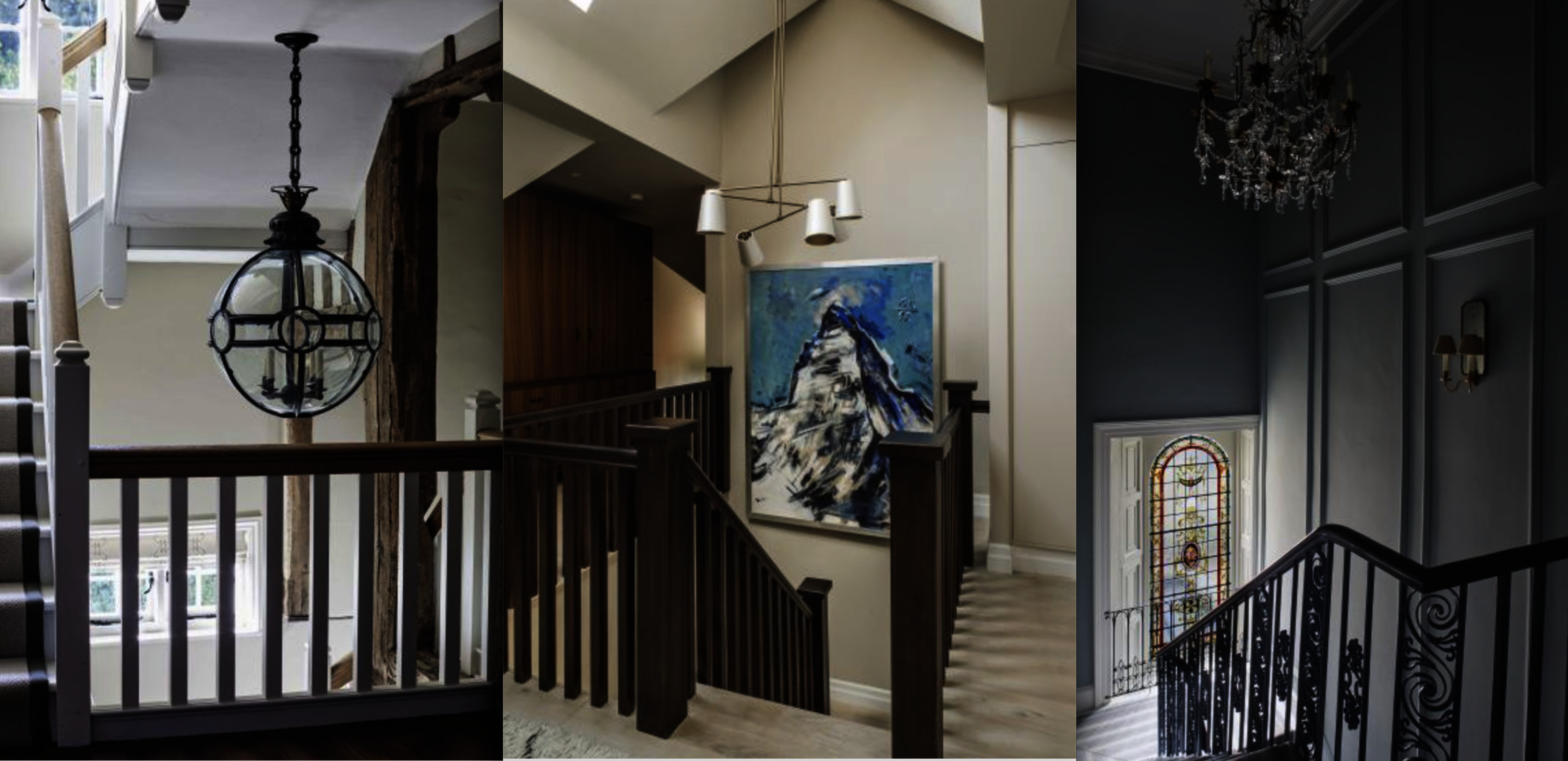
Staircase lighting ideas – 10 ways to illuminate stairs in style

Staircase lighting ideas – stylish ways to illuiminate your stairs

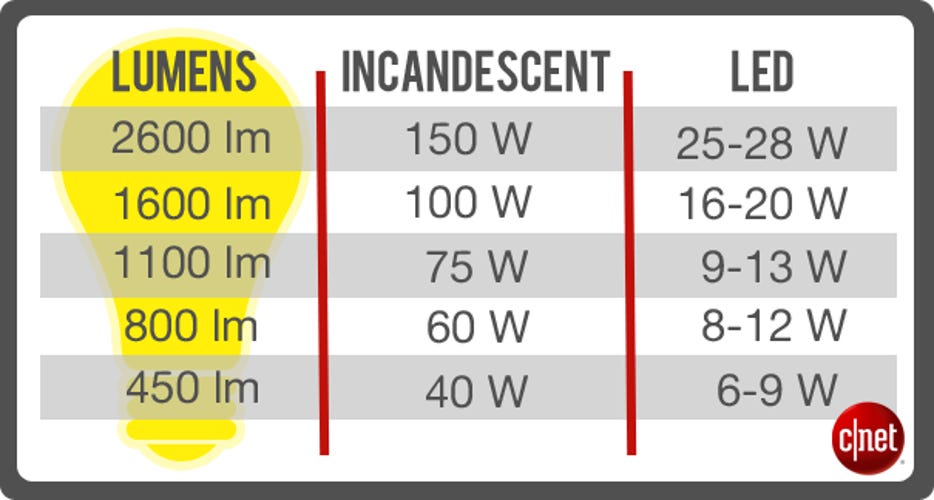
Light Bulb Moment: 5 Things to Consider When Switching to LED Bulbs


Room-by-Room Lightbulb Guide | Lightbulb Reviews

Banish the “Big Light” Completely With Some Snazzy Lamps


What to Know About Upgrading Your Light Fixtures

How to Totally Transform Your Staircase for Christmas

Be gone, 'boob light' – here's just how to fix unattractive ceiling lights
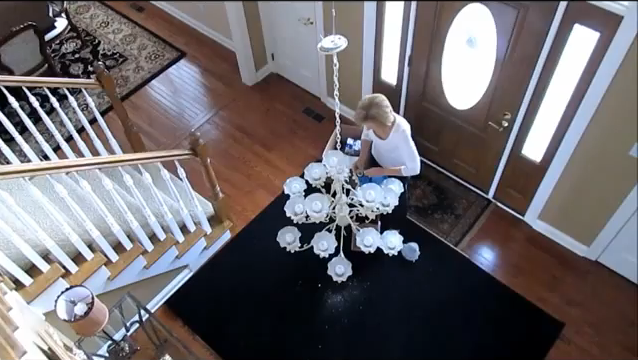
Winch Hack Lets Your Change Chandelier Light Bulbs At Ground Level

The 3 bathroom lighting rules you must follow for a safe home – according to an electrician

The 5-Minute Rental Upgrade You’re Probably Overlooking


How to move a light fixture…NOT!

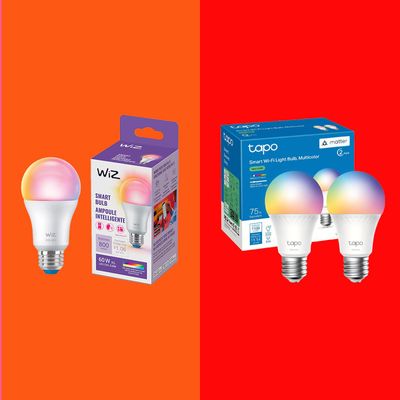
The 4 Very Best Smart Lightbulbs
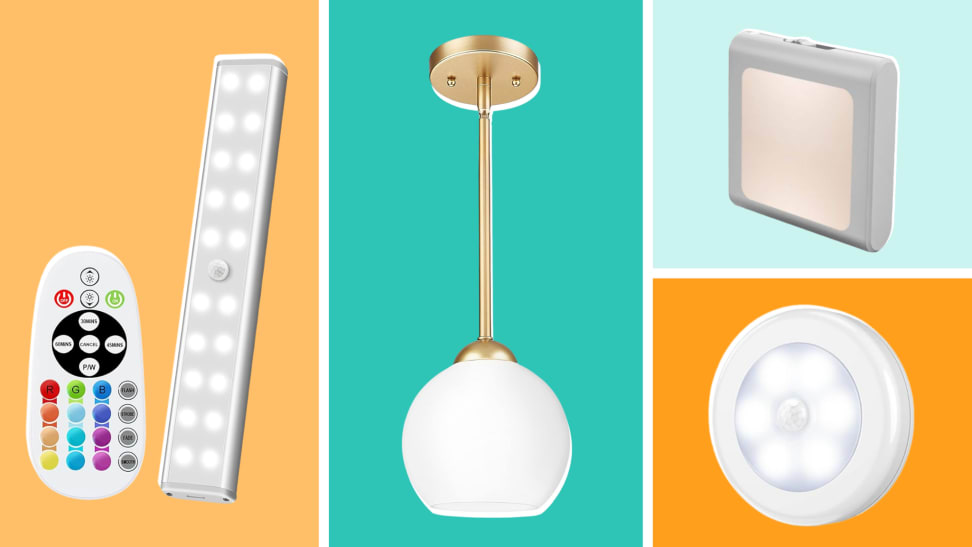
These lighting ideas help make hallways safe for all


An interior designer’s guide to lighting your home


Upgrade Your Lighting With These Smart Light Switches

Light Switches - Our Pick of the Best
Switches & Sockets | Electrical indoor Lighting


Pulling the plug on dated light fixtures is a great home update. Here's how to choose new ones