1/2
You Don’t Have to Ditch the Switch When You Switch to Smart Lights
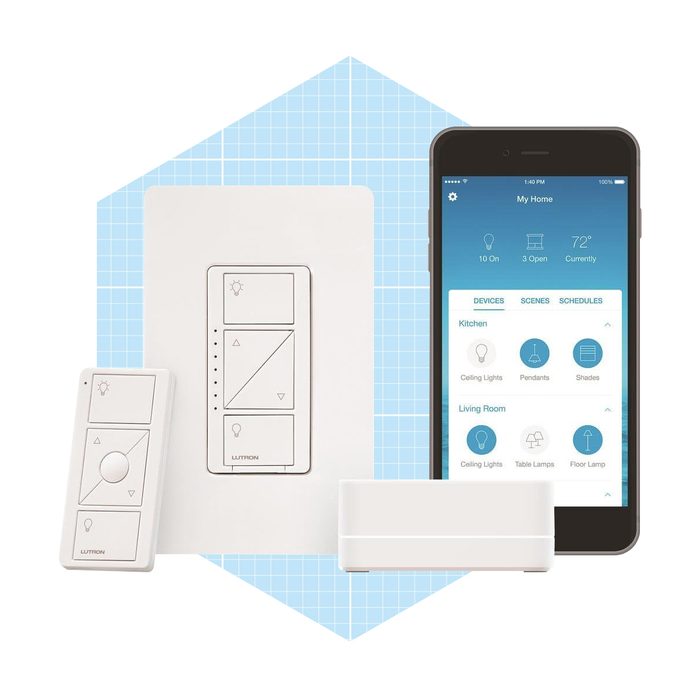
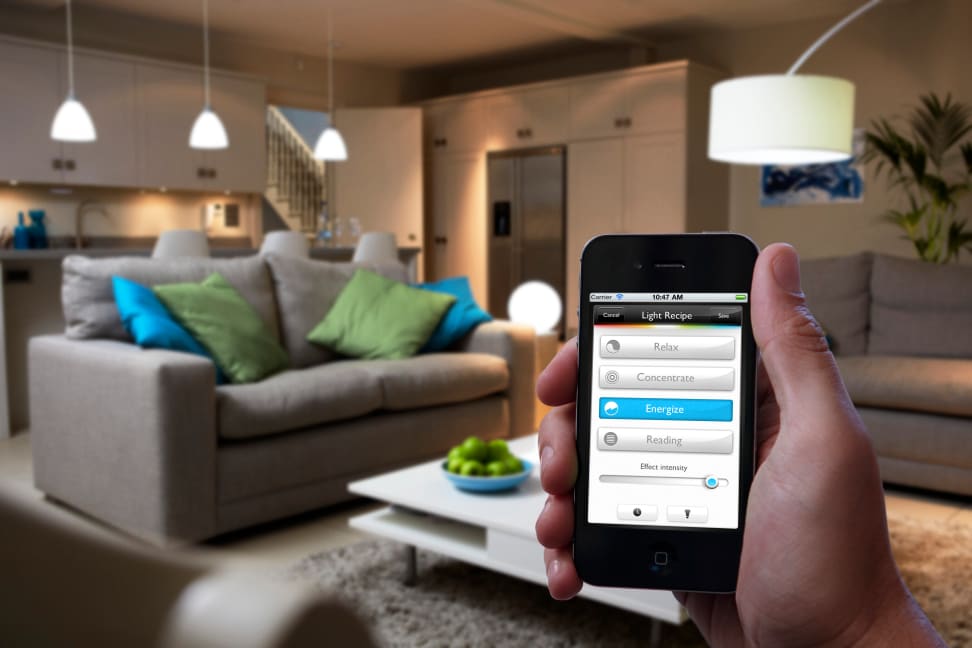
The transition to smart lighting often presents a challenge: the need to control lights via apps or smart speakers, which can be inconvenient for some household members who prefer traditional wall switches. This article addresses the common issue where turning off a traditional wall switch disconnects smart lights from power, rendering their smart features inoperable and creating household conflict. The solution lies in integrating low-cost wireless smart switches, which allow for the use of smart lighting without compromising the convenience of a physical switch.
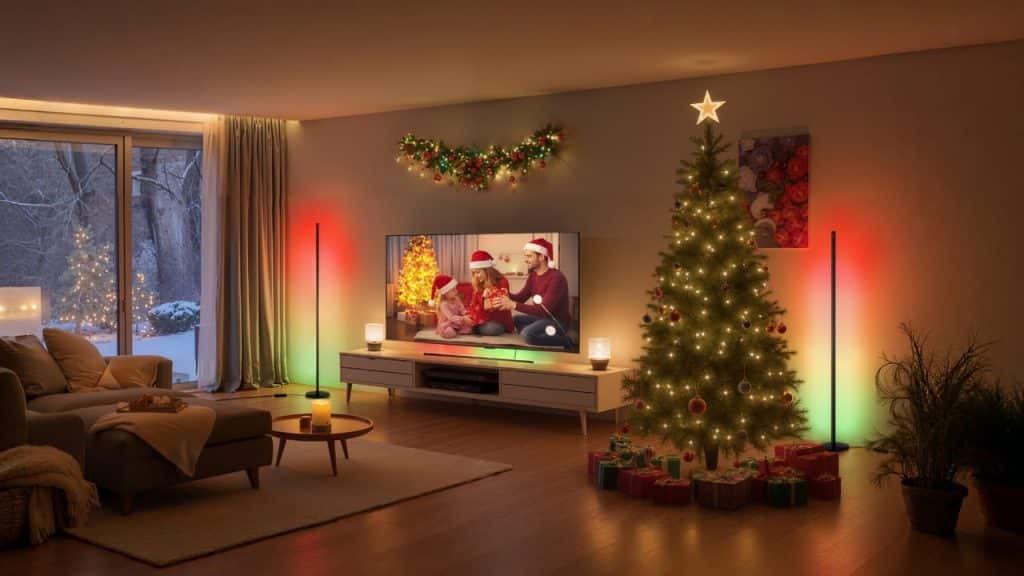
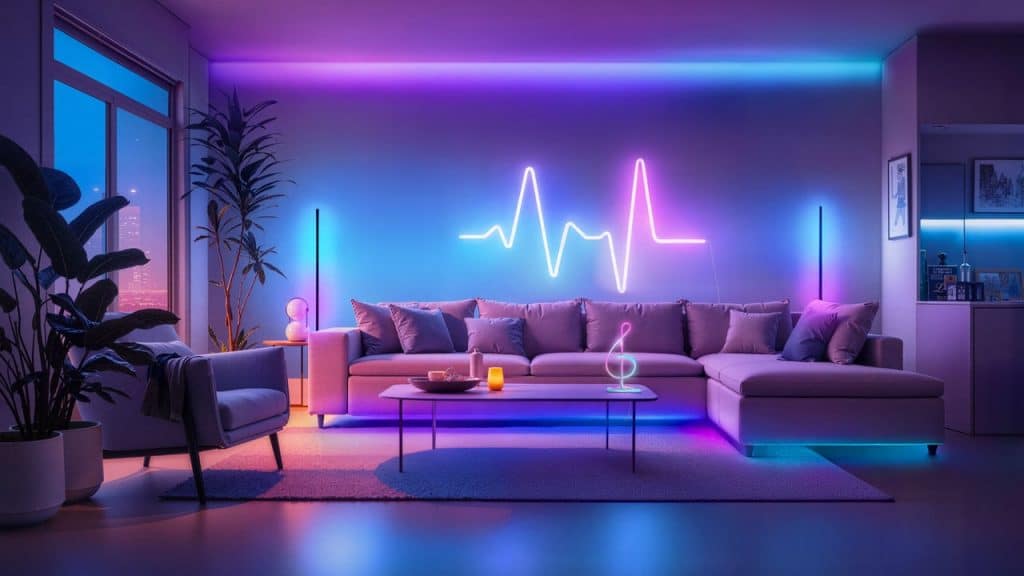
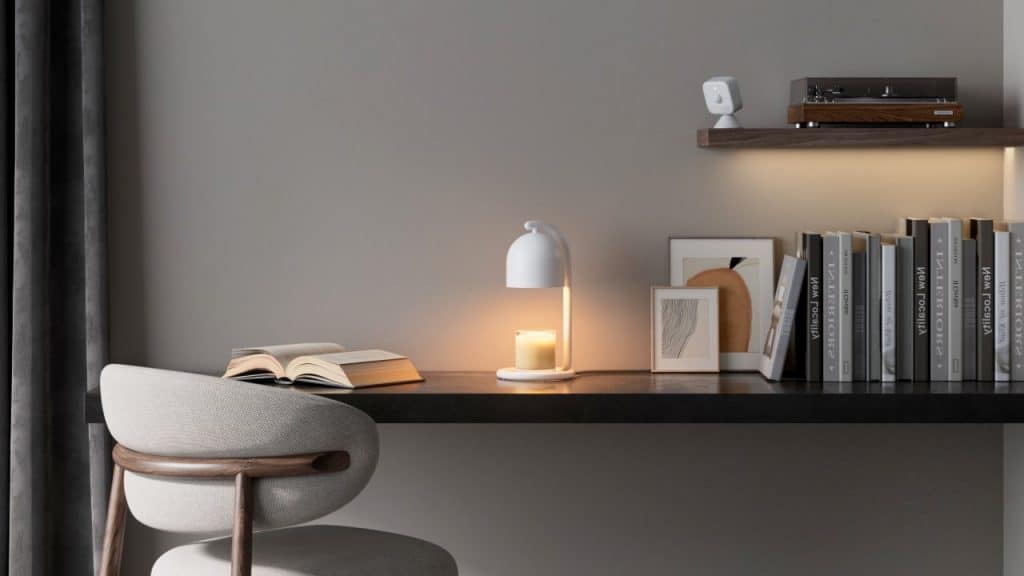
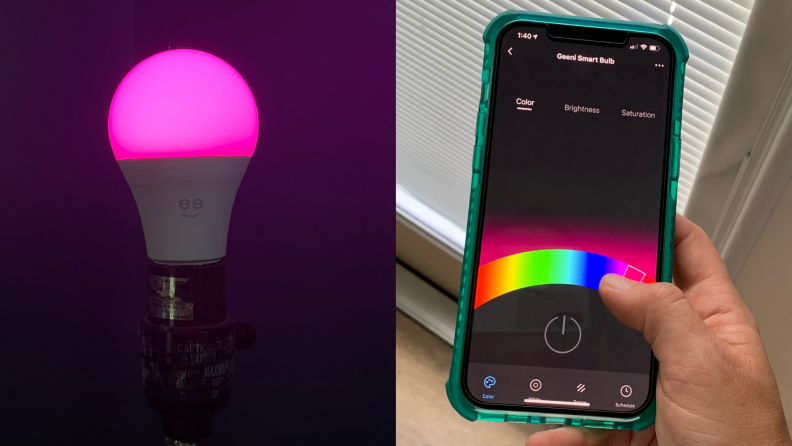
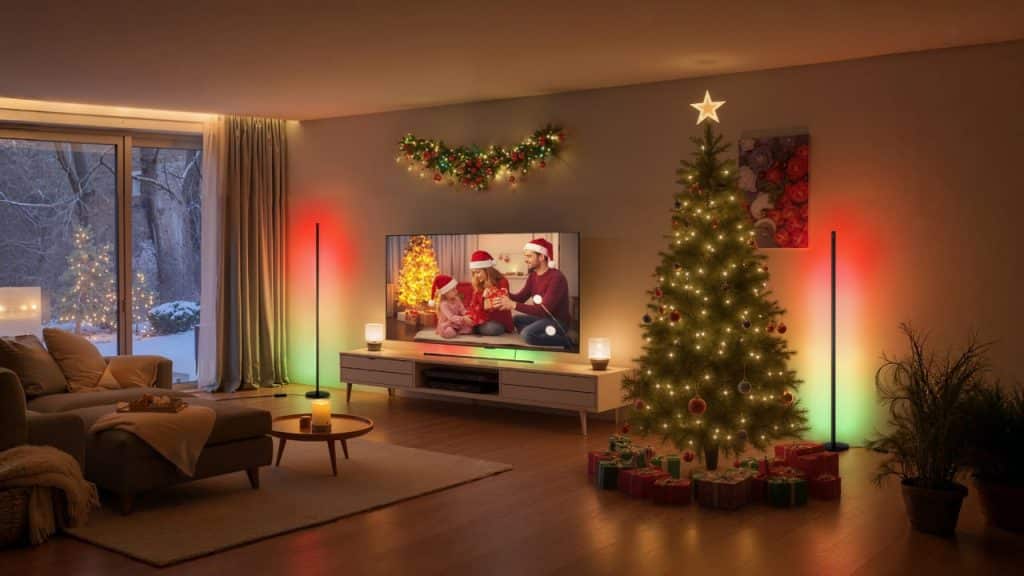
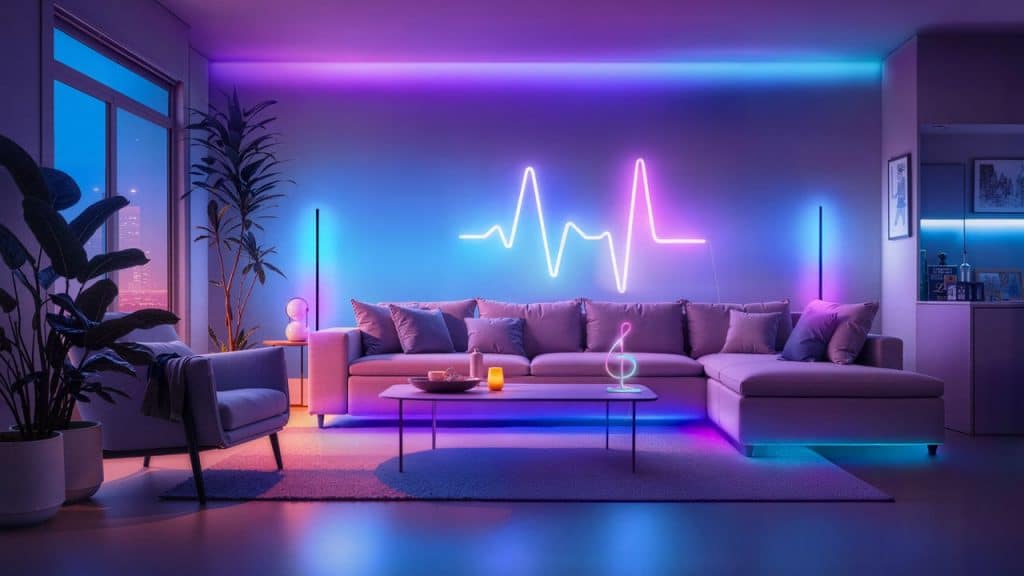
Smart lighting significantly enhances a home's ambiance by offering tunable color temperatures, ranging from bright daylight to warm candlelight, and millions of color tints with color-capable bulbs. Products like the Philips Hue White and Color Ambiance A19 Starter Kit exemplify how easily users can control these dynamic lighting options. Beyond bulbs, smart lighting extends to ceiling fixtures, such as the Philips Hue White Ambiance 4″ Retrofit Recessed Downlight and the Philips Hue White and Color Ambiance Slim Downlight, which offer similar benefits and integrate seamlessly into existing setups, provided they remain powered.
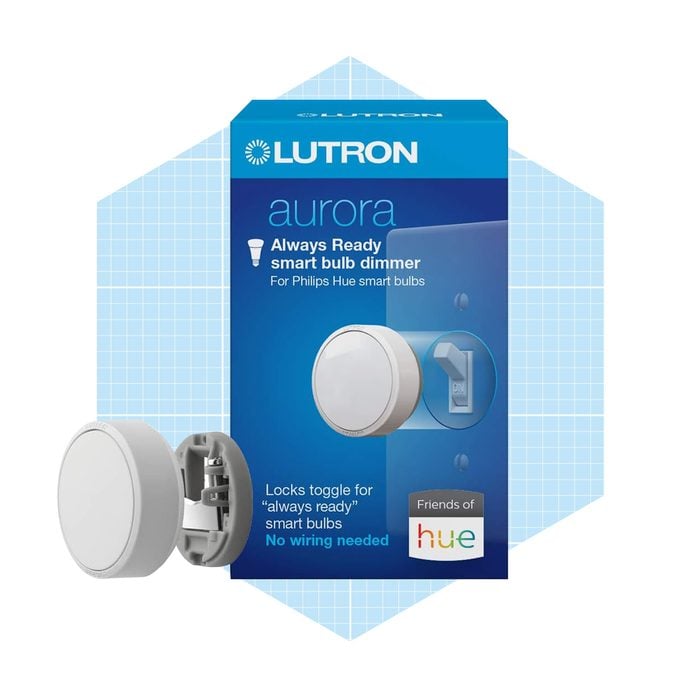
The core problem with smart lights is their reliance on a continuous, albeit small, supply of electricity to maintain their smart functionalities. Flipping a traditional wall switch cuts this power, effectively disabling the smart features and the ability to control them via smart devices. Therefore, to fully utilize smart lights, smart controls are essential. The article proposes wireless smart switches as a practical compromise.
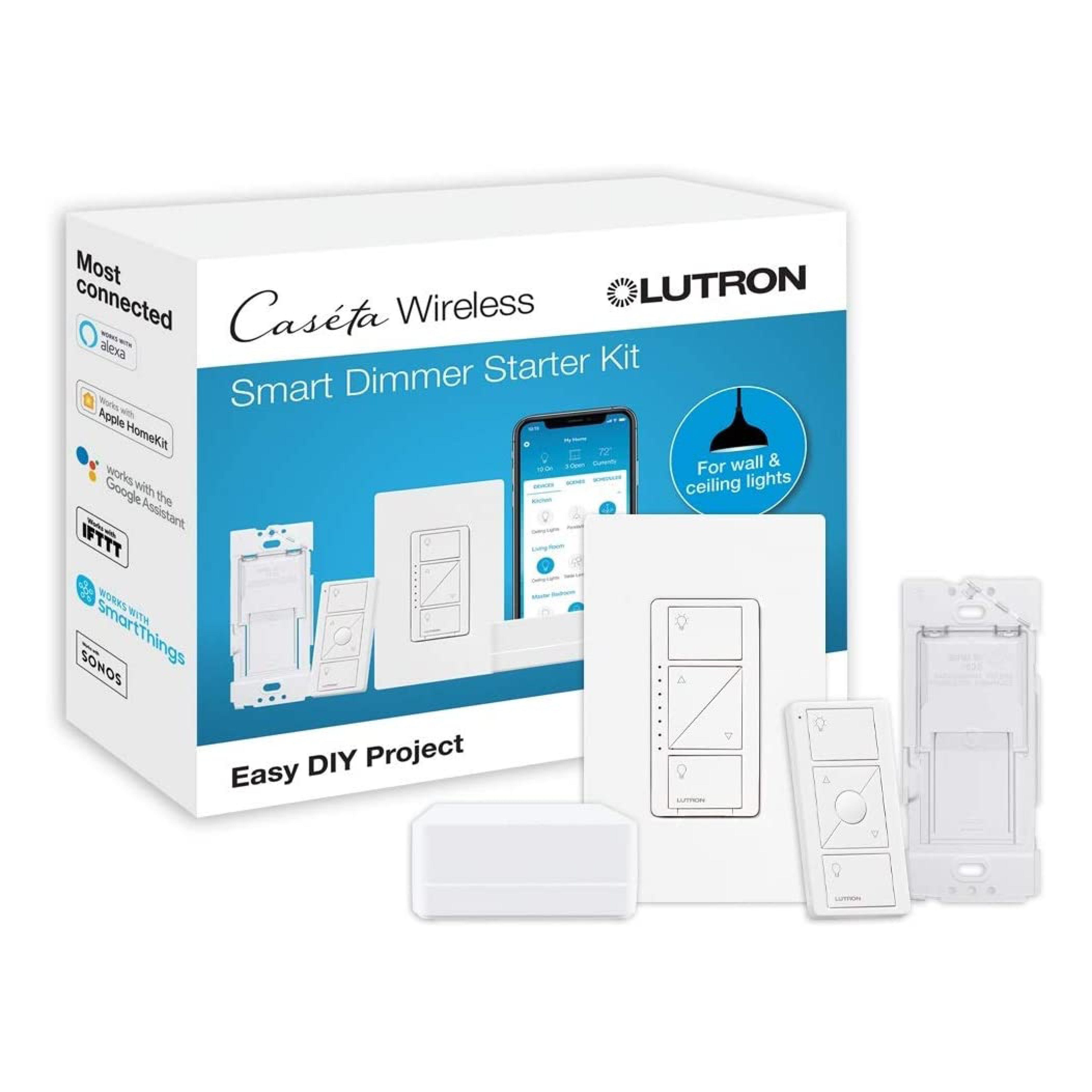
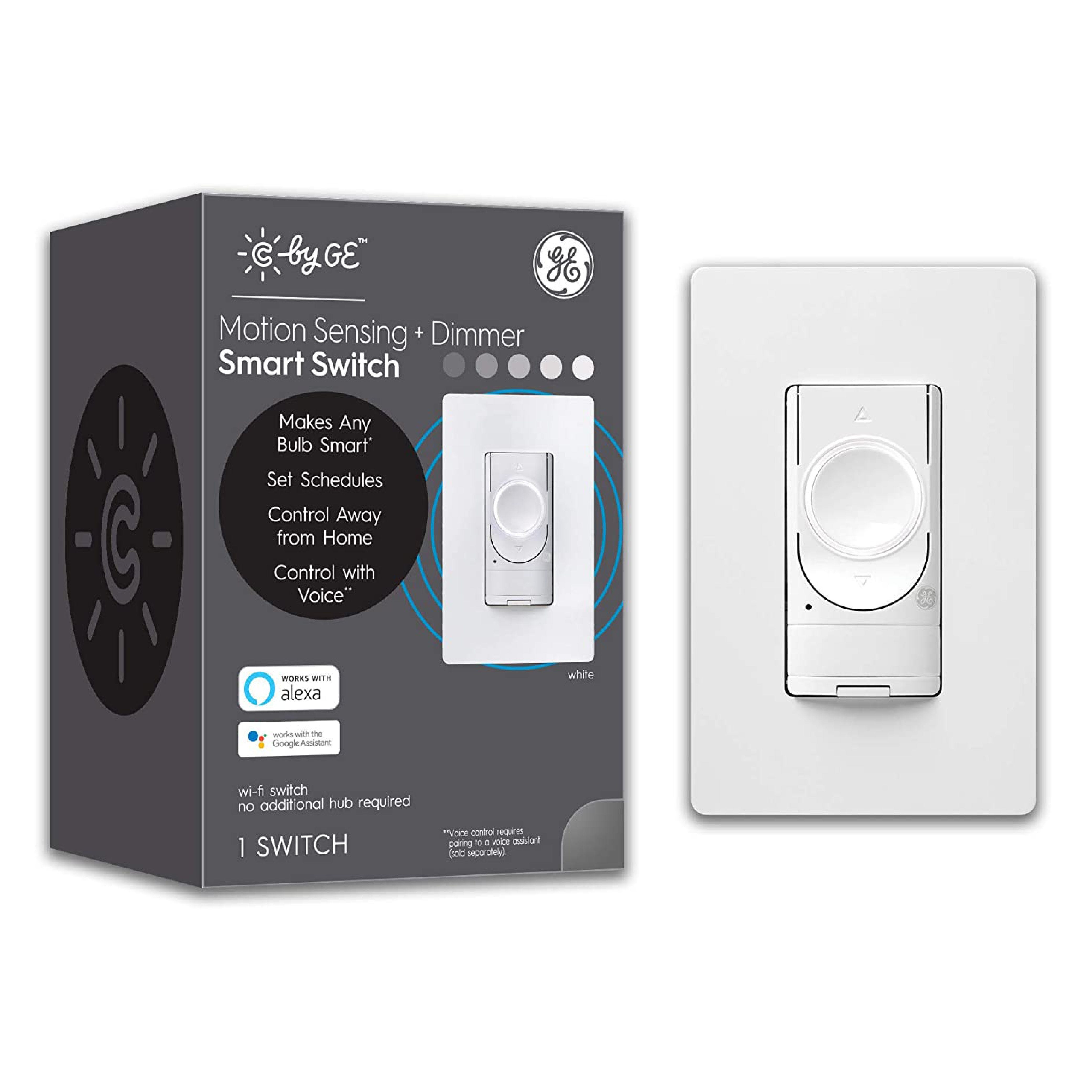
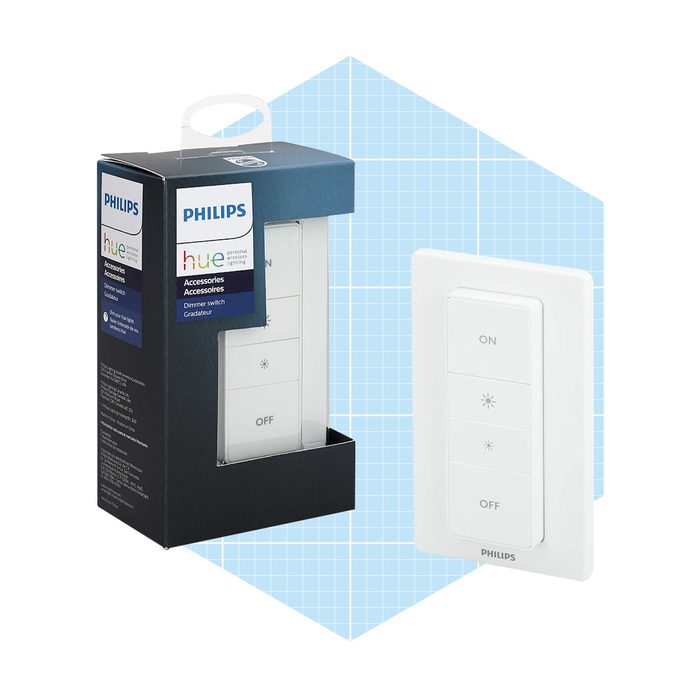
Wireless smart switches mount on the wall and function similarly to traditional switches but offer enhanced features. They enable users to turn lights on, off, and adjust settings without interfering with the smart system's integrity. While many wireless switches are proprietary and brand-specific, suitable options exist for popular systems. For Philips Hue lighting, the Philips Hue Dimmer Switch is highlighted. This magnetic remote attaches to a wall plate, featuring a power button, a dimmer rocker, and a programmable Hue button that can cycle through up to five custom lighting settings. Its setup is straightforward through the Hue app and is compatible with major smart control systems like Amazon Alexa, Google Home, Apple HomeKit, and Samsung SmartThings. Although the physical size of the Hue Dimmer Switch's wall plate is larger than standard American wall plates, potentially posing an aesthetic challenge when integrated with existing switch banks, it blends in well when installed individually.
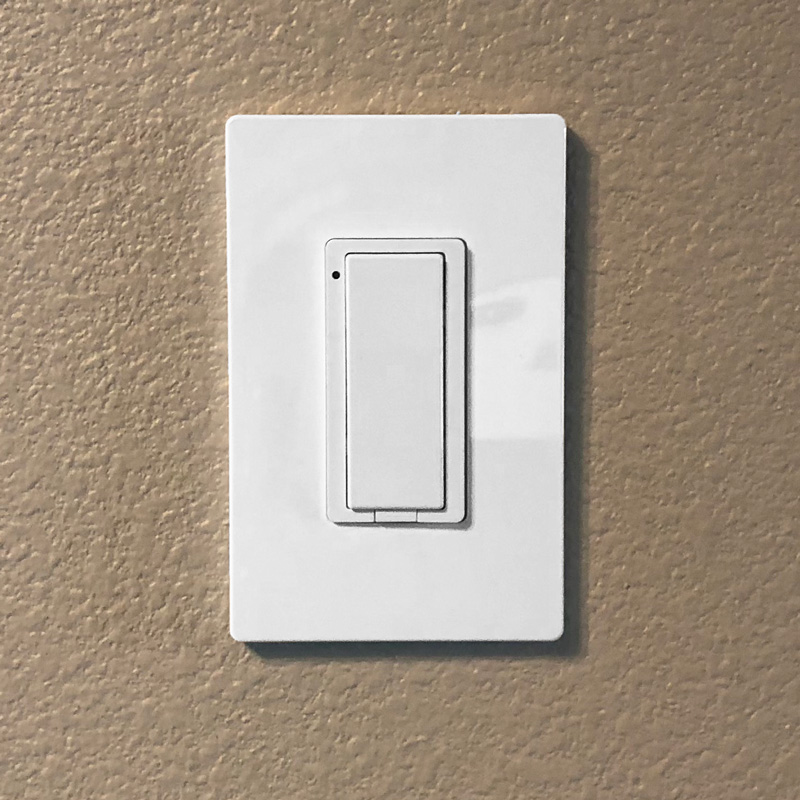
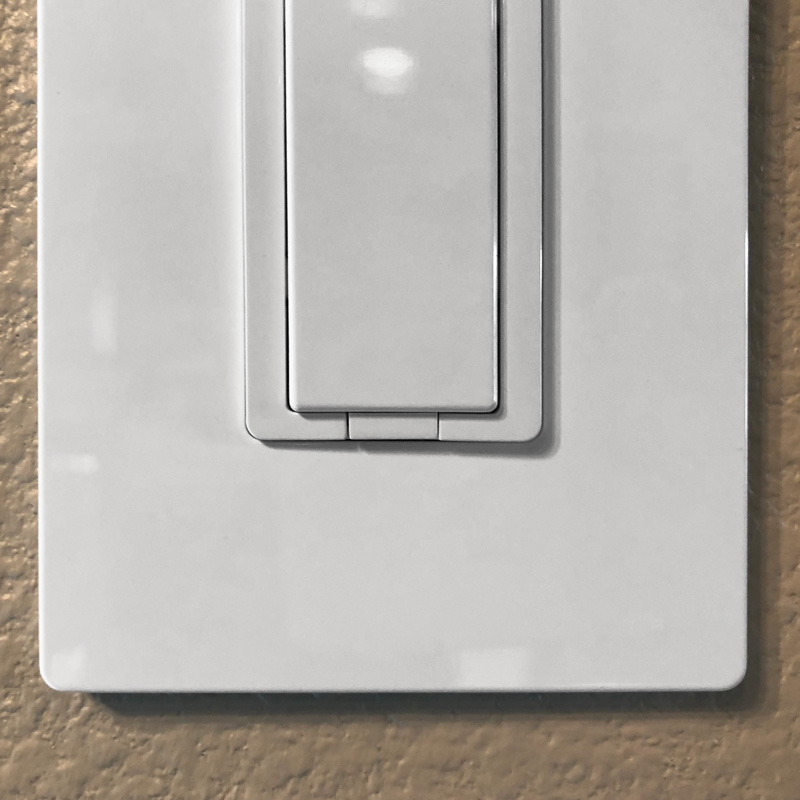
Another option is the Wemo Stage Scene Controller with Thread, a standard-sized, three-button wireless remote switch compatible with Apple HomeKit. Each button offers three programmable settings (single, double, and long press) via the iOS Home app. This switch does not require a separate hub and supports Thread, a mesh wireless standard that enhances its range and speed when other Thread-enabled devices are present. Without Thread devices, its performance is limited to Bluetooth, which showed slower and less reliable operation in tests. Both switches performed effectively, with no noticeable delay between button press and light response, offering a much-needed physical control that helps maintain household harmony regarding smart lighting operation.
#SmartLighting #HomeAutomation #SmartSwitches #PhilipsHue #Wemo #HomeKit #WirelessControl #SmartHomeTechnology #SmartLighting #HomeAutomation #SmartSwitches #PhilipsHue #Wemo #HomeKit #WirelessControl #SmartHomeTechnology
0 comment in total
 No comments yet
You may also like
10 ways to add 'smart lighting' in your home and never touch a switch again


Control Your Home in Seconds With The Best Smart Light Switches of 2022

Matter-Compatible Lighting from SwitchBot

How to Use Smart Lights Better | Reviews by Wirecutter
Switchmate Smart Light Switch review


Smart bulbs vs. smart switches: The pros and cons of connected lighting

Review: C by GE Wire-Free Dimmer and Color Control Smart Switch

Matter-Compatible Lighting from SwitchBot | Products
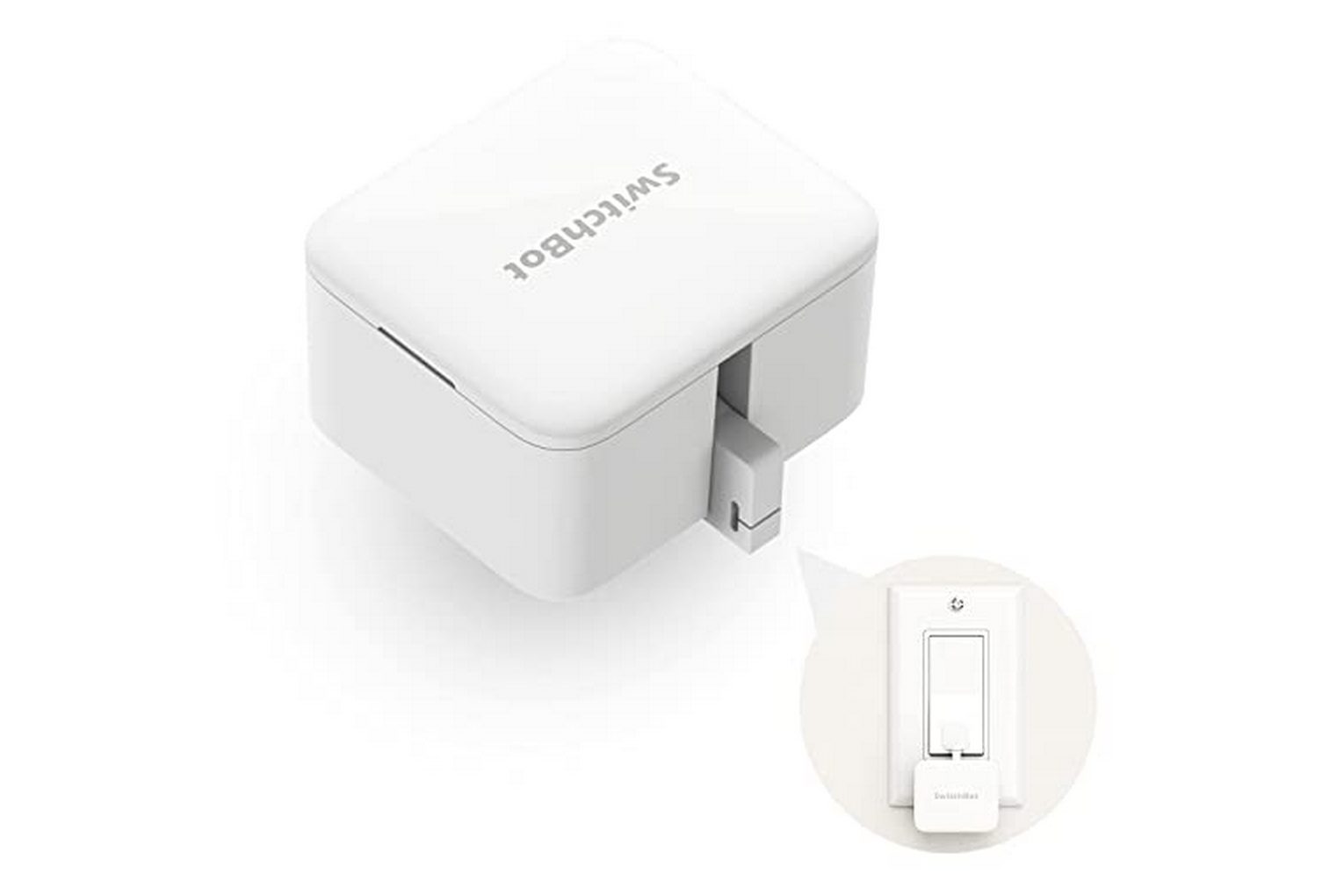
SwitchBot Bot review: Convert your dumb light switches into smart ones the easy way

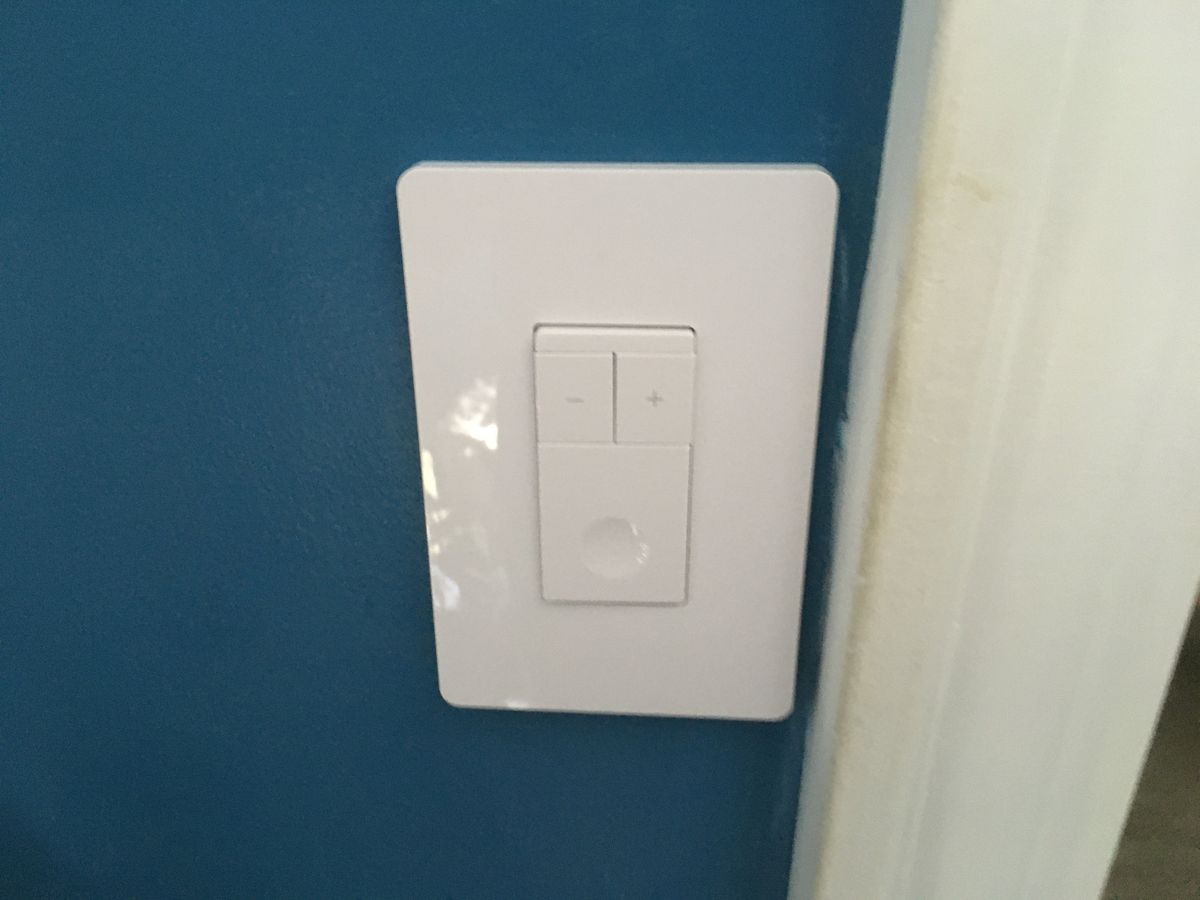
TreatLife Smart Light and Dimmer Switch Review
6 Best Motion Sensor Light Switches of 2019
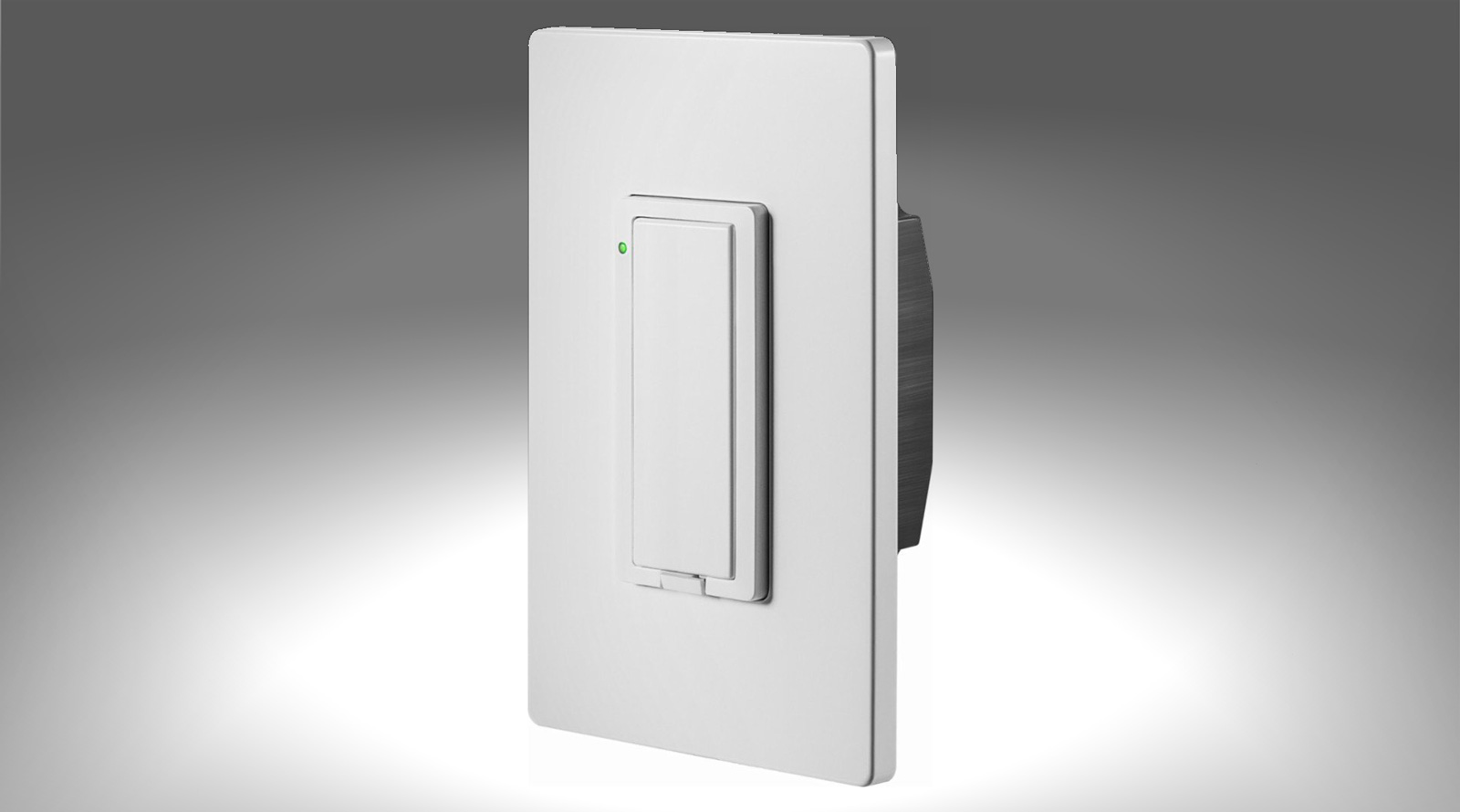
Insignia Smart Light Switch (review)

Our Favorite Smart Switches Add Convenient Hands-Free Controls to Any Light

The Best Smart Switches for Your Smart Home

Fall into smarter lighting
Belkin WeMo: How to Easily Switch to Smart Home Lighting
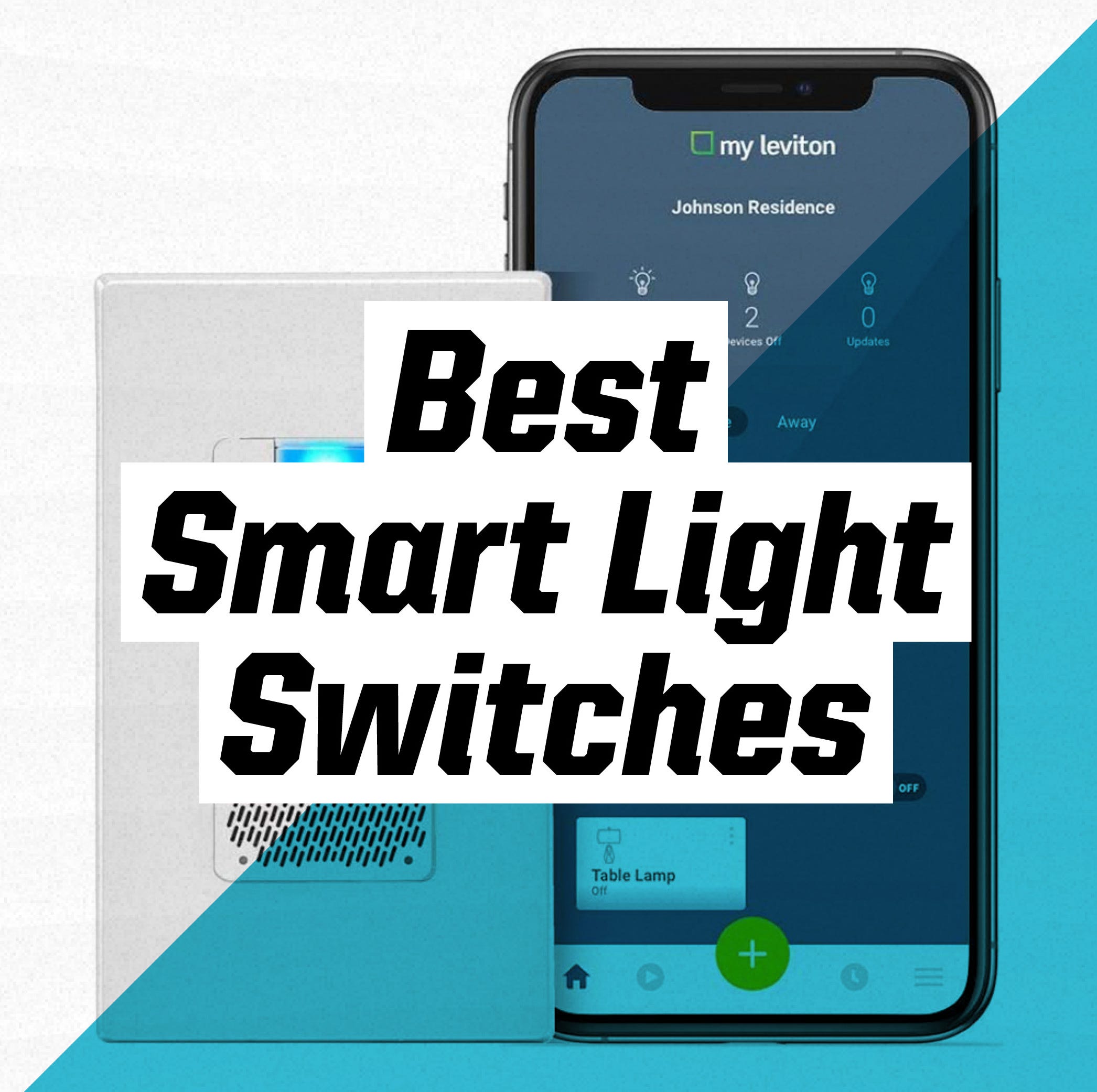
Upgrade Your Lighting With These Smart Light Switches

The 8 Best Smart Light Switches and Dimmers of 2025

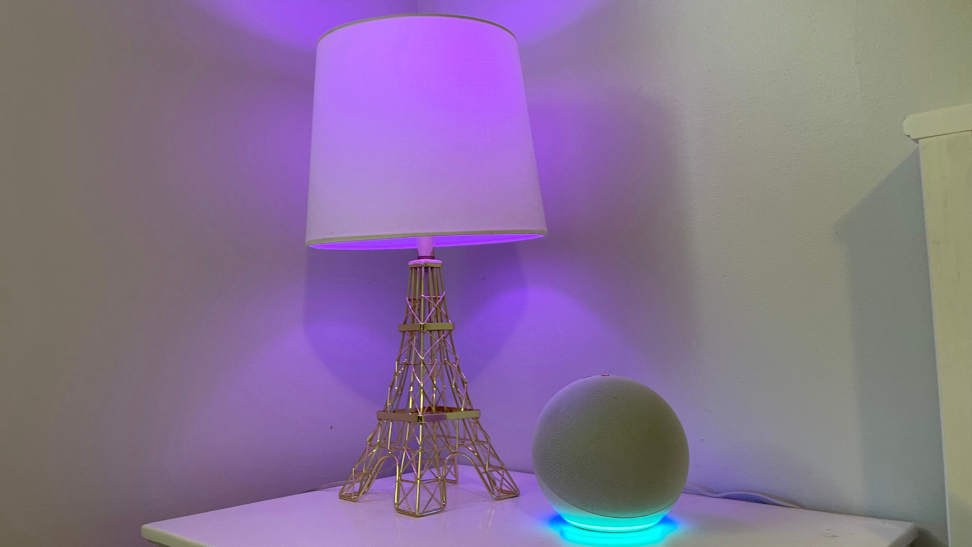
The Best Smart Lights of 2025

This smart switch solves a big issue of Philips Hue smart bulbs not working when the switch is off — here’s how it works