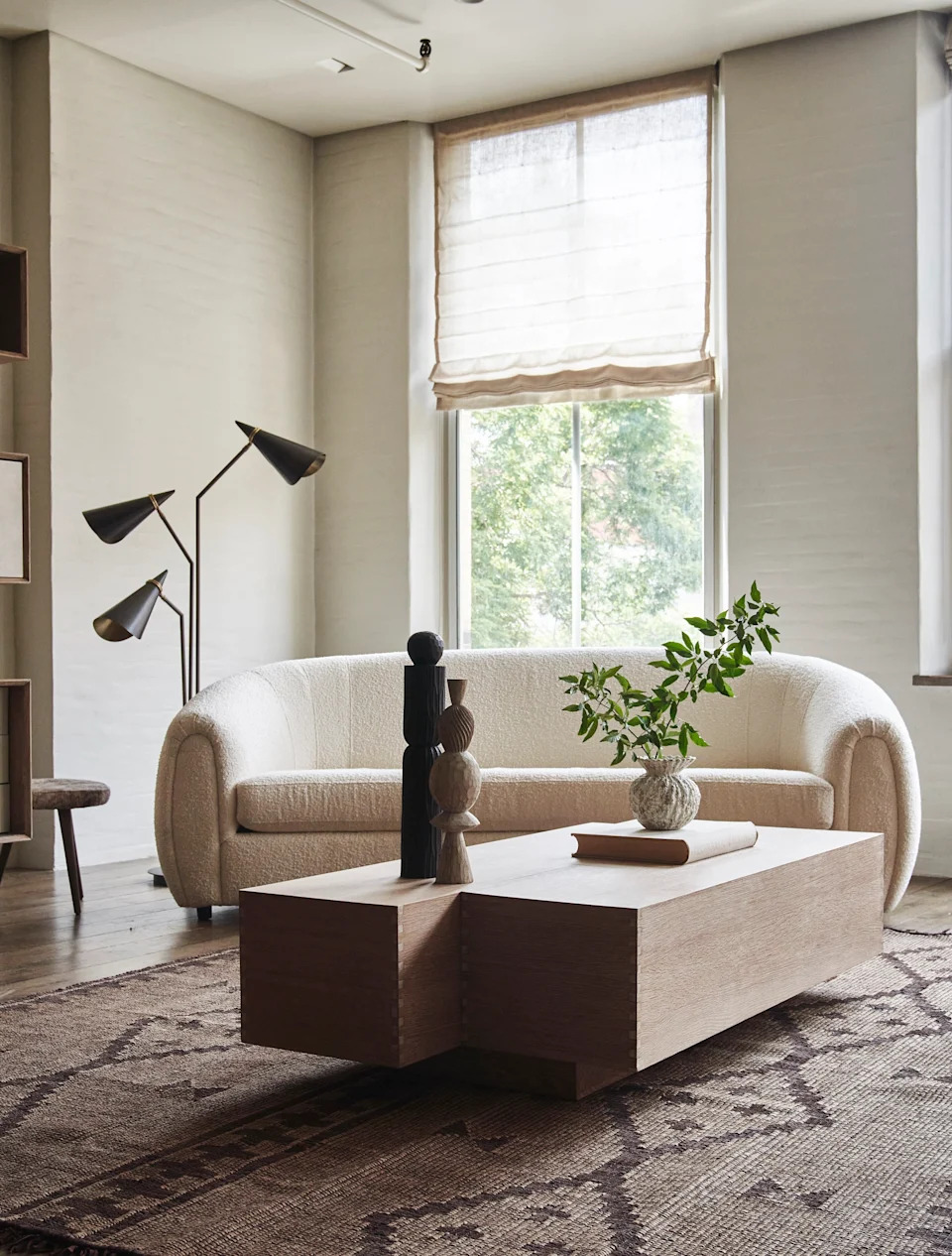
1/4
This home heating habit could be ruining your sofa
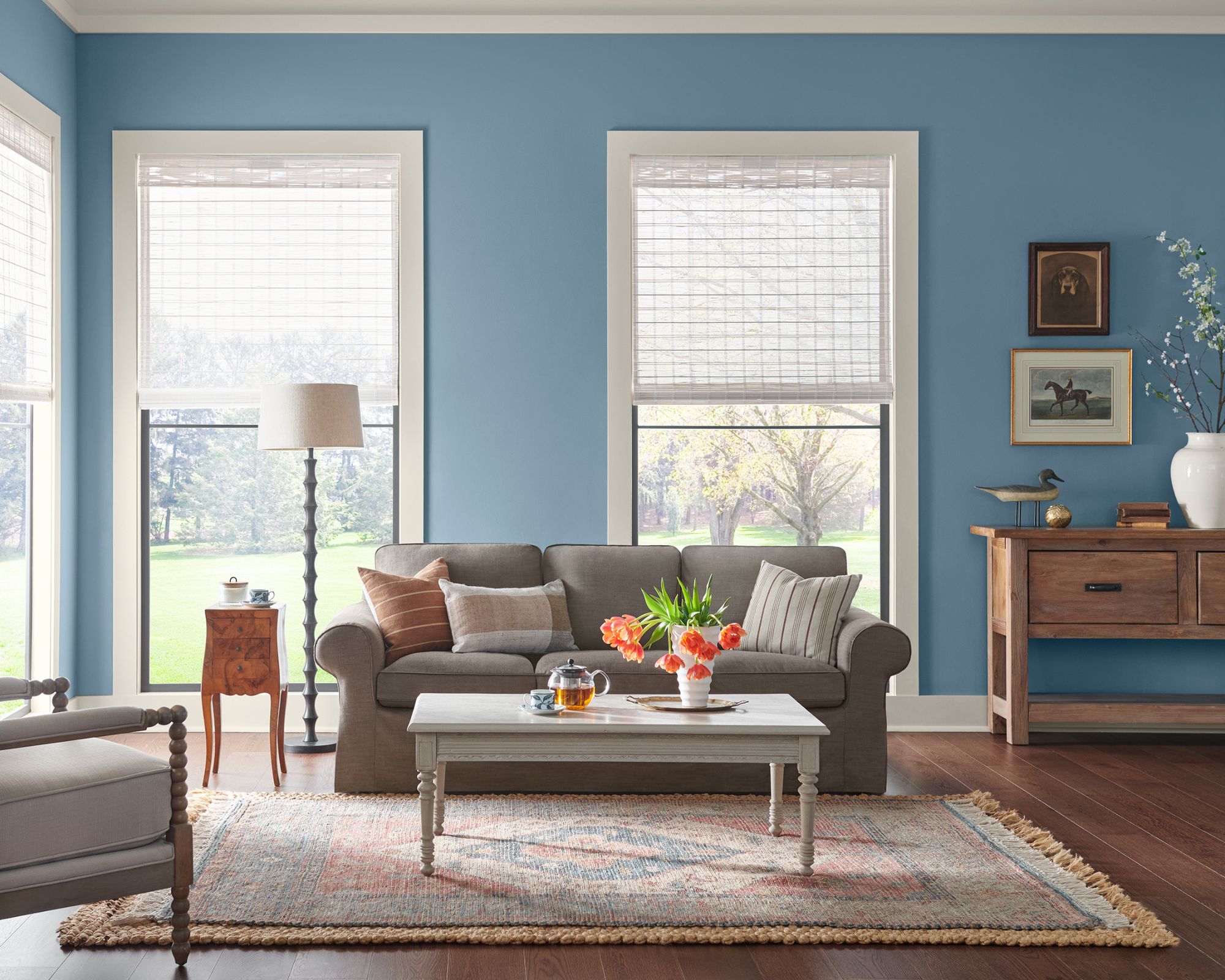
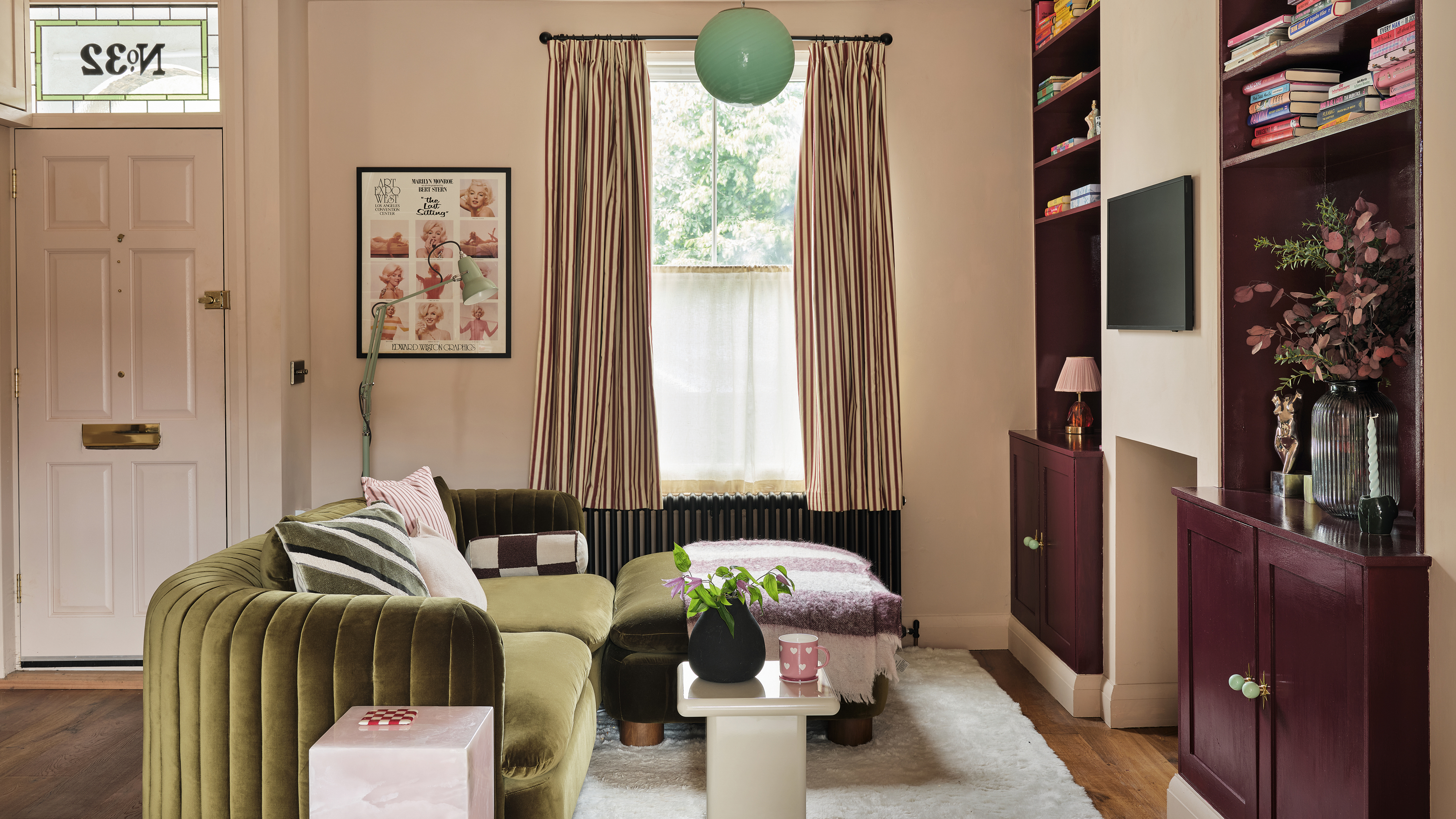
In winter, the comfort of a warm home and a cozy couch is highly sought after; however, a common heating habit—placing a couch directly in front of a radiator—can lead to significant risks for both the furniture and the home environment. This practice, while seemingly ideal for warmth, can result in upholstery damage, mold growth, and potential fire hazards. Joana Sadovskaja, a sofa expert, highlights that as heating usage increases during colder months, understanding these risks and implementing preventative measures is crucial.
One primary concern is the potential for upholstery damage. Prolonged exposure to the direct heat from a radiator can cause color fading and deterioration of the sofa's fabric. This makes the upholstery more vulnerable to wear and tear and can lead to shrinking over time, resulting in sagging cushions and an overall worn appearance. Leather sofas are particularly susceptible to cracking and fading, impacting their aesthetic and longevity. Conversely, synthetic fabrics may melt or warp when exposed to excessive heat. The type of material dictates how a couch reacts to heat, emphasizing the need for awareness of one's specific upholstery. To mitigate this risk, one suggestion is to cover the couch with a blanket or throw, which acts as an insulator, protecting the material from the direct heat source.
Another significant issue is the potential for mold growth. Mold thrives in warm, humid conditions, and placing a couch too close to a radiator, especially in areas with limited ventilation, can trap moisture behind the furniture. This trapped moisture creates an ideal environment for condensation and subsequent mold development, which can damage both the sofa and the adjacent walls. To address this, regular cleaning and prompt attention to spills or stains are recommended. In cases of existing mold, natural remedies like vinegar can be effective for removal without harming the couch material.
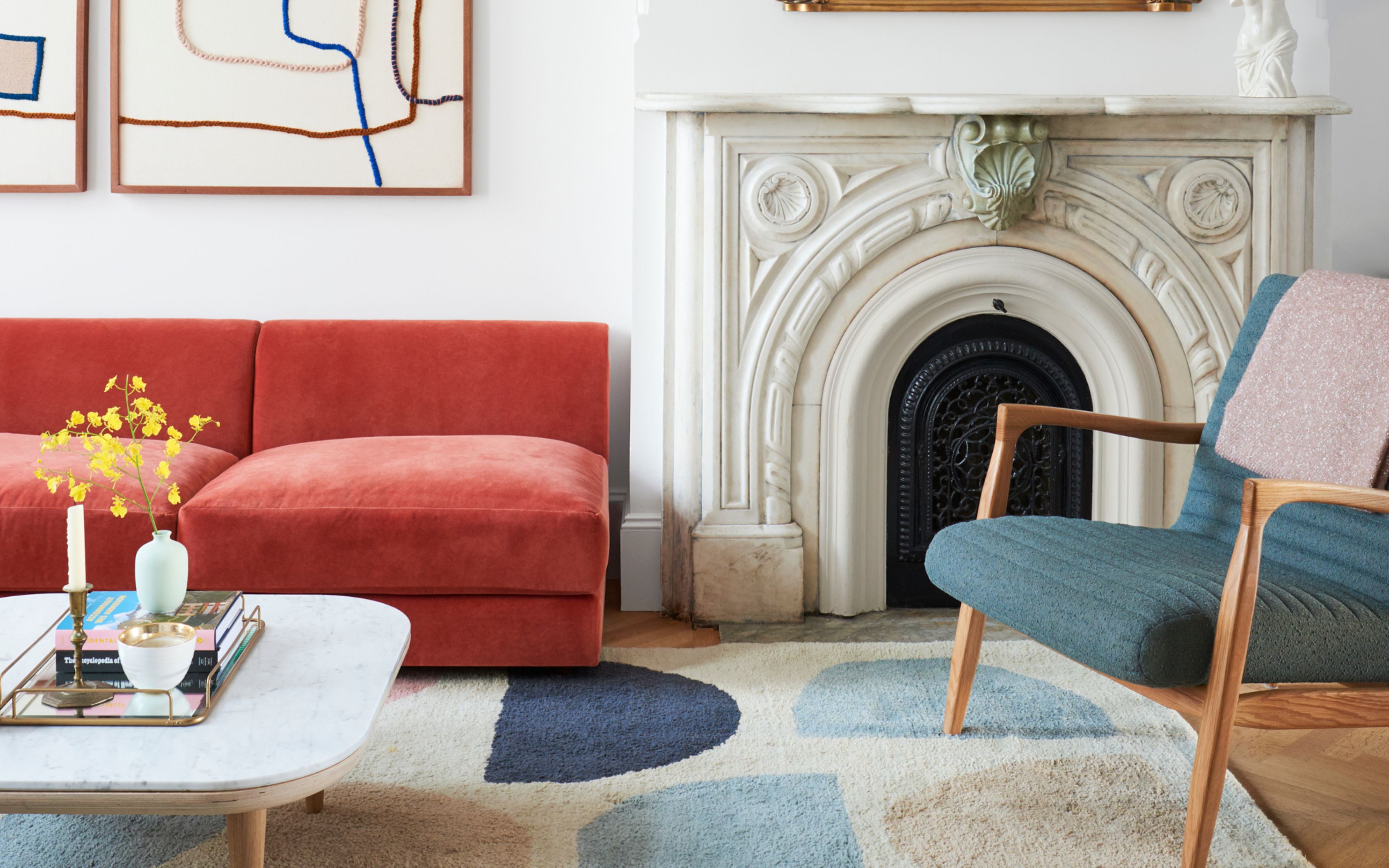
Finally, and perhaps most critically, positioning a couch too near a radiator poses a considerable fire risk. Certain fabrics and padding materials used in sofas can become highly flammable when subjected to close proximity to heat sources. Ensuring a safe distance between furniture and heating elements is not merely about preserving the couch's condition but is fundamental for overall home safety. When a fireplace is present, fire safety considerations should also guide furniture placement, with fire guards serving as an additional protective measure.
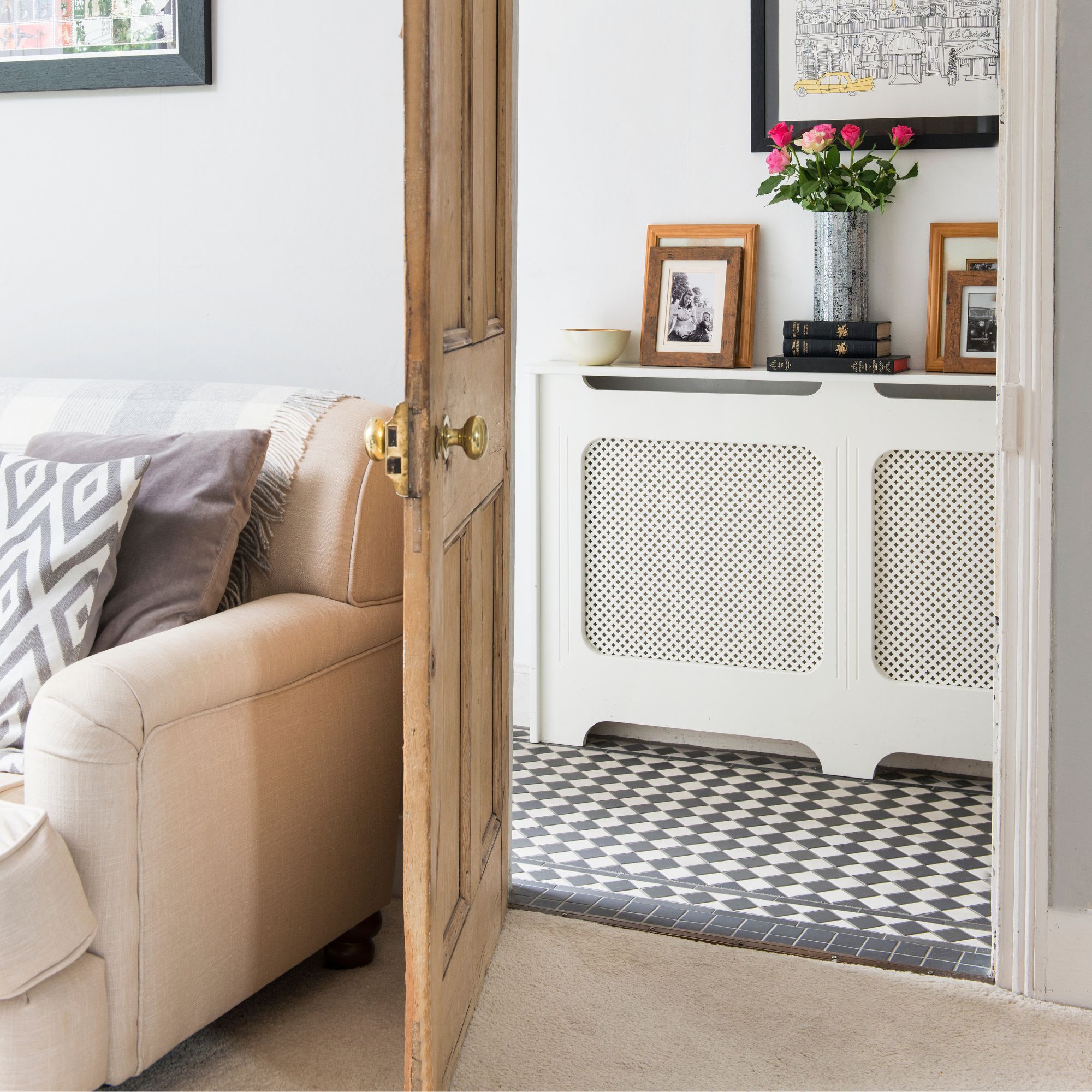
To prevent these issues, the most straightforward solution is to move the couch away from radiators or other heat sources. For those with smaller living spaces where moving furniture is not feasible, alternatives such as heat shields, reflective panels, or radiator covers can be employed. These solutions not only protect the furniture but also contribute to improved heat distribution throughout the room, enhancing comfort and energy efficiency. Ideally, a couch should be positioned six to twelve inches away from any heat source to safeguard materials, ensure efficient heat circulation, and potentially reduce energy bills.
#HomeHeating #SofaCare #UpholsteryDamage #MoldPrevention #FireSafety #InteriorDesign #WinterHomeTips #EnergyEfficiency #HomeHeating #SofaCare #UpholsteryDamage #MoldPrevention #FireSafety #InteriorDesign #WinterHomeTips #EnergyEfficiency
0 comment in total
 No comments yet
You may also like

From Burning to Fading Your Upholstery — Here Are 4 Ways Your Winter Heating Is Damaging Your Sofa


This is the one mistake that could make your patio furniture wear out twice as fast
The Simplest Way to Extend Your Sofa’s Life—And We’re Not Talking Slipcovers

Why Scotchgarding Your Furniture Might Be A Big Mistake


Experts Urge Homeowners to Avoid This Radiator Mistake That 'Exaggerates' How Well It Will Heat Your Home

5 Design Mistakes Making Your Heating Less Effective in Your Home — And the Easy Ways to Fix Them
Experts reveal 7 surprising ways you're ruining your furniture
Did you know you could be allergic to your sofa? Expert shares how you can tell and what to do about it


The Fan Mistake You’re Making That’s Making Your House Hotter

7 Unexpected Ways You're Secretly Damaging Your Furniture, Designers Say
5 sofa styles to avoid in a family living room – the styles experts warn will spell disaster for busy families
This is the one place Feng Shui experts say you should never put your sofa – and it's a surprisingly common layout
This Common Styling Mistake Is Quietly Making Your Couch Look Bad, a Designer Says

It's One of These 7 Sofa Layout Mistakes That Is Killing the "Flow" in Your Living Room
3 home design choices that were increasing my heating bills
This is the one place Feng Shui experts say you should never put your sofa – and it's a surprisingly common layout

6 couch cleaning mistakes that pros say could lead you to 'serious upholstery heartbreak'
5 Common Sofa Cleaning Mistakes You Might Be Making

I Just Learned the Basics of Feng Shui Sofa Placement — Turns Out My Couch Might Be "Blocking Energy"
Sofa Causing Back Pain? How Sitting on a Terrible Couch the Last Two Years Damaged My Spine