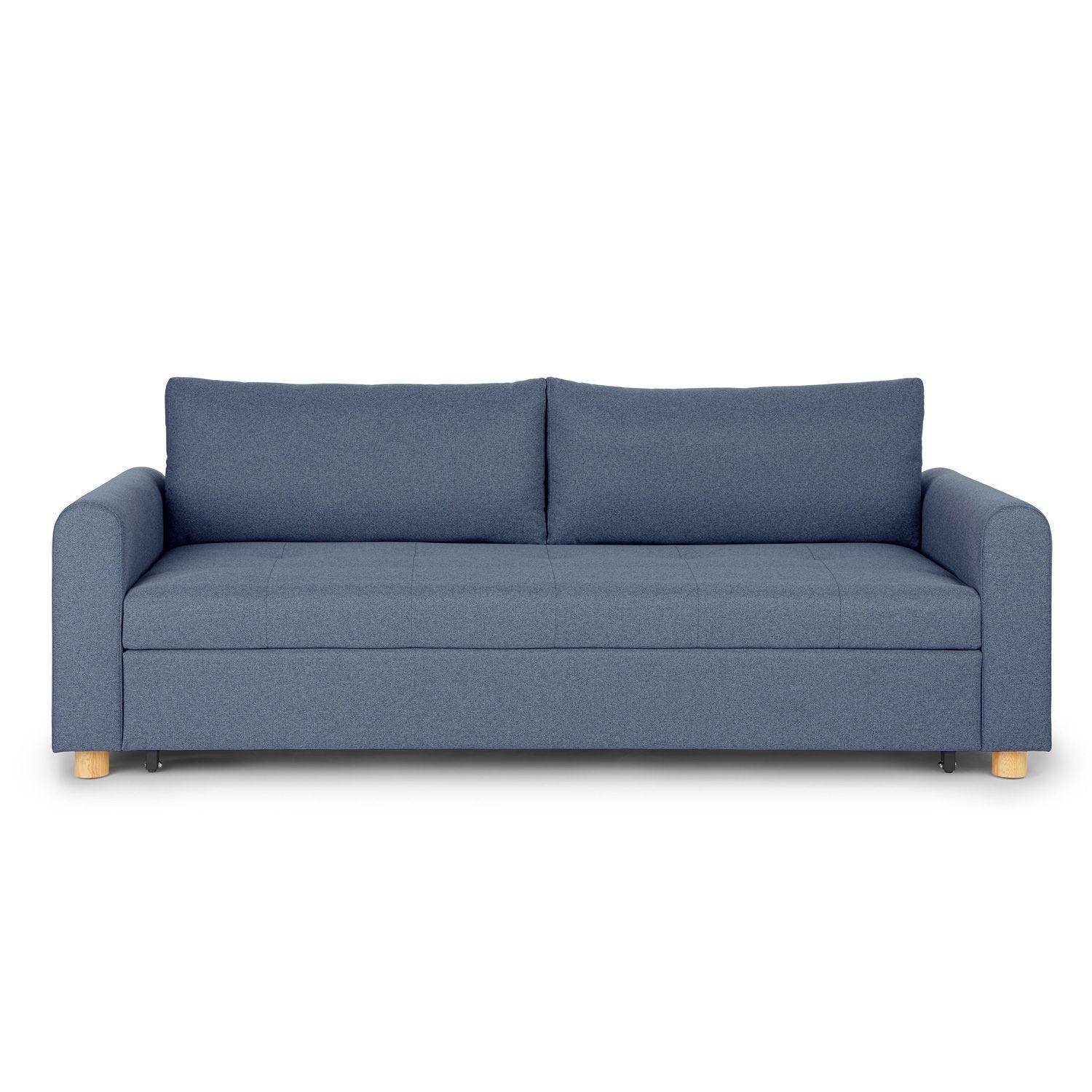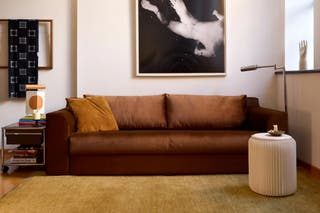
Sofa Causing Back Pain? How Sitting on a Terrible Couch the Last Two Years Damaged My Spine
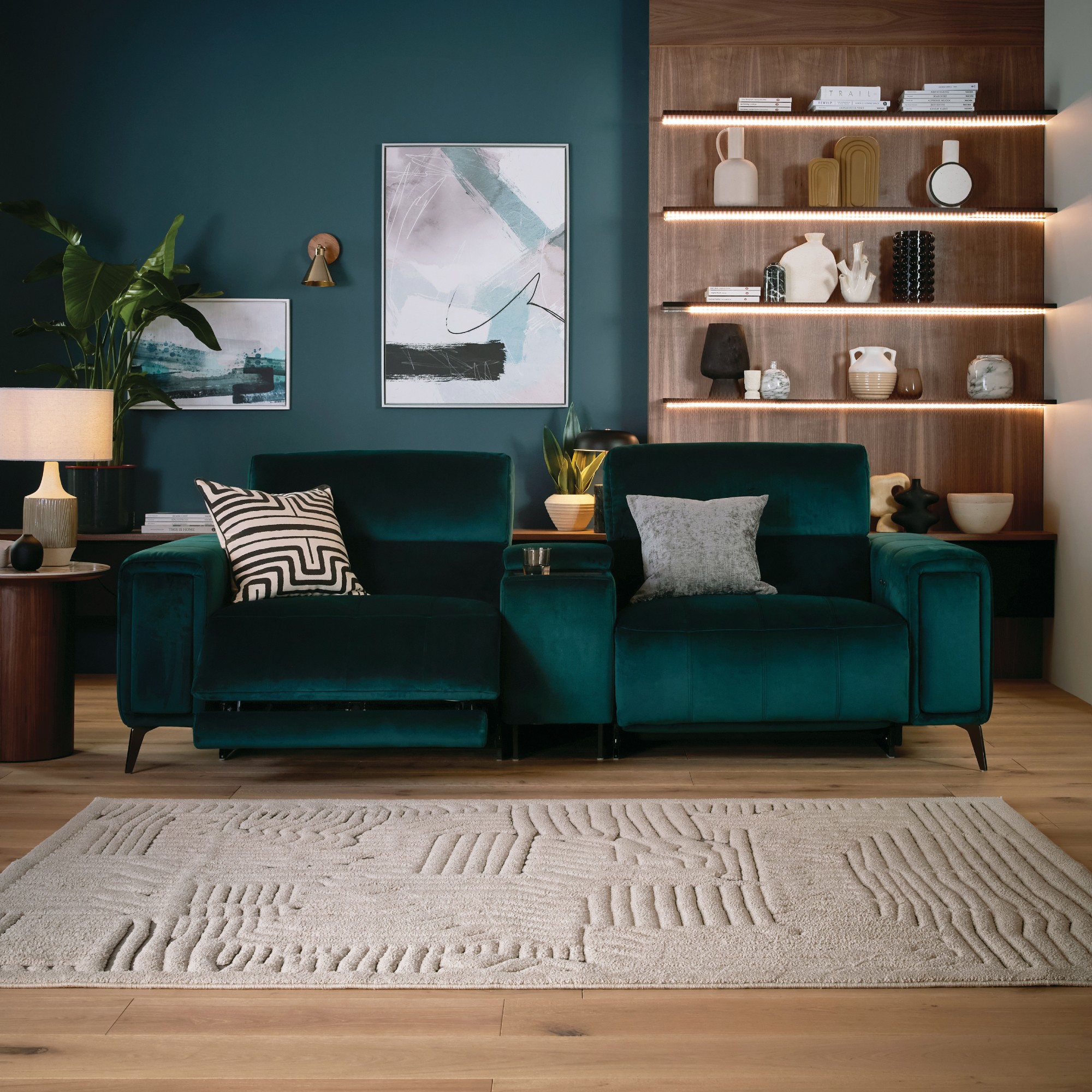
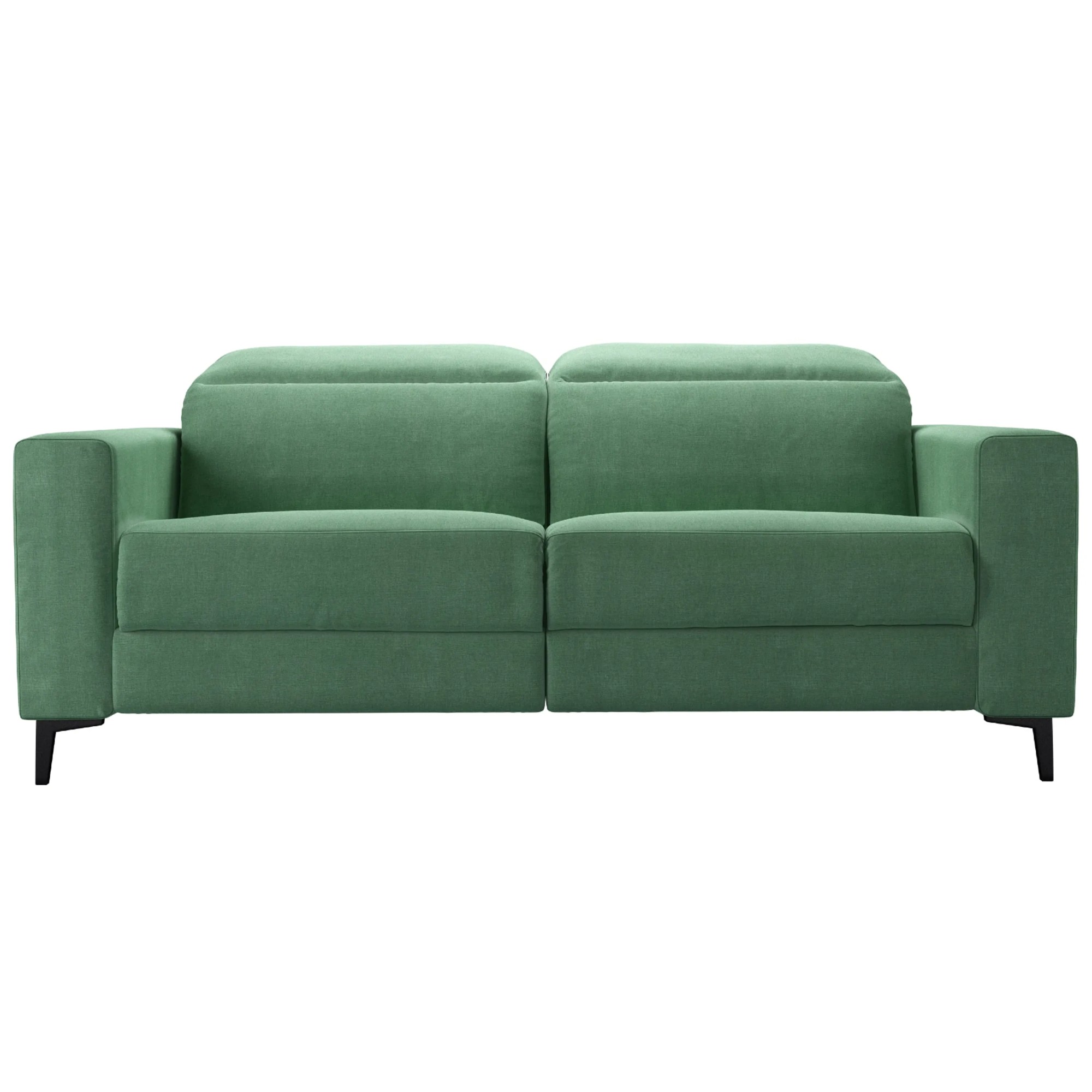
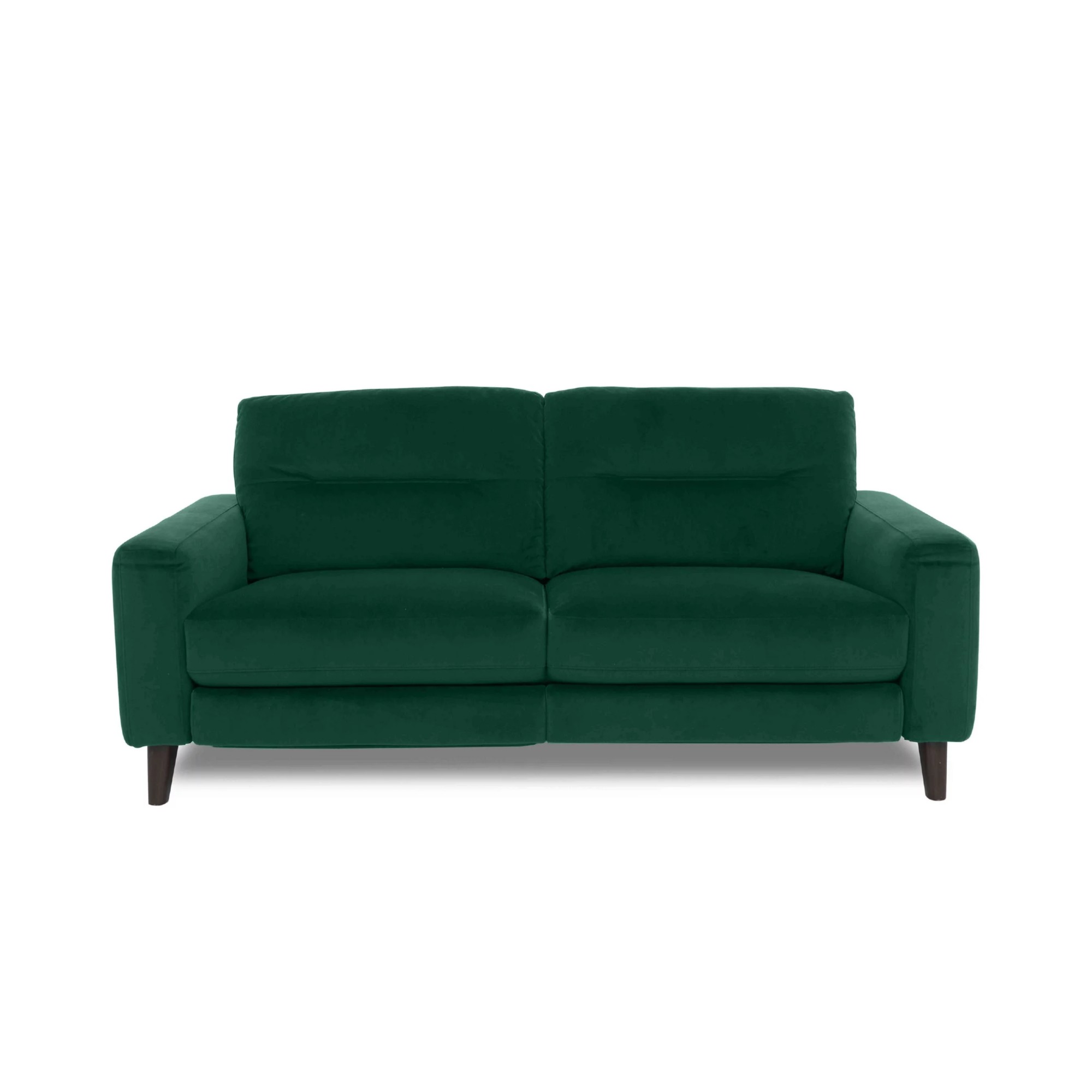
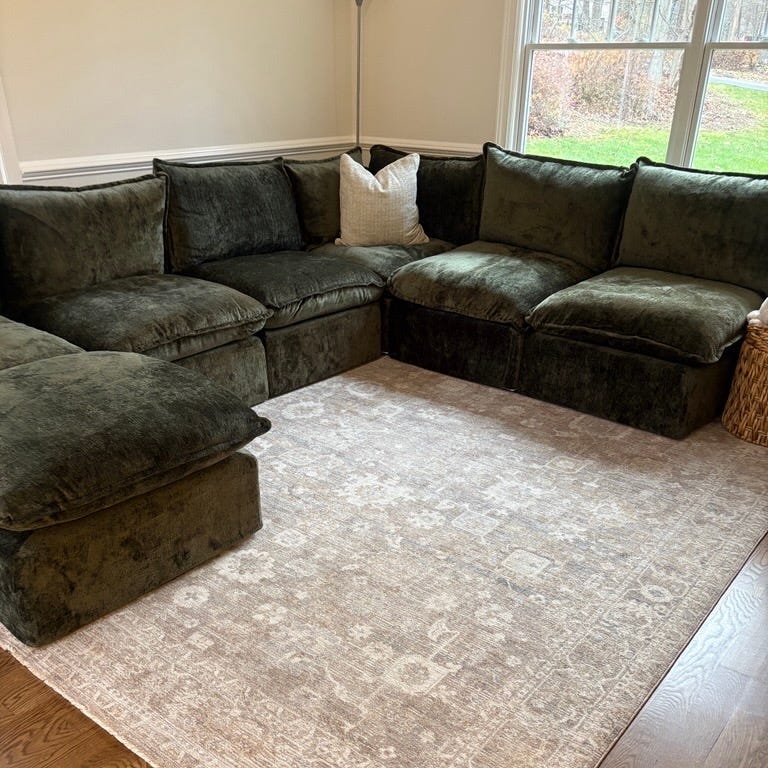
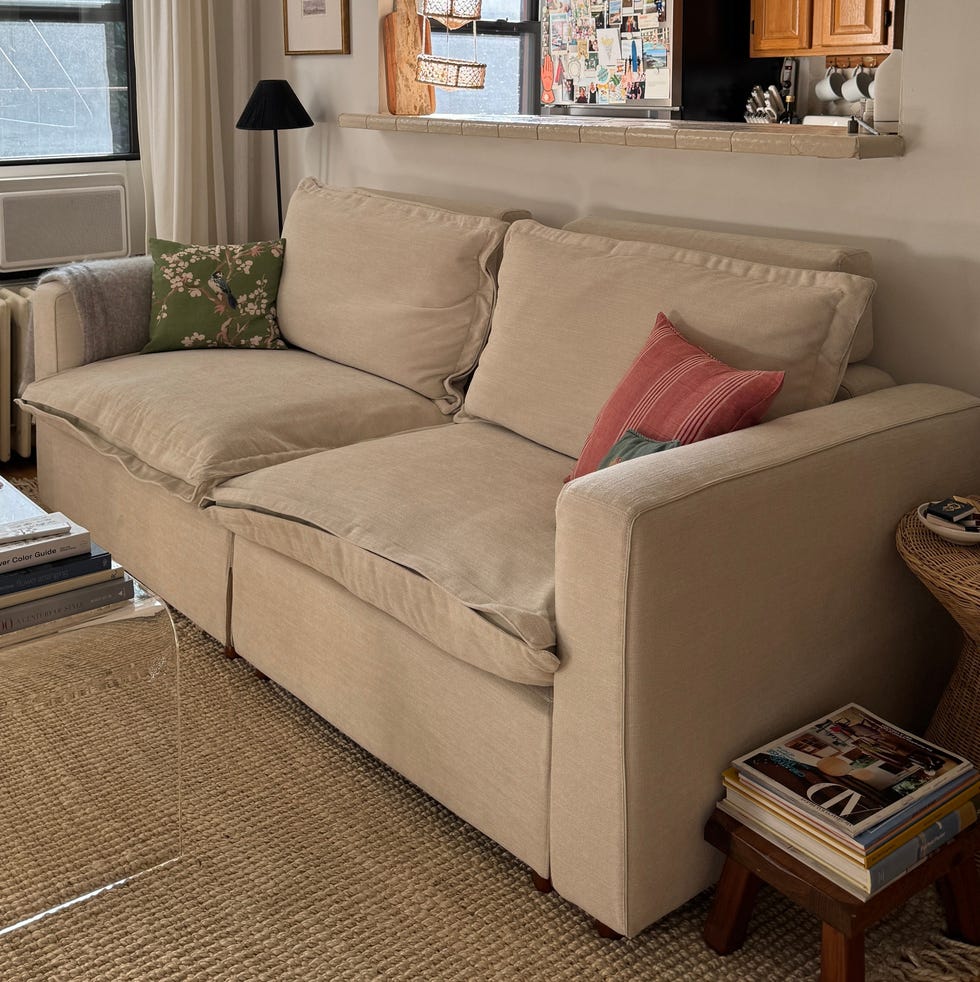
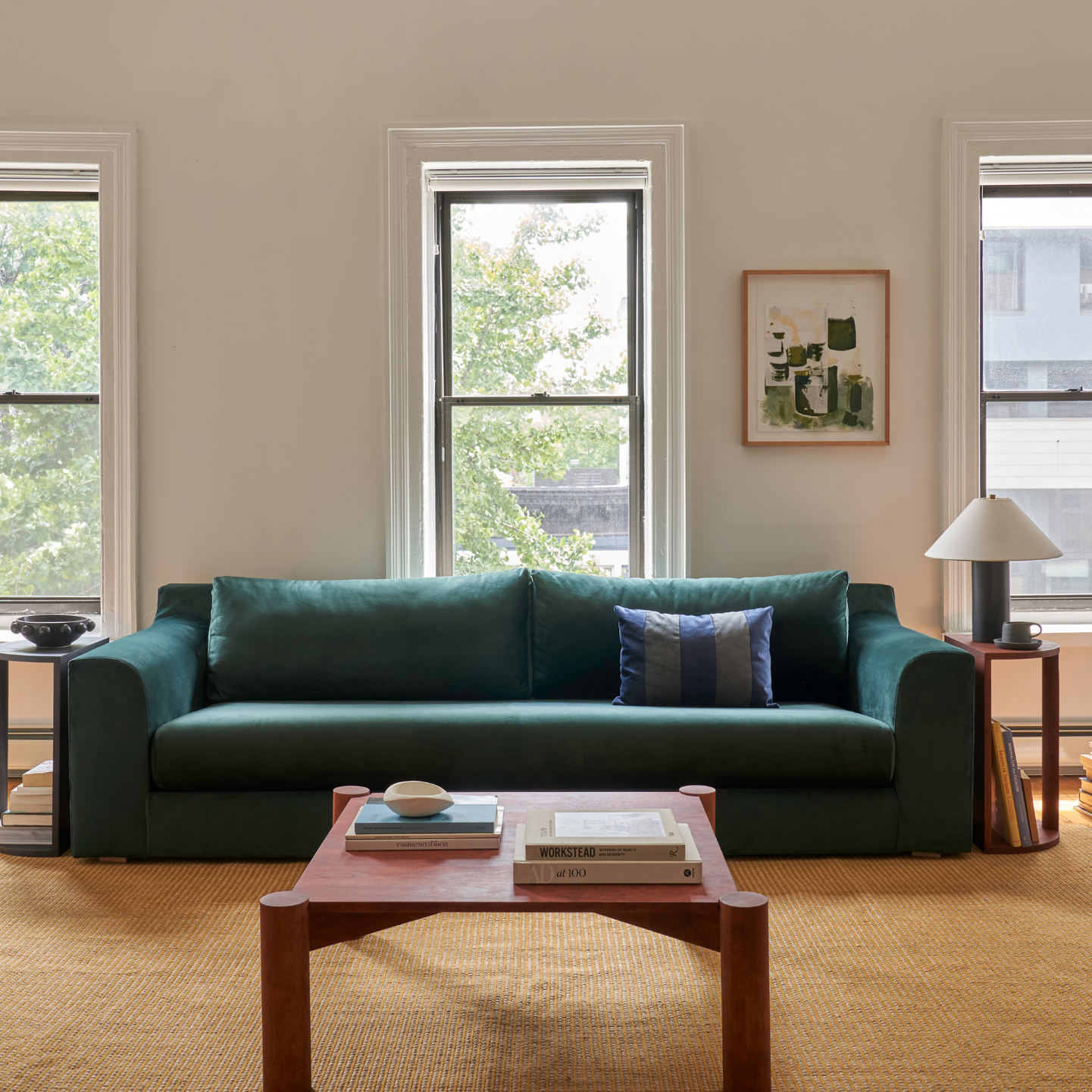
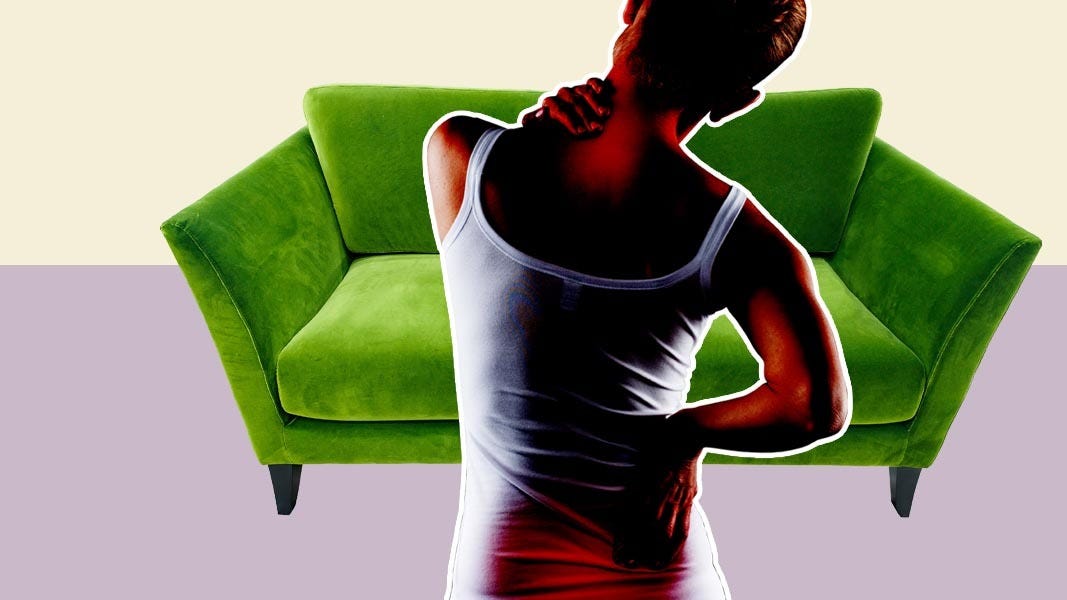
The author recounts a personal experience starting in December 2019, when she moved into her first solo apartment in New York City and acquired a green velvet (or velour) couch for $300 via Craigslist. Initially, the couch's stiffness was a minor inconvenience, as she spent little time at home before March 2020. However, with the onset of the pandemic and subsequent increase in time spent at home, the couch became her primary sitting spot for various activities, including work and leisure. The discomfort gradually escalated into persistent tailbone pain, which she initially attributed to an at-home Pilates regimen.
Despite taking a month-long break from Pilates, the pain continued, a dull but constant ache that radiated into her hips and intensified with sudden movements like slipping or sneezing, causing severe pain to shoot up to her shoulder blades. After a year of suffering, she consulted her primary care doctor, who ruled out major trauma and suggested lifestyle changes such as standing more often, doing yoga, and using a donut-shaped pillow. These recommendations offered little relief, and the pain worsened, particularly after the 2021 holiday season.
Eventually, the author sought help from an orthopedist. Diagnostic tests, including X-rays and MRIs, revealed a bulging disc between her last lumbar and first sacral vertebrae, a small tear in the fibers, and a slight backward slippage of one of the vertebrae. While these issues are common degenerative conditions, the orthopedist concluded that in the absence of any traumatic injury, her condition was directly attributable to prolonged sitting on a sub-par couch for two years.
Dr. Wesley Bronson, a board-certified orthopedic spine surgeon with Mount Sinai Health System, corroborates the author's experience, noting a significant increase in similar patient complaints during the pandemic. He explains that sitting exerts more pressure on the lower back than standing, and poor posture—such as leaning forward or bending over—exacerbates this pressure, accelerating degenerative processes. Dr. Bronson emphasizes that a good chair or couch should support the natural curvature of the lower back, often achieved with a lumbar curve or pillow, which also aids in maintaining proper shoulder posture. He further advises ensuring computer screens are at eye level to prevent neck strain and incorporating more frequent standing breaks throughout the day.
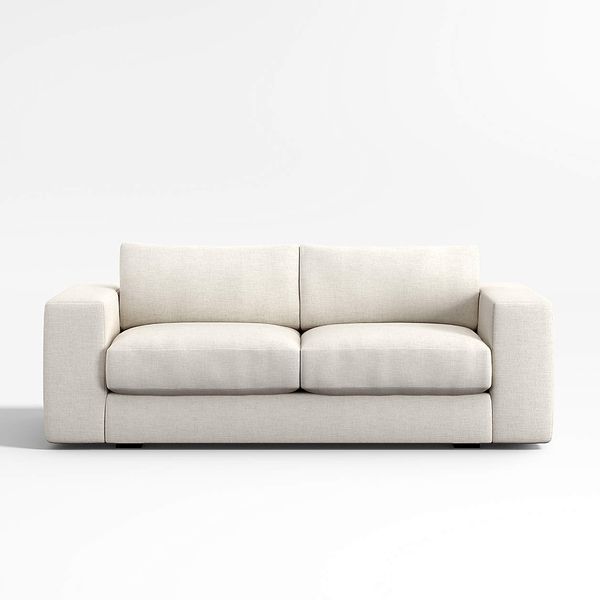
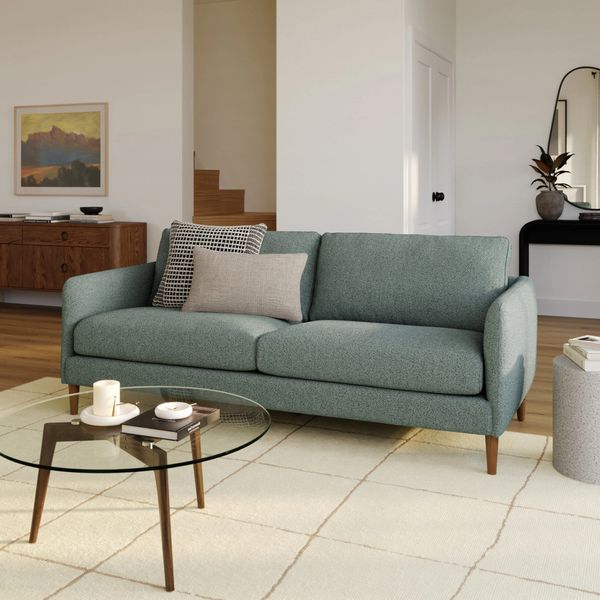
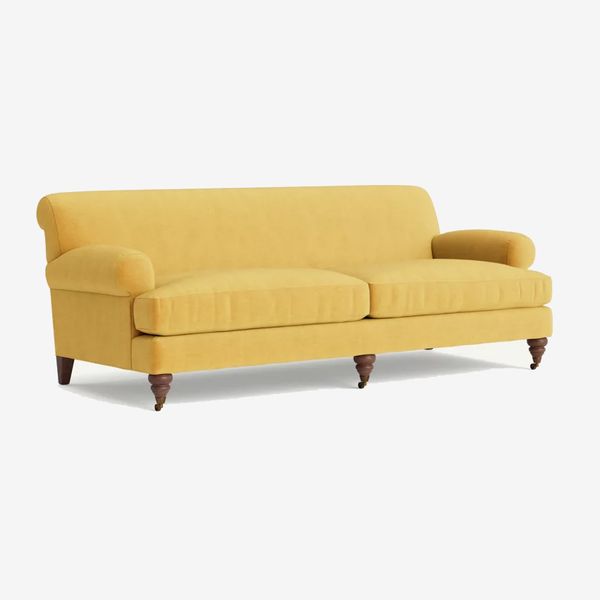
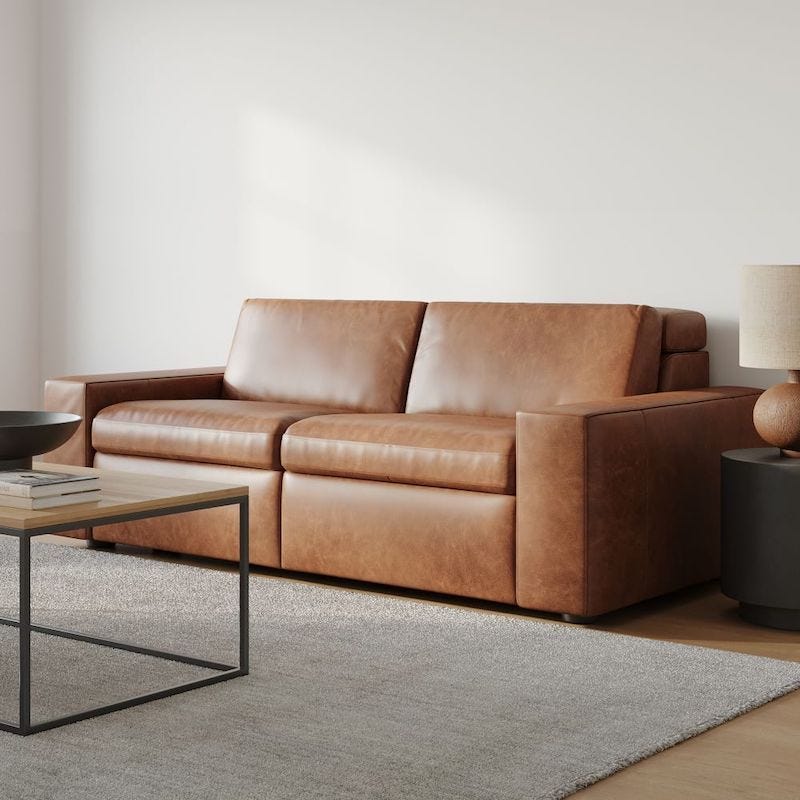
Regarding future furniture purchases, Dr. Bronson advises against prioritizing softness or material quality alone. Instead, he suggests a "sit test" to assess how well a couch supports the lower back in an upright position for extended periods, ensuring it promotes a healthy spinal curve rather than forcing an abnormal posture. The author expresses embarrassment over her past choices and the financial and physical toll, realizing that the money spent on medical care could have been invested in quality furniture and ergonomic accessories. Dr. Bronson offers reassurance that most acute low back pain episodes improve with non-operative treatments, encouraging the author and others to make necessary changes for better spinal health.
#BackPain #Ergonomics #FurnitureChoice #HomeOffice #SpinalHealth #Wellness #InteriorDesign #HealthAndLifestyle #BackPain #Ergonomics #FurnitureChoice #HomeOffice #SpinalHealth #Wellness #InteriorDesign #HealthAndLifestyle
0 comment in total
 No comments yet
You may also like

This home heating habit could be ruining your sofa

12 best sofa beds, tried and tested for both sitting and sleeping

Is Having Two Sofas Facing Each Other Actually Comfortable for Watching TV? Tips for Getting This Trending Layout Right

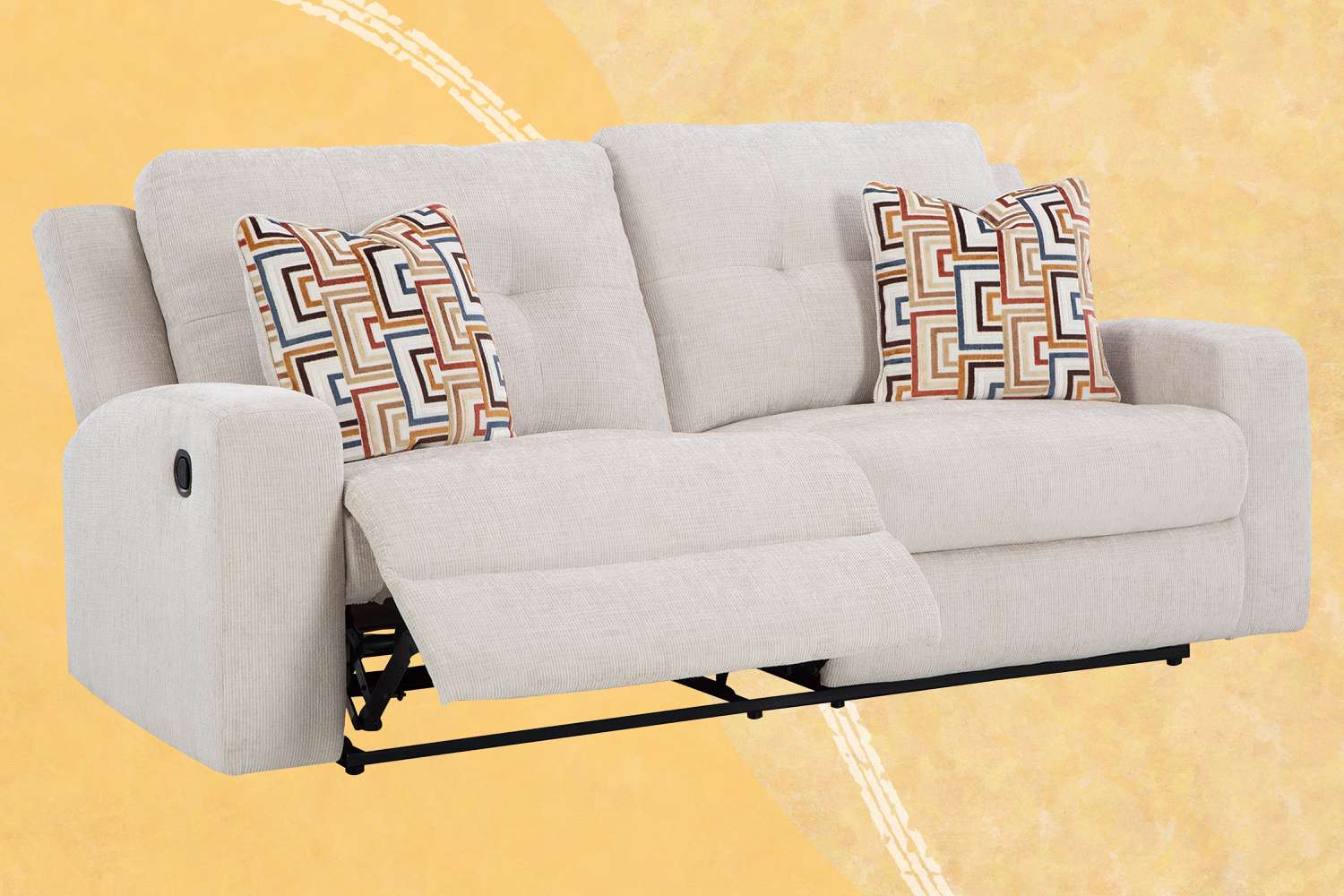
Reclining Sofas Are Having Their Moment, and These Are Our 15 Favorites

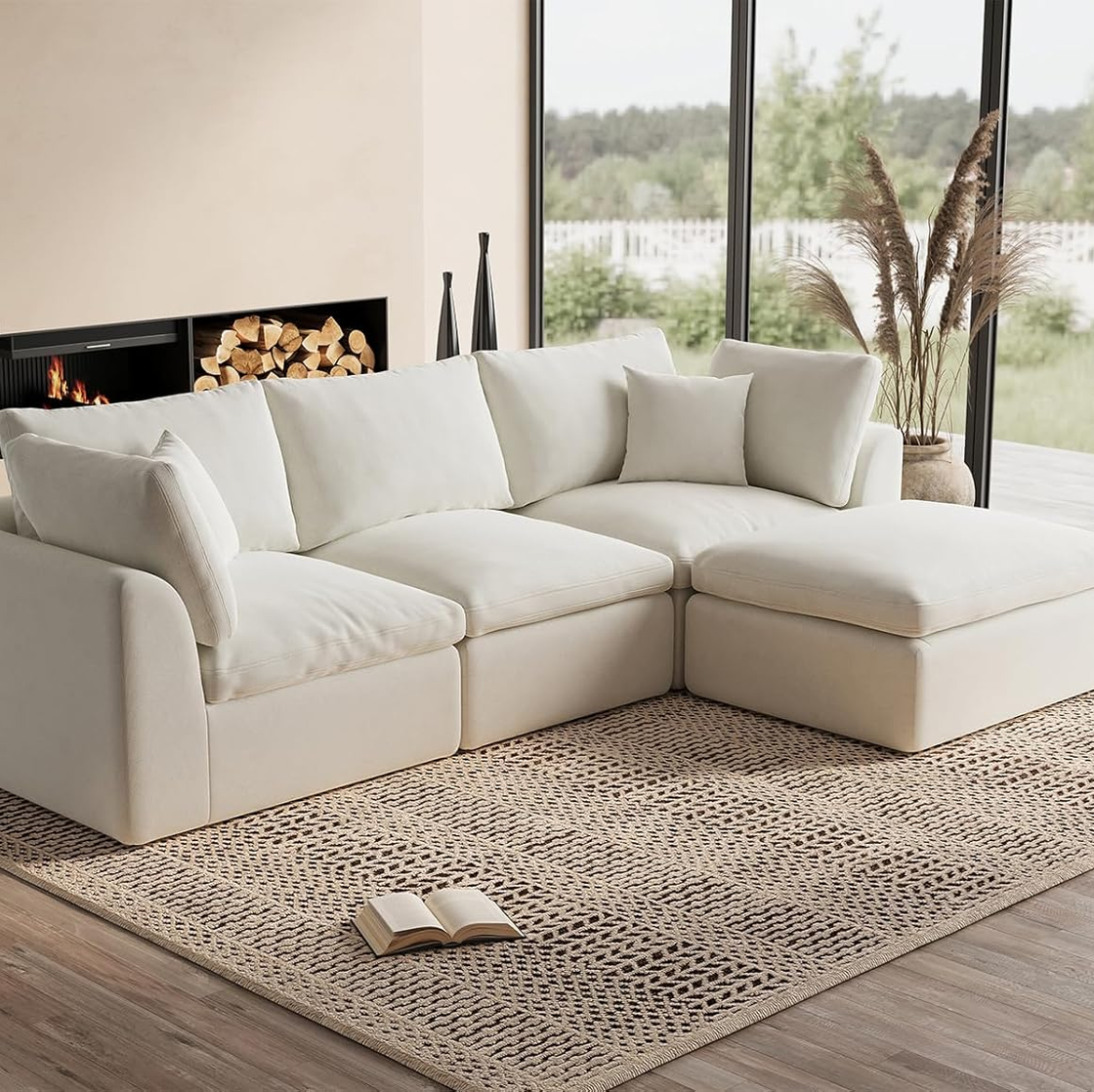
I Found a Couch More Comfortable Than My Bed


How Long Should a Sofa Last? Get the Lowdown on Lifespan and Easy Ways to Extend it

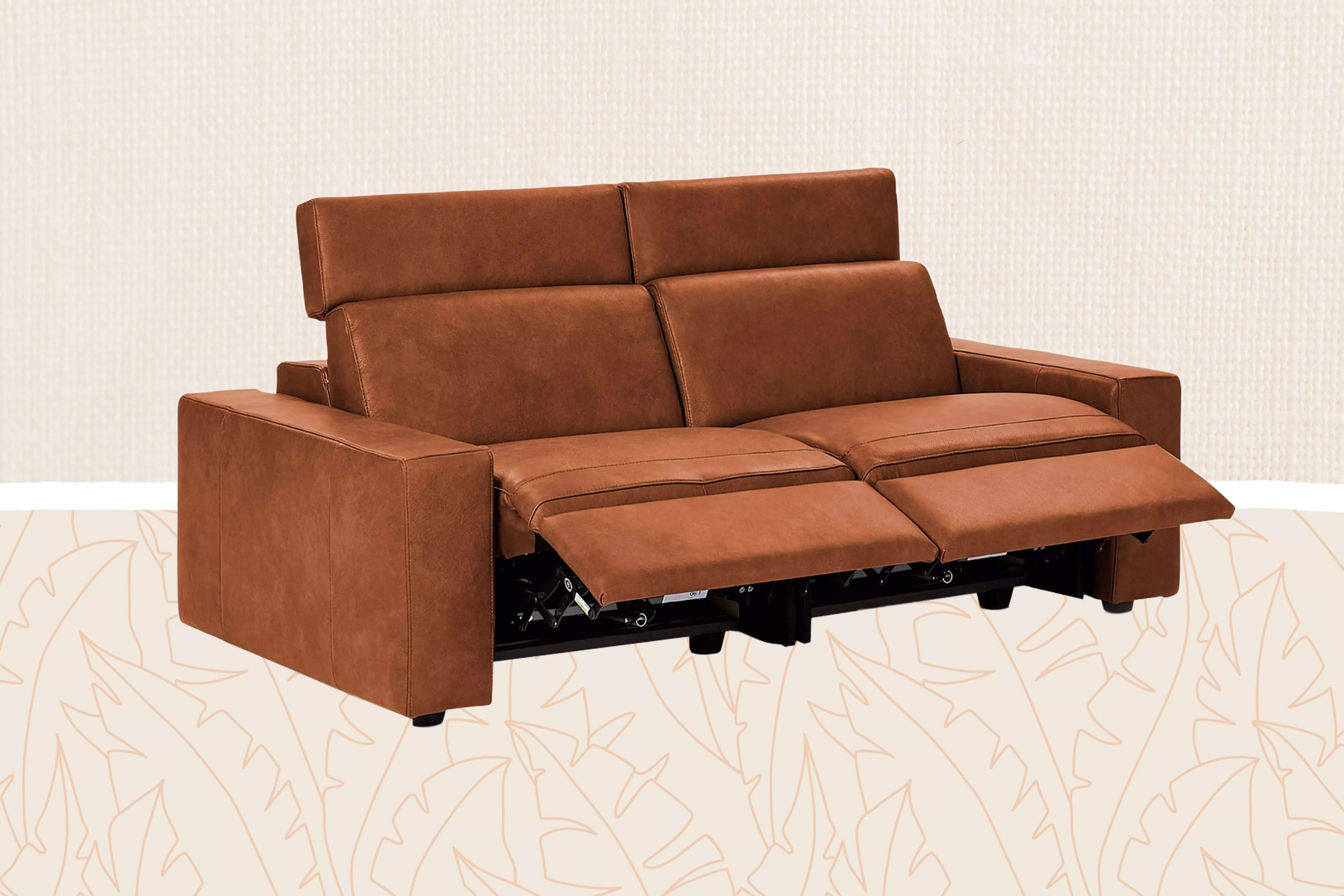
Kick Back and Relax with One of The 6 Best Reclining Sofas on the Market

The 21 Very Best Couches | The Strategist
The Modular, Nap-Friendly Sofa That Ended My Decade-Long Loveseat Era

30+ Couches Later, These Picks Totally Nail Comfy Couch Vibes

The Best Sofas For Every Style

10 Reclining Sofas That'll Restore Your Faith in Reclining Sofas
This Home Office Desk Chair Relieved My Back Pain

Recliner sofas are the unexpected trend that I didn’t think I could get on board with – this is why I’ve changed my mind

Our Editors Share the Most Comfortable Couches They Sit, Nap, and Lounge On
These Sofas Are More Comfortable Than Your Bed
29 sofa designs for every kind of interior
Lifestyle Editors Say These Sleep Sofas Are Actually Comfortable
14 Most Comfortable Couches for Lounging

Sit back and relax: sofa buying tips