1/11
How Long Should a Sofa Last? Get the Lowdown on Lifespan and Easy Ways to Extend it
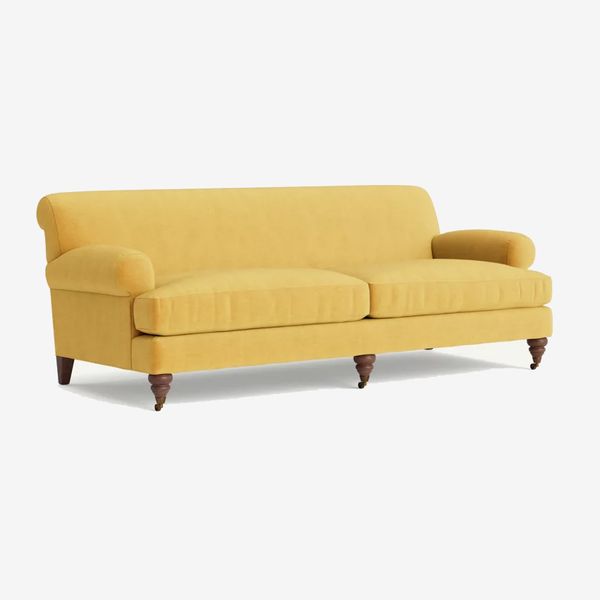
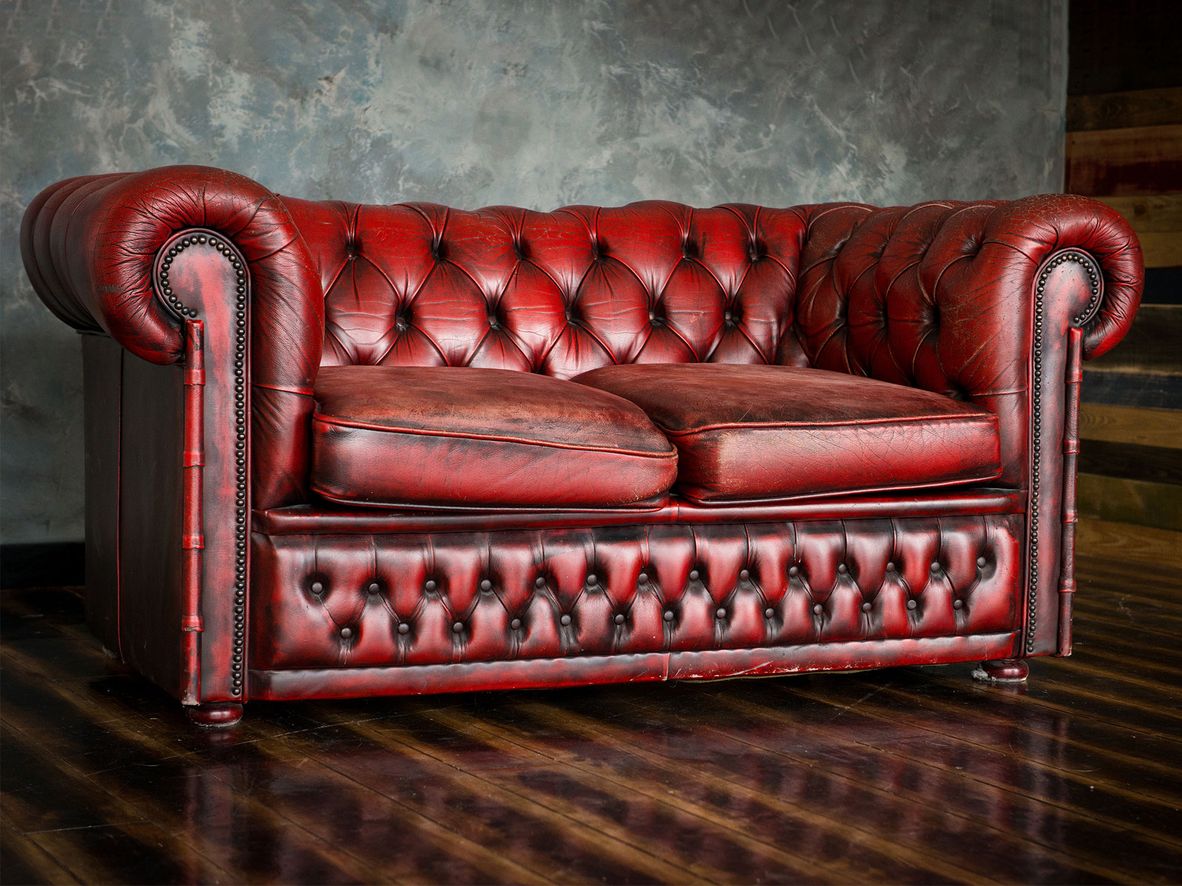
The lifespan of a sofa is a significant consideration when making a purchase, as it impacts both financial investment and long-term satisfaction. While there's no universally mandated industry standard for sofa longevity, experts generally suggest a well-constructed sofa can last between seven and 15 years, with 10 years being a common benchmark. This duration, however, is heavily influenced by the quality of the initial purchase and the subsequent care it receives.
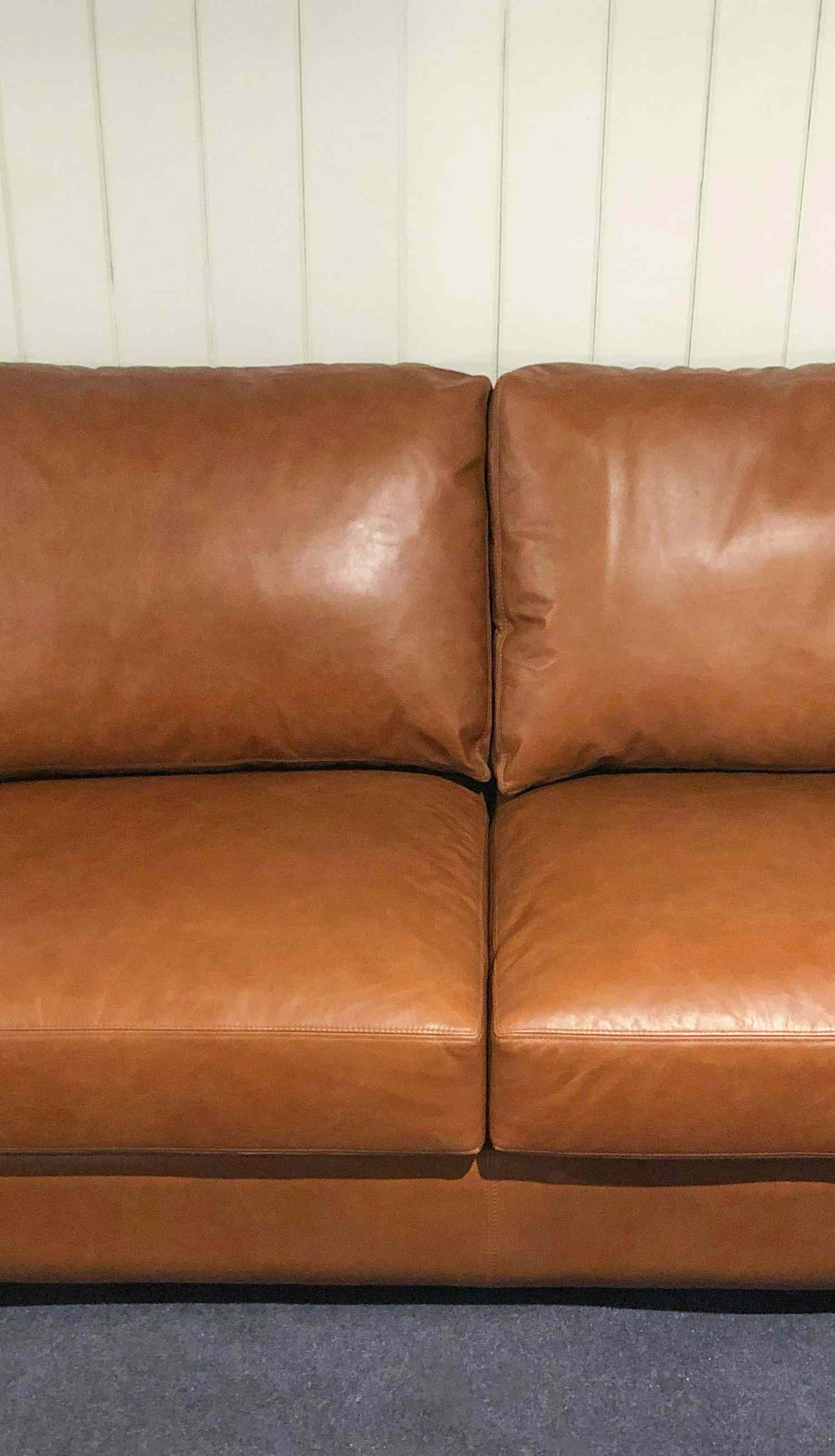
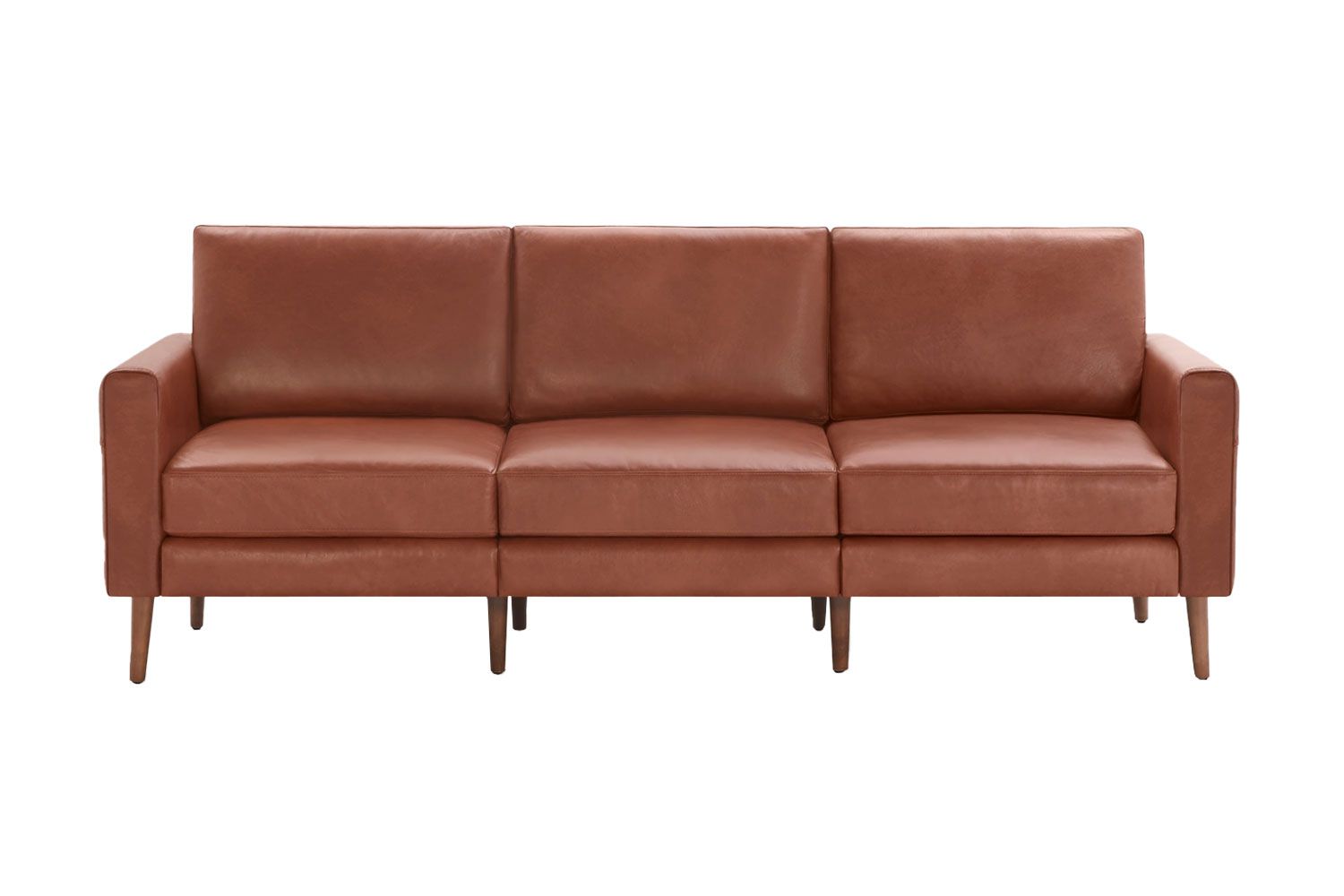
Several key factors contribute to a sofa's durability. The frame is paramount, with solid hardwood frames, particularly those made from kiln-dried hardwood, offering superior resistance to warping and deterioration. Construction techniques also play a vital role, with methods like eight-way hand-tied springs indicating high craftsmanship and enhancing durability. Even modern alternatives, such as drop-in coil springs, can provide a good balance of cost and resilience. Cushion quality is another crucial element, often determined by the density of the polyurethane foam used. A higher density foam, typically ranging from 1.8 to 2.5, signifies a more durable cushion that will retain its shape and firmness over time. Finally, the choice of upholstery fabric significantly affects longevity. Durable materials like leather are known for their resilience and ease of maintenance, while natural fibers such as cotton may require more careful handling.
Extending a sofa's lifespan involves consistent care and maintenance. Regular cleaning, including vacuuming and addressing spills promptly, is essential. Avoiding direct sunlight helps prevent fabric fading and deterioration. Rotating and fluffing cushions regularly ensures even wear and maintains their shape and comfort. Applying protective treatments, such as Scotchgard, can further safeguard the upholstery. Additionally, understanding and avoiding common sofa cleaning mistakes and adhering to specific cleaning instructions for different fabric types are crucial. For significant wear, reupholstering a sofa can offer a cost-effective way to refresh its appearance and prolong its life, especially for high-quality pieces with robust frames.
The lifestyle of the household also impacts a sofa's longevity. Factors like the presence of children, pets, and the frequency of use contribute to wear and tear. Choosing a sofa material that aligns with daily living, such as performance fabrics, microfiber, or leather for high-traffic areas or homes with pets, is recommended. Conversely, delicate fabrics like acrylic, which are prone to pilling, should be avoided in busy environments. While durability isn't formally regulated like health and safety, organizations like ASTM International and BIFMA set standards, and manufacturers often conduct tests to assess frame robustness, cushion resilience, and fabric durability, including the 'rub count' for upholstery. For residential use, a rub count of 10,000 to 25,000 is considered durable, with anything below 10,000 being delicate. Ultimately, a sofa's lifespan, typically around 10 years, can be optimized through informed purchasing decisions focusing on quality materials and construction, coupled with diligent care and maintenance tailored to the home's specific needs.
#SofaLifespan #FurnitureDurability #HomeFurnishings #InteriorDesign #UpholsteryCare #FurnitureMaintenance #DesignAdvice #QualitySofa #HomeCare #SofaLifespan #FurnitureDurability #HomeFurnishings #InteriorDesign #UpholsteryCare #FurnitureMaintenance #DesignAdvice #QualitySofa #HomeCare
0 comment in total
 No comments yet
You may also like

The Simplest Way to Extend Your Sofa’s Life—And We’re Not Talking Slipcovers


Review: One year of sitting on the Sundays’ Movie Night Sofa


The Secret to Making Your Cane Furniture Last Forever

Upgrades to Make a Sleeper Sofa Worth Sleeping On

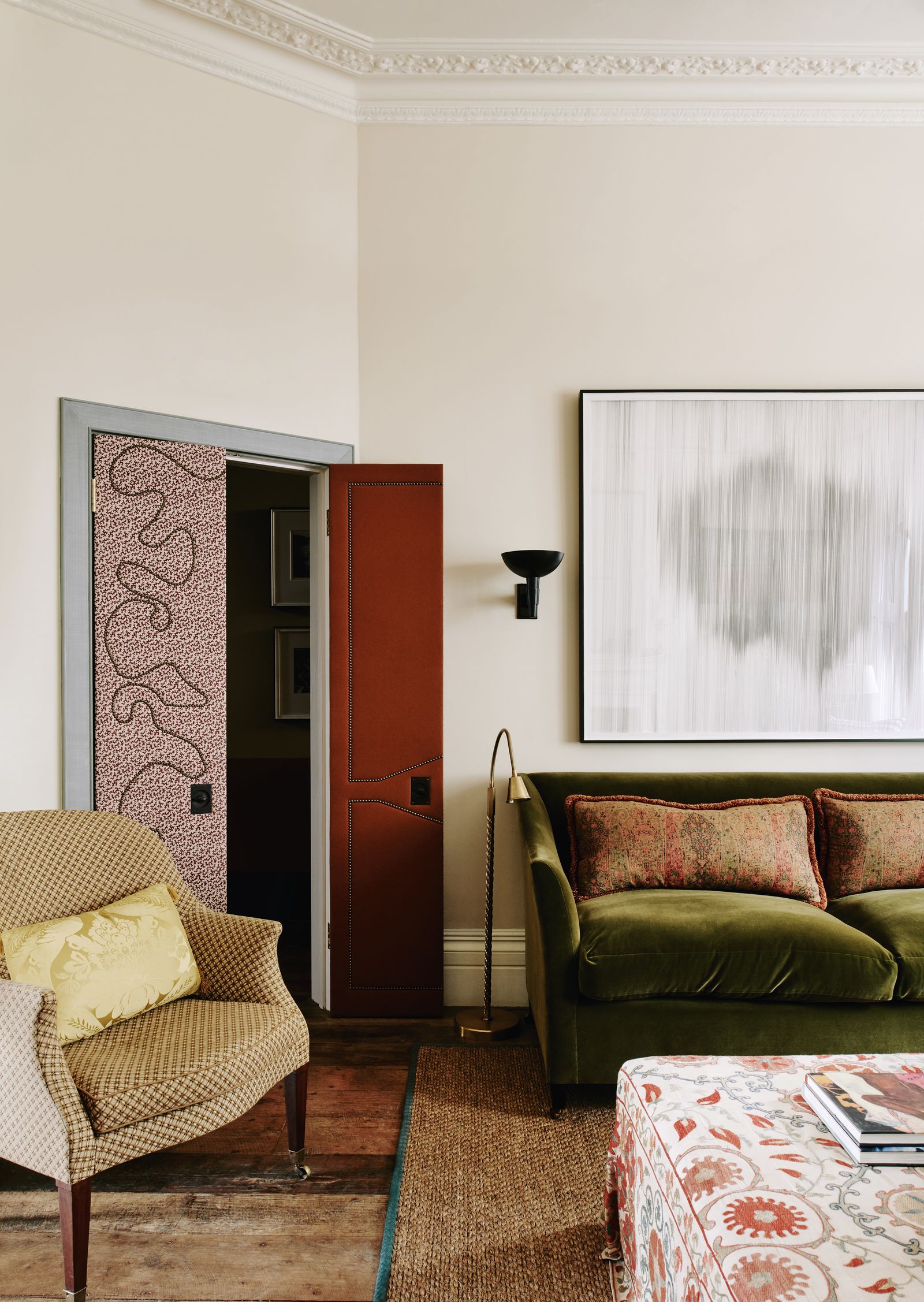
29 sofa designs for every kind of interior

The 7 Best Sofas of 2025 | Reviews by Wirecutter
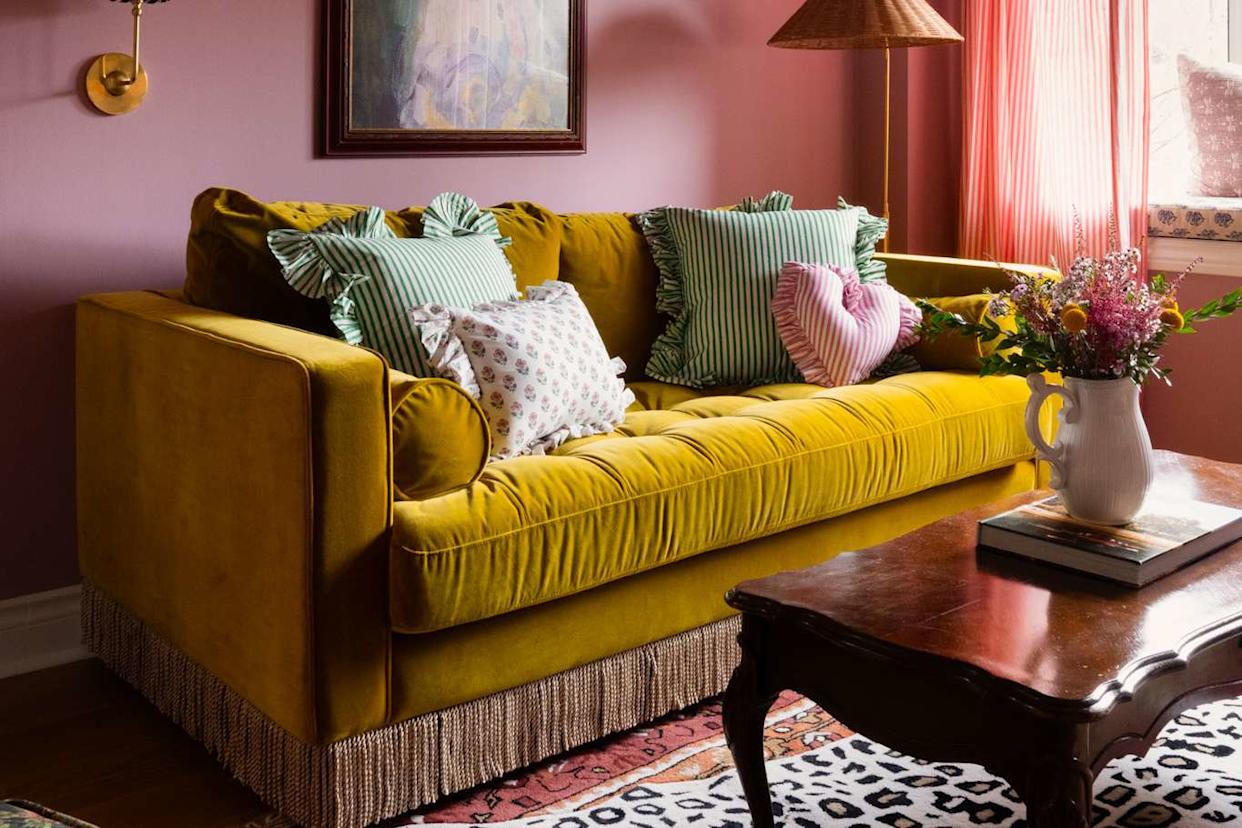
How to Select the Right Sofa for You, According to Designers

Sofa buying guide: how to buy a sofa UK 2025
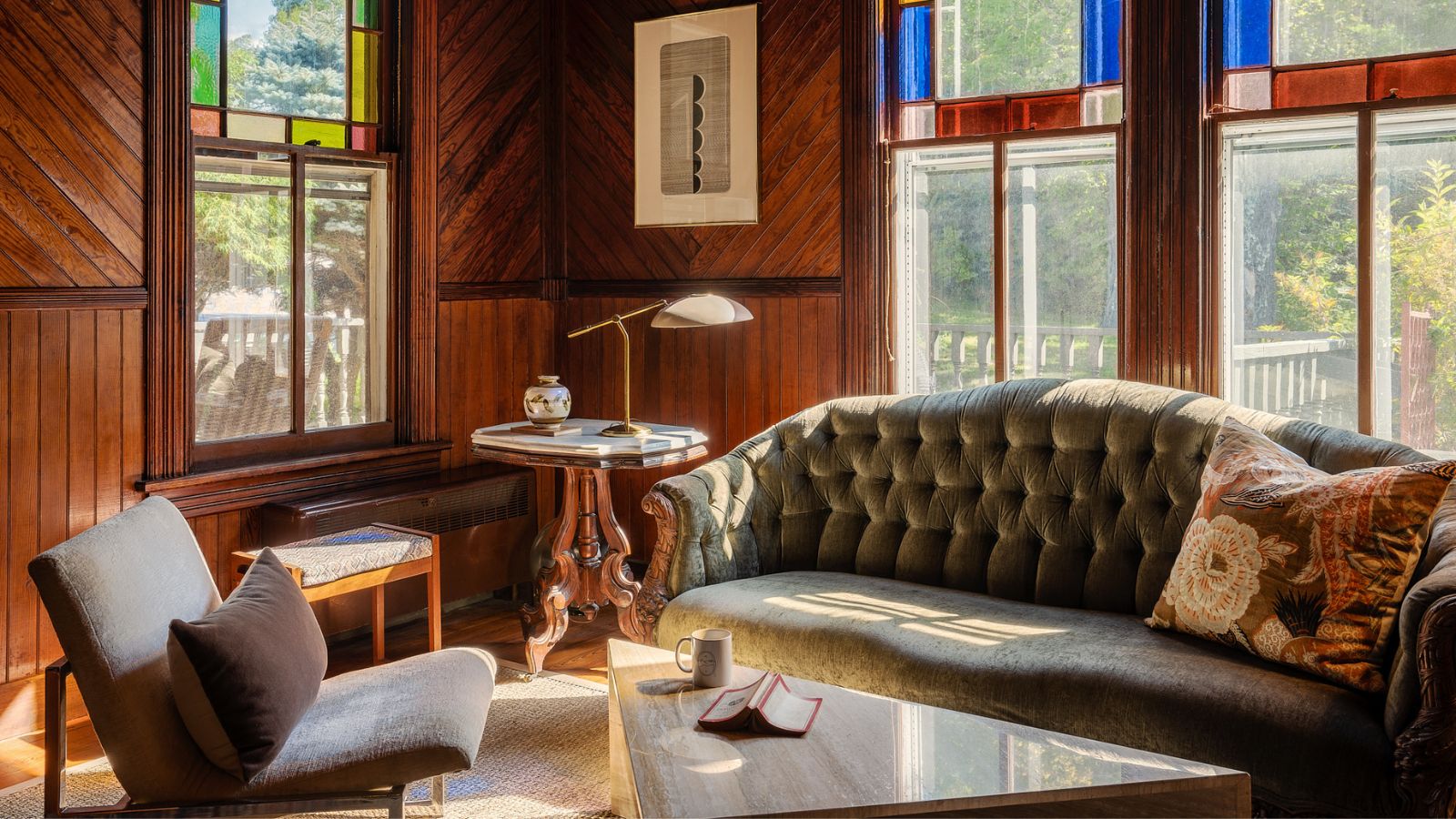
6 Timeless Sofas Interior Designers say Will Never Make Your Living Room Look Dated


The Best Couches Of 2025: These Survived A Year With Our Kids And Pets

12 best sofa beds, tried and tested for both sitting and sleeping

We Tested These Timeless Leather Sofas for Two Years—Level Up Your Living Room With Our Favorites


Sit back and relax: sofa buying tips

The 21 Very Best Couches | The Strategist

How Much Should You Spend on a Living Room Sofa?


Sofa beds have come a long way – these are the best designs to upgrade your space
5 sofa styles to avoid in a family living room – the styles experts warn will spell disaster for busy families

The Best Sofas For Every Style
How much does it cost to reupholster a sofa? And why it's worth it

After Over 1,500 Hours of Testing, These Are The 13 Best Couches