1/5
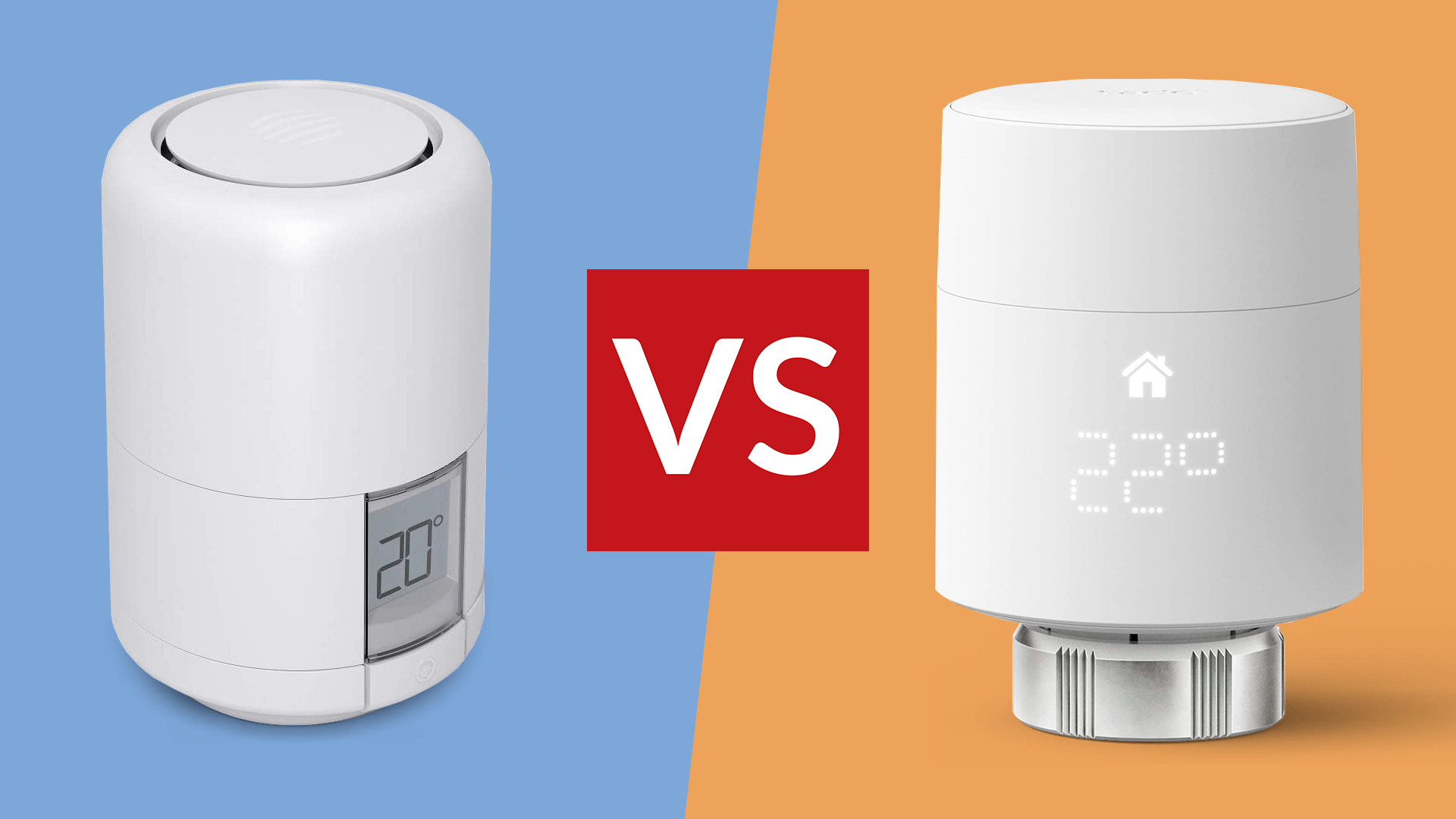
Hive Smart Radiator Valve vs Tado Smart Radiator Thermostat
The increasing cost of living and rising energy bills have made smart thermostats a practical investment for homeowners. While a standard smart thermostat can regulate the overall temperature of a house, achieving granular control over individual room temperatures requires smart radiator valves. This comparative analysis focuses on two prominent options in this category: the Hive Smart Radiator Valve and the Tado Smart Radiator Thermostat.
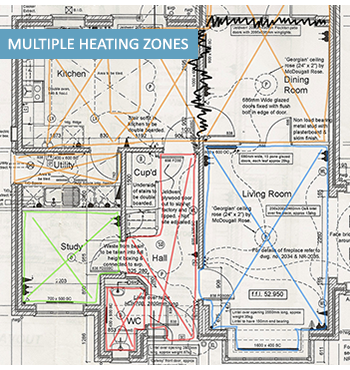
Both systems offer the ability to individually control the flow of hot water to radiators, allowing users to set different temperatures for each room at specific times. This zonal heating approach is particularly effective for saving energy and reducing costs, as it enables heating only the occupied rooms while turning off the radiators in unused spaces. The control mechanisms typically involve a central hub, a smartphone application, or voice commands, with manual adjustments also possible directly on the valves.
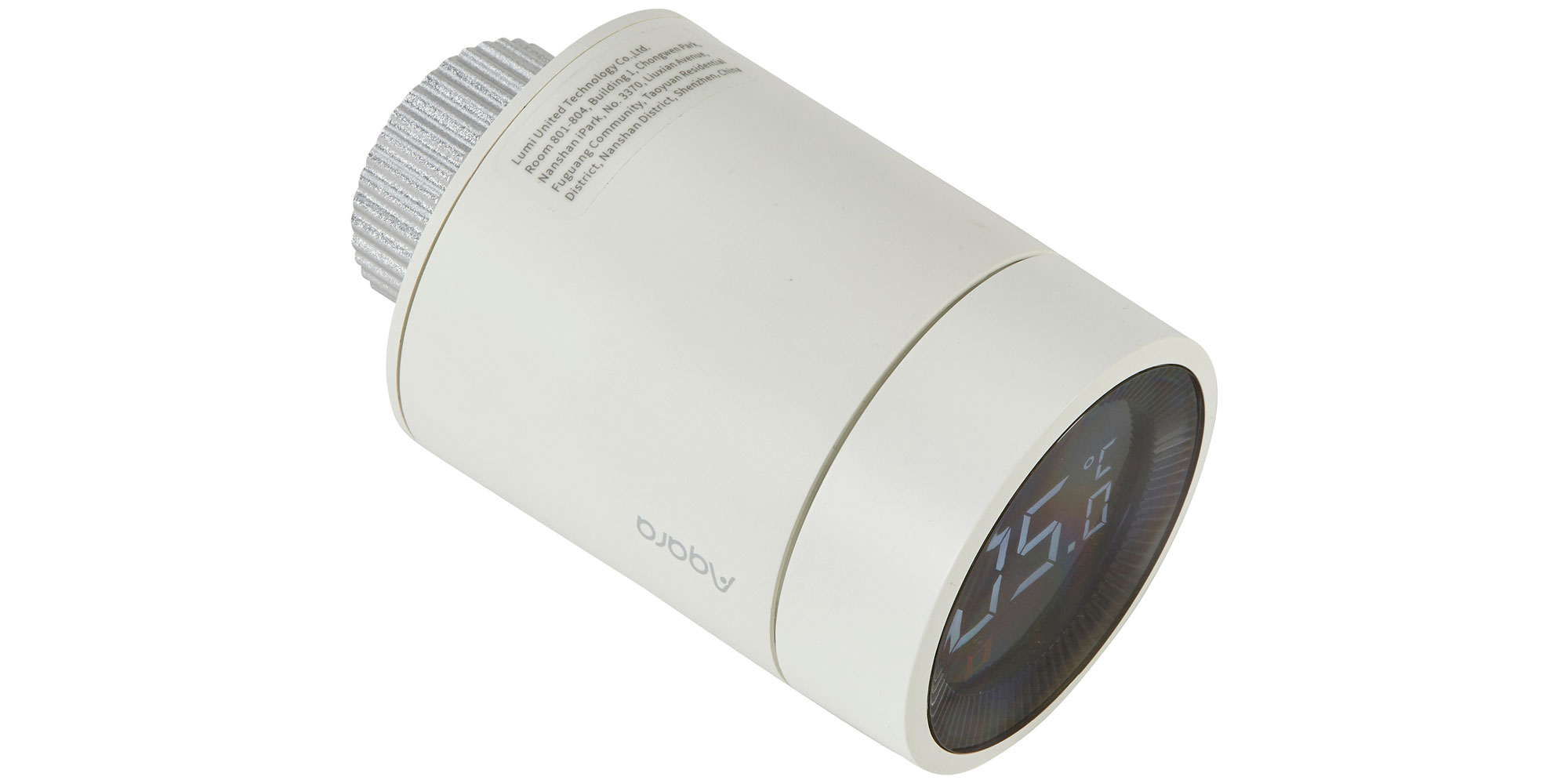
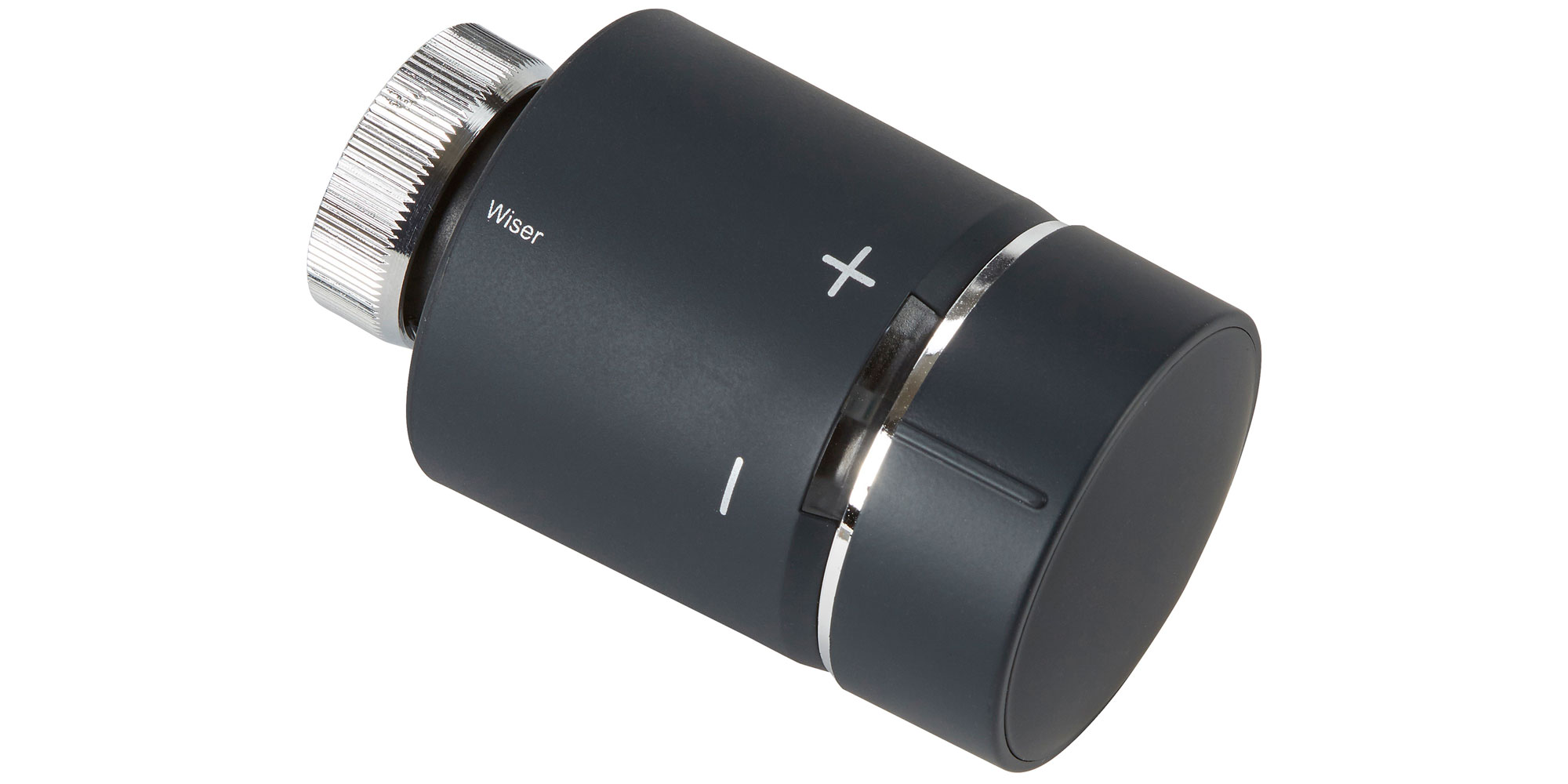
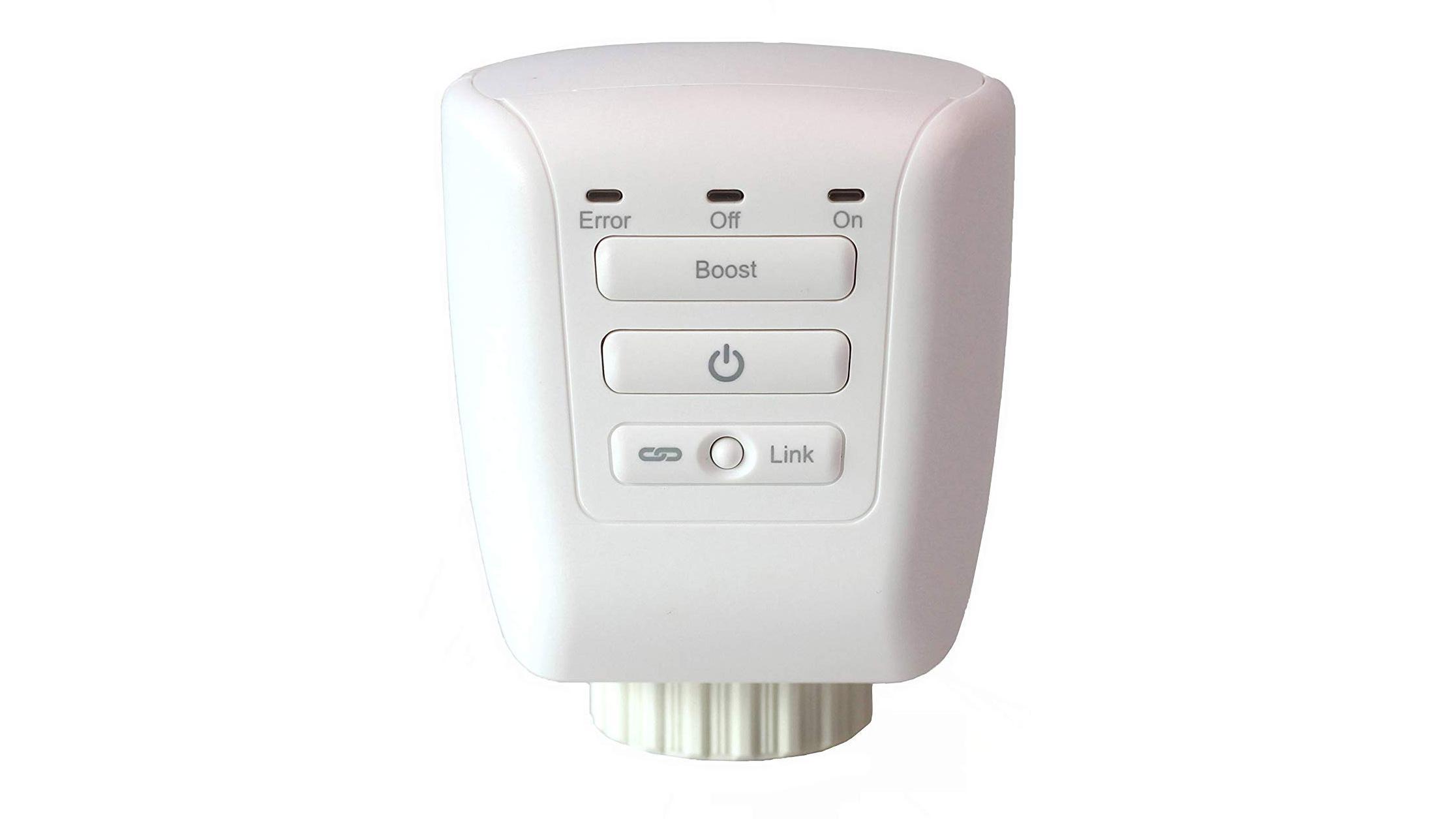
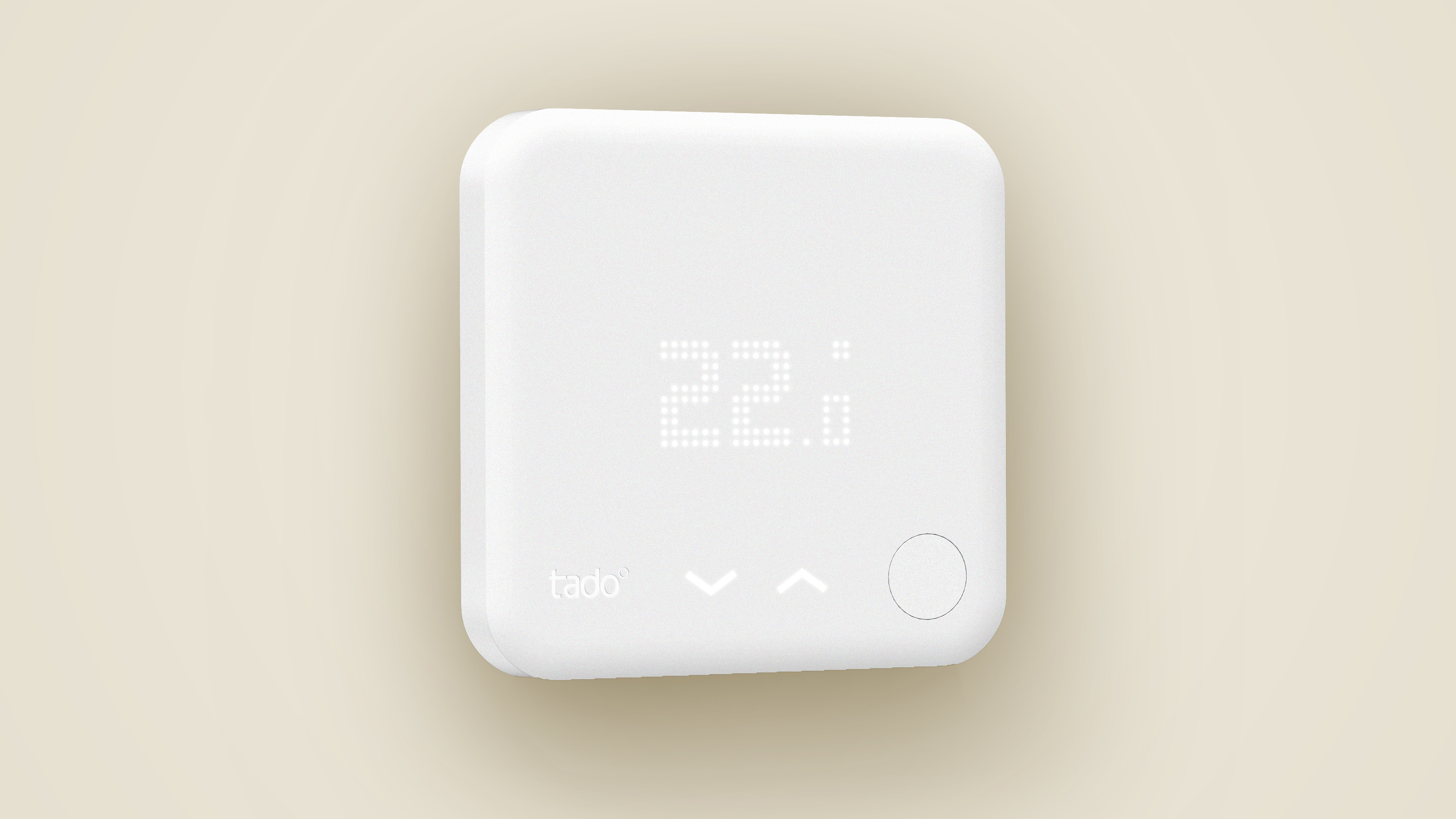
From a pricing perspective, individual Tado valves are priced at approximately £70, with a separate hub costing the same. Hive's valves are slightly more affordable at £54 each, though its hub is priced higher at £80. Both systems require a hub to connect to the internet via a wireless router and communicate with the radiator valves using a low-power network, which allows the valves to operate on AA batteries for extended periods. Visually, both valves are white and feature a small screen displaying the set temperature. Tado's design is noted for being somewhat sleeker, with the temperature display integrating more seamlessly compared to Hive's distinct screen cutout. Tado also offers specific versions for horizontal and vertical radiator fittings to ensure correct display orientation.
In terms of compatibility, both smart valves are designed to fit standard-sized T-valves on existing radiators, regardless of whether they are currently thermostatic or manual. Installation is generally straightforward, often not requiring the heating system to be drained, as it typically involves unscrewing the old valve head and replacing it with the smart one. However, professional assistance is recommended if there is any uncertainty about the installation process.
Regarding features and app functionality, both Hive and Tado systems offer intelligent capabilities beyond basic temperature control. Hive valves integrate with Hive Active Heating, allowing for room-specific schedules and featuring open-window detection to prevent energy waste. Tado's system also connects with its dedicated smart thermostat, includes open-window detection, and considers local weather forecasts to optimize heating, thereby conserving energy if natural warmth is available. Both brands provide comprehensive smartphone applications for system setup, daily control, and scheduling, enabling users to manage temperatures remotely. Furthermore, both systems support voice control through popular digital assistants such as Amazon Alexa, Apple Siri, and Google Home, and can be integrated with IFTTT for custom trigger events like geofencing. The decision between the two systems often hinges on current setup, as existing Hive Active Heating users might prefer Hive valves, while Tado is recognized for its slick overall system and frequent sales on larger valve bundles.
#SmartRadiatorValves #SmartHome #EnergyEfficiency #HomeHeating #TadoSmartThermostat #HiveSmartHome #ZonalHeating #HomeAutomation #SmartThermostats #SmartRadiatorValves #SmartHome #EnergyEfficiency #HomeHeating #TadoSmartThermostat #HiveSmartHome #ZonalHeating #HomeAutomation #SmartThermostats
0 comment in total
 No comments yet
You may also like
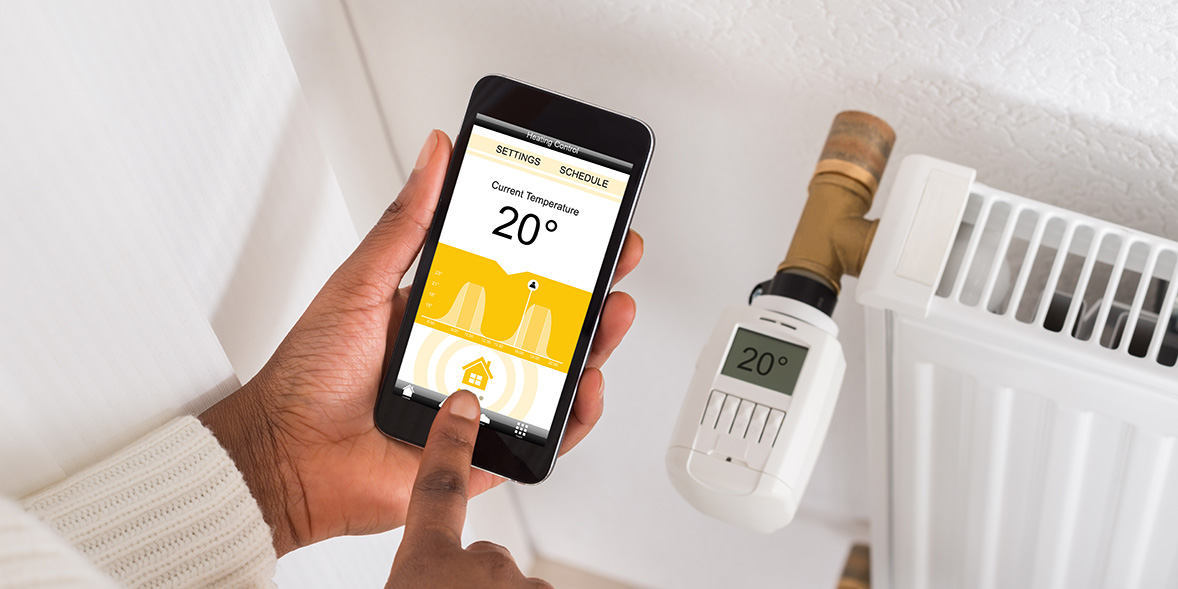
Best smart radiator valves 2026
Heated Towel Radiators

Review: Heatmiser Neo Smart Thermostat
Radiators

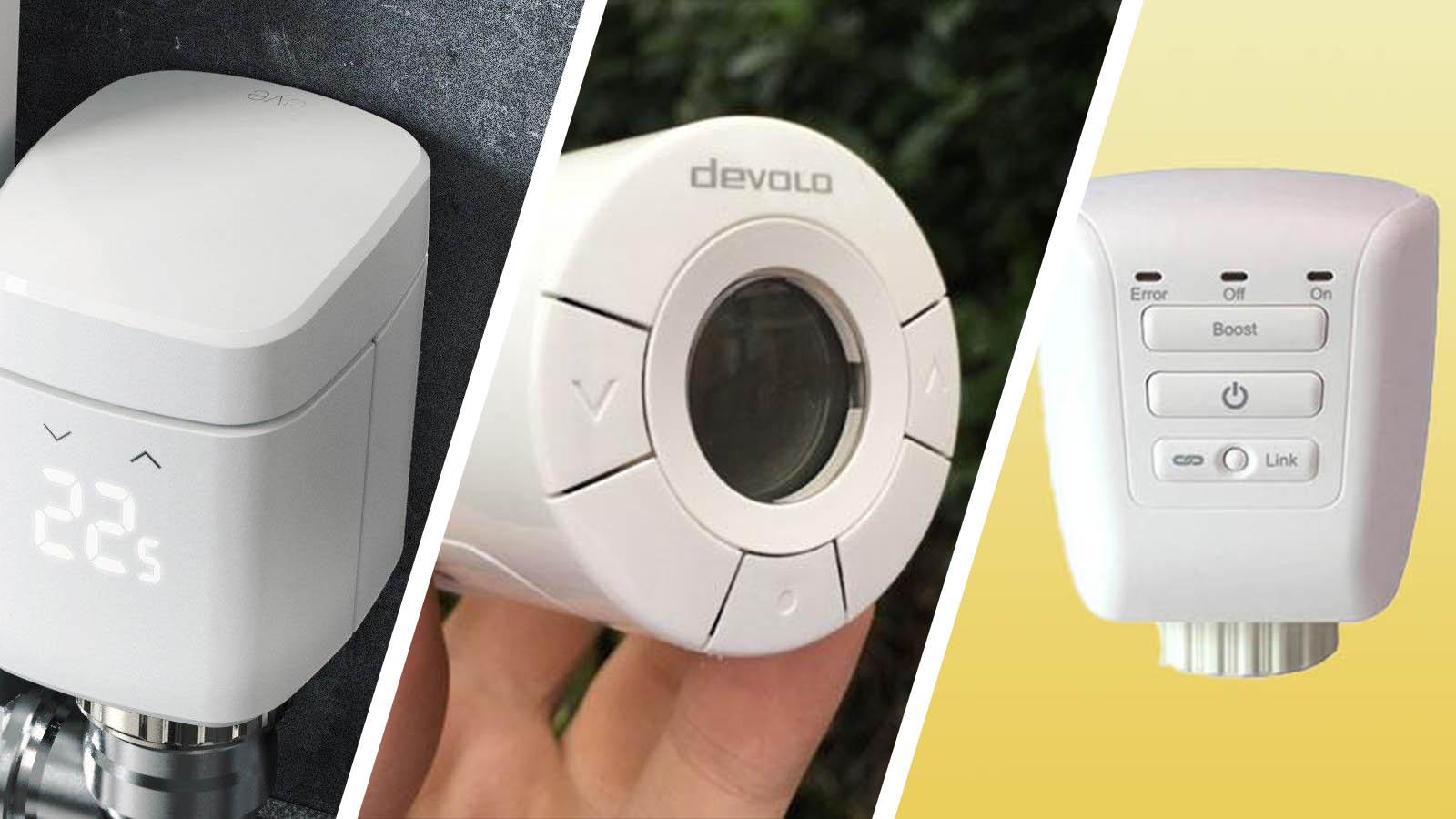
The best smart radiator valves
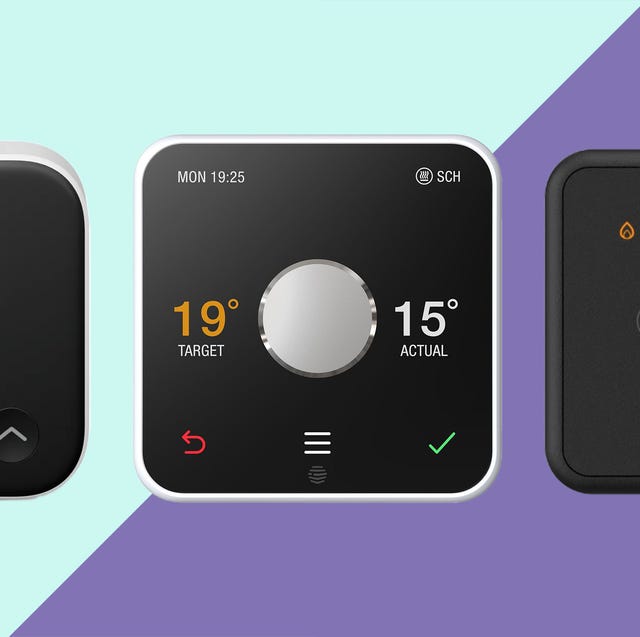
The 6 best smart thermostats to control your heating from anywhere

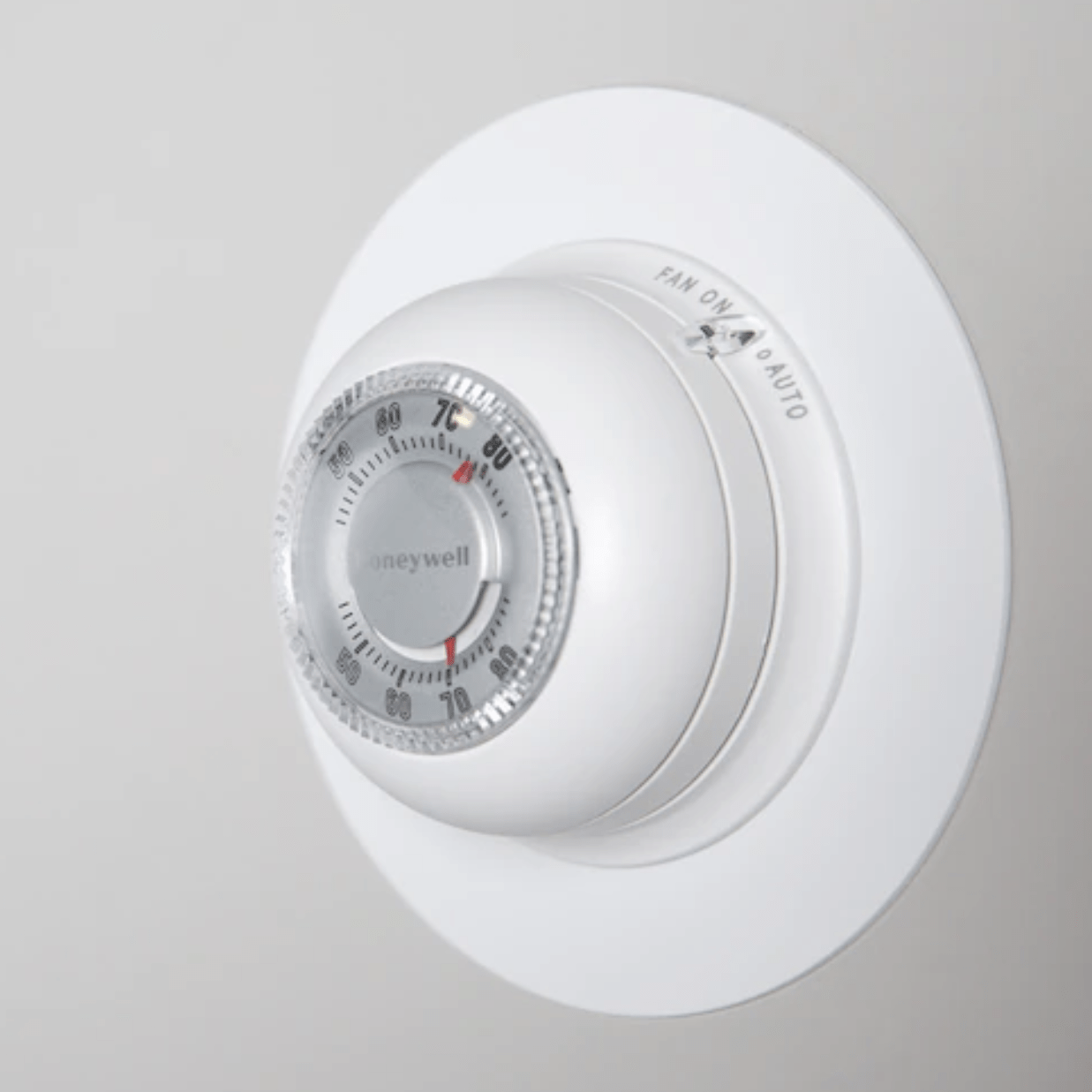
How To Use an Old Honeywell Thermostat


Experts Urge Homeowners to Avoid This Radiator Mistake That 'Exaggerates' How Well It Will Heat Your Home


Radiator Valves
Meet the HVAC System Customizing Comfort in Our 2025 Whole Home


How to keep your house warm in winter — 29 budget-friendly and easy ways to stay cosy

Smart Heating

When a Smart Thermostat Isn’t the Smart Choice | Wirecutter


Netatmo Smart Thermostat review: smart heating control for your home

A new era of home heating: the Kelvin smart radiator

This Bathroom Upgrade Can Help Control Your Shower’s Temperature and Water Flow

Best smart thermostat 2025: stay warm and save money with these smart heating systems
The Best Home Thermostats for Efficient Heating and Cooling, Tested

I Thought I'd Found a $99 Fix for My Balky Air Conditioning. I Was Wrong. | Reviews by Wirecutter

The 4 Best Smart Thermostats of 2026 | Reviews by Wirecutter