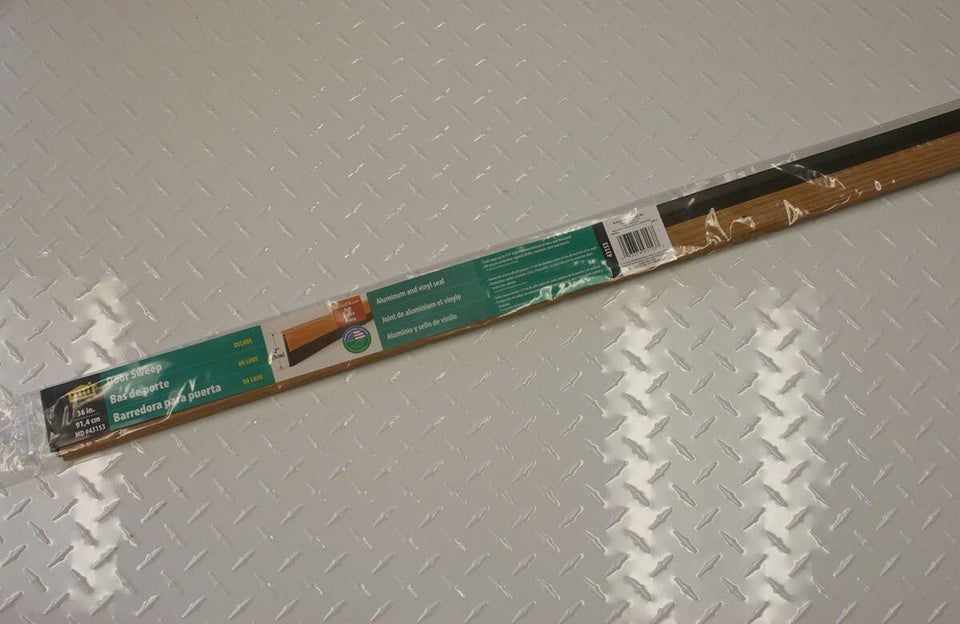
I Was Sick of Cold Front Door Drafts Making My Living Room Feel Arctic and Driving Up Energy Costs – A $4 Easy Amazon Fix Has Been A Game-Changer
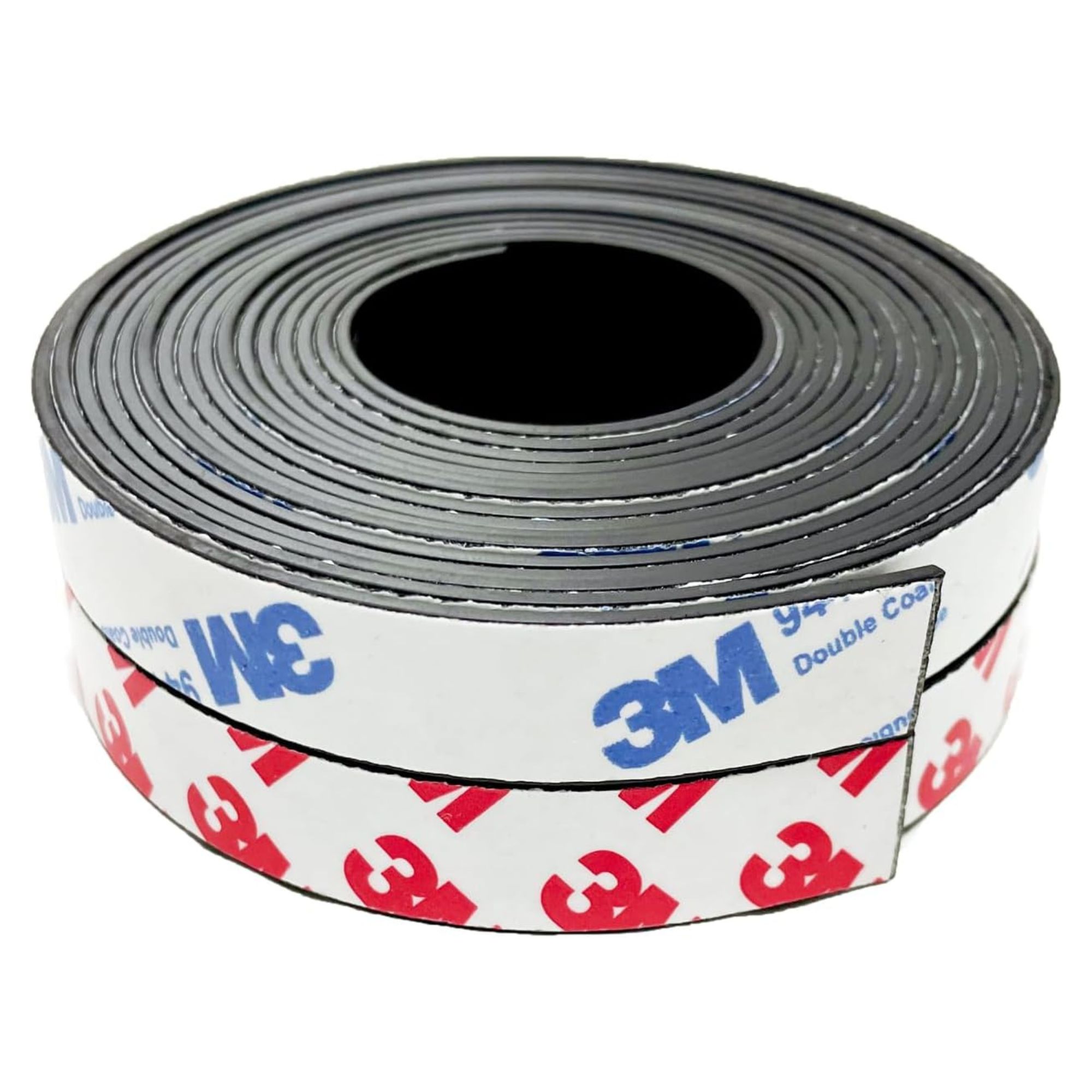
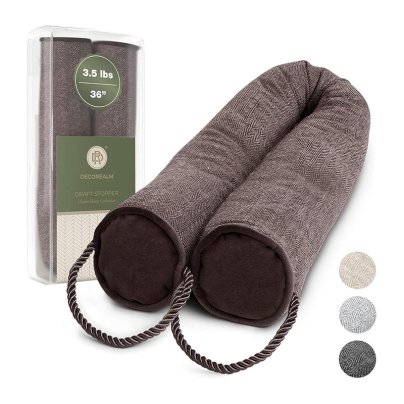
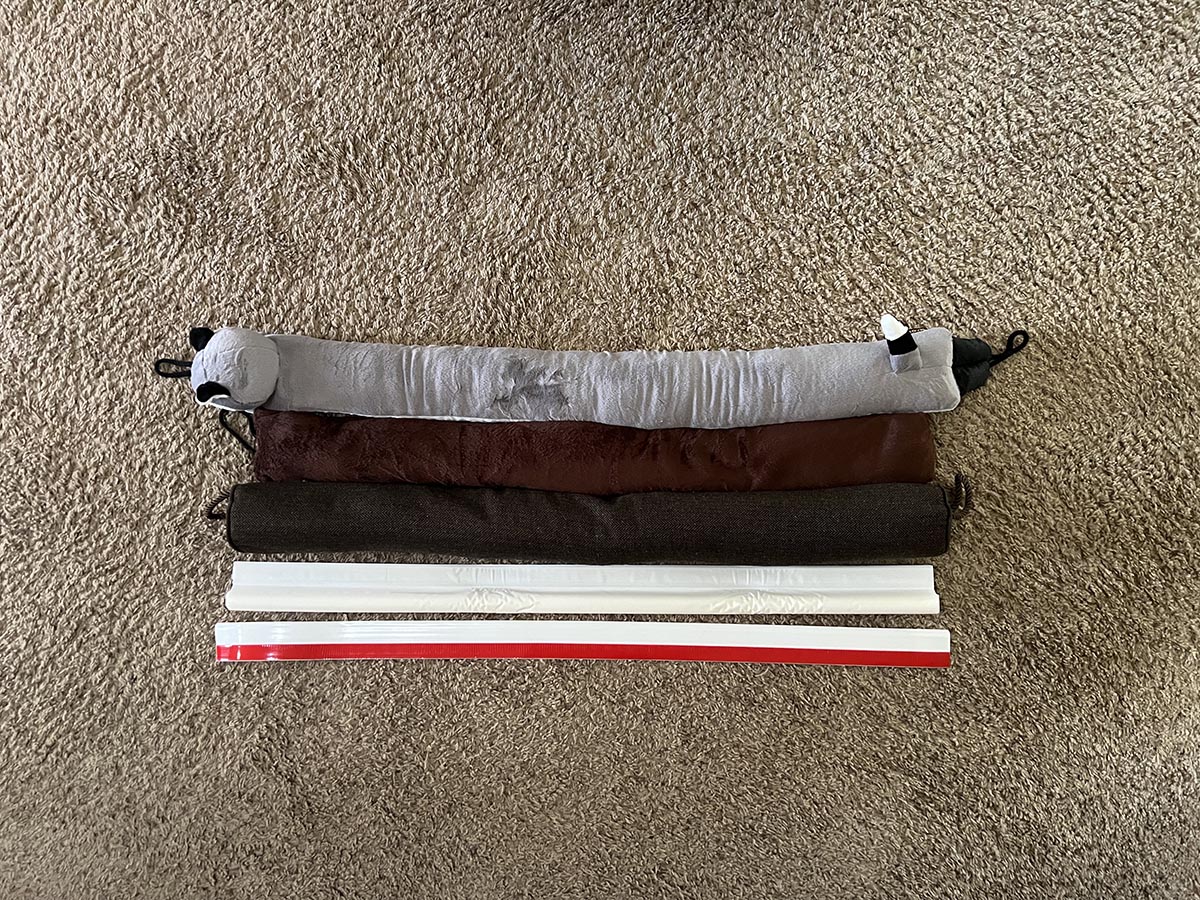
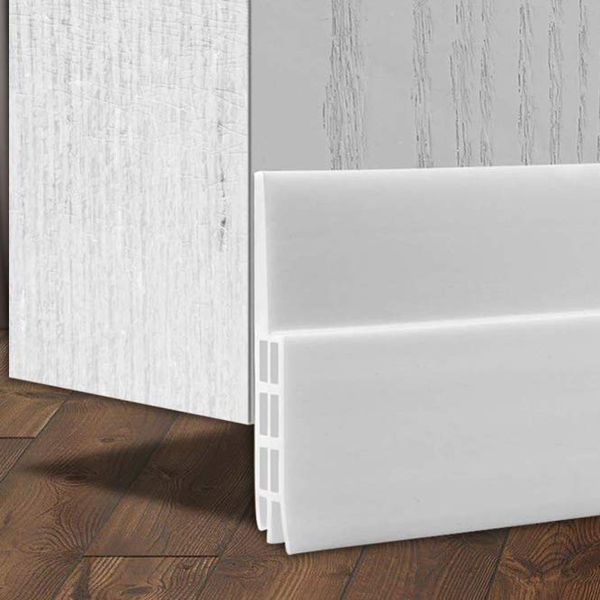
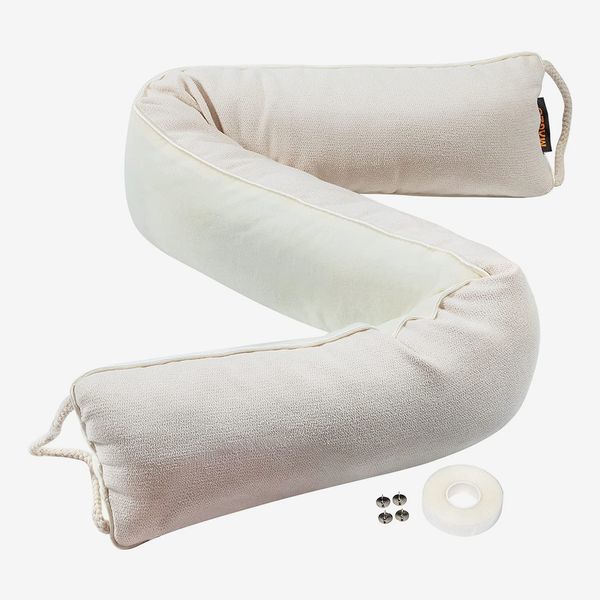
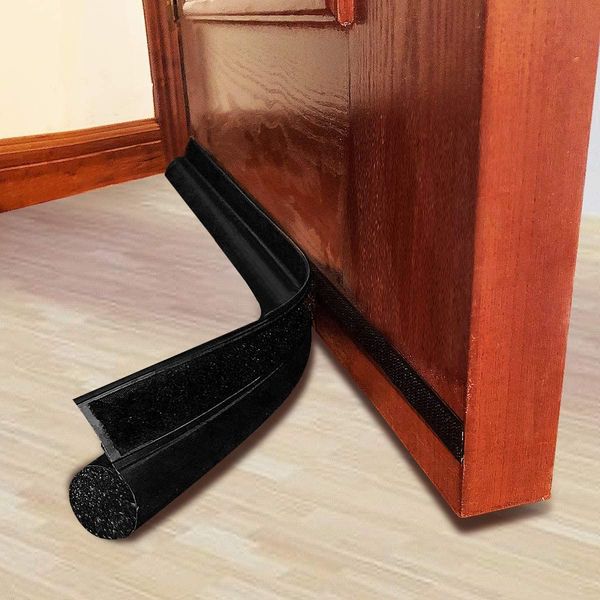
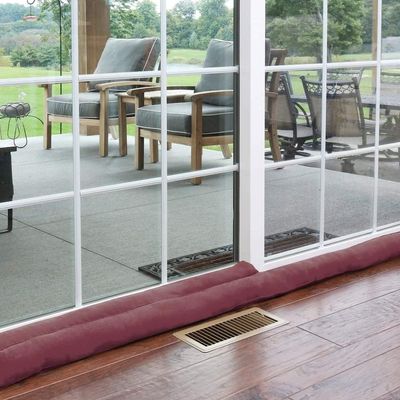
This article details a personal account of effectively resolving cold drafts from a front door, which significantly improved indoor comfort and reduced energy costs. The author initially used weatherstripping to address a large gap under their front door but found it insufficient after a year, as cold air continued to infiltrate the entryway and living room. Seeking a more effective solution, the author consulted HVAC professionals and implemented a two-part, inexpensive fix involving a stick-on draft blocker for the living room door and a self-adhesive door sweep for the bottom of the front door.
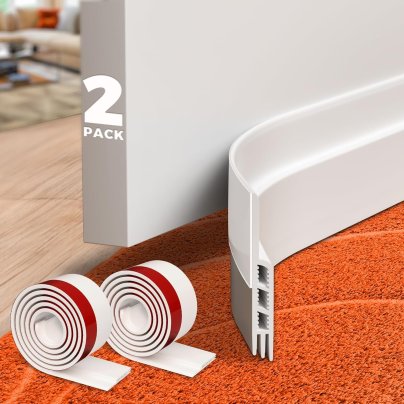
The previous weatherstripping failed because the gap under the front door was approximately an inch, which brush-type seals are not designed to handle, especially when exposed to wind pressure. HVAC expert Josh Michell explains that brush seals are suitable for light drafts but ineffective for larger gaps. He recommends solid neoprene seals or a "door shoe" with a built-in drip cap and adjustable bottom seal for more robust draft proofing. While a door shoe requires drilling, which the author wished to avoid, the self-adhesive door sweep was chosen as a renter-friendly alternative that provided a firm physical barrier against airflow.
The combination of the stick-on draft blocker and the self-adhesive door sweep proved to be highly effective. The solid door sweep immediately blocked drafts that the previous weatherstripping could not. This improvement was crucial because the entryway, which is adjacent to the thermostat, was causing inaccurate temperature readings, leading to the heating system cycling unnecessarily. This resulted in an overheated upstairs and a cold downstairs.
With the drafts effectively blocked, the author was able to lower their smart thermostat setting from 21.5°C (71°F) to 19.5°C (67°F), leading to substantial energy savings while maintaining a comfortable indoor temperature. The even temperature distribution across both floors of the home also improved sleep quality, as the upstairs was no longer excessively warm. The article emphasizes that proper draft proofing not only enhances comfort and reduces energy bills but can also decrease external noise, particularly beneficial for homes near busy areas.
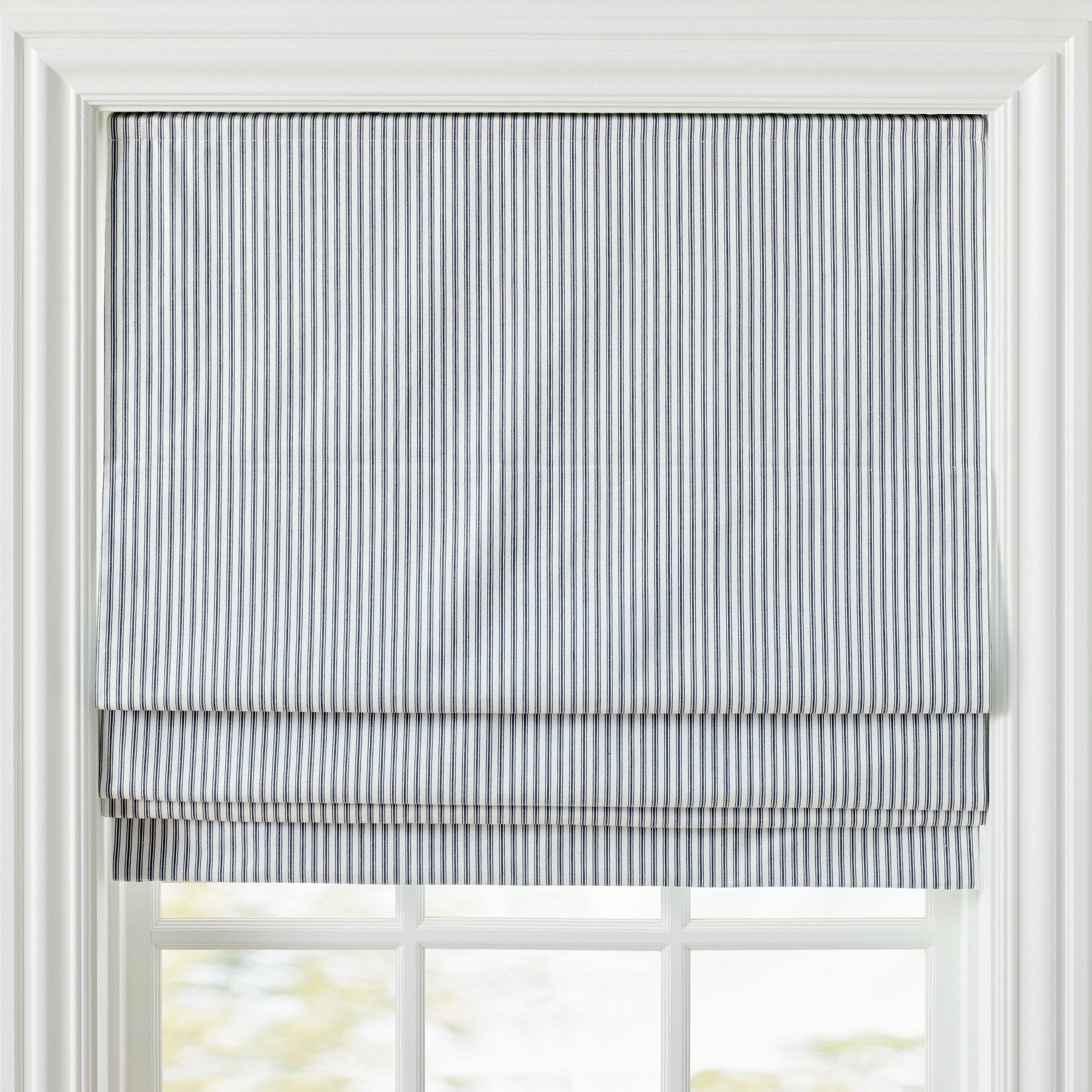
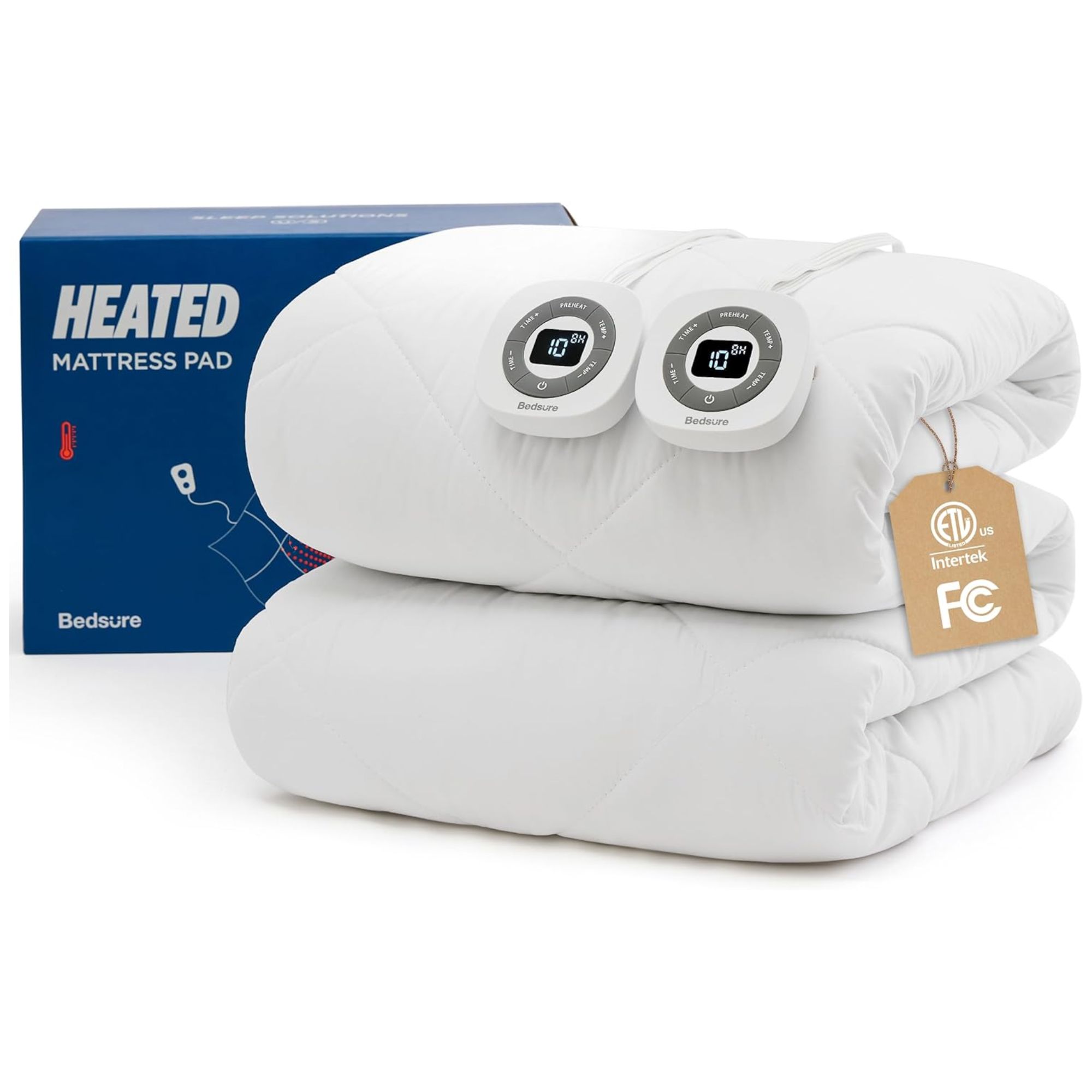
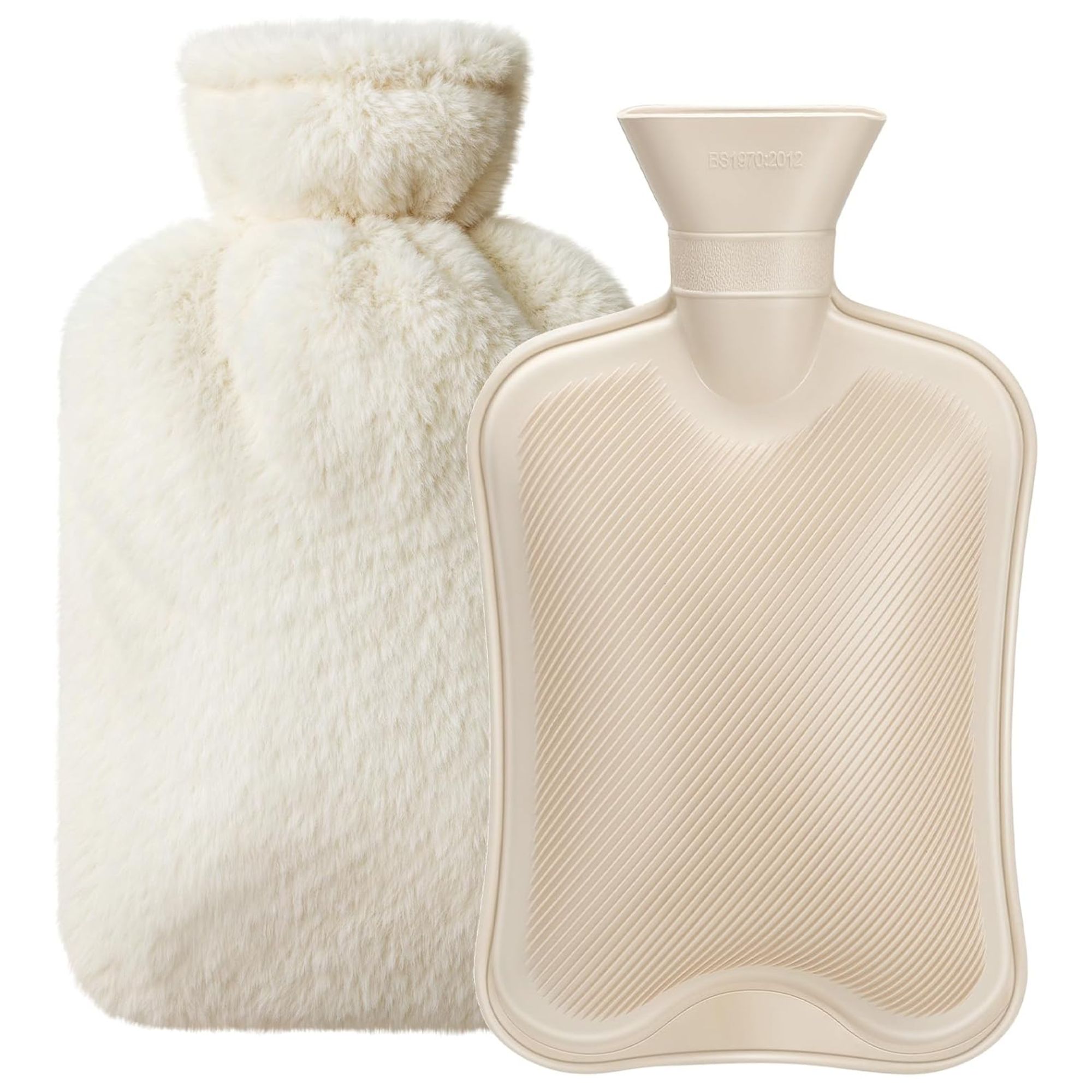
For those still experiencing drafts after implementing these fixes, Josh Michell suggests checking the threshold and potentially installing an adjustable threshold plate if the gap is uneven or larger than an inch. The article also recommends other winter essentials for warmth and energy efficiency, such as warm, fleecy bedding, personal heating pads for zone heating, and small portable space heaters, highlighting their cost-effectiveness compared to running central heating extensively.
#HomeHeating #DraftProofing #EnergyEfficiency #DIYHomeImprovement #WinterPreparation #SmartThermostat #HomeComfort #BudgetFriendlySolutions #HomeHeating #DraftProofing #EnergyEfficiency #DIYHomeImprovement #WinterPreparation #SmartThermostat #HomeComfort #BudgetFriendlySolutions
0 comment in total
 No comments yet
You may also like
Warm Up Your Space & Lower Your Bills With This Energy-Efficient Home Swap

The Best Door Draft Stoppers to Keep the Cold Out, Tested


I used to struggle to keep my open plan layout warm in winter — but these 4 methods now keep it cosy all day long

How This Switch on Your Ceiling Fan Can Save You Money This Indiana Winter

£14 heating trick has kept my house warm and thermostat lower as energy bills set to rise

9 DIY draft-proofing jobs to warm your home in a weekend – and the big mistake to avoid

Changing This Ceiling Fan Setting Will Make Your Room Feel Instantly Cooler

No AC? No problem – this handy $50 upgrade will instantly cool any room

Pet Door Drafts? 5 Quick Fixes to Slash Winter Bills
It's Time to Reverse Your Ceiling Fans


7 Sneaky Ways Drafts Hide in Your Home – And How to Fix Them So Holiday Guests Feel Cozy and Welcome

The 2 Best Window Air Conditioner Brackets of 2025 | Reviews by Wirecutter
How to Save Money and Energy Heating Your Apartment (Published 2018)

The $54 Frost Fix That Stops Drafty Windows – and Looks Great

How to fix a drafty door – 6 ways to stop cold air getting through
10 Expert-Recommended Products For Keeping Drafts Out

Buy One, Get One Free: Increase Your Home’s Energy Efficiency With This Simple Upgrade

Fed Up with Chilly Nights? HVAC Pros Reveal One Quick and Free Bedroom Tweak to Keep You Warmer Without Raising Bills
The Best Door Draft Stoppers on Amazon, According to Hyperenthusiastic Reviewers

6 Expert-Backed Ways to Keep Cold Air—and High Energy Bills—Out of Your House This Winter