1/8
How to fix a drafty door – 6 ways to stop cold air getting through
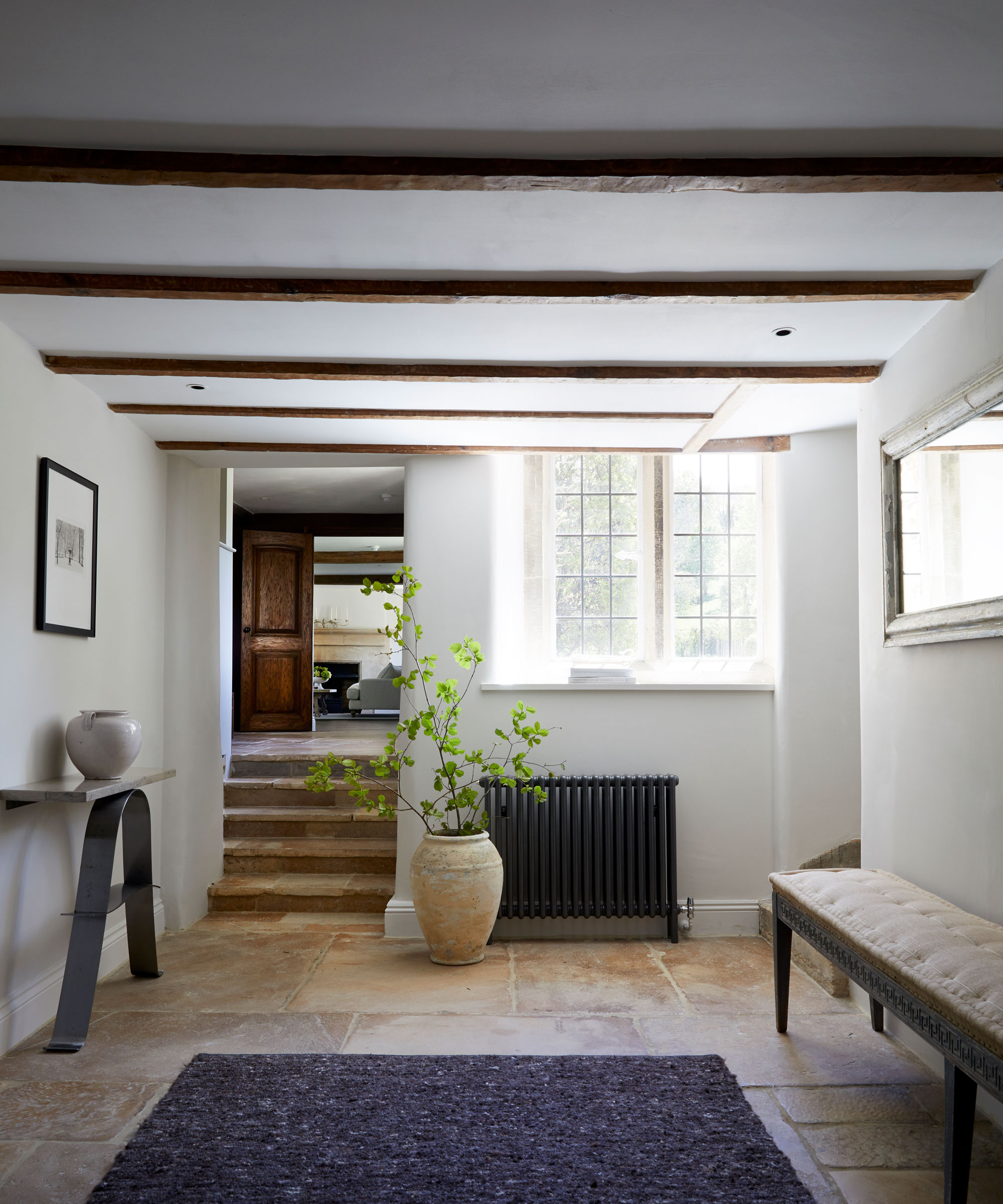
Drafty doors can compromise the comfort and energy efficiency of a home, making a poor first impression and driving up heating costs. This guide offers six practical and often affordable methods to eliminate cold drafts and improve the overall warmth of an entryway. These solutions not only address immediate comfort but can also contribute to preventing condensation and mold buildup.
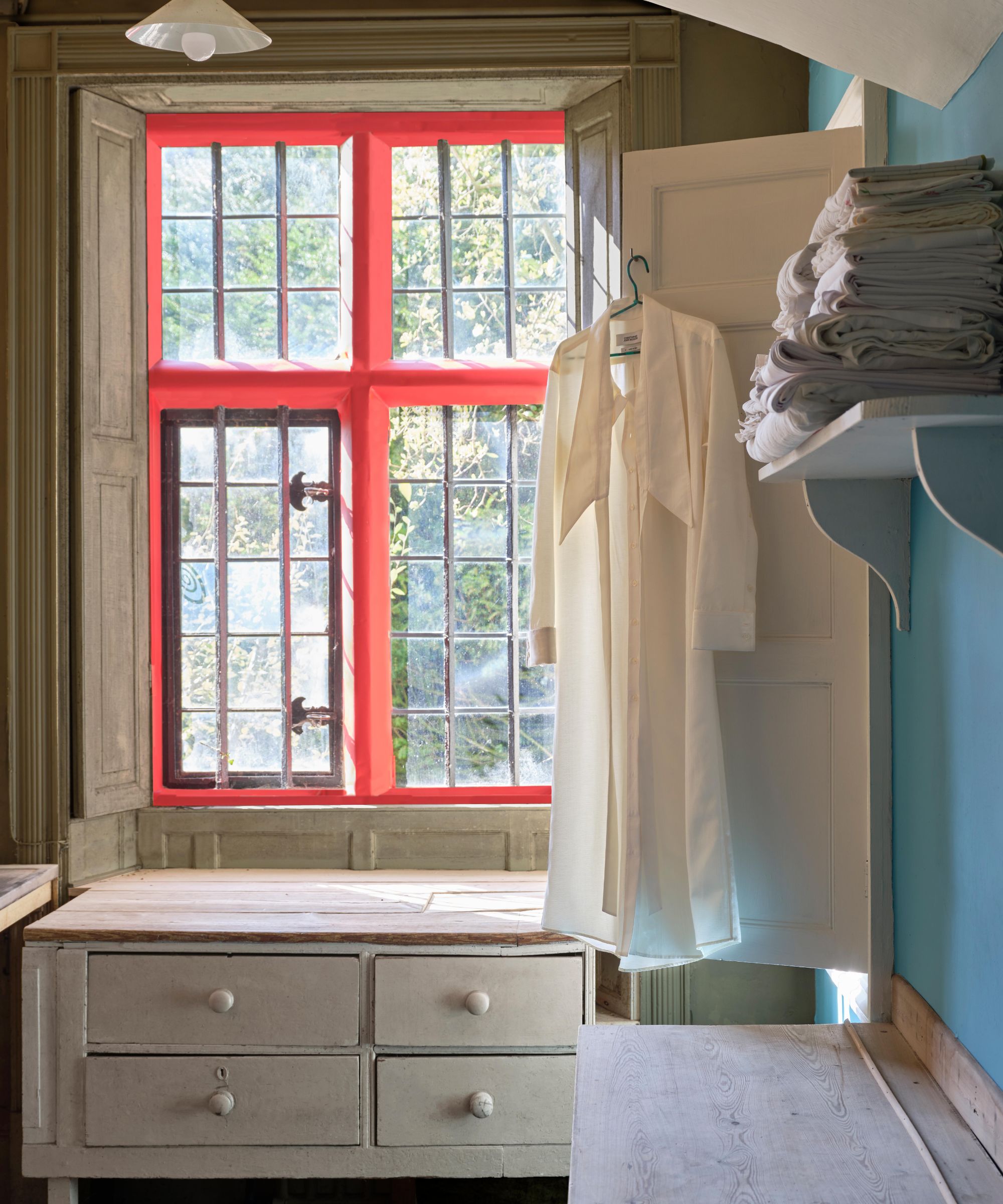
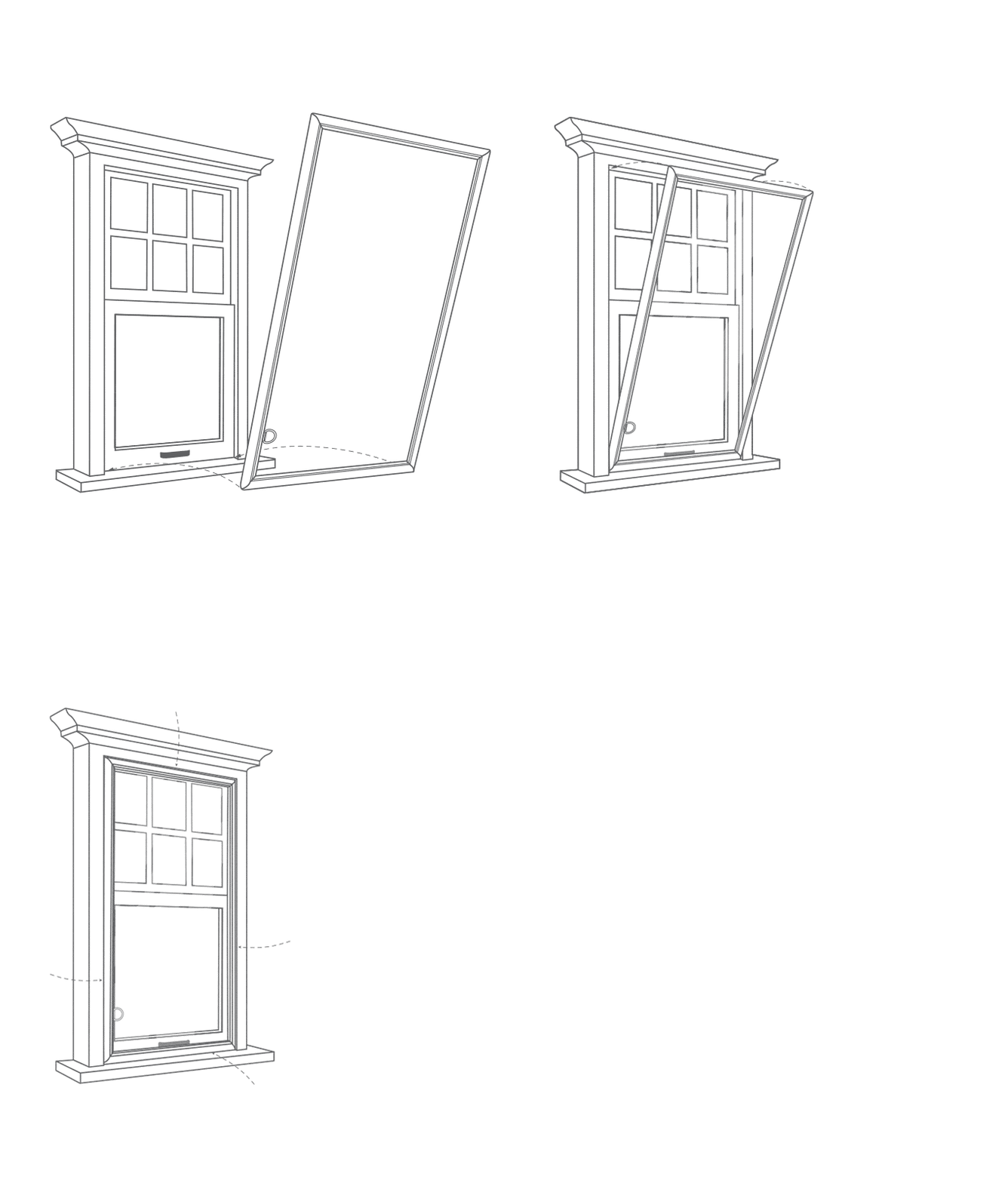
One effective approach involves addressing the glass components of a door. Poorly fitting doors and weather-worn windows are primary culprits of heat loss. Replacing single-glazed glass with double-pane or energy-efficient inserts significantly reduces drafts and enhances insulation. These specialized glass options can also block harmful UV rays, protecting indoor furnishings from damage and fading.
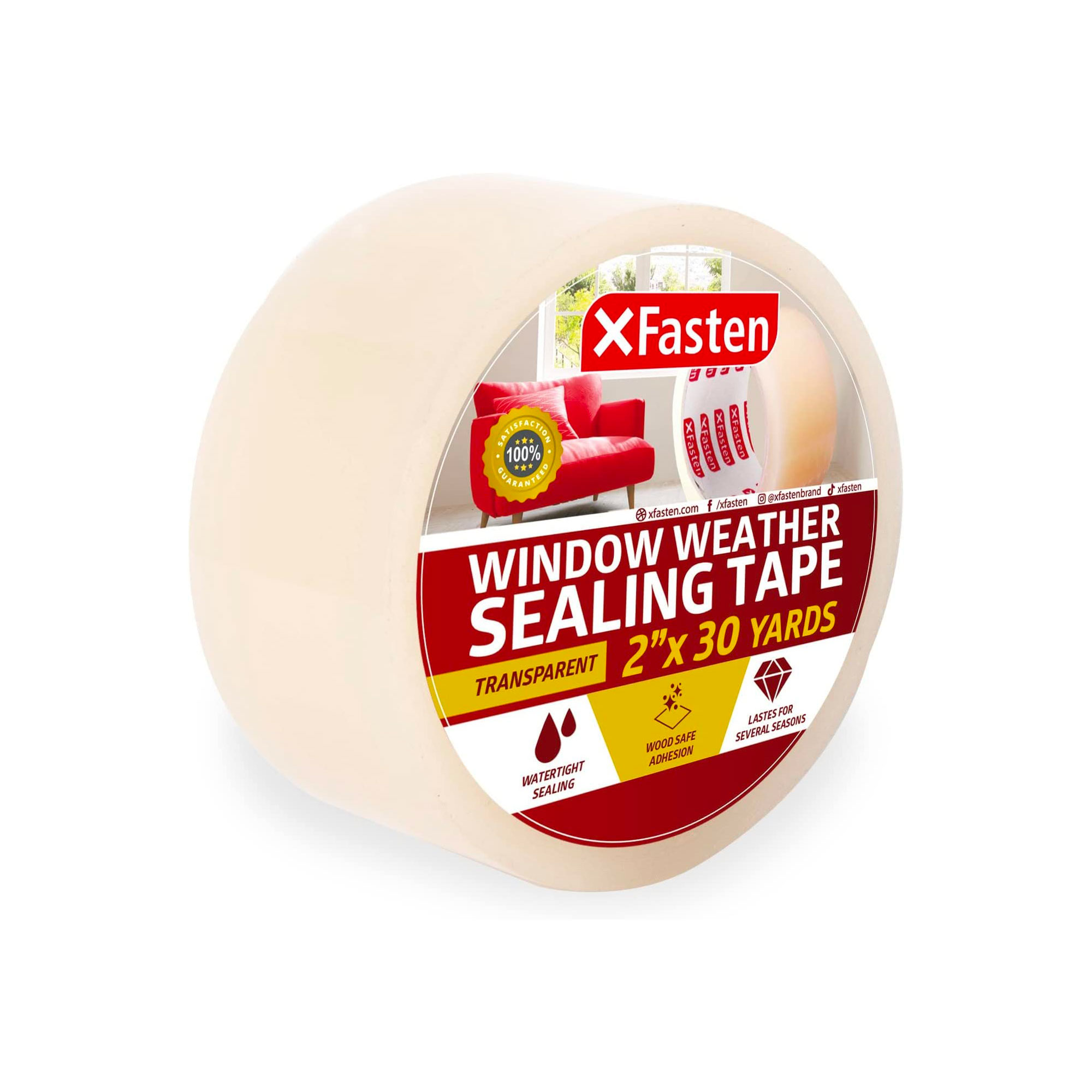
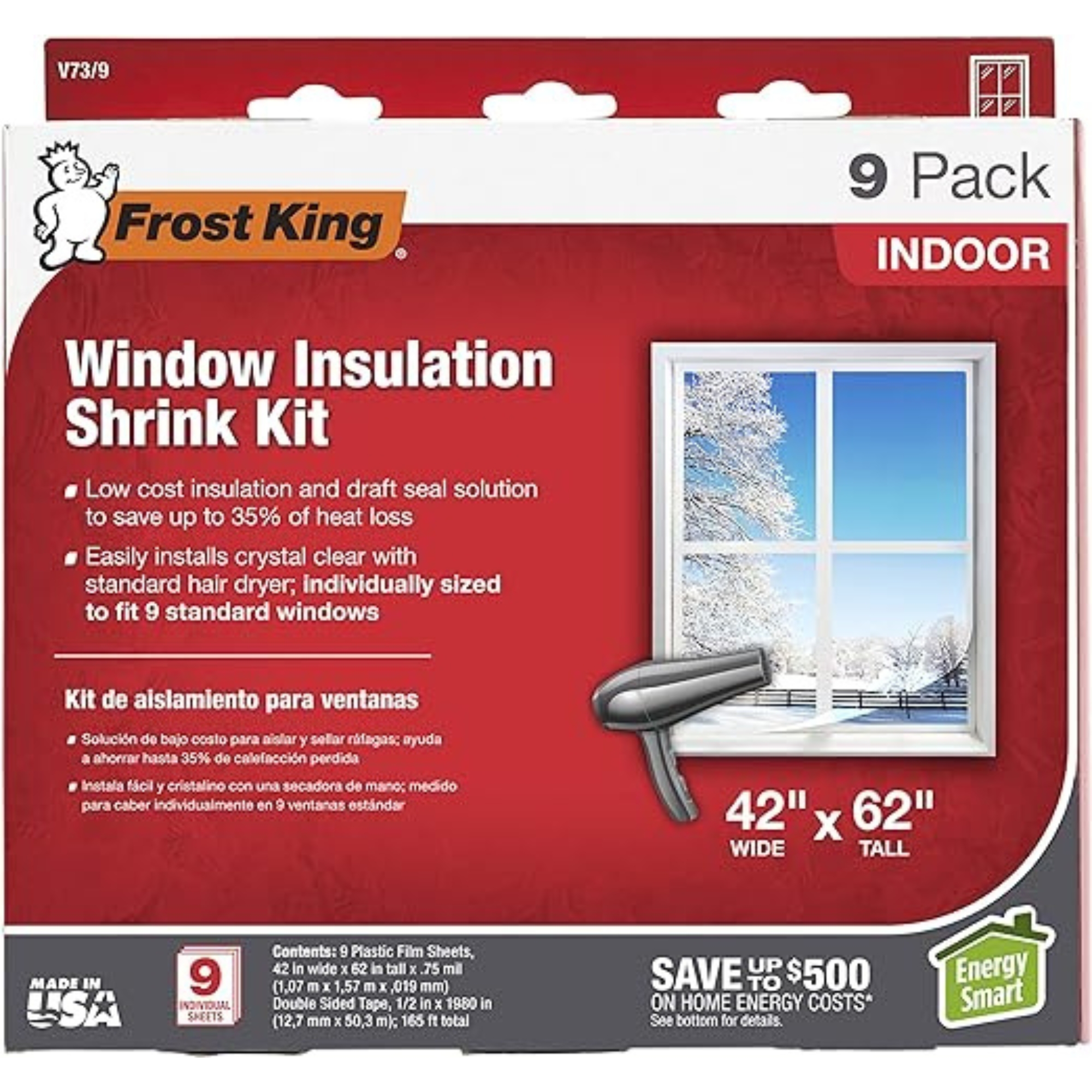
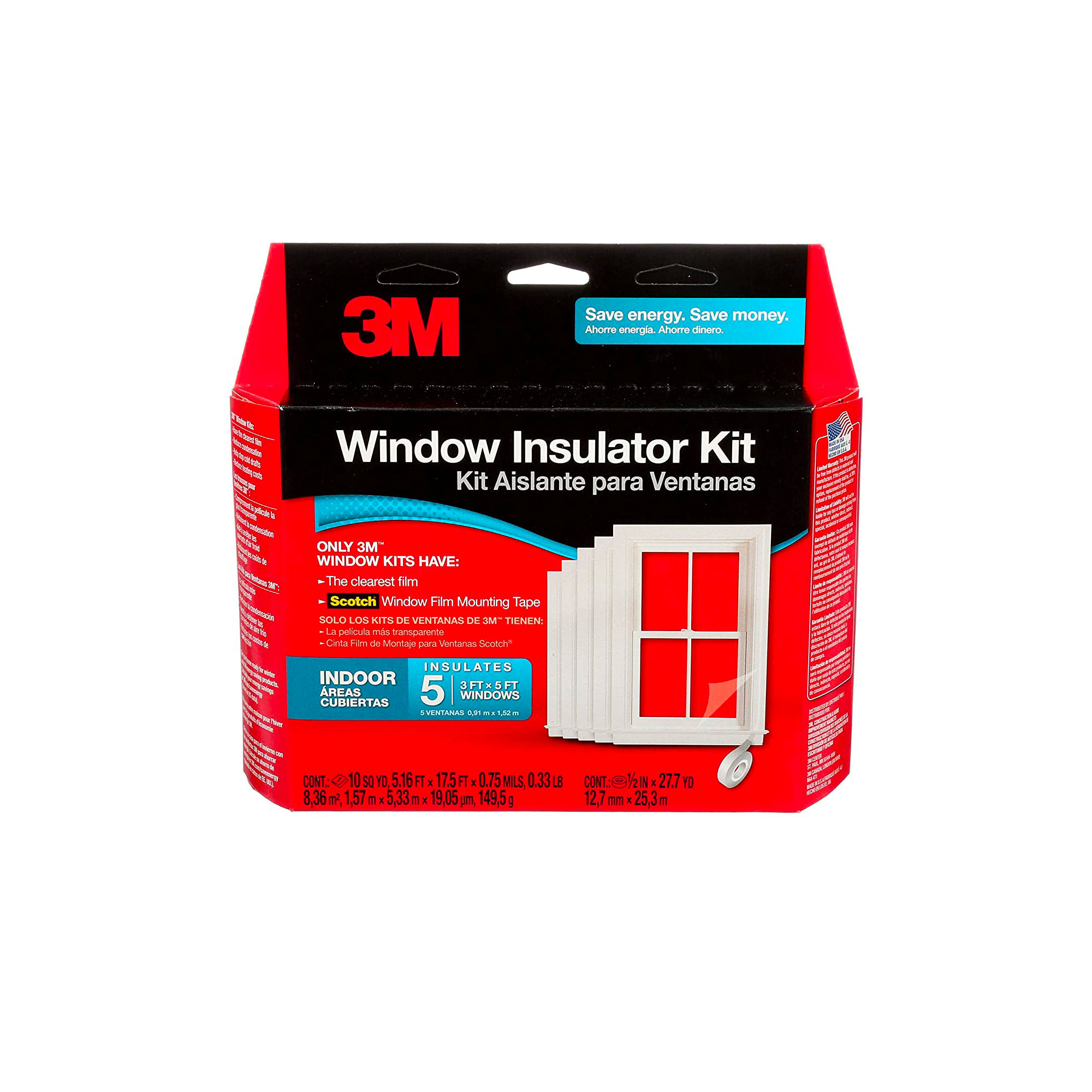
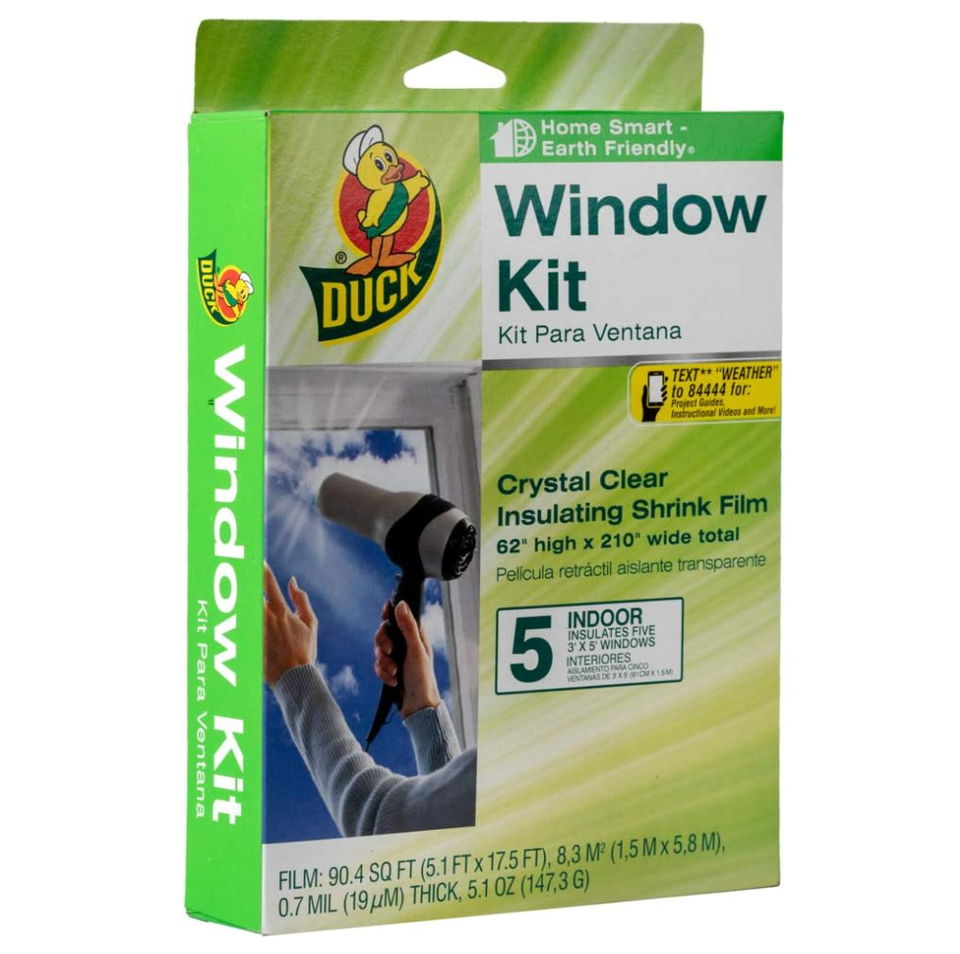
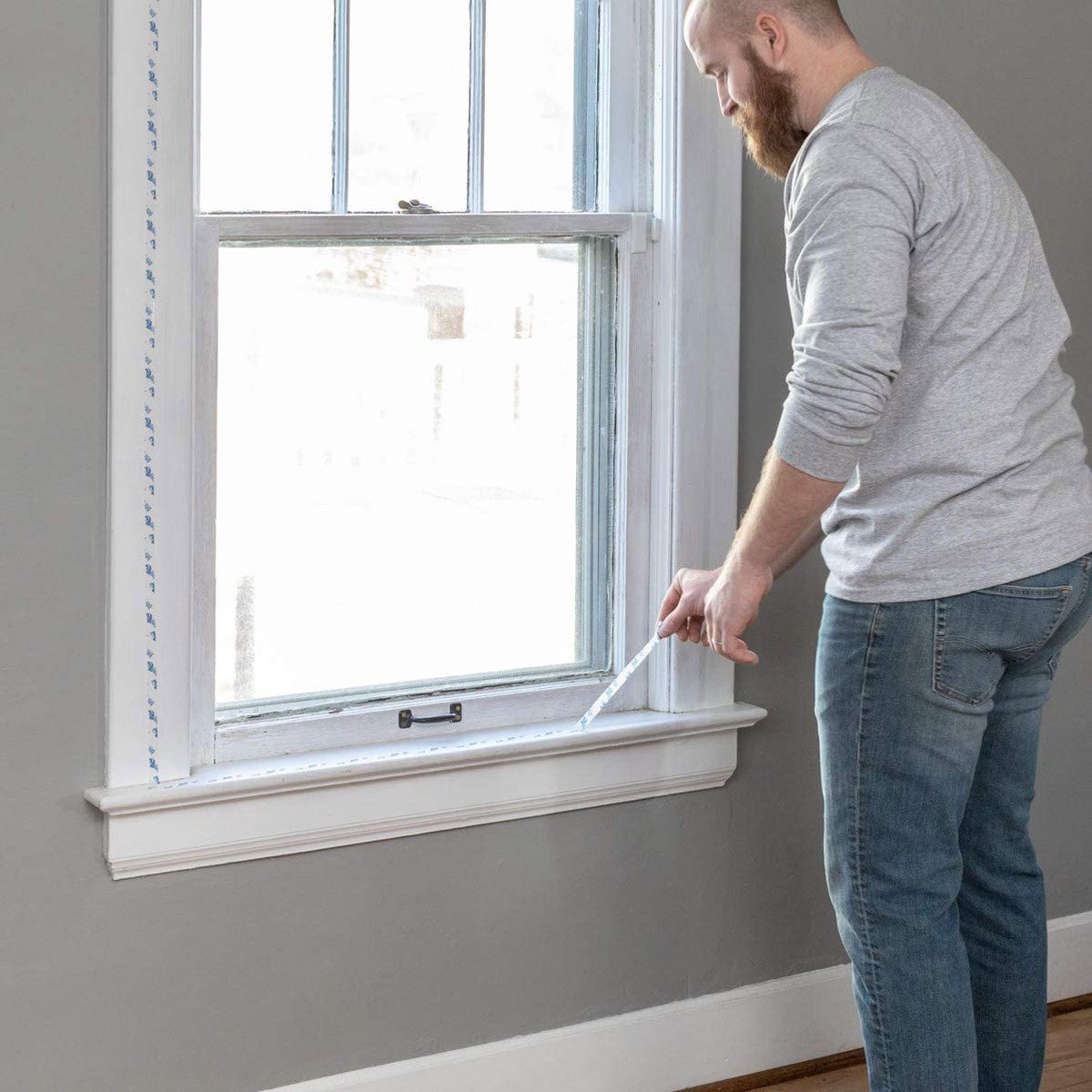
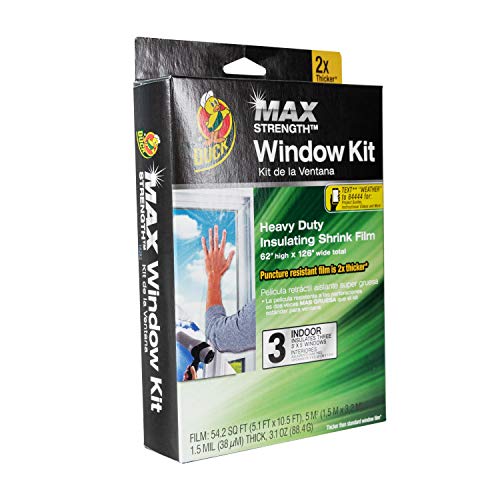
For a more budget-friendly option, window insulation film kits provide a do-it-yourself solution. These kits consist of a plastic shrink film applied to the interior window frame with double-sided tape, then heated with a hairdryer to create an airtight seal. While effective and inexpensive, users should be aware that this method can give windows a slightly cloudy, shrink-wrapped appearance, making it best suited for smaller panes where the visual impact is less prominent or can be integrated into the room's style.
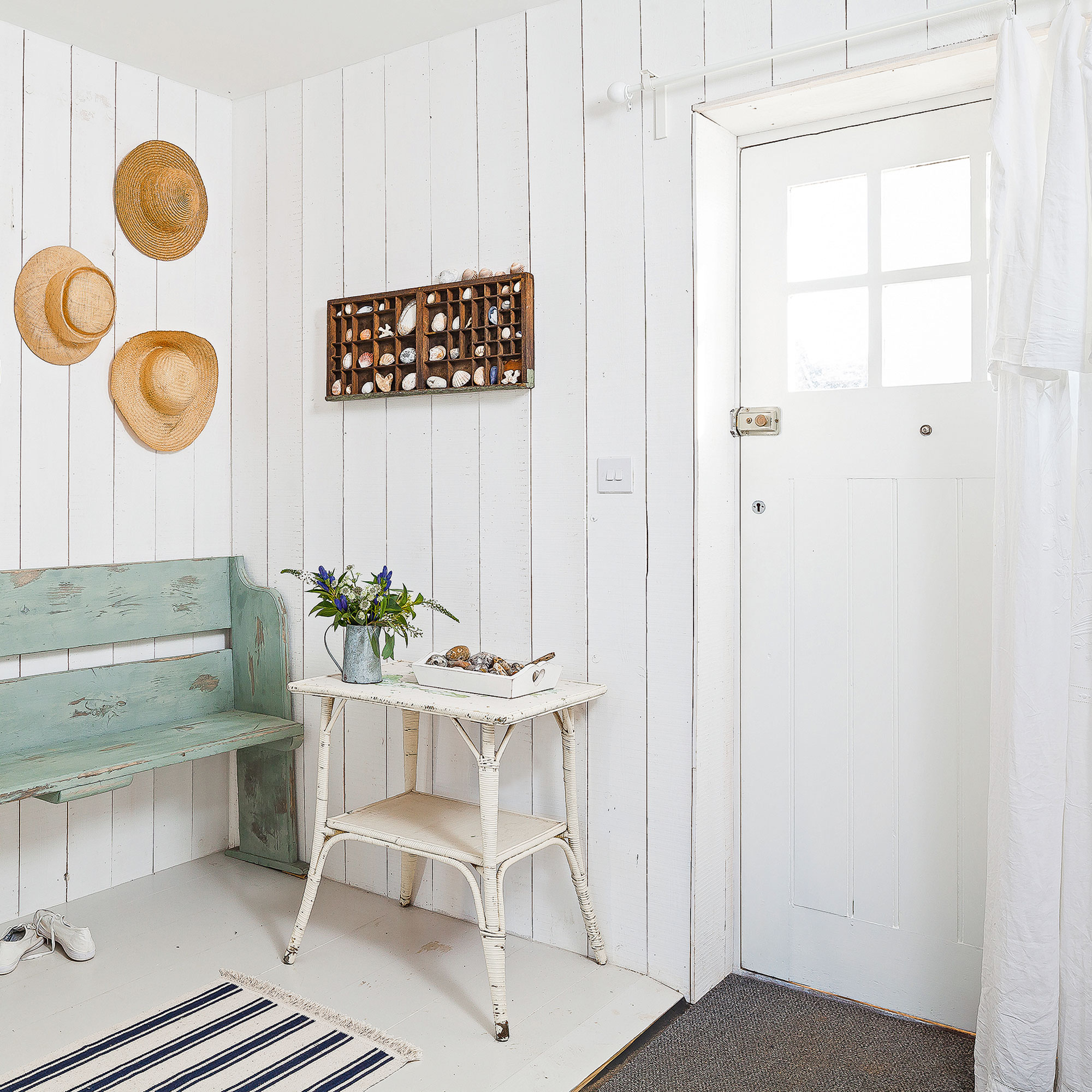
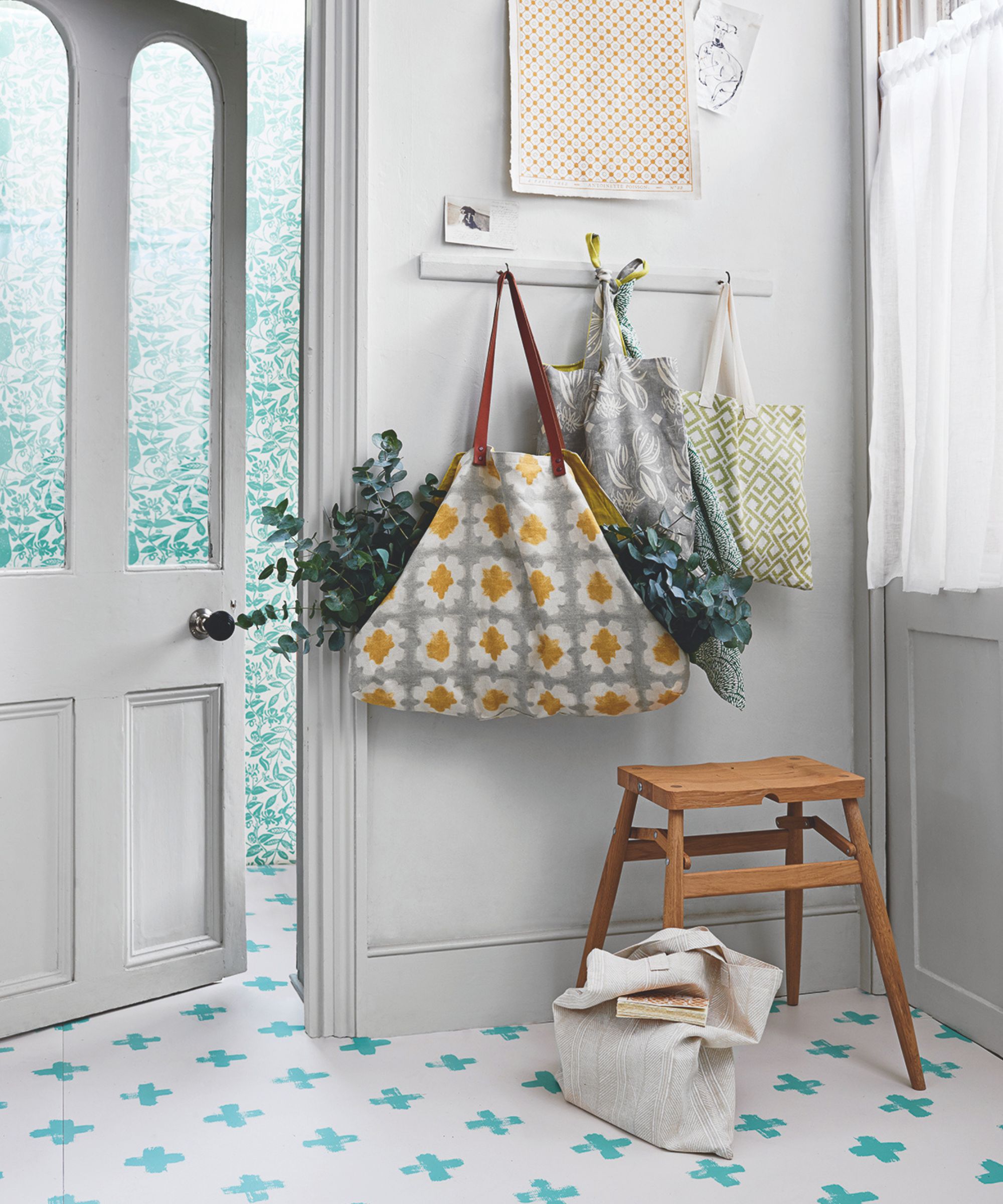
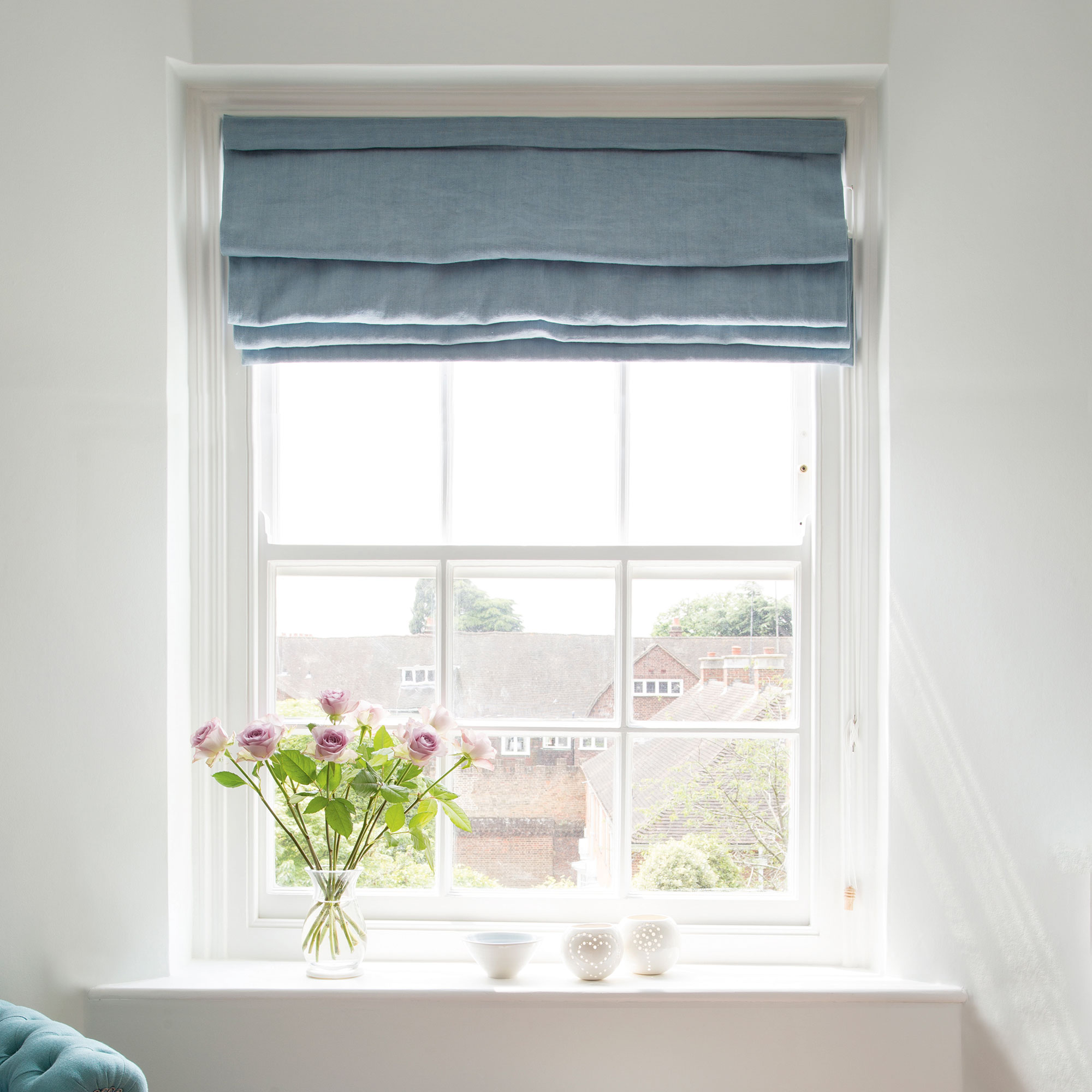
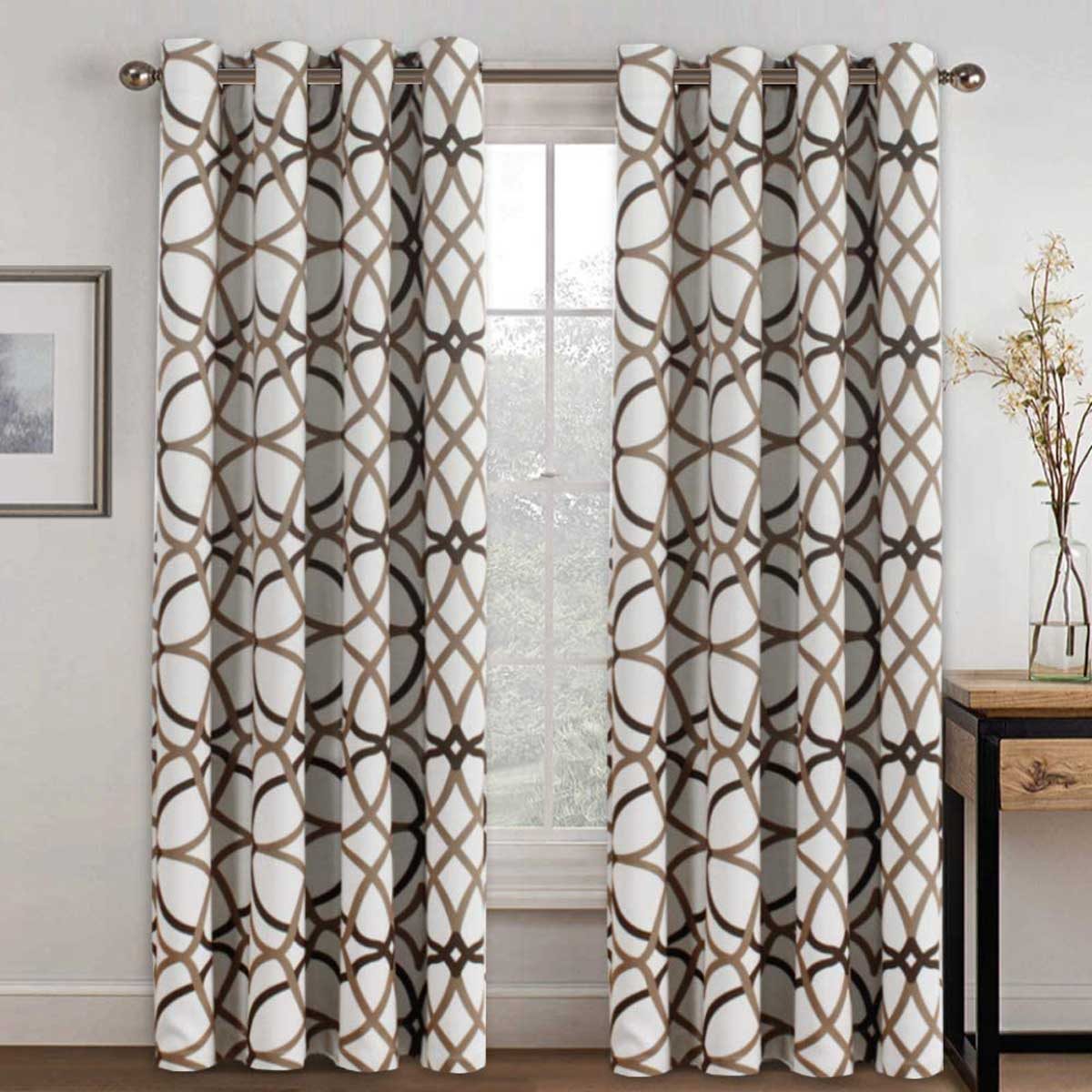
Hanging a door curtain is another traditional yet effective method for combating drafts. Heavy drapes, especially those made from thick chenille or velvet, or those with thermal linings, can significantly block cold air. While a simple pole-and-clip system can be used for lighter fabrics, fixed poles and curtain rings are recommended for heavier, more insulating materials to ensure proper support and maximum draft prevention. Beyond their practical use, door curtains can also add a decorative touch, introducing color and elegance to a hallway.
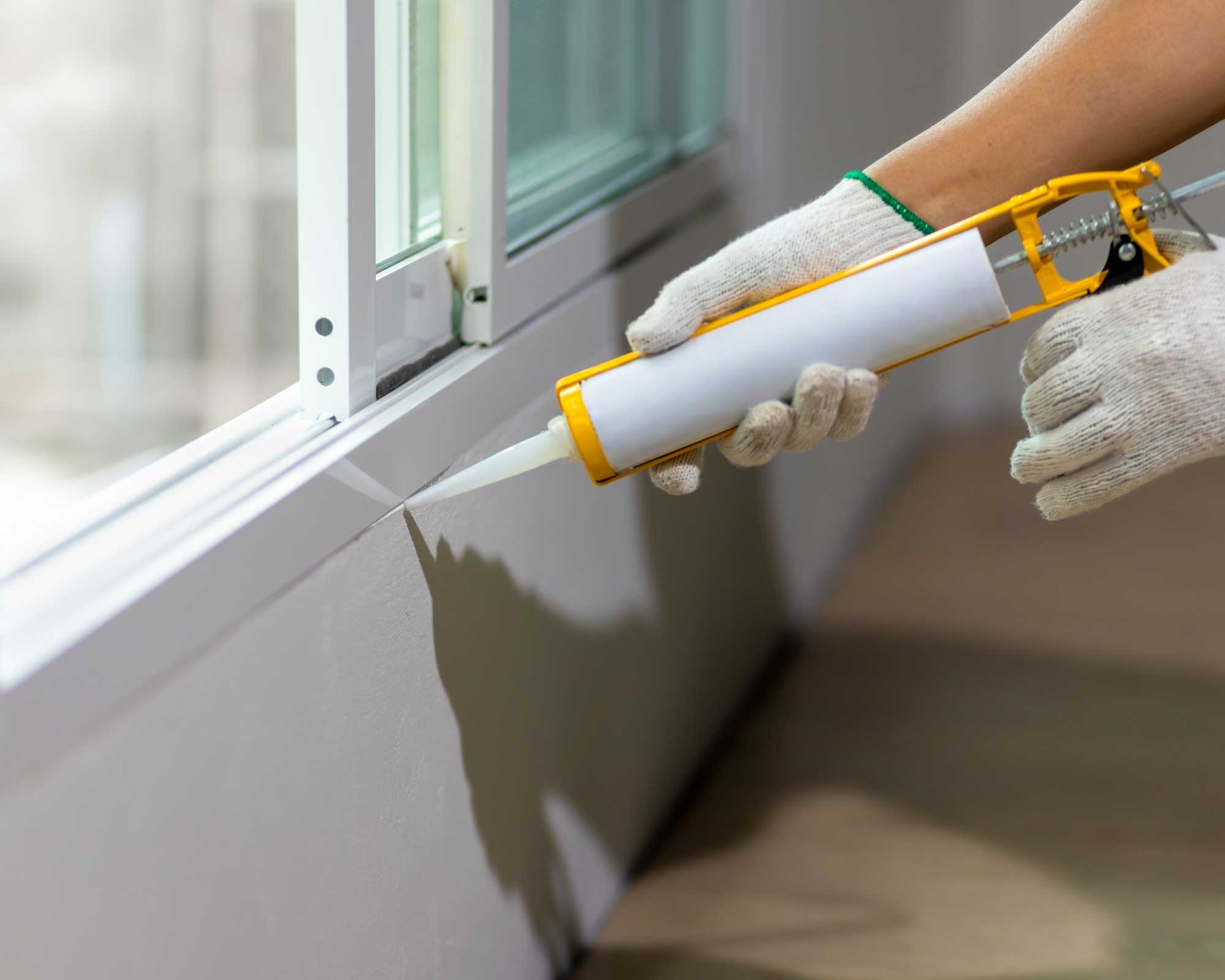
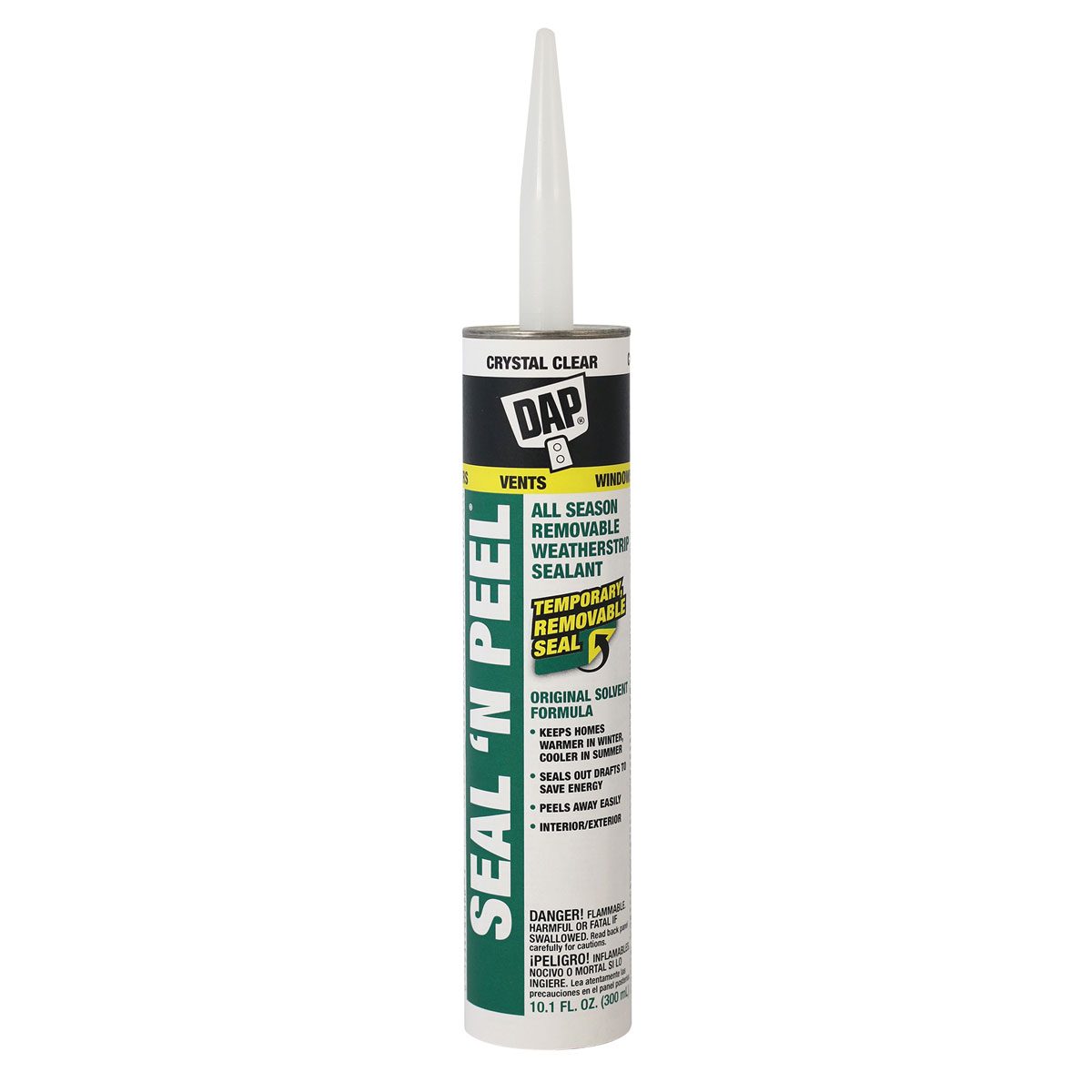
Weatherstripping tape offers an easy and affordable way to seal gaps and cracks around window panes and door frames. This rubberized tape can be applied even in cold temperatures and helps prevent moisture buildup. While highly effective, it's important to consider that removing weatherstripping can potentially damage paint or leave a sticky residue on painted surfaces.
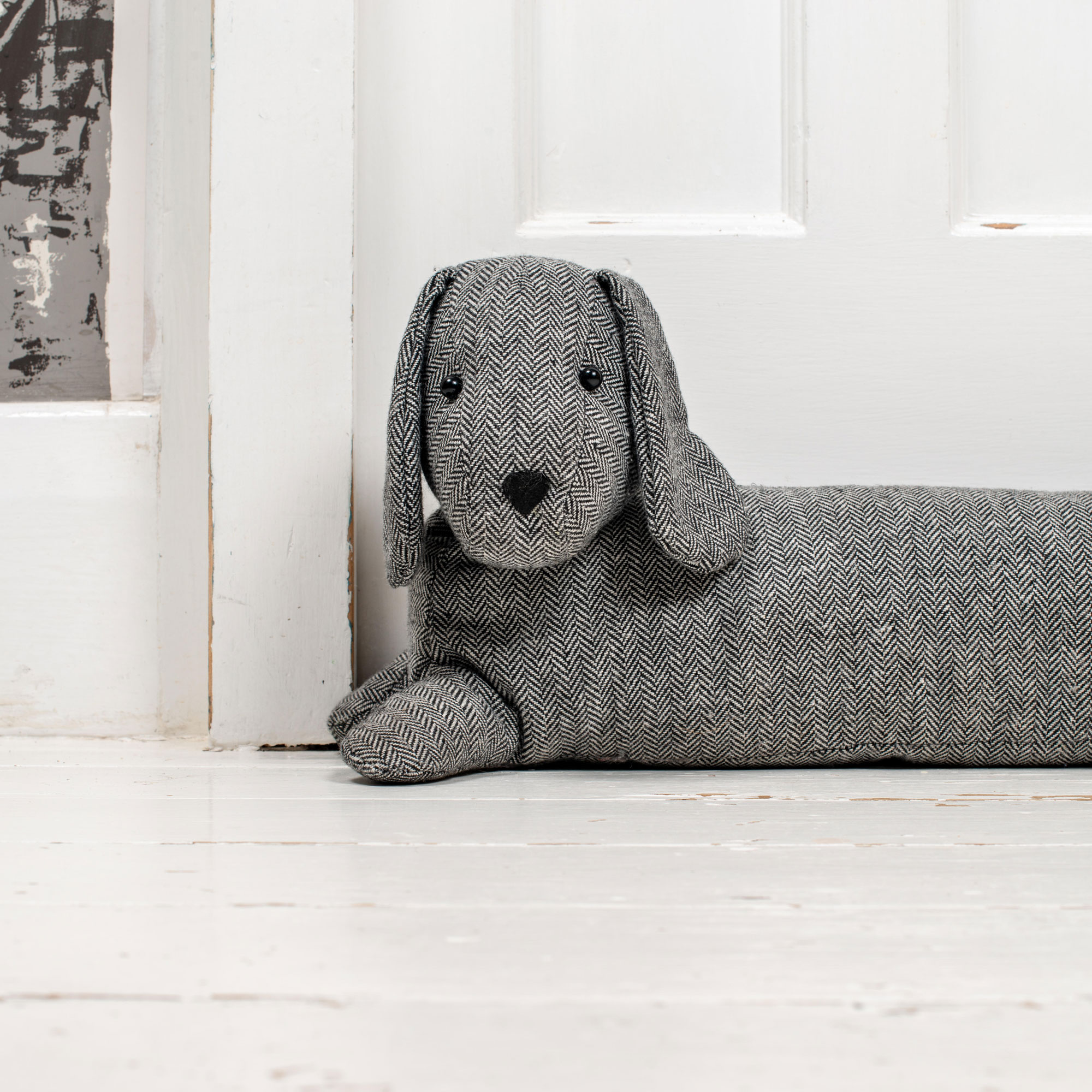
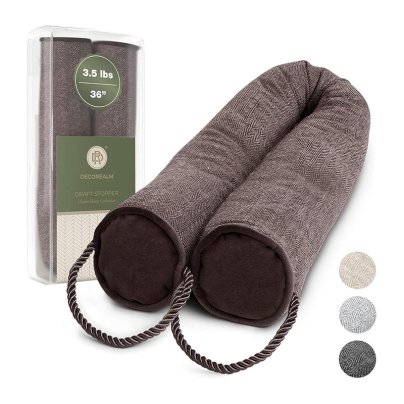
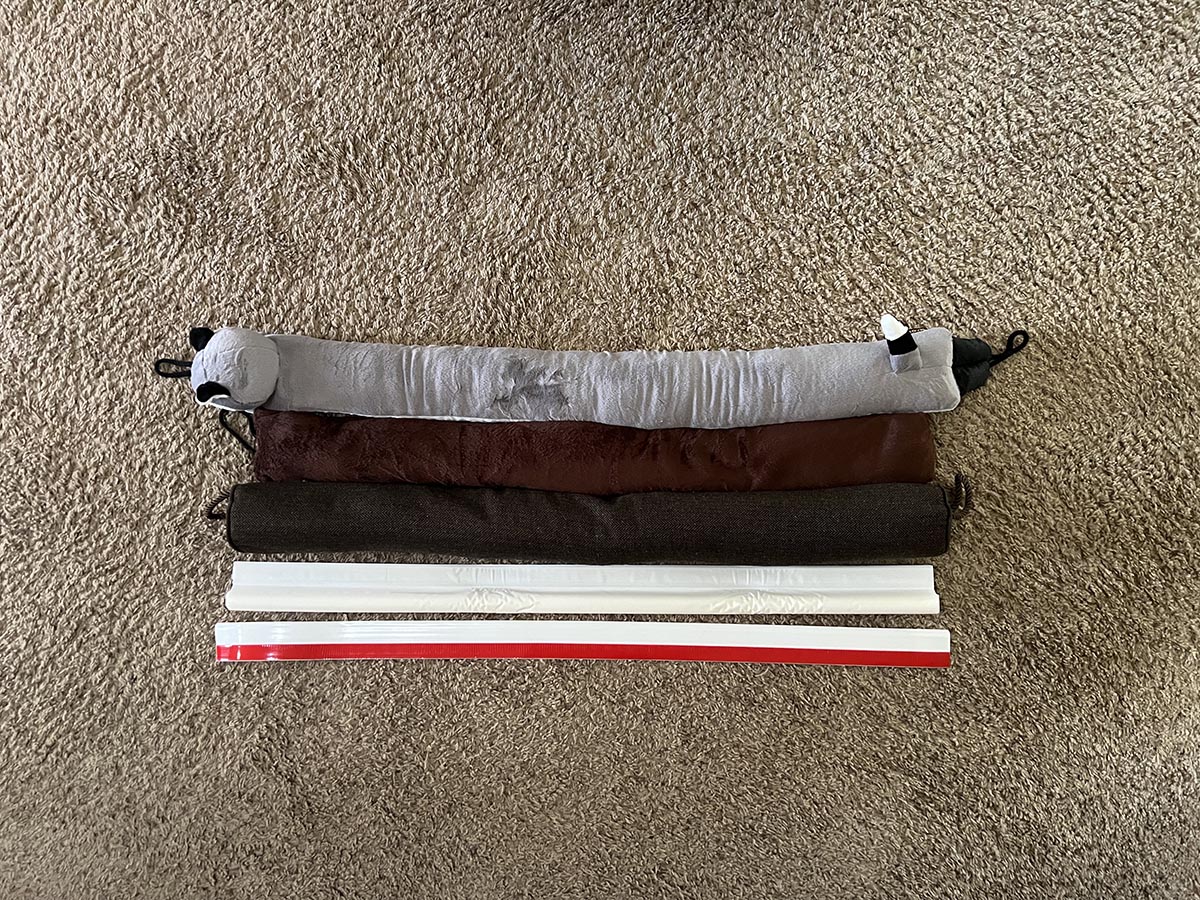
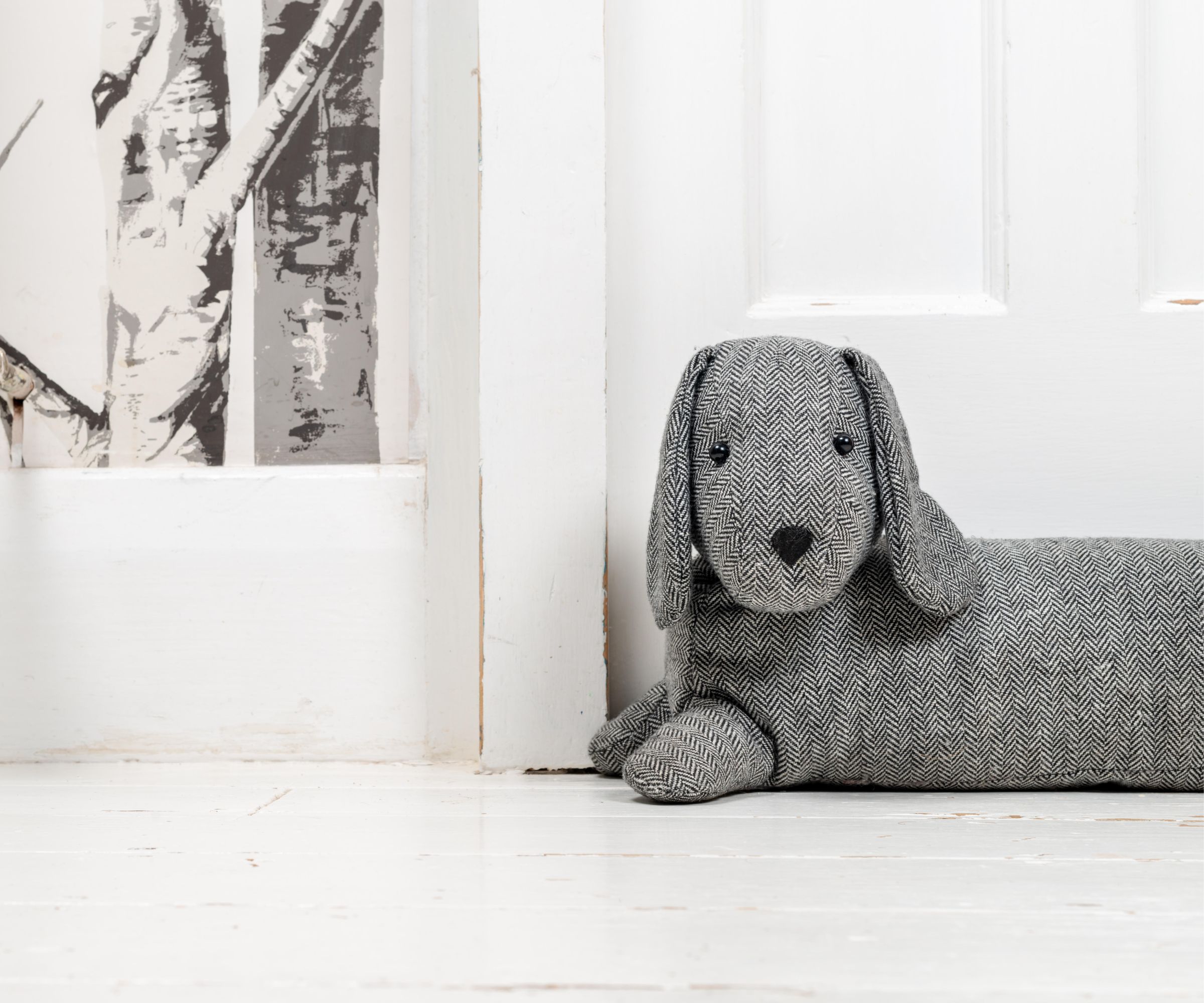
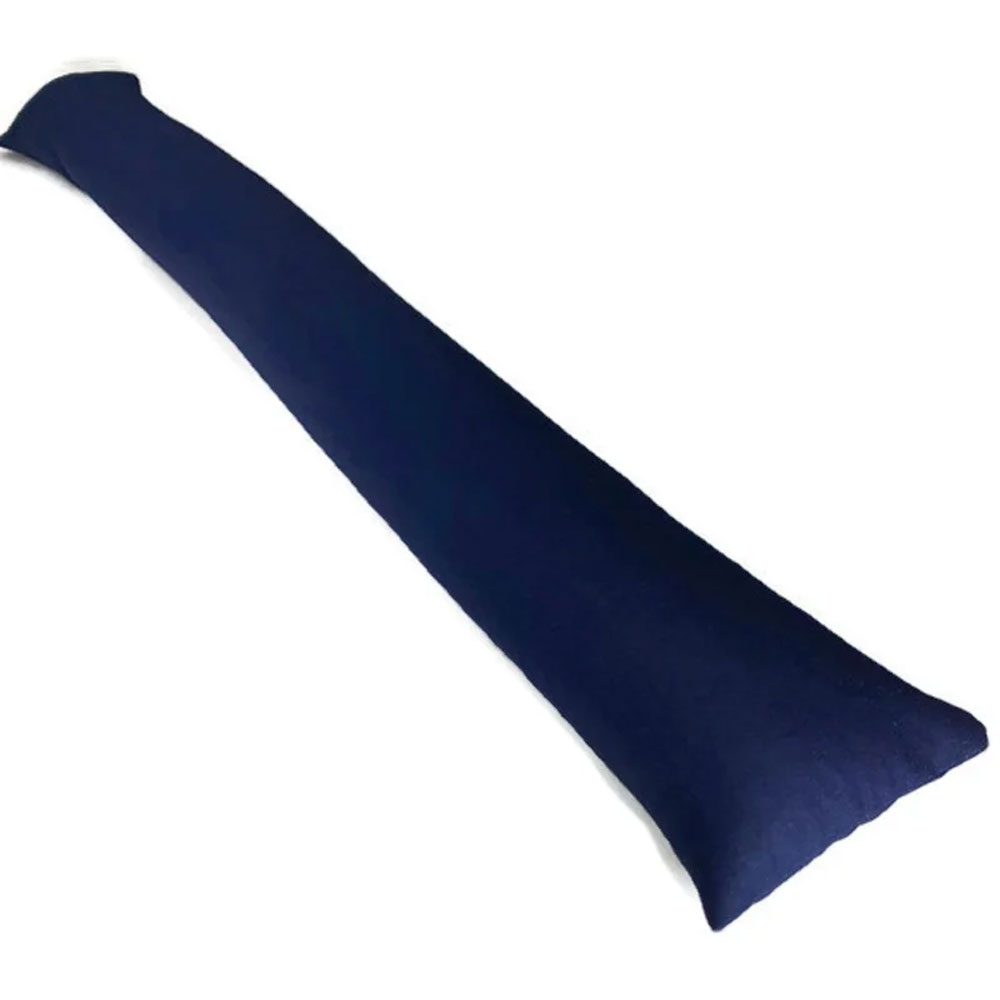
Draft stoppers, also known as 'draft snakes' or 'draught excluders,' are stuffed fabric tubes placed at the bottom of a door to block drafts. These can be purchased in various designs, ideally slightly longer than the door's width for a snug fit. For those inclined towards DIY, draft stoppers can be custom-made from fabric remnants and filled with dry rice, offering a personalized and sustainable solution.
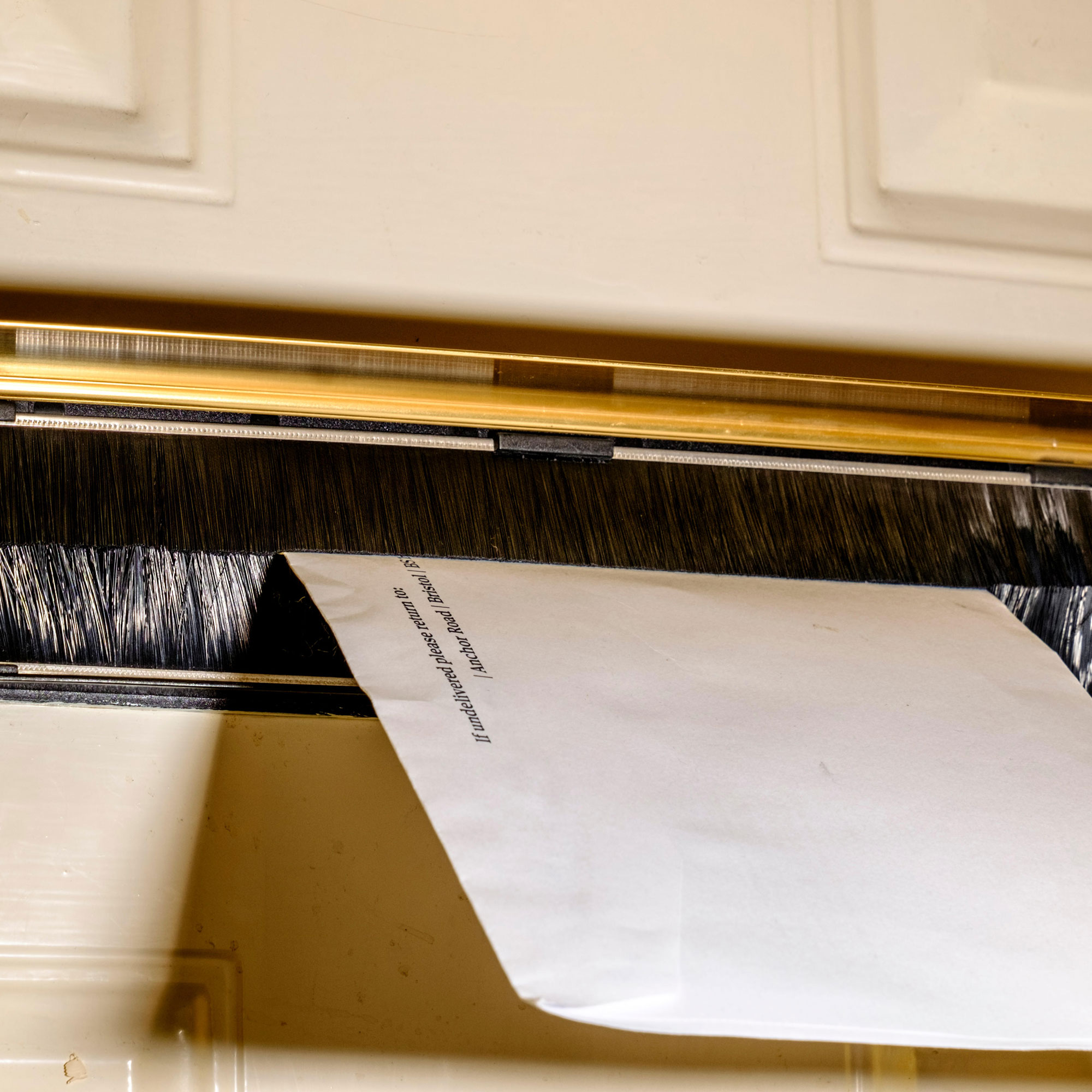
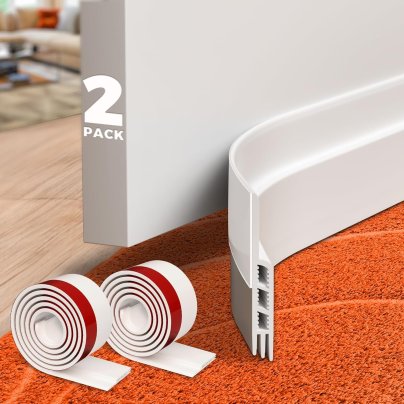
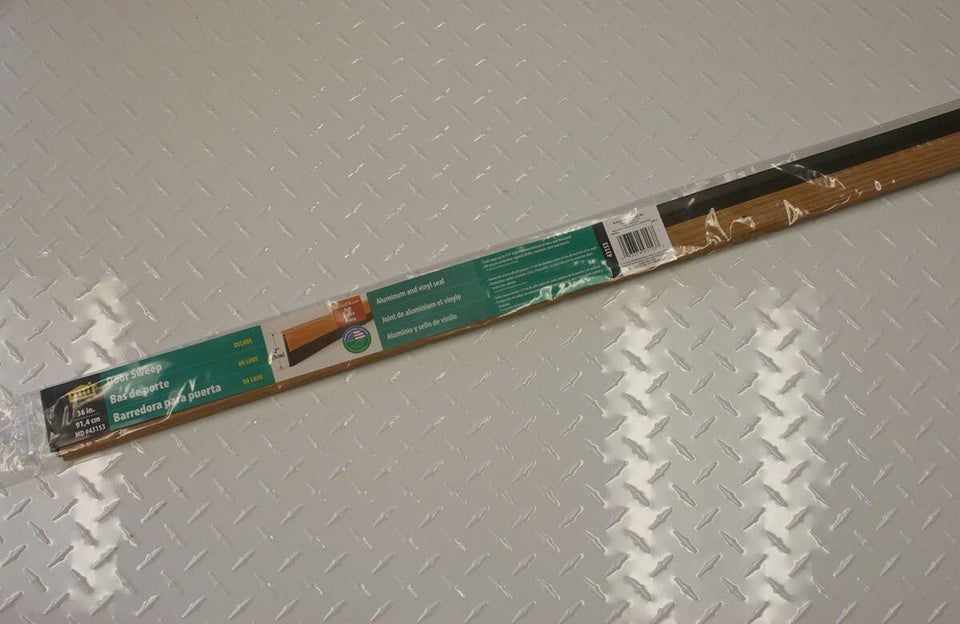
Finally, fitting brush plates to mail slots and door sweeps to the bottom of doors addresses less obvious sources of drafts. Mail slots, in particular, can be significant entry points for cold air, and thick brush plates can effectively seal them. Similarly, brush seals or door sweeps installed at the base of doors prevent drafts from entering through the gap between the door and the frame. These can be installed professionally or via adhesive options for a DIY approach.
While these solutions offer significant improvements, the article also considers the investment in a new entry door. A new door can enhance curb appeal, improve security, and offer superior draft prevention and insulation. Modern doors are designed to meet performance standards, often indicated by a U-value, with lower values signifying better insulation. This ensures a comfortable indoor temperature year-round and contributes to energy efficiency, making the entryway a welcoming space for guests.
#DraftProofing #HomeInsulation #EnergyEfficiency #DIYHomeImprovement #HallwayDecor #WinterComfort #WindowTreatment #DoorMaintenance #DraftProofing #HomeInsulation #EnergyEfficiency #DIYHomeImprovement #HallwayDecor #WinterComfort #WindowTreatment #DoorMaintenance
0 comment in total
 No comments yet
You may also like
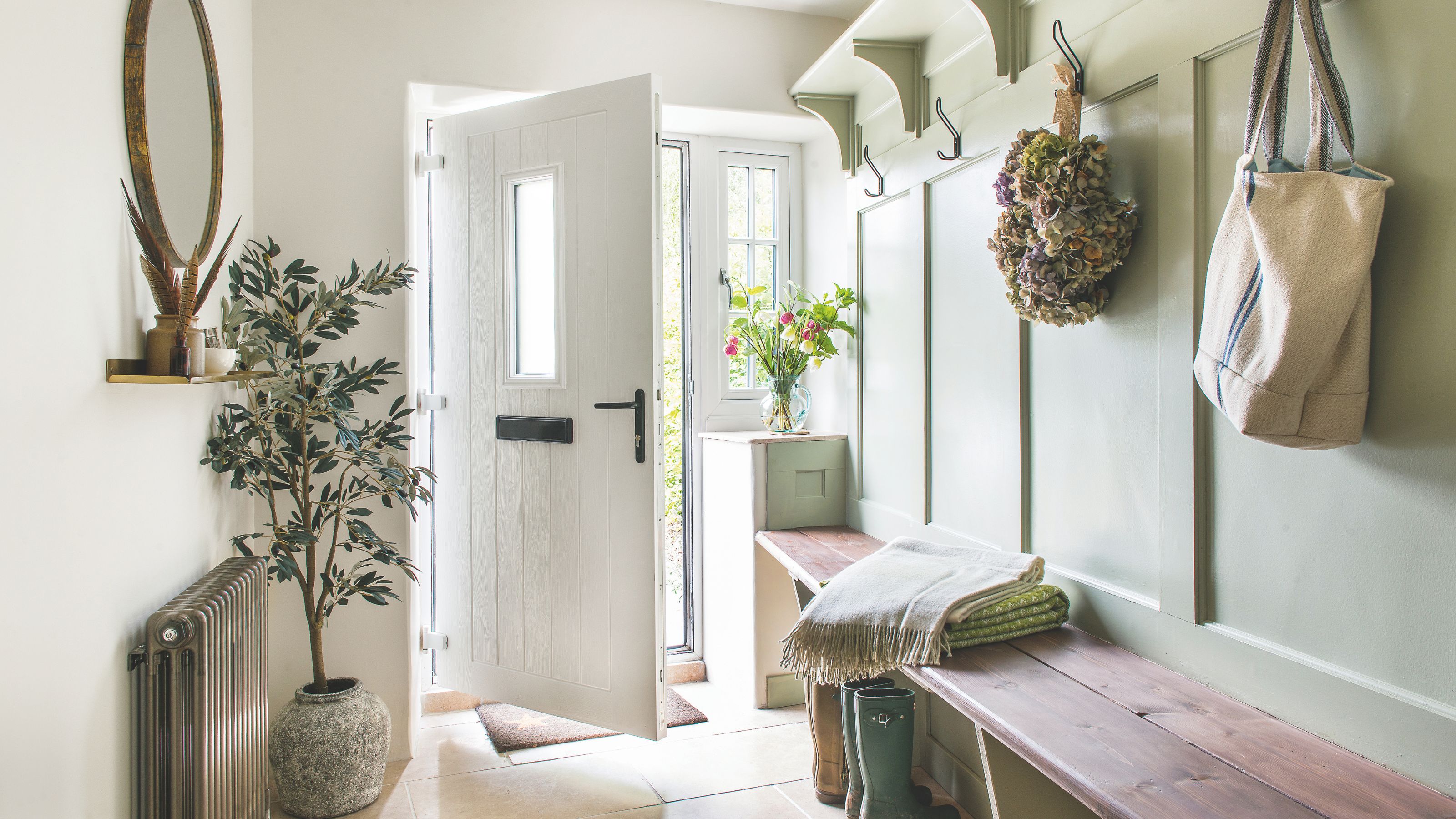
How to draught-proof a front door — expert-approved tips to shut out the cold and prevent internal heat from escaping

Pet Door Drafts? 5 Quick Fixes to Slash Winter Bills

5 ways to draft-proof a bathroom – expert tips that you can do yourself
Keep Your Doors from Slamming with the 6 Best Door Stops Our Editors Love

10 ways to stop draughts from doors - Expert tips for keeping cold gusts of air out

9 DIY draft-proofing jobs to warm your home in a weekend – and the big mistake to avoid

I Was Sick of Cold Front Door Drafts Making My Living Room Feel Arctic and Driving Up Energy Costs – A $4 Easy Amazon Fix Has Been A Game-Changer

5 Best Window Draft Stoppers

The Best Door Draft Stoppers to Keep the Cold Out, Tested

The 8 Best Door Draft Stoppers for Winter-Proofing Your Home

How to Seal Your Drafty Windows for Less Than $50
How to draft proof your kitchen, cook in comfort and reduce your energy bills
6 Expert-Backed Ways to Keep Cold Air—and High Energy Bills—Out of Your House This Winter


8 budget fixes for drafty windows — including a $2.99 beauty product I use every single day


5 easy DIY tricks to draft-proof sunrooms for winter

How to keep an entryway warm and cozy in winter – without heating

7 Sneaky Ways Drafts Hide in Your Home – And How to Fix Them So Holiday Guests Feel Cozy and Welcome
How to draught proof a window - easy ways to keep heat inside your home this winter
10 Expert-Recommended Products For Keeping Drafts Out

How to Seal Drafty Windows (and Instantly Lower Your Heating Bill)