1/8
How to draught-proof a front door — expert-approved tips to shut out the cold and prevent internal heat from escaping
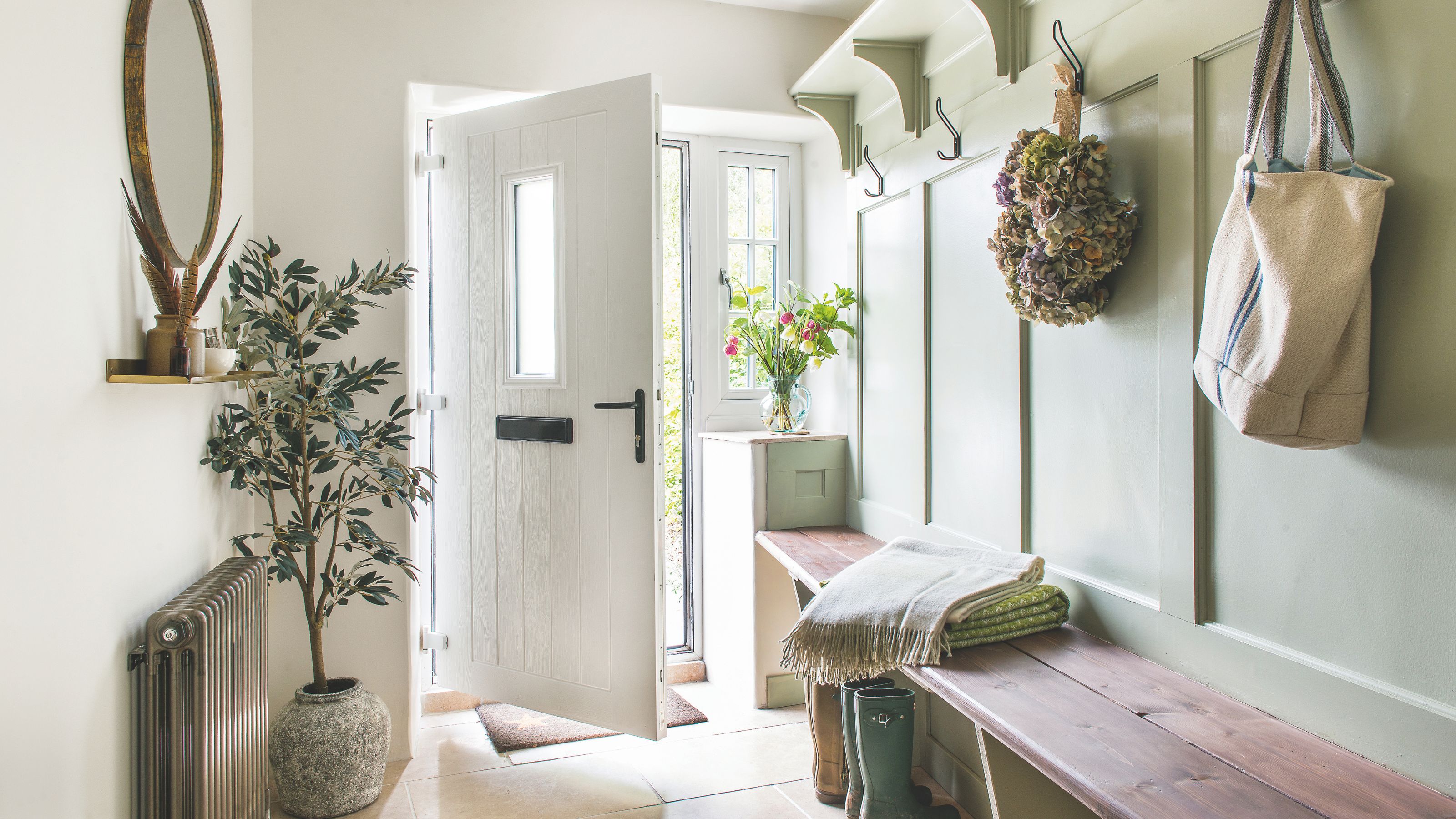
The article provides a comprehensive guide on how to draught-proof a front door, a crucial step for homeowners looking to save energy and maintain a comfortable indoor temperature. Draughts around the front door can lead to significant heat loss, forcing heating systems to work harder and increasing energy bills. The process begins with identifying the source of the draughts, which can be done by inspecting the door frame for visible gaps or by using a lit candle or incense stick to detect air movement. Loose hinge screws can also be a culprit, and tightening them might resolve the issue before resorting to other methods.
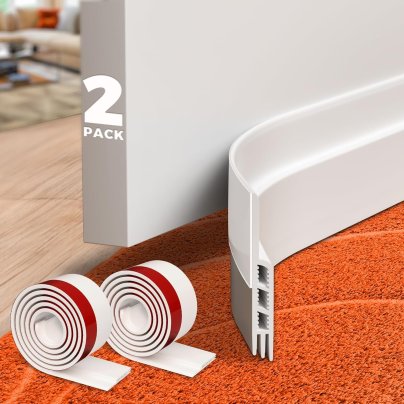
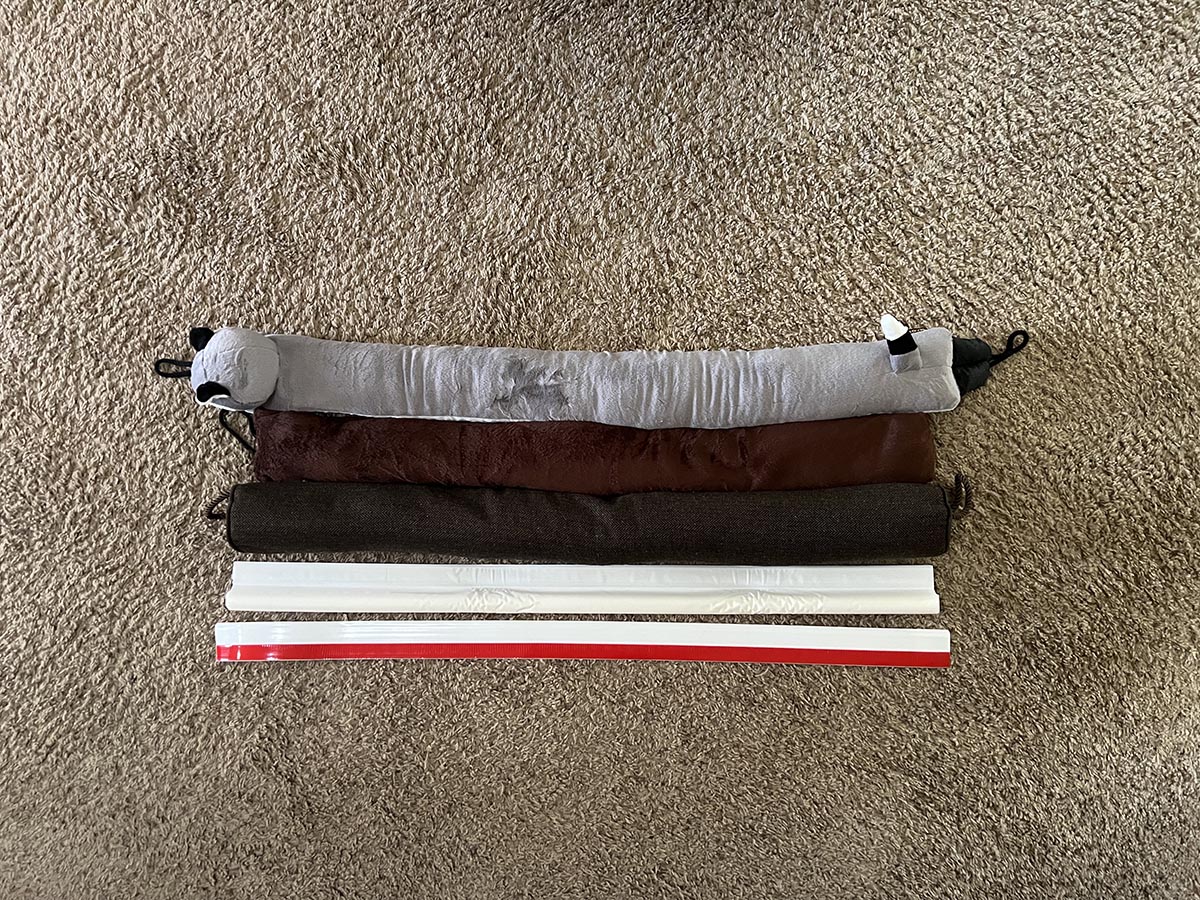
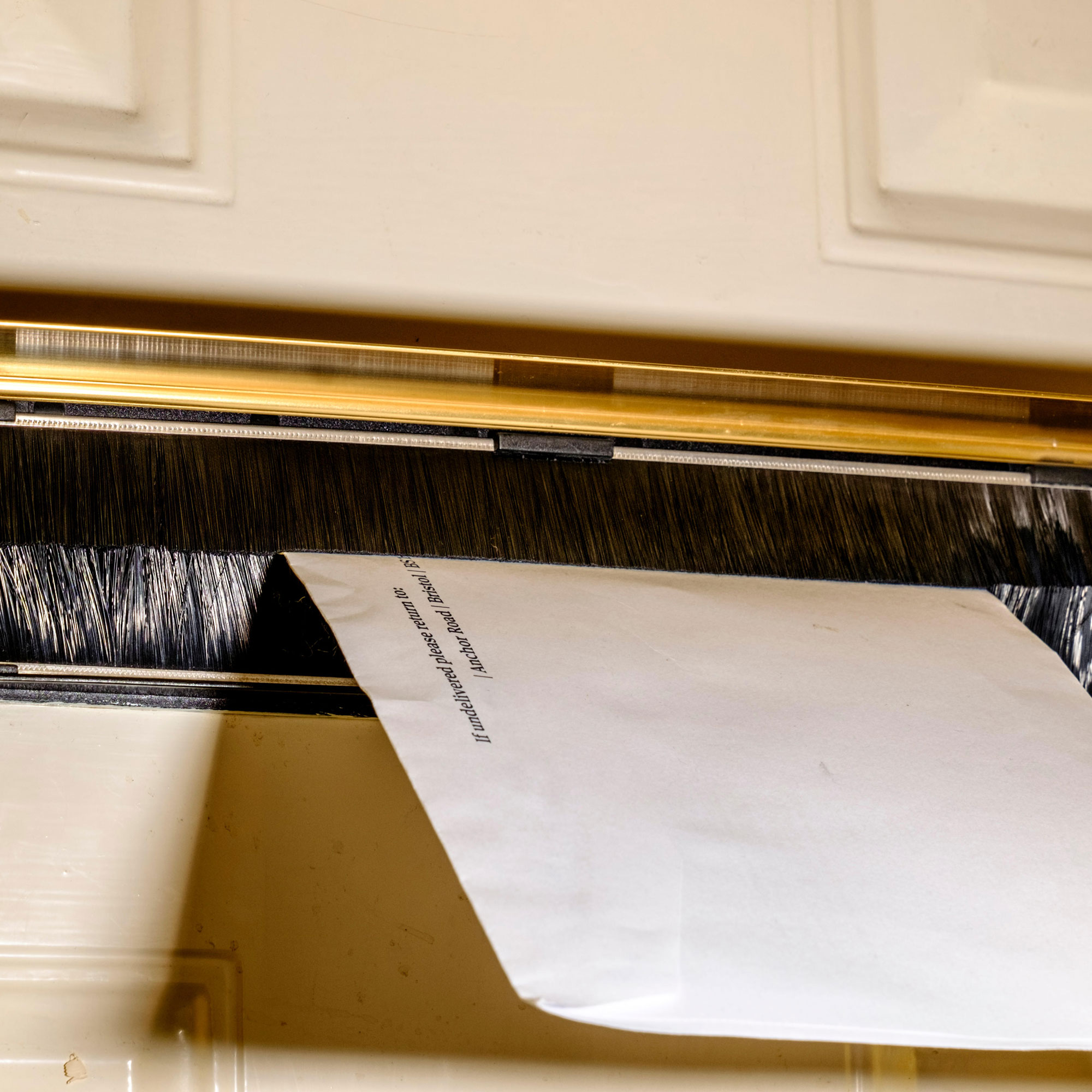
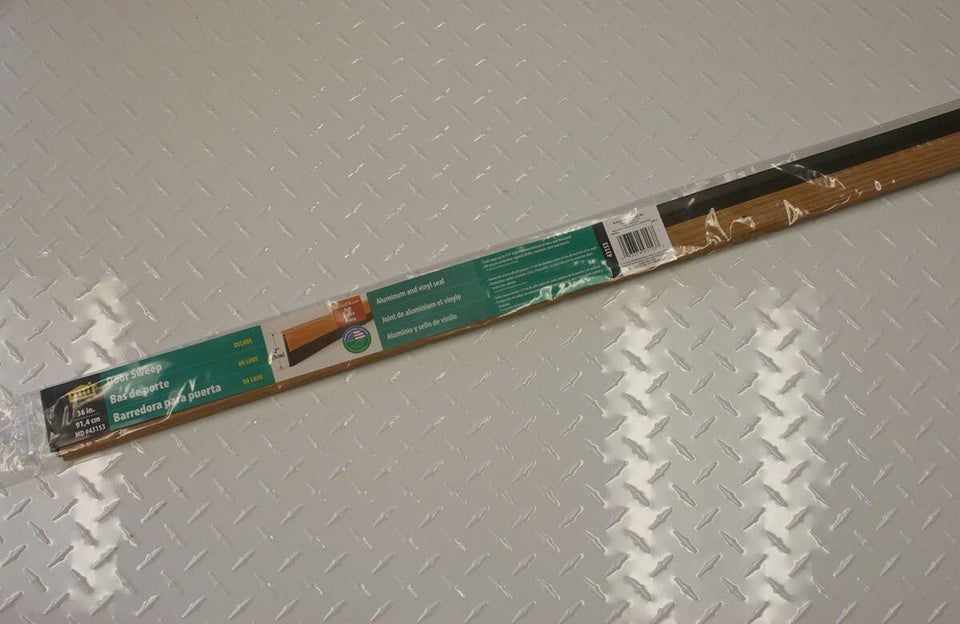
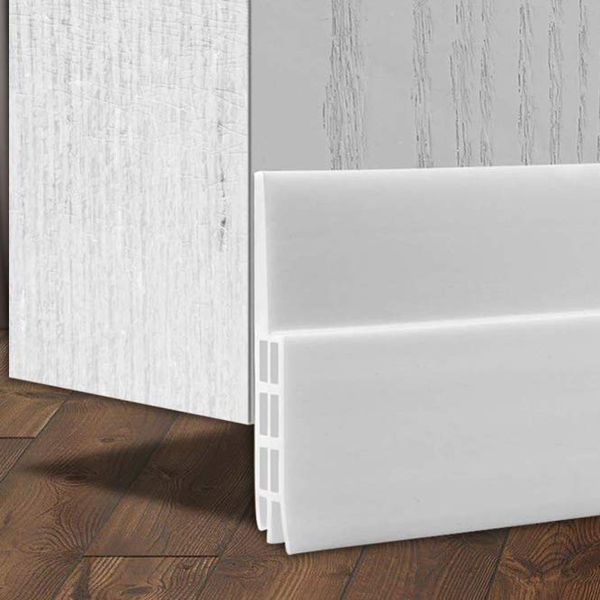
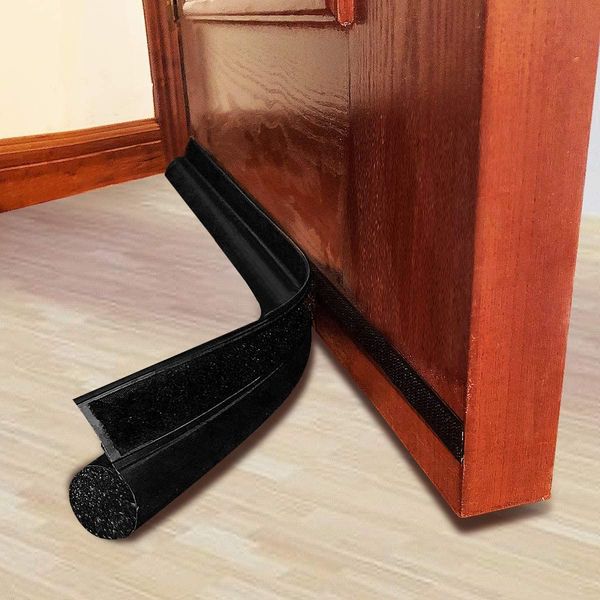
Several solutions are presented for different types of draughts. For gaps at the bottom of the door, attaching a door sweep or brush strip is recommended. These are affordable, easy to install, and available in adhesive or screw-on options. Heavy-duty metal door sweeps are suggested for high-traffic doors due to their durability and ease of cleaning. Letterboxes are another common source of draughts that are often overlooked. The article advises using specific letterbox draught excluders, which typically feature a brush or flap to seal gaps while still allowing mail delivery. Many options are available to match various front door aesthetics.
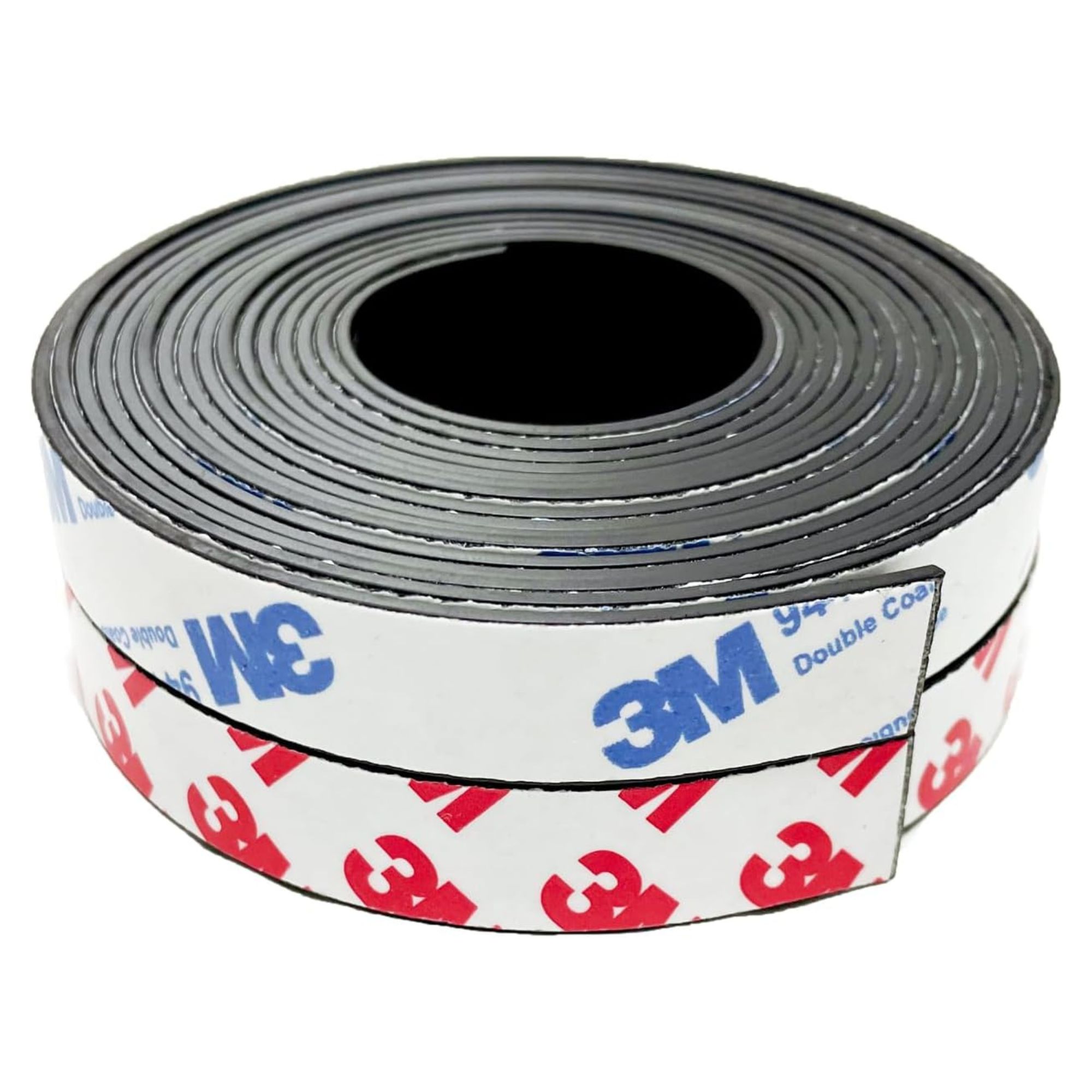
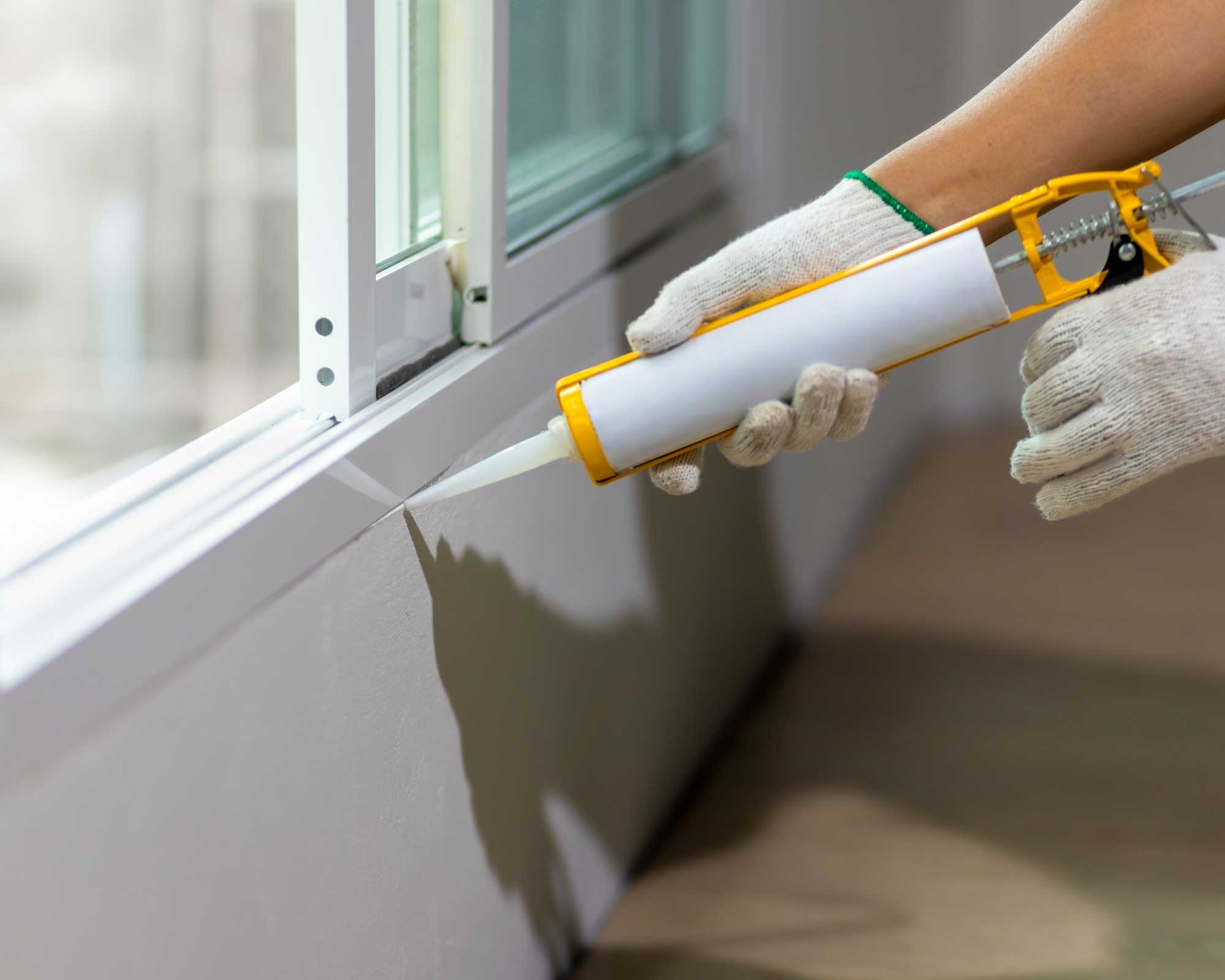
For draughts around the door frame, self-adhesive foam strips are highlighted as an effective, affordable, and easy-to-install solution. These strips can be cut to size, peeled, and stuck around the door frame to create a seal. The deterioration of seals due to wear and tear, improper installation, natural settling of the house, or aging of door components are identified as common reasons for gaps in door frames. The strips help to fill these gaps and prevent cold air ingress and warm air egress.
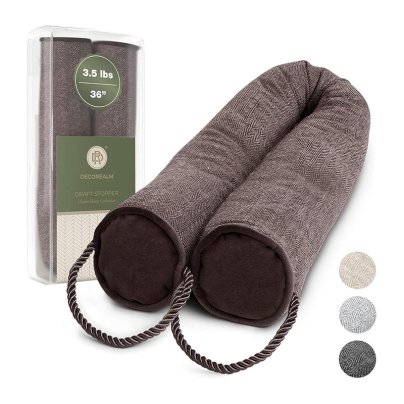
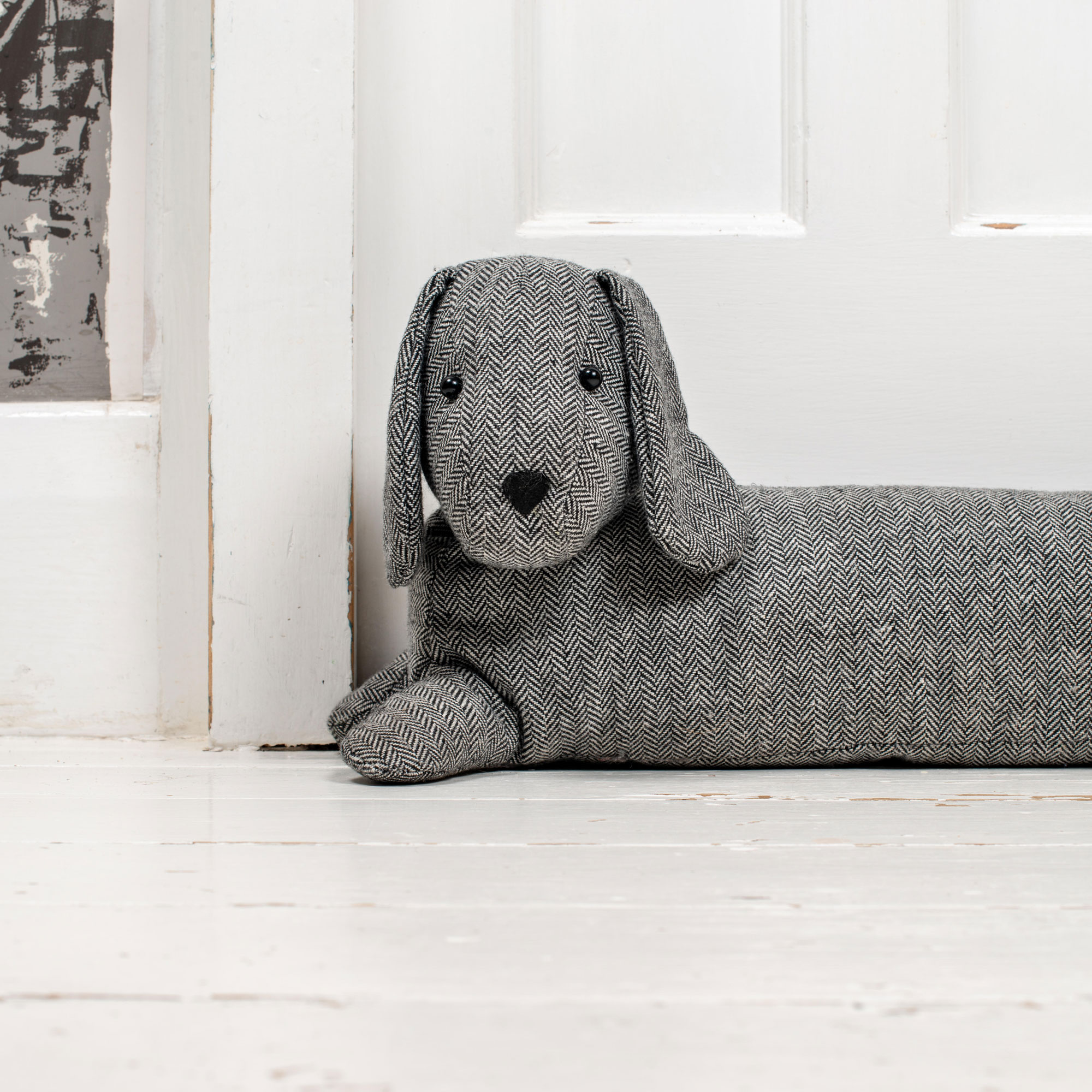
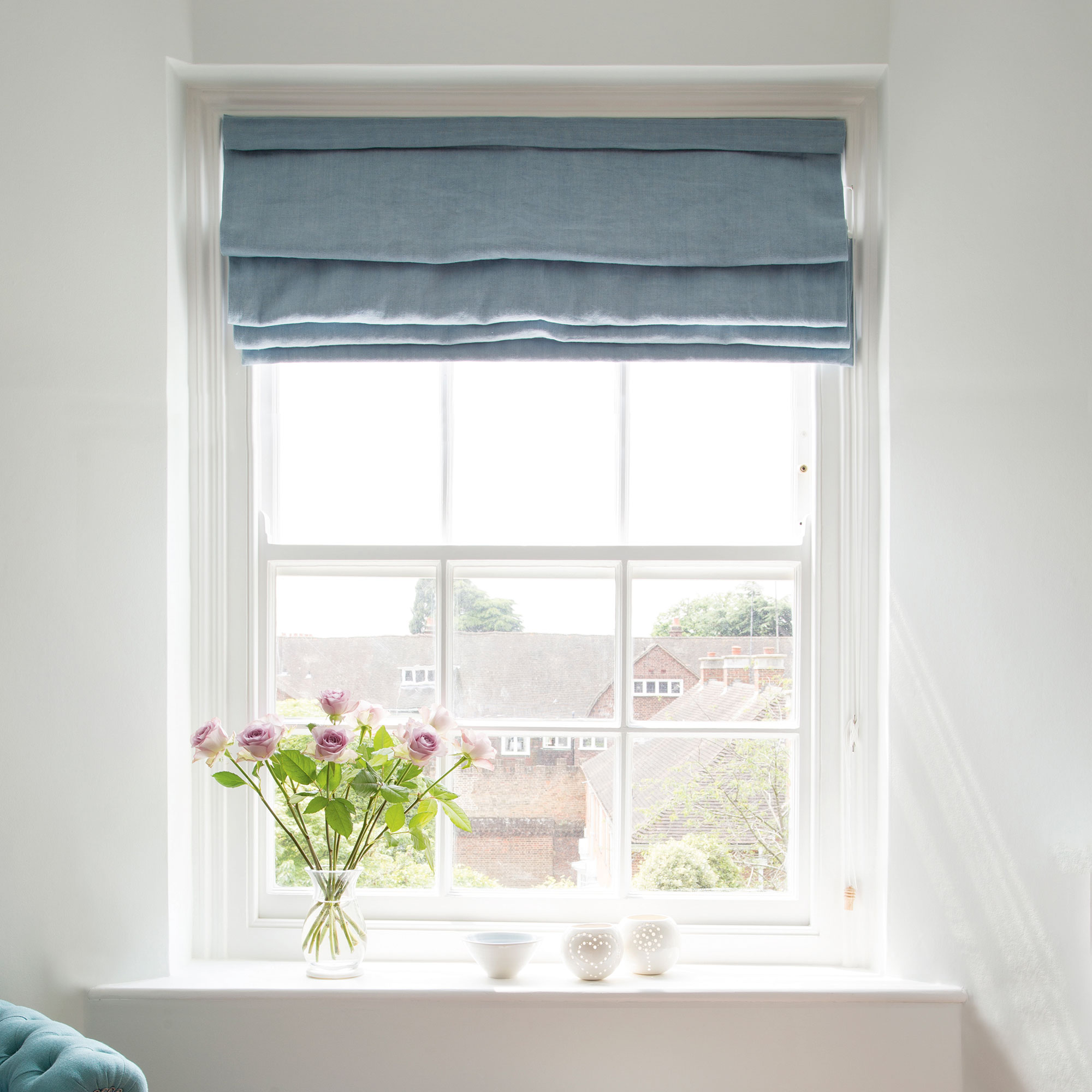
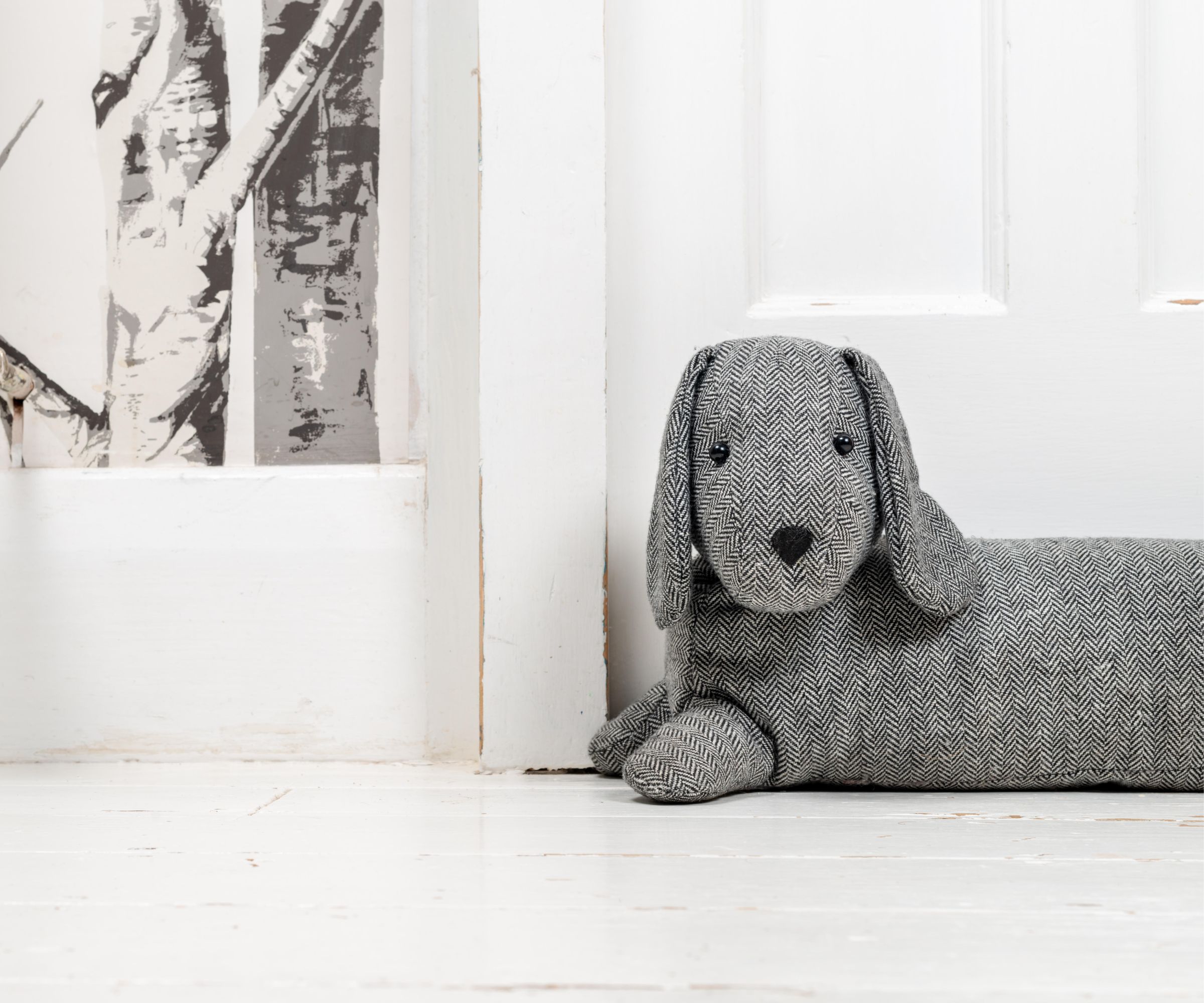
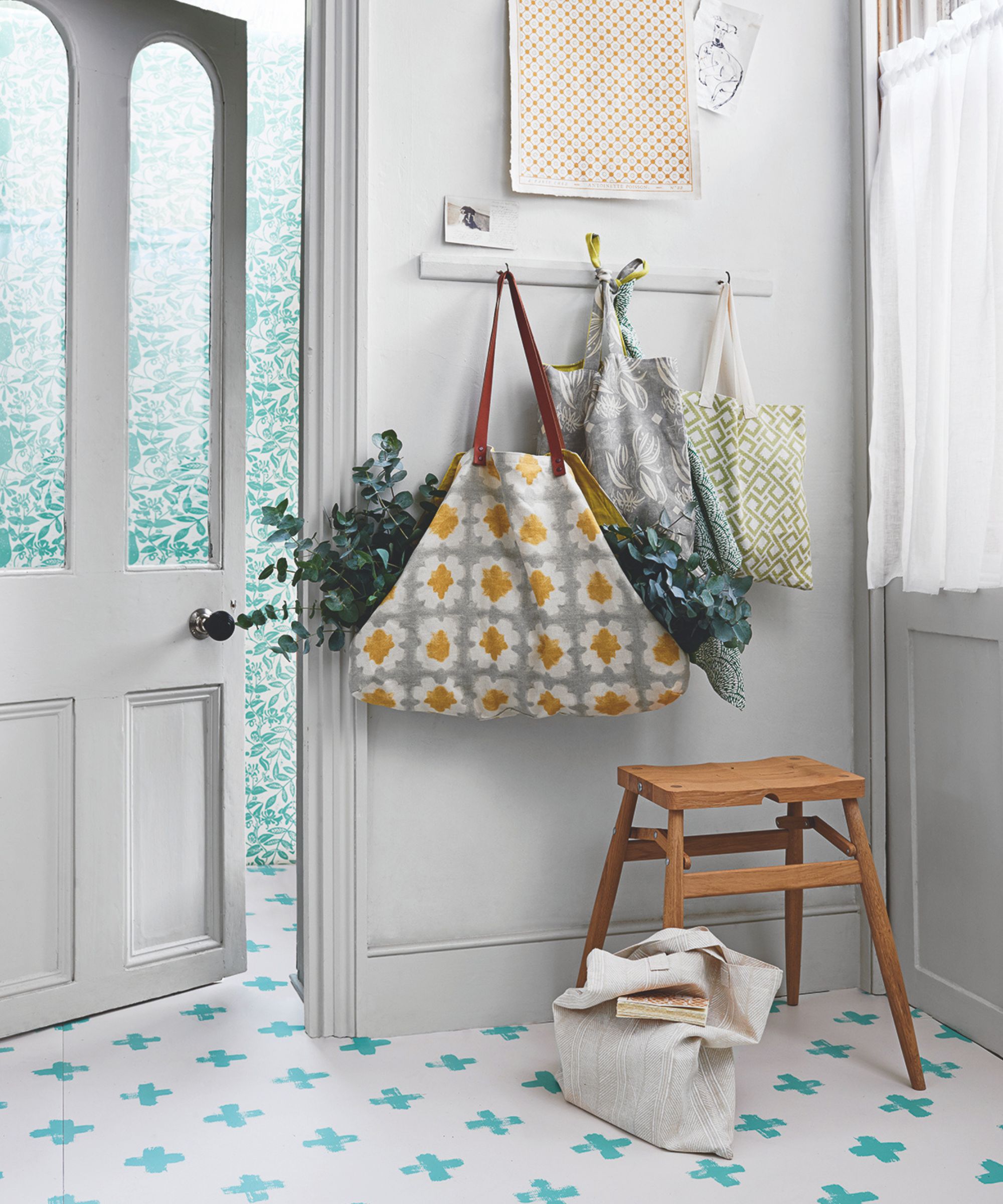
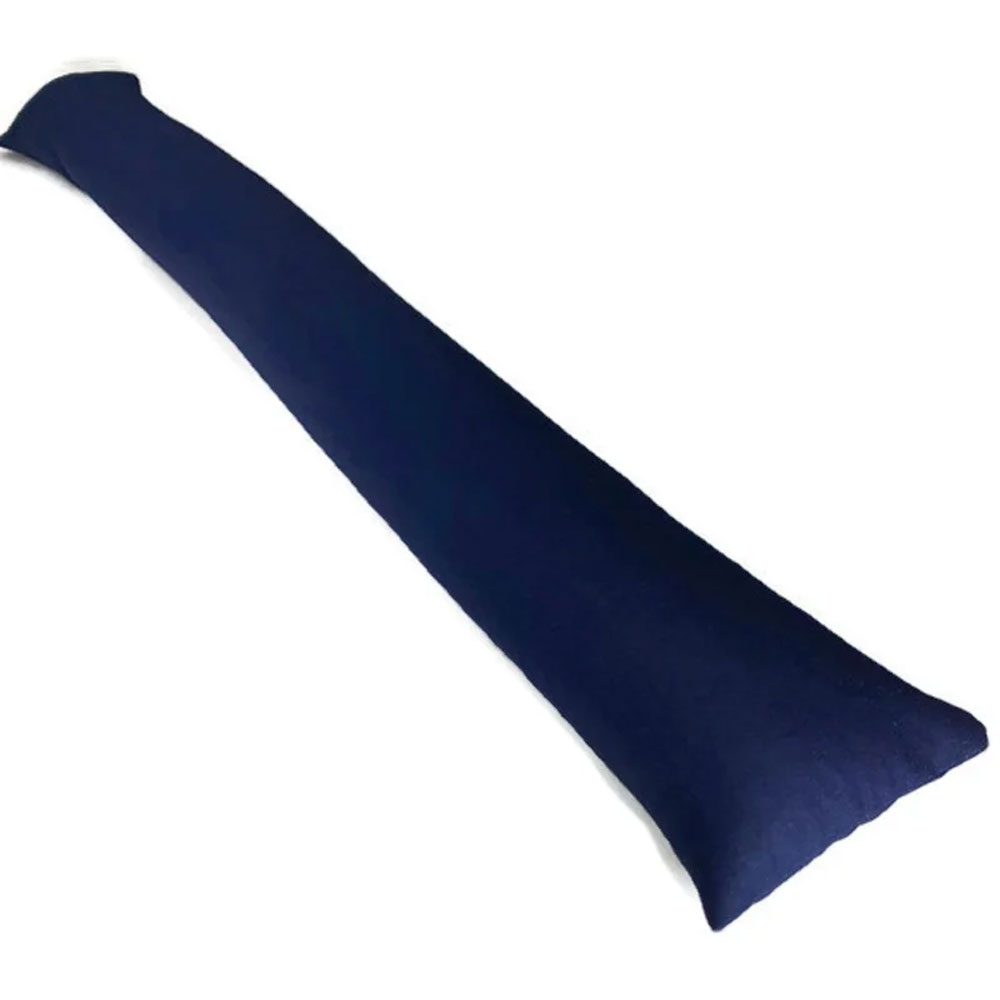
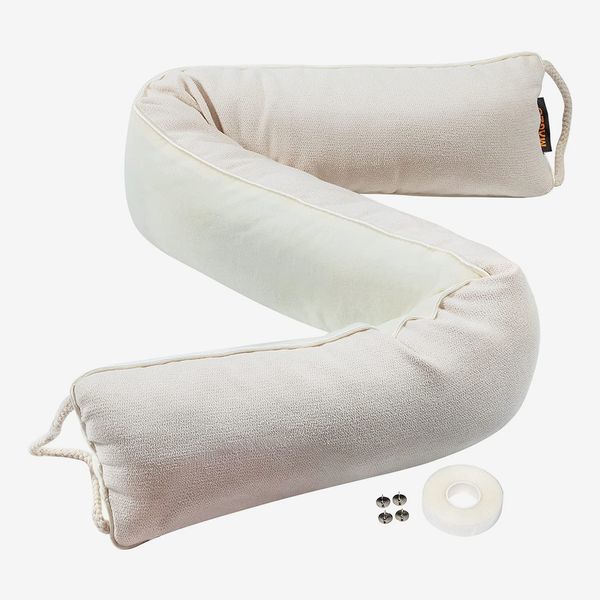
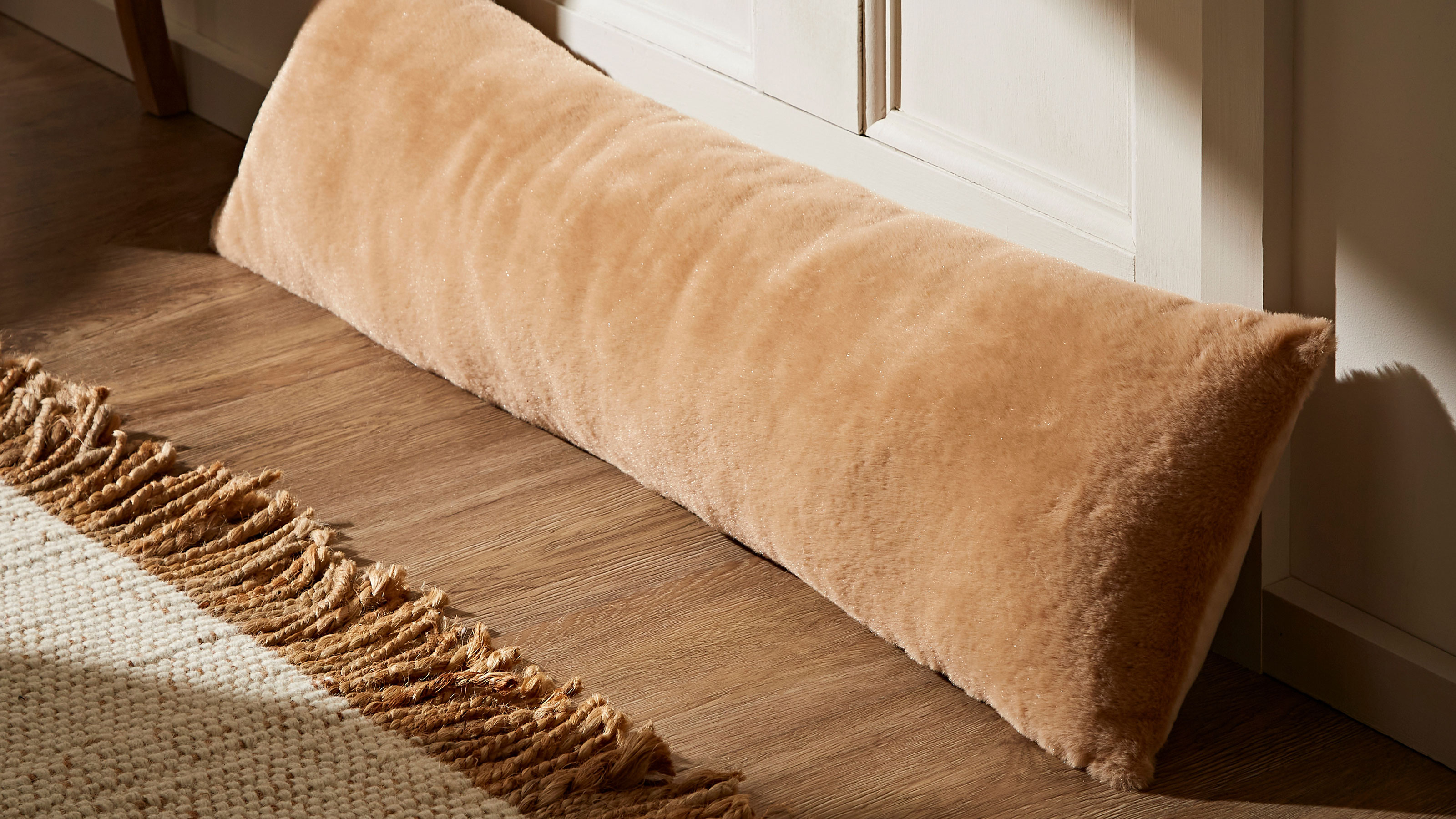
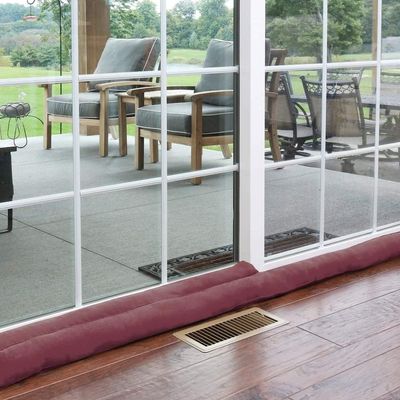
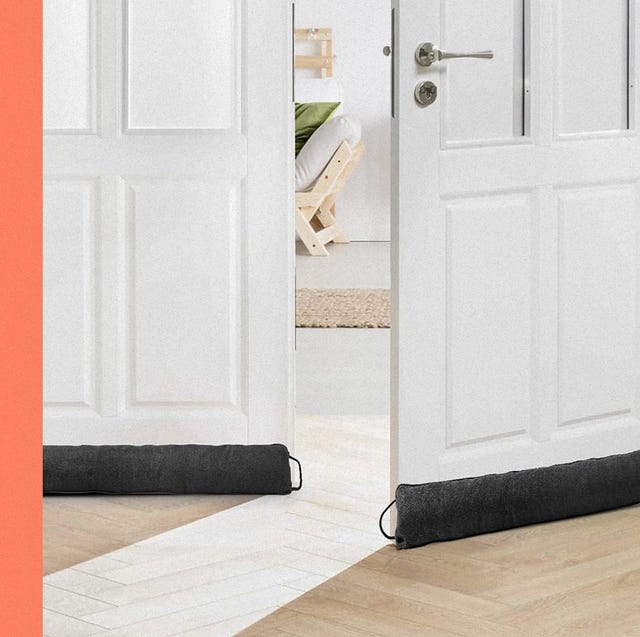
Non-permanent solutions are also discussed, such as using a draught excluder, often called a door snake. These fabric-filled or weighted tubes are placed at the base of the door to block draughts and come in various stylish designs, allowing them to complement home decor. Another method involves adding curtains, particularly thick thermal curtains, as an extra barrier against draughts. This approach is noted for both its aesthetic appeal and its effectiveness in retaining heat, provided a curtain rail can be installed above the door. Finally, the importance of testing and adjusting the draught-proofing measures is emphasized. After applying the solutions, re-testing with a candle or incense stick helps ensure all gaps are sealed. Annual checks, especially before colder months, are recommended to maintain effectiveness, as weatherstripping and caulk can degrade over time. The article concludes by listing common reasons for draughty front doors, including gaps around the door frame, unsealed letterboxes, failed weatherstripping, loose hinges, and improper door alignment, while acknowledging that achieving a completely airtight door, especially with a functional letterbox, can be challenging but significantly mitigated with these methods.
#HomeEnergySaving #DraughtProofing #FrontDoor #DIYHomeImprovement #EnergyEfficiency #WinterHomePrep #HomeMaintenance #ThermalInsulation #HomeEnergySaving #DraughtProofing #FrontDoor #DIYHomeImprovement #EnergyEfficiency #WinterHomePrep #HomeMaintenance #ThermalInsulation
0 comment in total
 No comments yet
You may also like
The Best Door Draft Stoppers to Keep the Cold Out, Tested


Pet Door Drafts? 5 Quick Fixes to Slash Winter Bills


How to draft proof your kitchen, cook in comfort and reduce your energy bills
6 Expert-Backed Ways to Keep Cold Air—and High Energy Bills—Out of Your House This Winter

10 ways to stop draughts from doors - Expert tips for keeping cold gusts of air out

9 DIY draft-proofing jobs to warm your home in a weekend – and the big mistake to avoid
Winterizing and Insulating a Dog Door: What to Know


5 easy DIY tricks to draft-proof sunrooms for winter
How to draught proof a window - easy ways to keep heat inside your home this winter

I Was Sick of Cold Front Door Drafts Making My Living Room Feel Arctic and Driving Up Energy Costs – A $4 Easy Amazon Fix Has Been A Game-Changer
10 Expert-Recommended Products For Keeping Drafts Out
The Best Door Draft Stoppers on Amazon, According to Hyperenthusiastic Reviewers
The 8 Best Door Draft Stoppers for Winter-Proofing Your Home

How to draught-proof a chimney — 3 DIY solutions recommended by the experts

5 ways to draft-proof a bathroom – expert tips that you can do yourself

How to keep an entryway warm and cozy in winter – without heating

How to fix a drafty door – 6 ways to stop cold air getting through

7 Sneaky Ways Drafts Hide in Your Home – And How to Fix Them So Holiday Guests Feel Cozy and Welcome
Turn Your Entry Into a Warm, Storm-Ready ‘Entry Shield’ With These 5 Hacks
Keep Your Doors from Slamming with the 6 Best Door Stops Our Editors Love