1/10
How to draught-proof a chimney — 3 DIY solutions recommended by the experts
This article explores practical and cost-effective do-it-yourself solutions for draught-proofing chimneys, a common architectural feature in homes that, despite its aesthetic appeal, often contributes to significant heat loss. The primary objective of these solutions is to maintain warmth within a room and mitigate rising energy expenses. Experts in heating and energy recommend three distinct methods for chimney draught-proofing: the Chimney Sheep, the Chimney Balloon, and the Chimella. Each of these options involves an initial investment but promises substantial benefits in terms of fireplace draught exclusion and energy conservation.
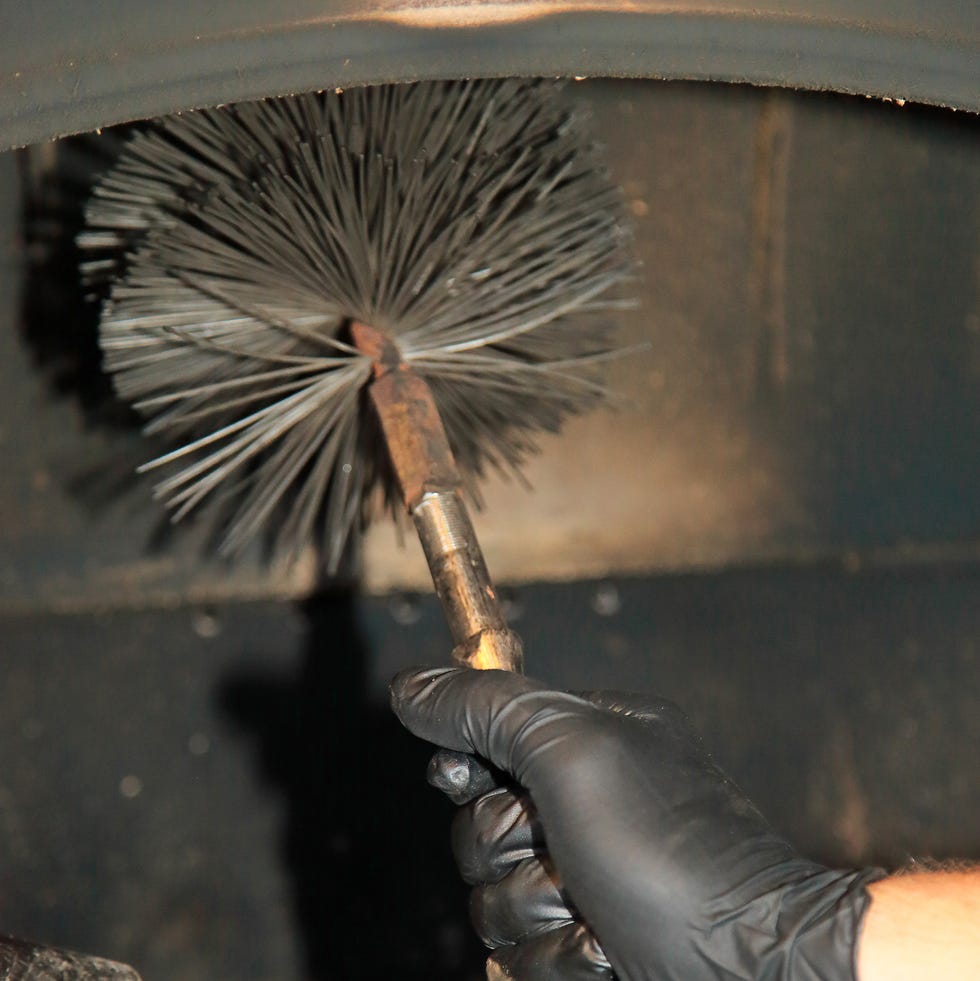
Before implementing any draught-proofing method, it is crucial to accurately measure the chimney's internal cavity. For circular chimneys, the diameter suffices, while oblong shapes require both width and depth measurements. Safety precautions, such as laying a dust sheet and wearing protective goggles, are advised due to potential dislodgement of debris from the chimney flue.
The first recommended solution is the Chimney Sheep, which consists of a double layer of felted sheep’s wool insulation affixed to a plastic handle. This natural and sustainable product effectively blocks draughts and can also diminish wind noise. Installation involves selecting a model slightly larger than the flue opening to ensure a snug fit, then gently pushing the wool head into the flue and tugging on the handle to secure it.
Next, the Chimney Balloon offers an economical and easily installable/removable option, making it suitable for those seeking a quick fix without permanent fireplace alterations. It's particularly effective in confined spaces. The process entails partially inflating the balloon using a provided tube, positioning it within the flue, and then fully inflating it for a firm seal. Regular checks, approximately every three months, are necessary to ensure the balloon maintains adequate inflation.
Finally, the Chimella, resembling an inverted umbrella, provides robust draught blocking, though it is the most expensive of the three. It is deployed by holding it within the chimney, pressing a button to open it, and then adjusting it for a taut fit across the flue. A significant advantage of the Chimella is its stability, remaining secure even if considerable debris falls down the chimney.
The article also addresses common questions regarding chimney draughts. The stack effect, where warm air escapes up the chimney and cold air enters, is identified as the primary cause of draughts, potentially leading to up to 5% heat loss. Concerns about dampness due to draught-proofing are alleviated by emphasizing the importance of adequate ventilation. Solutions like Chimney Sheep, Balloons, and Chimellas are designed to allow some airflow, preventing damp and mould. Chimney Sheep uses breathable wool, Chimney Balloons leave small corner gaps, and Chimellas are engineered to circulate air while maintaining ventilation. For active fireplaces, draught excluders must be removed before lighting a fire; Chimney Sheep and Chimellas are easily reinserted, while balloons require partial deflation. It is noted that these solutions are for open chimneys, not stoves with dedicated flues.
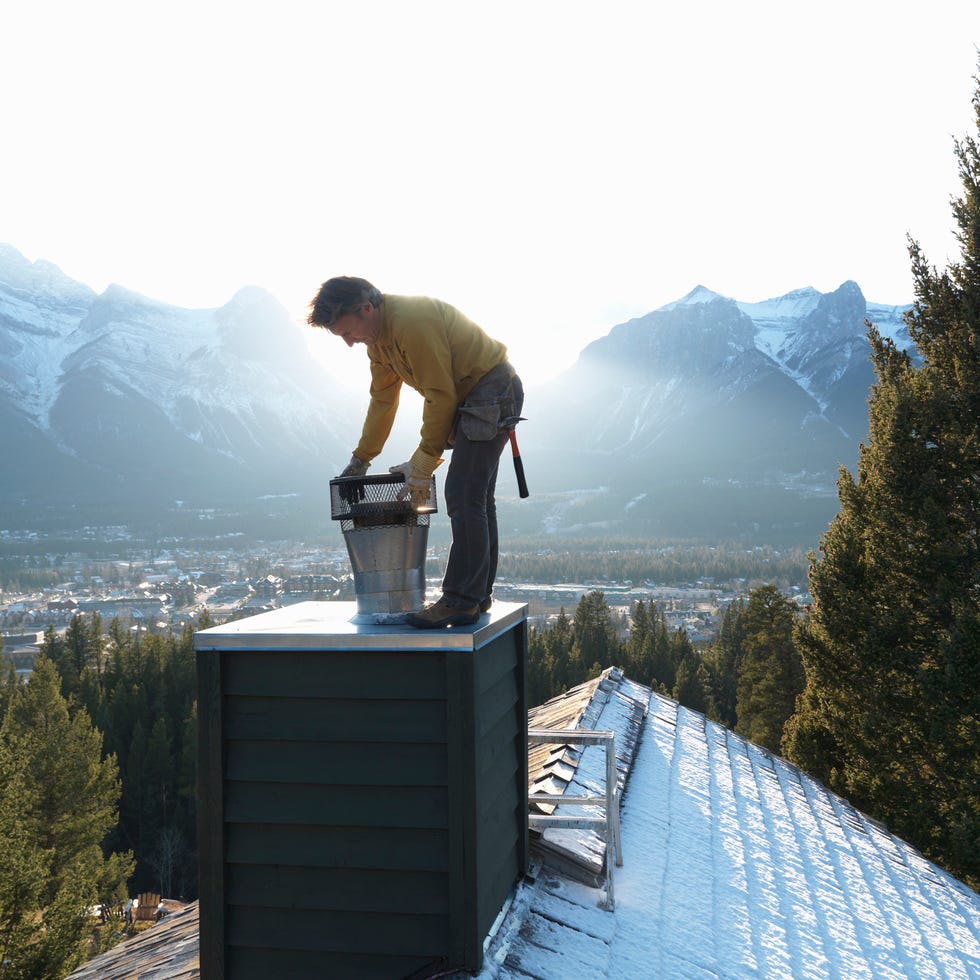
Lastly, the option of capping a chimney is discussed as a means to reduce draughts and prevent entry of debris or wildlife. This is not a DIY task and requires professional installation. For those wishing to continue using their fireplace, a mechanical damper operated by a hearthside handle is an alternative.
#ChimneyDraughtProofing #EnergyEfficiency #HomeInsulation #DIYHomeImprovement #ChimneySheep #ChimneyBalloon #Chimella #EnergySavingTips #HomeMaintenance #ChimneyDraughtProofing #EnergyEfficiency #HomeInsulation #DIYHomeImprovement #ChimneySheep #ChimneyBalloon #Chimella #EnergySavingTips #HomeMaintenance
0 comment in total
 No comments yet
You may also like
How to draught-proof a front door — expert-approved tips to shut out the cold and prevent internal heat from escaping
10 ways to stop draughts from doors - Expert tips for keeping cold gusts of air out

5 ways to draft-proof a bathroom – expert tips that you can do yourself

3 Easy Ways to Get Rid of Drain Flies—and Prevent Them From Coming Back
Make a Watertight Chimney Cricket


9 DIY draft-proofing jobs to warm your home in a weekend – and the big mistake to avoid
The 8 Best Door Draft Stoppers for Winter-Proofing Your Home
You Need to Clean Your Chimney Yearly. Here's How.

How to draught proof a window - easy ways to keep heat inside your home this winter
Four ‘simple’ DIY methods to draught-proof windows for under £5 - keep the cold air out

5 easy DIY tricks to draft-proof sunrooms for winter

How to get rid of damp
Home Clinic; METHODS OF KEEPING THE FIREPLACE FROM SMOKING (Published 1981)
How to draft proof your kitchen, cook in comfort and reduce your energy bills

7 Sneaky Ways Drafts Hide in Your Home – And How to Fix Them So Holiday Guests Feel Cozy and Welcome
Pet Door Drafts? 5 Quick Fixes to Slash Winter Bills

How to care for your chimney this winter and reduce chance of chimney fires

Podcast 563: Caulking Old Siding, Tearing Into Leaky Walls, and HVAC in Unconditioned Attics

How to fix a drafty door – 6 ways to stop cold air getting through
How to safely start a fire in a fireplace that lights easily every time