1/7
Are oil-filled radiators dangerous? Experts share their advice for how to use them safely in any room
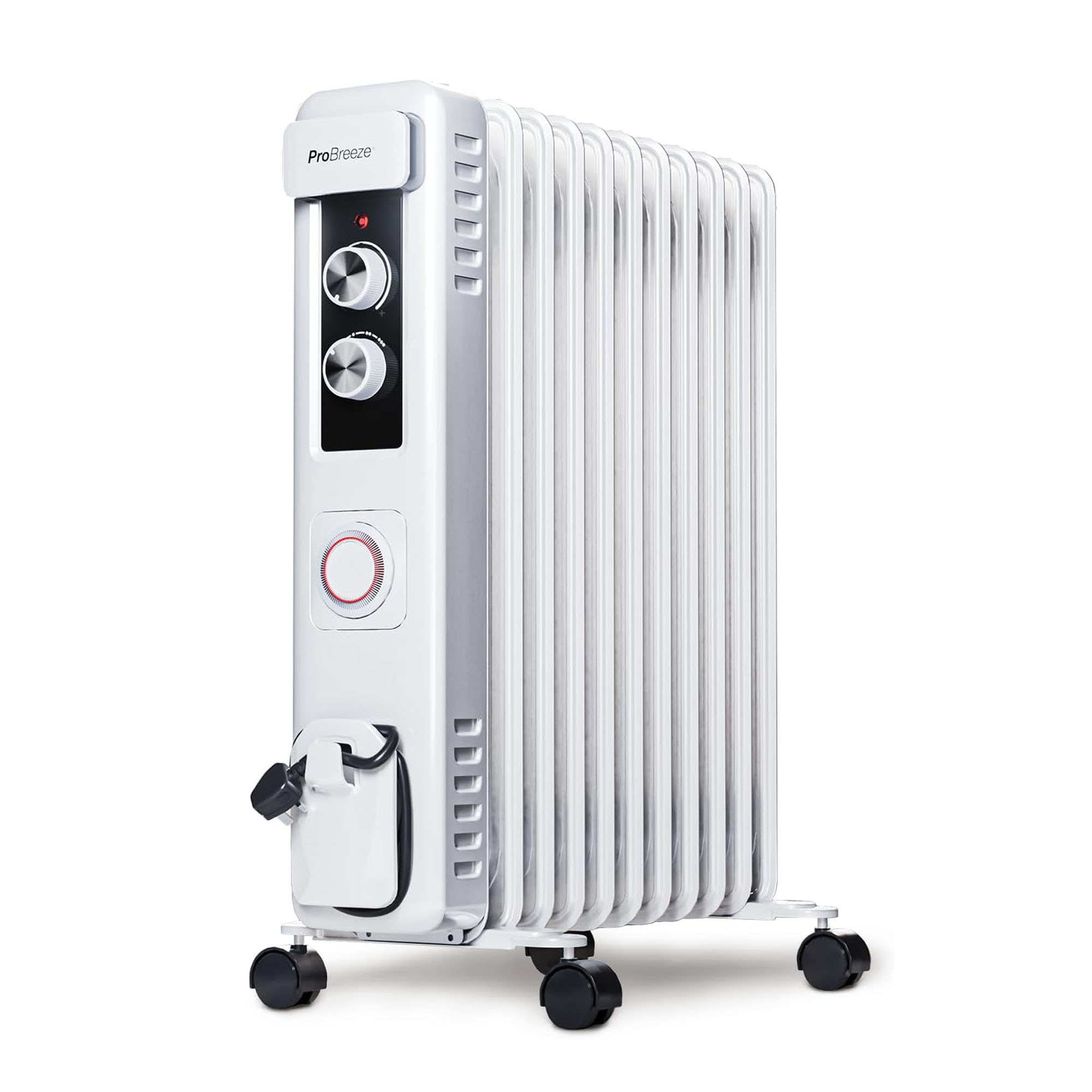
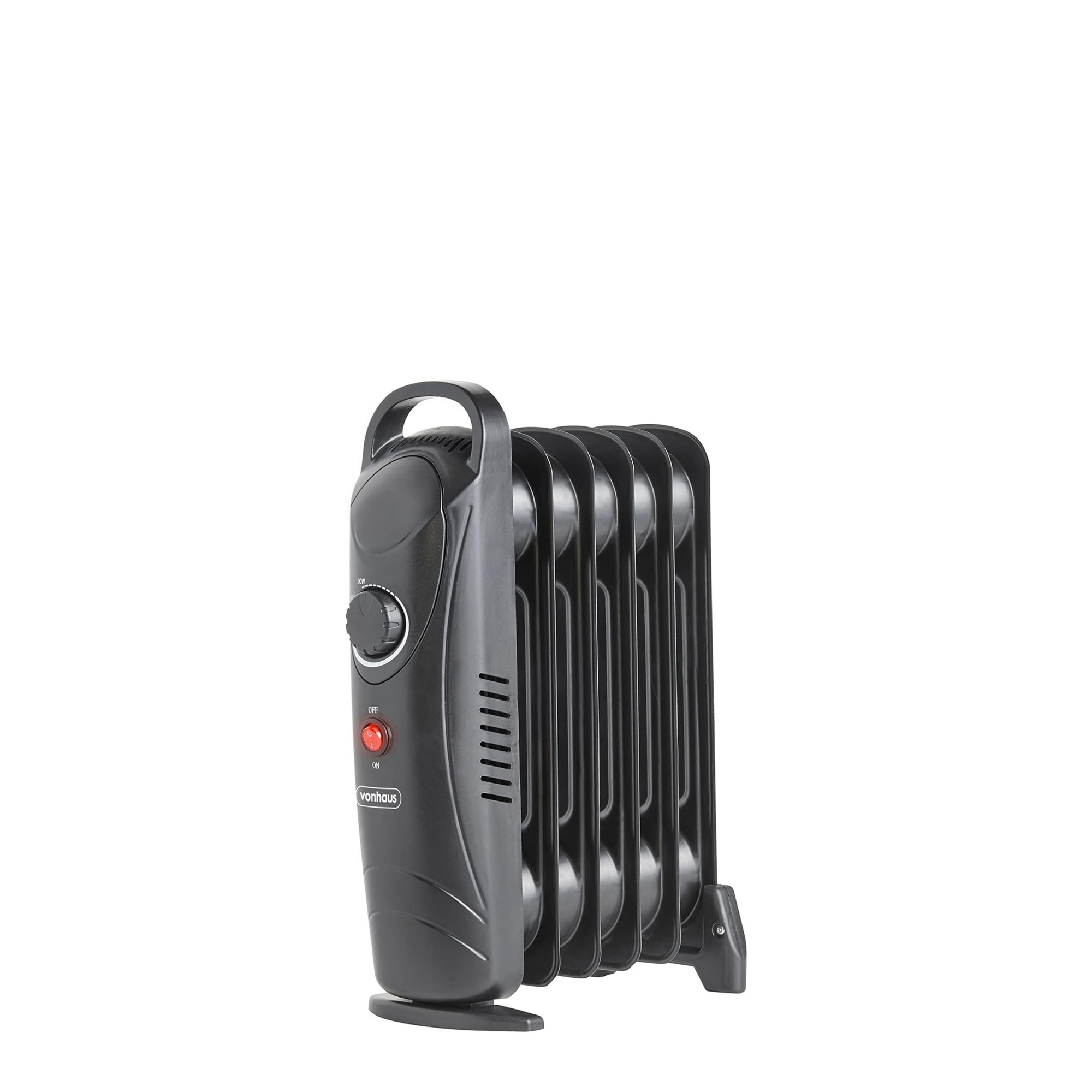
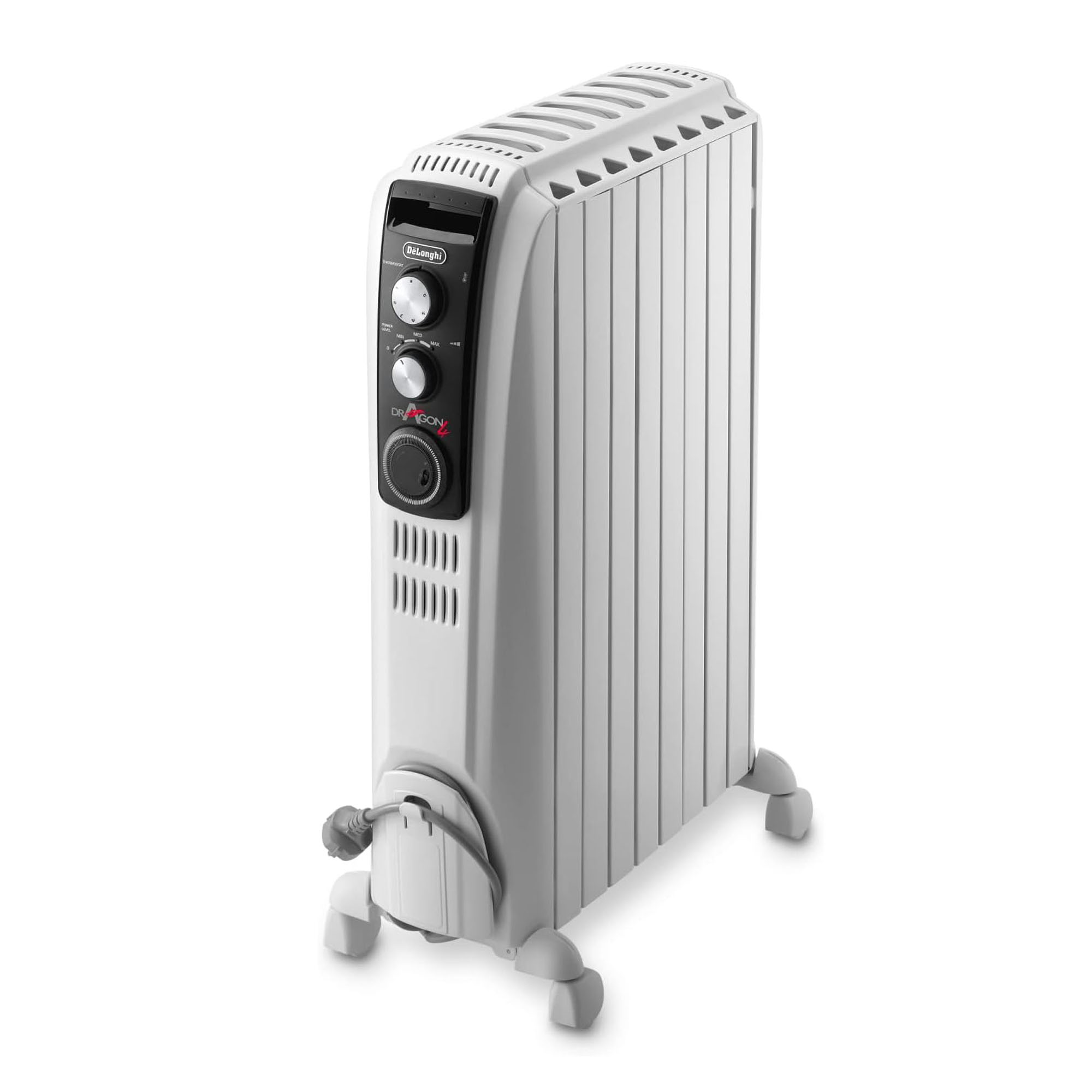
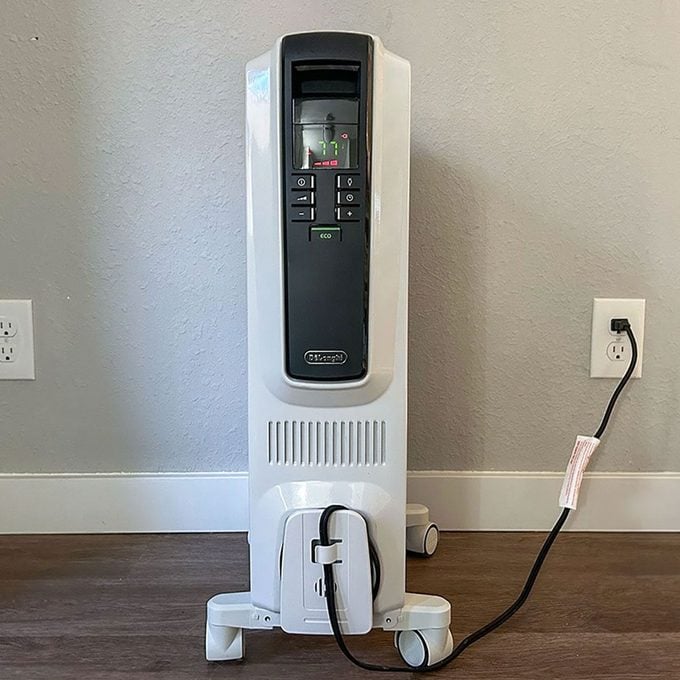
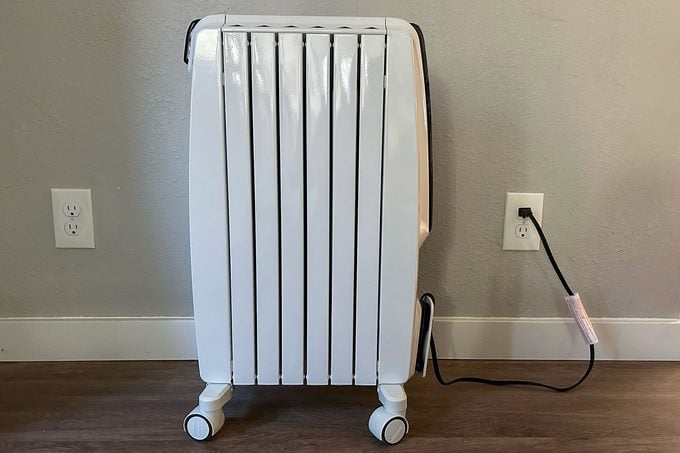
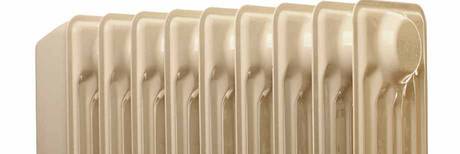
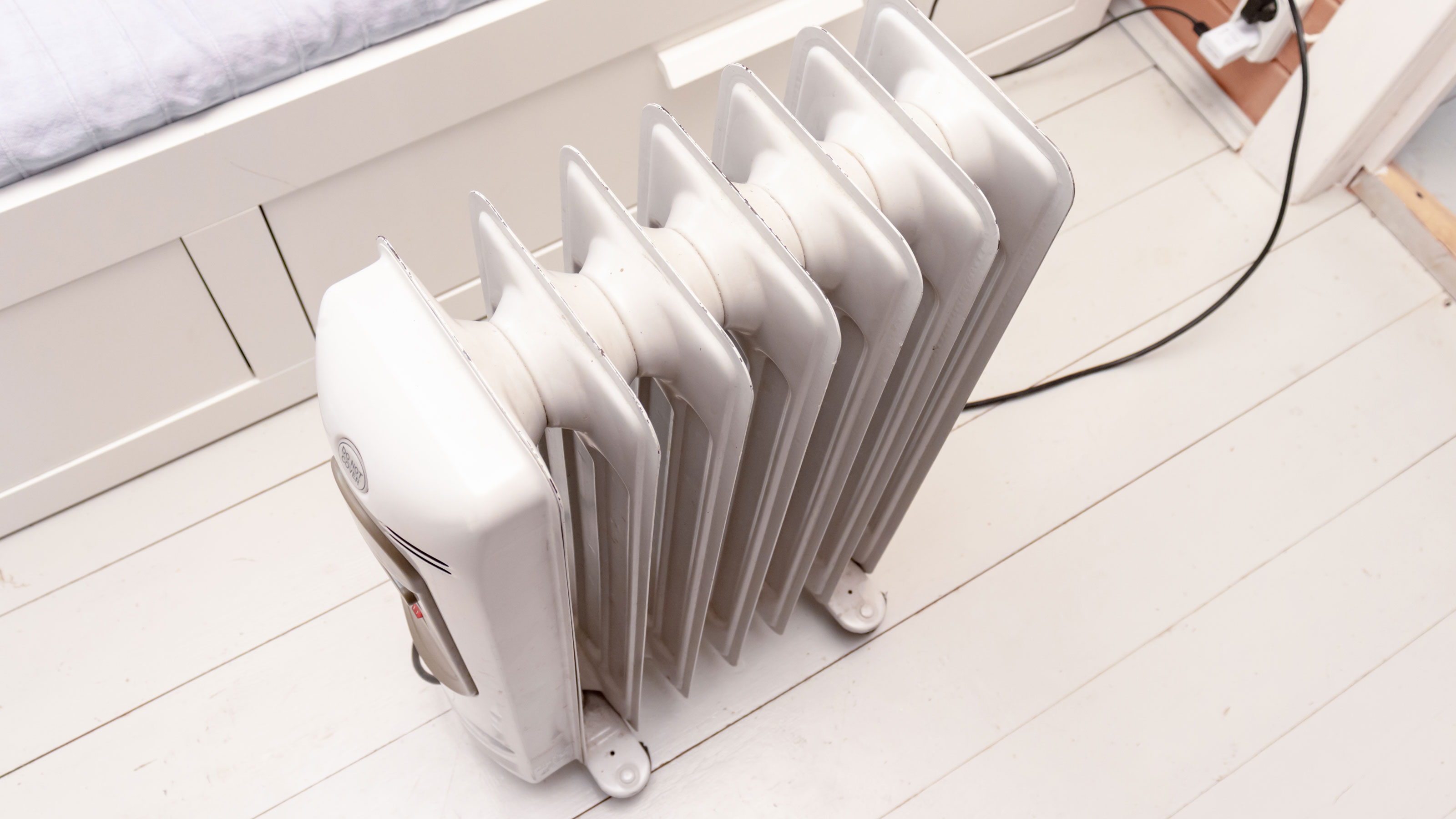
The article addresses concerns about the safety of oil-filled radiators, particularly as temperatures drop and homeowners seek alternative heating methods. It aims to reassure readers that these radiators are generally safe when used correctly and provides expert advice on their proper operation. The primary question of whether oil-filled radiators are dangerous is answered with a reassuring 'no,' provided users adhere to safety guidelines. Experts like Stephen Hankinson from Electric Radiators Direct emphasize that these heaters pose a low risk, do not have exposed heating elements that could ignite nearby items, and produce a less intense heat compared to fan or halogen heaters.
The discussion then delves into the safety of leaving oil-filled radiators on for extended periods, including overnight. Modern oil-filled radiators are equipped with overheat protection, meaning they automatically shut off if they become too hot. Key safety features to look for in a new radiator include a thermostat and a timer, as highlighted by Nicholas Auckland, Heating and Energy Expert at Trade Radiators. If older models lack these features, upgrading to a newer one is recommended. While designed for extended use, continuous operation is not advised, as it can reduce efficiency and wear out components. Experts suggest using timers or thermostats to regulate usage and recommend against leaving them on when away from home or overnight without a timer, both for safety and energy saving.
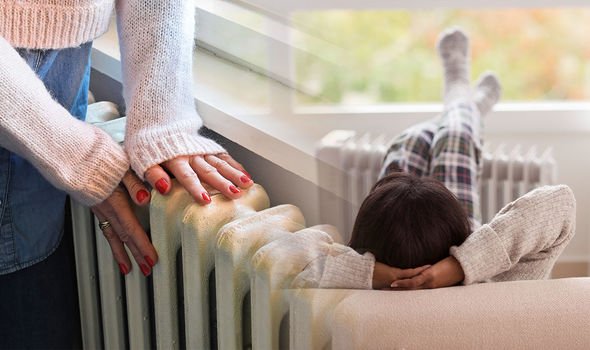
Regarding unattended use, oil-filled radiators are generally considered safer than other electrical radiators to leave unattended. However, caution is still paramount. The article warns against leaving small children or pets unattended in the same room as an operating radiator, as the high surface temperatures could cause burns if touched or if the unit is knocked over.
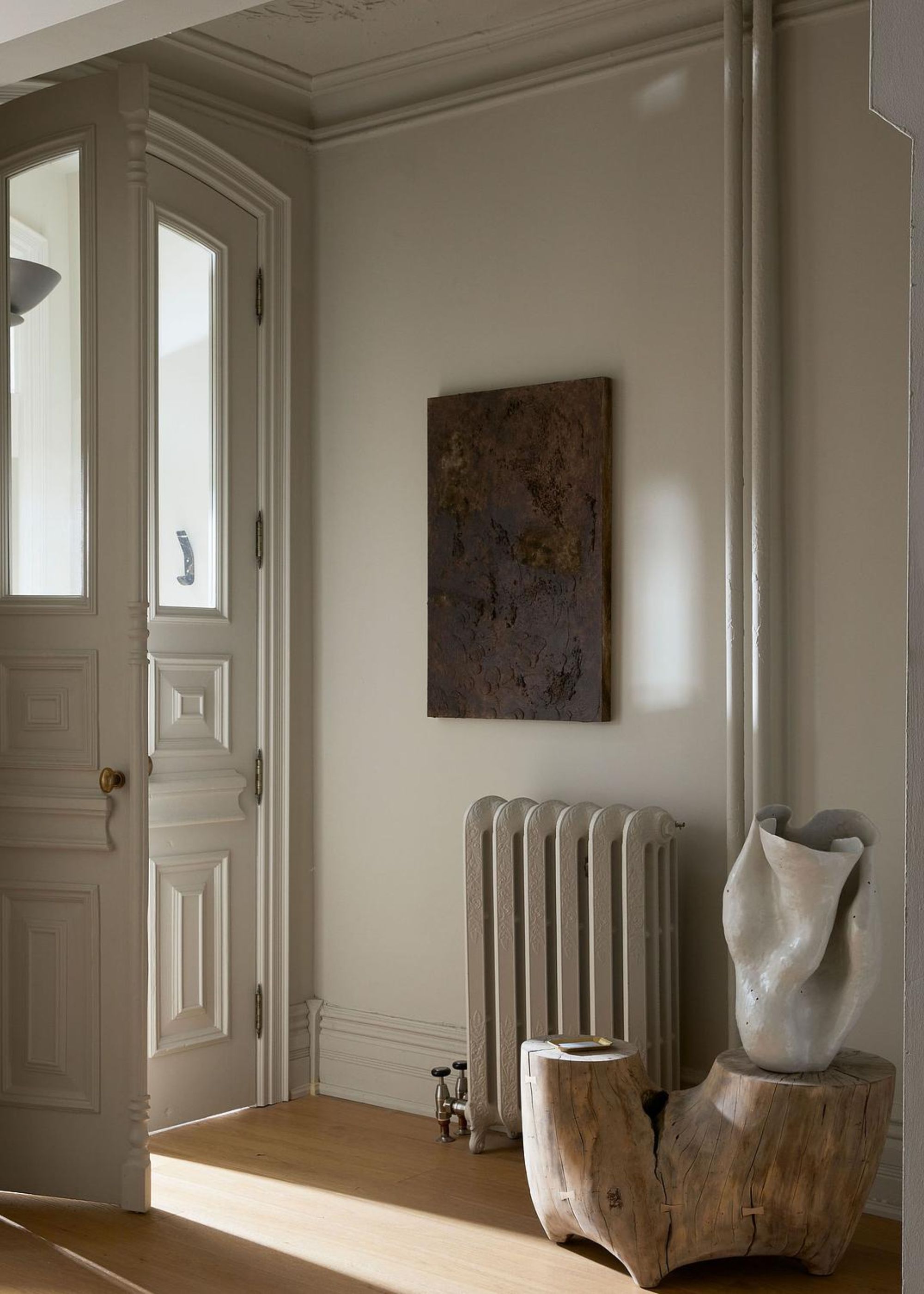
To ensure safe operation, several tips are provided. Radiators should always be placed on a flat, stable surface to prevent tipping. The power cord must be in good condition, free from fraying or damage. Additionally, oil-filled radiators should not be used in the immediate vicinity of water sources such as baths, showers, or swimming pools. The article also addresses fire risk, stating that oil-filled radiators pose a minimal fire risk compared to other electric heaters because they lack exposed heating elements that could spark or ignite dust. Unlike electric fan heaters, which can become a fire risk with blocked ventilation, oil-filled radiators heat similarly to central heating radiators. Despite this, it is crucial to keep them away from flammable materials like curtains, furniture, or clothing and never cover them with clothes. The power cord should be regularly checked for damage, and the appliance should not be used if any visible damage is present. A significant fire hazard mentioned is the use of extension cords, which can cause overheating; therefore, direct plugging into a wall socket is strongly advised.
Finally, the article clarifies that oil-filled radiators are generally safe for health. Modern units do not release fumes or carbon monoxide, making them suitable for indoor use. They offer gentle, radiant heat that does not dry out the air, which can benefit individuals with respiratory concerns. Their quiet operation can also contribute to better sleep and reduced stress, making them ideal for bedrooms or home offices. The only health precaution is to avoid touching the hot surface to prevent burns. Users are also reminded to place radiators sensibly to avoid creating trip hazards.
#OilFilledRadiators #HomeHeating #RadiatorSafety #EnergyEfficiency #WinterWarmth #HomeAppliances #ElectricalSafety #HeatingTips #OilFilledRadiators #HomeHeating #RadiatorSafety #EnergyEfficiency #WinterWarmth #HomeAppliances #ElectricalSafety #HeatingTips
0 comment in total
 No comments yet
You may also like
An oil-filled radiator is a must-have for staying cosy when the temperatures drop – and these are my top-rated models
What Type of Space Heater Is the Safest?

How to clean radiators inside and out – to ensure better efficiency this winter

How do I bleed my radiator? We asked a plumbing expert for their top tips

Experts Urge Homeowners to Avoid This Radiator Mistake That 'Exaggerates' How Well It Will Heat Your Home


This home heating habit could be ruining your sofa

The Ultimate Guide To Warmth: How To Choose The Best Room Heater For Your Home?

Do radiator covers block heat? Experts explain what impact they can have on energy bills
Radiators

Do Radiator Covers Save Energy or Waste It?
Heated Towel Radiators

Choosing a heater

How to make sure your radiator is safe in an NYC apartment

Do Radiator Covers Block Heat? Heating Experts Break It Down
Is your radiator not heating up? Why it happens and how to fix the problem asap

3 home design choices that were increasing my heating bills
Are shelves over radiators a good idea? Our experts share pros, cons and what to consider if you go for it
Our guide to choosing a bathroom radiator - avoid the dreaded post-shower shivers with these rules to follow
How to stop radiators knocking and banging when they turn on - KEY tips
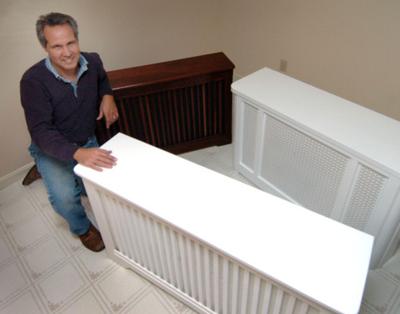
Take cover / Turn your unsightly radiator into a thing of beauty with an enclosure