1/5
How to stop radiators knocking and banging when they turn on - KEY tips
As colder weather approaches and households prepare to activate their central heating systems, a common issue that arises is noisy radiators. This article offers practical advice on diagnosing and resolving knocking, banging, hissing, and gurgling sounds coming from radiators.
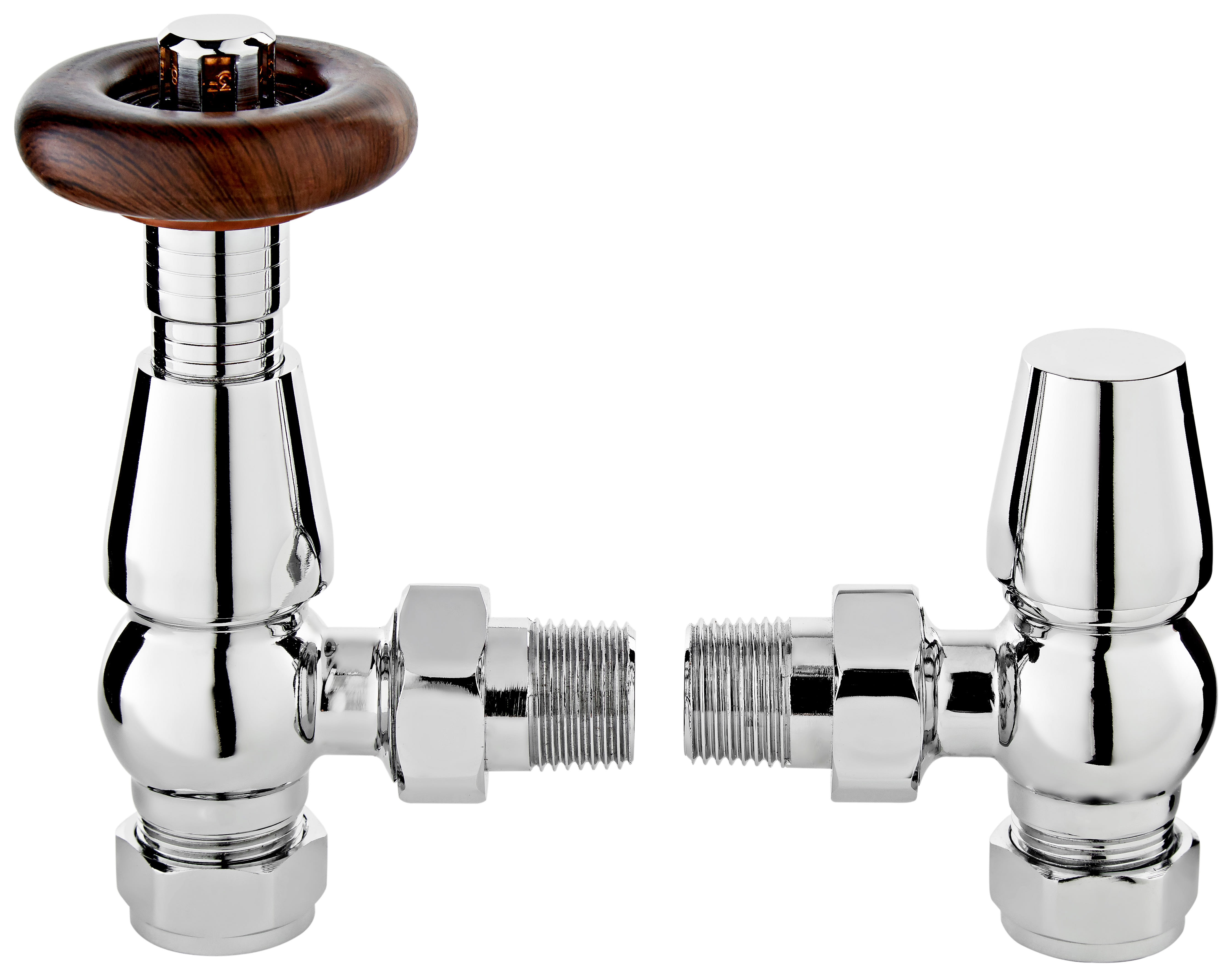
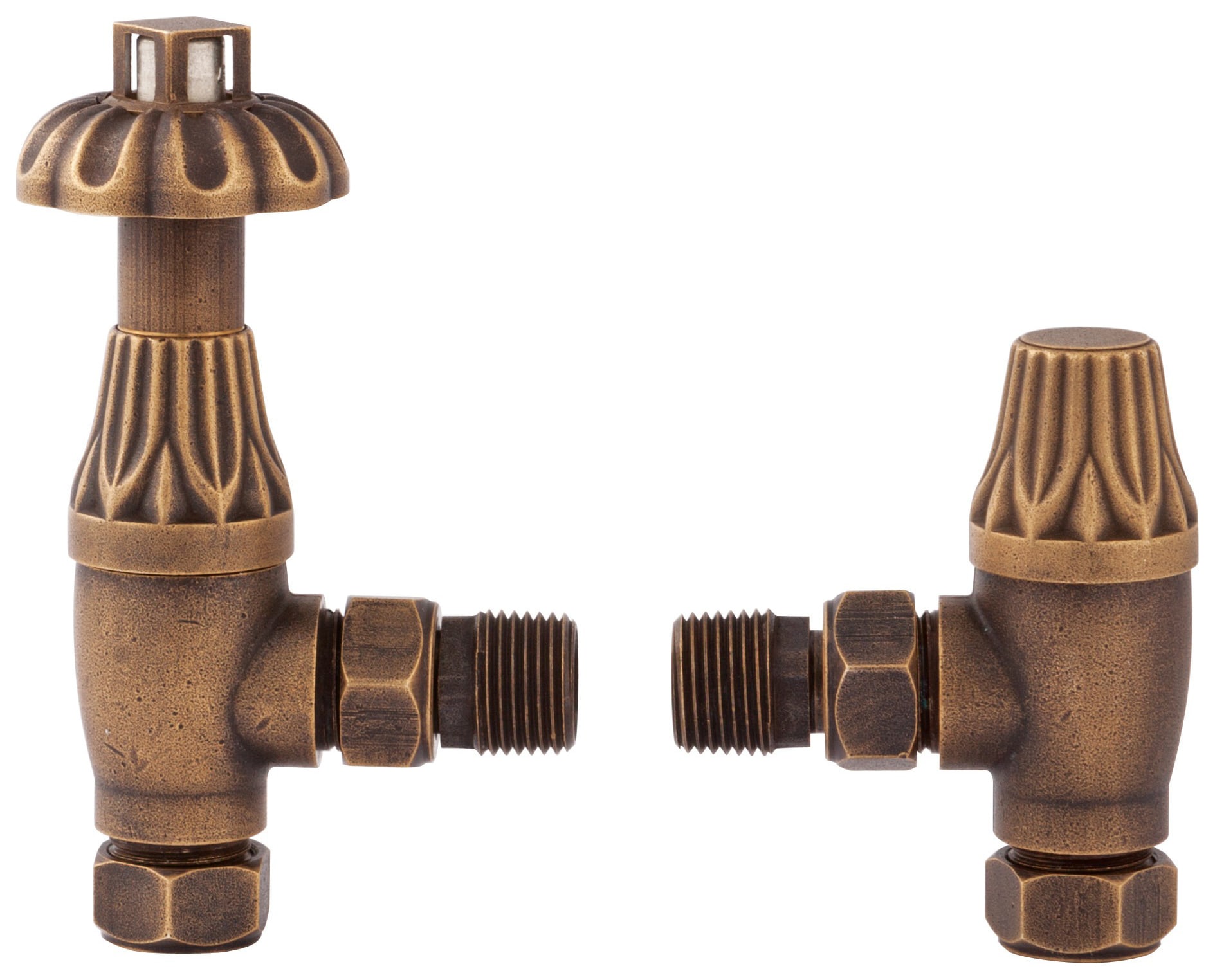
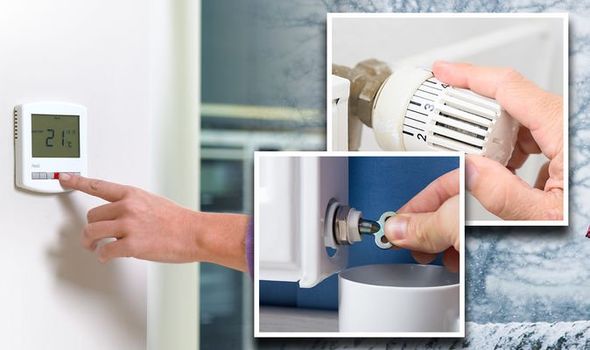
One of the primary causes of a banging radiator is often linked to the shut-off valve. When a valve is leaky or not fully open or closed, it can lead to hot water mixing with cooler water, creating the knocking sound. Modern radiators with thermal controls are particularly susceptible to noise when their valves are not positioned correctly, restricting water flow and preventing proper temperature regulation. A key recommendation to address banging is to ensure all valves are correctly positioned and intact. Additionally, experts suggest slightly tilting one side of the radiator towards the boiler to prevent water from settling, which can contribute to noise.
Hissing sounds typically indicate a faulty air vent, allowing rogue air particles to escape. This issue can often be resolved by simply replacing the air vent. Another cause of hissing is a single-direction thermostatic radiator valve installed incorrectly, causing water to flow in the wrong direction. Users are advised to check the arrow printed on the valve, which should always point in the direction of water flow. Installing an auto bypass valve can help regulate water flow through bypass circuits, ensuring it moves in the correct direction.
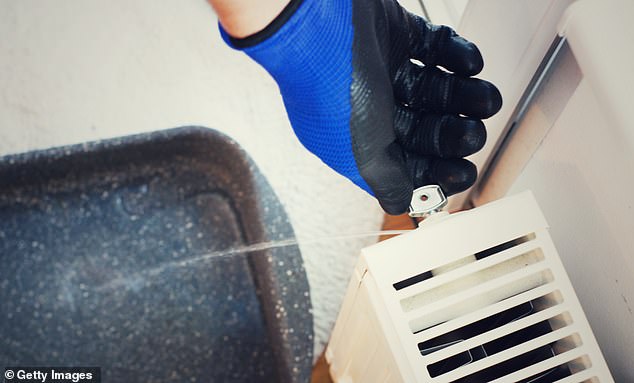
Gurgling noises, on the other hand, usually signify an accumulation of air within the pipes. Bleeding radiators is crucial when turning on the heating system to release trapped air, promoting more even and efficient heat distribution throughout the home and within the radiator itself.
While banging or knocking sounds from a radiator are generally not dangerous, they do signal a minor issue that is often fixable without professional help. Regular maintenance practices, such as bleeding radiators when heating is activated, using the heating for a few hours daily to detect problems early, and regularly checking air vents and valves, are essential. It is also advised to keep furniture away from radiators to prevent damage and ensure all valves are open to balance the system. However, if water is observed escaping from the radiator, it is important to contact a professional to prevent potential damage to the property.
#RadiatorMaintenance #HomeHeating #PlumbingTips #WinterPreparation #HouseholdNuisances #EnergyEfficiency #DIYHomeCare #RadiatorMaintenance #HomeHeating #PlumbingTips #WinterPreparation #HouseholdNuisances #EnergyEfficiency #DIYHomeCare
0 comment in total
 No comments yet
You may also like
Discover the lesser-known hack to power up your struggling radiators

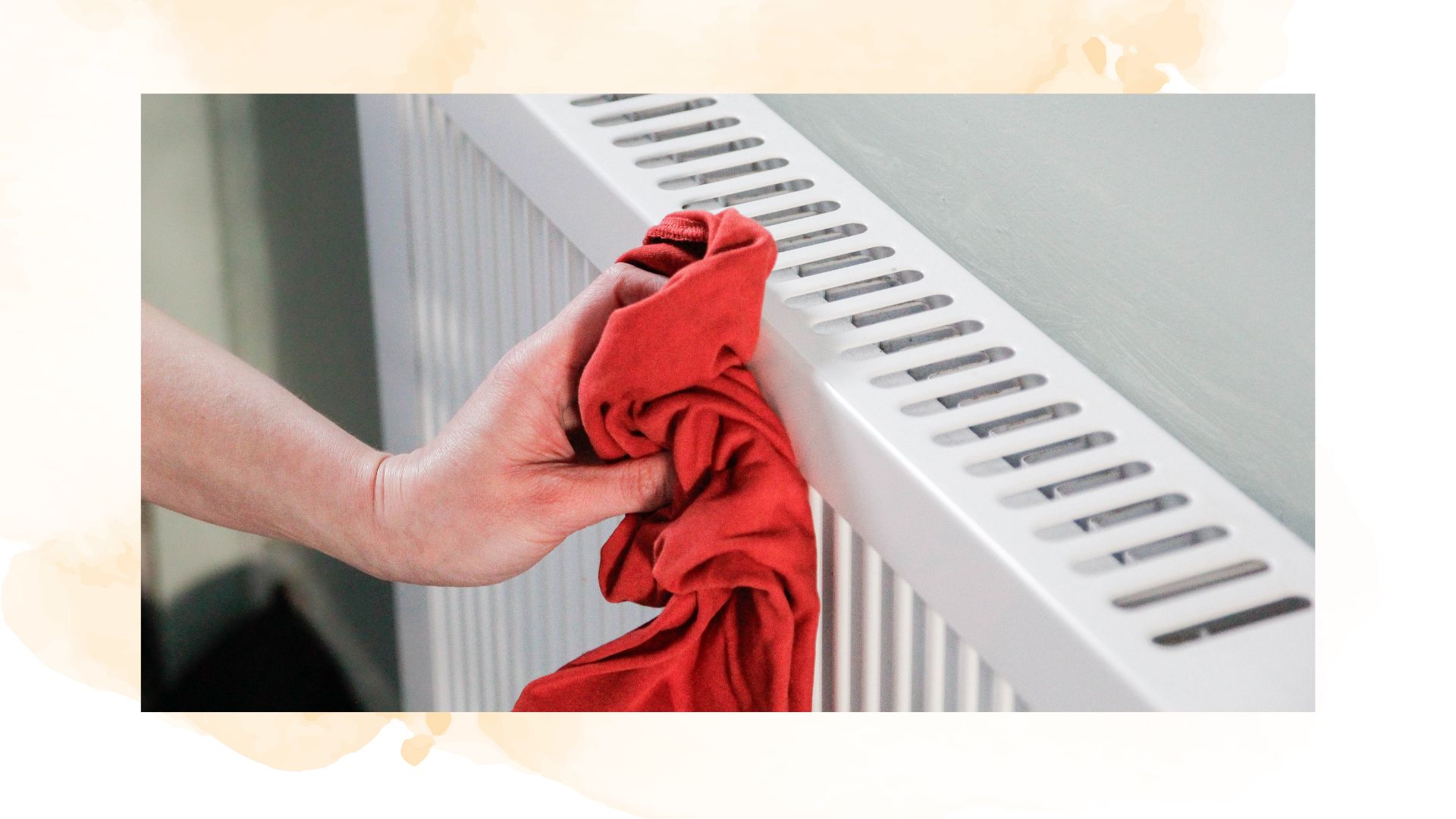
How to clean radiators inside and out – to ensure better efficiency this winter

3 home design choices that were increasing my heating bills
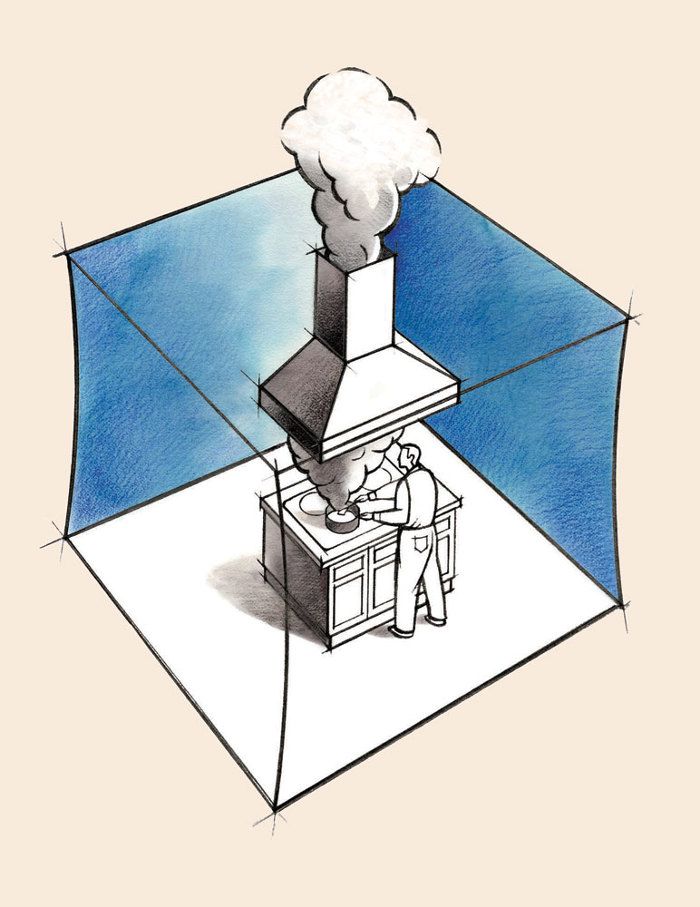
Prevent a Powerful Range Hood From Backdrafting Your Furnace
Is your radiator not heating up? Why it happens and how to fix the problem asap
Our guide to choosing a bathroom radiator - avoid the dreaded post-shower shivers with these rules to follow
How to make sure your radiator is safe in an NYC apartment
Do Radiator Covers Block Heat? Heating Experts Break It Down

Radiators

How do I bleed my radiator? We asked a plumbing expert for their top tips
Are oil-filled radiators dangerous? Experts share their advice for how to use them safely in any room

The best smart radiator valves
How to Fix Your Noisy Radiator Based on the Sound It’s Making

Experts Urge Homeowners to Avoid This Radiator Mistake That 'Exaggerates' How Well It Will Heat Your Home
How to hide a radiator - the expert guide to decorating tricks to help them blend in
5 Ways to Make Radiators Actually Look Good —…


Radiator Valves

6 clever ways to make a radiator look good – there is no excuse for an ugly radiator to sabotage your scheme

Here’s What to Do With the Radiators When You Renovate a Brownstone or Townhouse
How to Live With Radiant-Floor Heat