How to Live With Radiant-Floor Heat
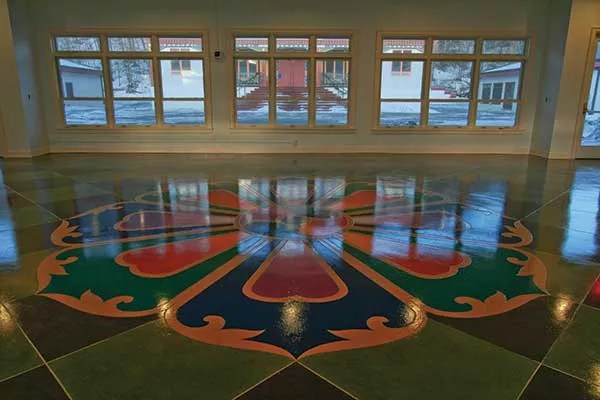
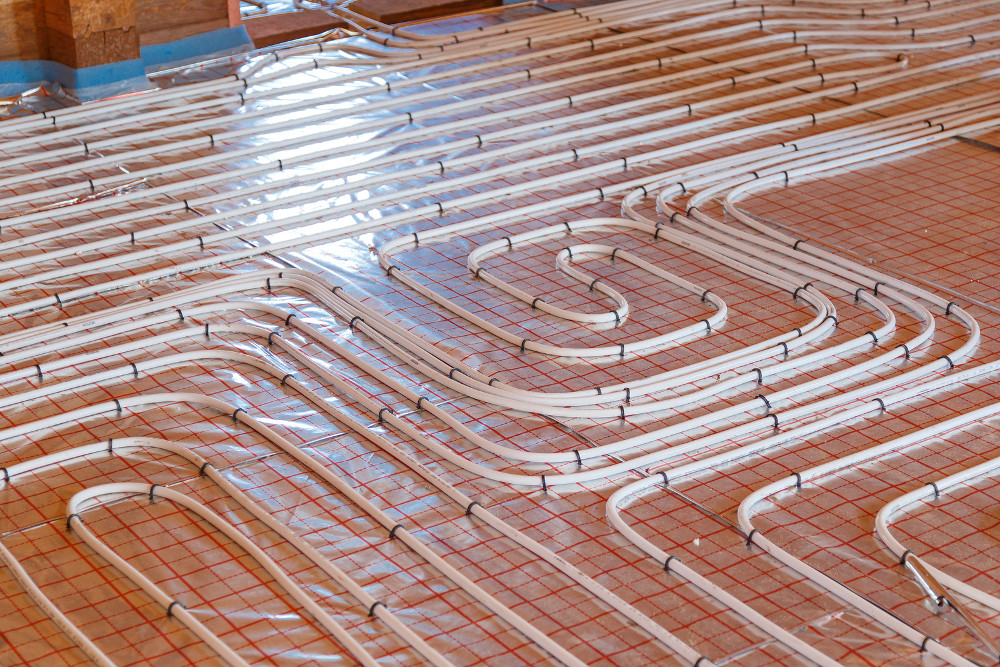
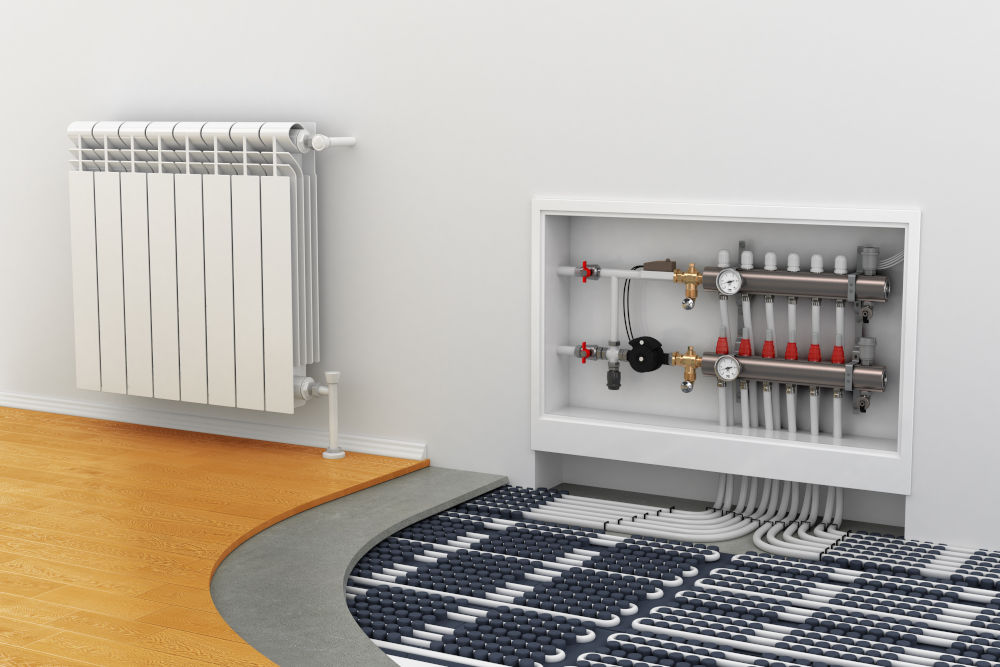
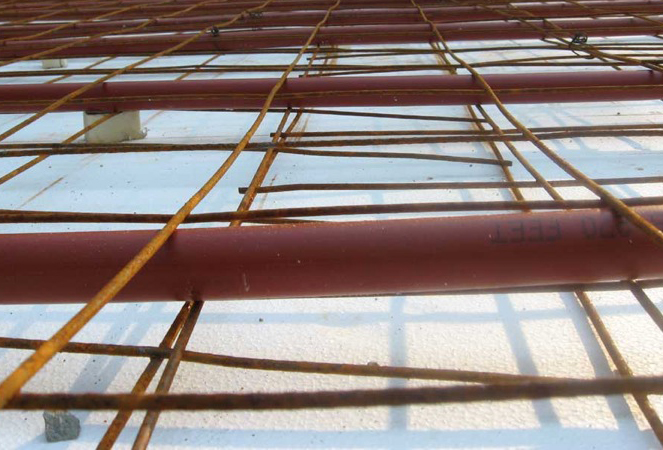
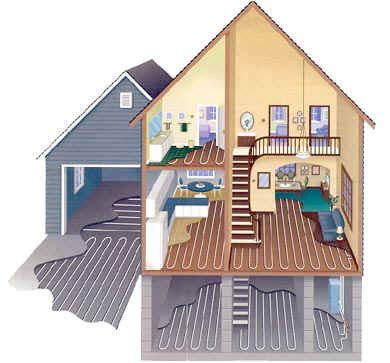
The article discusses the optimal operation of radiant-floor heating systems, particularly focusing on the practice of setting back thermostats at night. Radiant-floor heating, especially when combined with a concrete slab, is known for providing consistent indoor temperatures due to the high thermal mass of concrete, which changes temperature slowly. This characteristic leads to a debate on whether adjusting the thermostat downwards at night, as is common with forced-air systems, is energy-efficient or counterproductive for radiant systems.
One perspective suggests that once the thermal mass of the concrete is heated to a comfortable level, maintaining that temperature requires less energy than allowing it to cool significantly and then reheating it. Proponents of this view advocate for setting a single thermostat temperature and leaving it, emphasizing that consistent operation is key to efficiency and comfort. They argue that the time and energy required to bring a large thermal mass back up to temperature in the morning would negate any savings from a nighttime setback.
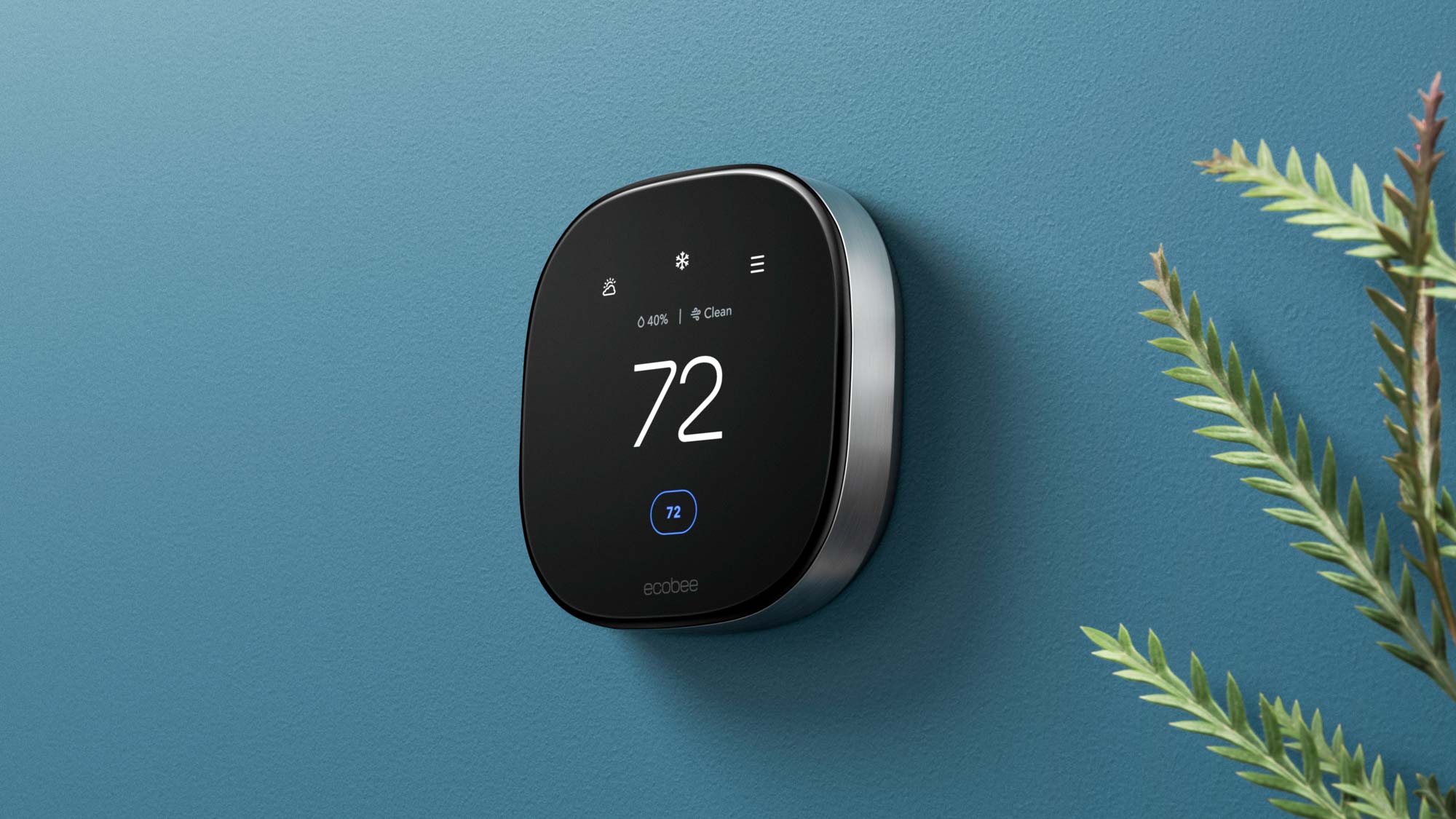
Conversely, some sources, like David Meiland mentioned in the article, believe there might be a benefit to a nighttime setback, sparking discussion among heating professionals and homeowners. The consensus, however, often leans towards maintaining a steady temperature for systems with high thermal mass, drawing an analogy to car mileage: constant starting and stopping (temperature fluctuations) are less efficient than steady cruising (consistent temperature).
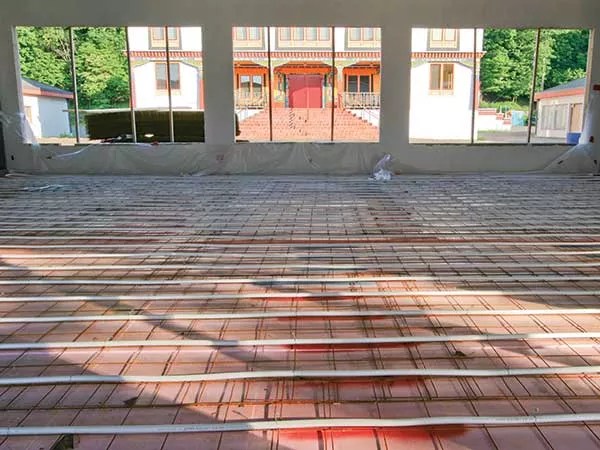
The discussion also introduces the concept of thermal mass in radiant heating systems. Systems with high thermal mass, such as those integrated with concrete slabs, are slow to respond to temperature changes. In contrast, low thermal mass systems, like pre-fabricated plywood products with aluminum, respond more quickly, making them potentially more suitable for thermostat setbacks. For high thermal mass systems, the objective is to avoid significant temperature drops to prevent the need for extensive reheating cycles.
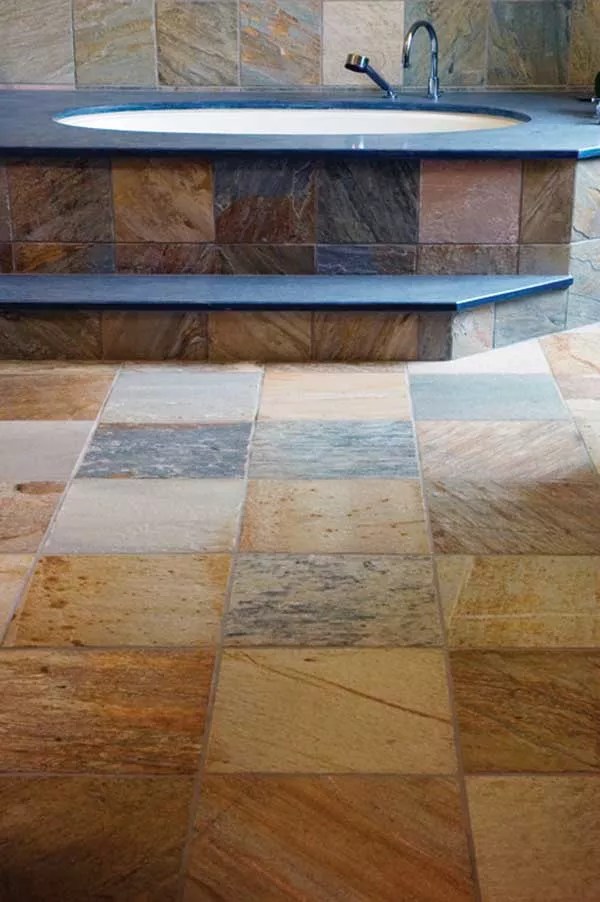
Experiences shared by individuals with radiant-floor heating systems highlight the desire for continuous comfort, especially avoiding cold floors in the morning. While programming for pre-heating is possible, the inherent lag time of radiant systems with high thermal mass makes frequent adjustments less practical. Even in super-insulated homes, tile floors may feel cool, but not cold, if the floor temperature is kept only a few degrees above the target air temperature to prevent overheating. The article ultimately points to the Green Building Advisor for a more in-depth Q&A; on this topic, indicating a nuanced debate within the industry.
#RadiantFloorHeat #HomeHeating #EnergyEfficiency #ThermalMass #HVACSystems #HomeComfort #GreenBuilding #ThermostatSettings #RadiantFloorHeat #HomeHeating #EnergyEfficiency #ThermalMass #HVACSystems #HomeComfort #GreenBuilding #ThermostatSettings
0 comment in total
 No comments yet
You may also like
Radiant Heating
3 reasons I regret not putting underfloor heating in my home office – it’s definitely moving up my priority list

Why is my upstairs always hot even with AC on? Experts reveal why and how to fix it

Installing Electric Radiant-Floor Heating Will Have You Staying Warm All Winter

How to keep a top-floor apartment cool in summer

10 tips for using underfloor heating in a bathroom
Radiant Floor Heating: Can One Floor Heat Two Stories?
How to keep your mudroom warm – 5 expert-recommended tips

How to warm up your first floor – 7 expert tricks to hold heat downstairs for a cozy winter
Are Heated Floors Worth It? 2 Real Estate Pros Weigh In
How to make a conservatory warmer - ways to heat and insulate for all-year round use
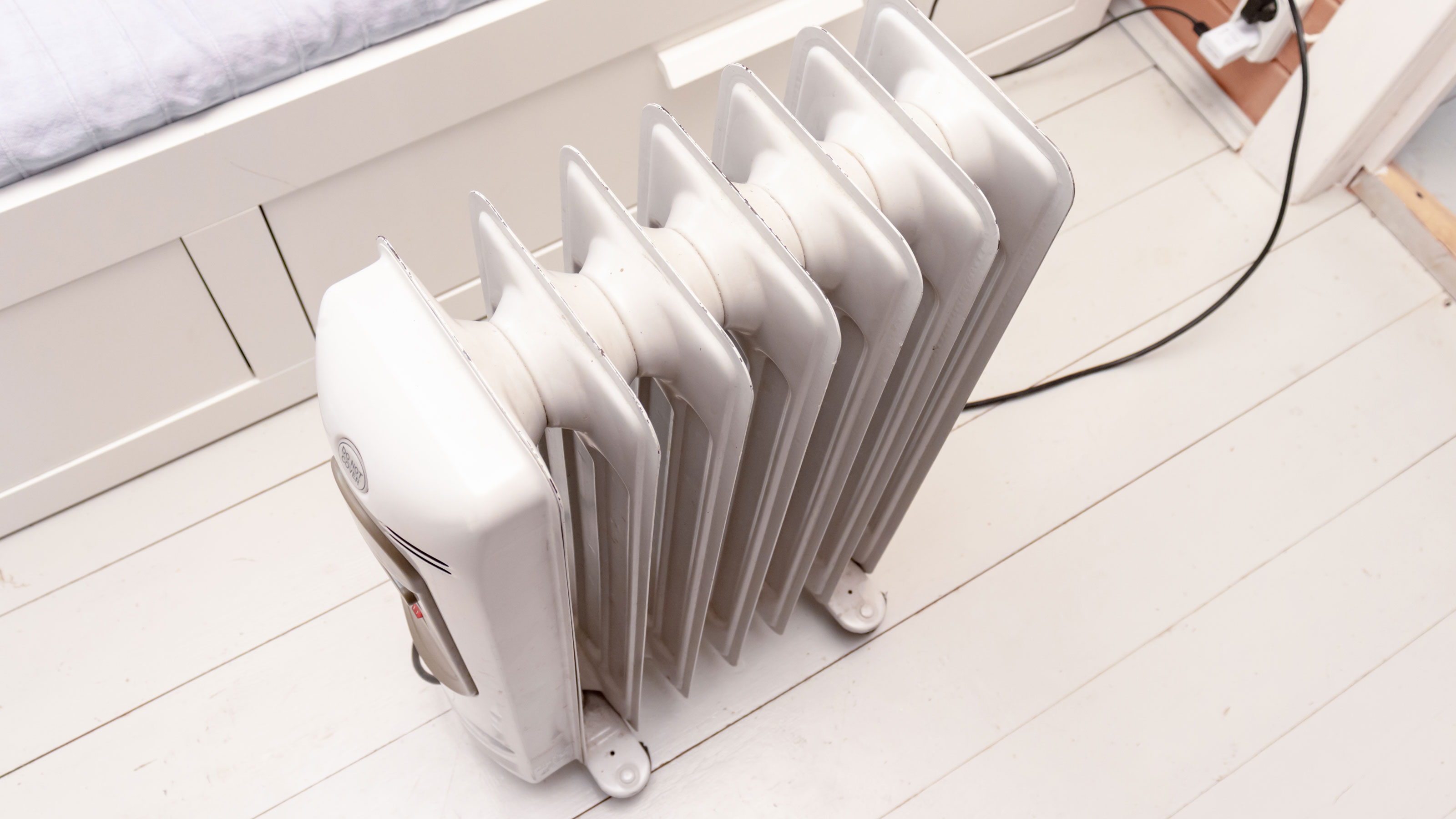
Are oil-filled radiators dangerous? Experts share their advice for how to use them safely in any room

What’s radiant floor heating? How to heat your home from your feet up

Radiators

I used to struggle to keep my open plan layout warm in winter — but these 4 methods now keep it cosy all day long

Ceiling Fans—A Stylish Way to (Literally) Beat the Heat

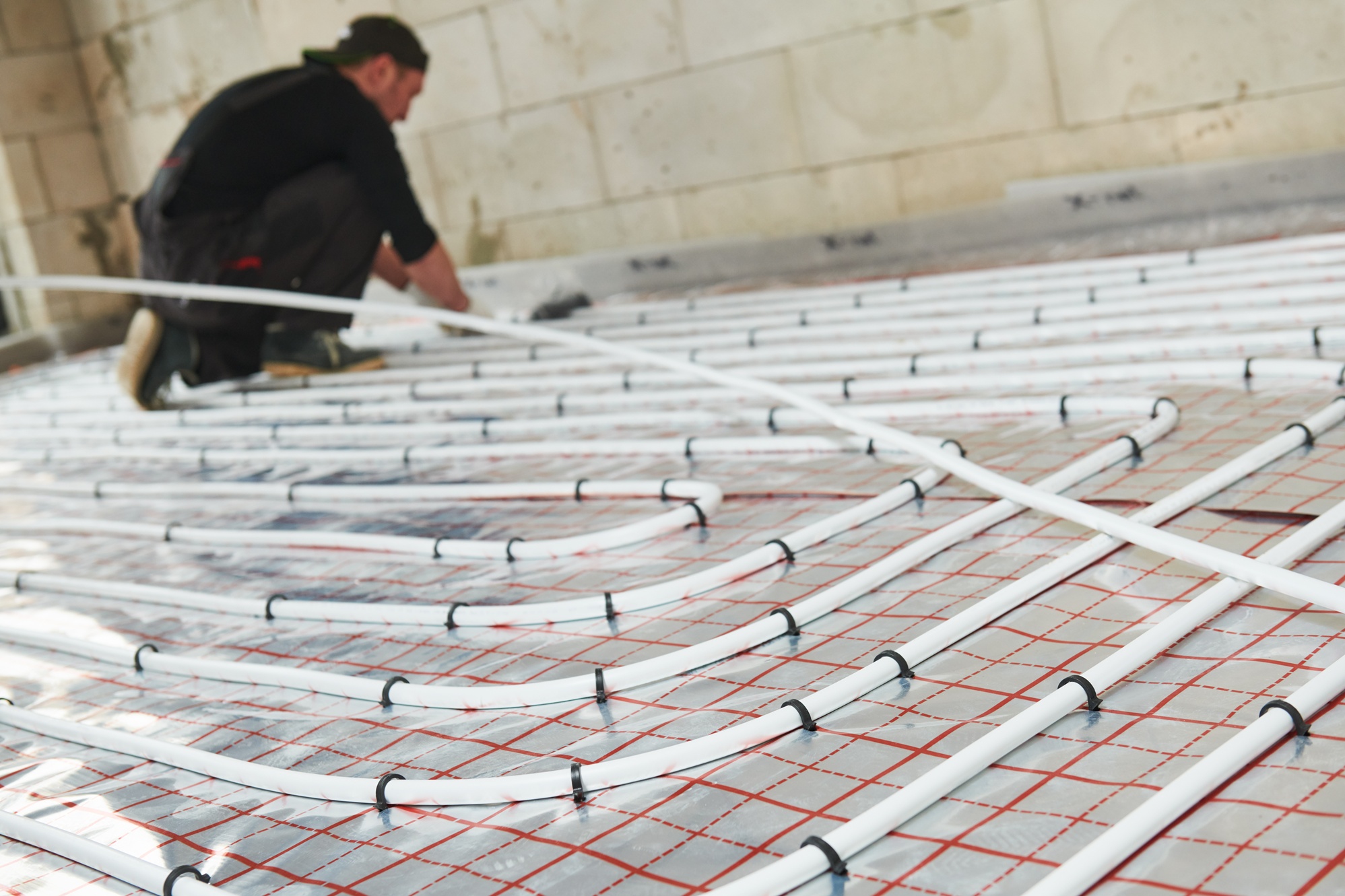
How Radiant Heat Can Transform Your Home for the Better With Barron Heating, AC, Electrical & Plumbing

Why electric underfloor heating is gaining popularity in high-end interiors in 2025


Building with High Thermal Mass in a Hot, Humid Climate

What to know before you spring for radiant heat floors