
1/9
Why is my upstairs always hot even with AC on? Experts reveal why and how to fix it
Even with the air conditioning running, many homeowners experience significantly warmer temperatures on their upper floors, especially during summer. This phenomenon is not merely due to heat rising, but is a result of a combination of factors that create a distinct "climate zone" on the second floor. HVAC experts explain that the upper level of a home is more exposed to solar radiation, radiating heat inward through the roof and walls, and often suffers from poorer airflow compared to lower levels. This means that a single-thermostat HVAC strategy treating the entire home uniformly can be ineffective.
Several key issues contribute to this problem. Firstly, the HVAC system has to work harder to push cool air upwards. Beyond this, factors like inadequate insulation, sun-exposed windows, and inefficient airflow or compromised ductwork can exacerbate the issue, making the second floor feel considerably hotter. An oversized HVAC system can also contribute, as it might cool the first floor too rapidly and shut off before the second floor has sufficiently cooled, leading to uneven temperature distribution.
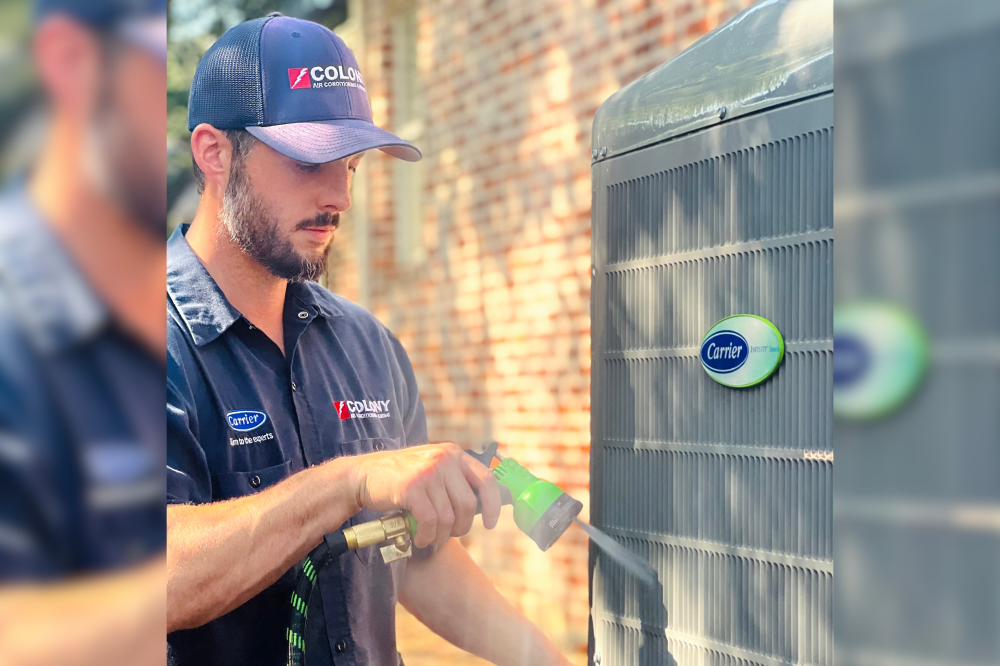
Fortunately, there are actionable steps homeowners can take to mitigate this problem. Regular maintenance of the HVAC system is crucial. This includes changing air filters every one to two months during peak cooling seasons and scheduling annual professional tune-ups. Clogged filters or dirty evaporator coils restrict airflow, making the system less efficient and particularly impacting upper levels.
Another significant solution involves implementing an HVAC zoning system. This divides the home into multiple temperature-controlled zones, each with its own thermostat. Dampers within the ductwork control airflow to these zones, allowing for customized temperature settings. Given that hot air rises, varying airflow and temperature requirements for different floors make zoning a highly effective strategy. Consulting an HVAC professional for a Manual J and Manual D analysis can help determine the specific cooling needs of each room and how to adjust ductwork accordingly.
Faulty or leaky ductwork is another common culprit. Ducts are responsible for distributing cool air throughout the home, and if they are old or damaged, the HVAC system struggles to deliver air efficiently to all areas. Repairs or upgrades to ductwork can ensure proper cool air distribution to the second floor. Improving attic insulation is also vital. An under-insulated attic provides an insufficient buffer against solar heat, allowing it to penetrate the upper living spaces. Adding adequate insulation can significantly reduce upstairs temperatures and potentially lower energy bills.
Finally, simple interventions such as blocking heat from windows can make a substantial difference. Using blackout curtains, solar shades, or reflective film on upstairs windows can prevent sunlight from entering and heating rooms. Closing upstairs doors during the day helps trap cool air, which can then be released at night as temperatures drop. These measures collectively address the various reasons why upper floors tend to be warmer, helping to create a more uniformly cool and comfortable home environment.
#HVAC #HomeCooling #AirConditioning #HomeMaintenance #EnergyEfficiency #SmartHome #Insulation #Ductwork #TemperatureControl #HVAC #HomeCooling #AirConditioning #HomeMaintenance #EnergyEfficiency #SmartHome #Insulation #Ductwork #TemperatureControl
0 comment in total
 No comments yet
You may also like

How to keep a top-floor apartment cool in summer

Our Favorite ACs Keep You Cool Quietly and Efficiently
How to Live With Radiant-Floor Heat


How to get the most life out of your AC and Heating system
How to keep your mudroom warm – 5 expert-recommended tips

Stay cool this summer with ceiling fans


Sick of the heat? Here's how to keep your home cool, heatwave or not, if you don't have AC
Should We Keep Ceiling Fan On While Using AC? Let’s Find Out

Are Your Return Air Vents Facing the Wrong Way? They Could Be Making Your Home Hotter

Is Your First Floor Always Cold? 8 Easy Fixes That Work, According to HVAC Pros


Homeowner reveals how your ceiling fan could keep you warmer in the winter: 'No wonder my room was so hot during the summer'

Ceiling fans can help cool rooms during summer | Home and Garden | Life

The Fan Mistake You’re Making That’s Making Your House Hotter
You Should Turn on Your Ceiling Fan Every Time You Use Your AC | Reviews by Wirecutter