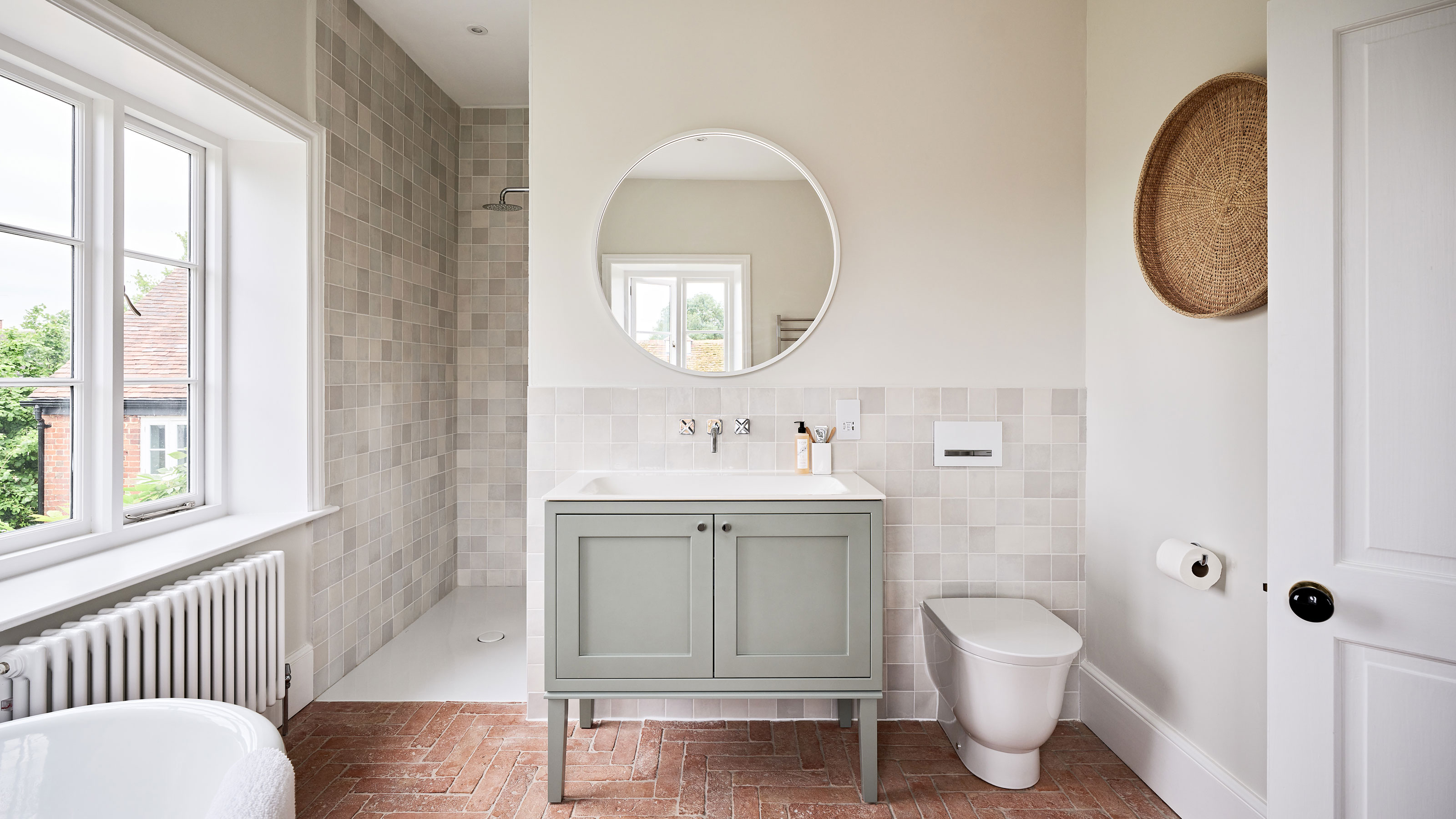
1/10
Our guide to choosing a bathroom radiator - avoid the dreaded post-shower shivers with these rules to follow
This article offers comprehensive guidance on selecting the appropriate radiator for a bathroom, addressing common oversights in bathroom renovation, particularly concerning heating. It highlights the importance of ensuring the bathroom remains warm and towels dry throughout the year, citing personal experience with an old cottage that remains chilly even in summer. The author, Natasha Brinsmead, reached out to experts for advice to prevent common heating mistakes in bathrooms.
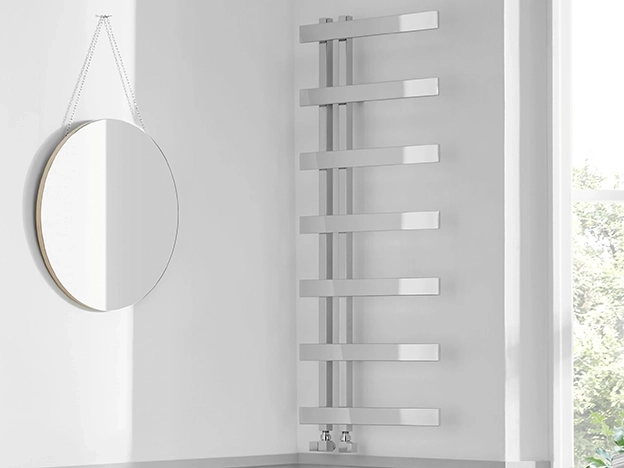
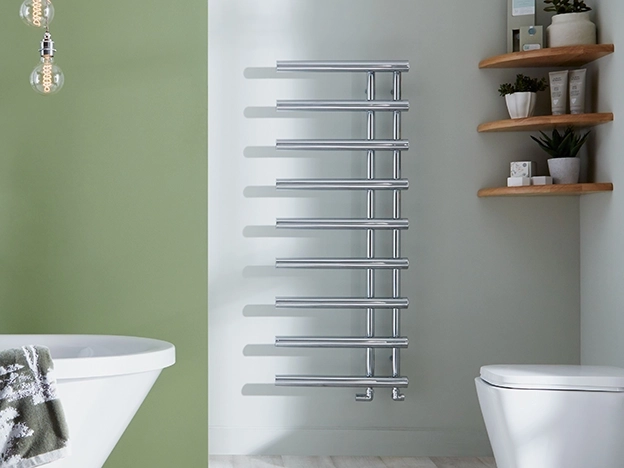
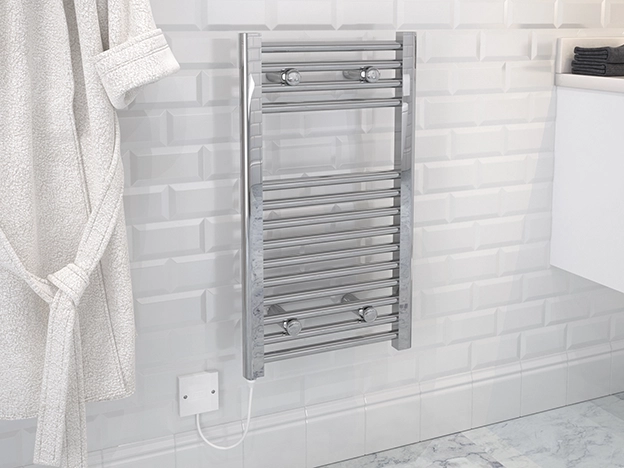
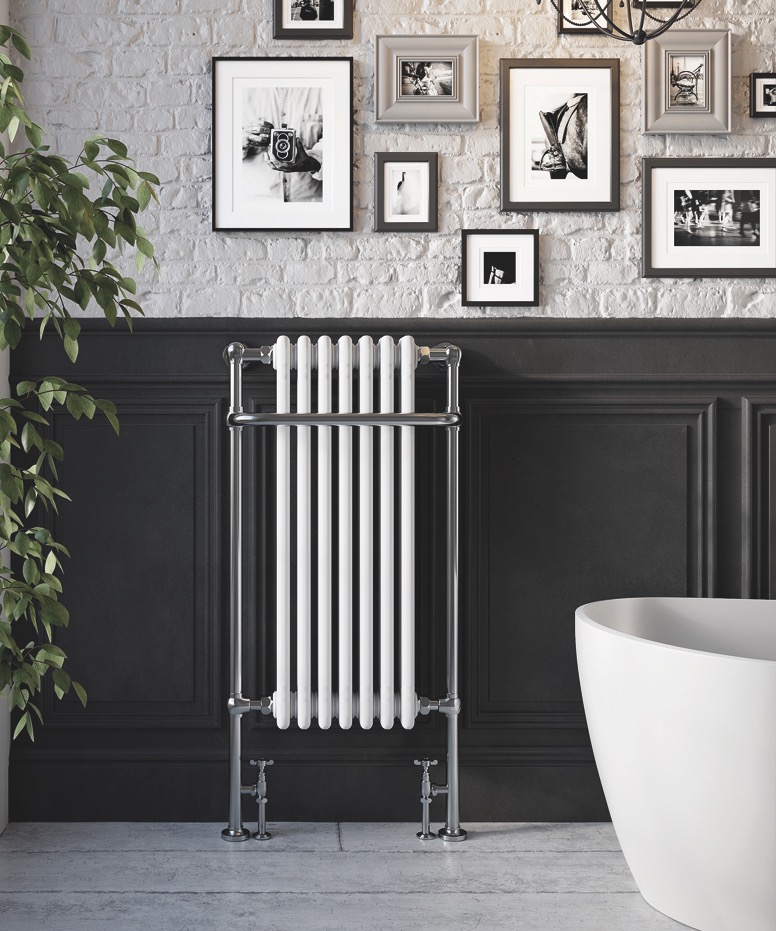
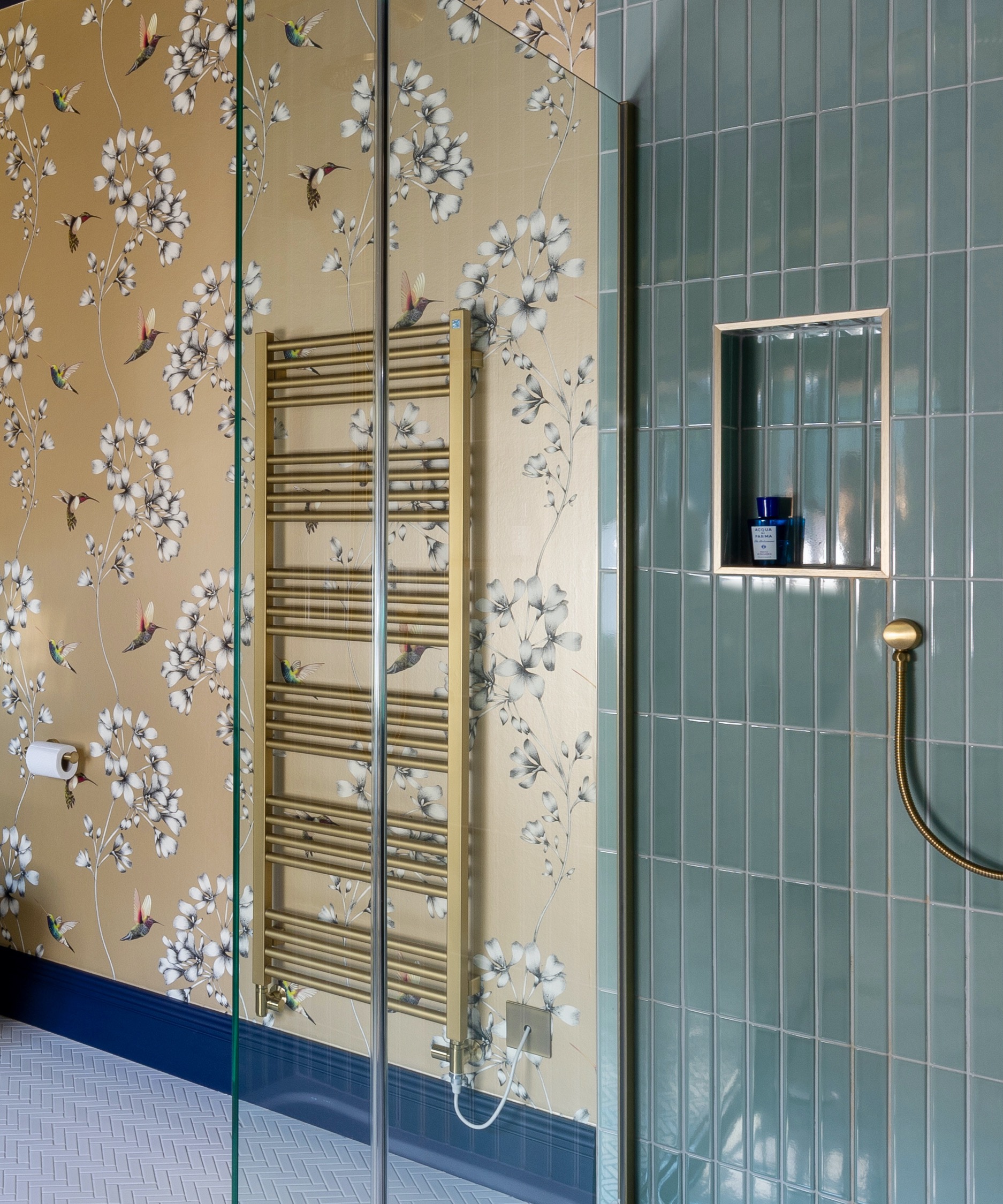
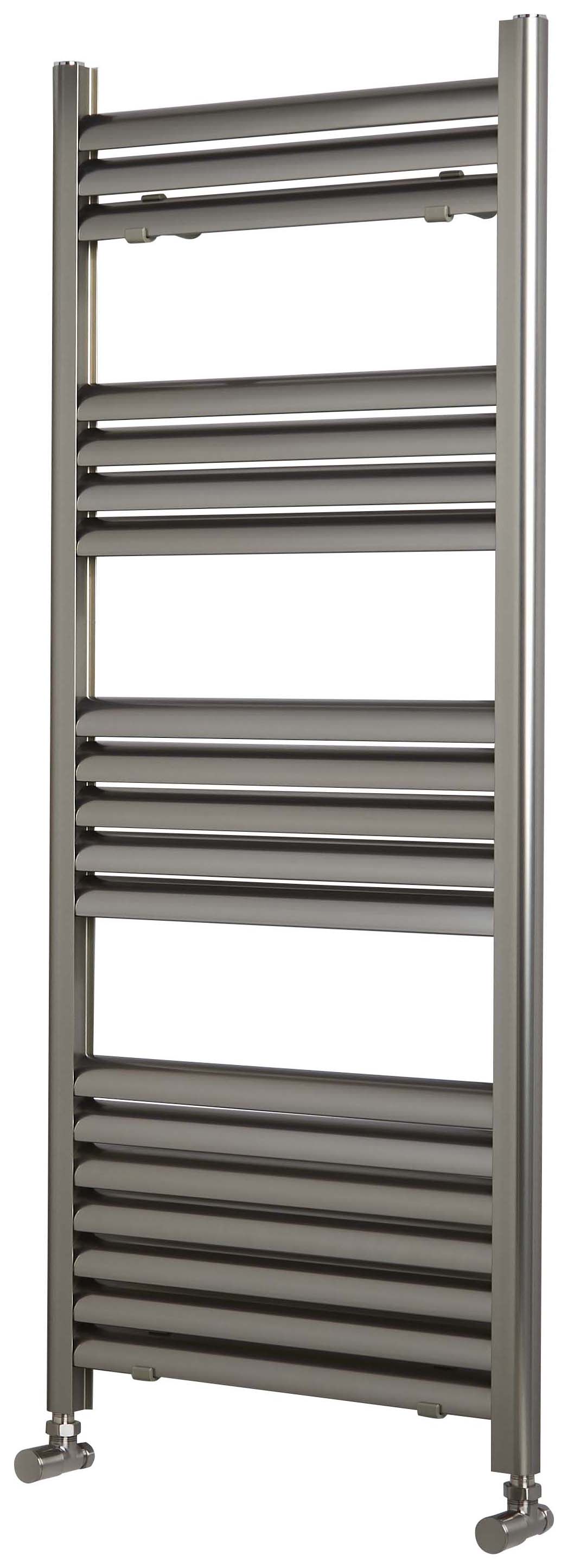
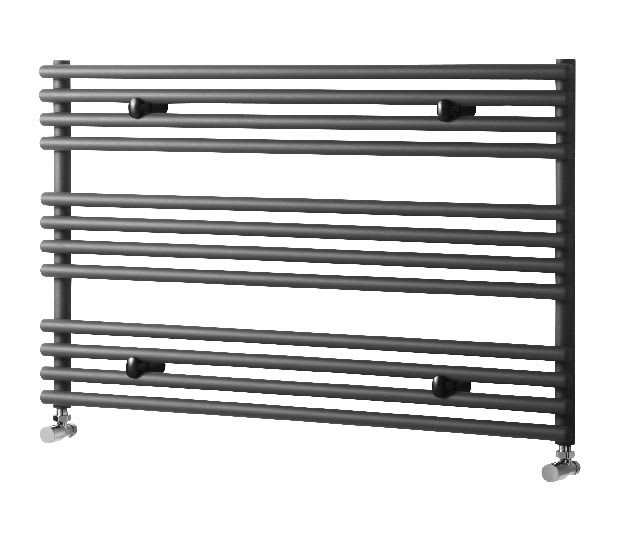
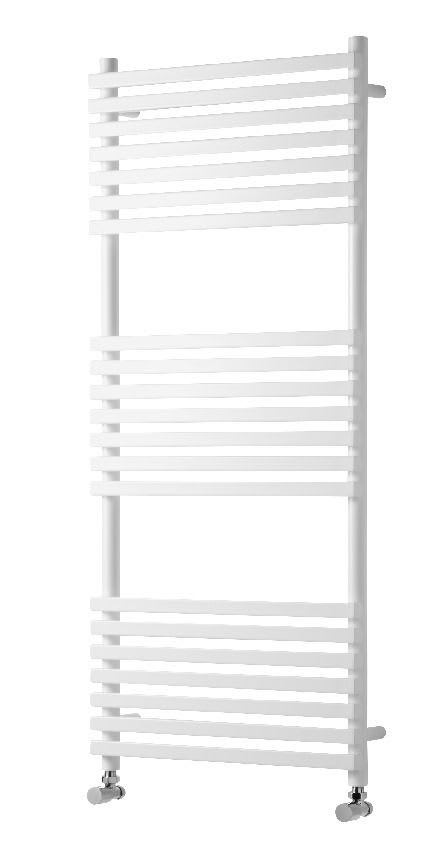
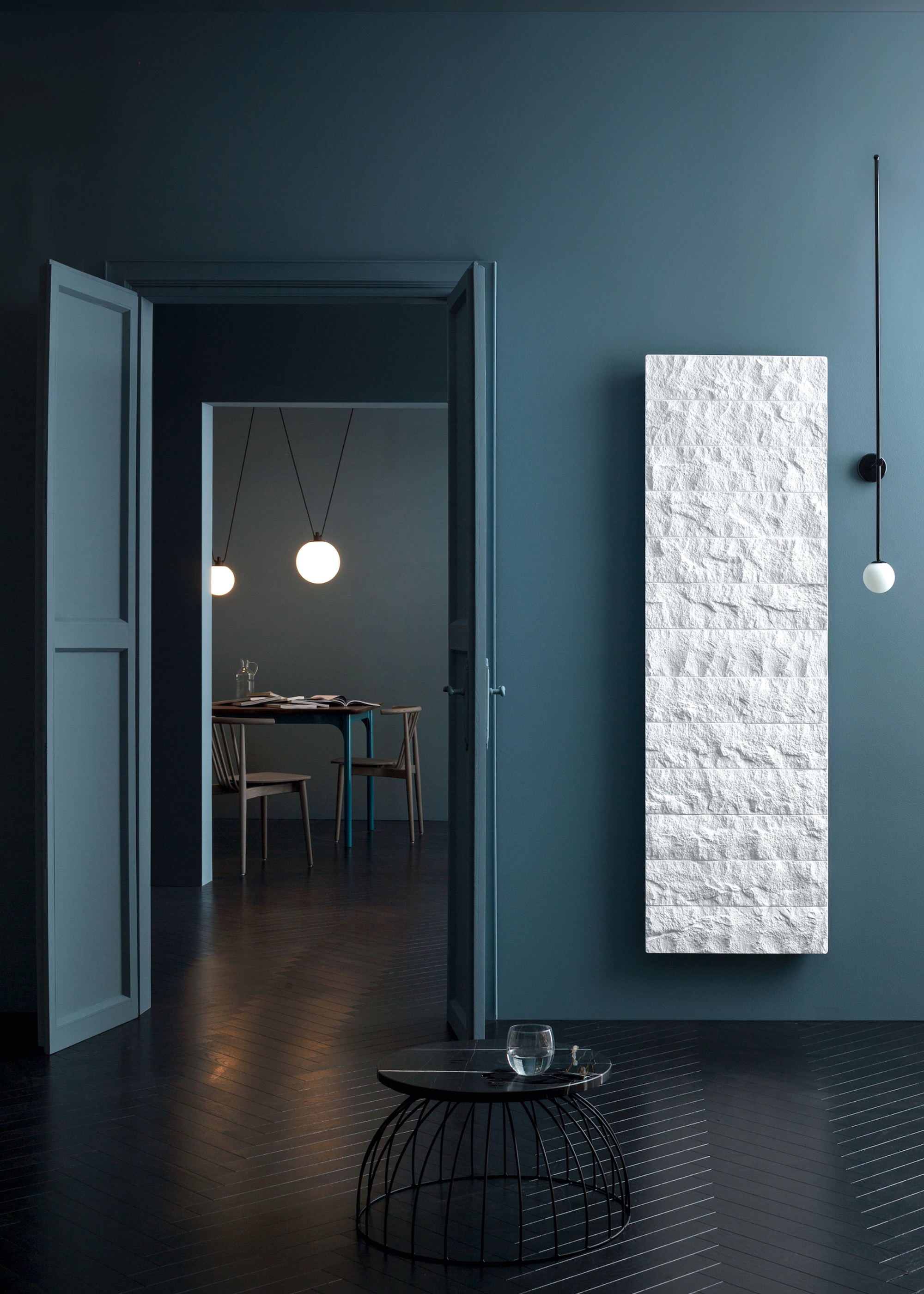
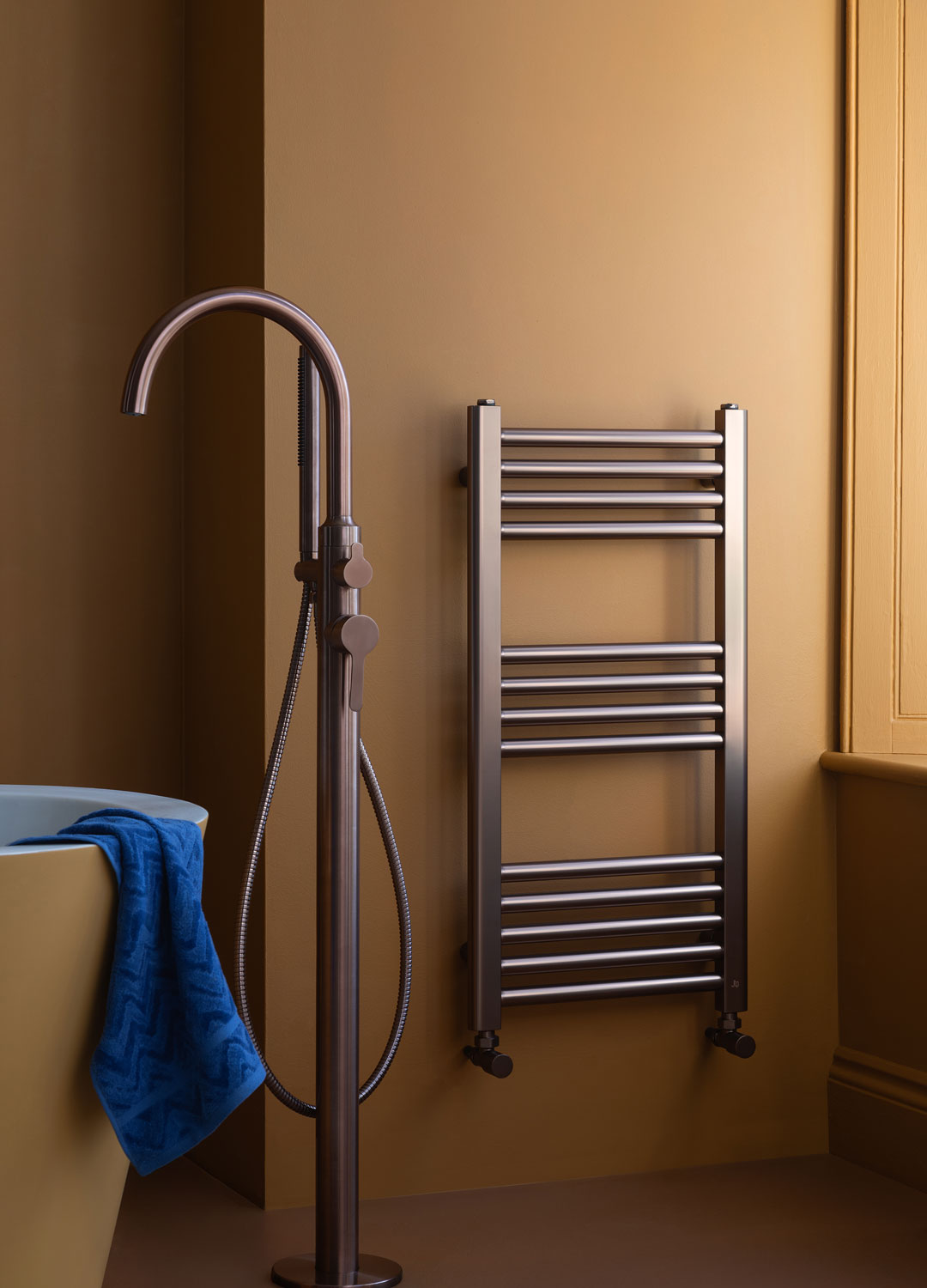
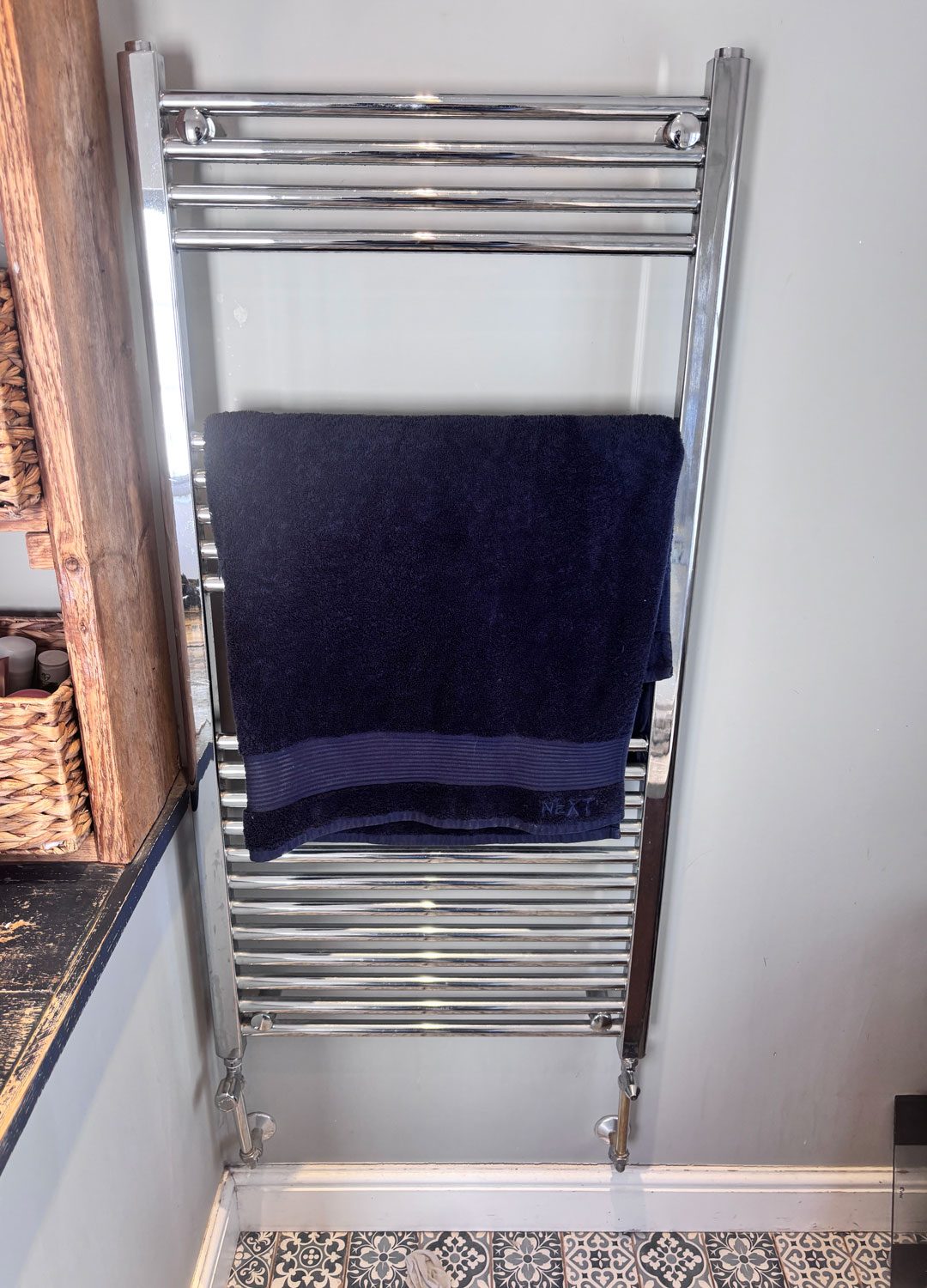
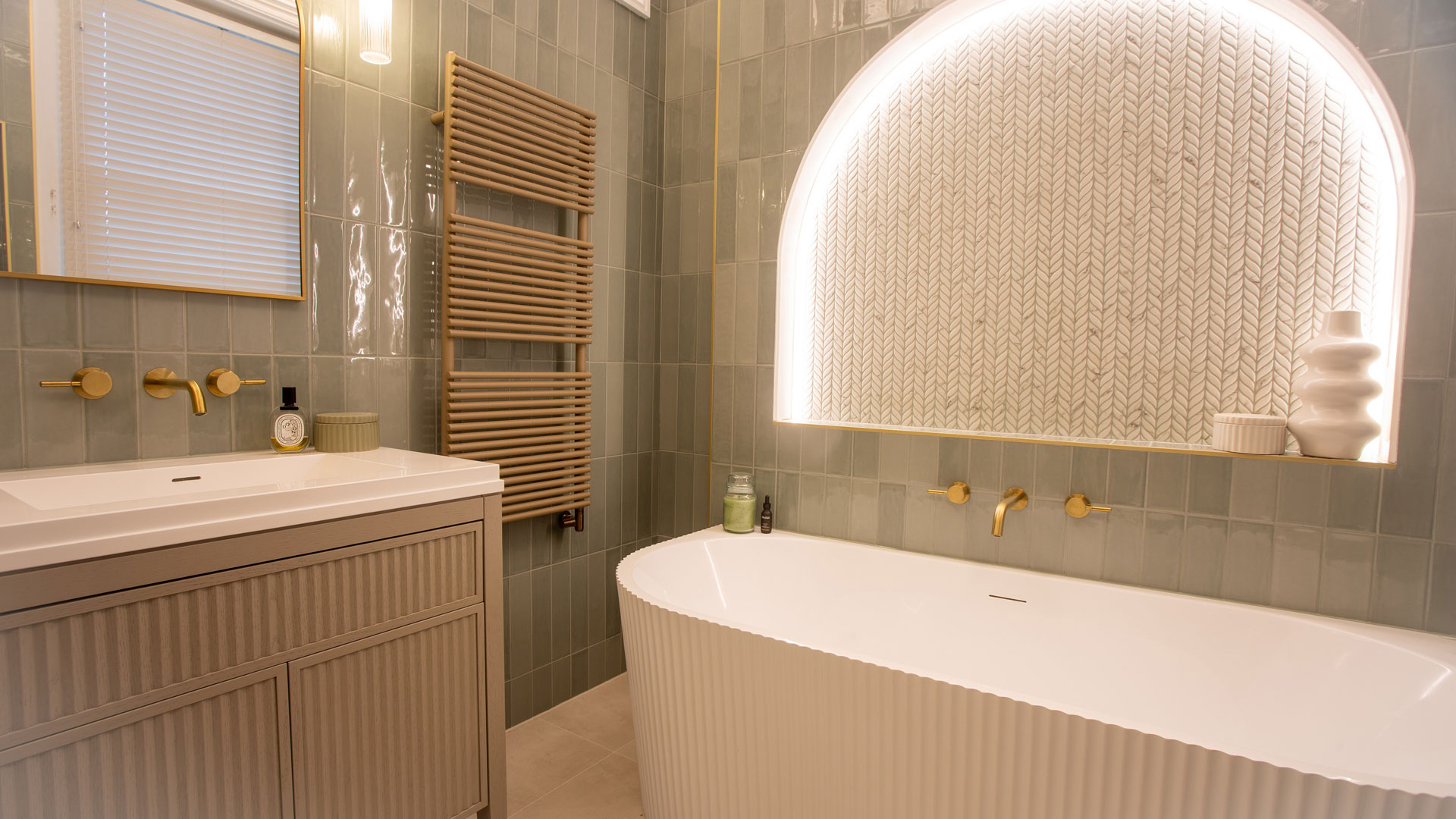
The article delves into the debate between a heated towel rail and a traditional radiator for bathroom heating. While heated towel rails are generally recommended for their ability to warm and dry towels, they may not be as effective at heating the entire room, especially if covered with damp towels. Traditional radiators, conversely, are better at overall room heating. Experts suggest that designs separating towels from the radiator section are more efficient for room heating. The article also provides examples of different types of towel radiators, including electric, plumbed, and dual-fuel models, detailing their respective features and costs.
A critical aspect discussed is determining the correct radiator size, crucial for maintaining optimal temperature without making the room too hot or cold. Room size, insulation, and layout are key factors, with well-insulated large bathrooms potentially requiring smaller radiators than compact, poorly insulated ones. The article cautions against relying solely on simplistic online BTU calculators and advises consulting a heating engineer for accurate calculations, or using advanced online tools like Radsizer. If an exact BTU match isn't found, it is recommended to opt for the next size up.
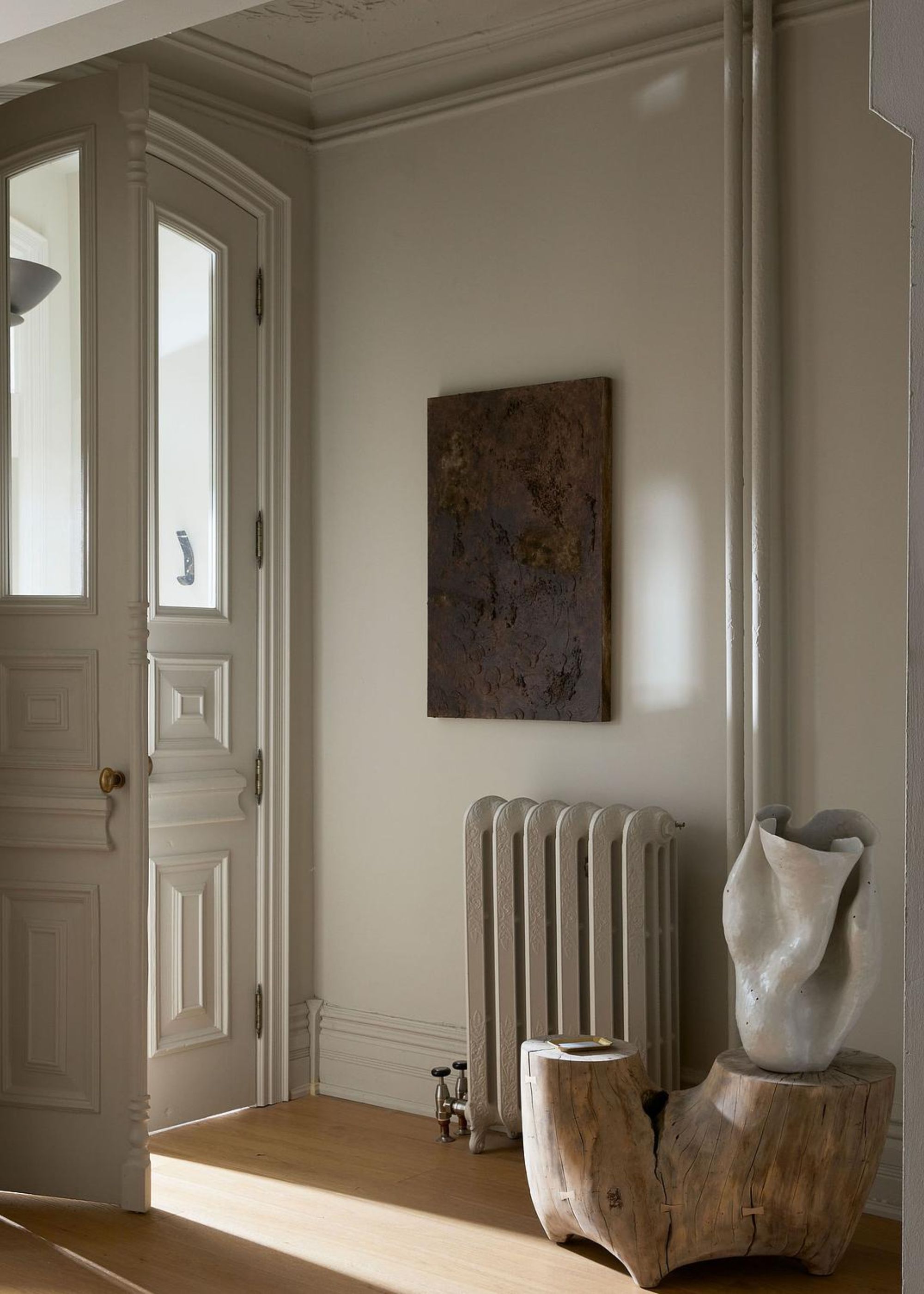
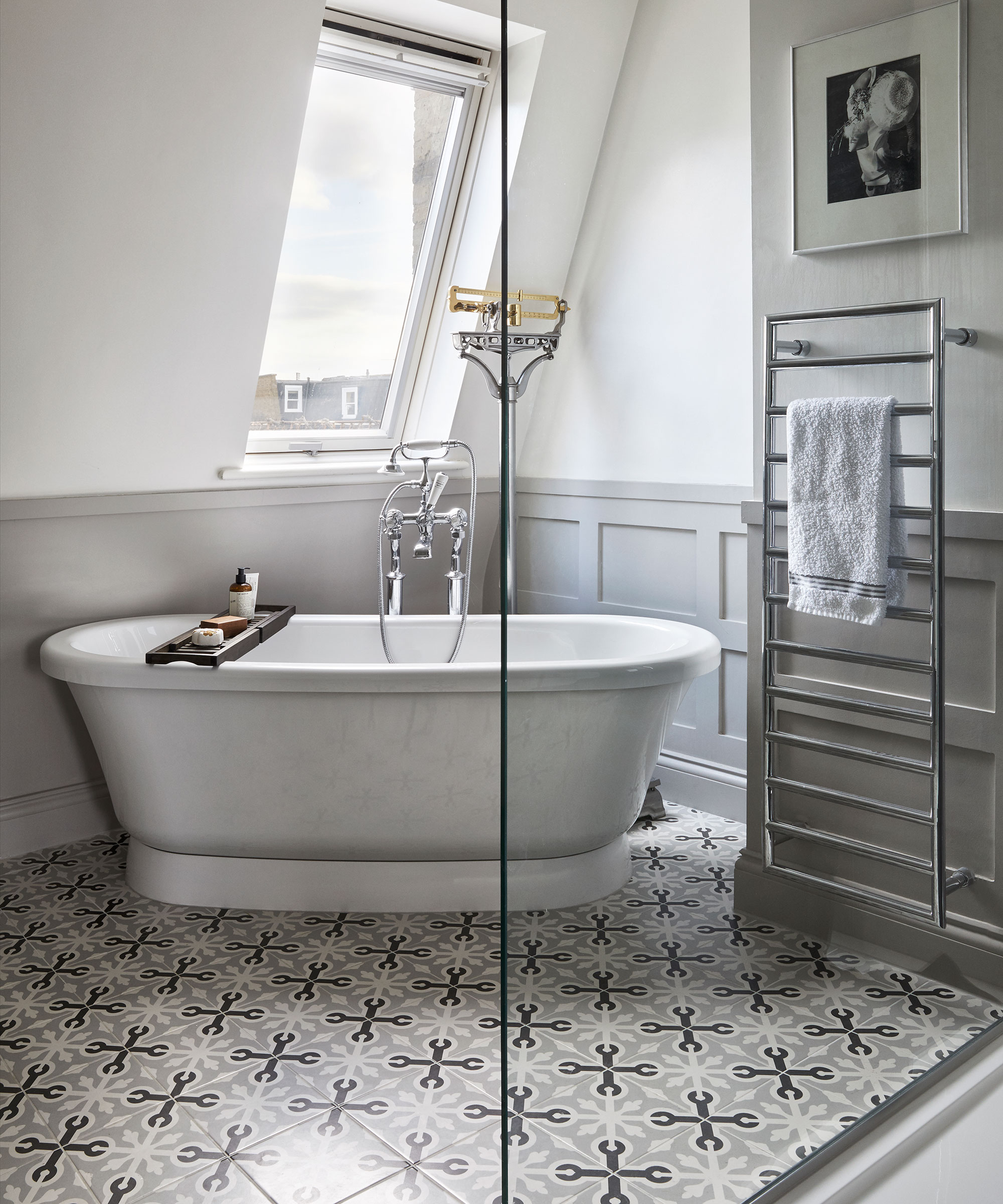
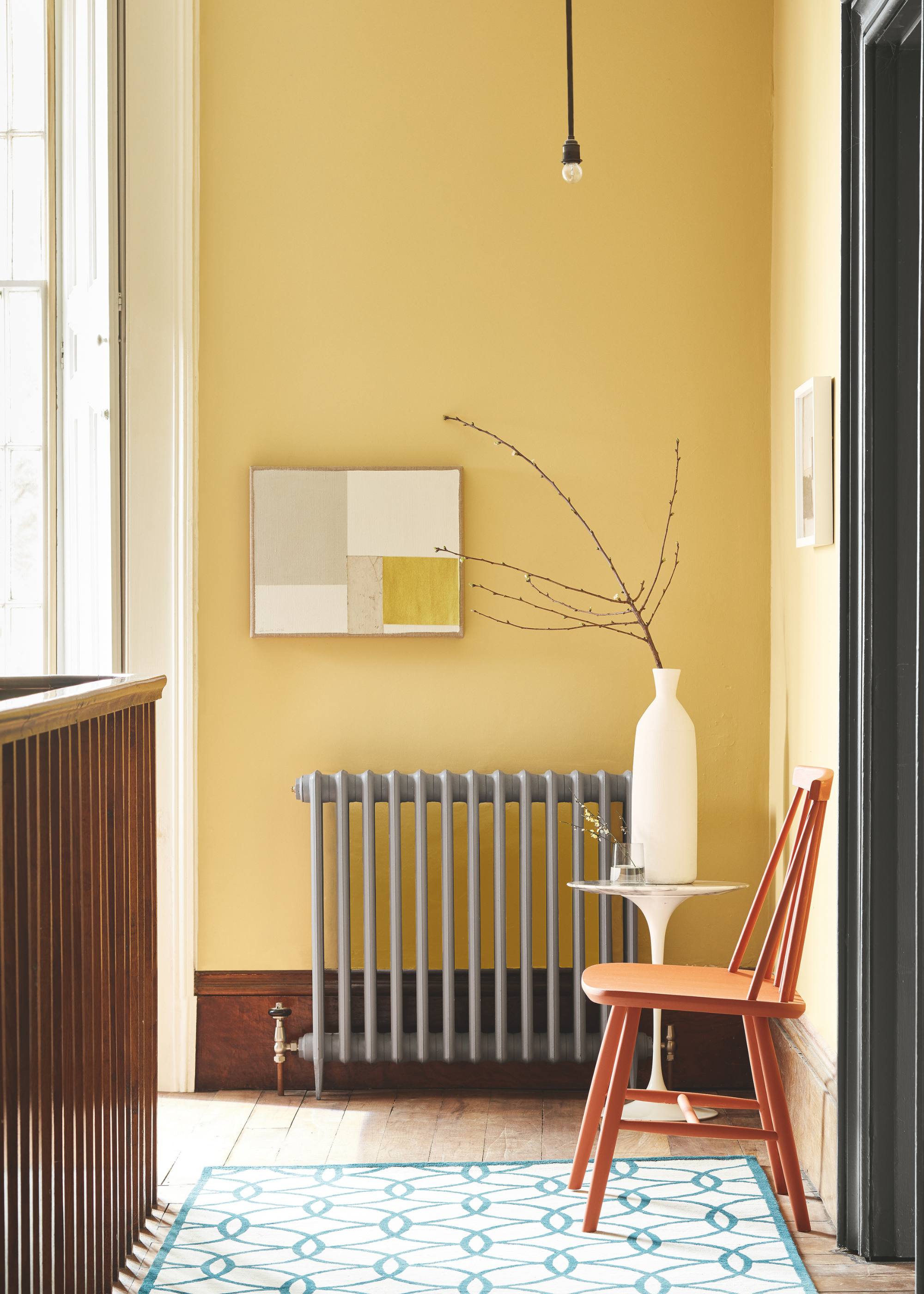
The discussion extends to the materials used for bathroom radiators, which impact thermal properties, aesthetics, and suitability for various bathroom designs. Common materials include cast iron, aluminium, mild steel, and stainless steel. Cast iron retains heat well but is heavy and slow to heat; aluminium heats quickly but loses heat fast; mild steel is affordable and versatile; and stainless steel is highly popular due to its rust-proof nature, durability, heat retention, and wide range of styles. The article emphasizes prioritizing efficiency and heat output over aesthetics.
Finally, the article examines the three main types of bathroom radiators: plumbed, electric, and dual-fuel. Plumbed radiators operate with the central heating system, turning on and off with it, which can be inconvenient for drying towels in warmer months. Electric towel warmers offer independent control, some with thermostatic settings, but can be more expensive to run and require manual operation. Dual-fuel towel rails are presented as the ideal solution, combining both plumbing and an electric heating element, allowing them to function with central heating in winter and independently via electricity in summer. This option provides flexibility but requires both plumbing and an electrical connection. The article concludes by discussing the importance of thermostatic valves for plumbed radiators, explaining the difference between manual and thermostatic radiator valves (TRVs), and mentioning smart thermostats as an advanced control option.
#BathroomRenovation #BathroomHeating #RadiatorSelection #HeatedTowelRail #HomeComfort #EnergyEfficiency #InteriorDesign #Plumbing #DIY #BathroomRenovation #BathroomHeating #RadiatorSelection #HeatedTowelRail #HomeComfort #EnergyEfficiency #InteriorDesign #Plumbing #DIY
0 comment in total
 No comments yet
You may also like
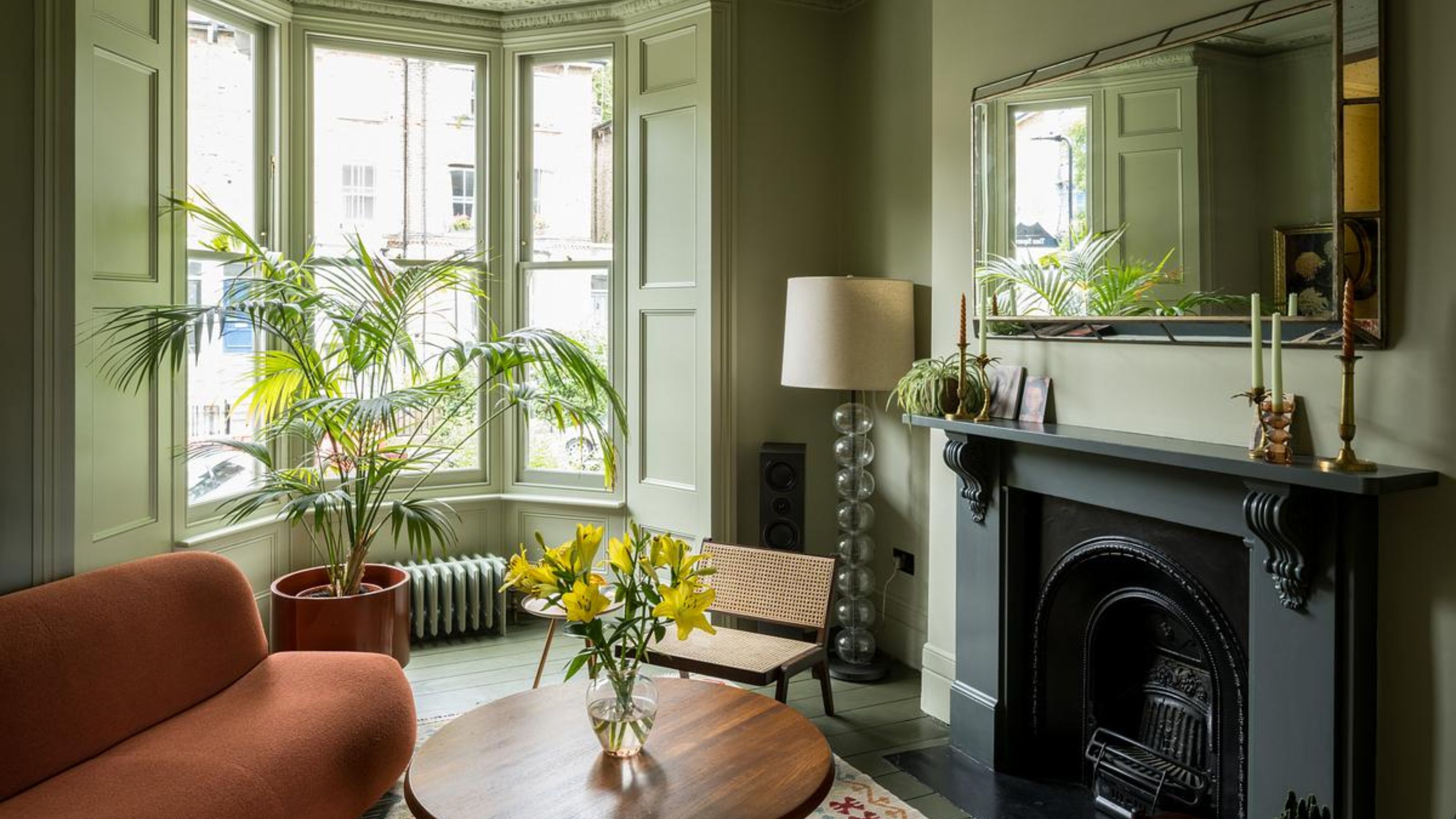
Experts Urge Homeowners to Avoid This Radiator Mistake That 'Exaggerates' How Well It Will Heat Your Home


Designer Towel Radiators

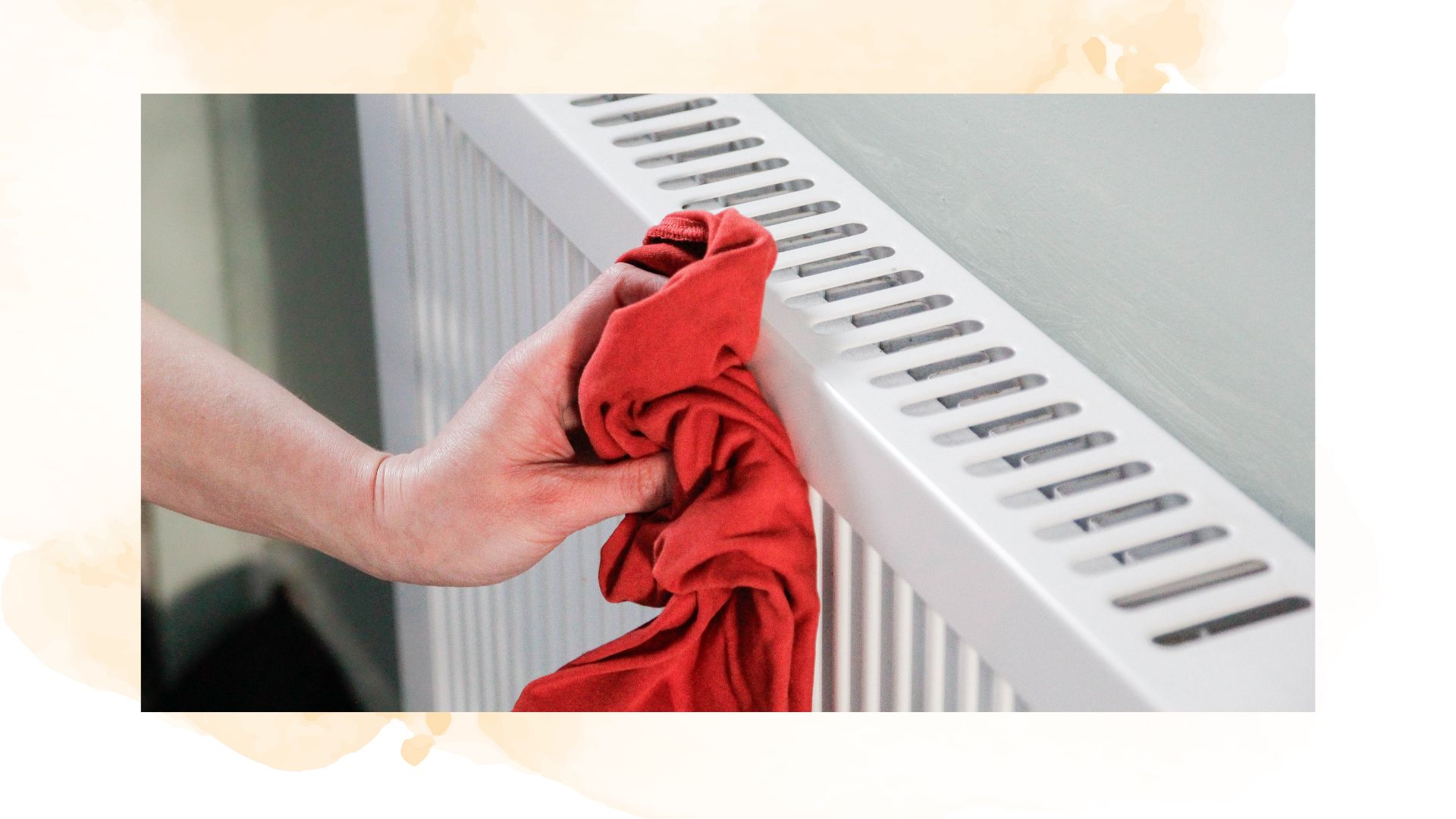
How to clean radiators inside and out – to ensure better efficiency this winter


The Ultimate Guide To Warmth: How To Choose The Best Room Heater For Your Home?
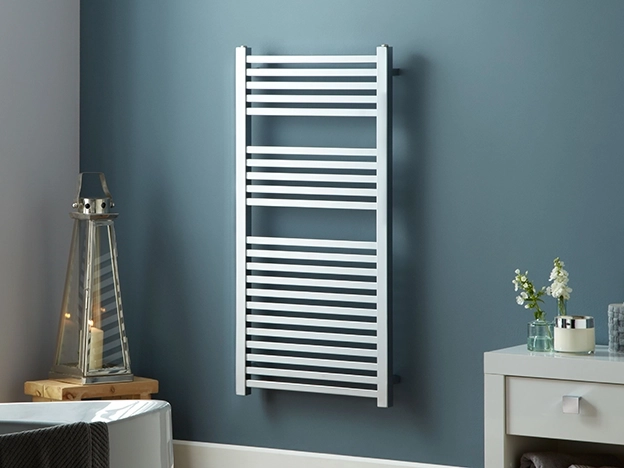
Heated Towel Radiators
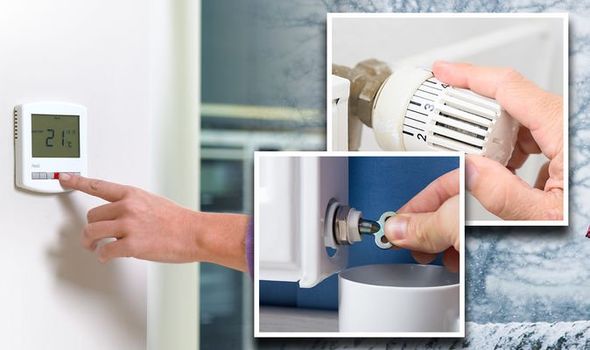
How to stop radiators knocking and banging when they turn on - KEY tips
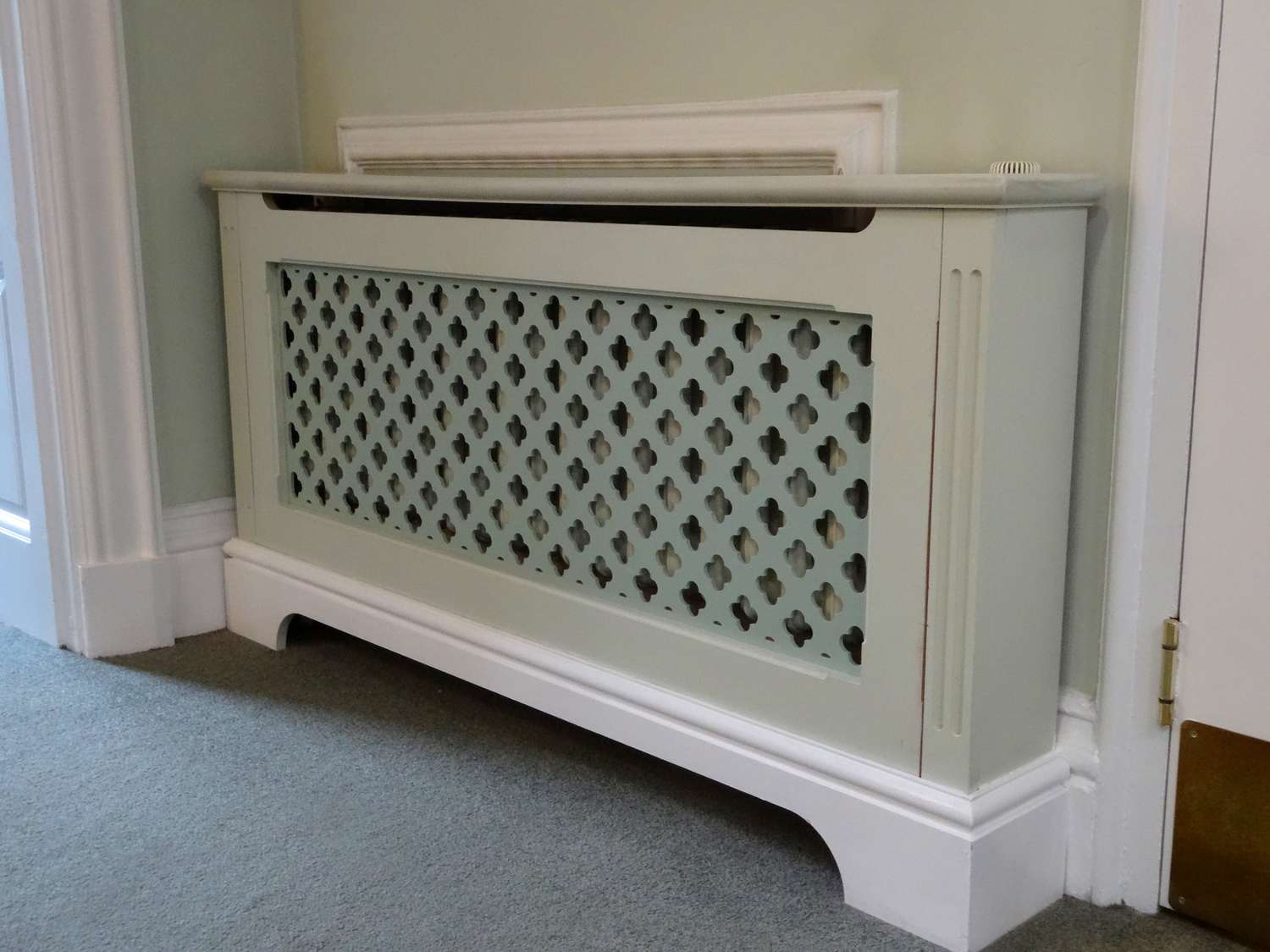
Do Radiator Covers Save Energy or Waste It?
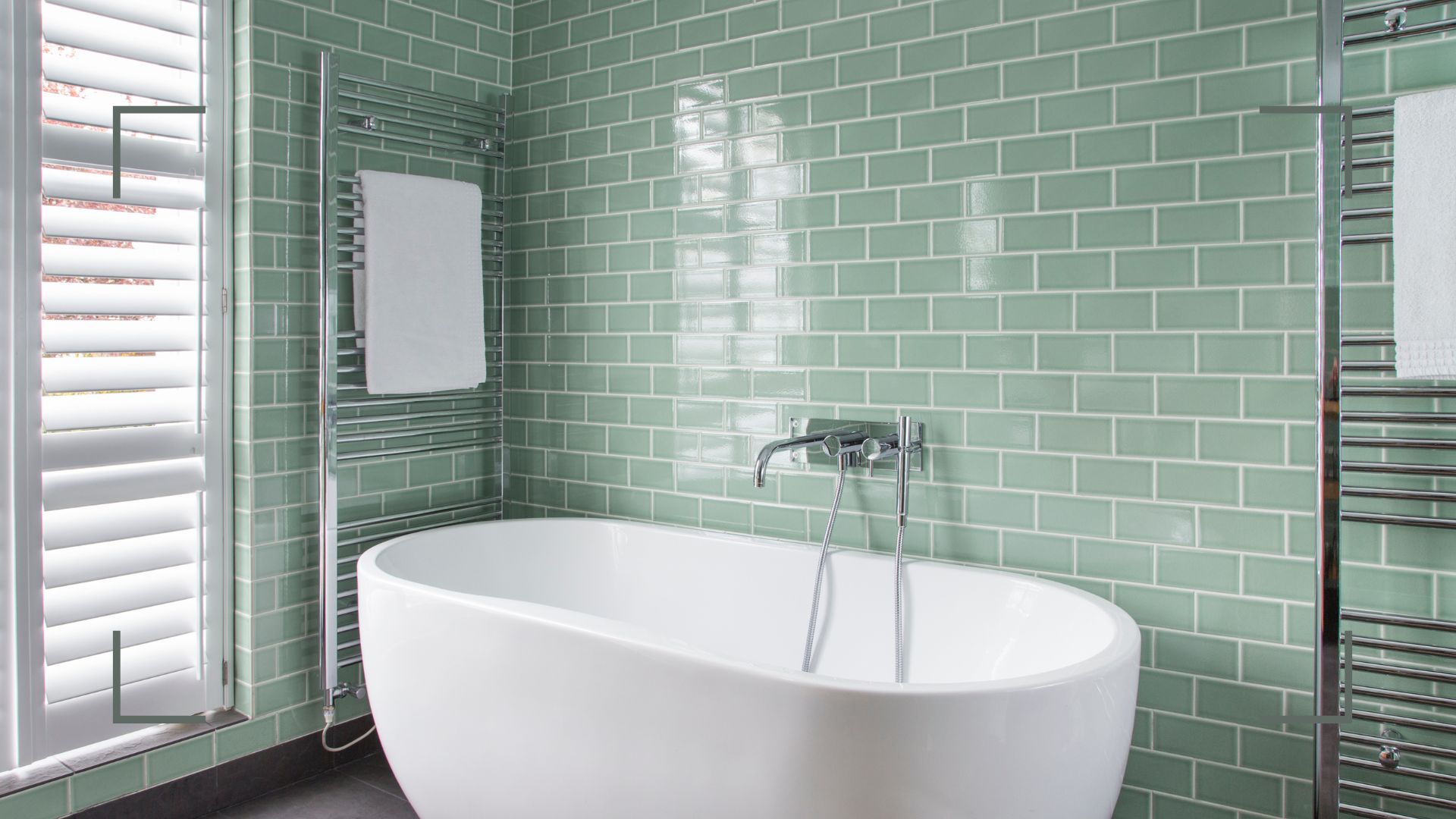
6 things I wish I had known before buying my heated towel rail

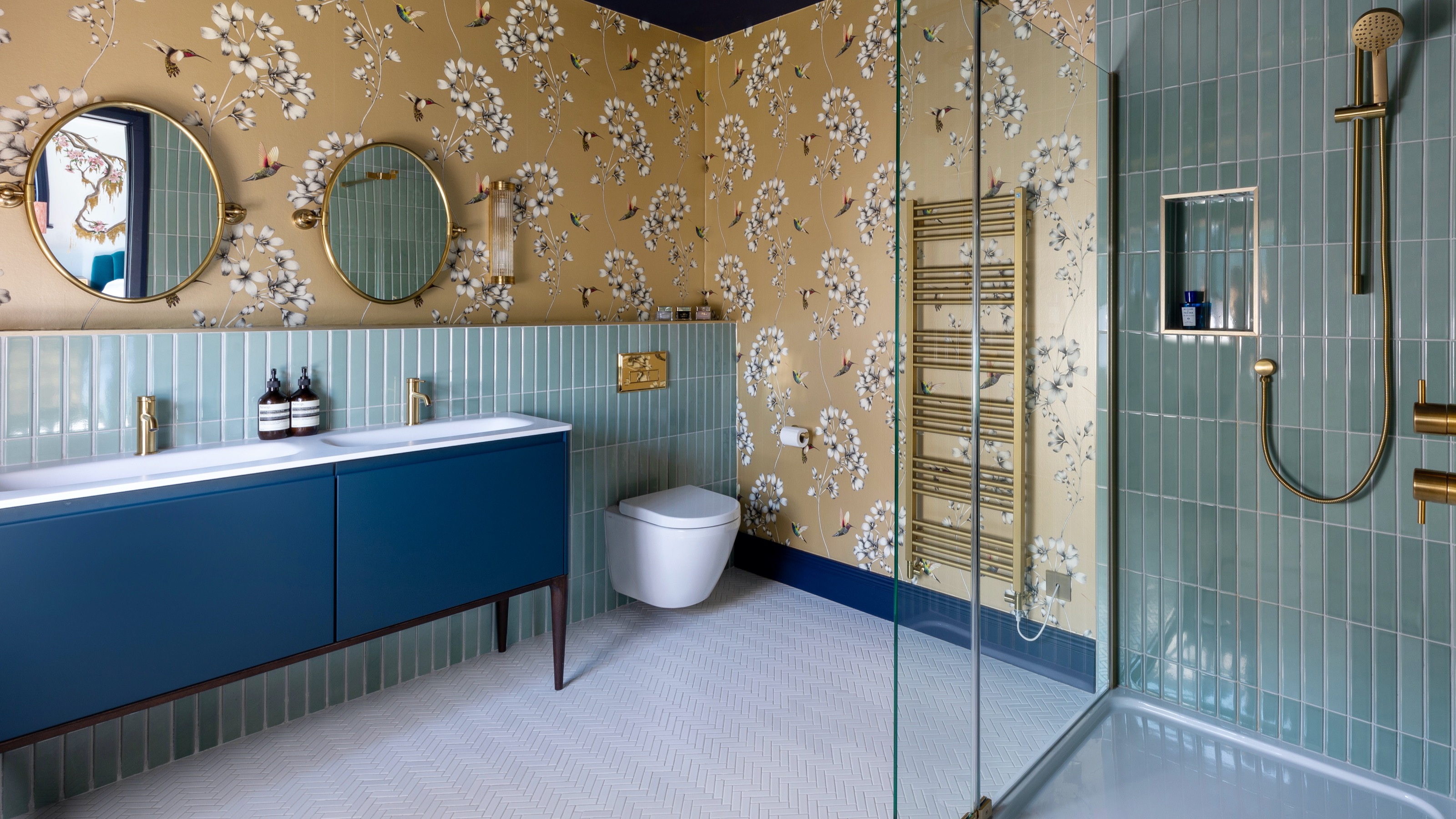
5 bathroom heating options, and our expert advice on which is best for you


What to know before you spring for radiant heat floors
6 clever ways to make a radiator look good – there is no excuse for an ugly radiator to sabotage your scheme
How to choose a bath mat that upgrades your whole shower experience

How do I bleed my radiator? We asked a plumbing expert for their top tips

Remodel Your Bathroom And We'll Tell You Which Shower Routine You *Should* Have
5 Ways to Make Radiators Actually Look Good —…

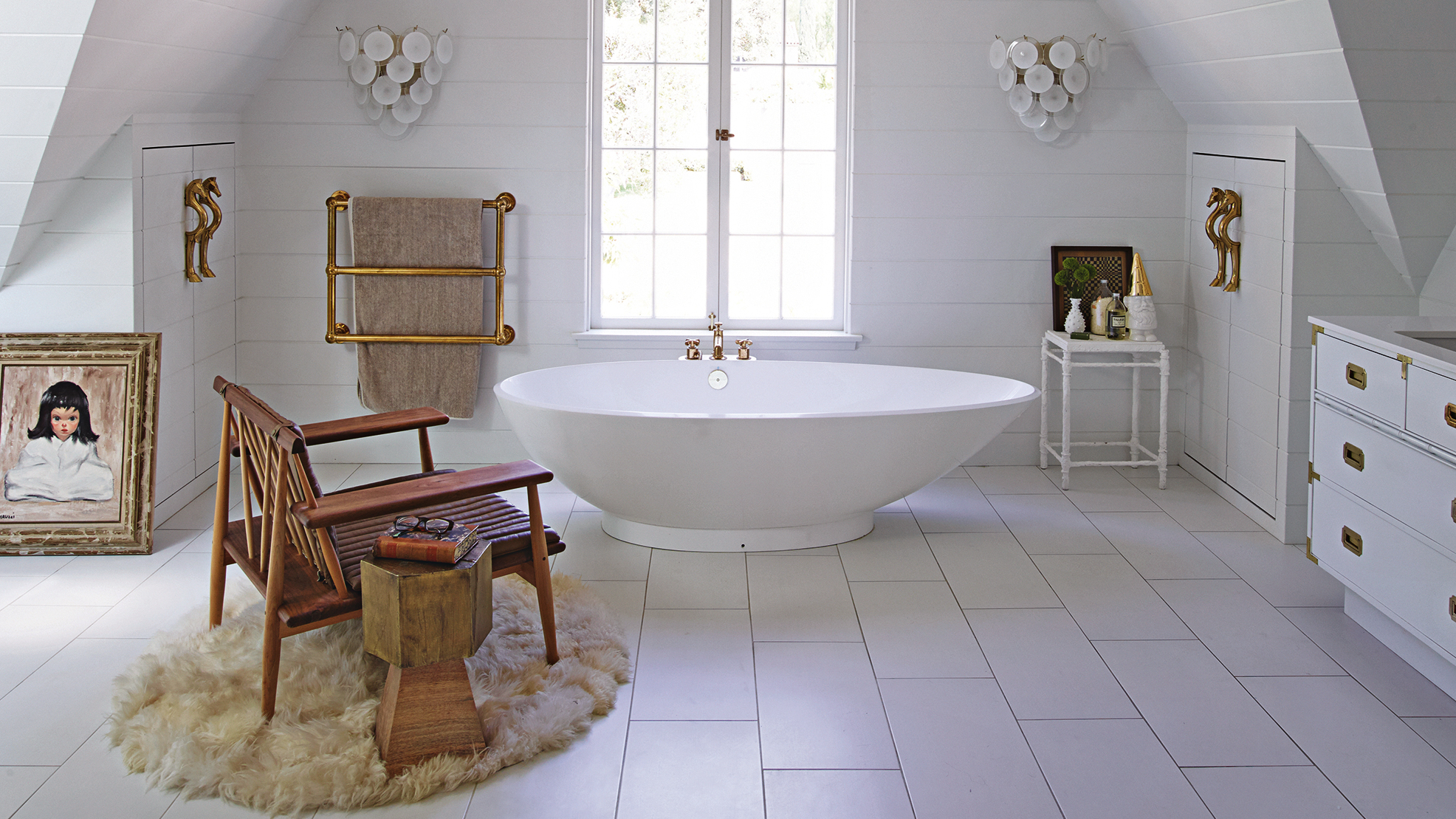
How to hide a radiator - the expert guide to decorating tricks to help them blend in
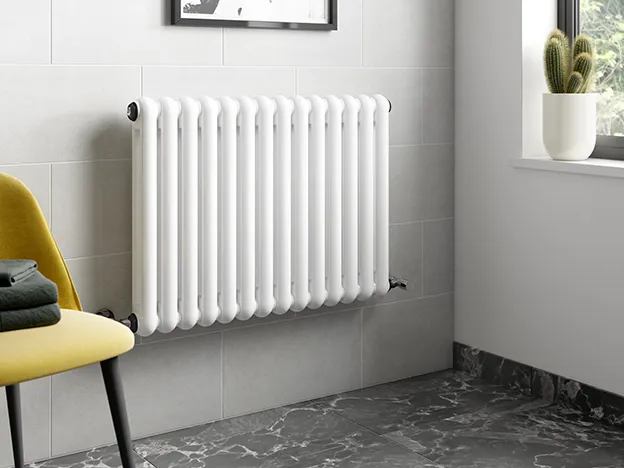
Radiators

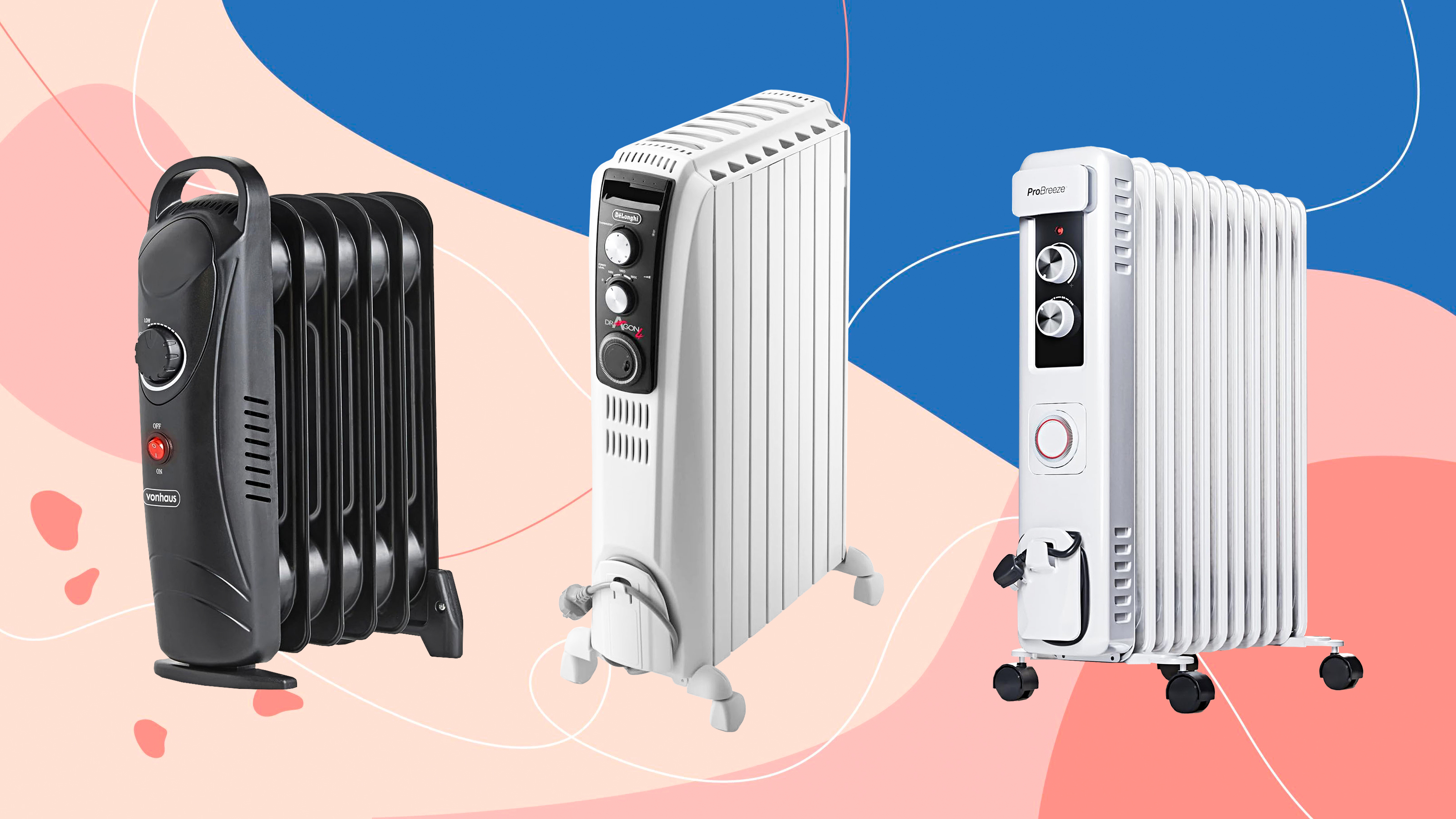
An oil-filled radiator is a must-have for staying cosy when the temperatures drop – and these are my top-rated models

5 Design Mistakes Making Your Heating Less Effective in Your Home — And the Easy Ways to Fix Them
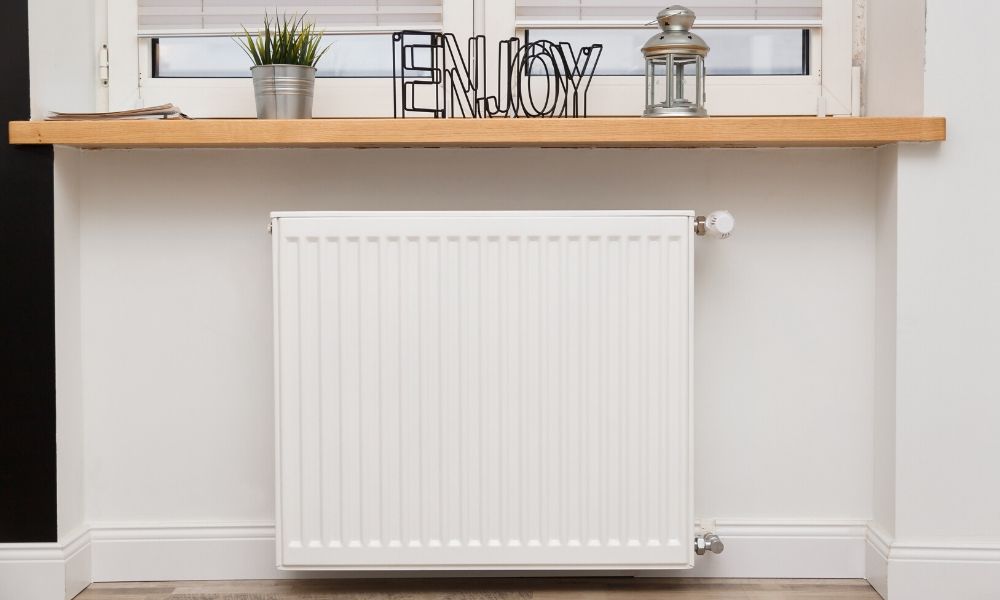
How to Dress Up Your Baseboard Radiator Space