1/3
Underfloor heating installation and running costs
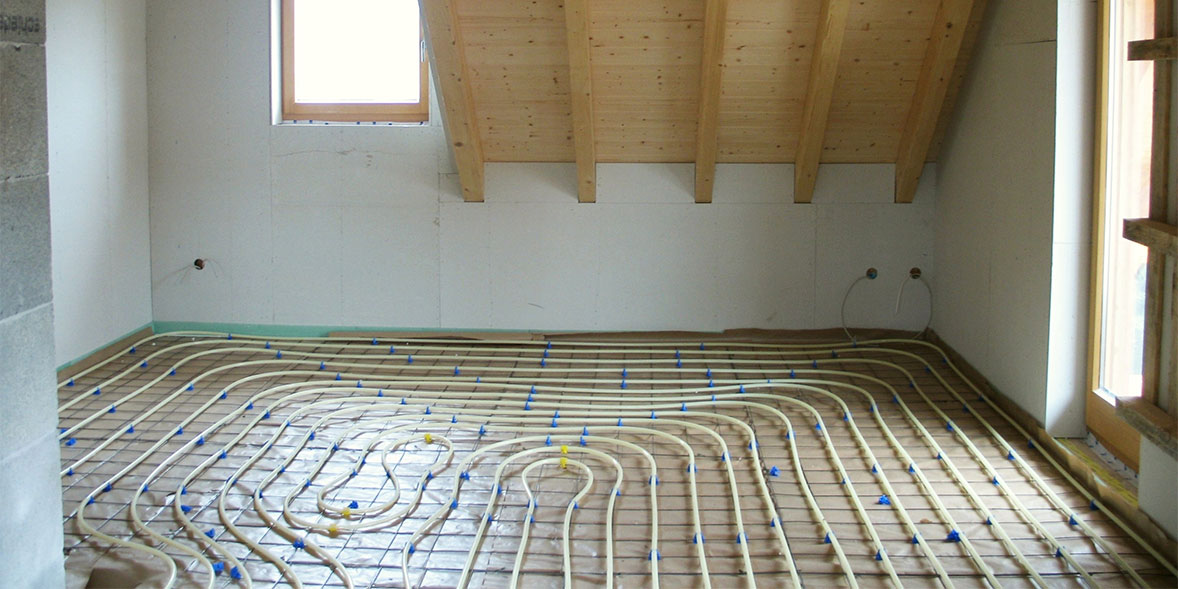
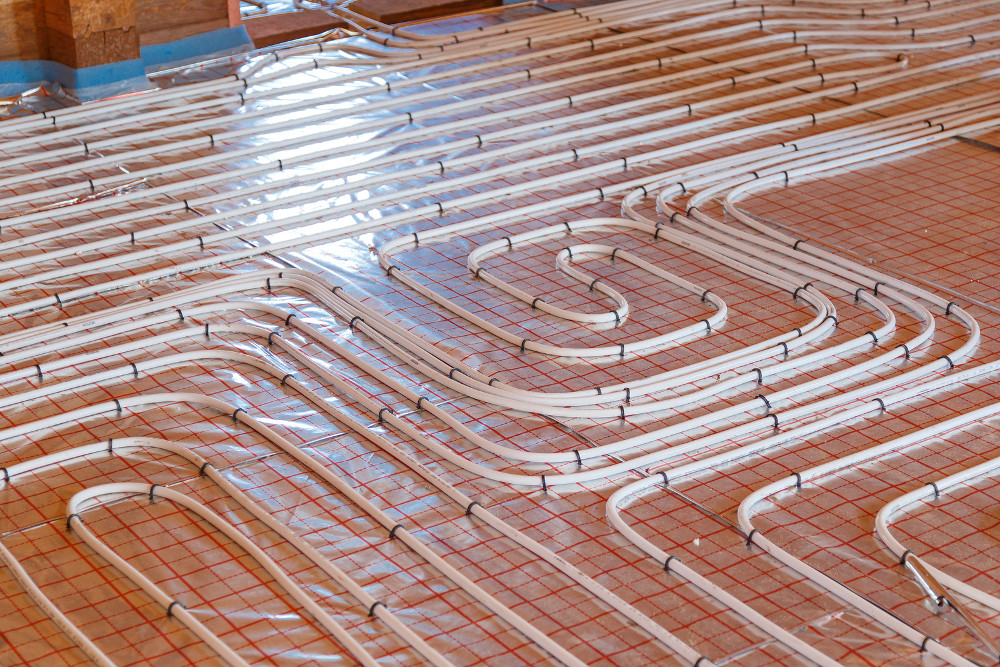
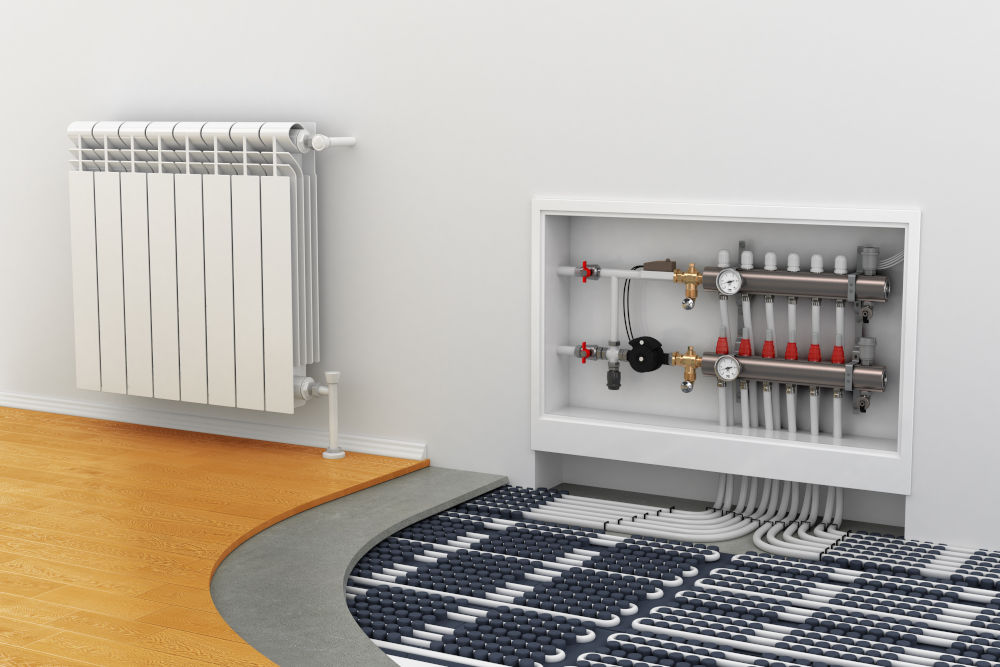
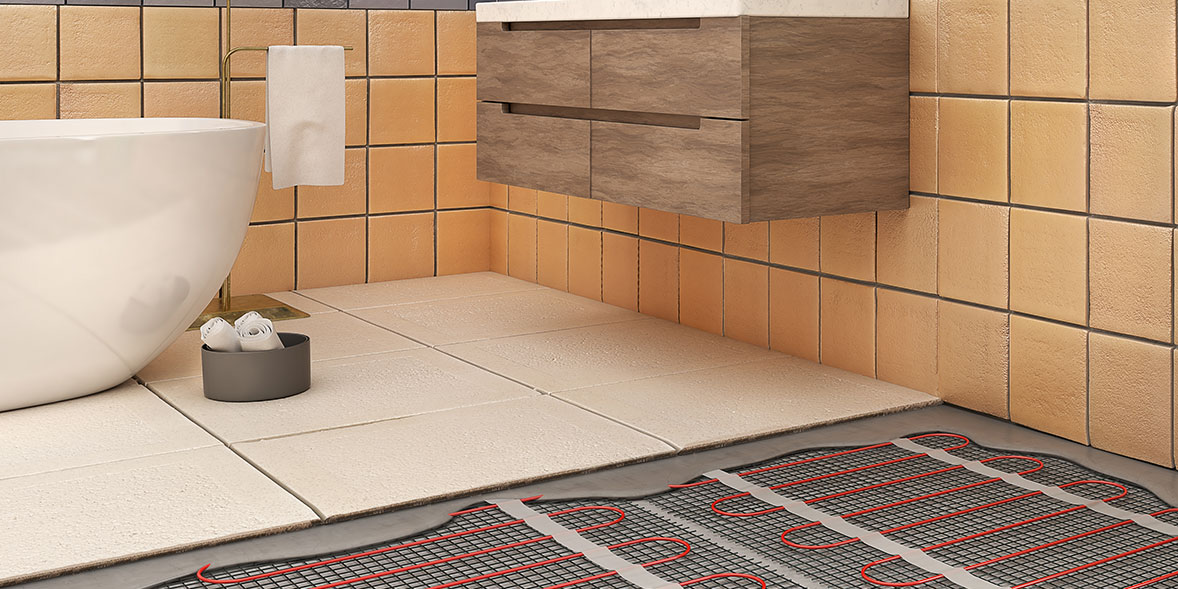
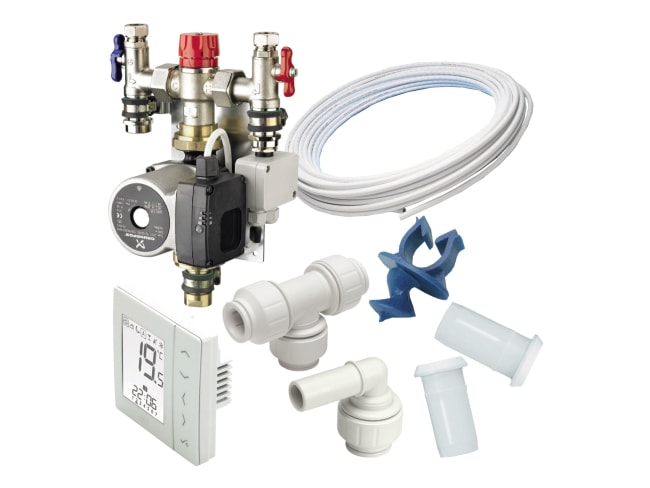
This article explores the installation and running costs associated with both wet and electric underfloor heating systems, drawing on expert analysis from the Building Cost Information Service (BCIS) and firsthand reports from real homeowners. The primary distinction between the two types of systems is their upfront cost versus long-term operational expenses: electric underfloor heating is generally less expensive to purchase and install but more costly to run, while water underfloor heating has higher installation costs but is more economical in terms of running costs. Prices for both types of systems include the purchase and installation, complete with levelling screed, but exclude the final floor finishes. Electric underfloor heating installation is typically cheaper due to its simpler installation process, which does not require plumbing and can even be undertaken by competent DIYers.
The article provides cost estimates for both electric and water underfloor heating systems based on different house types and floor areas, indicating a range of prices. It also breaks down installation costs by room, such as bathrooms, bedrooms, kitchens, and kitchen/diners, factoring in average room sizes in the UK. Regarding running costs, the article explains that these vary significantly based on factors like home insulation and the chosen heating type. For electric underfloor heating, an example calculation is provided based on the electricity price cap and typical wattage usage, illustrating daily and monthly costs for different house sizes. Water underfloor heating running costs are harder to estimate precisely due to their connection to a boiler, but they are generally much cheaper to run than electric systems and retain heat for longer. An estimate for a medium-sized kitchen diner suggests a significantly lower running cost.
A comparison with traditional radiators reveals that electric underfloor heating is more expensive to install and run, despite its efficiency, due to the higher cost of electricity compared to gas. However, for heating a single room where zoning radiators is not feasible, electric underfloor heating can be a cheaper alternative. Water underfloor heating, while more expensive to install than radiators, proves cheaper to run over time because it operates on gas and is highly efficient, often heating adjacent rooms. Several factors influence the overall cost of underfloor heating, including the quality of insulation, the location and efficiency of the heating source (boiler), the complexity of multi-zone heating systems, and the existing floor structure. Proper insulation beneath the heating system is crucial to prevent heat loss and improve efficiency, leading to long-term savings. The article also discusses how the distance to the central heating system and the need for floor alterations in older properties can impact installation expenses.
To help homeowners save money, the article suggests several strategies. These include choosing the appropriate system for the home's needs (water-based for new builds or extensive renovations due to better energy efficiency), ensuring adequate insulation, using smart thermostats for optimized heating schedules, selecting flooring materials with good thermal conductivity, implementing zoning to heat only occupied spaces, and performing regular maintenance. Additionally, researching grants or incentives for energy-efficient heating solutions can help offset initial costs. The article concludes by listing various retailers where underfloor heating products can be purchased, emphasizing that prices will vary based on specific home conditions and installation requirements. The cost data presented is derived from BCIS analysis, incorporating material costs, labour rates, and overheads, and is supplemented by survey data from Which? members regarding their real-world experiences with underfloor heating.
#UnderfloorHeating #InstallationCosts #RunningCosts #ElectricHeating #WaterHeating #HomeImprovements #EnergyEfficiency #SmartThermostat #HomeInsulation #UnderfloorHeating #InstallationCosts #RunningCosts #ElectricHeating #WaterHeating #HomeImprovements #EnergyEfficiency #SmartThermostat #HomeInsulation
0 comment in total
 No comments yet
You may also like
3 reasons I regret not putting underfloor heating in my home office – it’s definitely moving up my priority list
How to make a conservatory warmer - ways to heat and insulate for all-year round use
6 affordable ways to heat your bathroom in winter

Underfloor heating pros and cons
10 tips for using underfloor heating in a bathroom
How Much Should You Spend On A New Electric Water Heater?

Underfloor Heating

I used to struggle to keep my open plan layout warm in winter — but these 4 methods now keep it cosy all day long

Here's How Much It Actually Costs to Install a Penny Floor in Your Home


Five underfloor heating myths debunked

Choosing a heater

How to keep your mudroom warm – 5 expert-recommended tips


Electric vs water underfloor heating: installation, efficiency and user reviews compared
Electric boilers: what you need to know
Ways To Heat A Basement Without An Electric Space Heater (And The Pros & Cons To Consider)

How To Measure Your Room


Why electric underfloor heating is gaining popularity in high-end interiors in 2025


6 of the best heater ideas to warm up your home this winter
How Much It Might Cost To Install 10 Different Types Of Appliances In Your Home

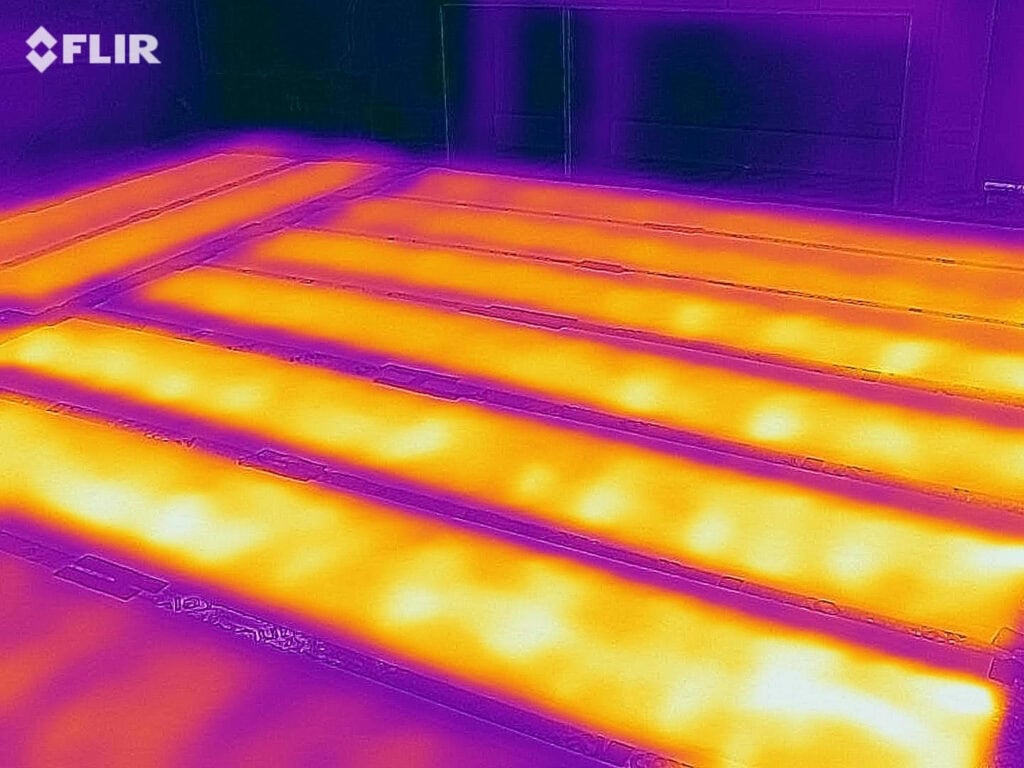
Simple and efficient underfloor heating system