Is Your First Floor Always Cold? 8 Easy Fixes That Work, According to HVAC Pros
Many multi-story homes experience a common issue where the first floor remains colder than the upper levels due to warm air naturally rising. This article addresses this problem by providing eight practical solutions, drawing insights from home renovation and HVAC experts Ty Pennington and Brad Niehaus. The goal is to help homeowners effectively warm their first floors without necessarily resorting to extensive or costly overhauls.
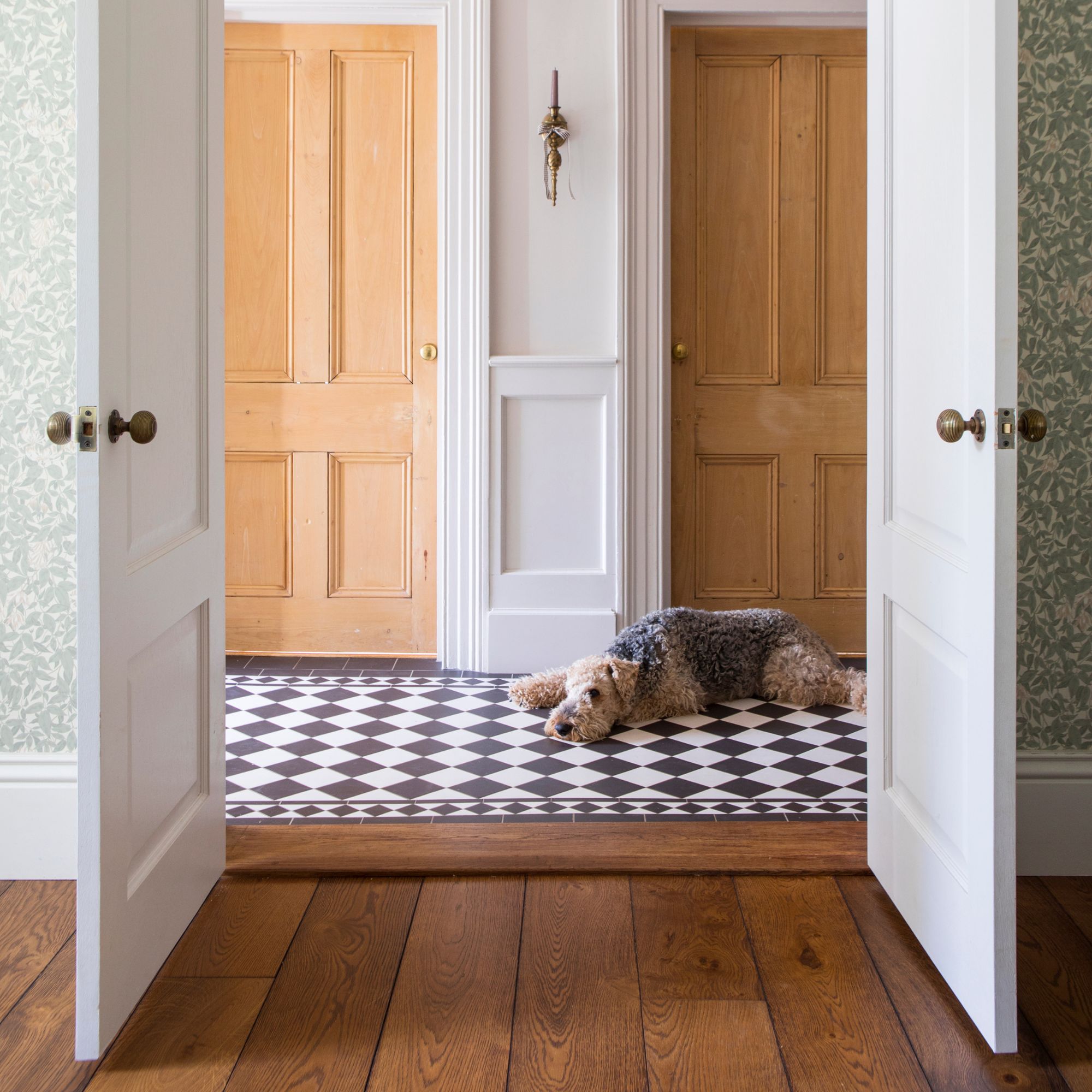
One of the most straightforward solutions involves installing an interior door at the base of the staircase. This simple addition can prevent warm air from escaping to the upper floors, effectively trapping it on the first level. Interior doors are typically lighter and easier to install than exterior doors, making this a manageable DIY project.
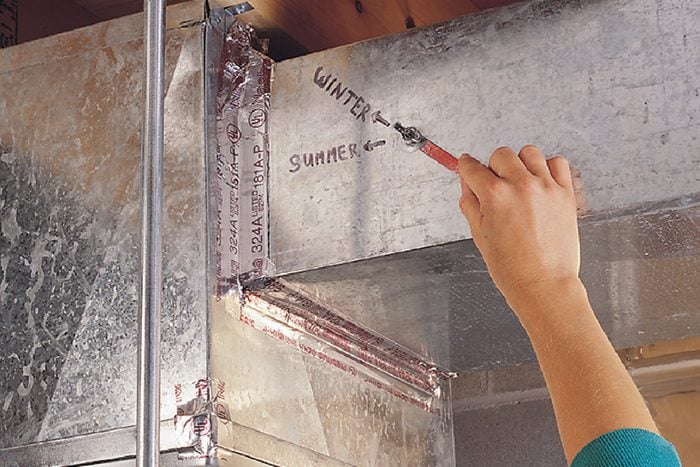
Another effective strategy is to implement zoning through mini-split multi-zone solutions or zoning ductwork. Brad Niehaus, an HVAC expert, highlights mini-splits as particularly good for addressing temperature disparities, especially in colder climates. While ductwork zoning is an option, it can be more challenging to manage significant temperature differences between floors.
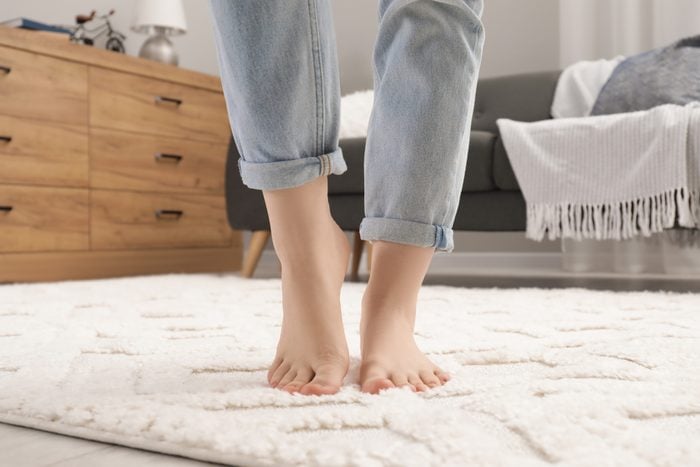
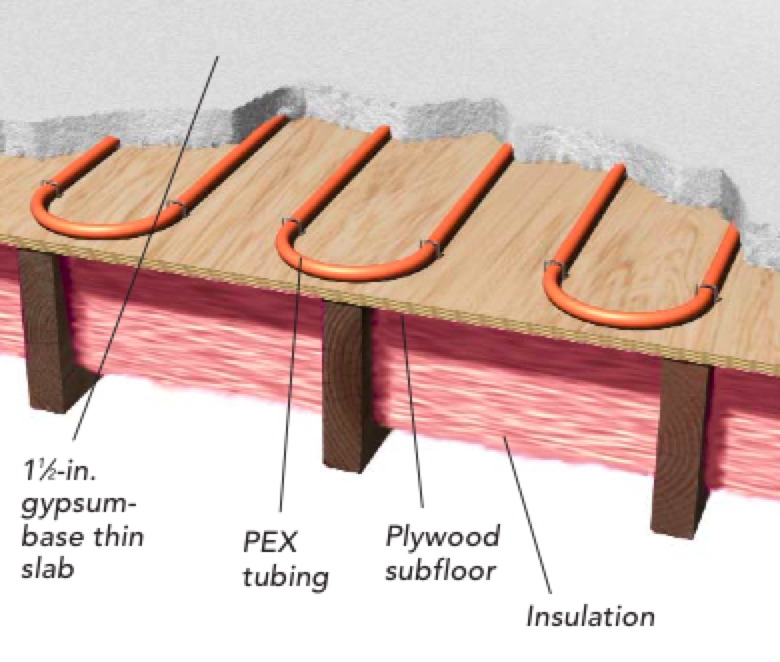
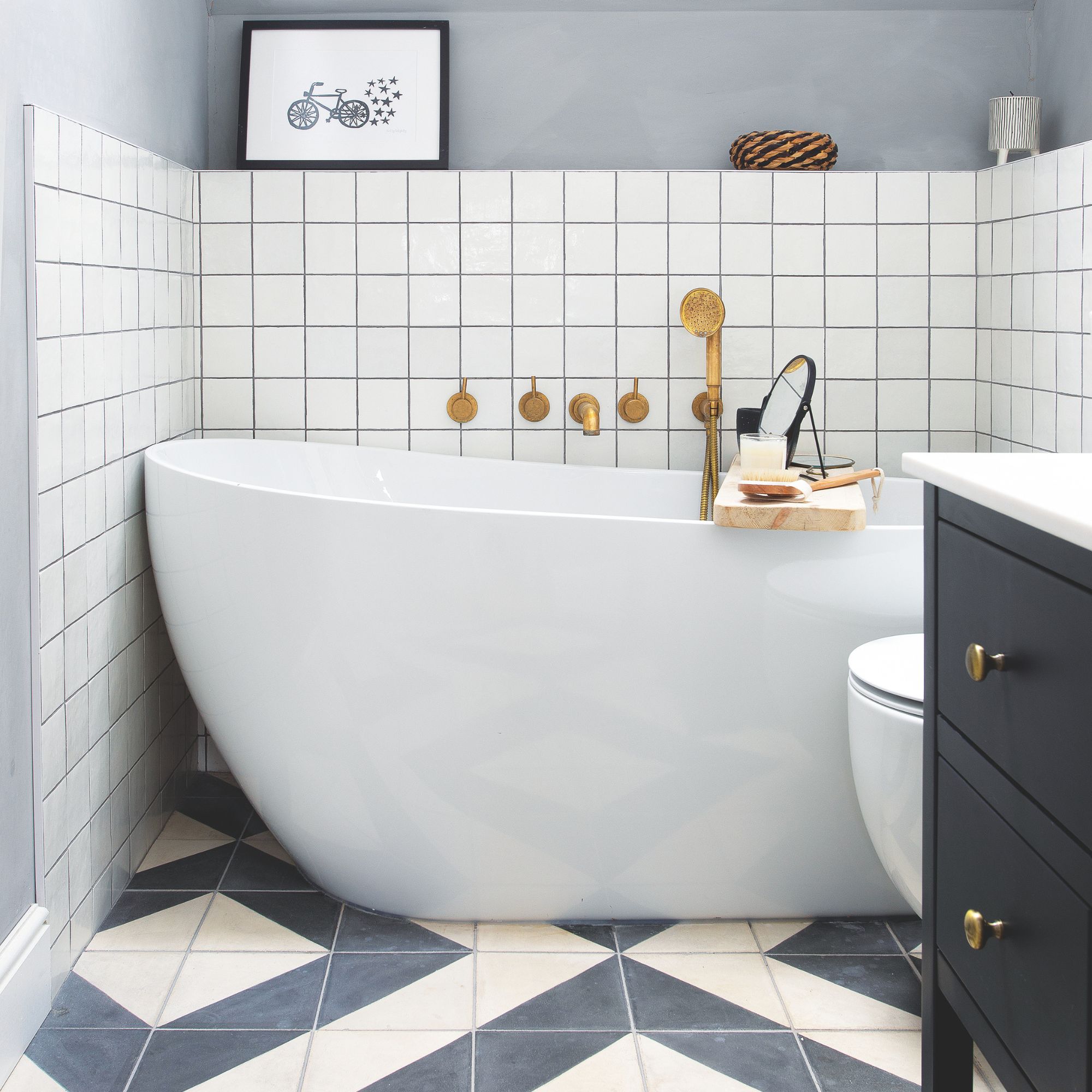
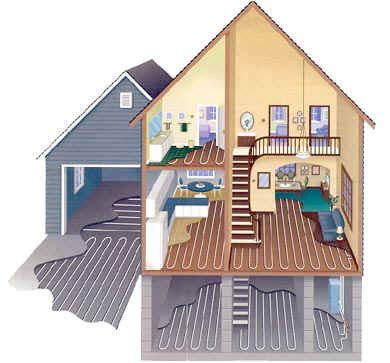
For those seeking to add warmth without an additional HVAC unit, radiant heating systems offer an excellent alternative. These systems, which can be electric (using wire mesh) or hydronic (using hot water tubes), are installed beneath the floor. They provide gentle, even heat, and are compatible with various flooring materials, including porcelain, ceramic, natural stone, laminate, vinyl, and wood.
In cases where the existing HVAC unit is insufficient for a multi-story home, adding a second HVAC unit might be necessary. Ty Pennington, a home renovation expert, points out that many homes, especially older or larger ones, require more than one unit for adequate heating throughout. While this is a more expensive solution, heat pumps offer both heating and cooling capabilities, and electric furnaces provide a more budget-friendly option if only heating is required.
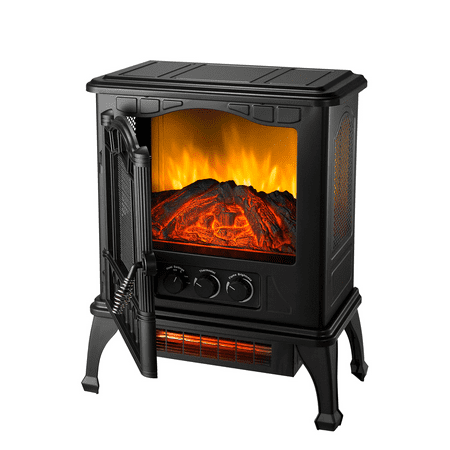
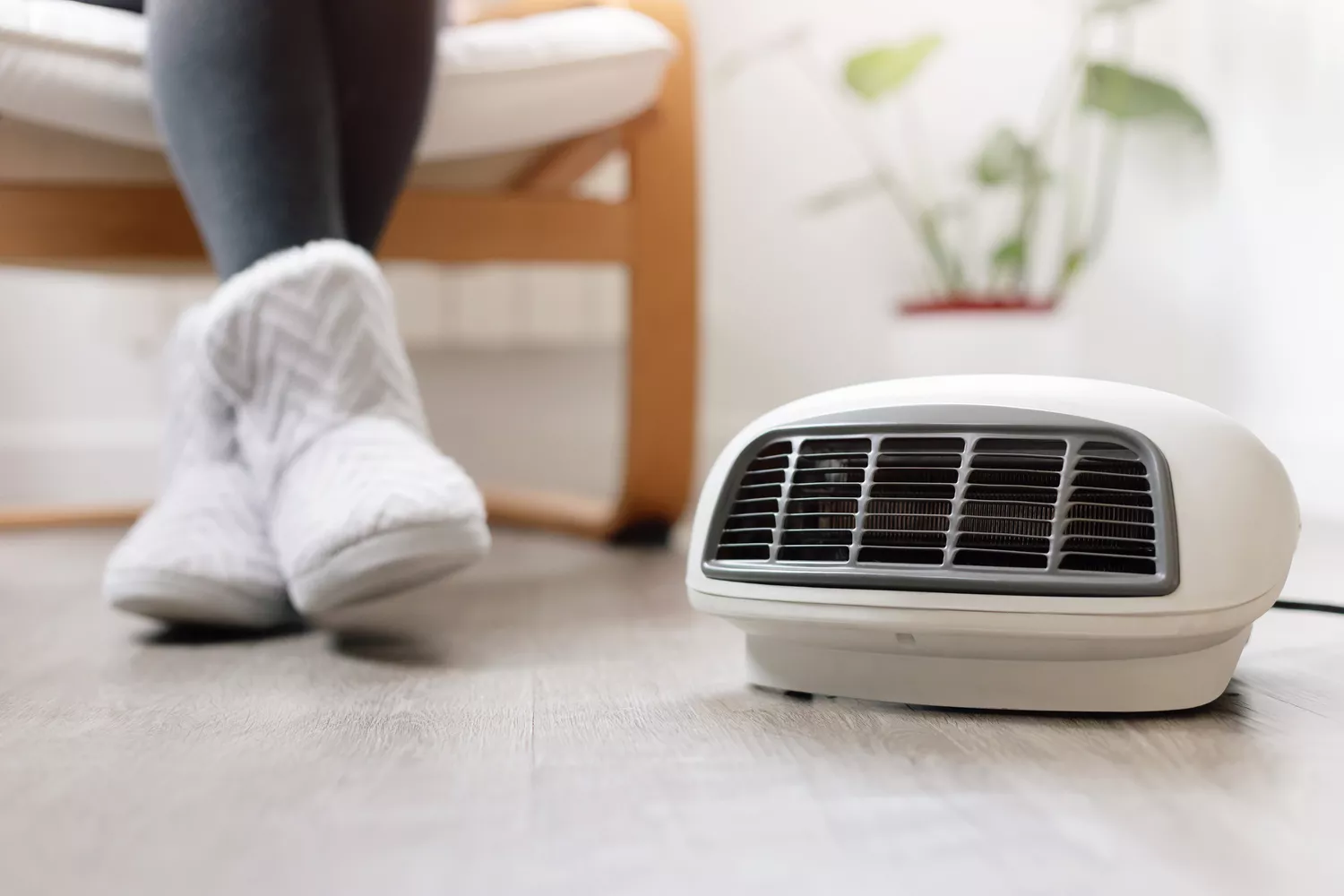
For an immediate and cost-effective fix, portable space heaters can be used to warm chilly first-floor rooms. This approach is more energy-efficient than heating the entire house, particularly when concentrating warmth in frequently used areas. The article advises selecting space heaters based on performance, appearance, safety features, and overall value.
Regular maintenance of the existing HVAC system is also crucial. An overworked or poorly maintained system can lead to insufficient heating on the first floor. Annual HVAC check-ups can prevent breakdowns and ensure the system operates efficiently, often proving more cost-effective than replacing an entire unit.
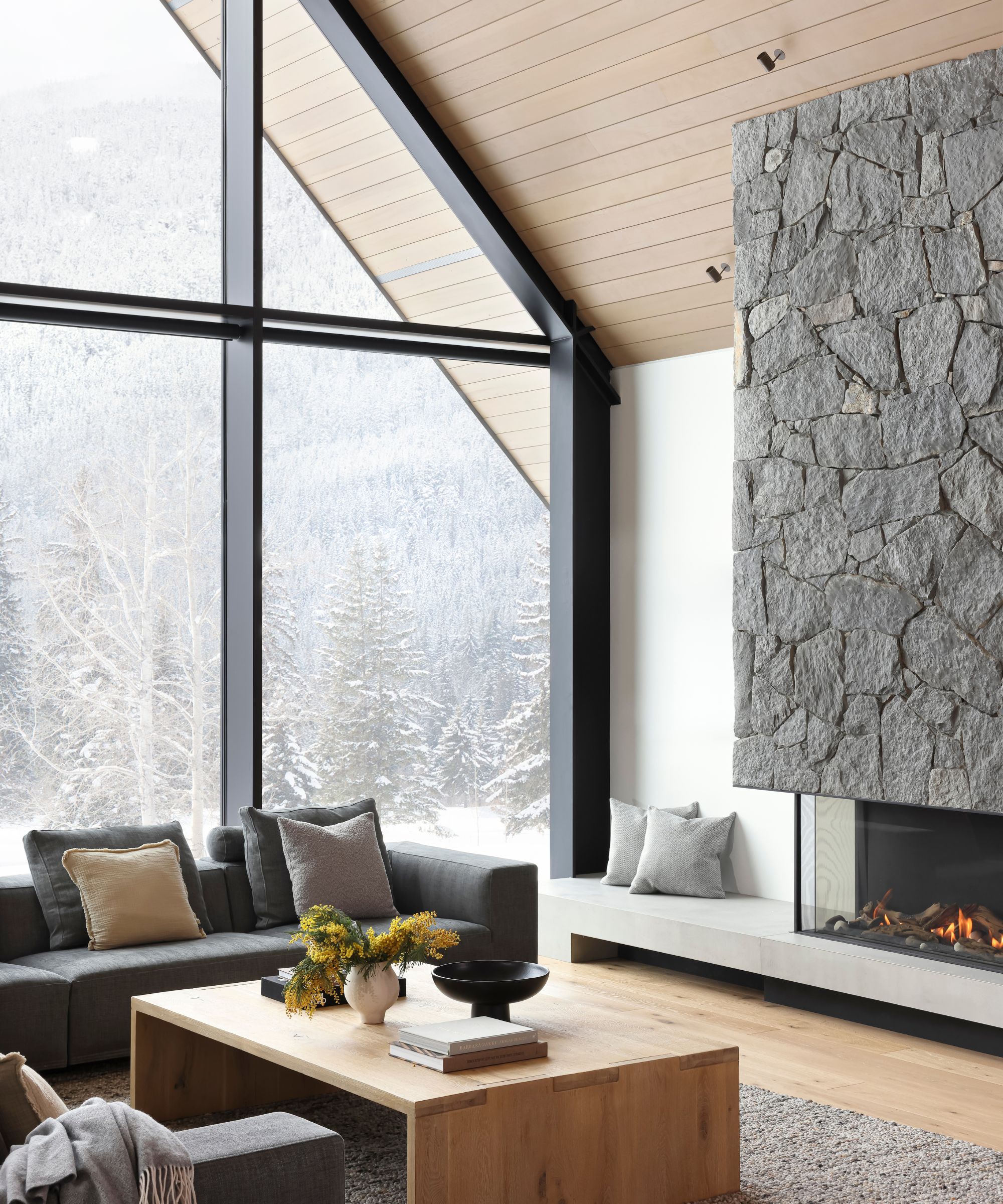
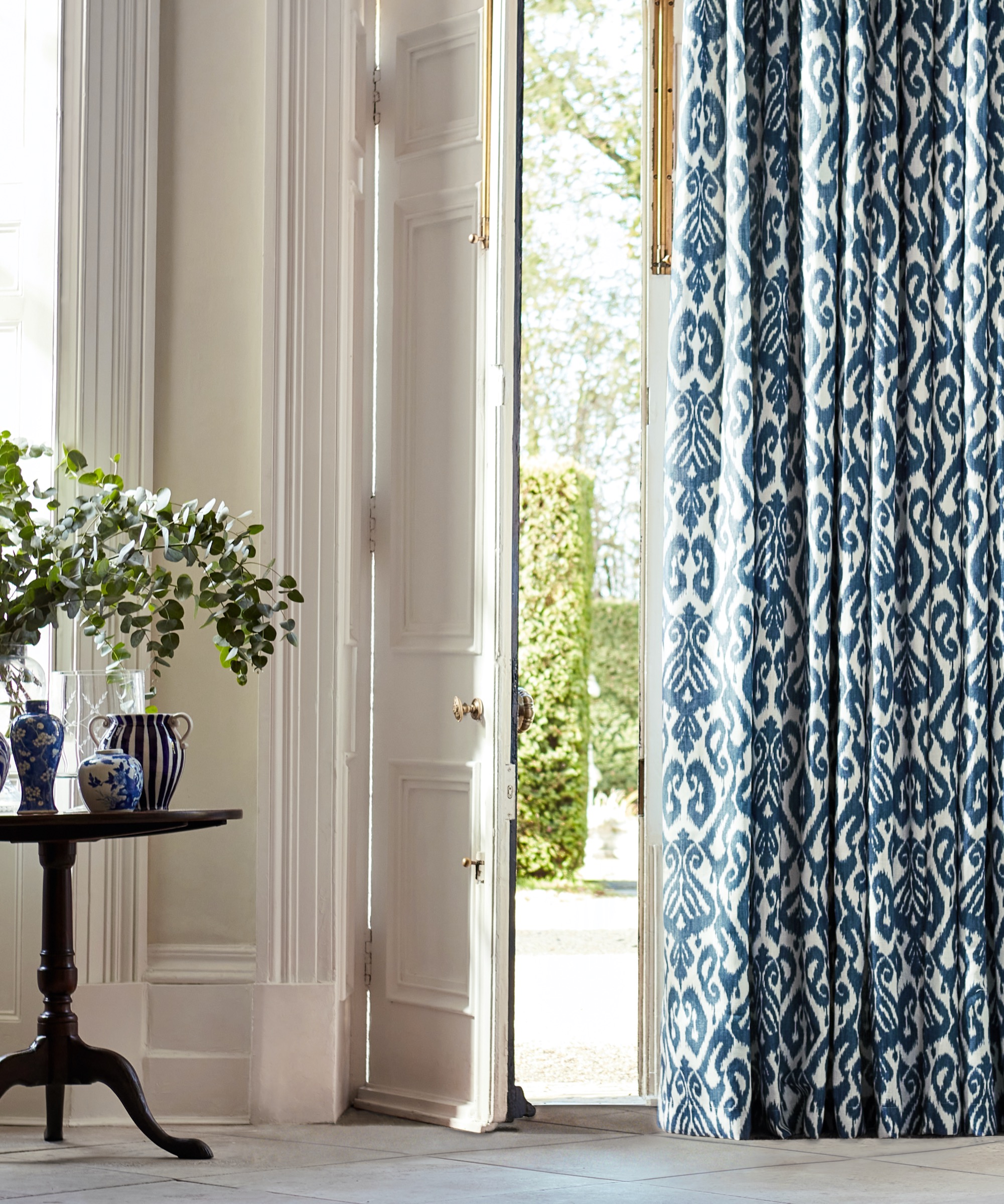
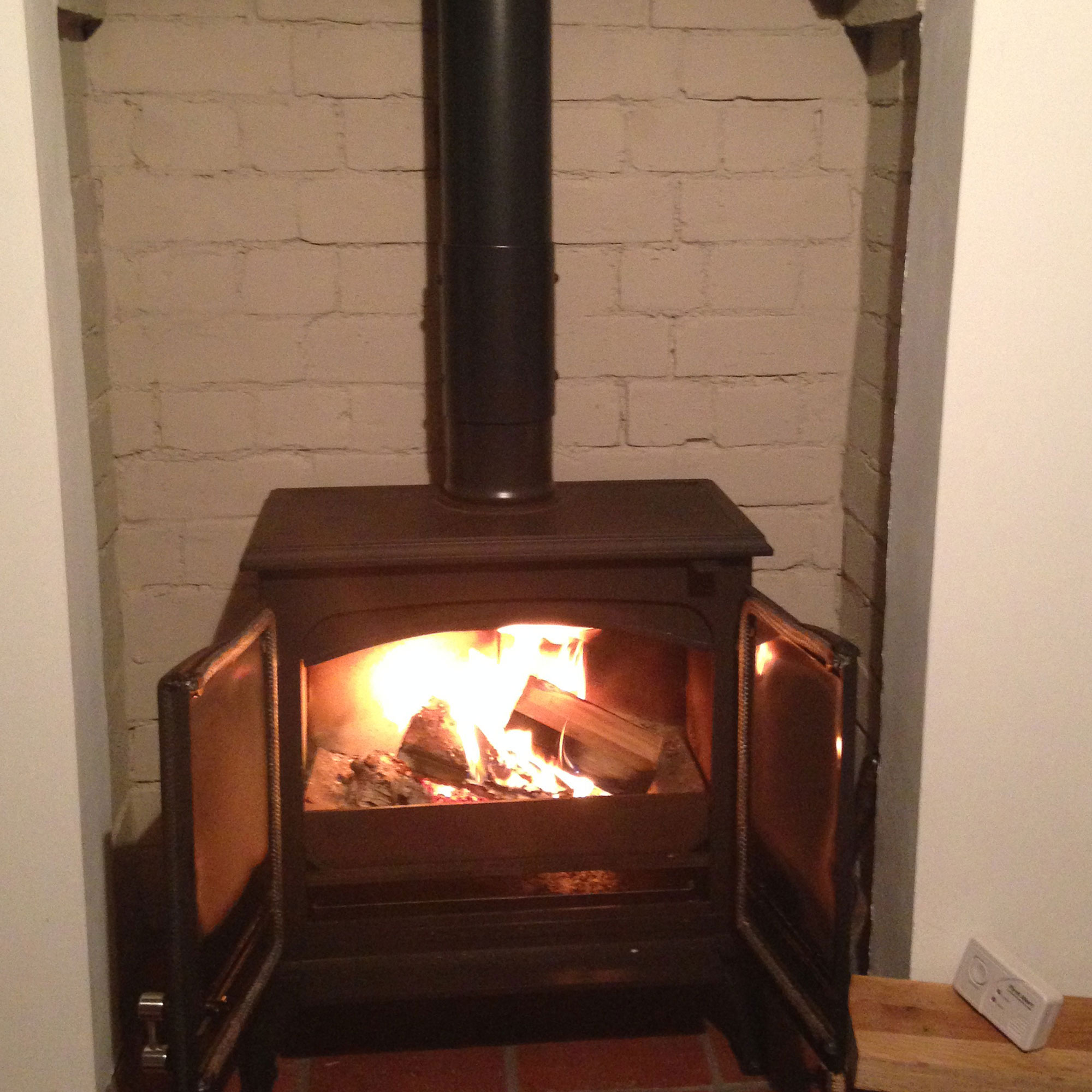
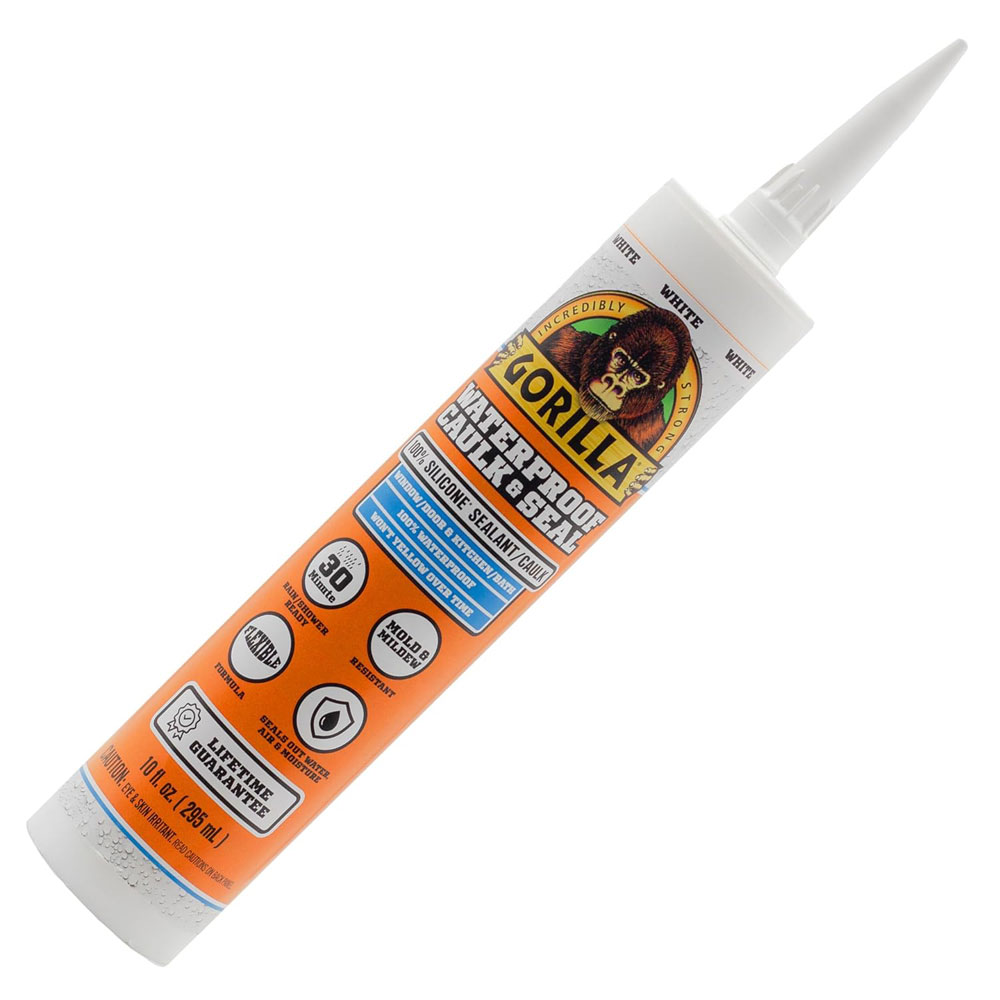
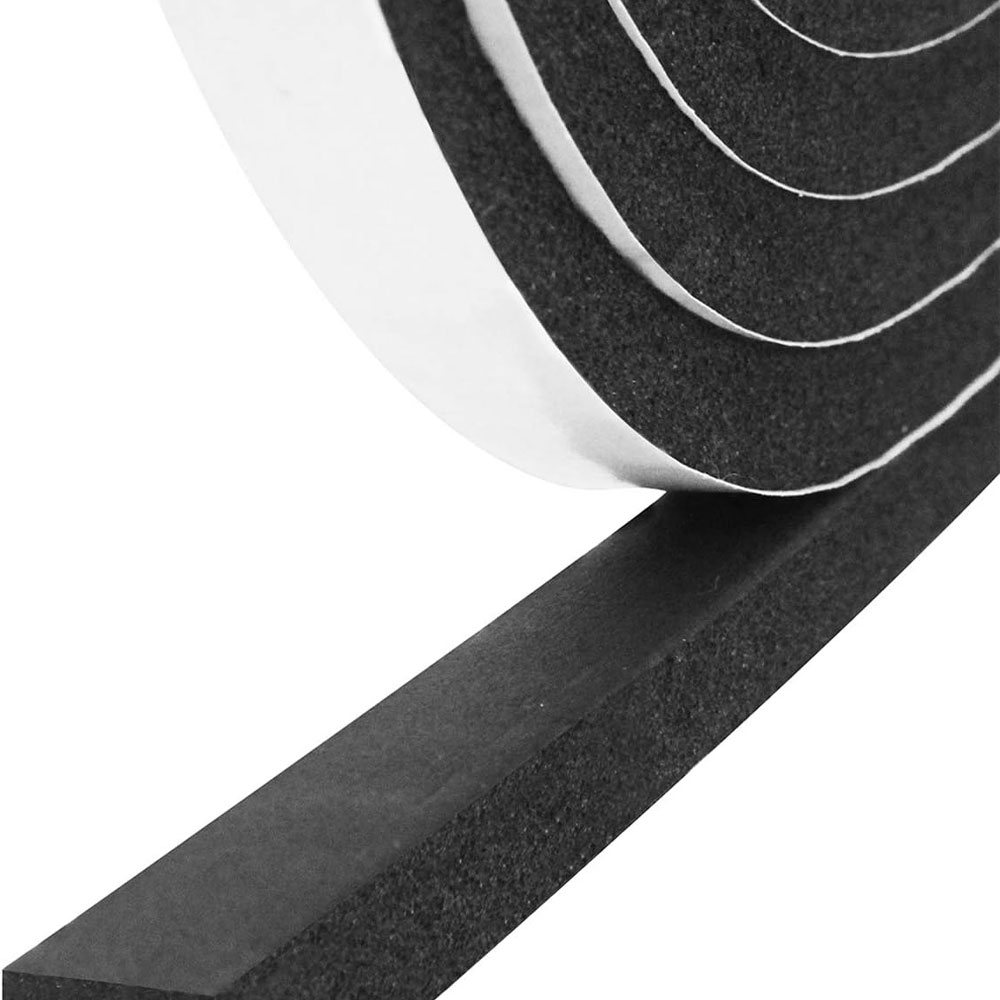
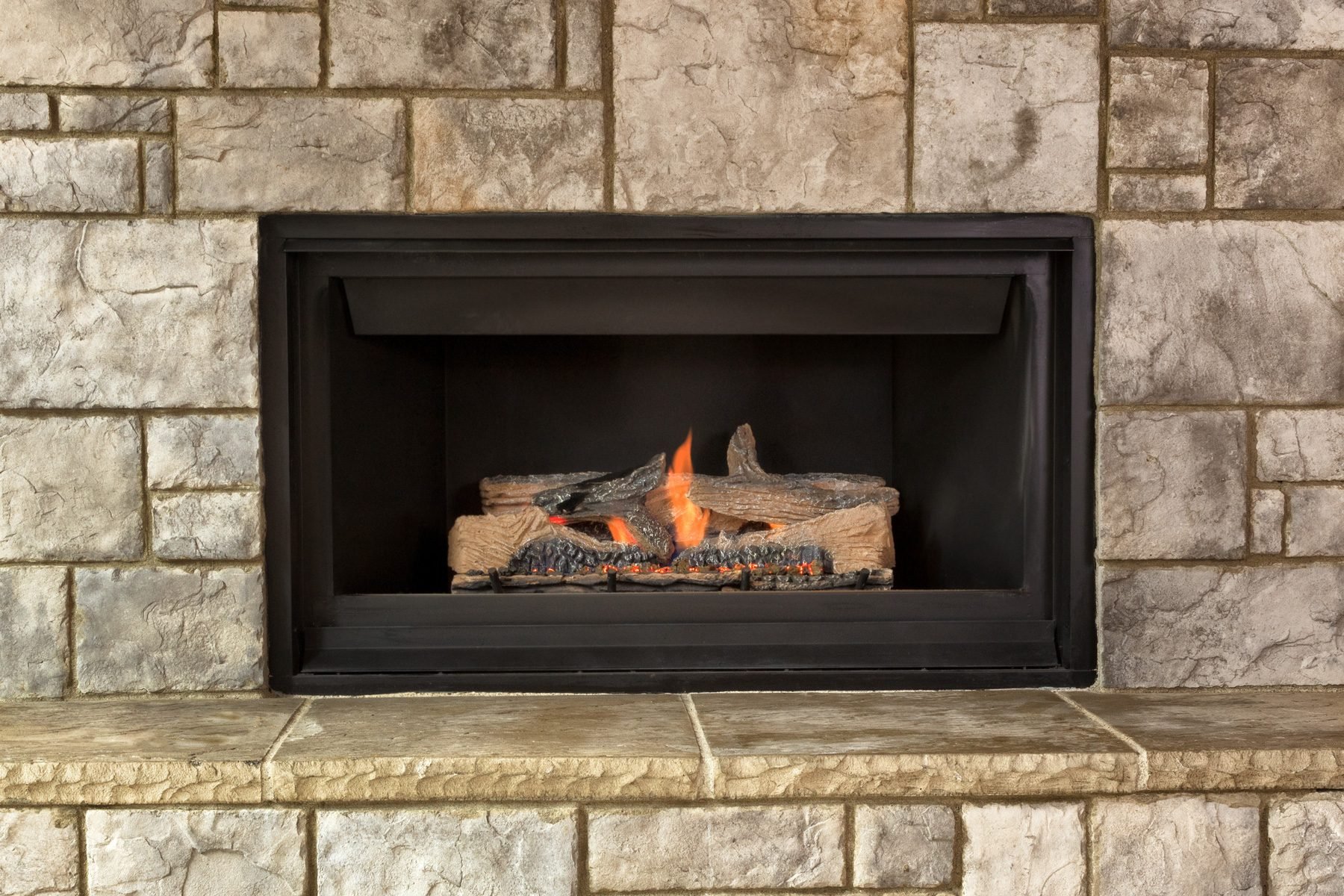
Finally, two simple yet impactful fixes involve addressing heat loss points: chimneys and windows. Closing the chimney damper when the fireplace is not in use prevents warm air from escaping. Similarly, winterizing windows through methods like adding transparent plastic film, installing cellular blinds, or hanging thermal curtains can significantly reduce drafts and heat loss, especially in older homes with single-pane windows.
#HVAC #HomeHeating #FirstFloorCold #InteriorDoor #MiniSplitSystems #RadiantHeating #SpaceHeaters #ChimneyDamper #WindowWinterization #HVAC #HomeHeating #FirstFloorCold #InteriorDoor #MiniSplitSystems #RadiantHeating #SpaceHeaters #ChimneyDamper #WindowWinterization
0 comment in total
 No comments yet
You may also like
How to warm up your first floor – 7 expert tricks to hold heat downstairs for a cozy winter


Should you leave an attic open during a freeze? HVAC technicians weigh in
I used to struggle to keep my open plan layout warm in winter — but these 4 methods now keep it cosy all day long
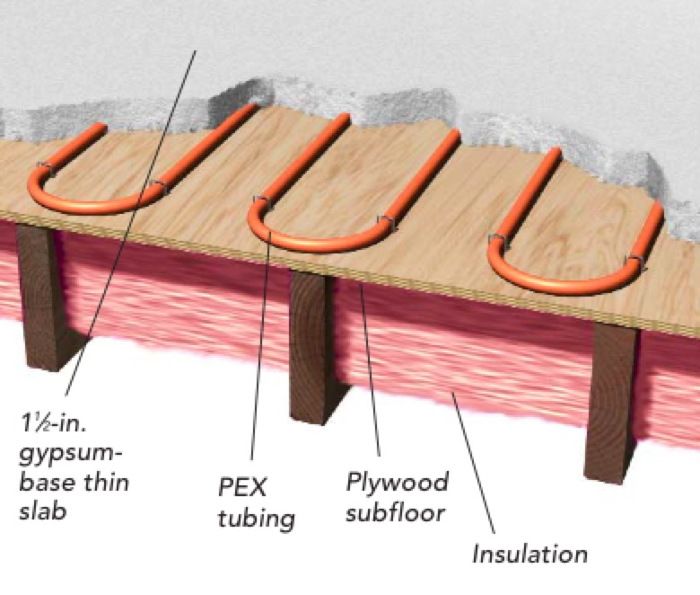
Is Radiant Floor Heating the Best Way To Warm A Well-Insulated House?

Fed Up with Chilly Nights? HVAC Pros Reveal One Quick and Free Bedroom Tweak to Keep You Warmer Without Raising Bills
17 Tips and Hacks to Help Keep Your House Warm This Winter

The 1 Super-Quick Thing You Should Do To Your Ceiling Fan In The Winter
3 reasons I regret not putting underfloor heating in my home office – it’s definitely moving up my priority list

Why is my upstairs always hot even with AC on? Experts reveal why and how to fix it

8 Simple Ways to Improve Indoor Air Quality This Winter

Here's How I Cooled My Bedroom Fast Without Turning On the AC


5 flooring sounds you shouldn't ignore - and what they mean
HVAC Pros Say This One Fall Task Can Make Your Home Feel So Much Warmer (and It's So Easy!)
How to keep an entryway warm and cozy in winter – without heating

How to keep a top-floor apartment cool in summer


7 easy and efficient ways to keep your house warm this winter

How do I Make a Cold Room Feel Warmer? 5 Ways to Cozy up Your Home Without Cranking up the Heat

How to keep your mudroom warm – 5 expert-recommended tips
The 4 areas of your home pros say to always insulate to keep it toasty in colder weather – plus, where to never insulate
How to Live With Radiant-Floor Heat