1/7
How to protect houseplants from central heating – to keep them thriving indoors throughout the colder months
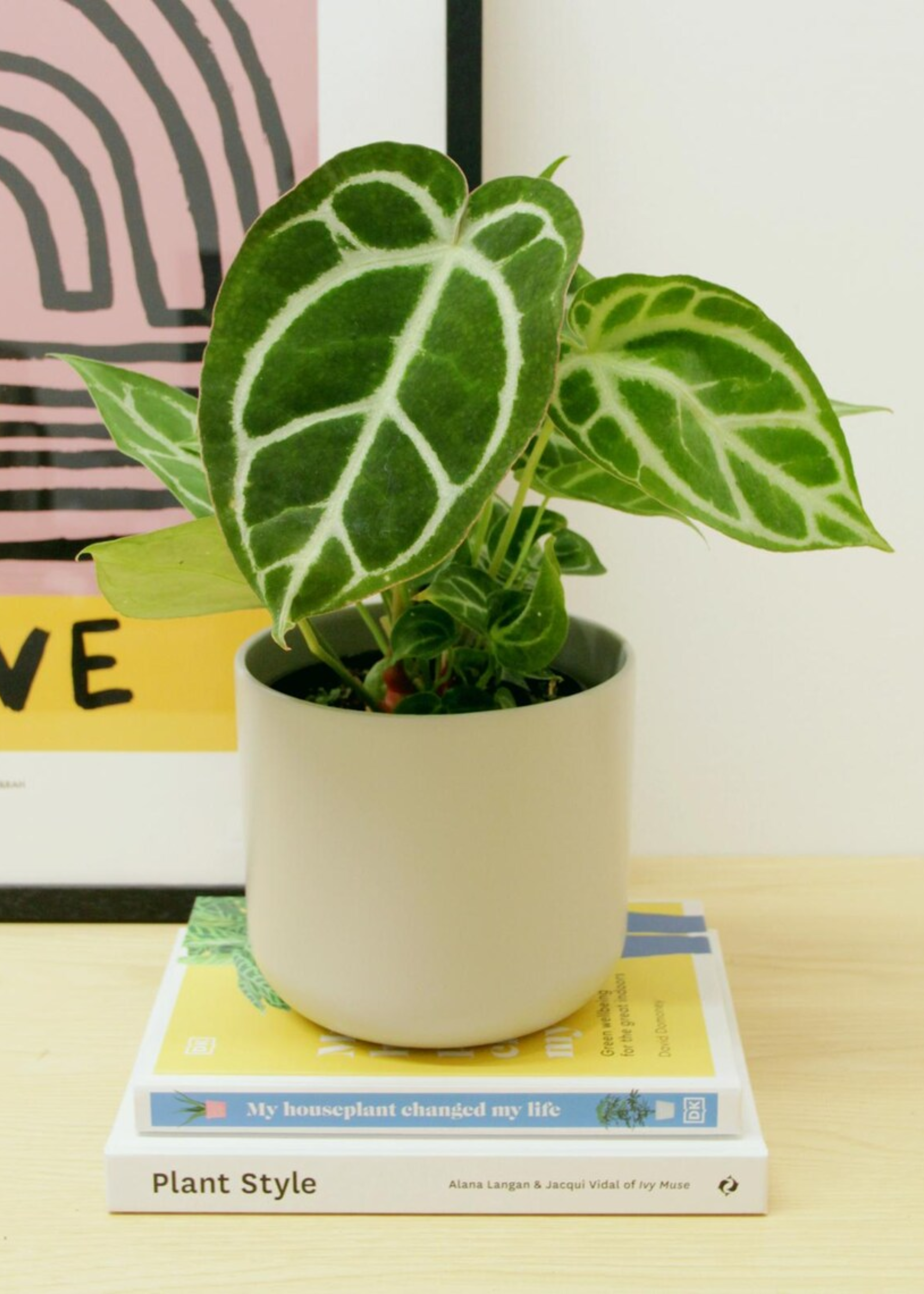
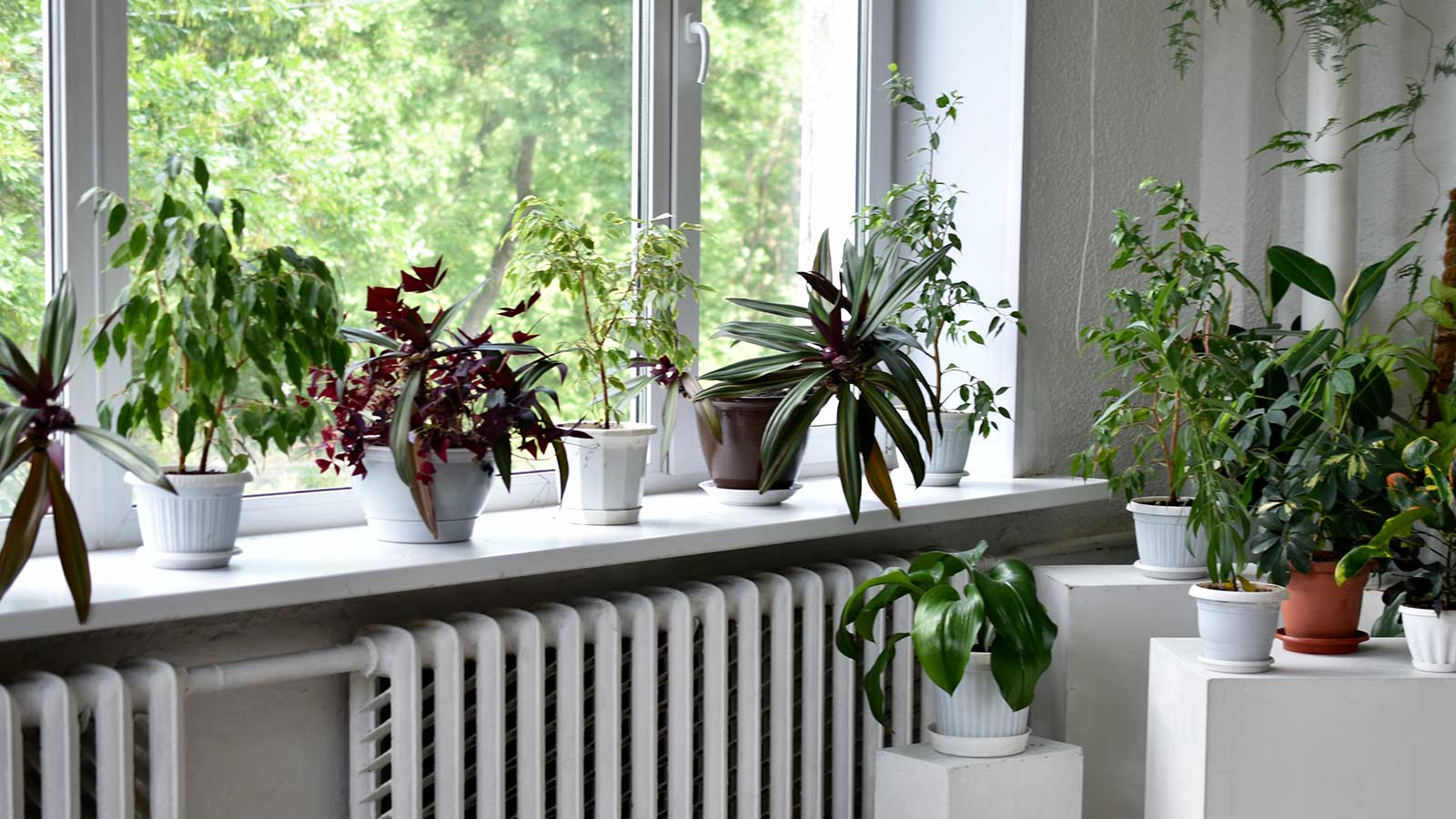
With winter approaching and central heating becoming a necessity, understanding how these indoor climate controls affect houseplants is crucial for their survival and health. Many common houseplants originate from tropical regions, leading some to believe that increased indoor temperatures during colder months would benefit them. However, central heating systems, including fireplaces, radiators, underfloor heating, and air conditioning, can be detrimental to indoor plants primarily due to the significant reduction in humidity they cause. This dry air can stress plants, and direct exposure to intense heat can even burn their leaves.
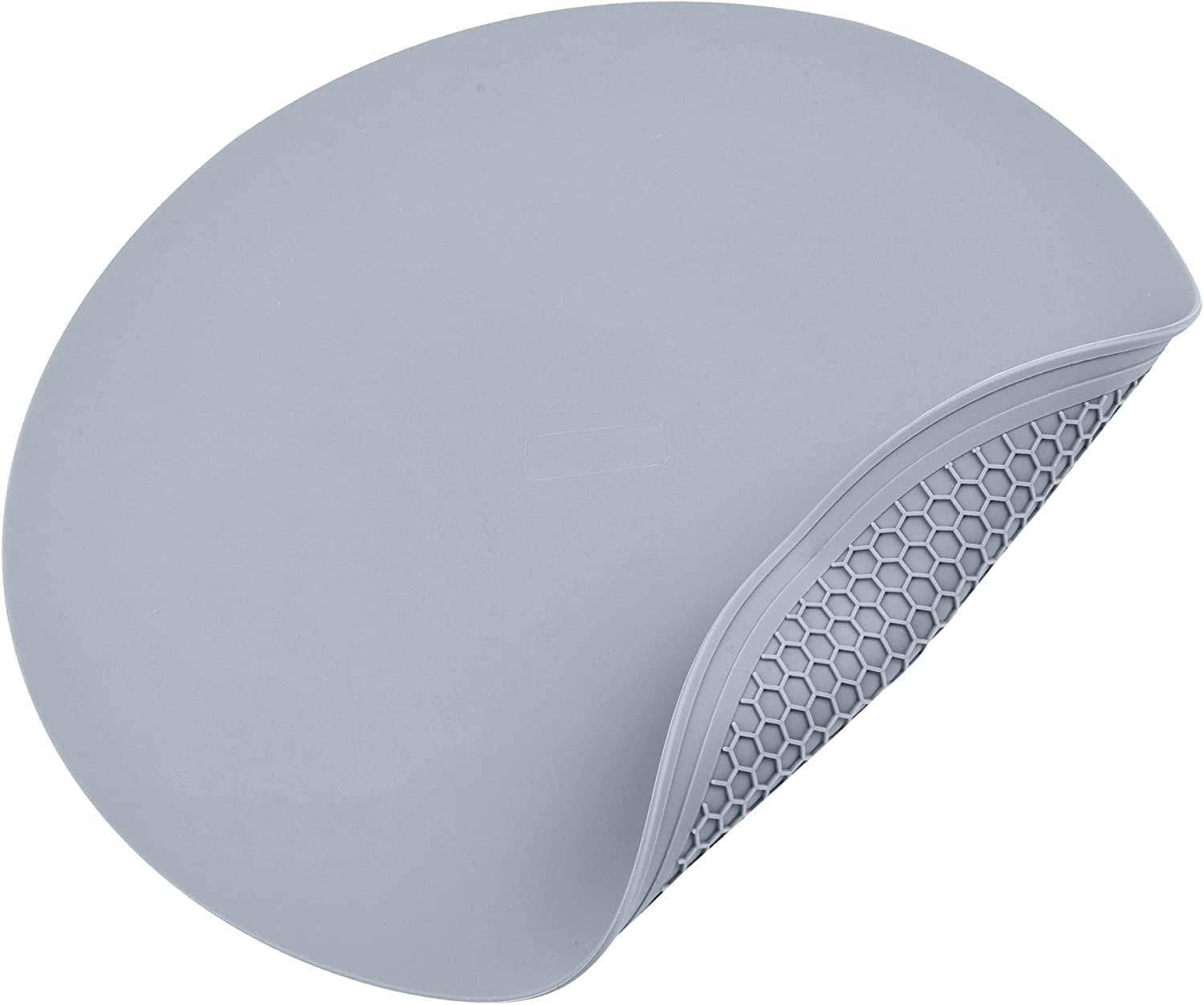
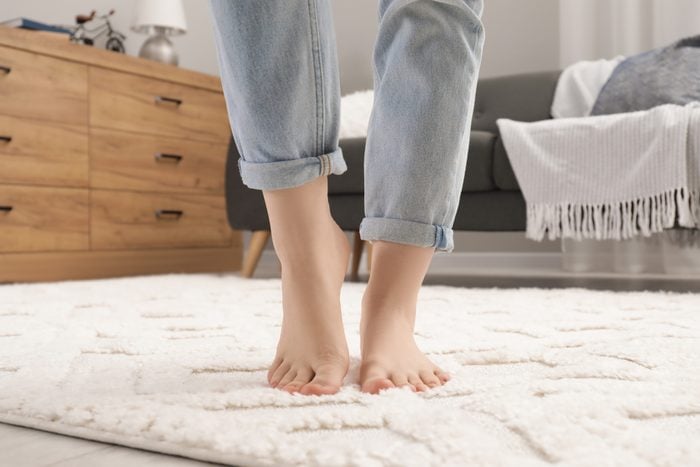
Protecting plants from underfloor heating involves preventing their roots from becoming too warm, which can lead to stress. Dramatic temperature fluctuations, such as when the heating turns off and the floor cools significantly, can also shock plants. The most straightforward solution is to elevate plants onto shelves, tables, or dressers, or to use hanging planters. For larger plants that cannot be moved, placing a thick cork mat or similar buffer between the pot and the heated floor can mitigate the impact.
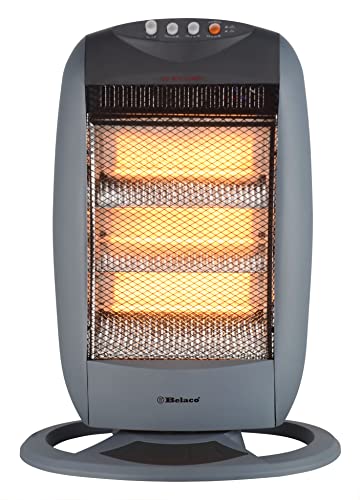
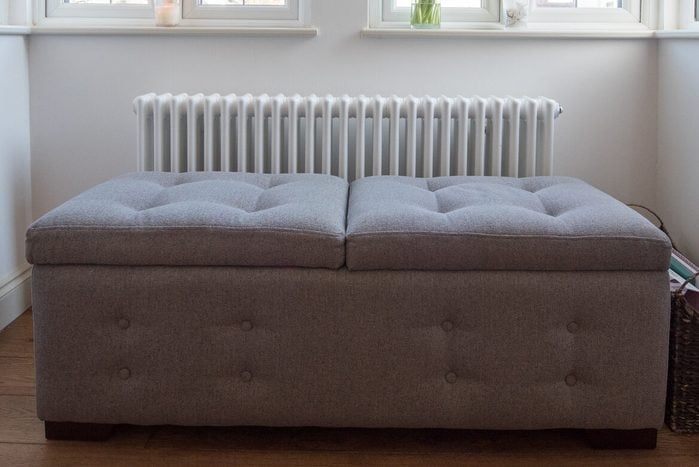
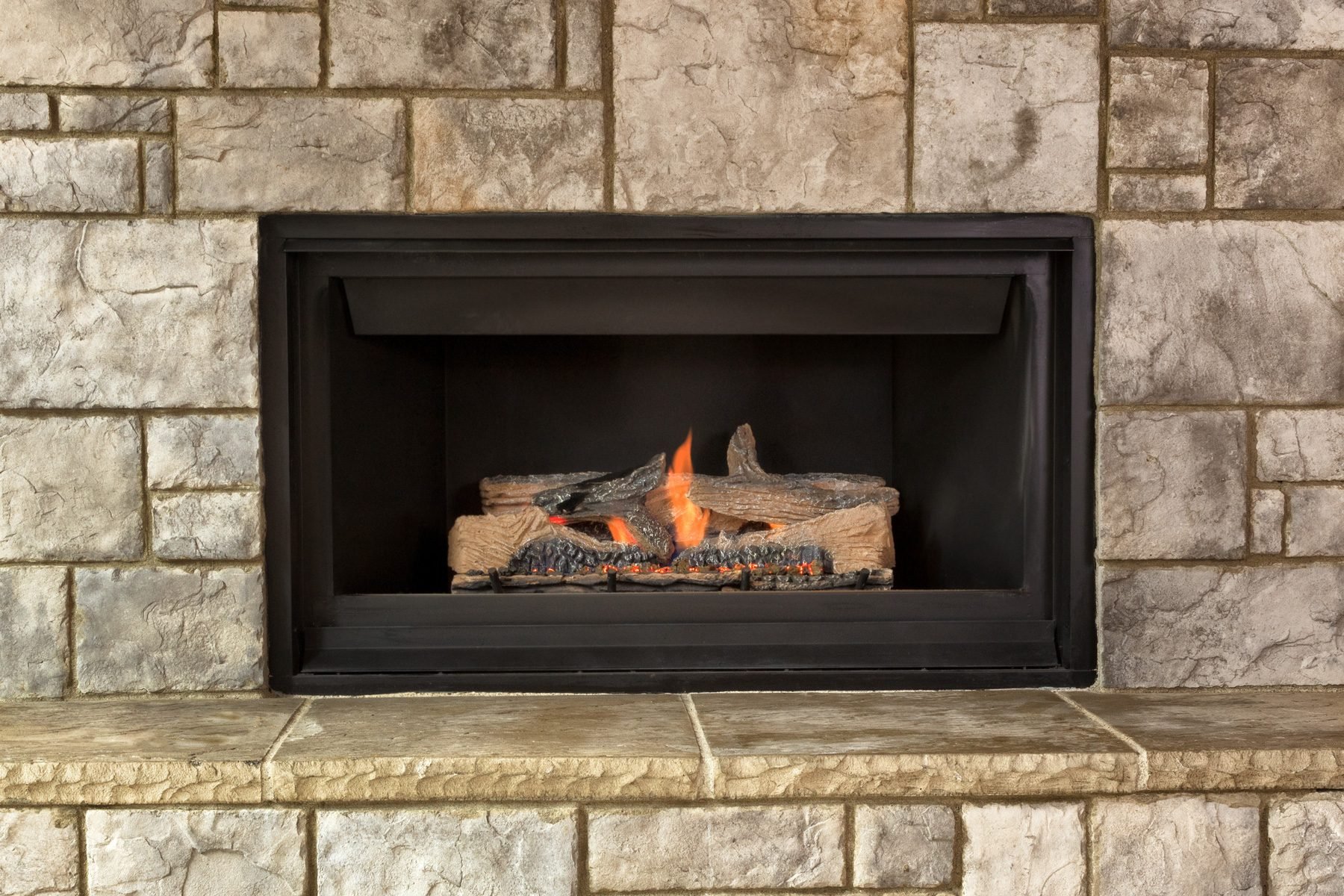
Fireplaces and radiators emit intense heat that can severely damage nearby plants, causing leaves to turn brown and limp. It is advisable to position plants as far away from these heat sources as possible. A simple test is to feel the heat with your hand; if it feels hot, it's too close for the plant. Maintaining adequate humidity is another critical aspect. Regular misting can help, but other methods are often more effective. Grouping plants together creates a micro-environment with naturally higher humidity. Utilizing a humidifier, especially in rooms with multiple plants, is a highly effective way to counteract dry air. Alternatively, placing trays filled with water and pebbles beneath plant pots allows for increased humidity as the water evaporates, ensuring the pots sit on the pebbles, not directly in the water, to prevent root rot. For those with a larger budget, an indoor greenhouse can provide a stable, humid environment, shielding plants from drafts and dry air.
Moving plants to naturally more humid rooms like bathrooms or kitchens can also be beneficial, provided these locations offer sufficient light. Watering routines must also be adjusted. Central heating causes plants to lose water through their leaves more quickly, necessitating more frequent watering. However, it is crucial to avoid over-saturating the soil, as this can lead to root rot. Checking the soil moisture with fingers or a chopstick before watering is recommended to determine the plant's needs.
Air conditioning, whether set to heat or cool, can also harm houseplants by dehydrating them and exposing them to temperature fluctuations. Moving plants away from vents, maintaining humidity, and adjusting watering are key. It is also important to consider the optimal temperature range for specific houseplant species, particularly tropical plants, which generally prefer temperatures between 70-80°F during the day and 65-70°F at night. Signs that houseplants are suffering from excessive heat or lack of humidity include dry, curling, or brown leaf tips, as well as yellowing leaves or the dropping of foliage and flower buds. Conversely, plants also need protection from cold temperatures and drafts, meaning they should be kept away from drafty doors and windows, and positioned on the 'room' side of curtains if placed near windows at night. By implementing these strategies, common houseplants such as pothos, fiddle leaf figs, and succulents can continue to thrive indoors throughout the colder months, enhancing the home environment.
#HouseplantCare #CentralHeating #WinterPlantProtection #HumidityManagement #IndoorGardening #PlantHealth #HomeHeatingImpact #TropicalPlants #PlantMaintenance #HouseplantCare #CentralHeating #WinterPlantProtection #HumidityManagement #IndoorGardening #PlantHealth #HomeHeatingImpact #TropicalPlants #PlantMaintenance
0 comment in total
 No comments yet
You may also like
How to wrap potted plants for winter – and keep them warm in frost and snow
How to keep your house warm in winter — 29 budget-friendly and easy ways to stay cosy
Nov 2017: Gone Gardenin' -- Ice plants can be enjoyed both indoors and outdoors

Heat your home efficiently this winter

5 Houseplants That Just Don't Like Winter — And How to Keep Them as Happy as Possible During the Colder Months


How to Keep Exterior Green Walls Alive in the Winter
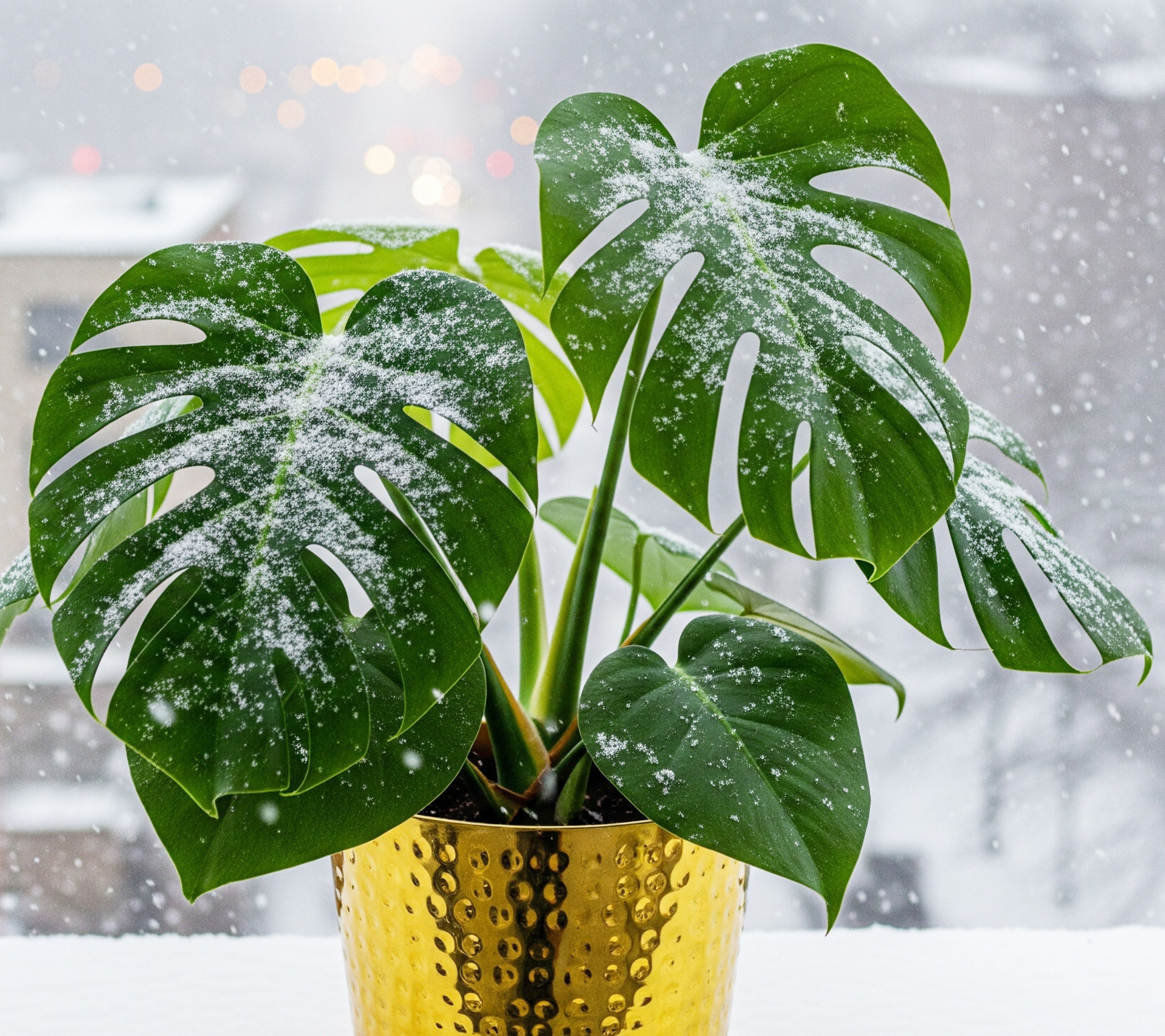
Tips for selecting an indoor plant
How to 'warm up' cold walls and 'protect' your home from condensation and mould growth

How to protect your Christmas tree from underfloor heating
Keep warm for less this winter

You Should Plant Night Sky Flowers in Your Yard ASAP


Sick of the heat? Here's how to keep your home cool, heatwave or not, if you don't have AC
Cornerstone Homebuyers Expands "Sell Water Damaged House" Service Throughout Florida
How to make a conservatory warmer - ways to heat and insulate for all-year round use
25 Colorful Winter Flowers That Actually Thrive in the Cold

7 easy and efficient ways to keep your house warm this winter

Beat the heat: 7 DIY natural ways to summer-proof your house | Lifestyle News

These Flowers Will Thrive in the Coldest Months of the Year

17 Tips and Hacks to Help Keep Your House Warm This Winter

6 Expert-Backed Ways to Keep Cold Air—and High Energy Bills—Out of Your House This Winter