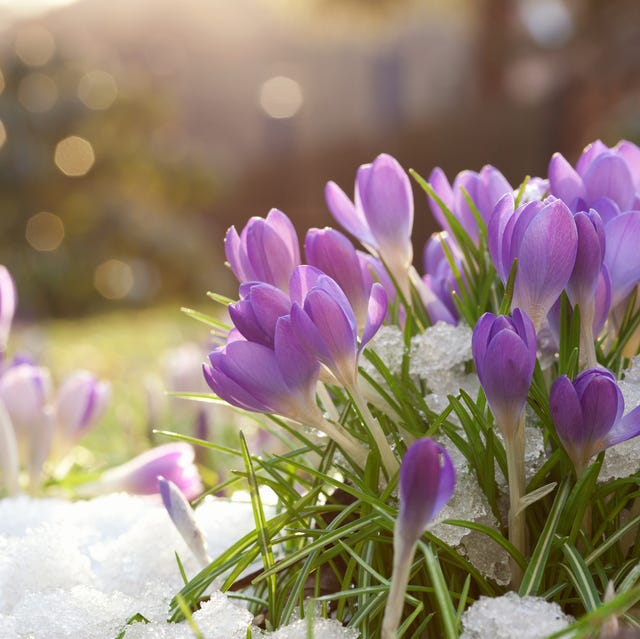
1/21
25 Colorful Winter Flowers That Actually Thrive in the Cold
The article presents a comprehensive guide to 25 types of colorful winter flowers that can thrive in cold weather, challenging the common perception that gardening is limited to spring and summer. It emphasizes that a vibrant garden is achievable even in freezing conditions, provided the right plant varieties are selected and proper care is given. Key to successful winter gardening is understanding one's USDA Hardiness Zone and carefully reading plant care tags for specific light, water, and soil requirements. The article highlights the importance of preparing the garden in late fall, before the first frost, to allow plants sufficient time to establish roots. This foundational step is crucial for the survival and flourishing of winter blooms.
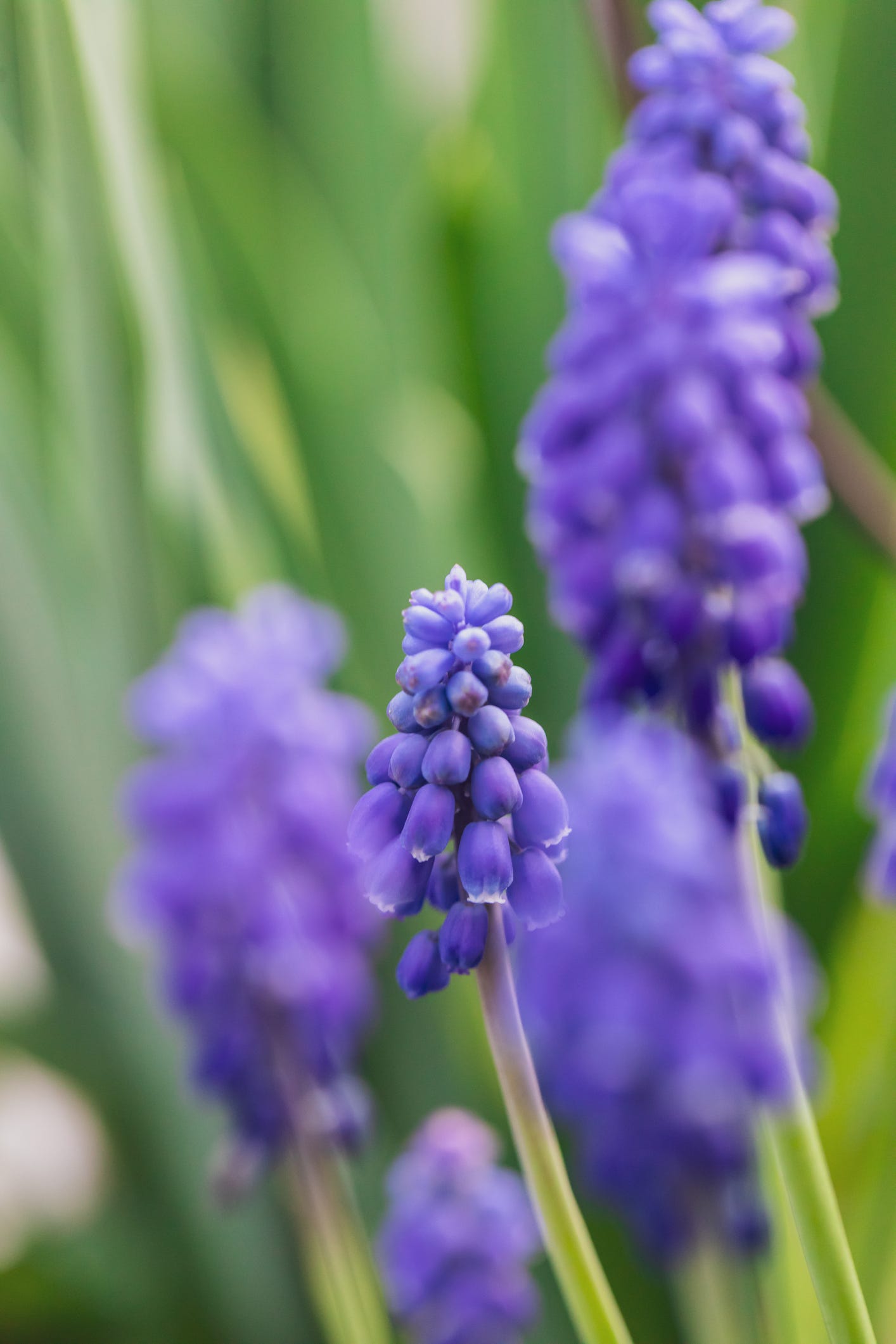
The article then details 25 specific winter-hardy plants, each with unique characteristics and care instructions. These include Iceland Poppies, known for thriving in frigid temperatures and blooming early in mild climates, and Snapdragons, which retain their color through fall and into winter in cooler areas, requiring partial to full shade. Cornflowers, often considered weeds, are presented as a lovely addition for their blue hue in winter gardens, with seeds ideally planted six to eight weeks before peak growth in mild winters. Grape Hyacinths, with their distinct grape-like scent, provide small bursts of purple, white, or pink in late winter to early spring. Winter Heath is described as a reliable evergreen with long-lasting pink or white flowers. Scilla, though tiny, offers gorgeous blue blooms, best planted in groups in rock gardens. Starflowers (Ipheion) are highlighted for their small white, pink, or blue colonial garden popularity and late winter/early spring fragrance, ideal for walkways.
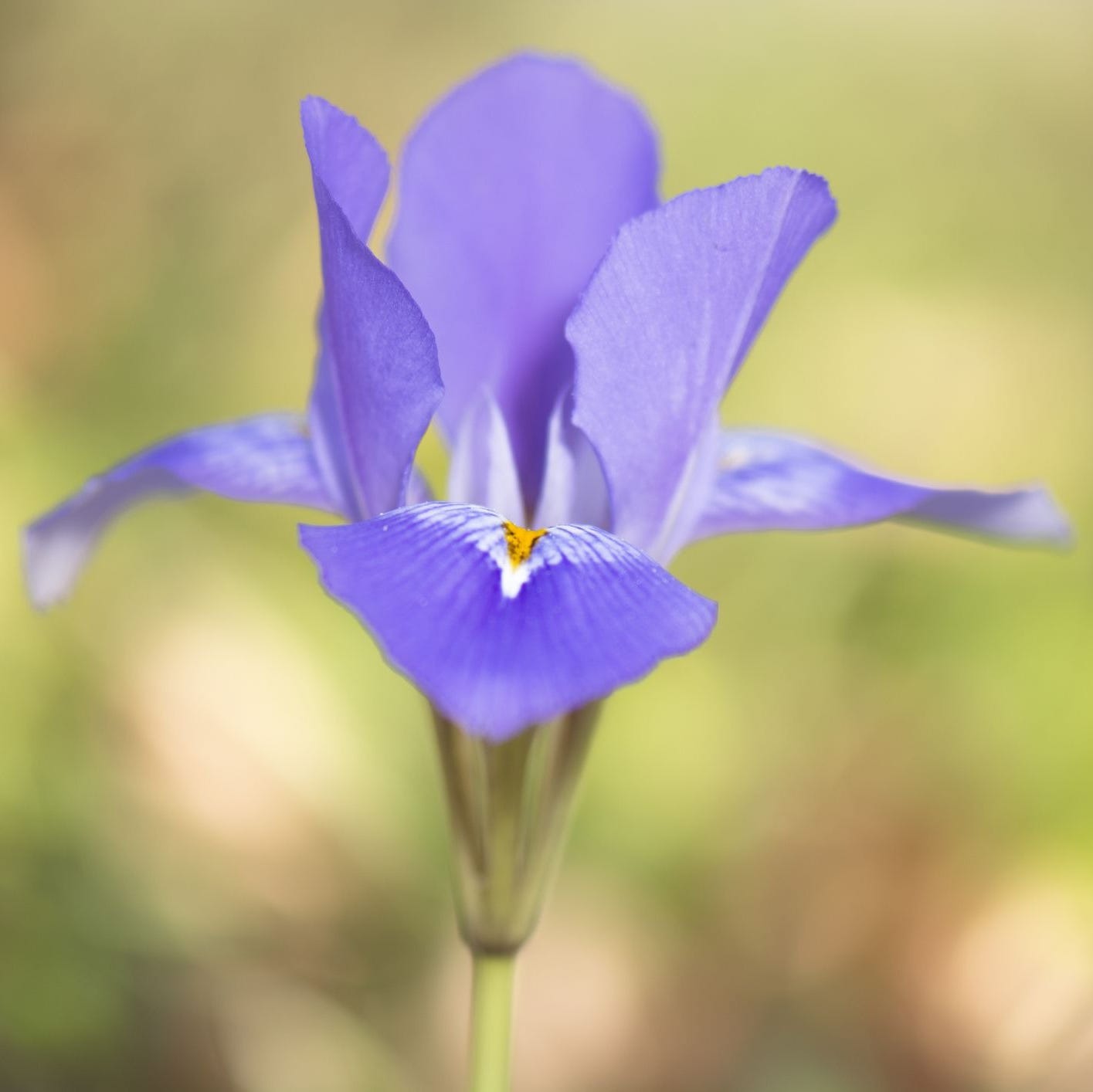
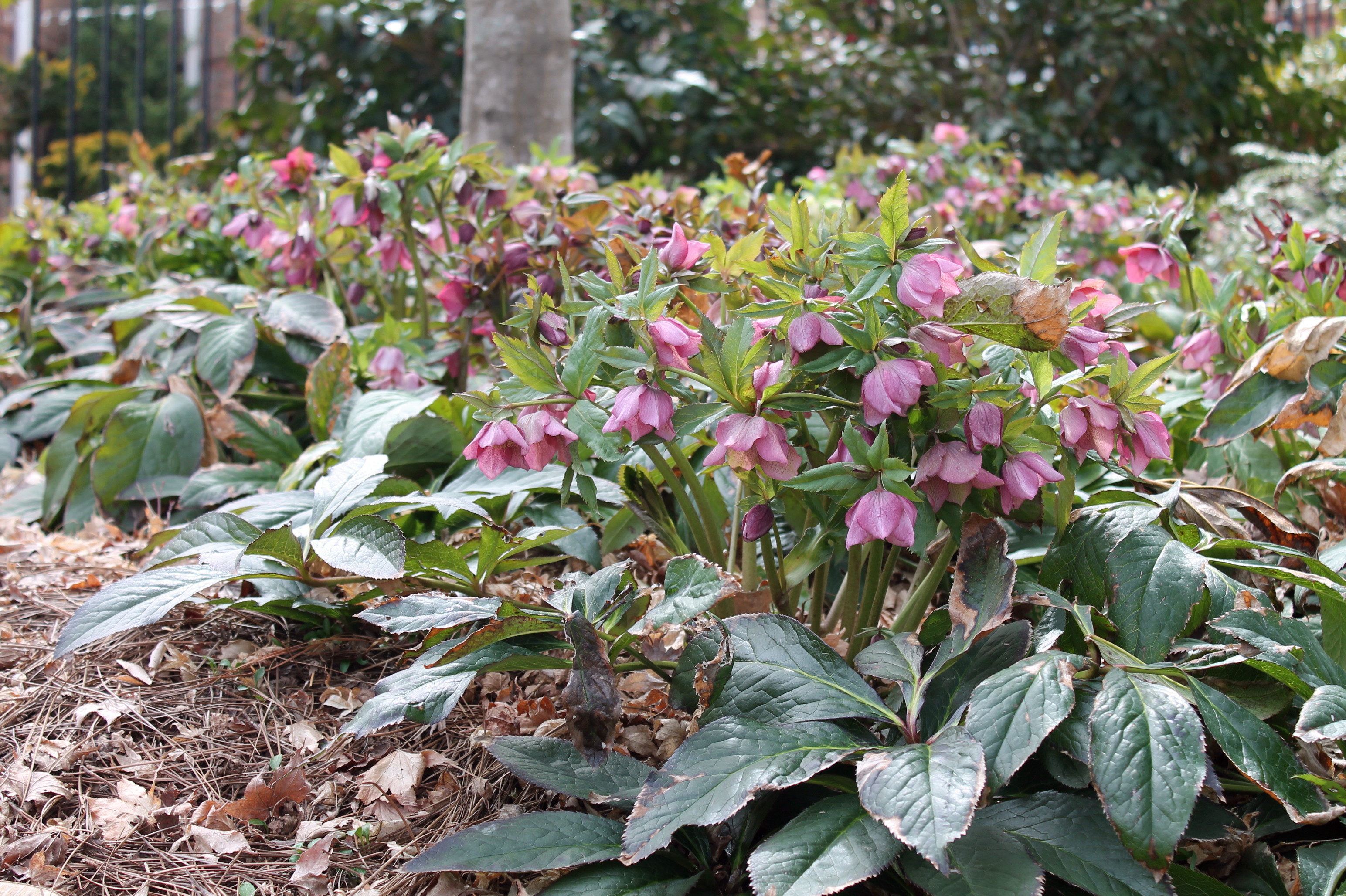
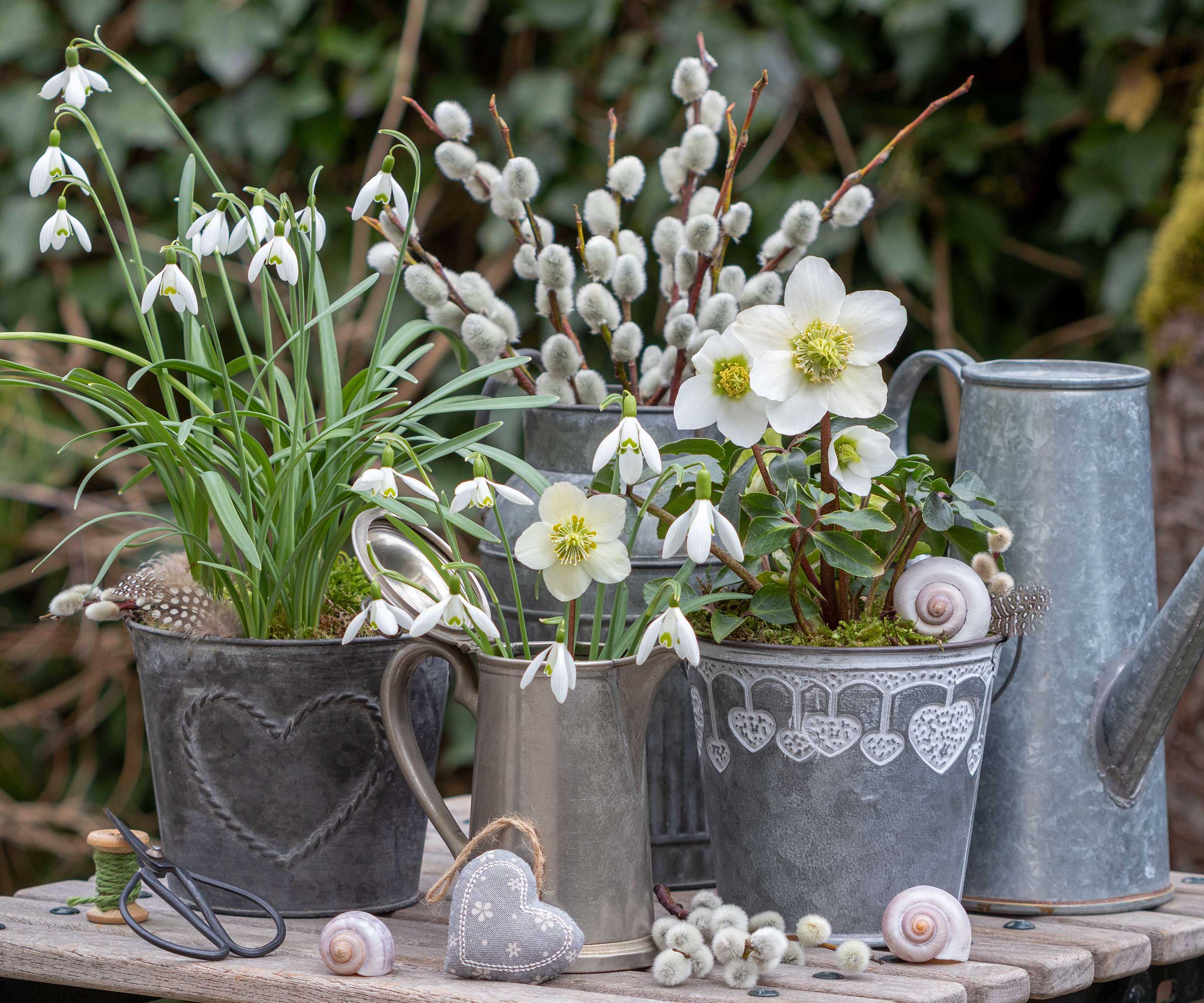
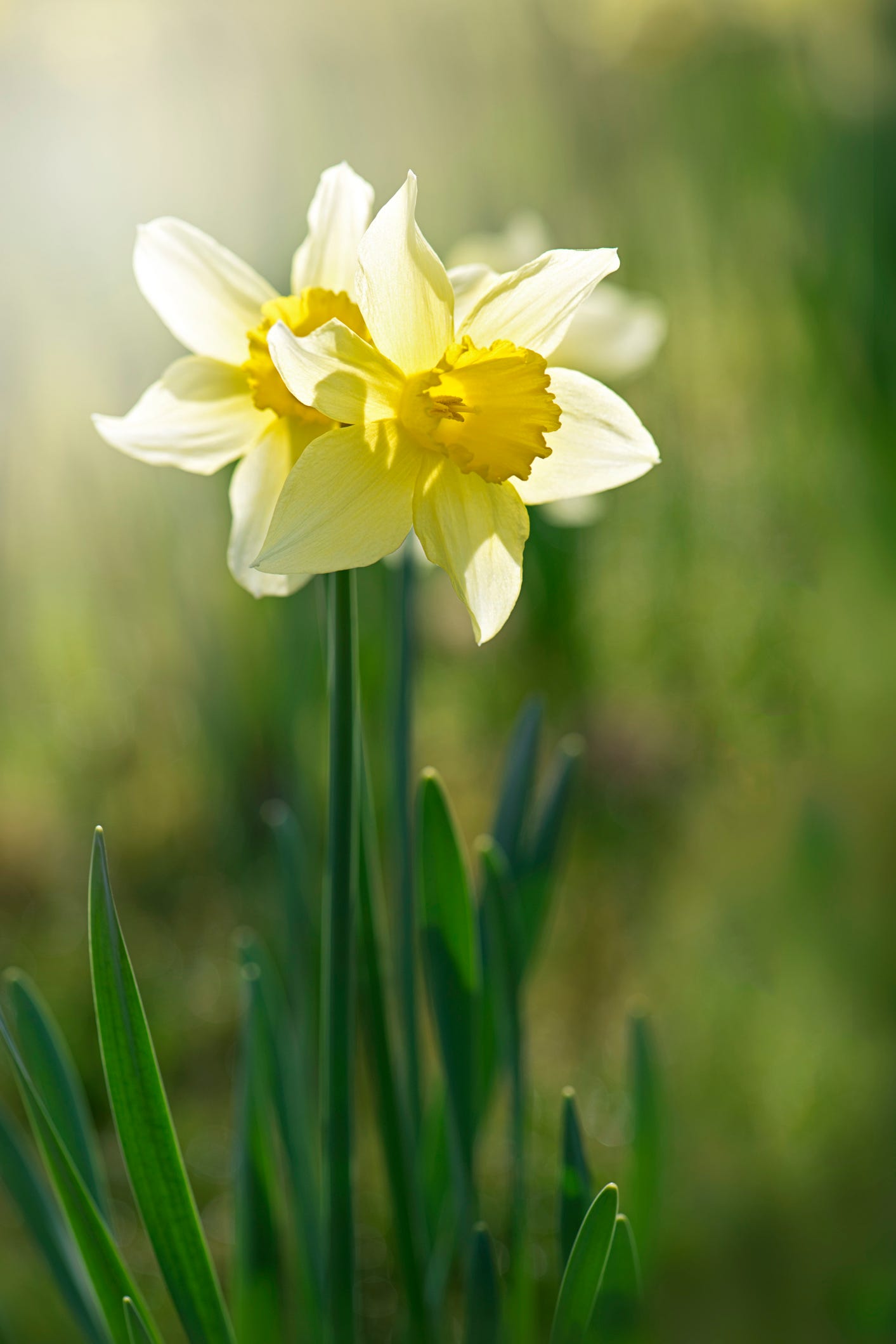
Algerian Iris is noted for its early blooming in warm climates, evergreen foliage, and fragrant flowers, suitable for planting along paths. Pansies and Violas are discussed for their extensive winter blooming in mild climates, with some varieties reviving in spring in colder regions, and their self-seeding nature ensuring recurrence. Snowdrops (galanthus) are essential for an early spring display, blooming even through snow, and are best planted in fall at the front of borders or in rock gardens. Daffodils, typically early spring flowers, can bloom as early as February in some areas and are resistant to rodents. Hellebores, or Lenten roses, are praised as tough, exquisite perennials blooming mid to late winter, featuring waxy green foliage year-round and serving as excellent cut flowers.
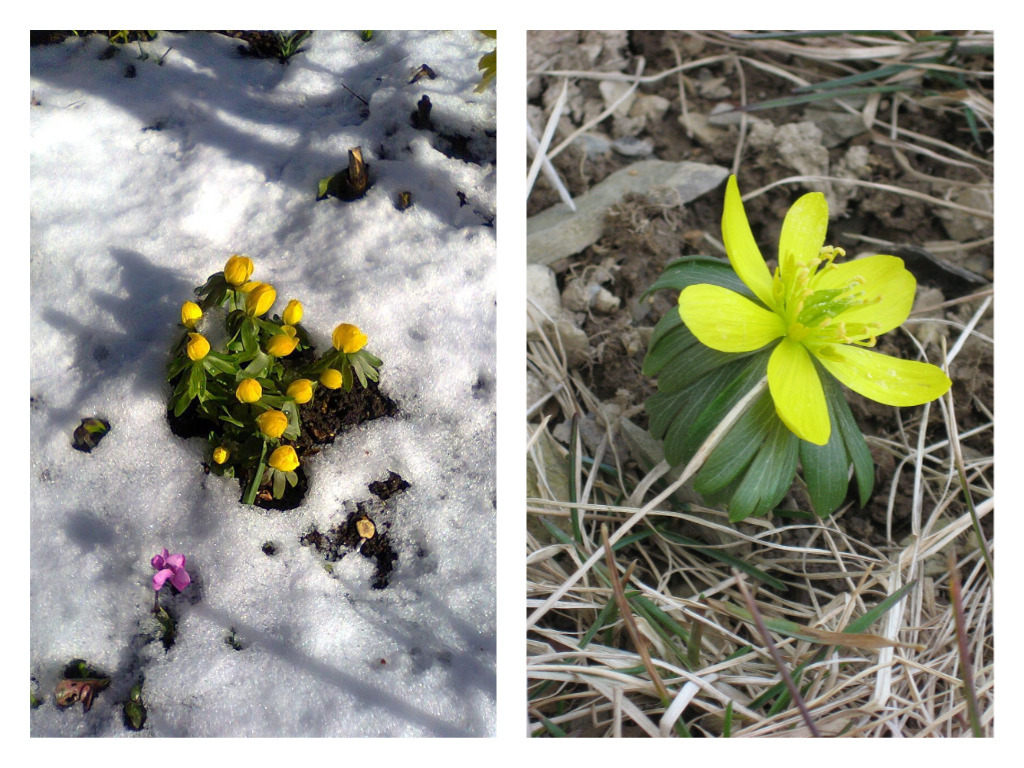
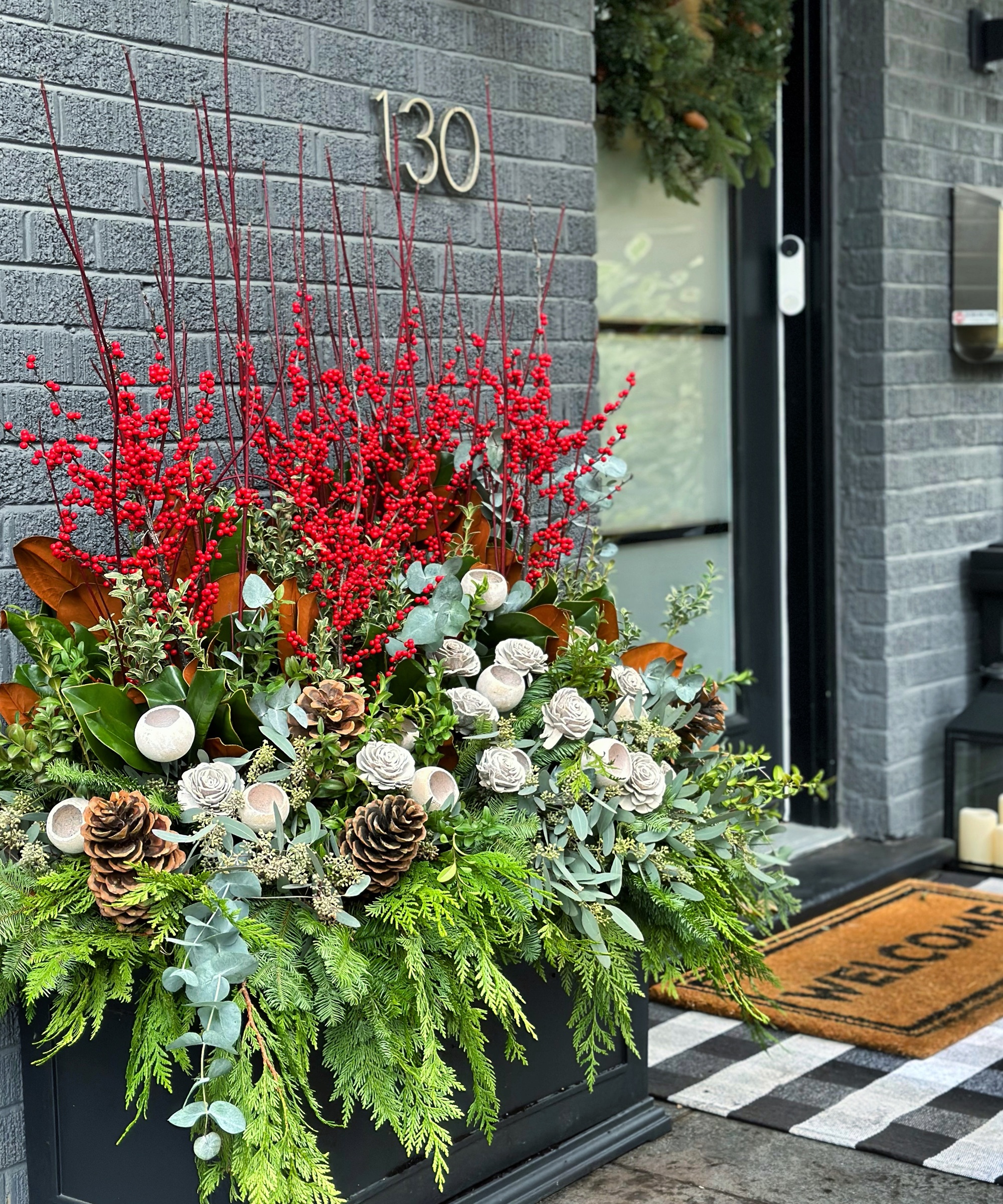
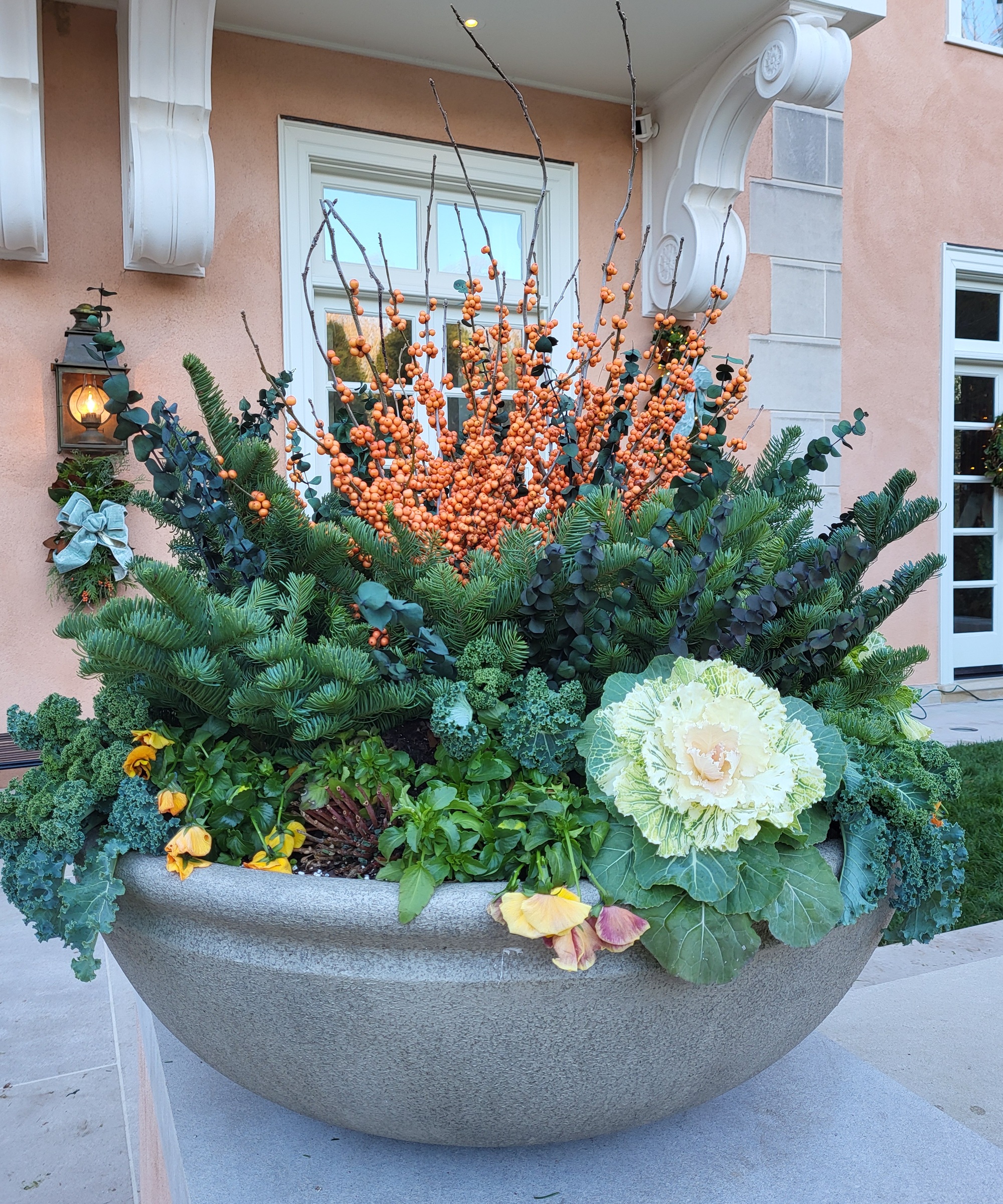
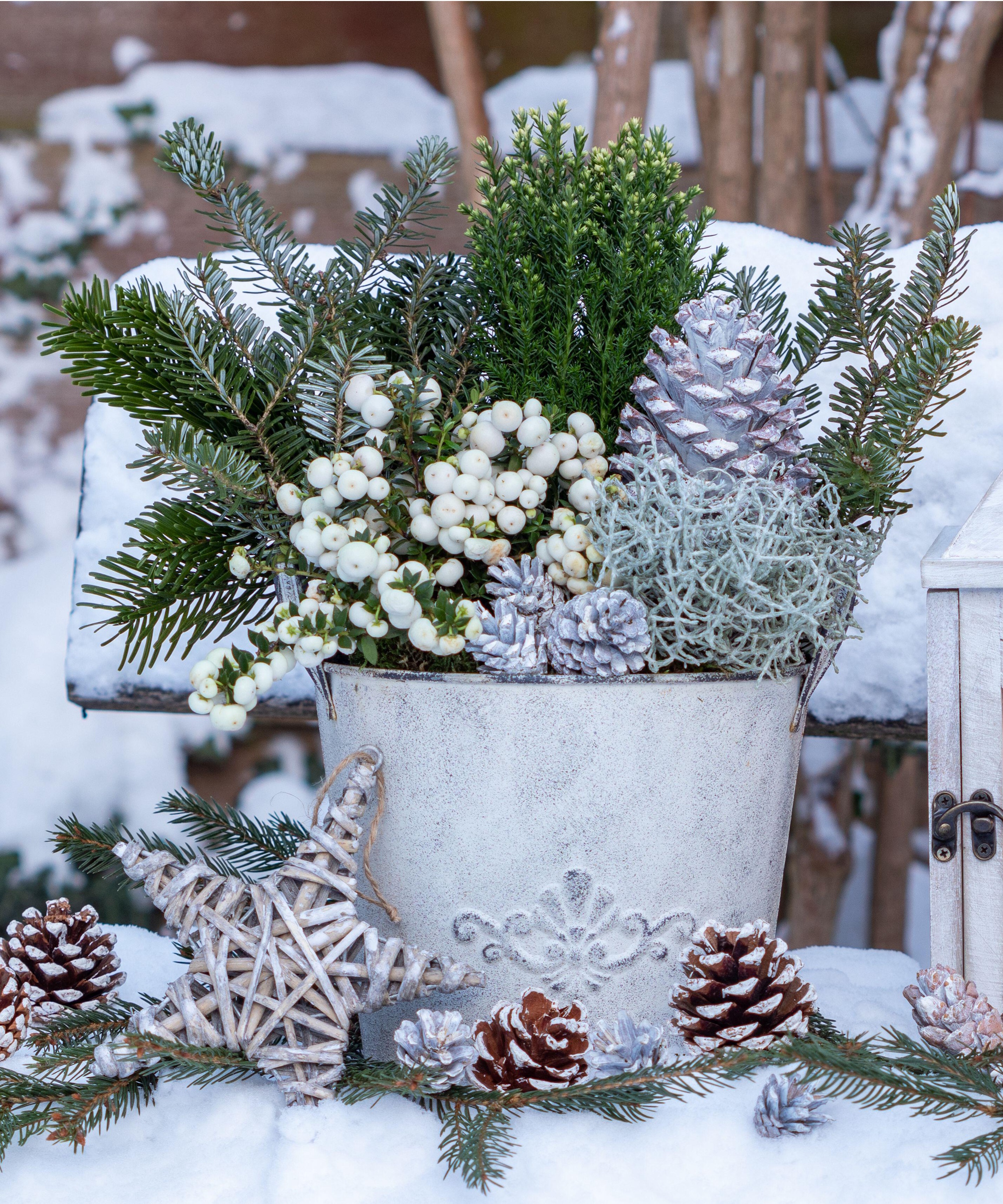
Winterberry, a deciduous holly, is included for its bright red berries, emphasizing the need for both male and female plants for pollination. The Lily of the Valley Shrub surprises with bell-like white or pink flowers in mid to late winter. Winter Aconite brings buttercup-yellow blooms early in the season, attracting pollinators and being deer- and rabbit-resistant. Witch Hazel, an adorable shrub, offers wispy yellow or orange flowers in late winter or early spring before its foliage appears, with a reminder to select winter-flowering varieties. Primrose, a dainty perennial, blooms in late winter to early spring, with hundreds of types requiring selection based on USDA Hardiness Zone.
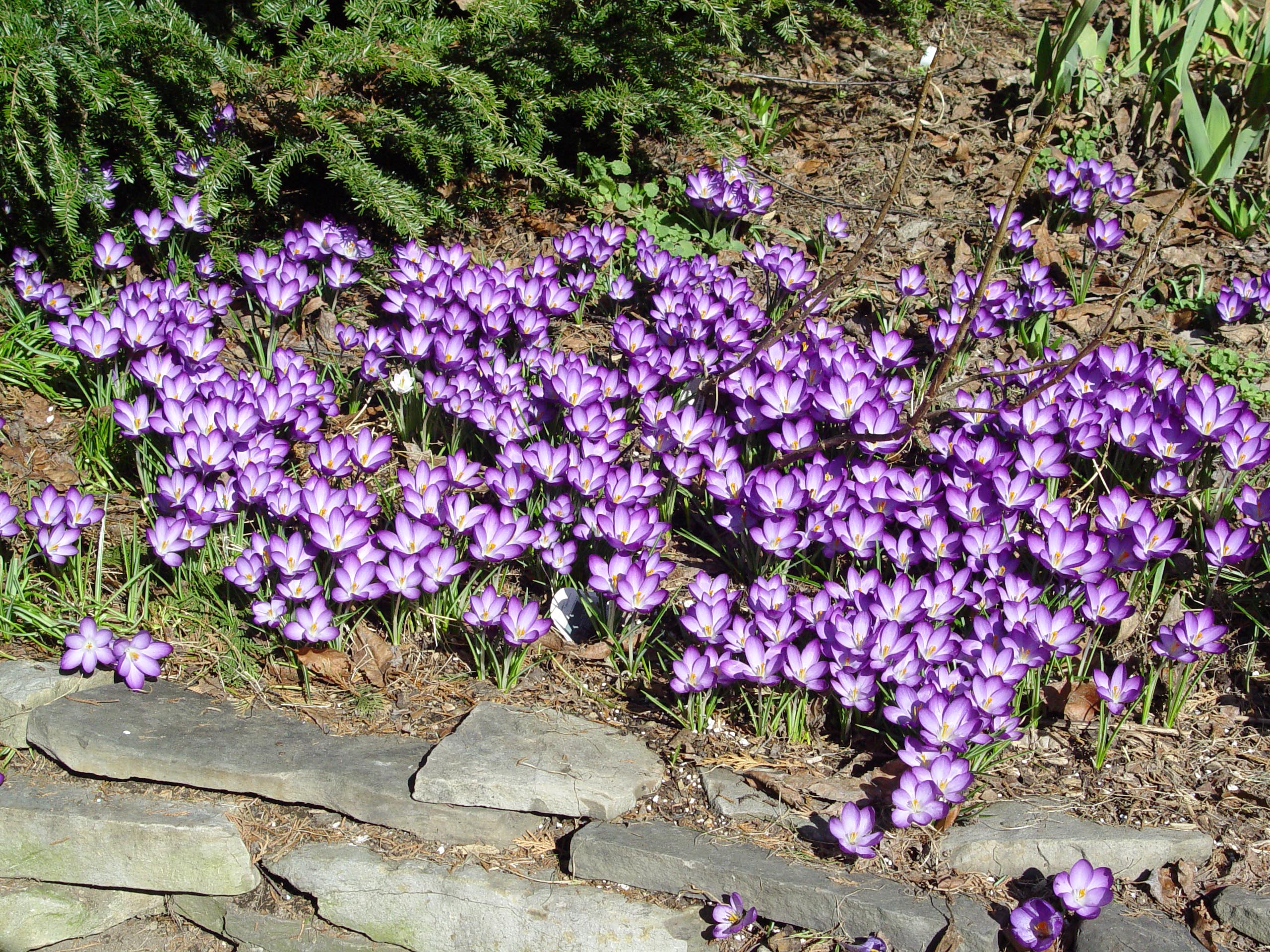
Camellias, blooming from late fall to mid-spring, resemble roses and require choosing hardy, winter-blooming types. Glory of the Snow, a charming late-winter bloomer, appears with snow on the ground and spreads annually. Mahonia, an evergreen shrub, produces dramatic sprays of bright yellow flowers in late fall or early winter, with a caution to check for regional suitability. The article provides practical advice on how to cultivate these plants successfully, ensuring gardens remain vibrant and colorful throughout the colder months, irrespective of geographical location within appropriate hardiness zones. The compilation aims to inspire and enable gardeners to extend the beauty of their outdoor spaces beyond traditional growing seasons, providing detailed information and purchasing options for each plant variety mentioned.
#WinterFlowers #GardeningTips #ColdHardyPlants #PlantCare #SeasonalGardening #FloralDesign #LandscapingIdeas #WinterBlooms #PlantSelection #WinterFlowers #GardeningTips #ColdHardyPlants #PlantCare #SeasonalGardening #FloralDesign #LandscapingIdeas #WinterBlooms #PlantSelection
0 comment in total
 No comments yet
You may also like
These Flowers Will Thrive in the Coldest Months of the Year

The Most Gorgeous Plants That Require ZERO Effort to Keep Alive All Winter Long

Winter garden ideas – 20 ways to a beautiful winter backyard

7 Flowers You Should Plant Right Now for Blooms That Will Last Until December (or Longer)

21 Winter Flower Arrangements That Might Rival Your Tree This Year

5 Houseplants That Just Don't Like Winter — And How to Keep Them as Happy as Possible During the Colder Months

7 Unusual Winter Flower Arrangements—And Vases—That Are Perfect for the Holidays
10 indoor plants that flower all year round – choose from our expert recommendations for non-stop blooms
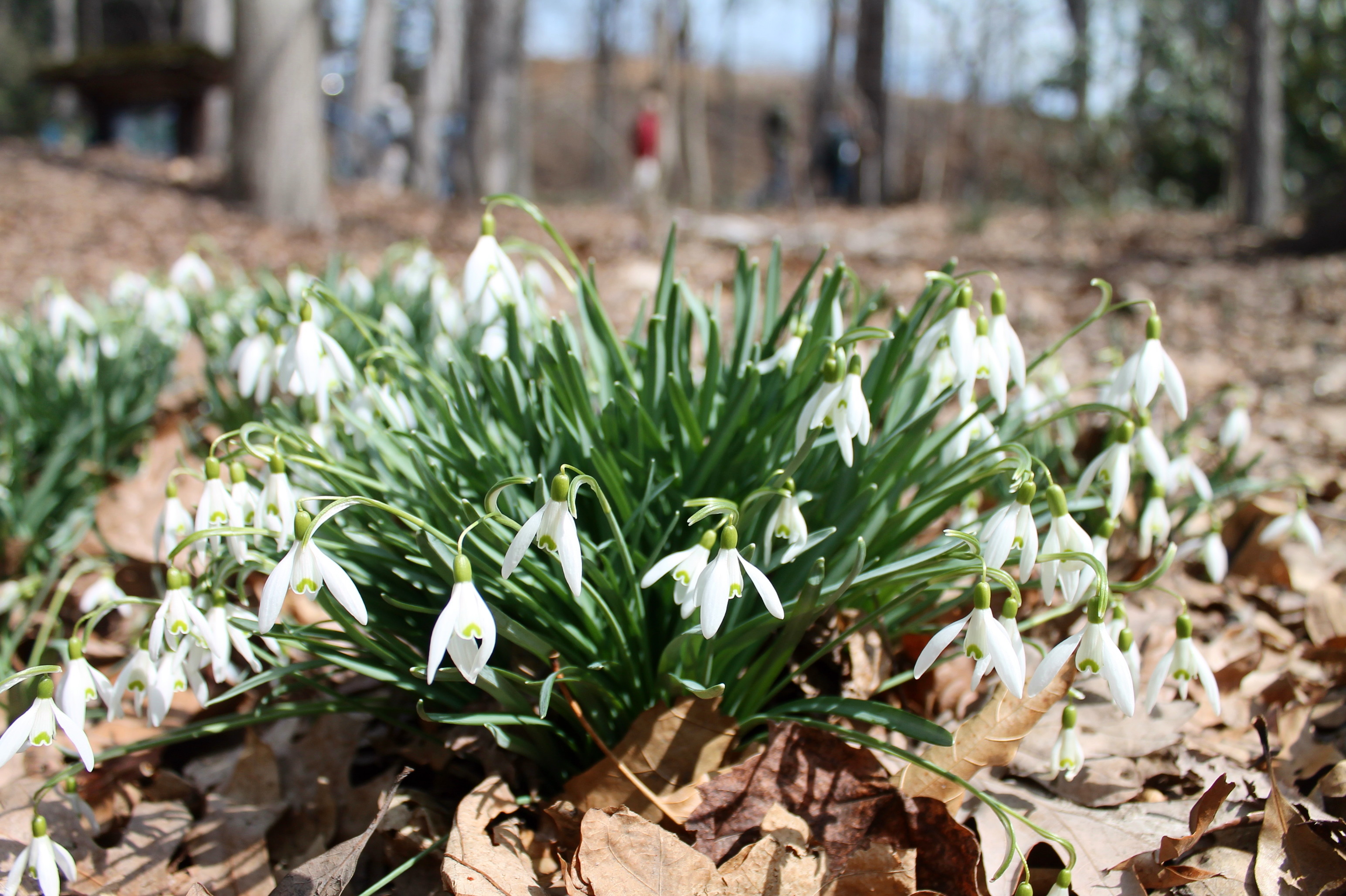
12 early-blooming plants and flowers that will chase the winter blues away

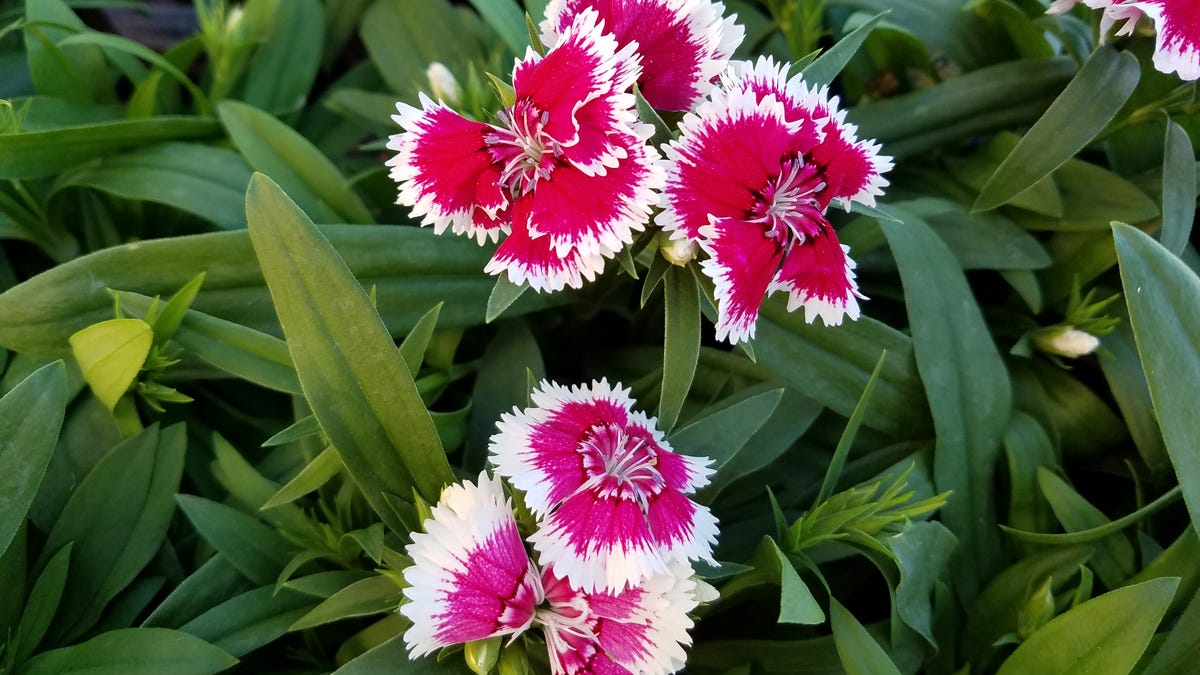
These winter flowers can take the cold in Central Florida | Sally Scalera

4 Floral Arrangements To Hold You Over Until Spring
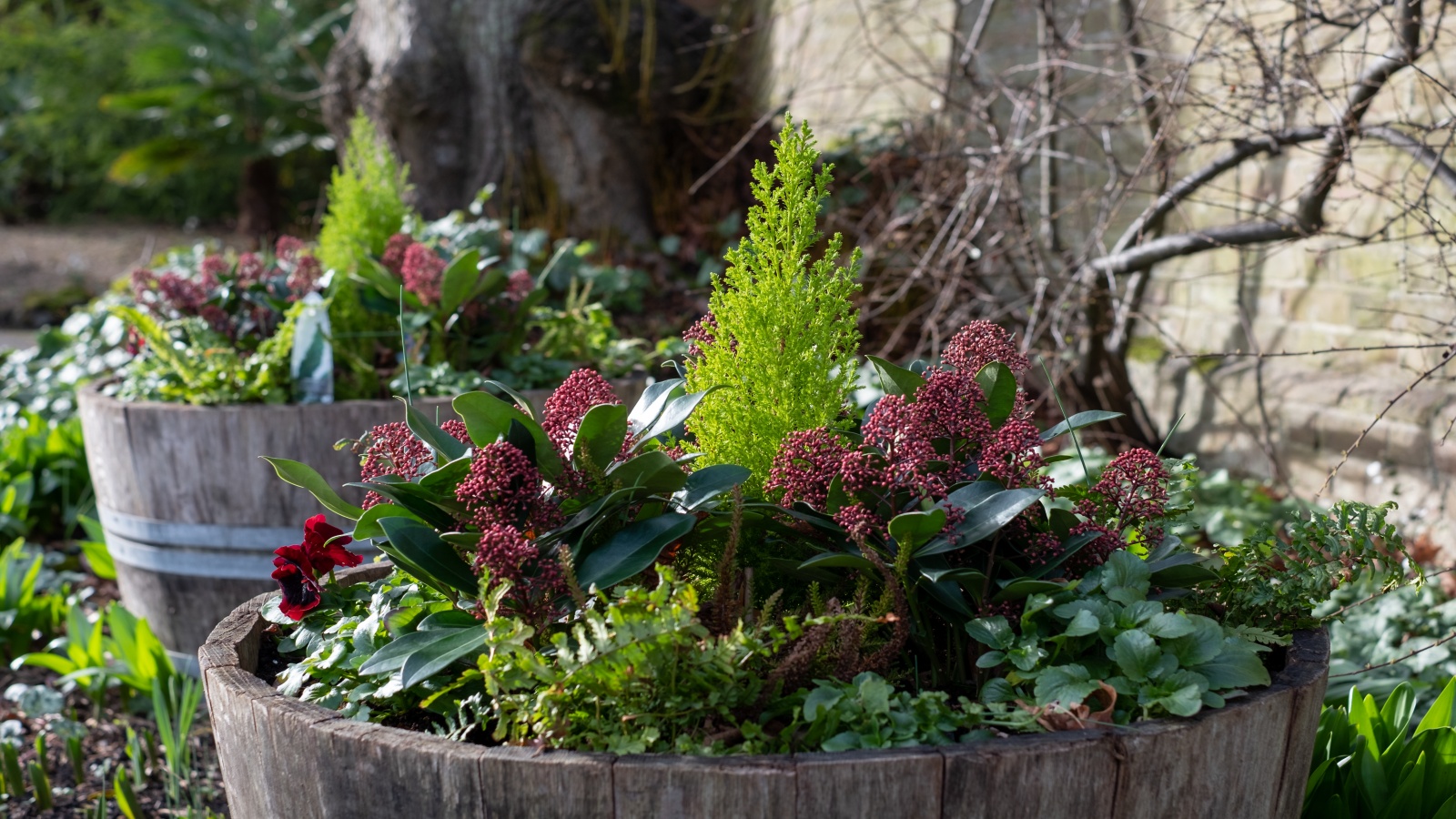
Garden Designers Share Simple Yet Stylish Ways to Spruce Winter Containers
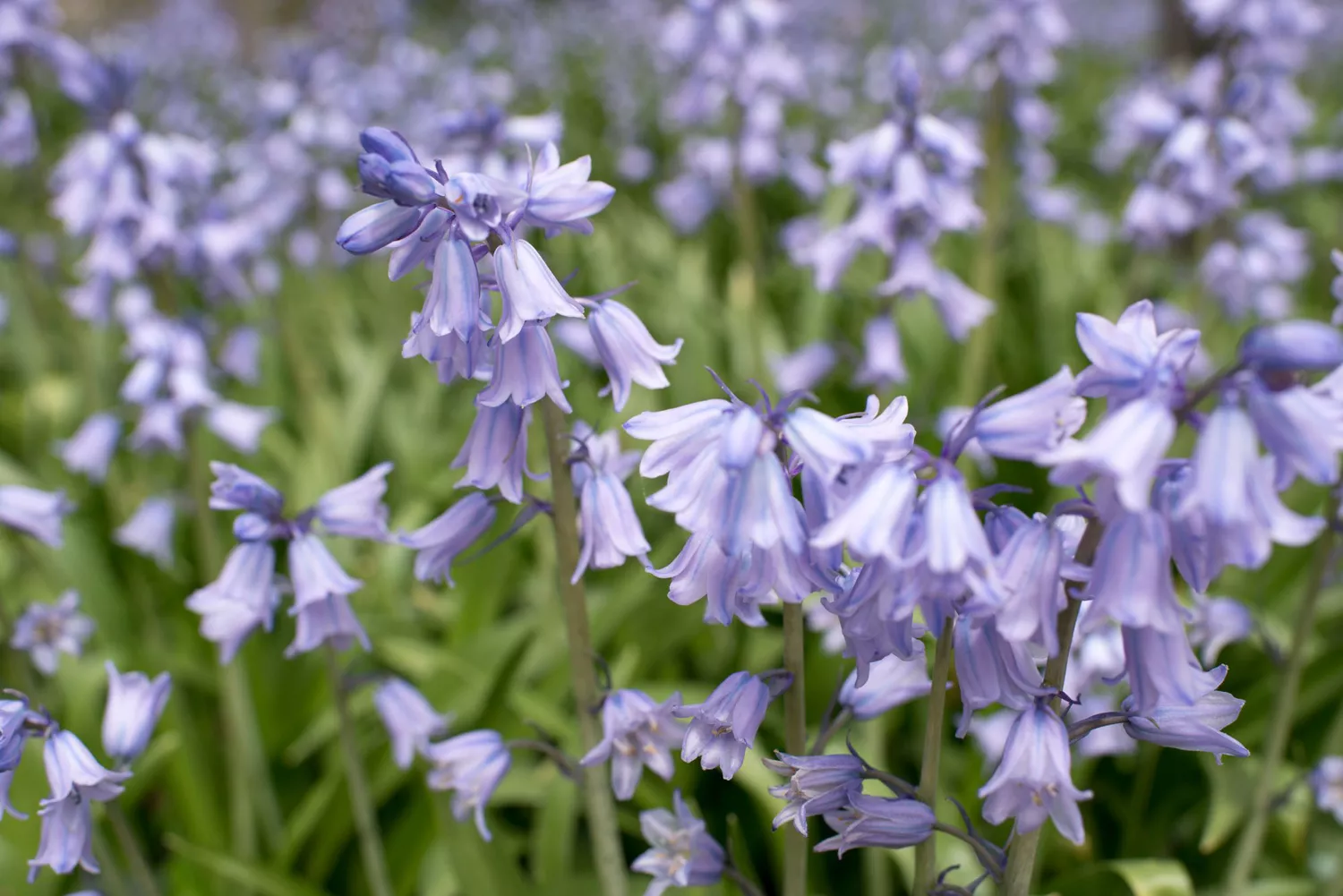
20 Flowers You Can Plant During The Winter

35 Winter Color Schemes That Will Warm Up Any Room
I Spoke to Pro Designers for Secrets to Styling a Porch in Freezing Winters
Grow These Stunning Spring Flowers to Welcome in the Season
Brighten Your Home This Winter With These 30 Stunning Floral Arrangements

Nov 2017: Gone Gardenin' -- Ice plants can be enjoyed both indoors and outdoors
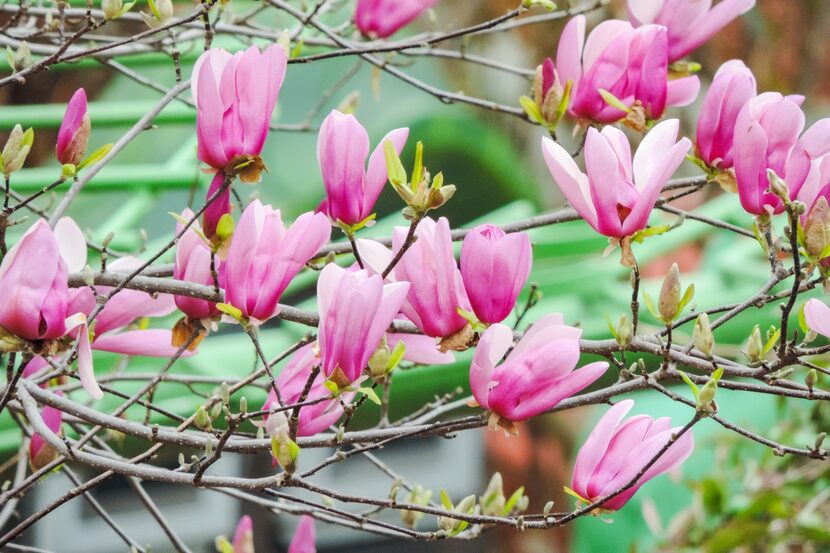
Blooming wonders: 8 best flowering trees to plant in North Texas for seasonal color

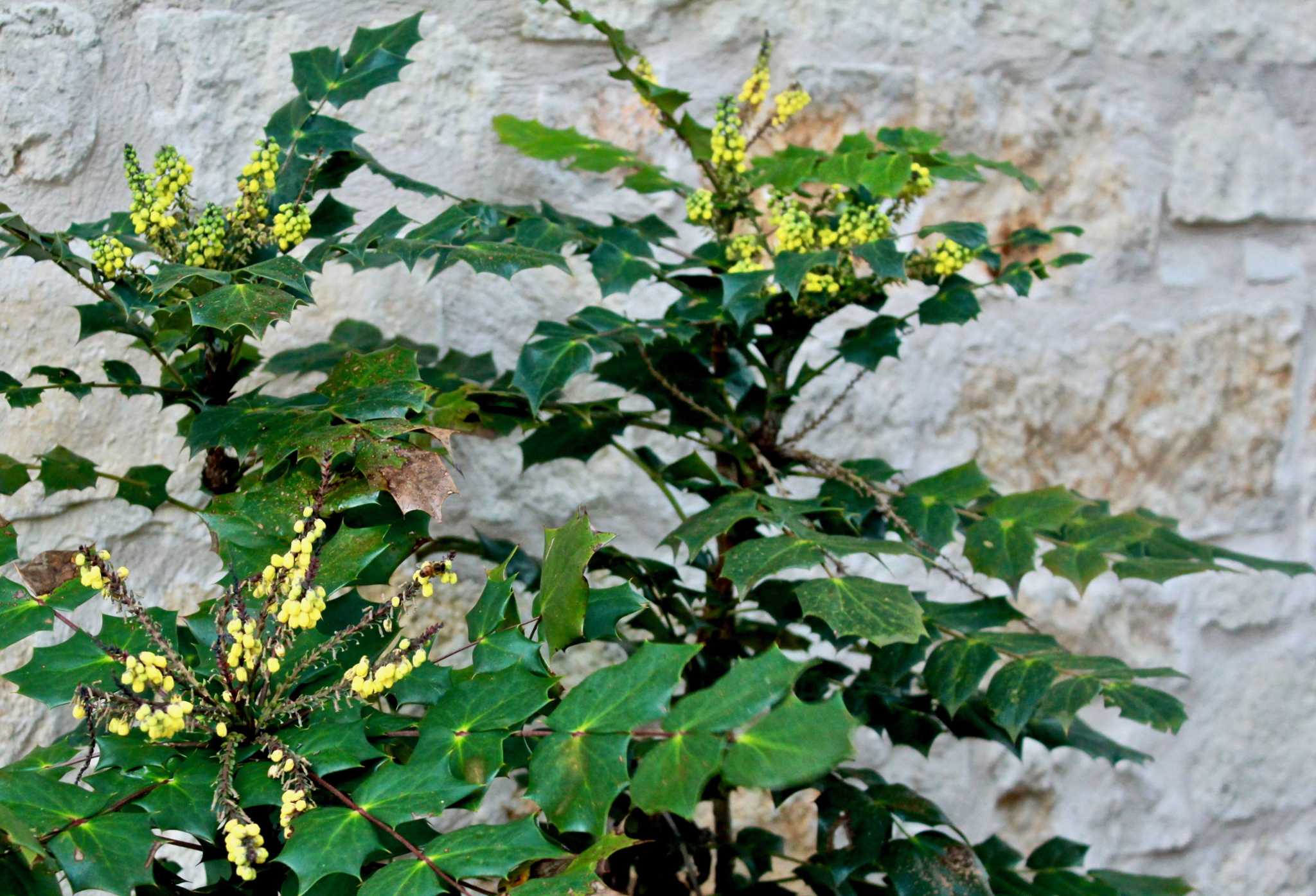
Plan and plant now for a colorful, interesting garden even in winter