1/9
Ways To Heat A Basement Without An Electric Space Heater (And The Pros & Cons To Consider)
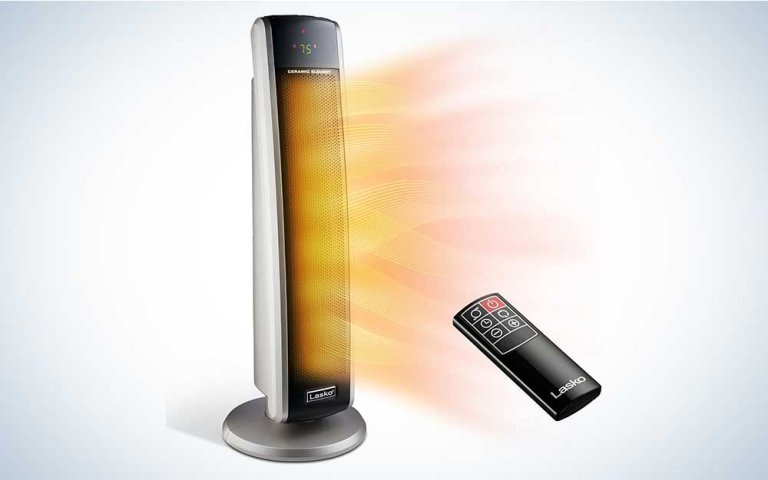
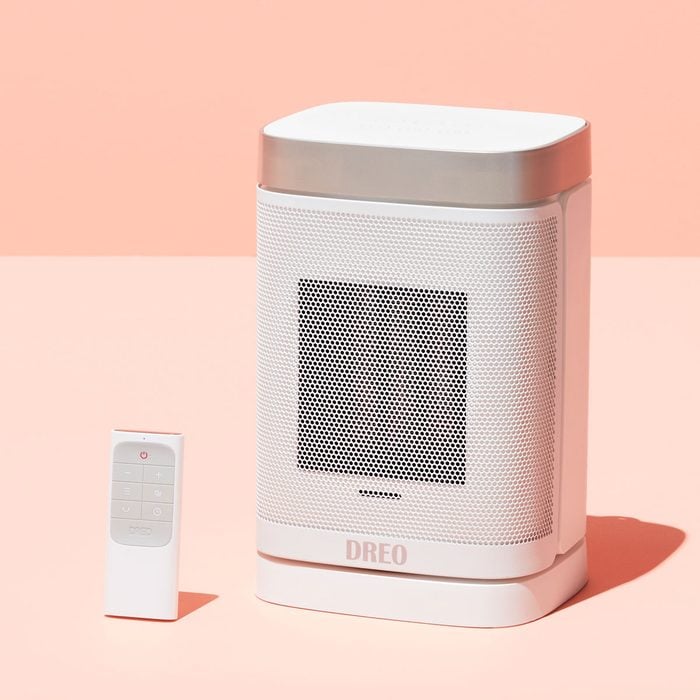
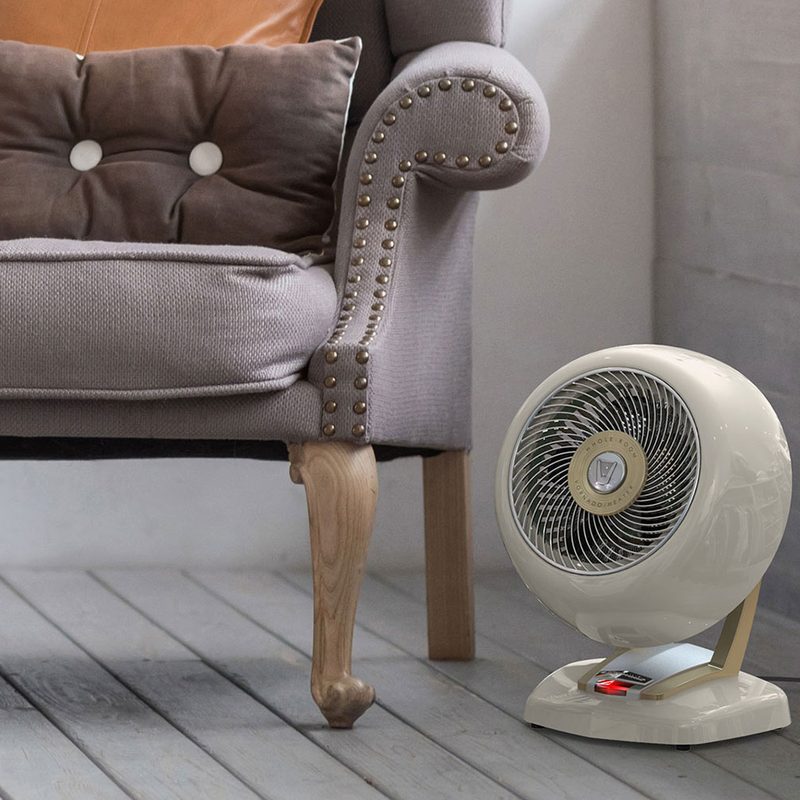
Basements are often the coldest areas of a house due to warm air rising, making heating essential for usability, moisture prevention, and structural integrity. Max Veggeberg, CEO of Tetra, emphasizes that a warm basement prevents moisture buildup, mold growth, structural issues, and frozen pipes, while also improving energy efficiency by reducing heat loss. While space heaters are a common solution, they pose fire risks if misused and are not considered cost-effective or energy-efficient long-term, according to Nick Barber, co-founder of Utilities Now. This article explores several alternative basement heating methods, detailing their advantages and disadvantages with insights from heating and cooling experts.
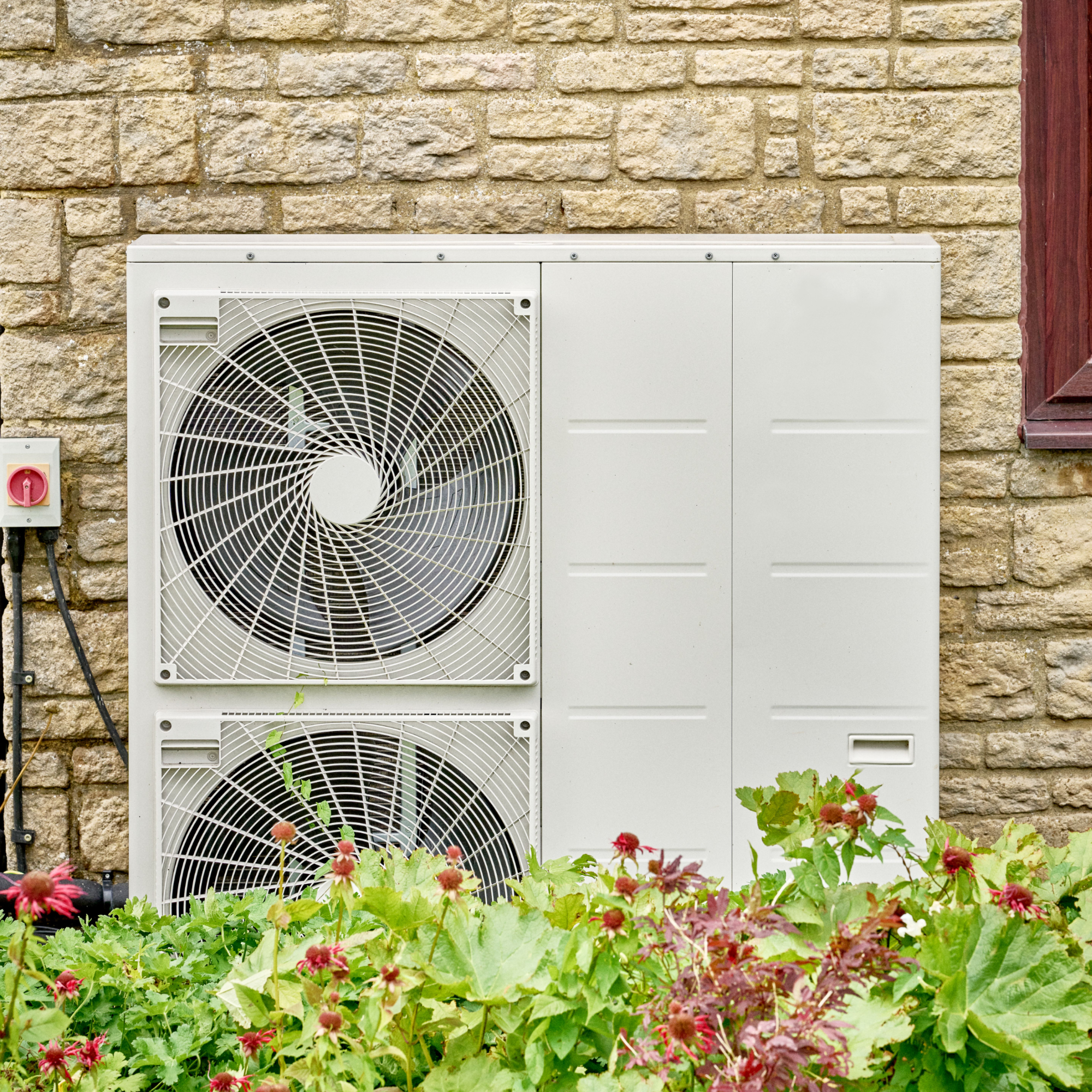
One option is extending existing ductwork from the home's main HVAC system to the basement. This is ideal if the furnace or heat pump has sufficient capacity to heat the additional square footage. While it utilizes an efficient, centralized system, the project can be costly, potentially requiring extensive ductwork modifications. Ryan Meagher, pre-construction Manager at BVM Contracting, suggests consulting an HVAC professional to assess feasibility. Ben Baca from SmartAC.com notes that the basement might not reach the same temperature as the main floor due to thermostat placement, although installing separate thermostats, as Adam Bushell of AB Electrical & Communications suggests, can offer better control but increases cost. Manual zone dampers, as per Mark Woodruff of Trane Technologies, offer a less expensive alternative to direct airflow.
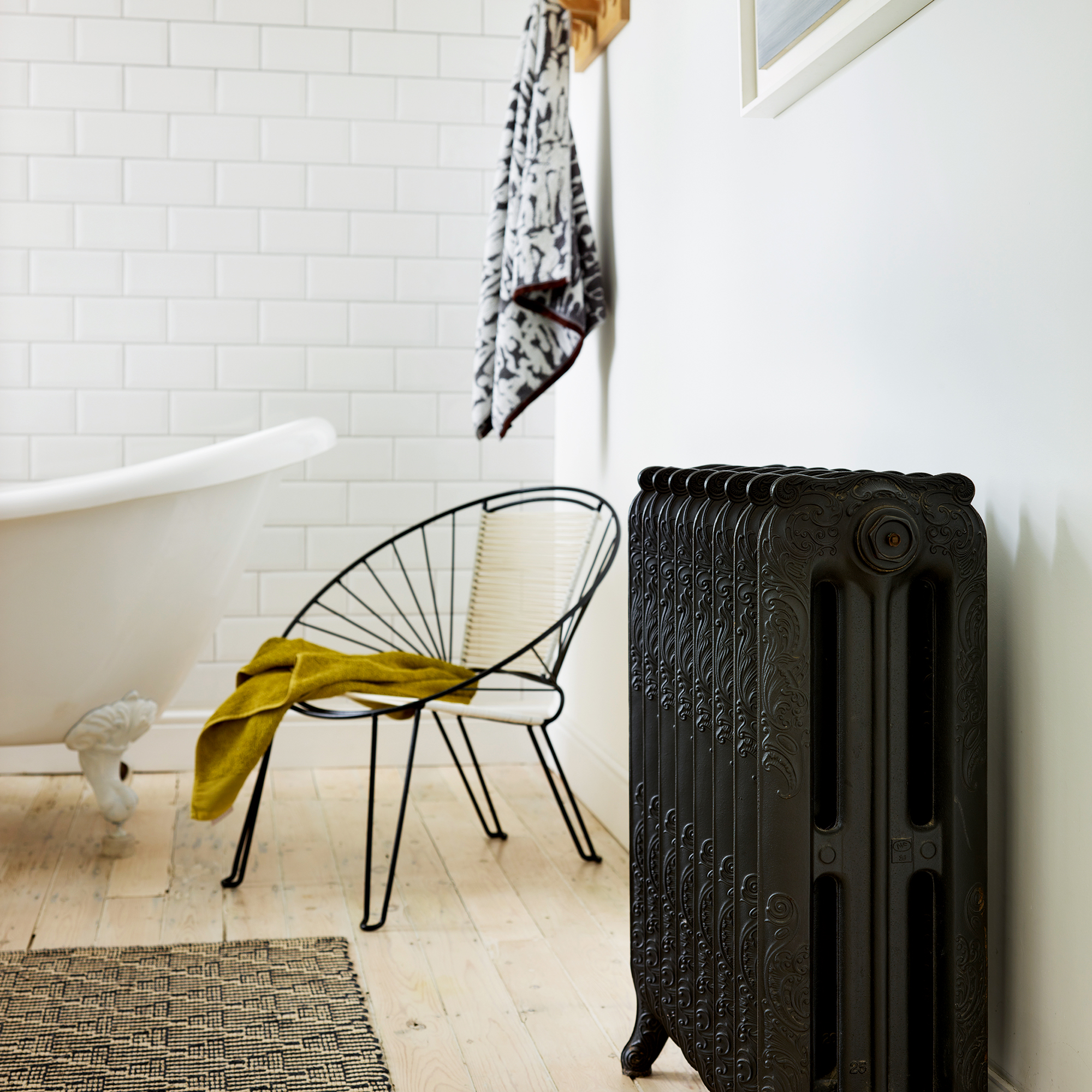
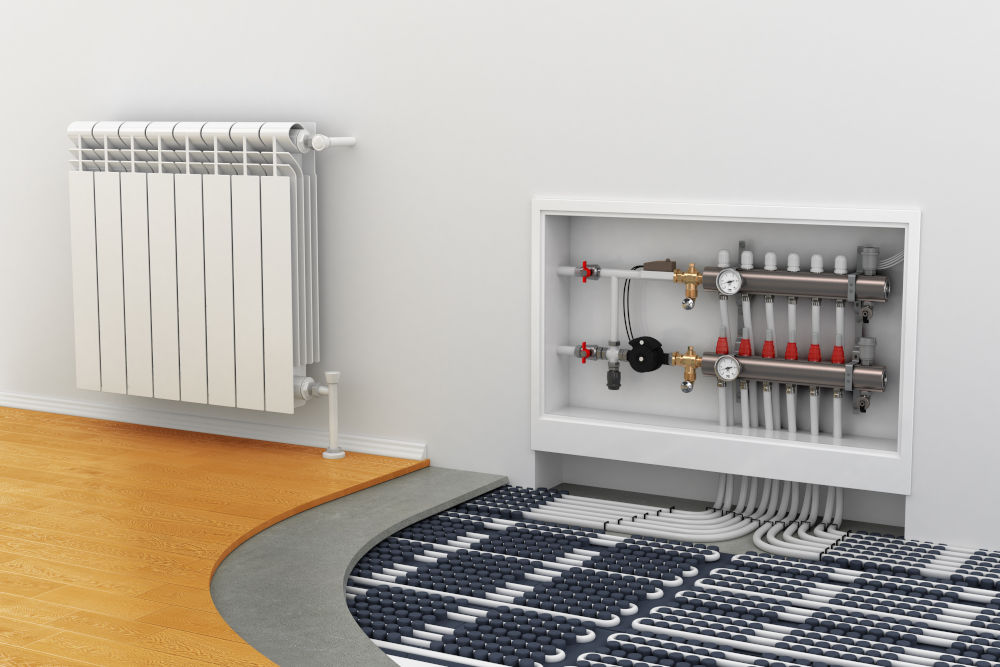
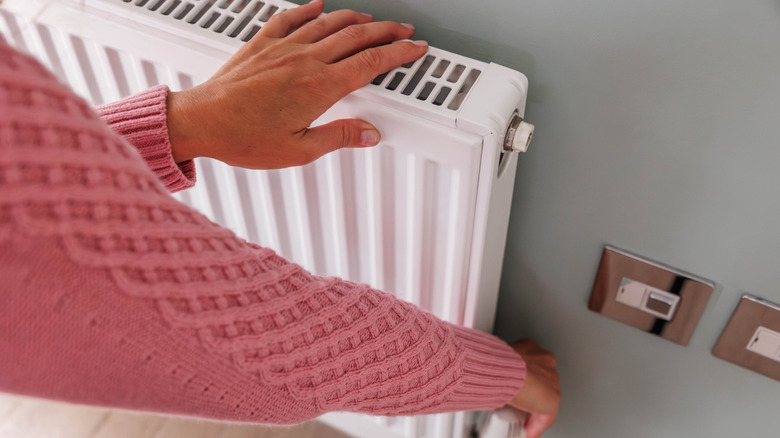
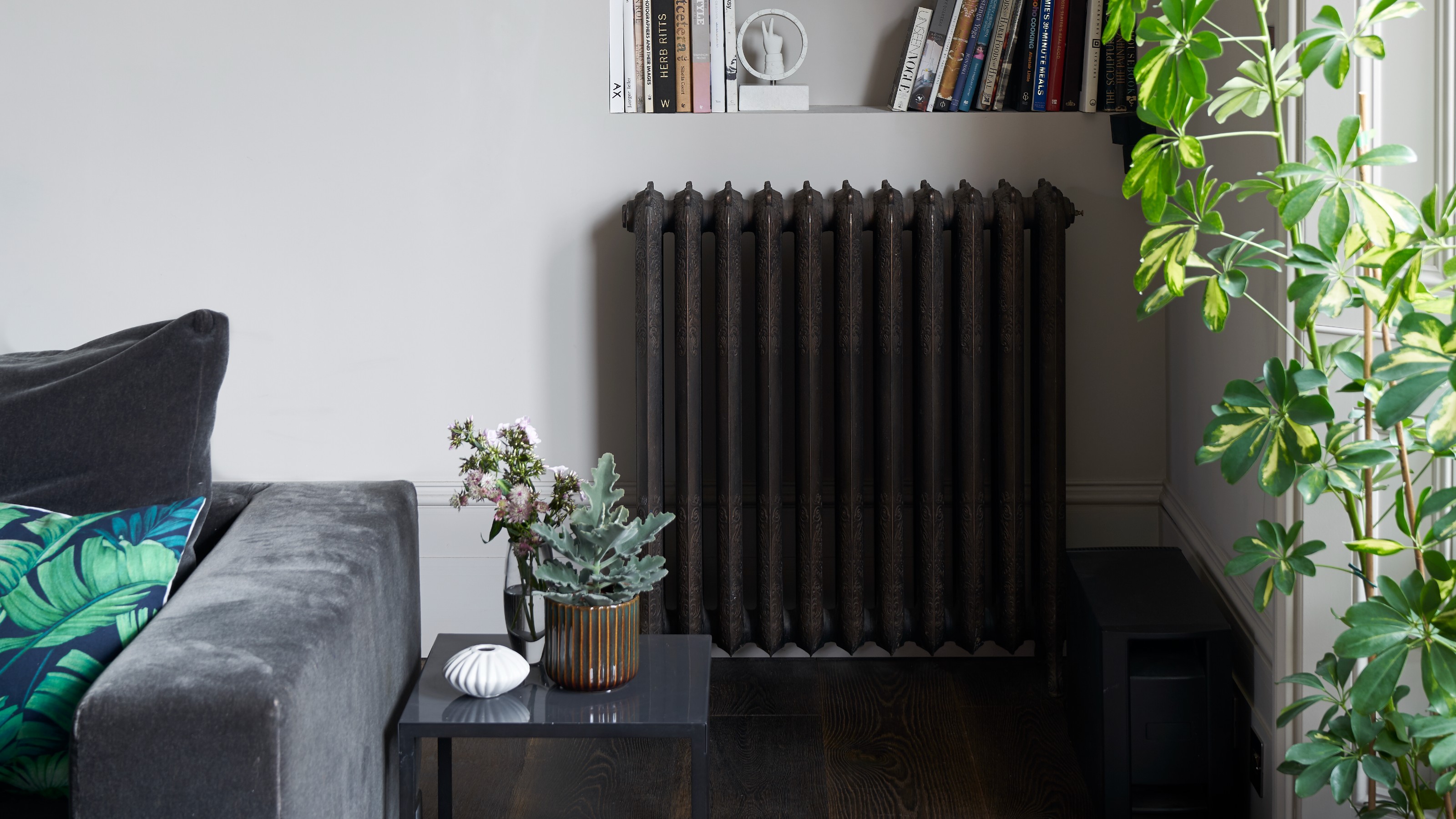
Another method involves expanding a home's hydronic baseboard heaters or radiators. Hydronic systems use hot water to radiate heat, offering quiet and even heating without circulating air, which is beneficial for allergy sufferers. However, these systems take longer to heat a room and can be expensive to install if the home doesn't already have one, as pipes and a boiler would be required. Despite the initial setup cost, once heated, they retain warmth effectively.
Ductless mini-splits offer an energy-efficient solution, especially for basements not connected to the main HVAC system. They provide both heating and cooling, are highly energy-efficient due to minimal heat loss, and allow for independent temperature control. Mini-splits also help manage humidity and offer air filtration, making them suitable for basements prone to mold and mildew. While the initial installation cost can range from $500 to $5,000, the long-term energy savings can justify the investment.
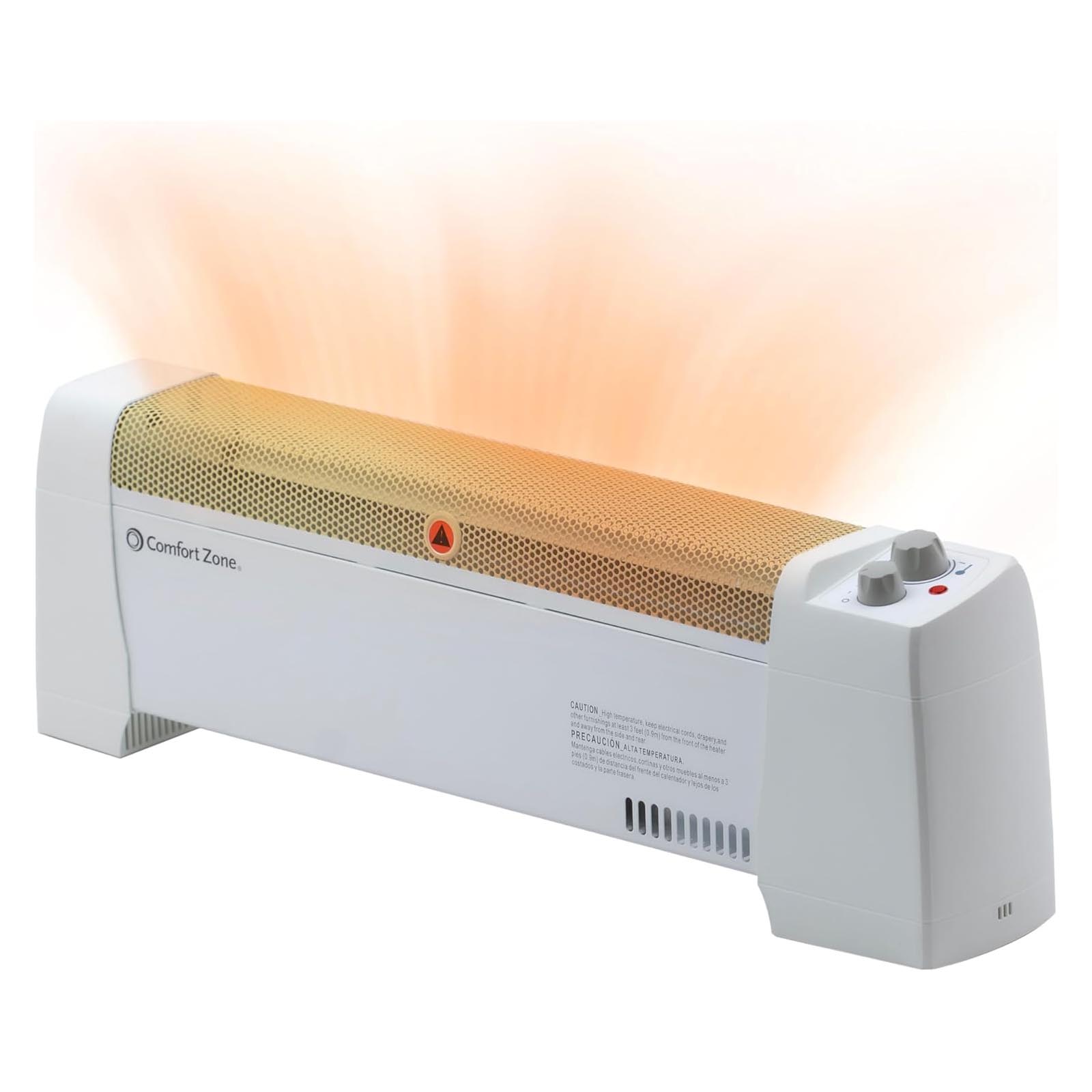
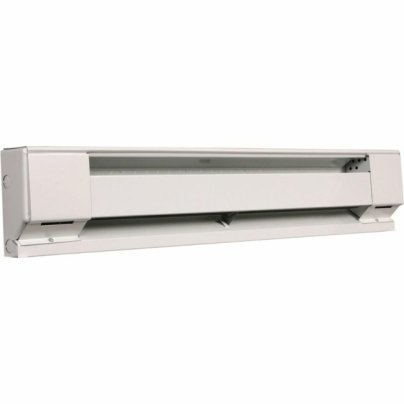
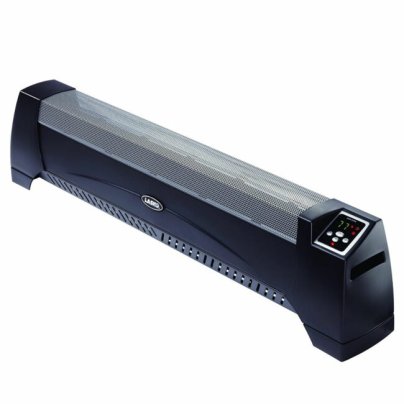
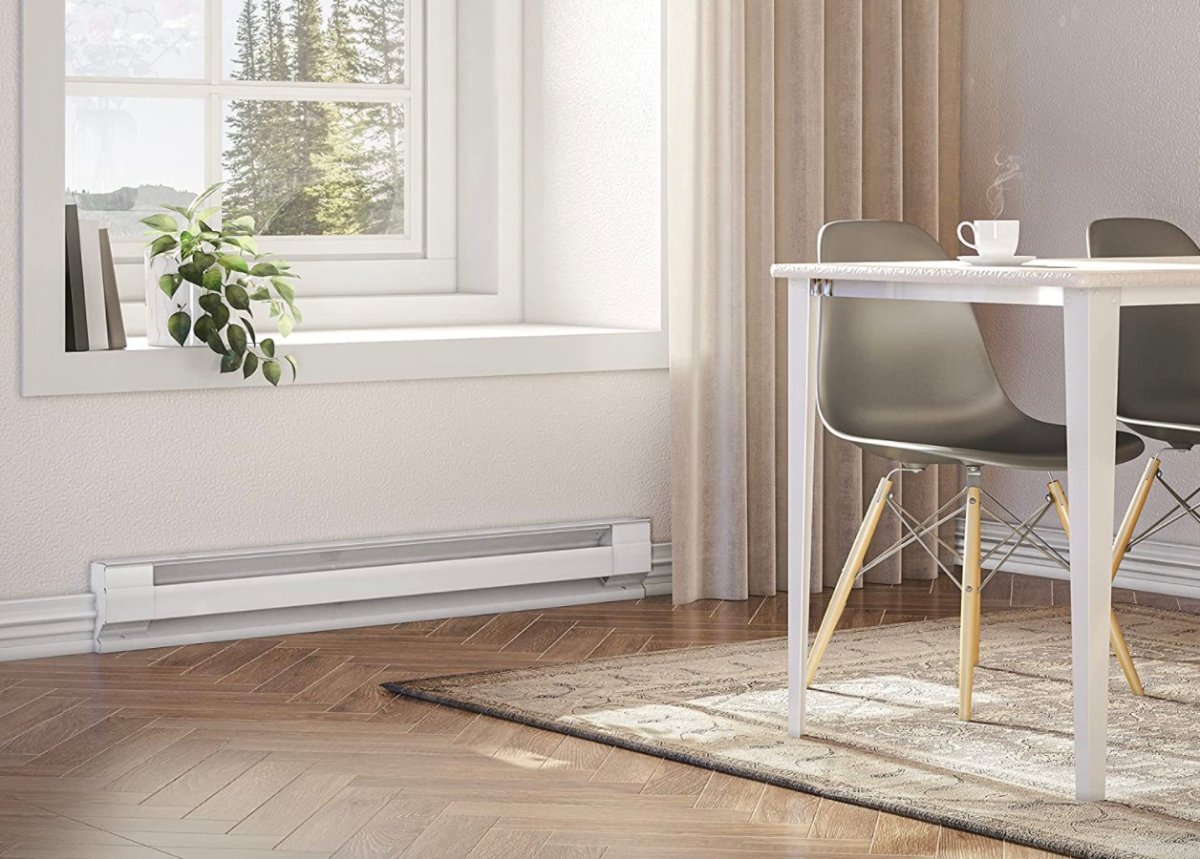
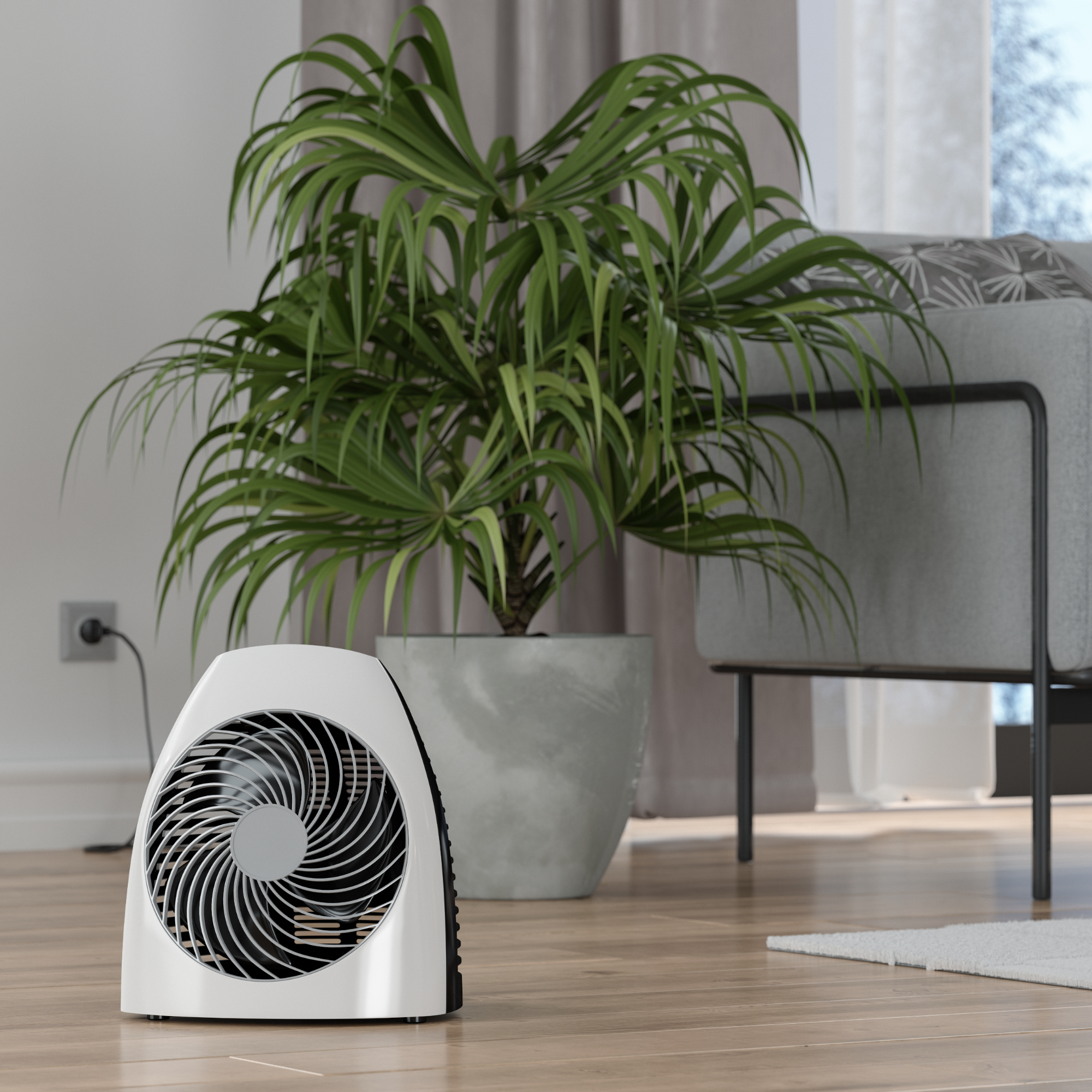
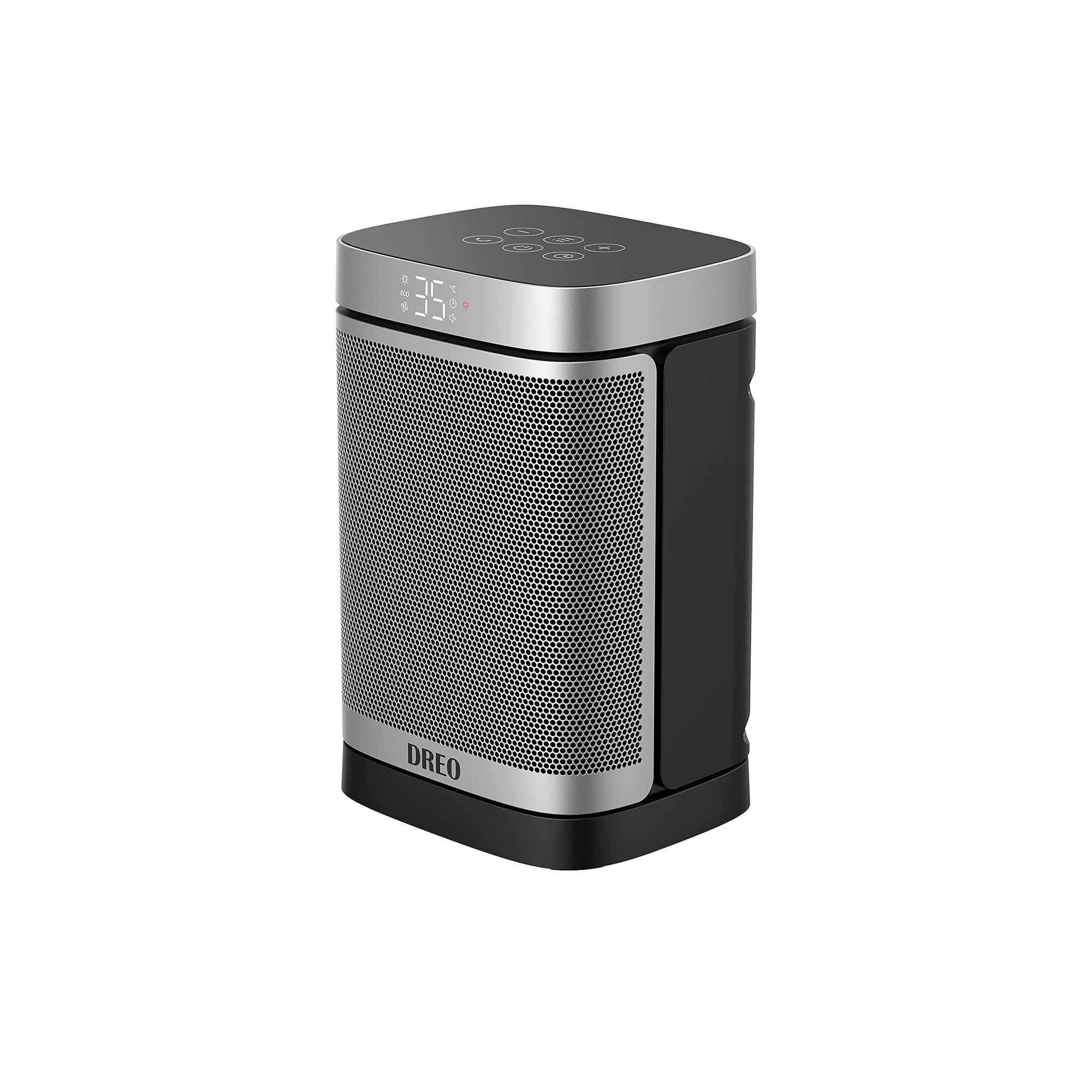
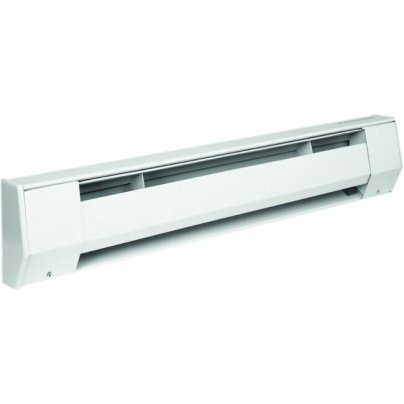
Electric wall heaters provide a space-saving and potentially DIY-friendly option. Joel Worthington, president of Mr. Electric, highlights their targeted heating and compact design, with units often costing under $200. However, they can create hot and cold spots, increase electricity bills, and may not be effective for large spaces. They also tend to be noisier.
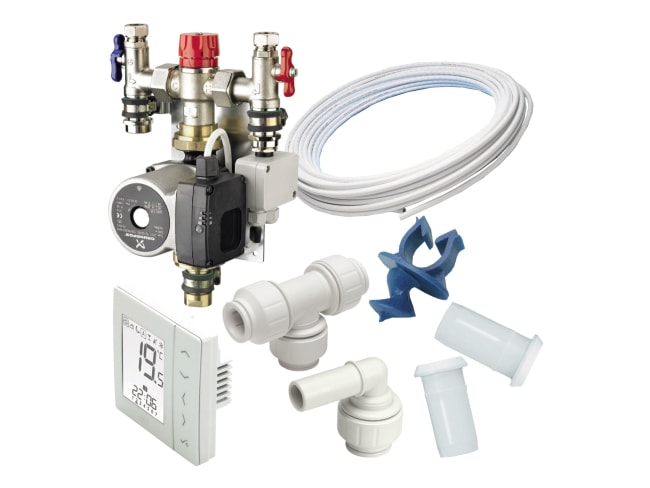
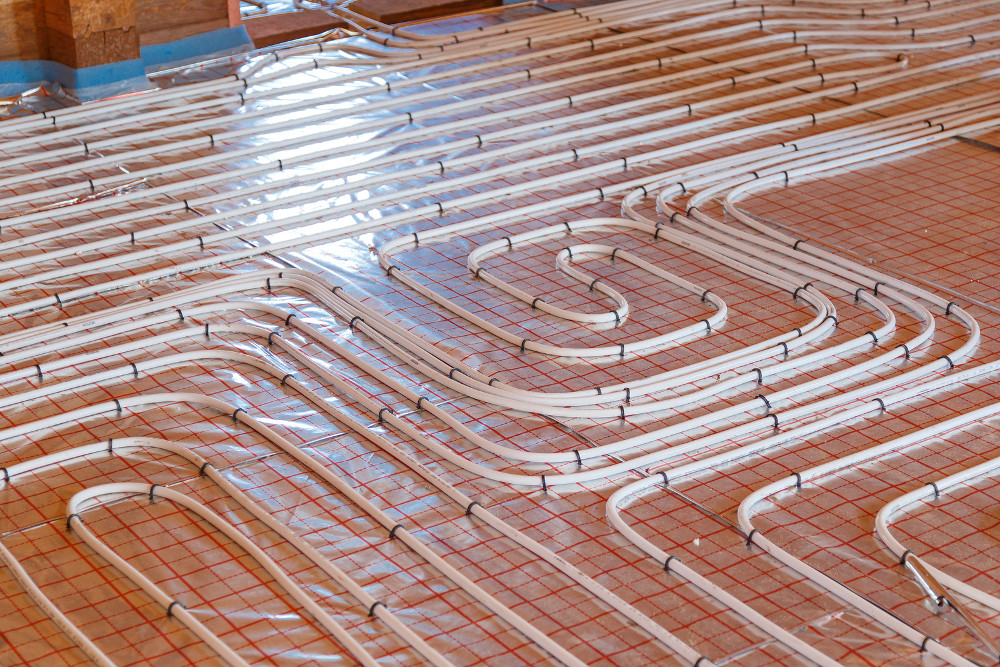
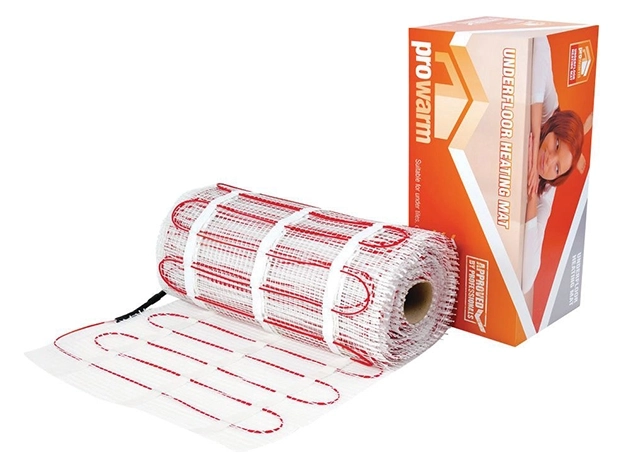
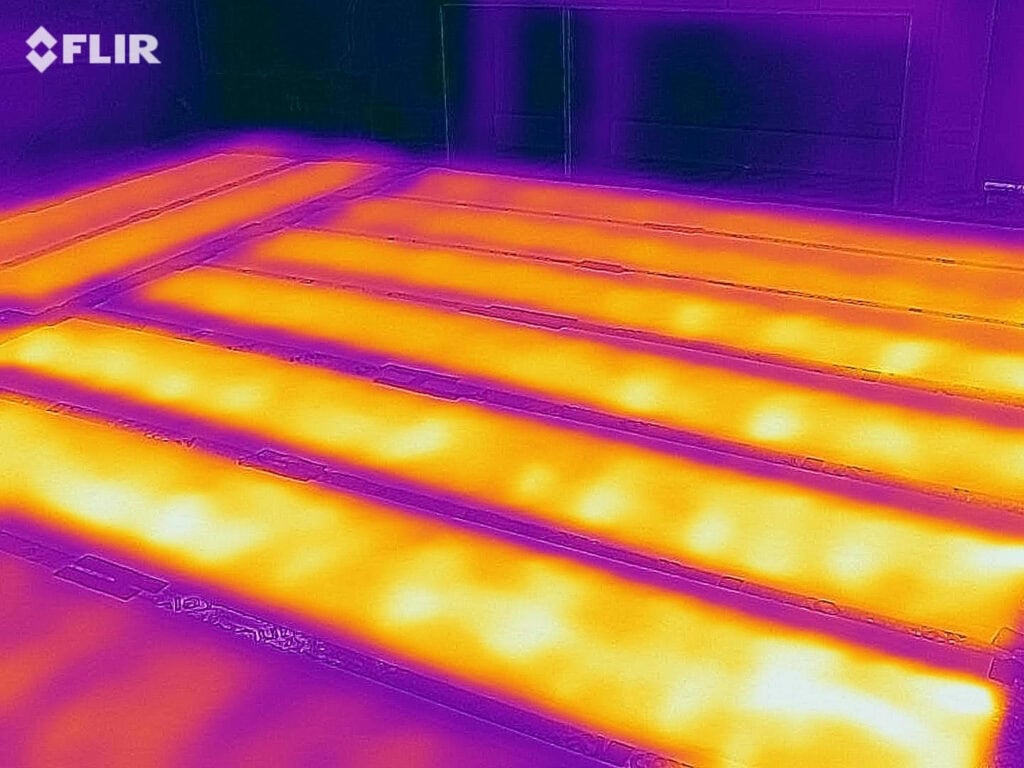
Radiant floor heating is an effective way to warm a basement from the ground up, particularly for hard floors. These systems use hot water tubes or electrical heat mats to provide steady, uniform heat without drying out the air, and heat naturally rises to warm the entire space. The primary drawbacks include higher installation costs, especially for hydronic systems requiring a boiler and plumbing. Electric underfloor heating is simpler to install but may have higher running costs. This option is most practical during a full basement remodel.
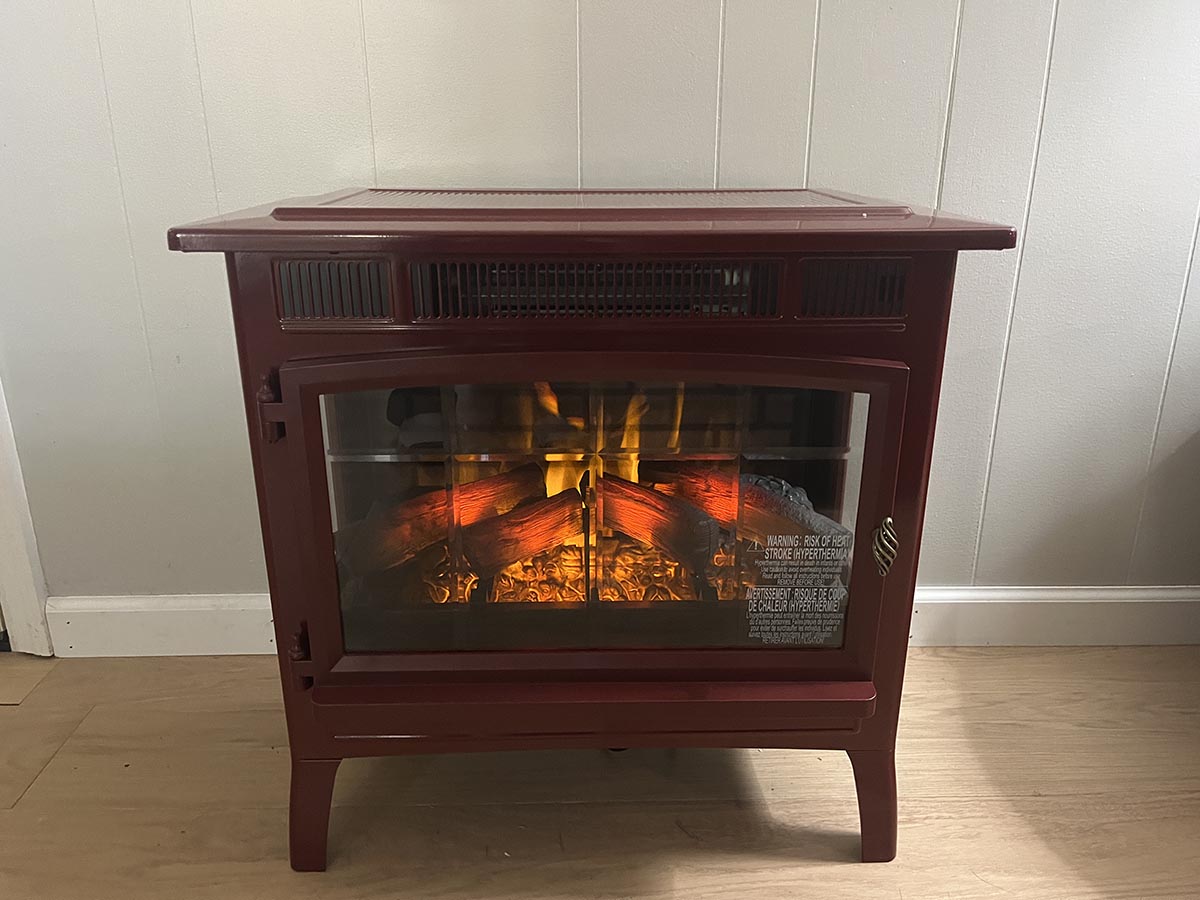
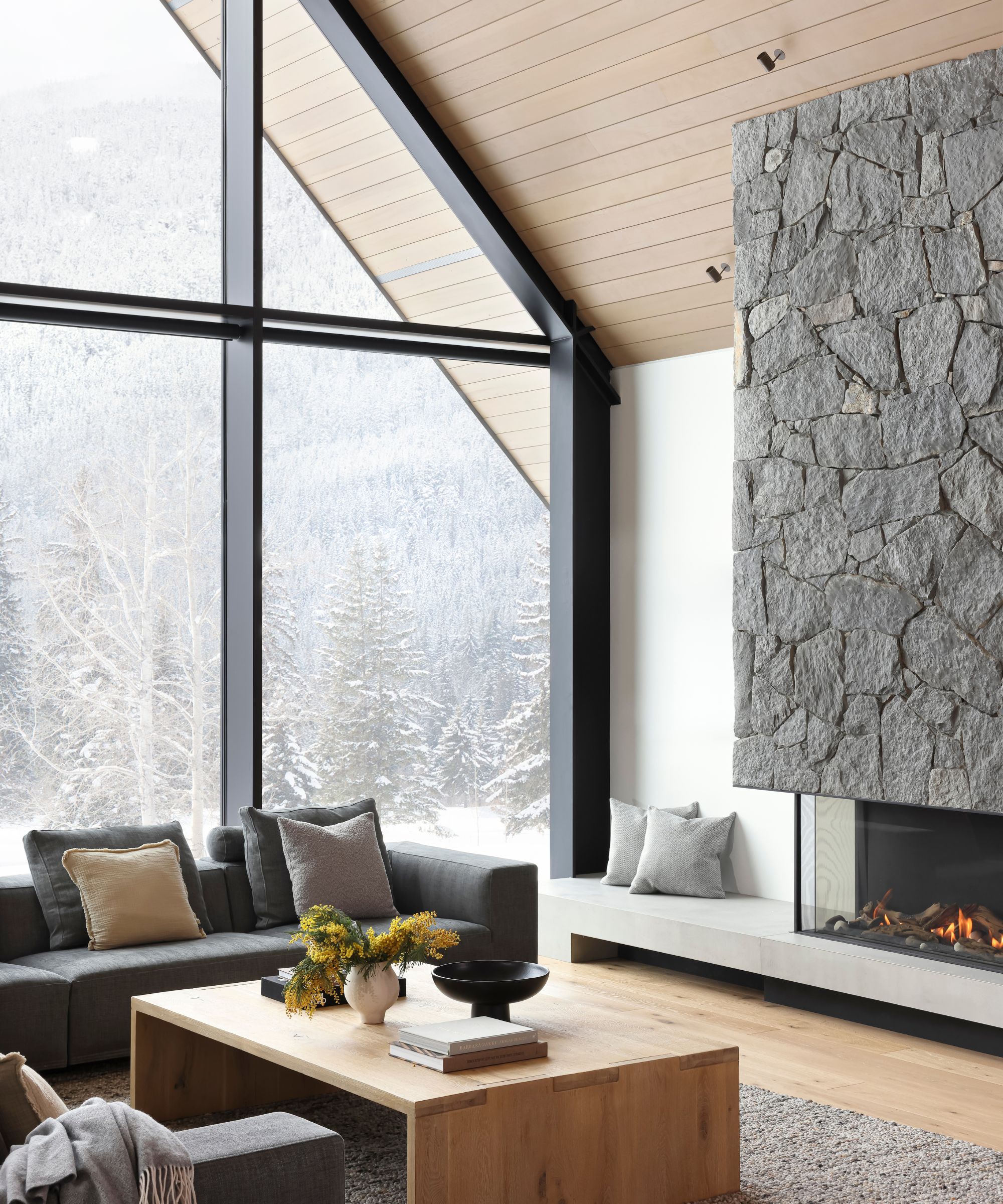
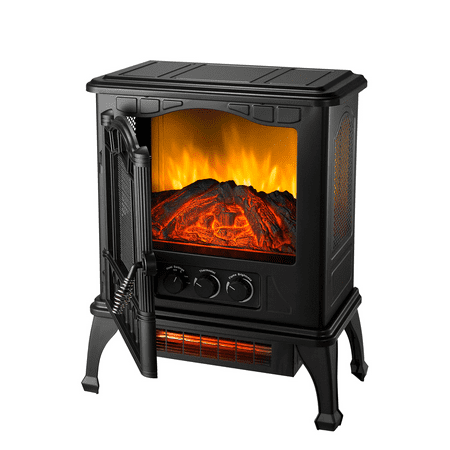
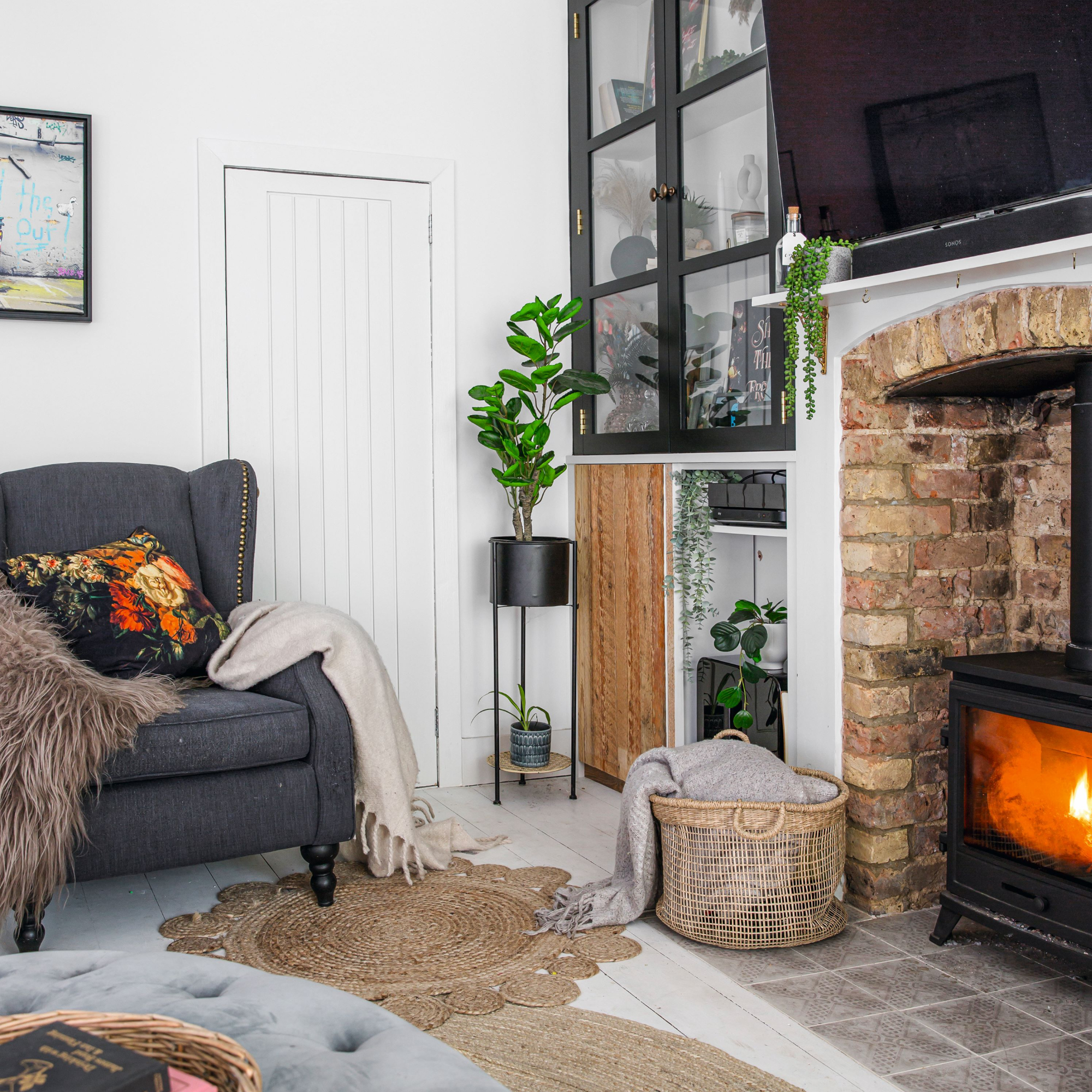
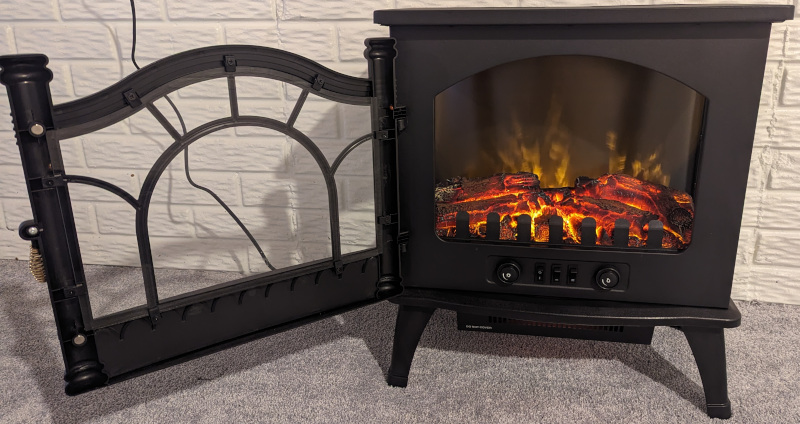
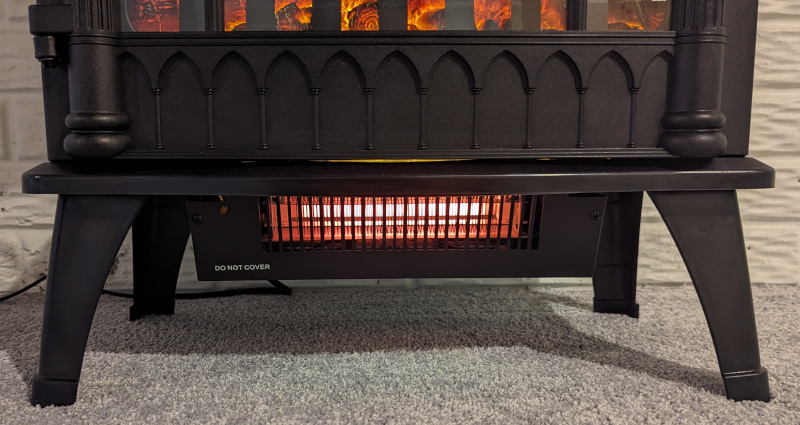
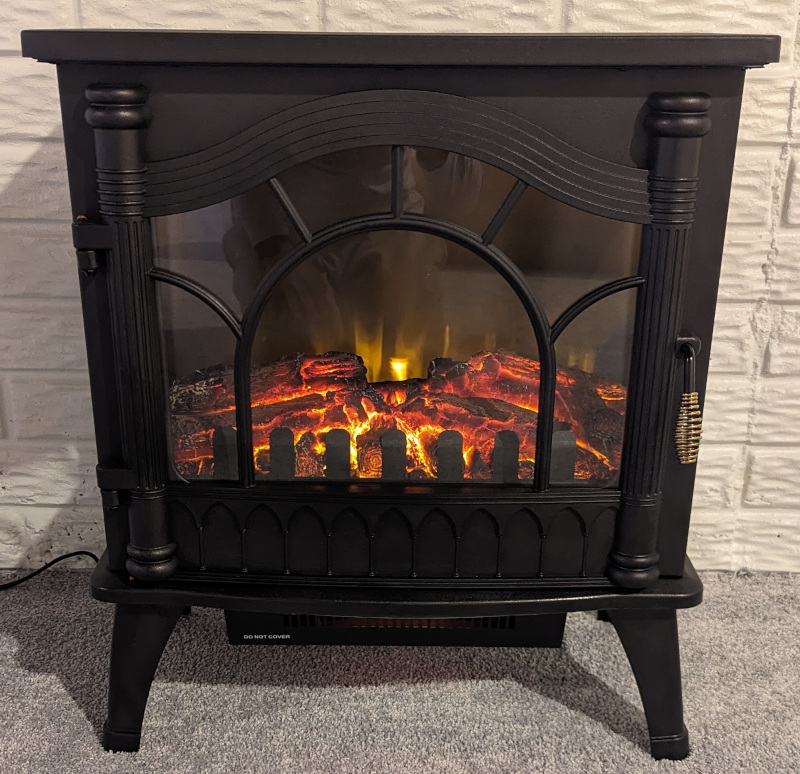
For a cozier ambiance, installing a wood or gas fireplace is an option. Gas fireplaces are convenient and efficient, while wood stoves offer low-energy heating if wood is accessible. Before installation, local regulations and building codes must be checked. Both types require safe ventilation, and gas models can increase energy costs. Wood fireplaces may also introduce cold drafts. Electric fireplaces offer an easier alternative, requiring no gas lines, venting, or major renovations, and simply plug into an outlet. However, they are unusable during power outages and can significantly increase electric bills, potentially by $30 or more monthly depending on usage.
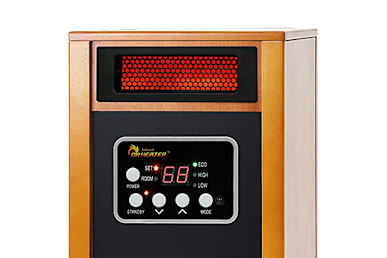
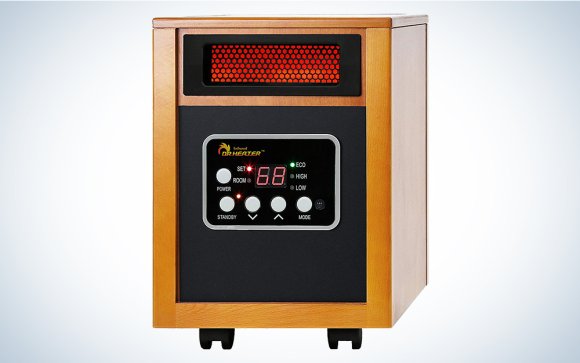
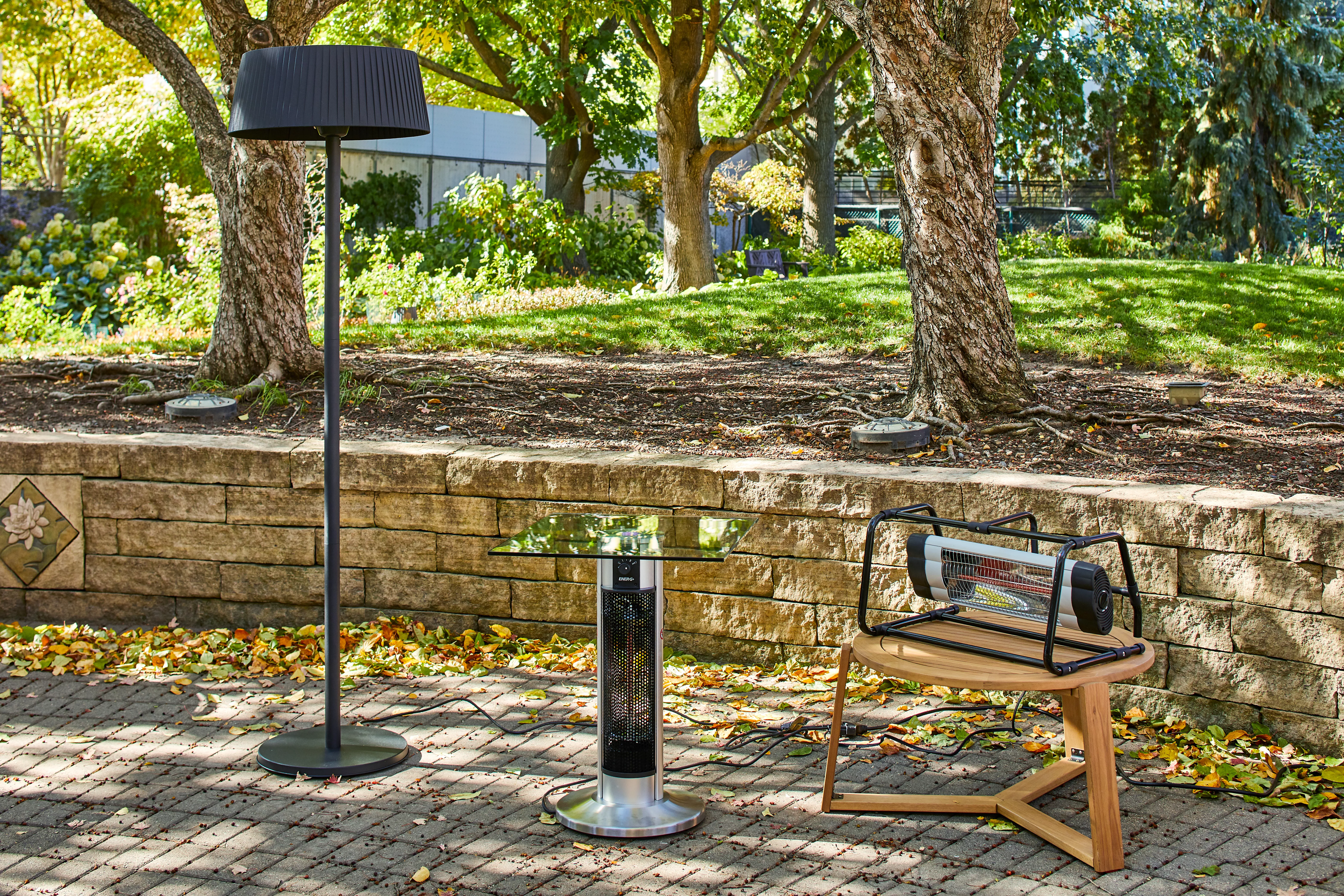
Finally, infrared heaters, also known as cove heaters, are recommended as an alternative to standard space heaters. They can be wall or ceiling-mounted, saving floor space, and some designs mimic LED panels or pictures, adding to the room's ambiance. Danny Pen, president of New Era Plumbing & HVAC, notes that infrared heaters warm surfaces and objects, helping to control humidity and prevent mold. Many are corded for DIY installation. However, their effectiveness depends on proper placement and a direct line of sight to the desired heating area, as they heat objects rather than air. While initially more expensive than traditional space heaters, experts argue their lower running costs offset this difference.
#BasementHeating #HomeImprovement #EnergyEfficiency #DuctworkExtension #HydronicHeating #DuctlessMiniSplit #ElectricWallHeaters #RadiantFloorHeating #FireplaceInstallation #InfraredHeaters #BasementHeating #HomeImprovement #EnergyEfficiency #DuctworkExtension #HydronicHeating #DuctlessMiniSplit #ElectricWallHeaters #RadiantFloorHeating #FireplaceInstallation #InfraredHeaters
0 comment in total
 No comments yet
You may also like
The Best Space Heaters for Basements

Warm Up Your Space & Lower Your Bills With This Energy-Efficient Home Swap


How to warm up your first floor – 7 expert tricks to hold heat downstairs for a cozy winter

Underfloor heating pros and cons
3 reasons I regret not putting underfloor heating in my home office – it’s definitely moving up my priority list
10 tips for using underfloor heating in a bathroom
Underfloor Heating

Joy Pebble Electric Fireplace Heater review

Vetted: The Best Baseboard Heaters for Home Comfort
Yes, You Can Effectively Heat Your Outdoor Space Gas-Free—Here's How
What’s the most efficient way to heat a house? How to heat your home for less, according to experts


Why electric underfloor heating is gaining popularity in high-end interiors in 2025

Simple and efficient underfloor heating system

Should you insulate a basement ceiling? Expert advice for a comfortable home
The best space heaters in 2025


The 7 Best Energy-Efficient Space Heaters, Tested and Reviewed

9 basement insulation ideas

How to make a conservatory warmer - ways to heat and insulate for all-year round use
What is the cheapest electric heater to run? Experts reveal
The 9 Best Space Heaters to Heat Up Your Digs