1/15
9 basement insulation ideas
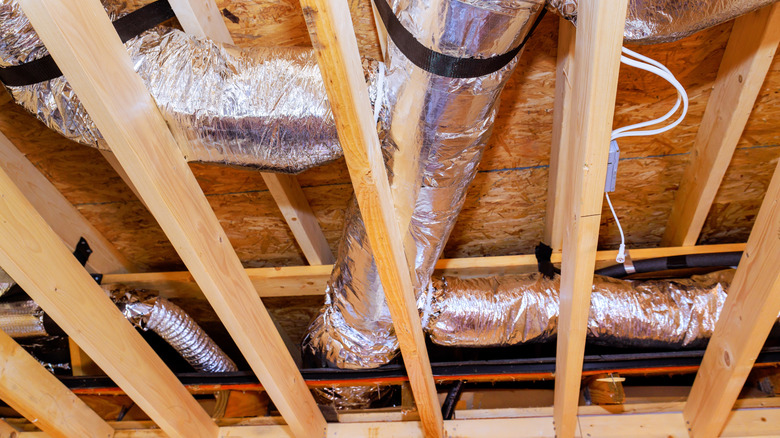
Basement insulation is crucial for maintaining energy efficiency, comfort, and achieving cost savings in a home. Industry experts highlight nine distinct methods for insulating a basement, each offering specific advantages for temperature regulation throughout the year. These methods address common issues such as heat loss in winter and unwanted heat gain in summer, as well as moisture control.
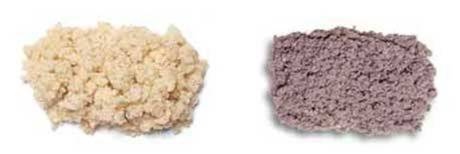
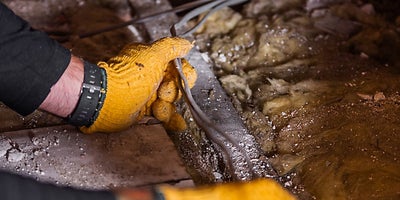
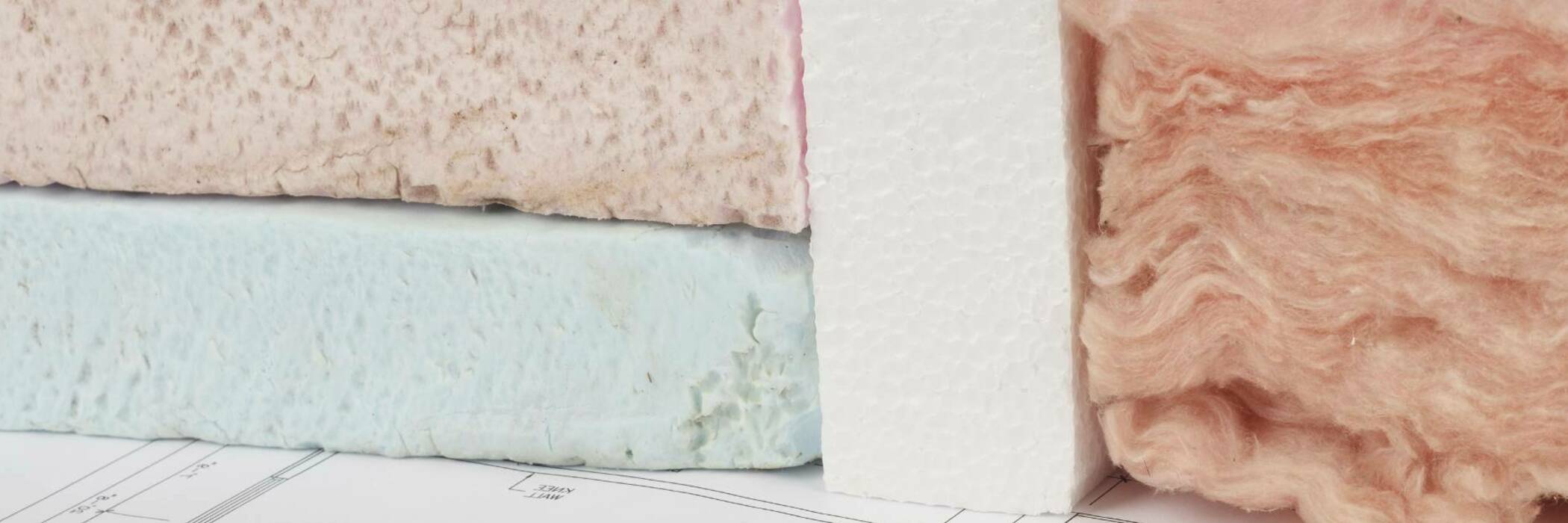
One effective insulation method is spray foam, specifically closed-cell spray foam. This material expands to fill gaps, creating a tight, moisture-resistant seal. It is suitable for basement ceilings, walls, and between floor joists, preventing airflow between the basement and upper floors. Installation involves clearing the area, wearing protective gear, applying an even layer, and trimming excess foam. Spray foam is noted for its user-friendly application, cost-effectiveness, and ability to prevent drafts and water infiltration. Walmart's Great Stuff Pro Insulating Foam Sealant is recommended for its reliability in hard-to-reach and irregularly shaped spaces.
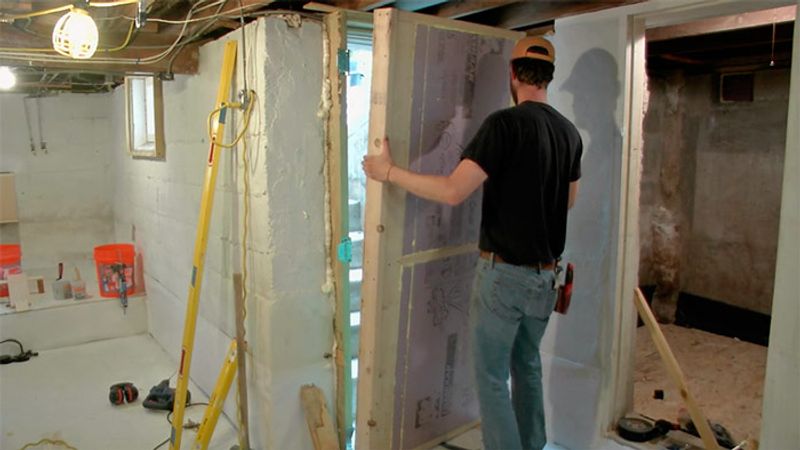
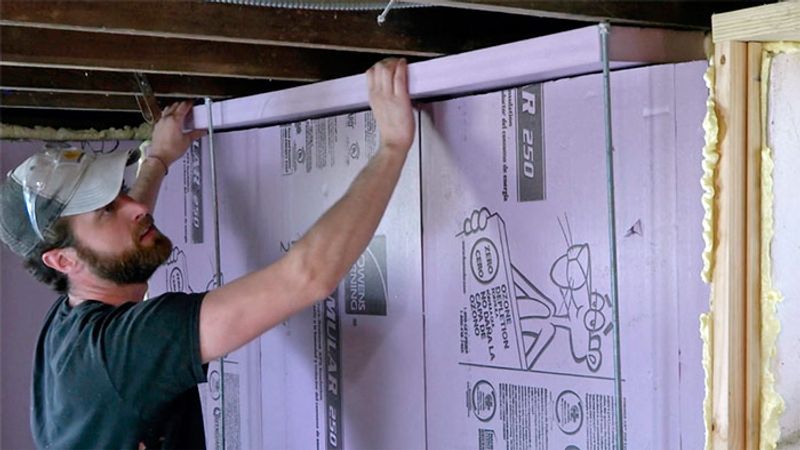
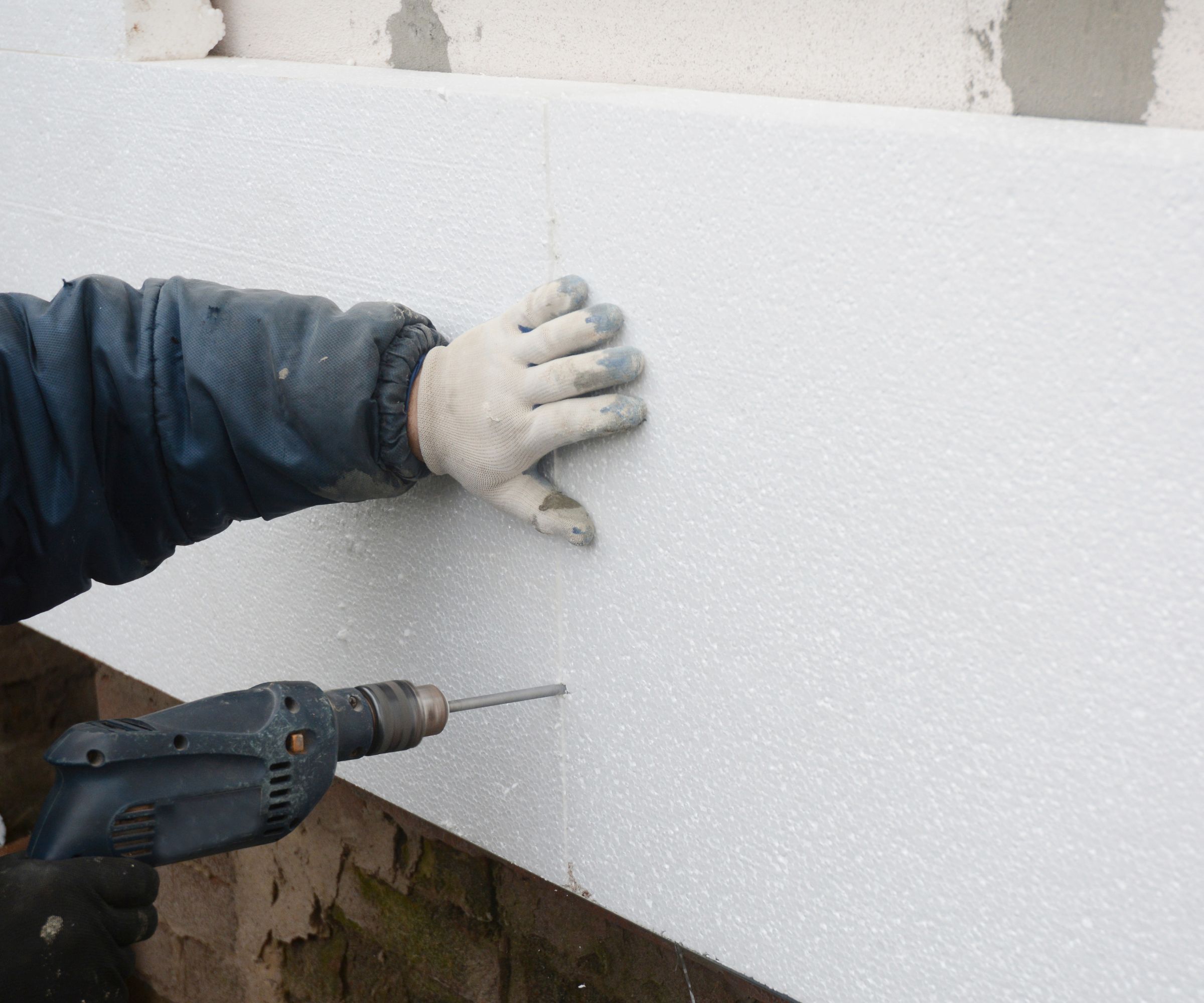
Another option is rigid foam board, which offers a durable and moisture-resistant barrier. This material is easy to install on walls and under floors, resisting both heat transfer and moisture, which is critical for underground spaces. Rigid foam boards also double as an air barrier when properly taped, preventing moisture from reaching the concrete. Experts recommend cutting and fitting the boards to walls, securing them with adhesive, and sealing seams with specialized tape. Owens Corning Polystyrene Board Insulation is a popular choice due to its moisture resistance, ease of installation, various thicknesses, and high R-value. This product is particularly effective in preventing mold growth.
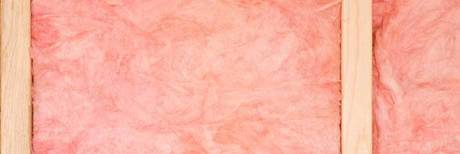
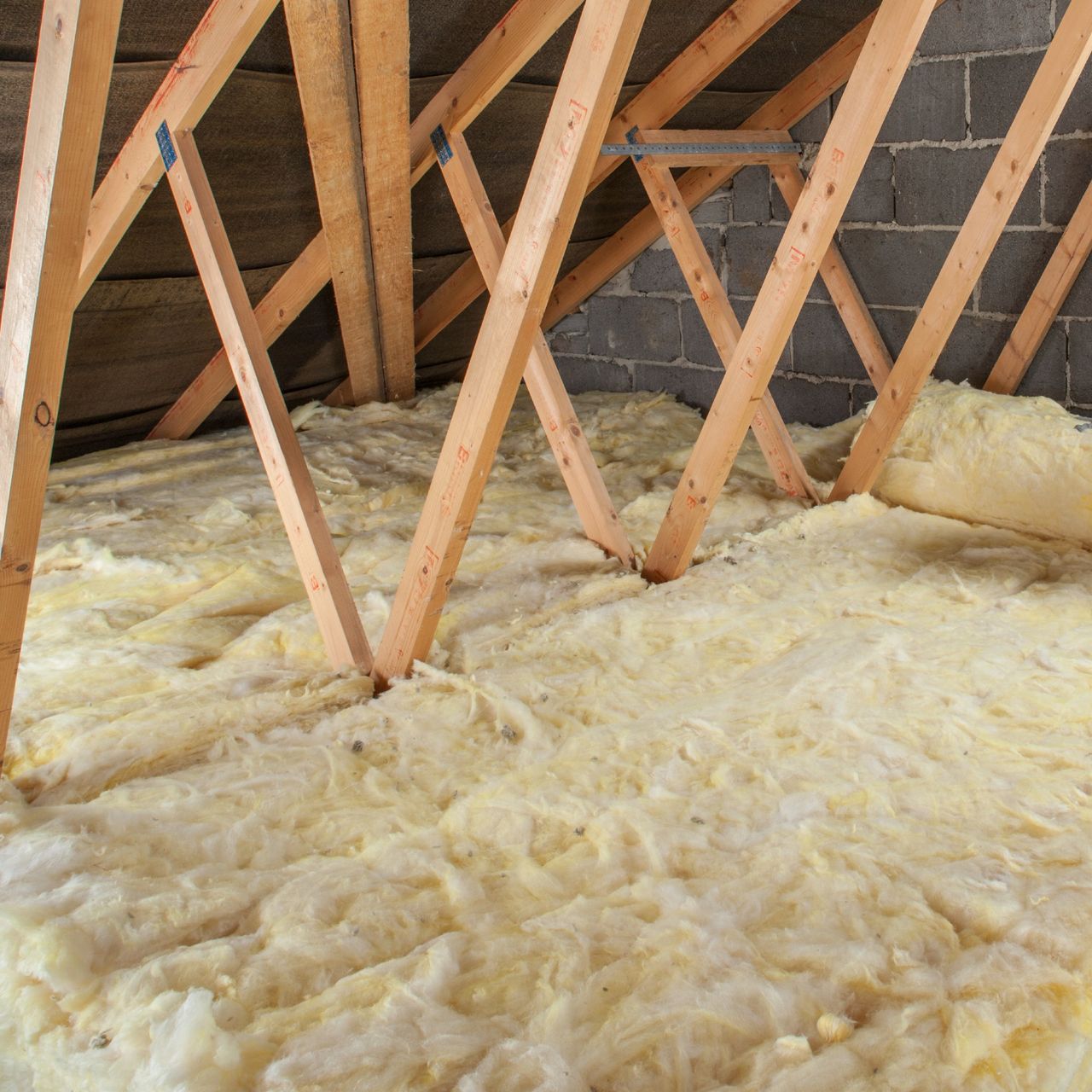
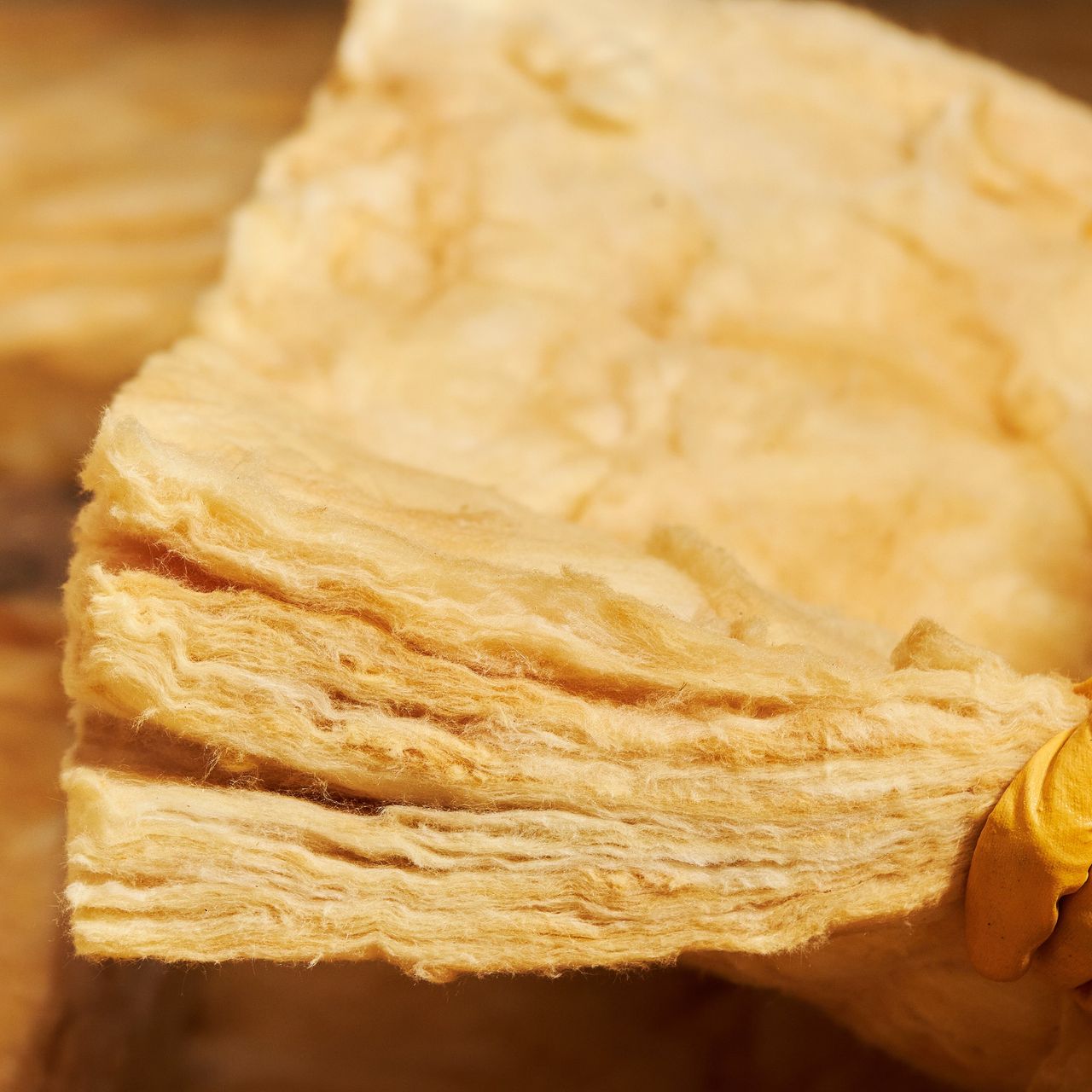
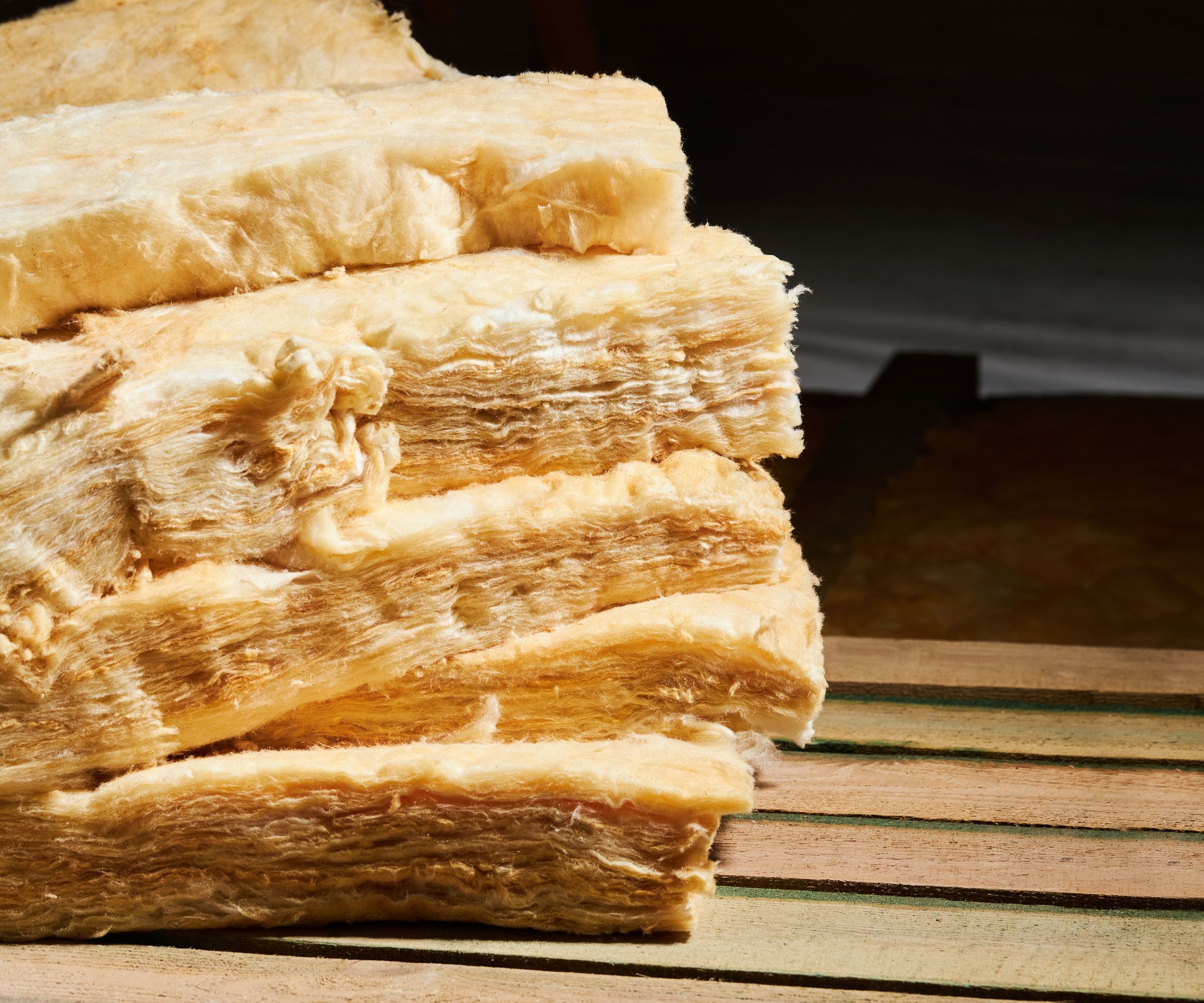
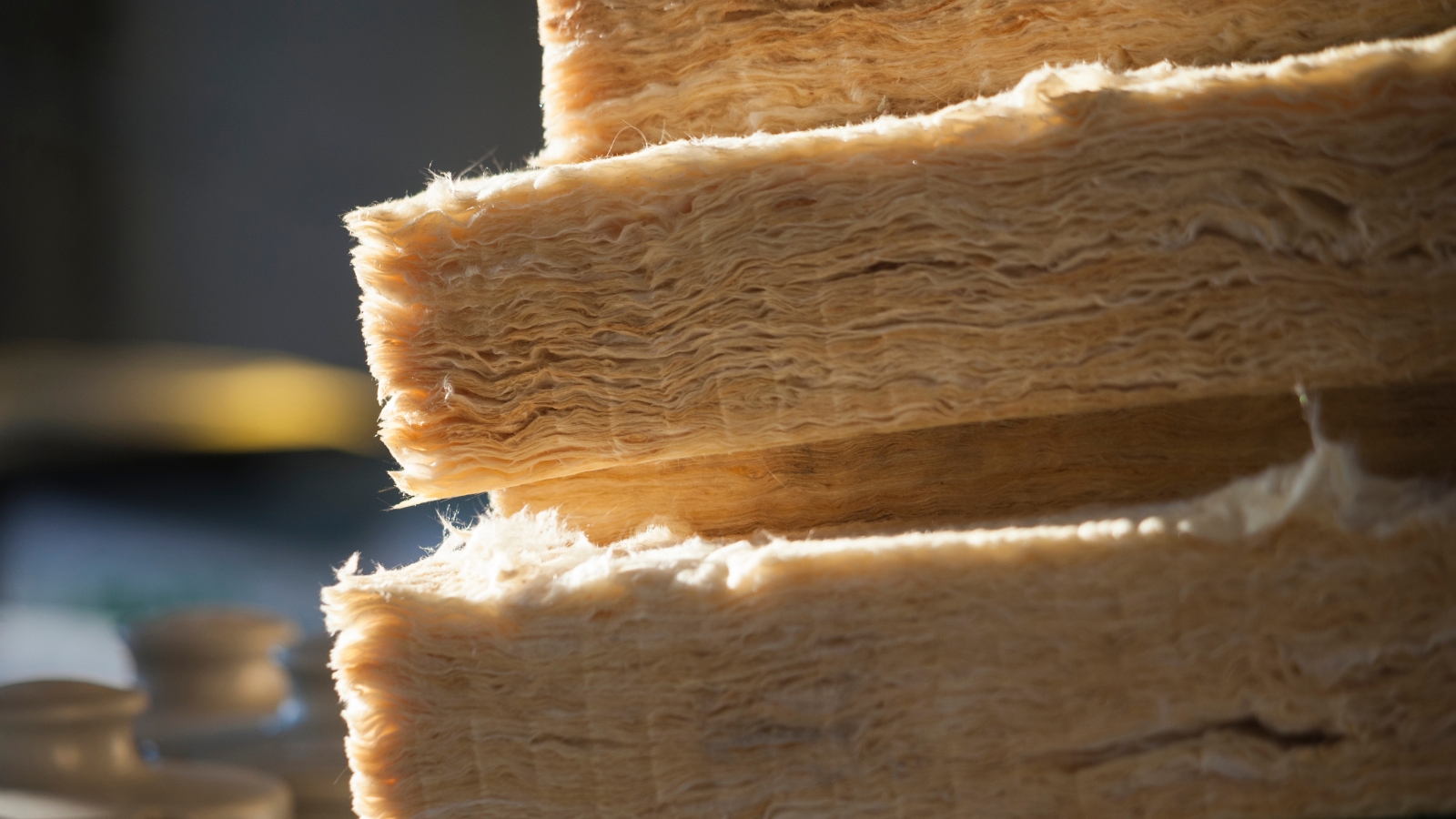
Fiberglass batts provide a cost-effective and popular solution for basement insulation, offering excellent thermal resistance and ease of installation in walls or ceilings. They are effective in preventing heat loss in winter and heat gain in summer. Proper installation involves measuring wall cavities, cutting batts to fit, stapling them to studs, and covering them with a vapor barrier to protect against moisture. Johns Manville R-19 Wall Kraft Faced Fiberglass Batt Insulation, which is pre-cut and includes a water vapor barrier, is recommended for its simplicity and effectiveness.
Subfloor insulation panels are designed to combat cold basement floors by creating a thermal break between the concrete slab and finished flooring. These interlocking panels make the space warmer and provide a stable base for floor coverings. Installation is straightforward, involving laying panels directly on the concrete and then installing the desired flooring. DRICORE Insulated Subfloor Panels are praised for their moisture resistance, ease of installation, and ability to handle high-traffic areas.
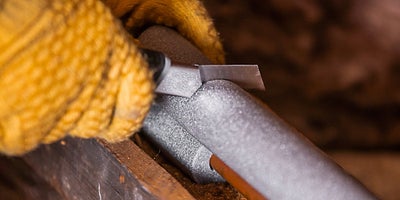
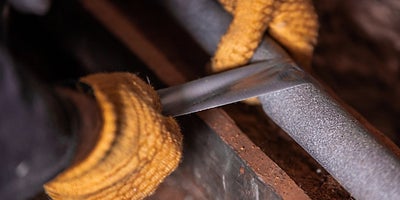
Foam tubes are used to insulate pipes, preventing them from freezing in winter and reducing condensation in summer. These tubes wrap around exposed hot water or HVAC pipes, helping to maintain a stable ambient temperature in the basement. They are affordable and easy to install. Frost King Tubular Foam Pipe Insulation is a recommended product due to its pre-slit and self-sealing design, which provides excellent year-round insulation and reduces energy loss.
Thermal curtains offer insulation for basement windows, preventing heat loss in winter and blocking sunlight in summer. These heavy, insulated curtains act as an extra barrier against drafts. Installation involves hanging them over windows and closing them during colder months. Nicetown Thermal Insulated Grommet Blackout Curtains are recommended for their effectiveness in regulating temperature.
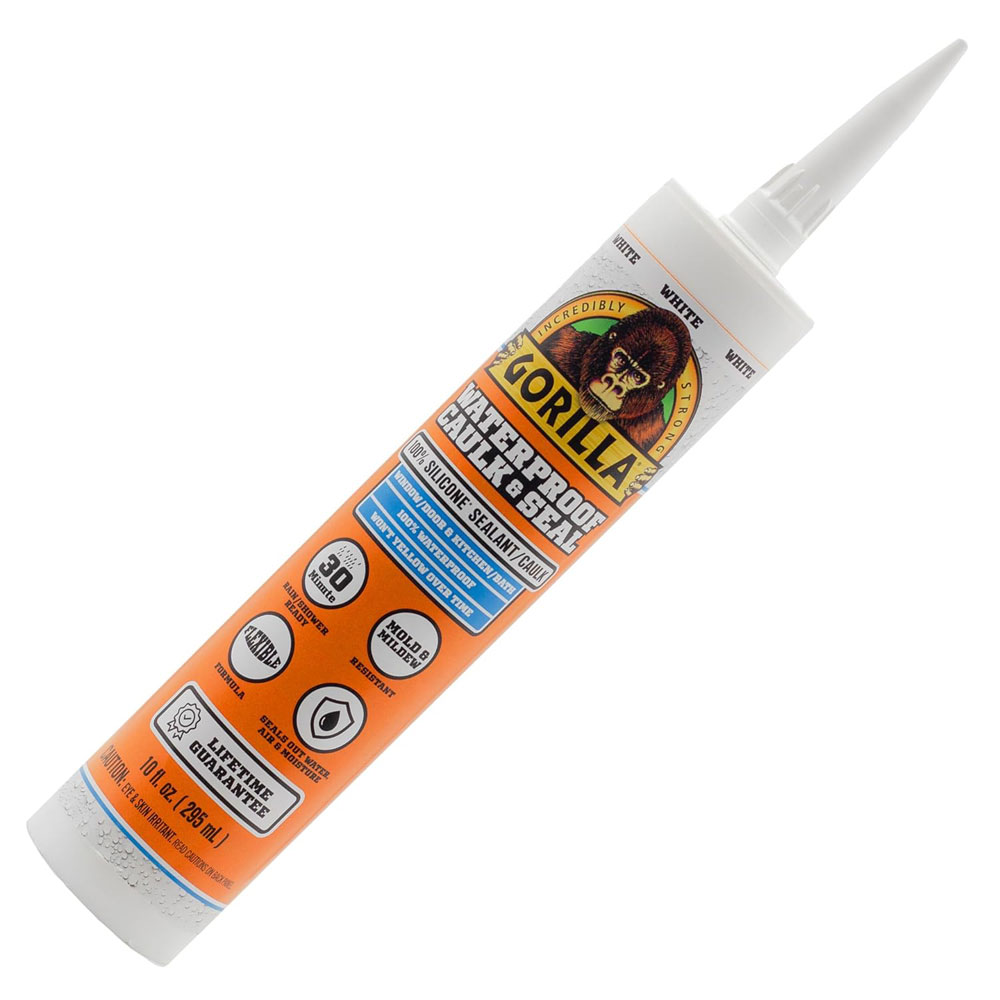
Window sealant is a quick and effective way to eliminate drafts and improve insulation around windows. Weather-resistant sealants or caulk are applied around window edges to prevent air leaks. This small investment significantly contributes to maintaining a stable basement temperature. Gorilla Waterproof Silicone Sealant is a highly-rated product that is mold and mildew resistant, seals out water, air, and moisture, and does not yellow, shrink, or crack over time.
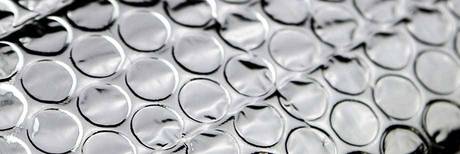
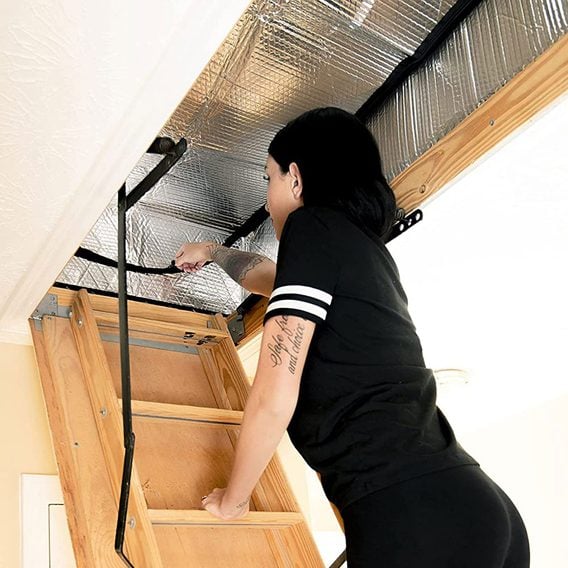
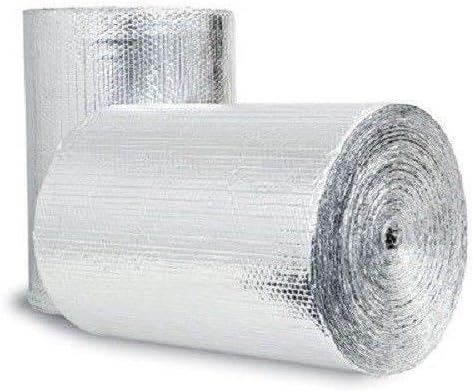
Heat barriers are particularly useful in warm climates, reflecting radiant heat away from the basement in summer and helping retain indoor heat in winter when combined with other insulation types. These are installed on walls or ceilings, especially in unfinished basements with exposed joists. Insulation Marketplace Smartshield Reflective Insulation Roll is a recommended non-toxic material that reflects 95% of radiant energy, is lightweight, and easy to install.
Finally, LiteSIP (lightweight structural insulated panels) offer superior insulation and strength. These panels, composed of a foam core sandwiched between two rigid layers, are highly energy-efficient and versatile for use on walls, floors, or ceilings. They are ideal for basement environments requiring precise temperature control and moisture resistance.
Insulating a basement offers numerous benefits, including significant energy savings, improved year-round comfort, and increased home resale value. When insulating, it is essential to manage moisture effectively by using vapor barriers, choosing moisture-resistant insulation, ensuring proper ventilation, and addressing any leaks to prevent mold and mildew growth. The decision to insulate a basement ceiling depends on whether the basement is heated and frequently used; otherwise, insulating walls and floors might be more beneficial.
#BasementInsulation #EnergyEfficiency #HomeImprovement #SprayFoam #RigidFoamBoard #FiberglassBatts #SubfloorPanels #ThermalCurtains #WindowSealant #HeatBarriers #BasementInsulation #EnergyEfficiency #HomeImprovement #SprayFoam #RigidFoamBoard #FiberglassBatts #SubfloorPanels #ThermalCurtains #WindowSealant #HeatBarriers
0 comment in total
 No comments yet
You may also like

Should you insulate a basement ceiling? Expert advice for a comfortable home
Home insulation materials


The 4 areas of your home pros say to always insulate to keep it toasty in colder weather – plus, where to never insulate

Homestyle: Awesome basements
Loft Insulation

How to insulate a loft
Insulate Your Basement, Part 3


6 types of attic insulation and how to pick one for your home

8 Basement Flooring Ideas to Elevate Your Subterranean Space

Insulate Your Basement, Part 2

A Finished Basement Is Just What Your Home Needs in 2025

Best Garage Door Insulation Kits: Create a More Comfortable Environment

Insulate Your Basement, Part 1

Attic Ideas, Storage and Insulation

A New Take on Insulating a Roof
Ways To Heat A Basement Without An Electric Space Heater (And The Pros & Cons To Consider)

The best floor insulation options for your home, explained
How to insulate a loft or roof
This is how to get your roof and loft insulation right so that your home stays warm and energy efficient all winter long

76 Best Finished Basement Ideas to Try at Home