1/6
6 types of attic insulation and how to pick one for your home
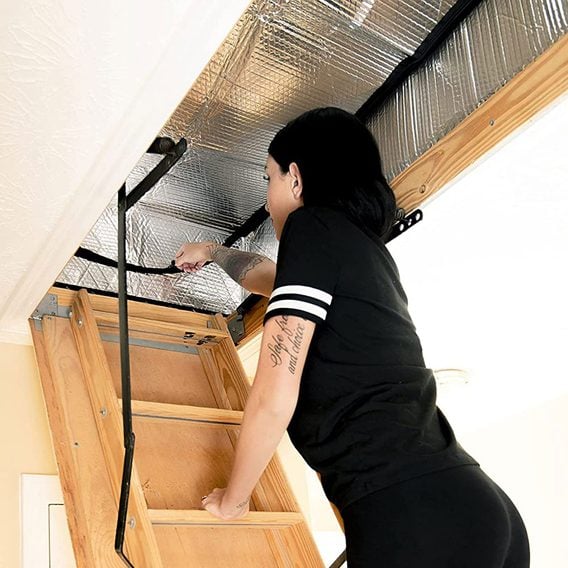
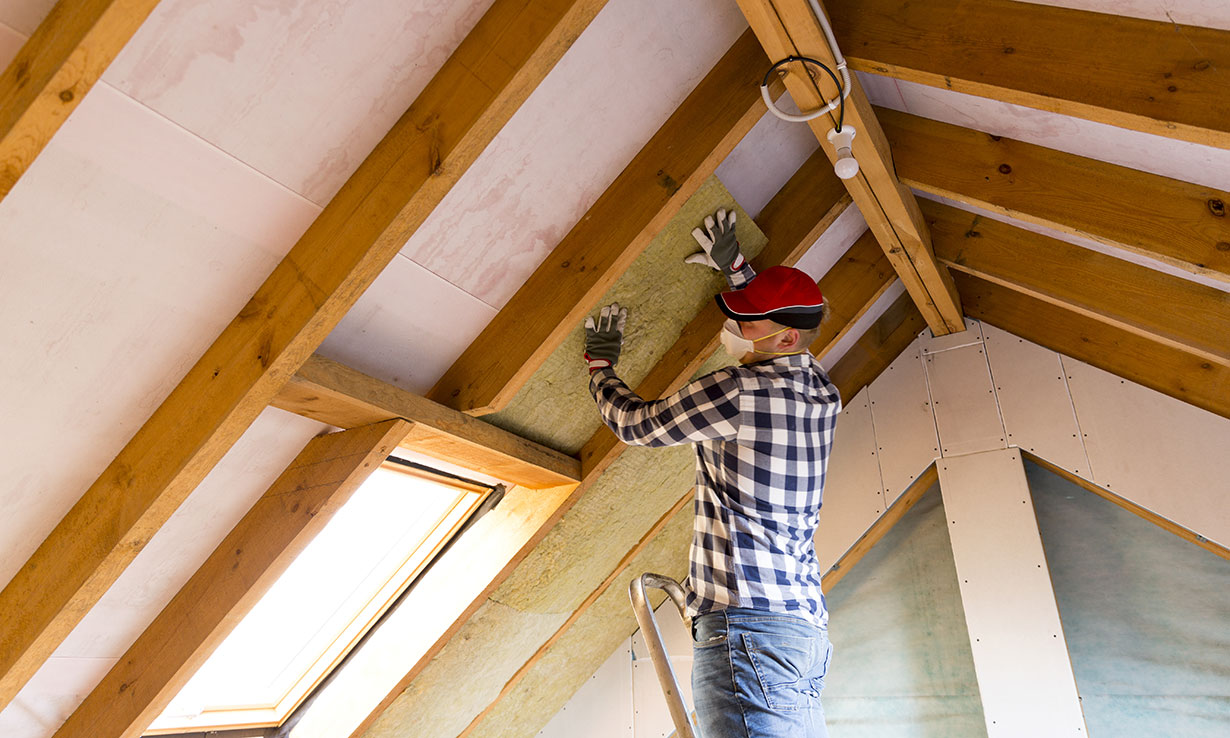
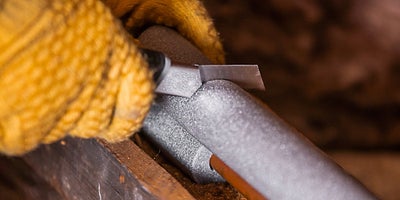
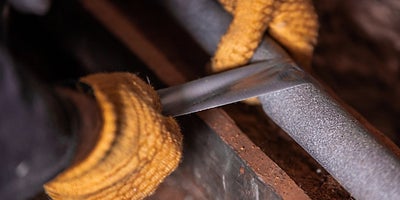
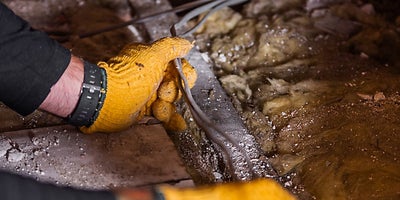
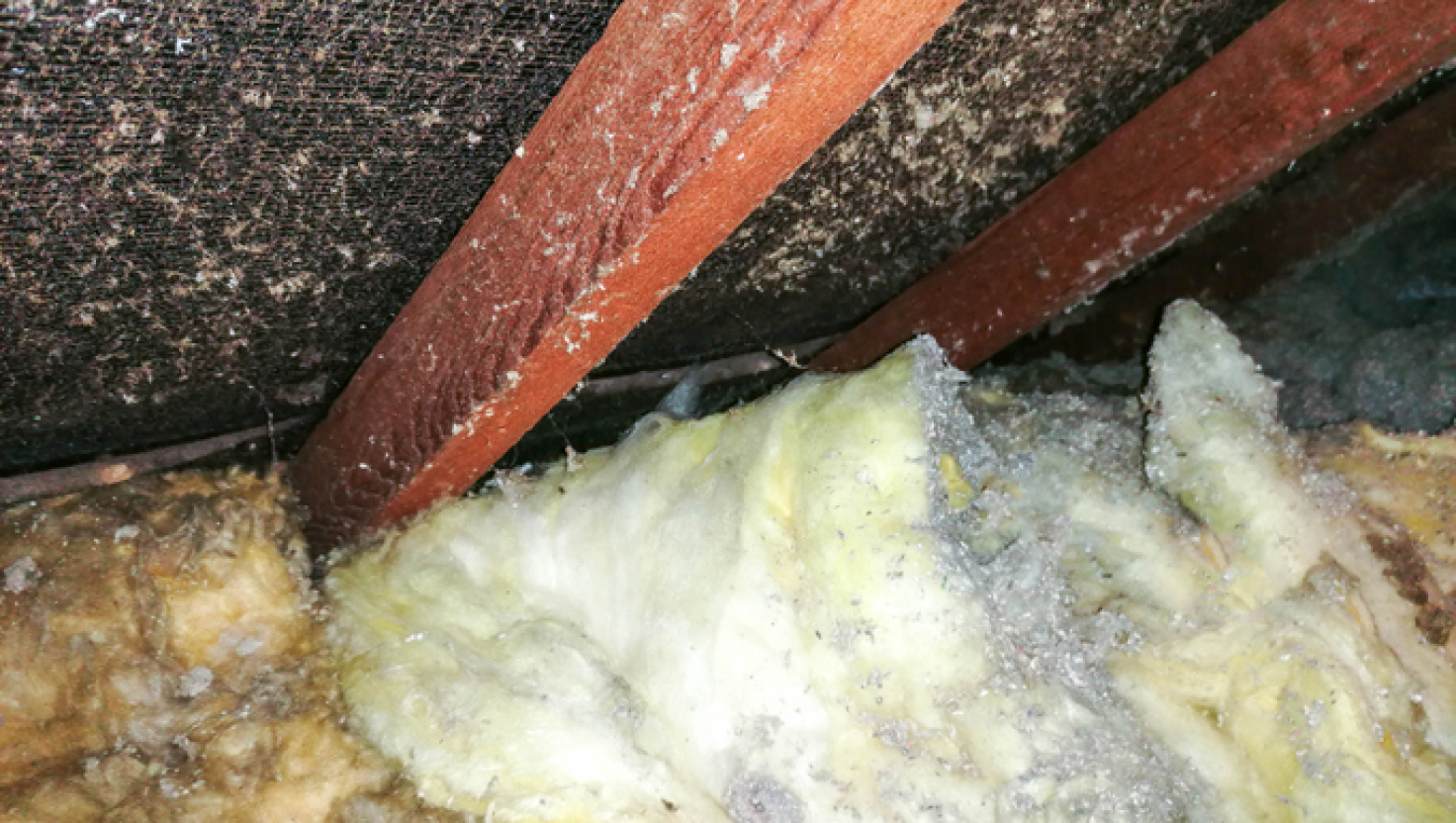
Selecting the appropriate attic insulation is crucial for maintaining comfortable indoor temperatures year-round and significantly reducing energy costs, potentially by up to 50%. With numerous insulation types available, understanding their characteristics and proper installation is essential. Incorrect installation can lead to moisture issues, mold growth, and reduced effectiveness. Experts emphasize that insulation is most effective when placed on top of ceilings rather than in rafters, to prevent moisture trapping and subsequent mold and mildew. If insulation must be placed beneath the roof deck, careful attention to ventilation is necessary to avoid condensation when roof temperatures drop.
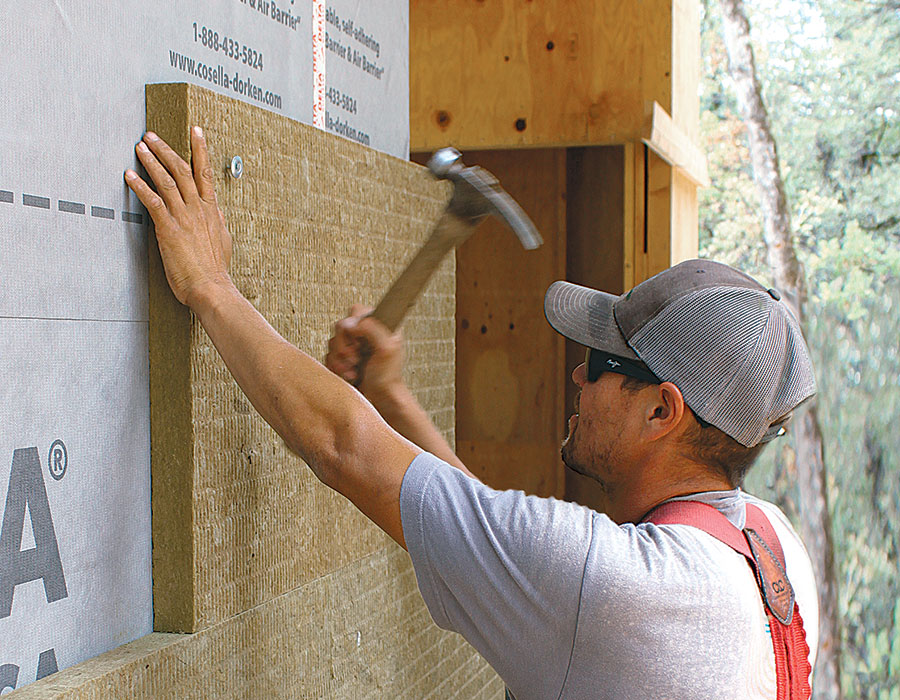
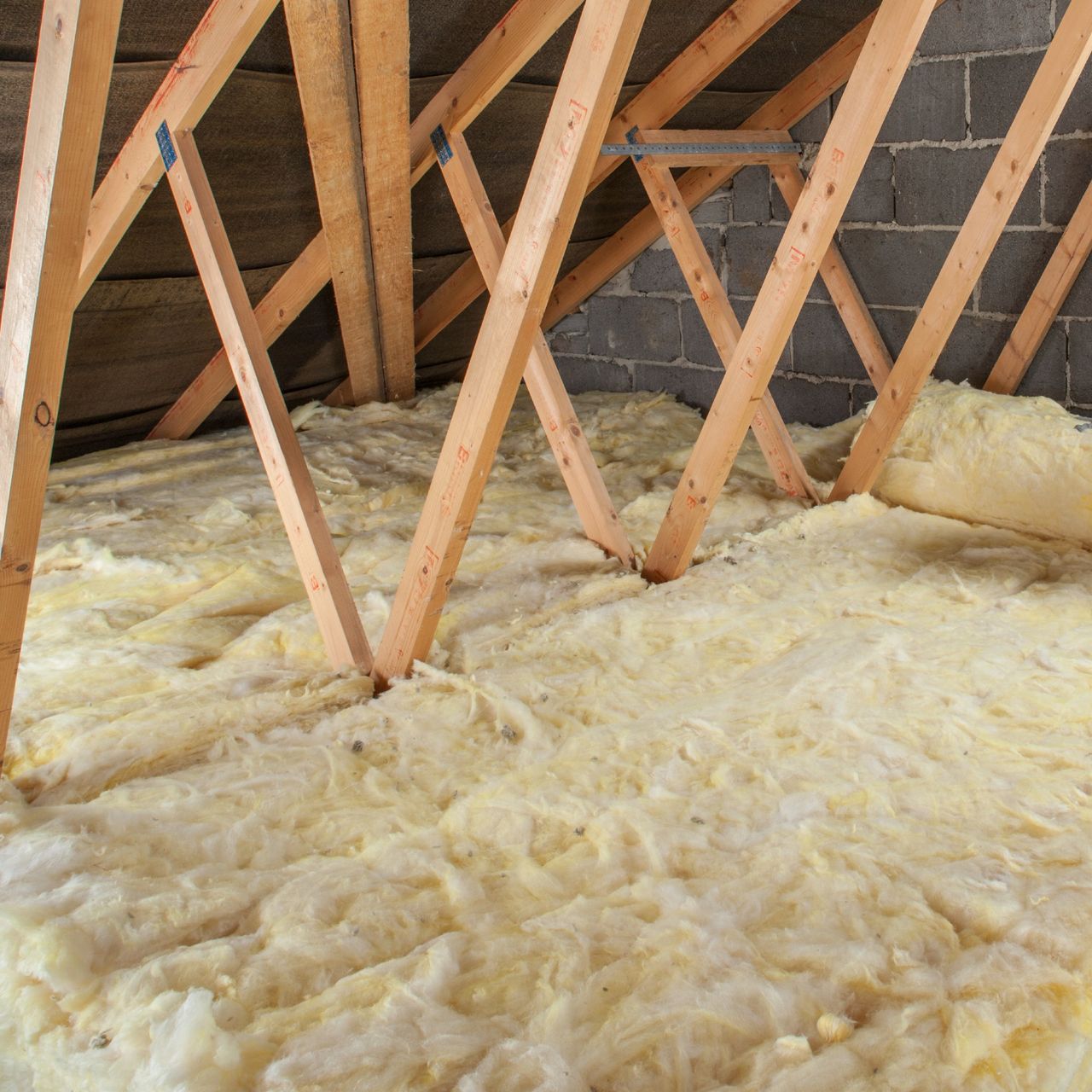
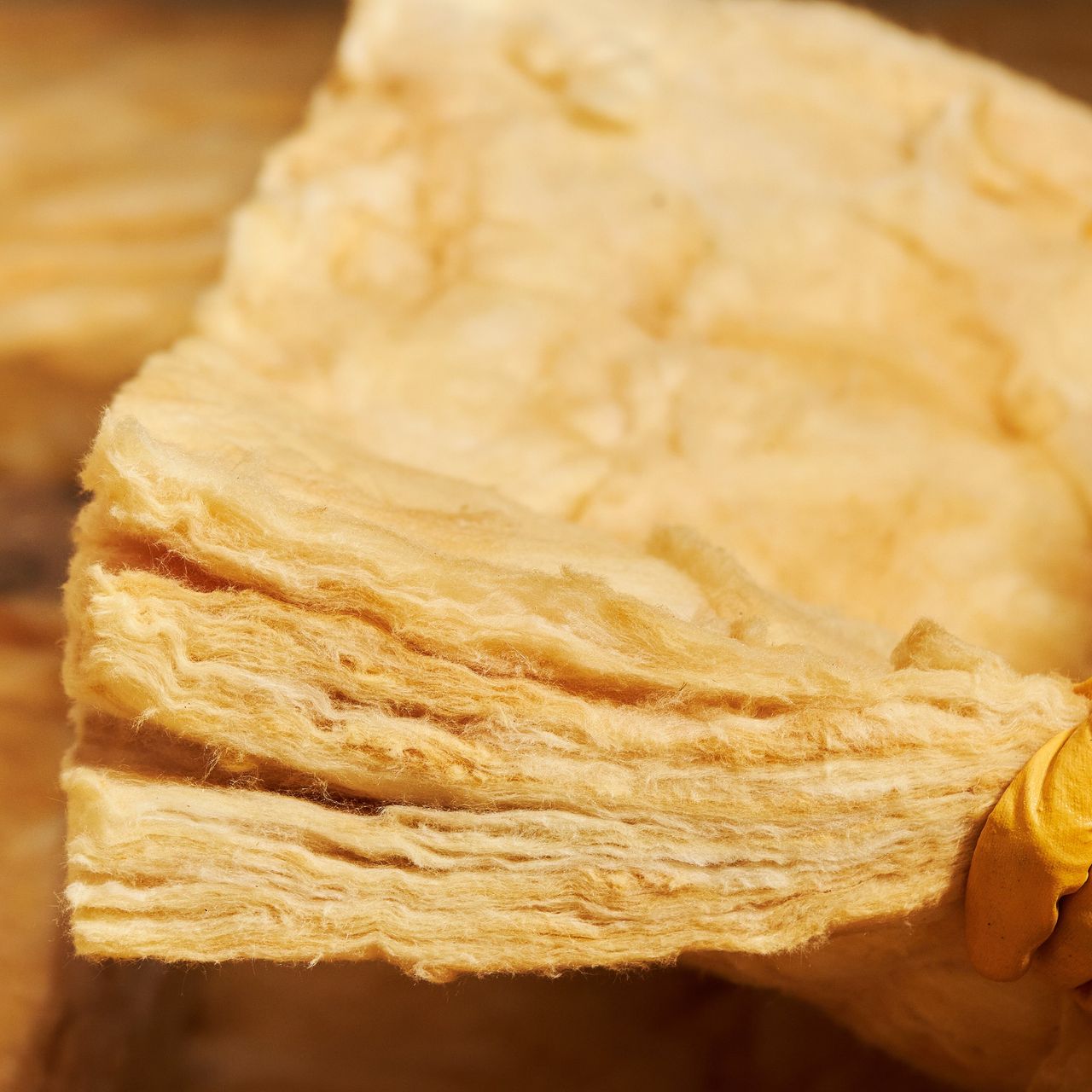
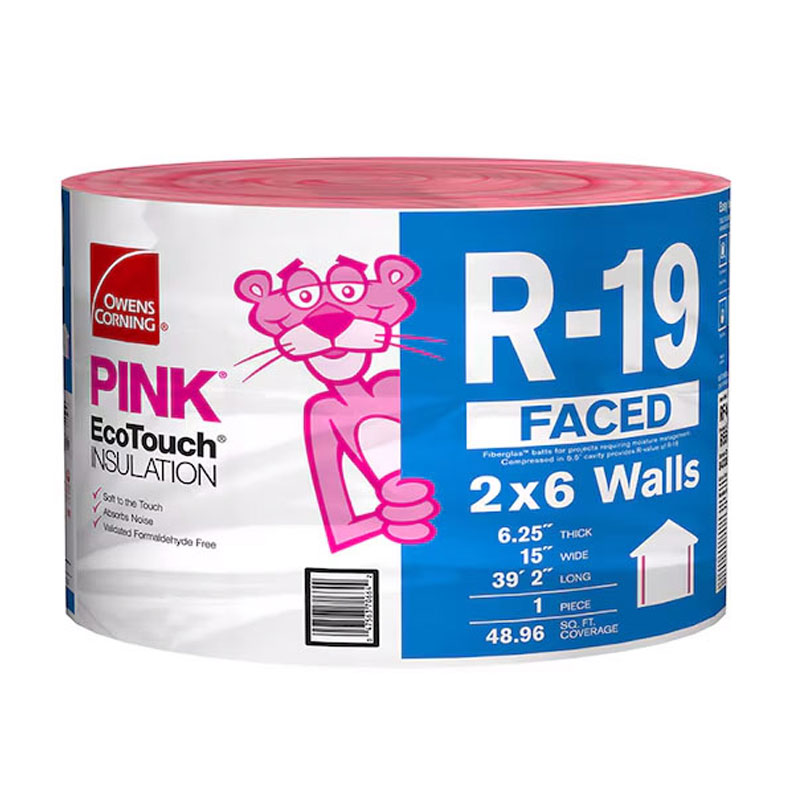
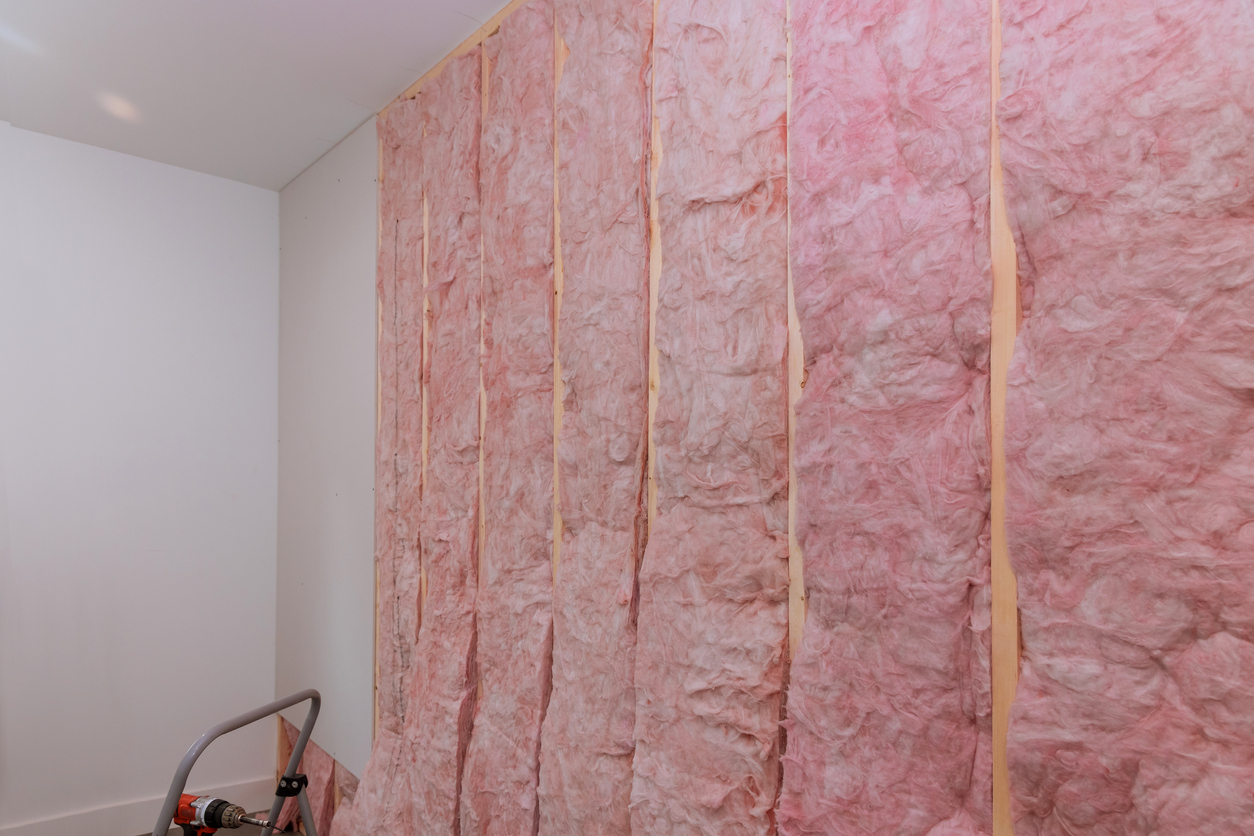
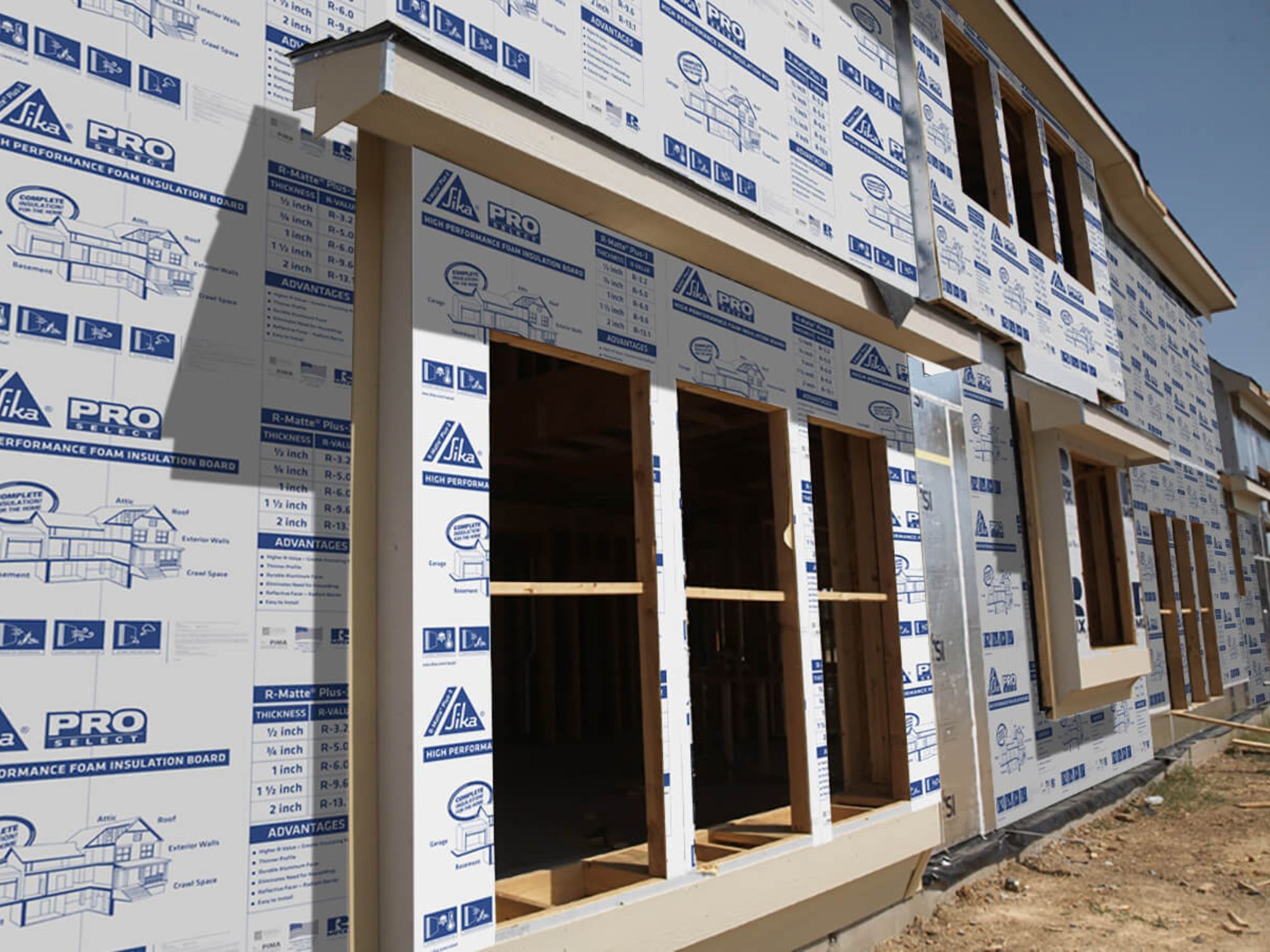
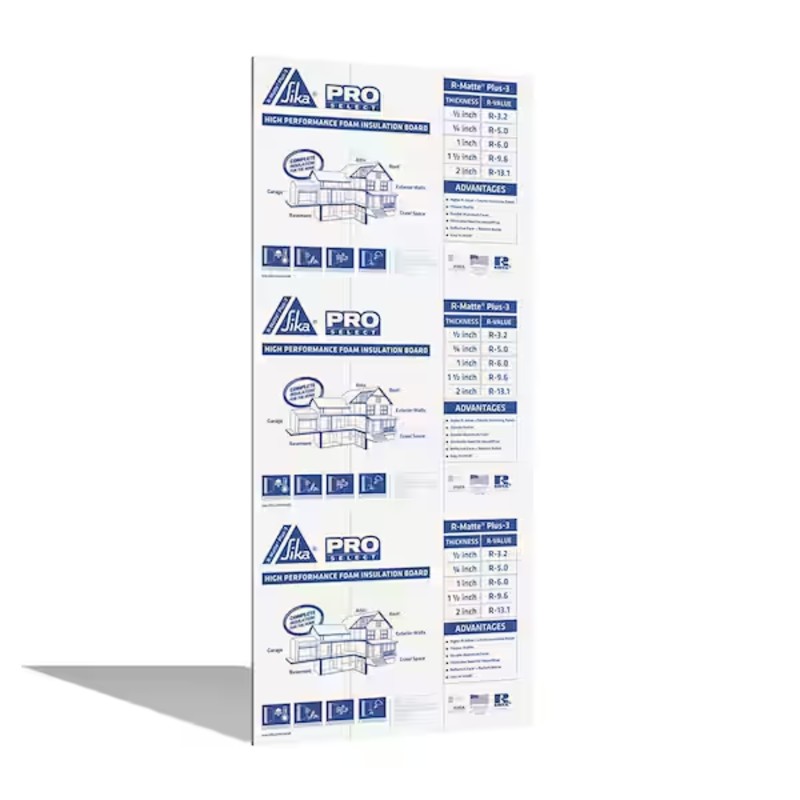
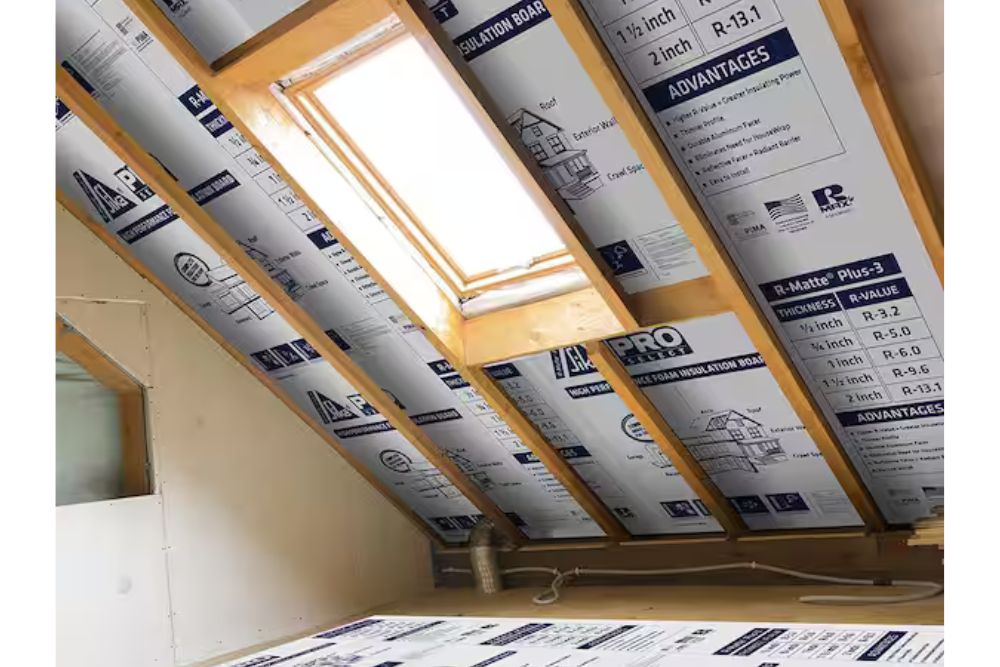
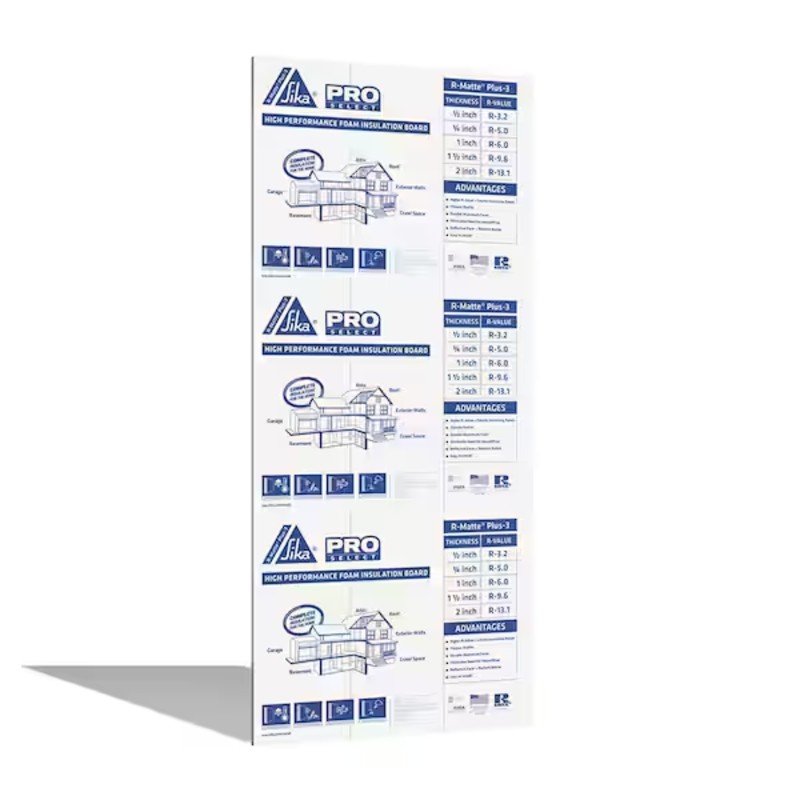
Six primary types of attic insulation are commonly used. Foam board insulation, also known as rigid foam, is a common and highly effective option, particularly in extreme climates. It is made from plastic and can be cut to fit, offering excellent air leak prevention and long-term savings on cooling costs despite a higher initial price of approximately $1 per square foot. However, foam board is highly flammable and susceptible to moisture buildup, necessitating professional installation and adequate attic ventilation to mitigate fire hazards and mold. Fiberglass insulation, or glass wool, is a more affordable alternative, costing around $0.25 to $0.35 per square foot. While less flammable than foam board, it tends to settle over time, reducing its effectiveness and requiring more frequent replacement, typically every 20 years. It also requires a vapor barrier and proper installation to prevent mold if it gets wet, as moisture compromises its insulating properties. Fiberglass also offers good soundproofing qualities.
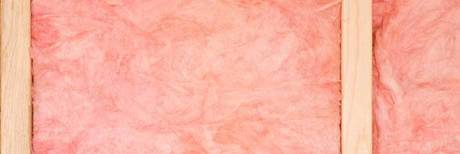
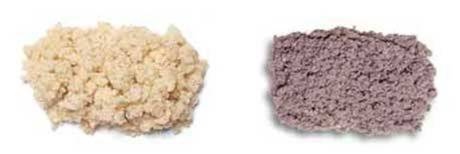
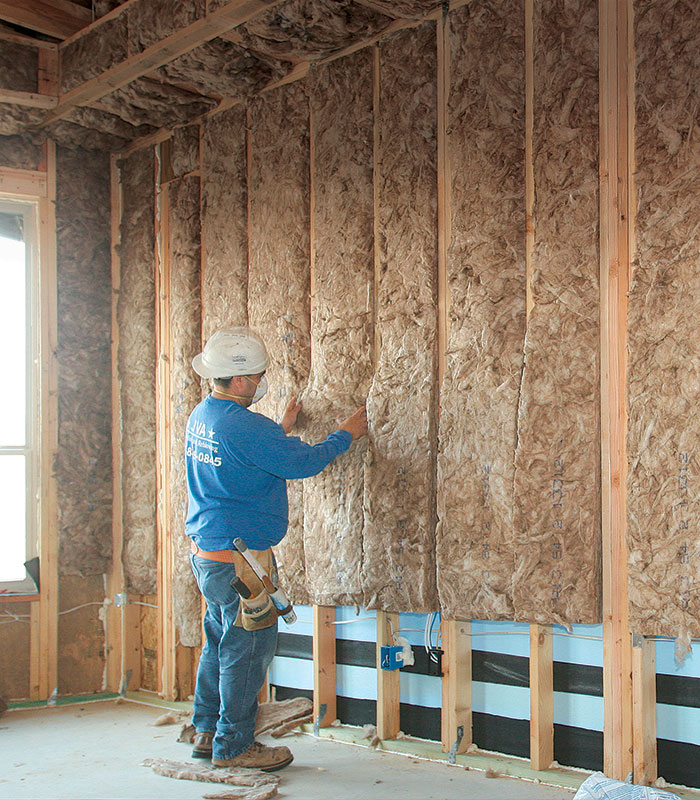
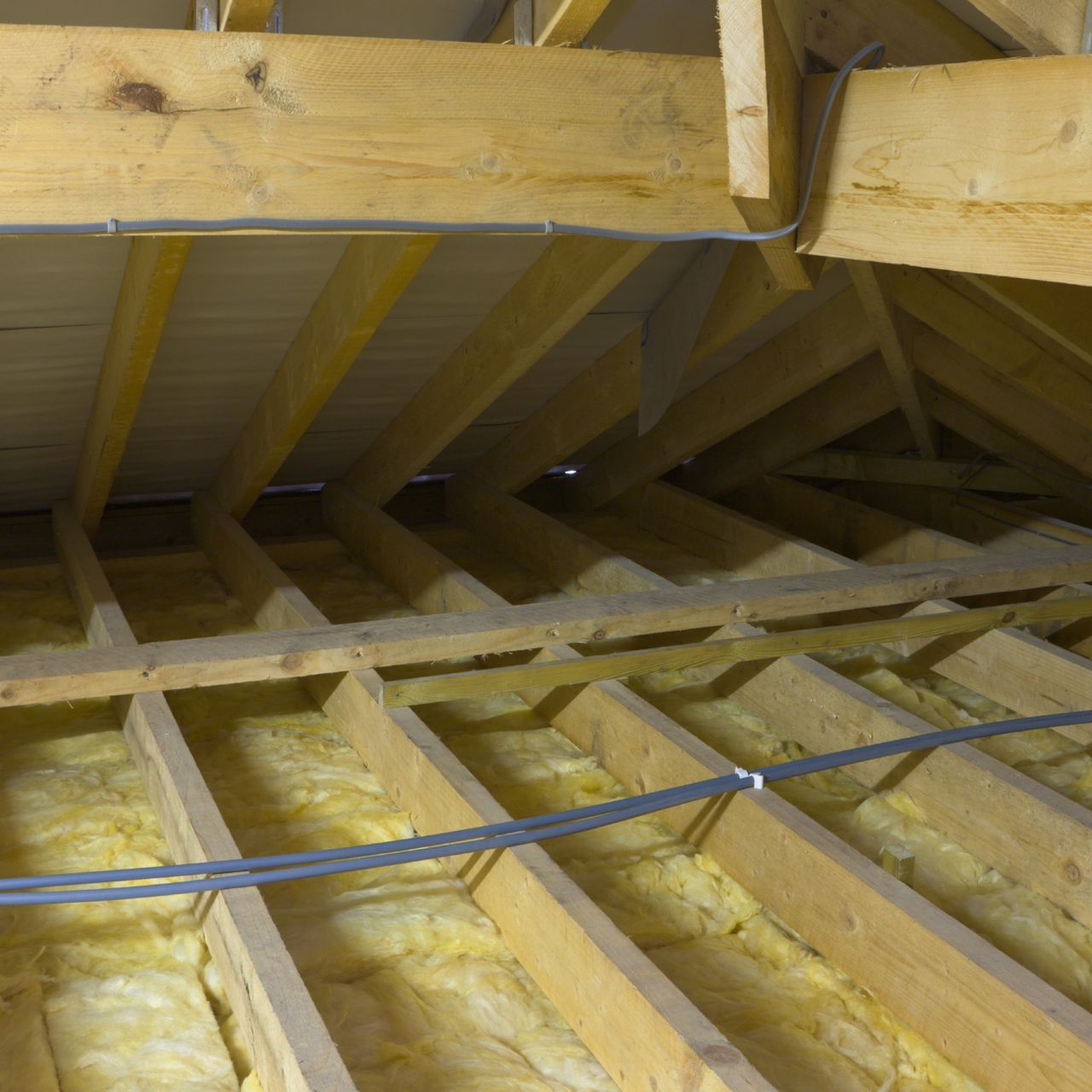
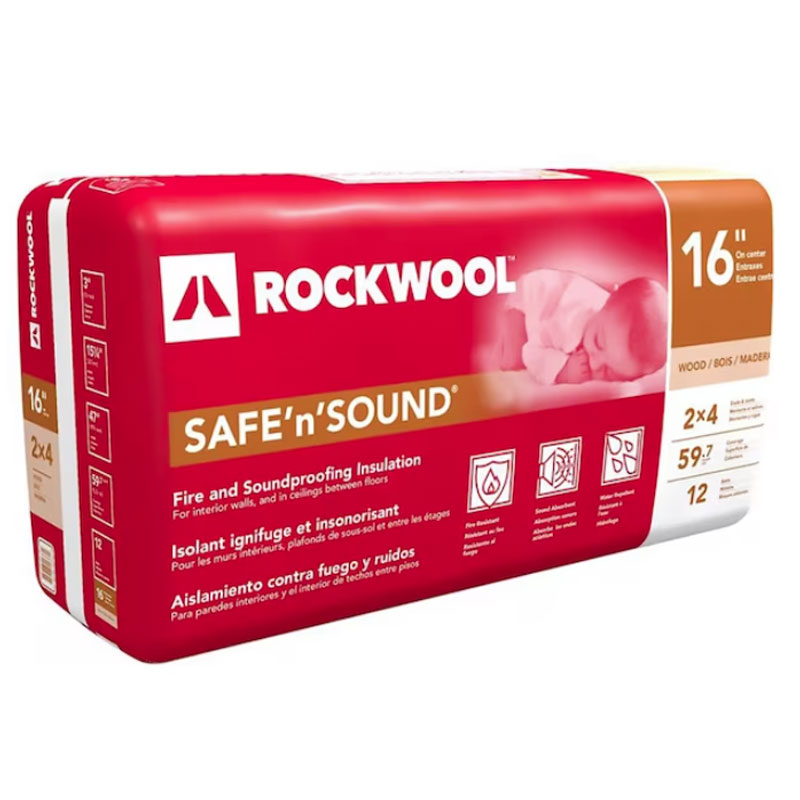
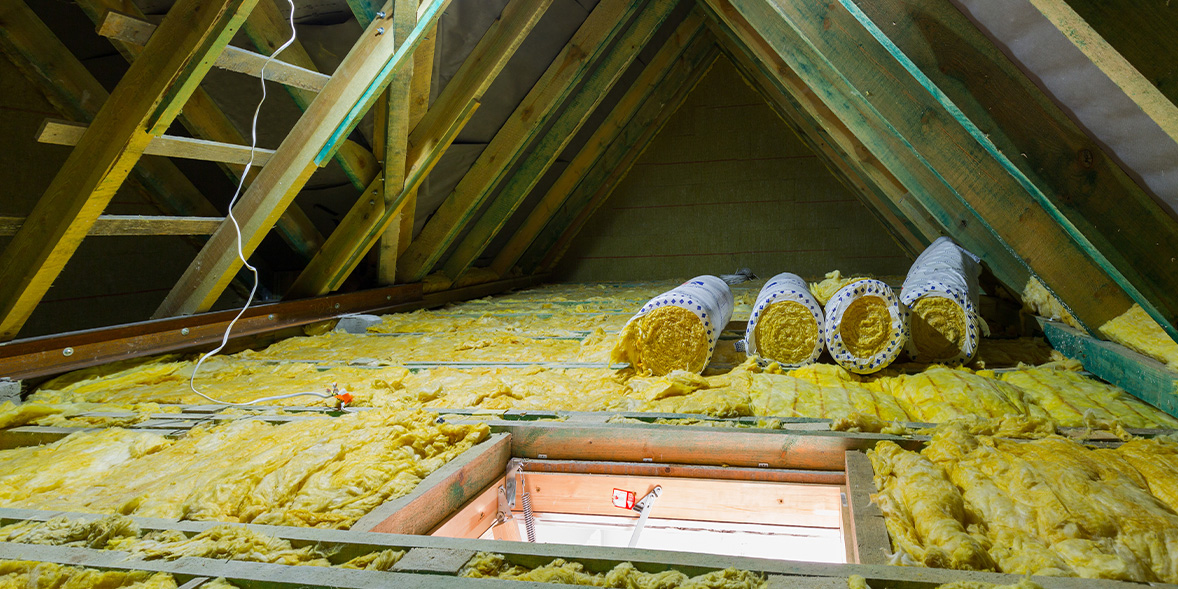
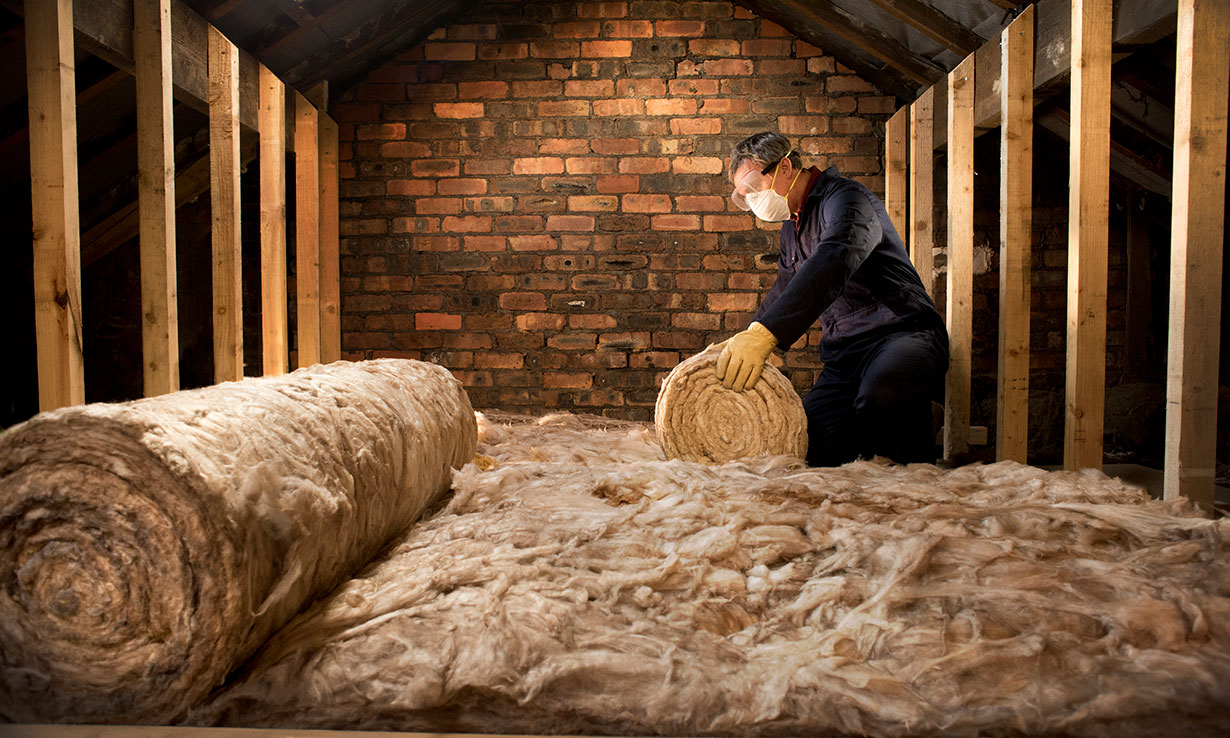
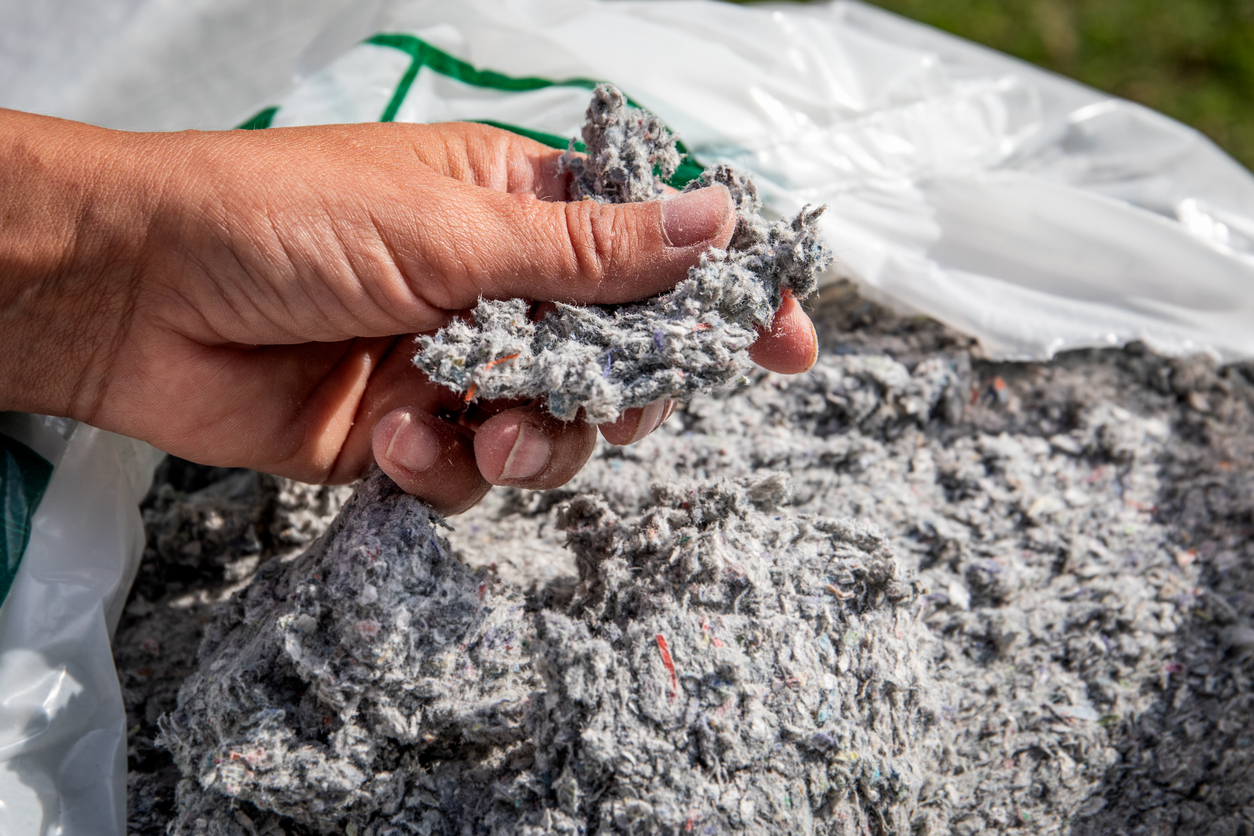
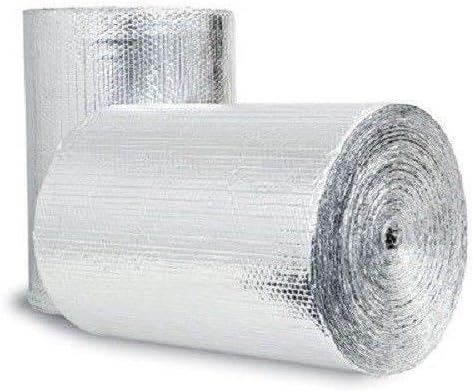
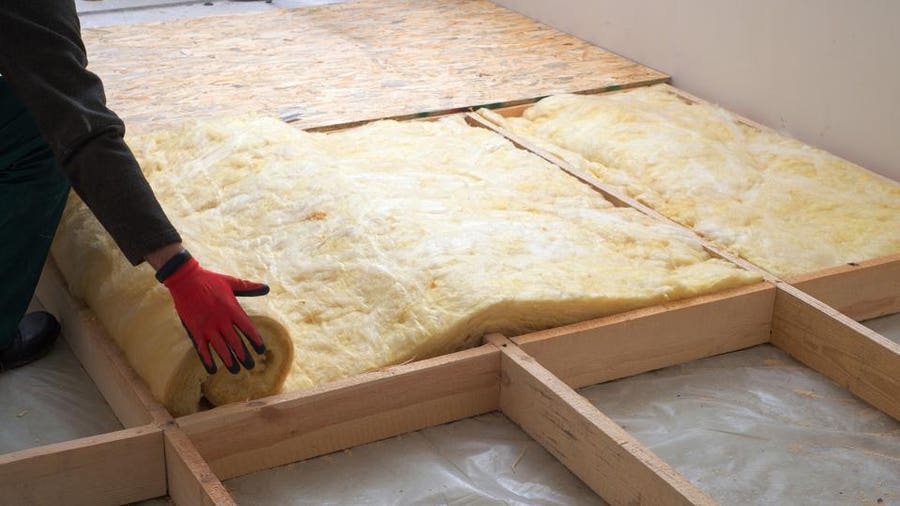
Blanket insulation, often made from fiberglass, mineral wool, or other natural fibers, is straightforward to install and cost-effective. It comes in rolls and is fitted between joists, studs, and beams, avoiding wiring and ductwork. Similar to fiberglass, it provides both thermal insulation and soundproofing, and can assist with moisture control, though proper attic ventilation remains crucial to prevent musty odors. Like other insulation types, it should be handled by experts using appropriate safety gear due to potential skin and airway irritation. Loose-fill insulation, also known as blown-in insulation, is ideal for hard-to-reach wall and ceiling cavities. Typically made of rock wool, it is blown into place for maximum coverage. It offers thermal insulation, soundproofing, and flame retardancy, minimizing fire risks. Unlike foam board or blanket insulation, loose-fill is usually installed on the attic floor to prevent heat escape from the living spaces below, making it suitable for attics not intended for conversion.
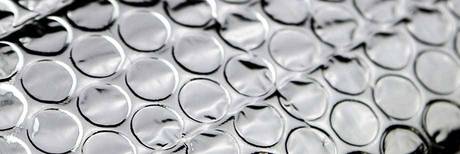
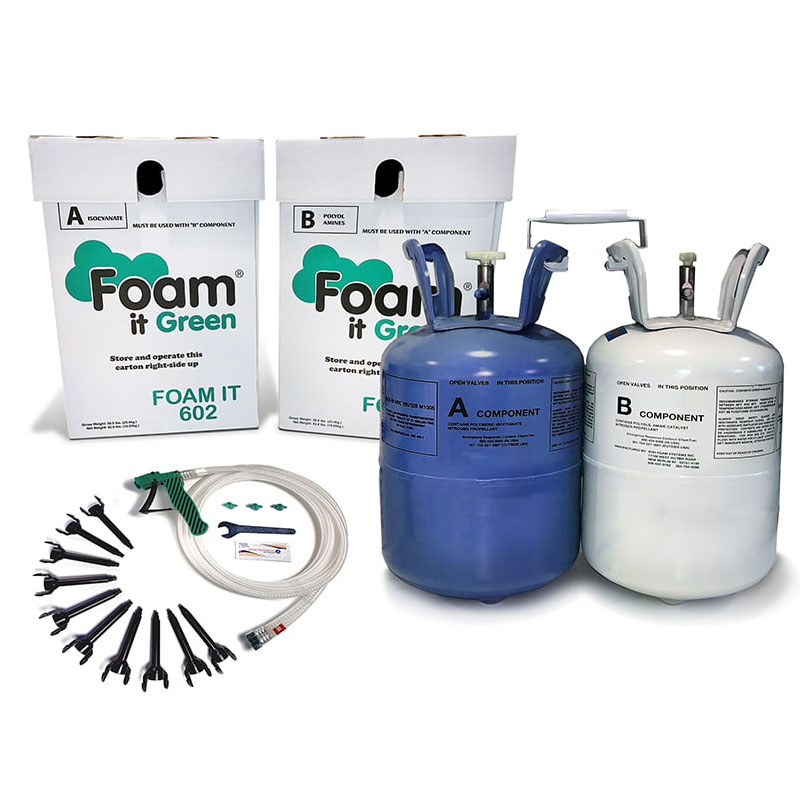
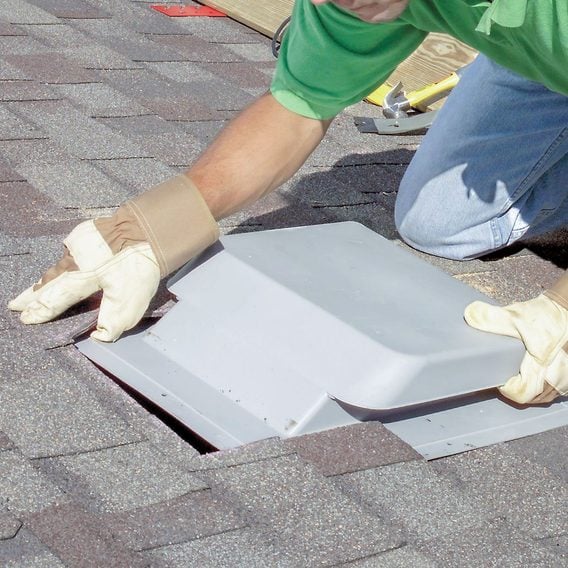
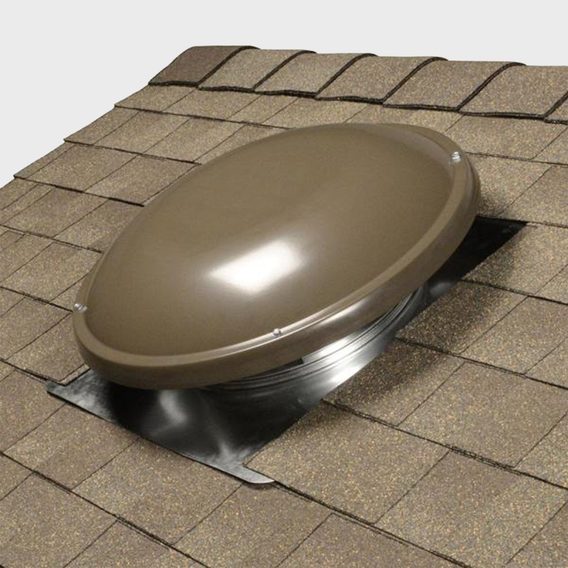
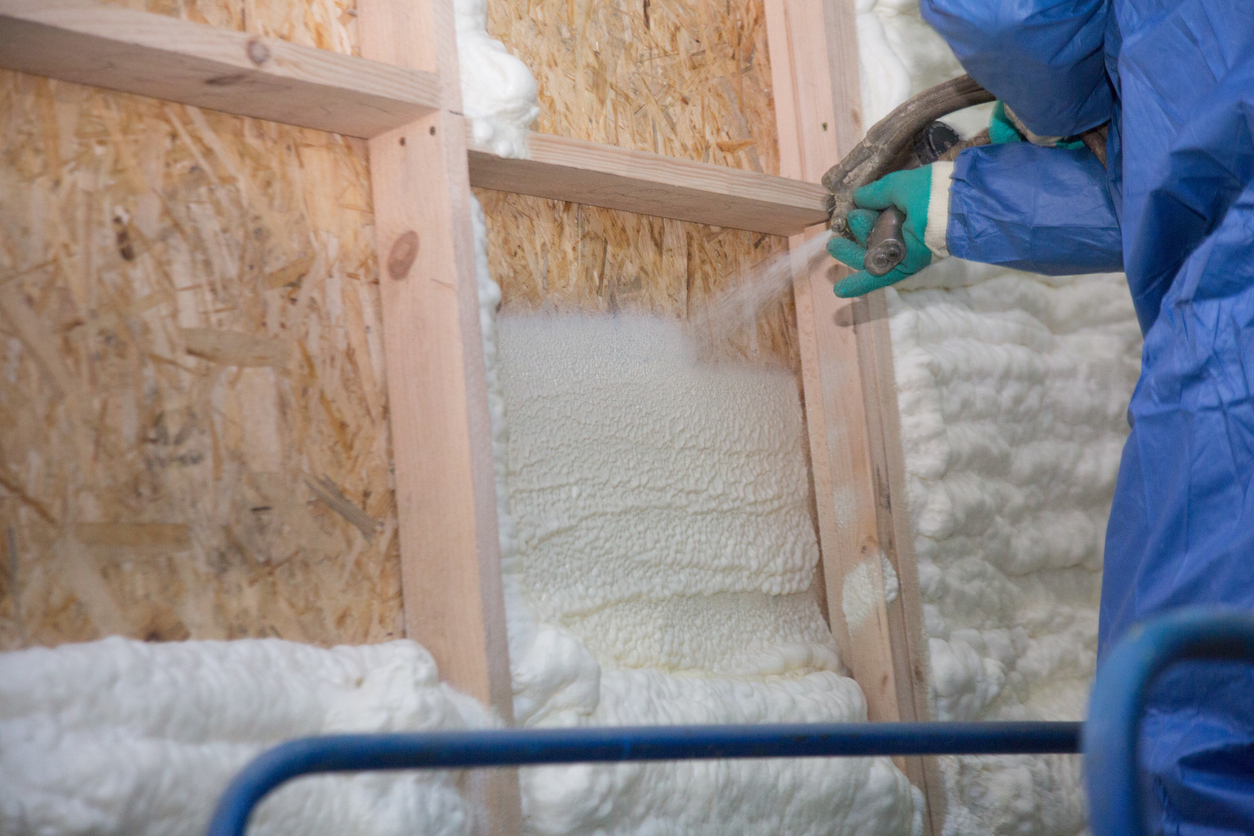
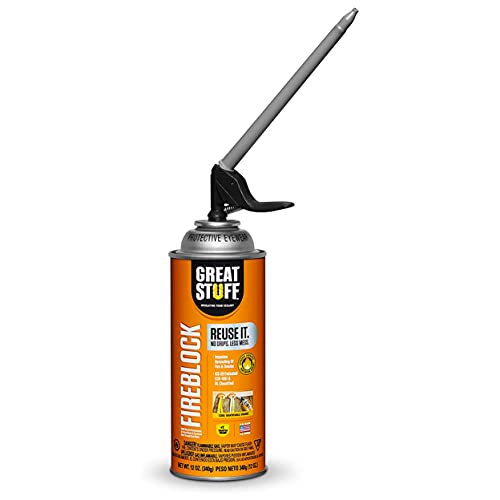
Spray foam insulation, specifically closed-cell spray urethane foam, is highly effective due to its high R-value and natural vapor barrier properties, which prevent condensation and mold. It can be sprayed directly onto pitched attic ceilings, expanding to fill gaps and minimize heat loss. While efficient, closed-cell foam can reduce ventilation, requiring additional considerations for airflow. Its application is quick but demands professional installation due to the specialized equipment and safety precautions. A potential drawback is the difficulty in thoroughly spraying existing structures due to expansion space requirements. Finally, thermal break insulation is a specialized option for hot climates where the primary goal is to keep heat out. It involves creating a dead airspace within the roof system to stop heat conduction, similar to double-pane windows. This type is not suitable for cold or variable climates as it does not retain heat. Ultimately, homeowners should conduct independent research and consult with contractors to make an informed decision based on their specific climate and home requirements, and regularly check insulation effectiveness, especially during winter through methods like snow diagnostics.
#AtticInsulation #EnergyEfficiency #HomeRenovation #MoldPrevention #FireSafety #FoamBoardInsulation #FiberglassInsulation #LooseFillInsulation #SprayFoamInsulation #ThermalBreak #HVACTips #AtticInsulation #EnergyEfficiency #HomeRenovation #MoldPrevention #FireSafety #FoamBoardInsulation #FiberglassInsulation #LooseFillInsulation #SprayFoamInsulation #ThermalBreak #HVACTips
0 comment in total
 No comments yet
You may also like
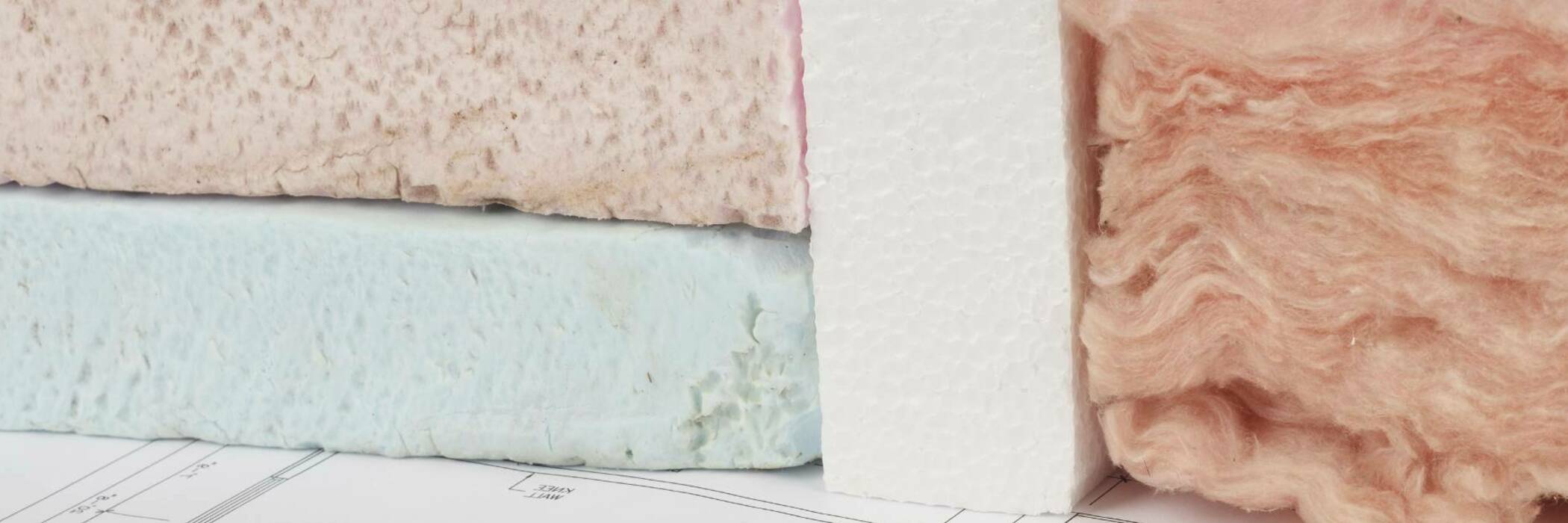
Home insulation materials


5 ways to insulate a wall to lower your energy bills and block out noise – and which ones are a mistake to DIY
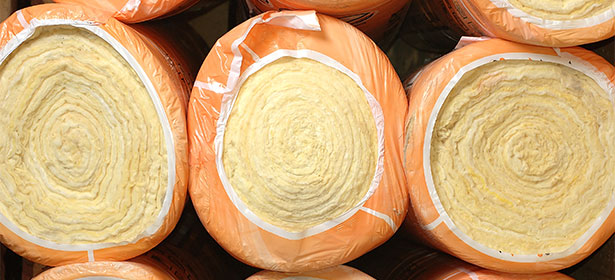
How to insulate a loft or roof
Prep for Winter Weather with These 8 Window Insulation Kits

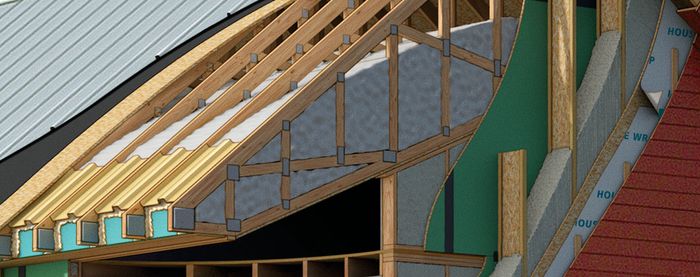
What to Consider When Choosing Insulation

Attic Ideas, Storage and Insulation

5 Types Of Sound Insulation To Dampen Noise Between Floors

6 areas of your home you should never insulate – and why it's a hazard that can do more harm than good

The best floor insulation options for your home, explained

How to insulate your period house
Old Drafty House Owners: The Pros and Cons of Retrofit Insulation

How to insulate a loft

What You Need To Know About Window Insulation
Loft Insulation
The 4 areas of your home pros say to always insulate to keep it toasty in colder weather – plus, where to never insulate
Best Garage Door Insulation Kits: Create a More Comfortable Environment

This is how to get your roof and loft insulation right so that your home stays warm and energy efficient all winter long
Asbestos Insulation: Pipe, Attic & Other Types | Companies & Brands
After Researching Over 20 Options for Exterior Walls Insulation, There is One Clear Winner
![The best insulation installers in Canberra [Updated for 2025]](https://gstatic.ideal.house/news/images/da0069e1118d47929213ceb5f5c2e8d4.jpg)
The best insulation installers in Canberra [Updated for 2025]