1/5
The best floor insulation options for your home, explained
This article explores the importance and various options for floor insulation to enhance home comfort and energy efficiency. It emphasizes that insulating and improving the airtightness of floors can significantly contribute to a cozier home, especially since ground floors are major contributors to discomfort due to heat loss. The piece highlights that proper insulation not only makes a home warmer but also reduces carbon emissions and lowers utility bills. According to the Energy Saving Trust, insulating a typical semi-detached house can save approximately £50 annually on energy bills and reduce carbon dioxide emissions by 175kg.
The article clarifies that while ground floors are the primary focus for insulation due to thermal performance, insulation should also be considered for floors above unheated spaces like garages. For flats or upper-floor maisonettes, floor insulation might not be necessary for thermal reasons but can improve acoustic performance. Different insulation materials offer varying acoustic benefits, with mineral wool insulation being effective for reducing noise transfer between living areas.
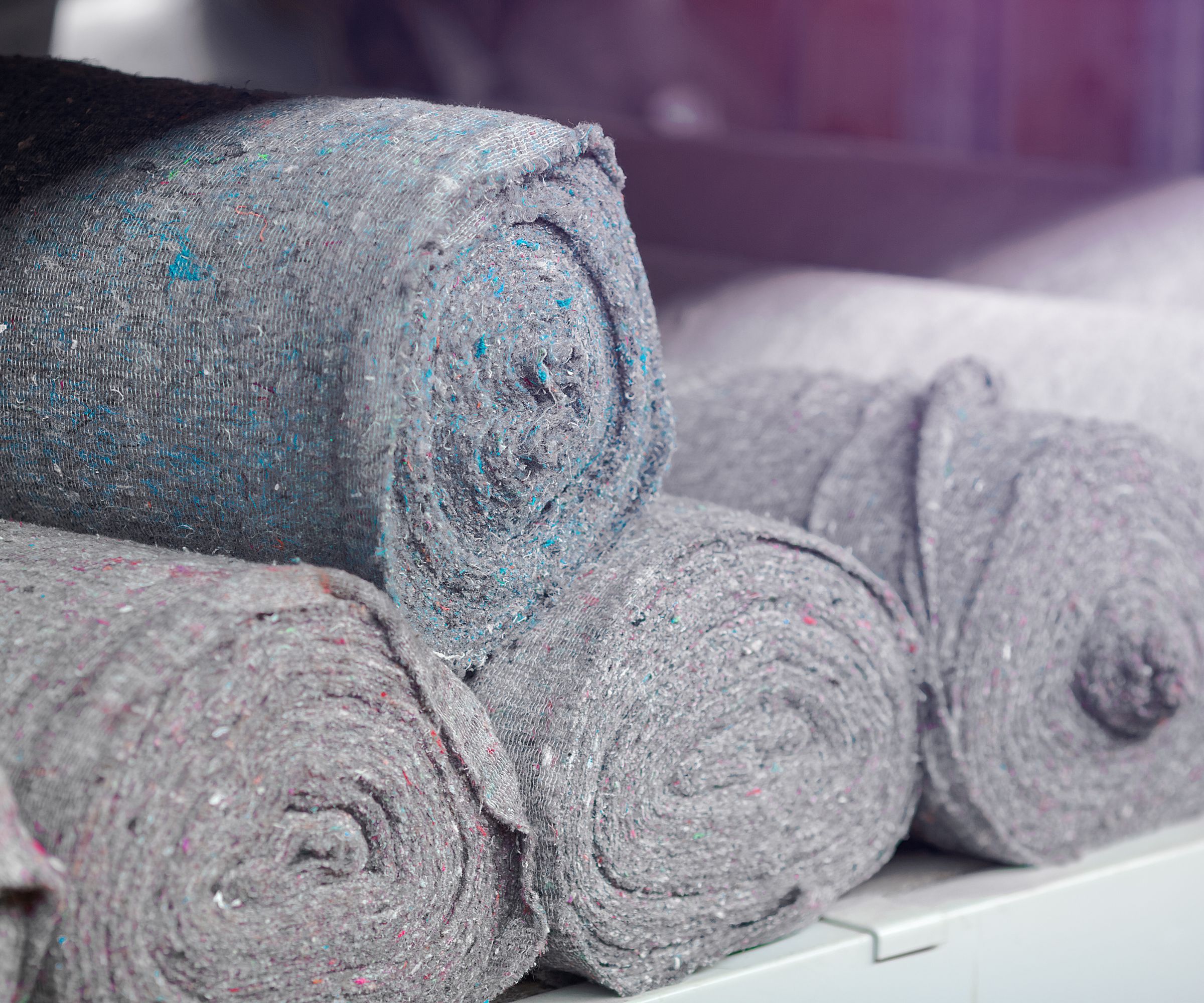
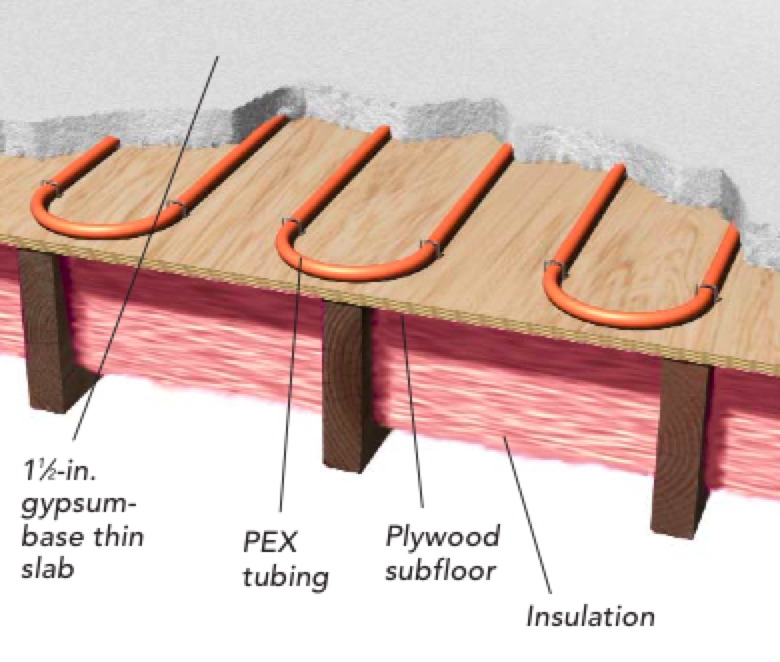
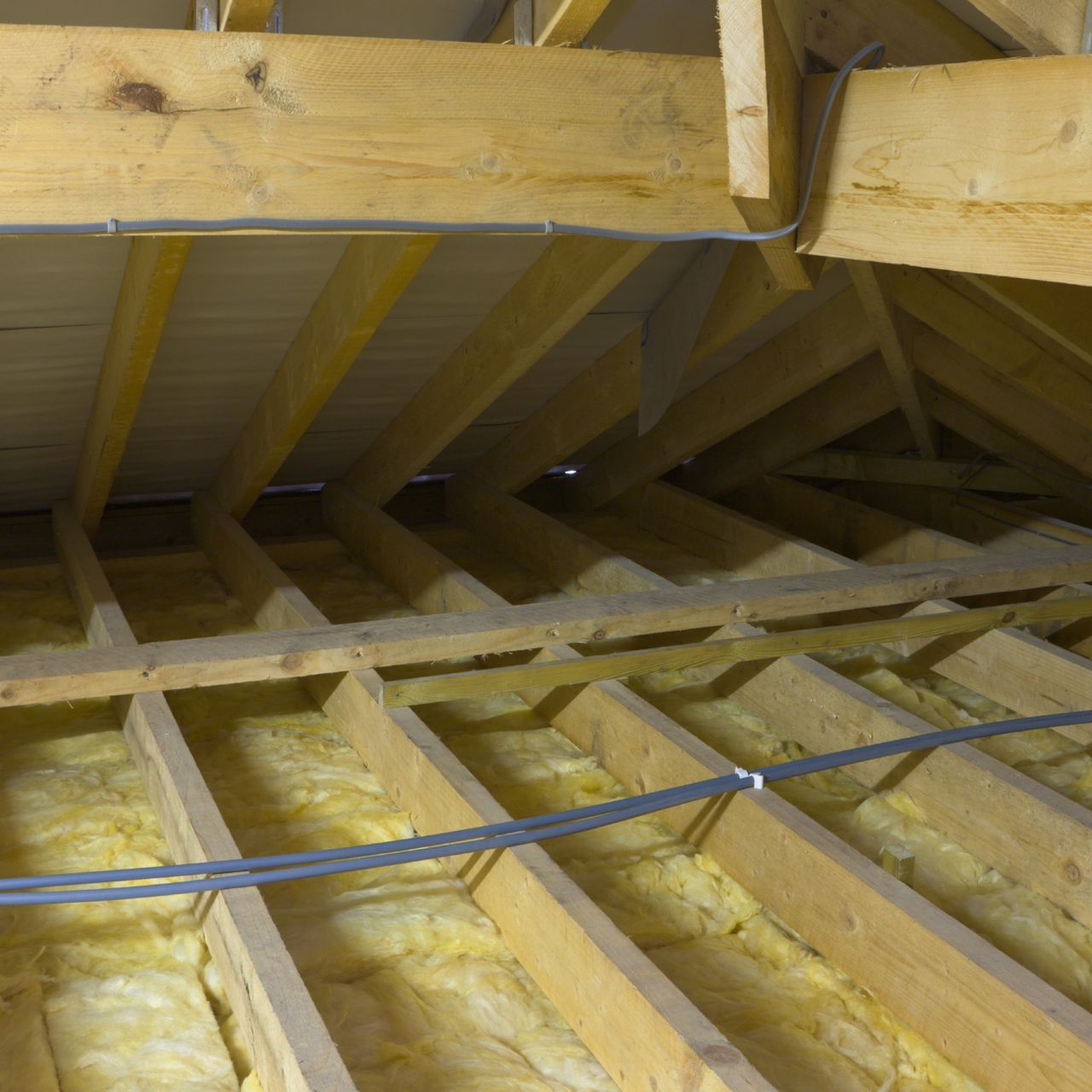
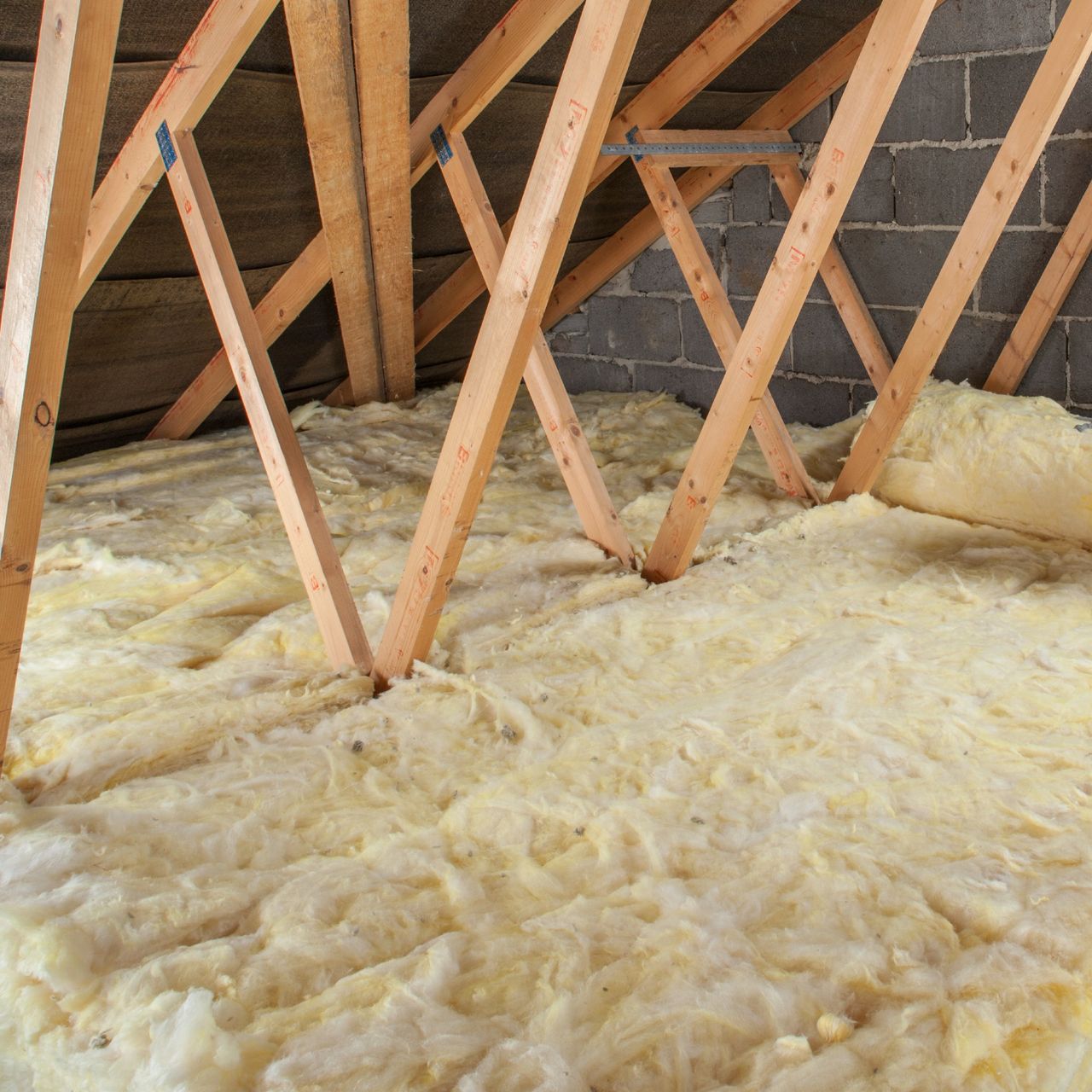
Floor insulation involves adding materials beneath suspended timber floorboards or on top of solid floors, such as concrete, and sealing gaps to prevent draughts. The cost of installation typically ranges from £520 to £1,300, with a lifespan that can match the house itself, requiring minimal maintenance. The article details several floor insulation options, including glass or rock mineral wool slabs, blanket floor insulation, rigid foam insulation, foam spray insulation, multifoil insulation, draught-proofing, and even the use of rugs and carpets.
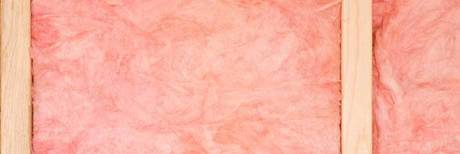
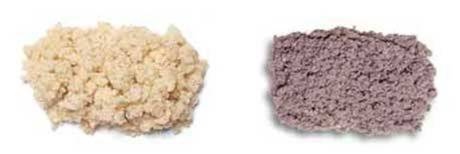
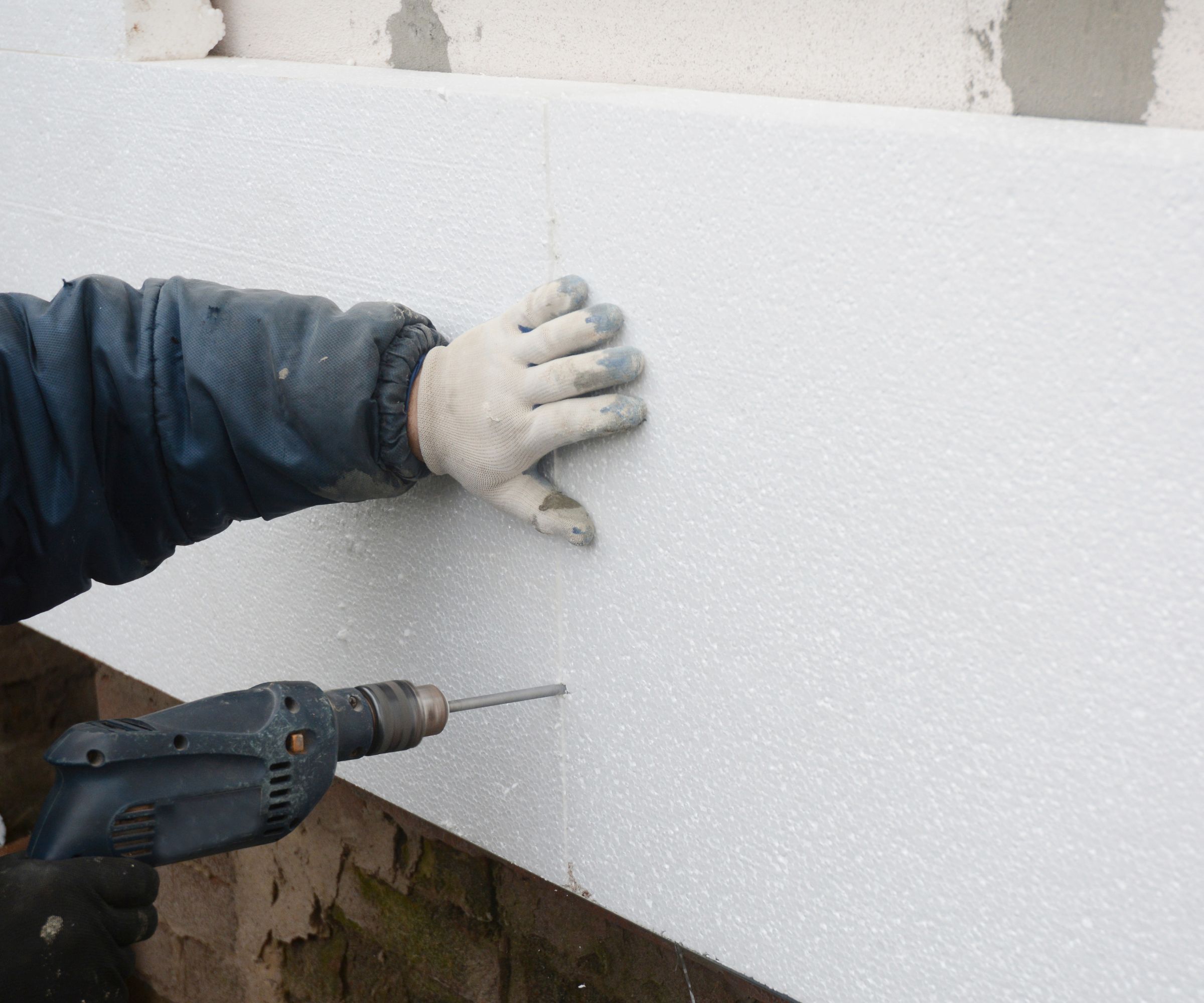
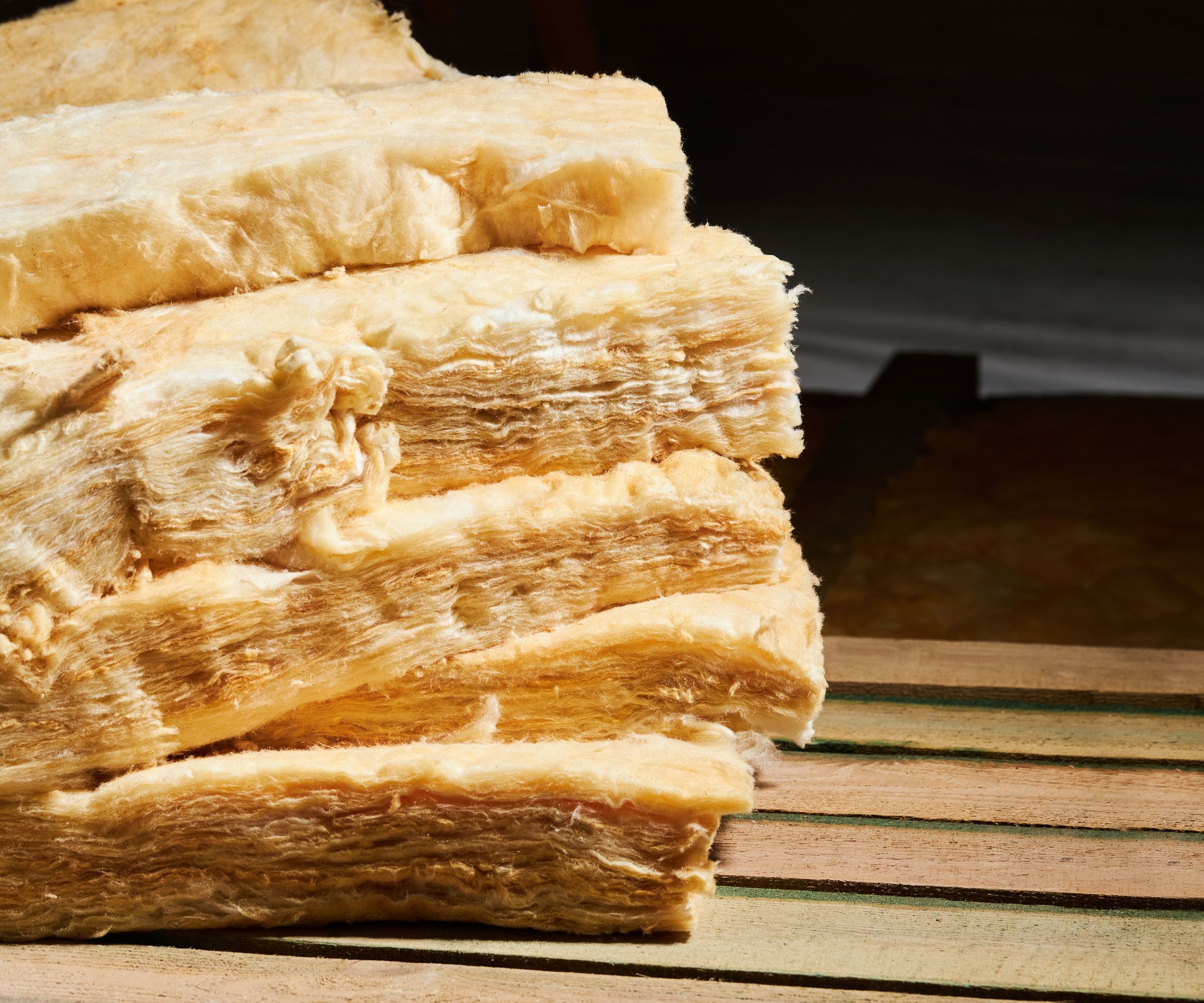
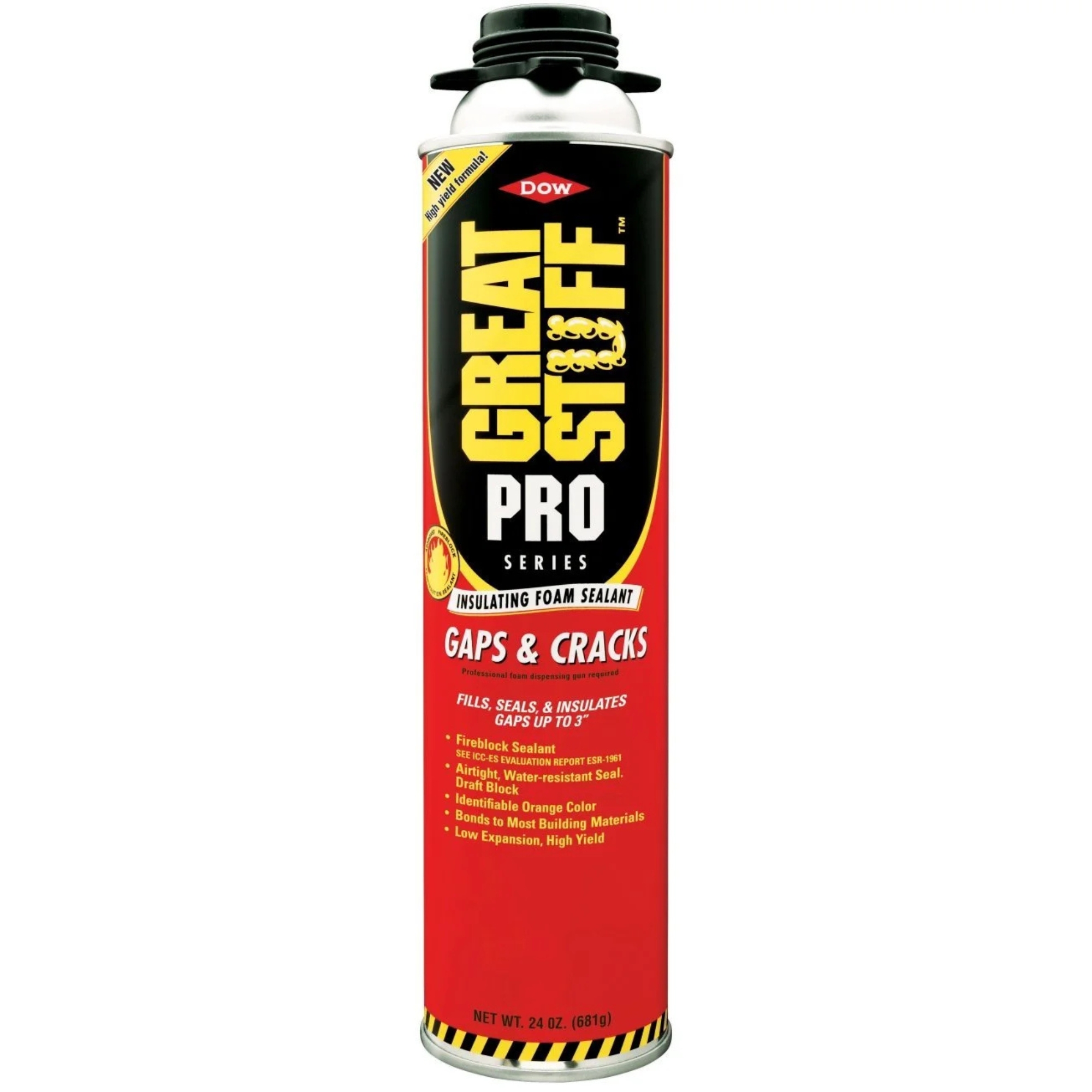
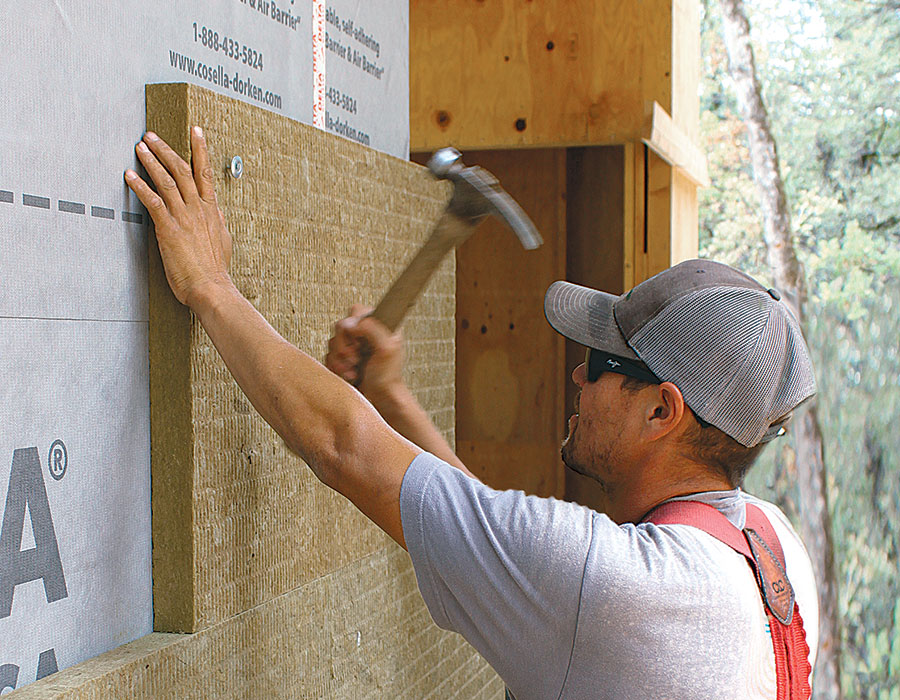
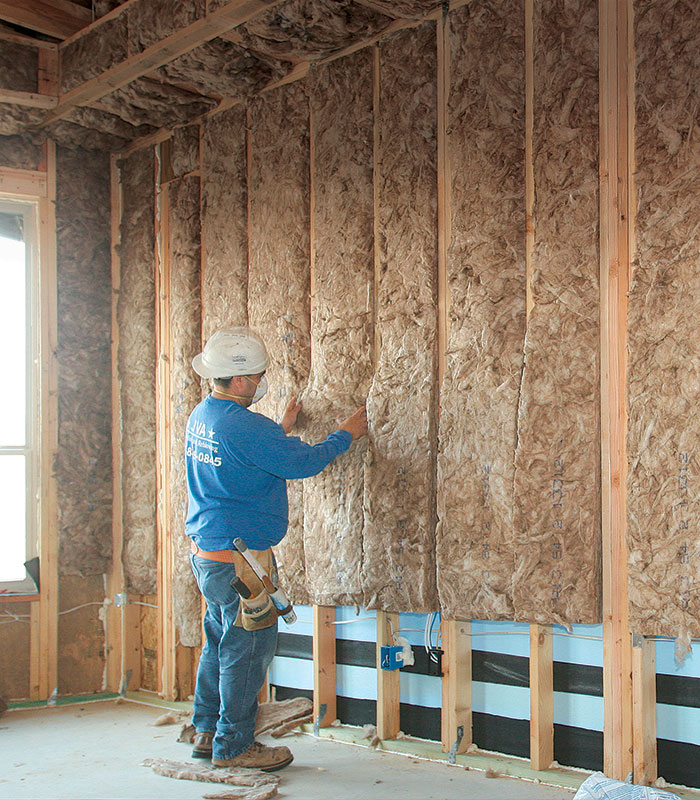
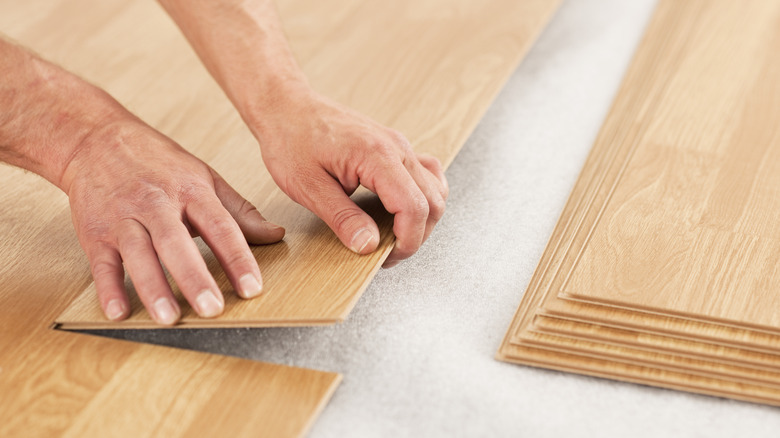
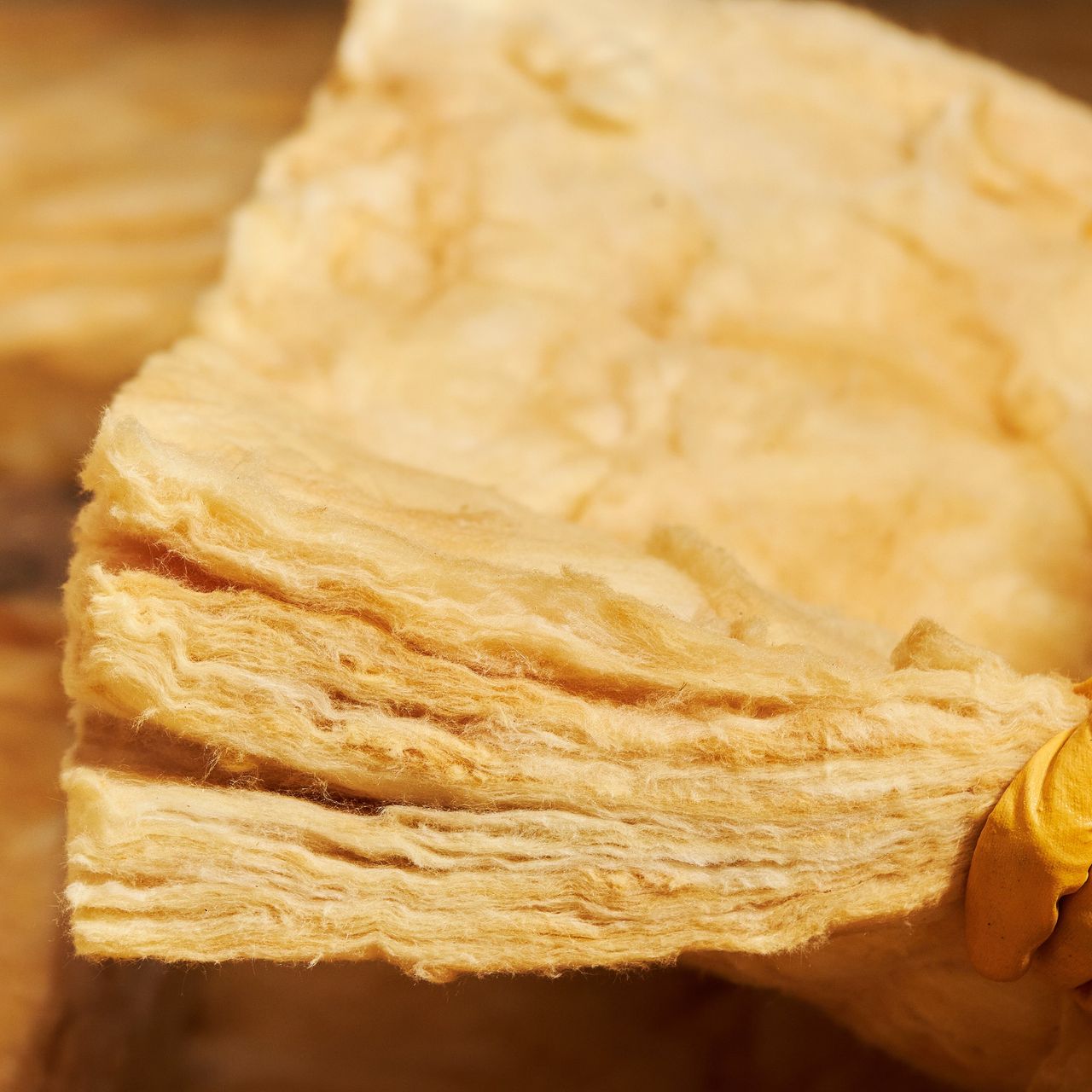
Glass or rock mineral wool slabs are semi-rigid, made from recycled materials, and best for suspended timber flooring due to their light weight and ease of cutting. They offer good thermal performance and are non-combustible but require additional support for installation. Blanket floor insulation, a roll of unfaced mineral glass wool or fibreglass, is affordable and easy to install between joists in suspended floors, though it requires protective gear. Rigid foam insulation, available in boards, is versatile for both suspended and solid flooring, easy to cut and shape, but demands precise measurements. Foam spray insulation, a liquid foam that expands and sets, is ideal for awkward spaces and offers superior thermal resistance, typically requiring professional installation.
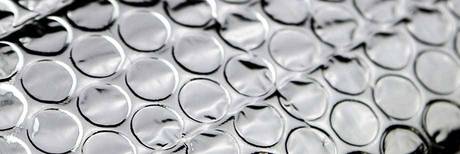
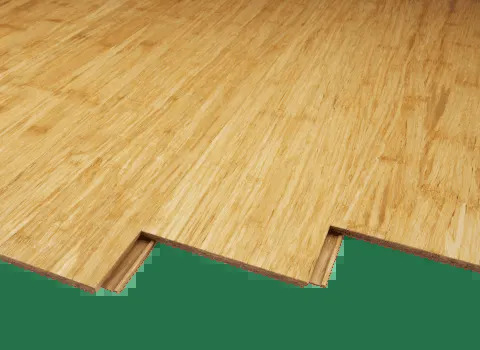
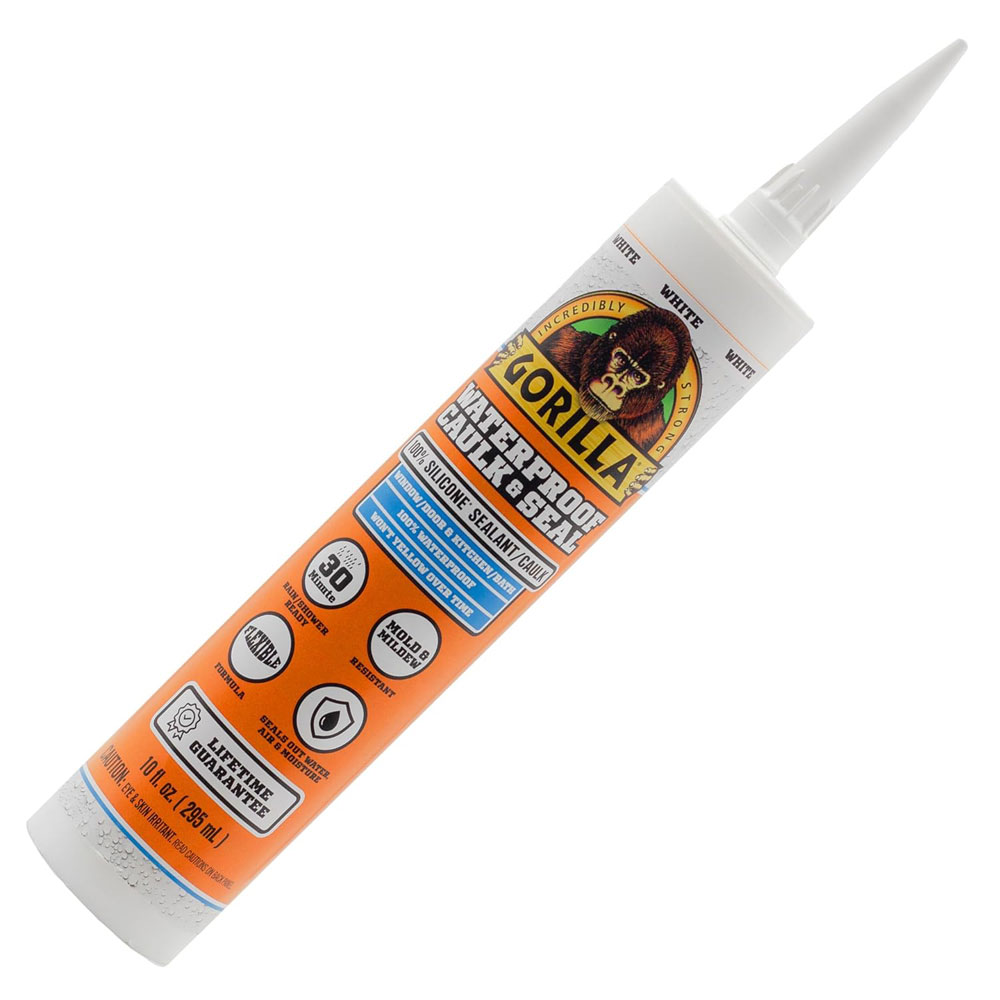
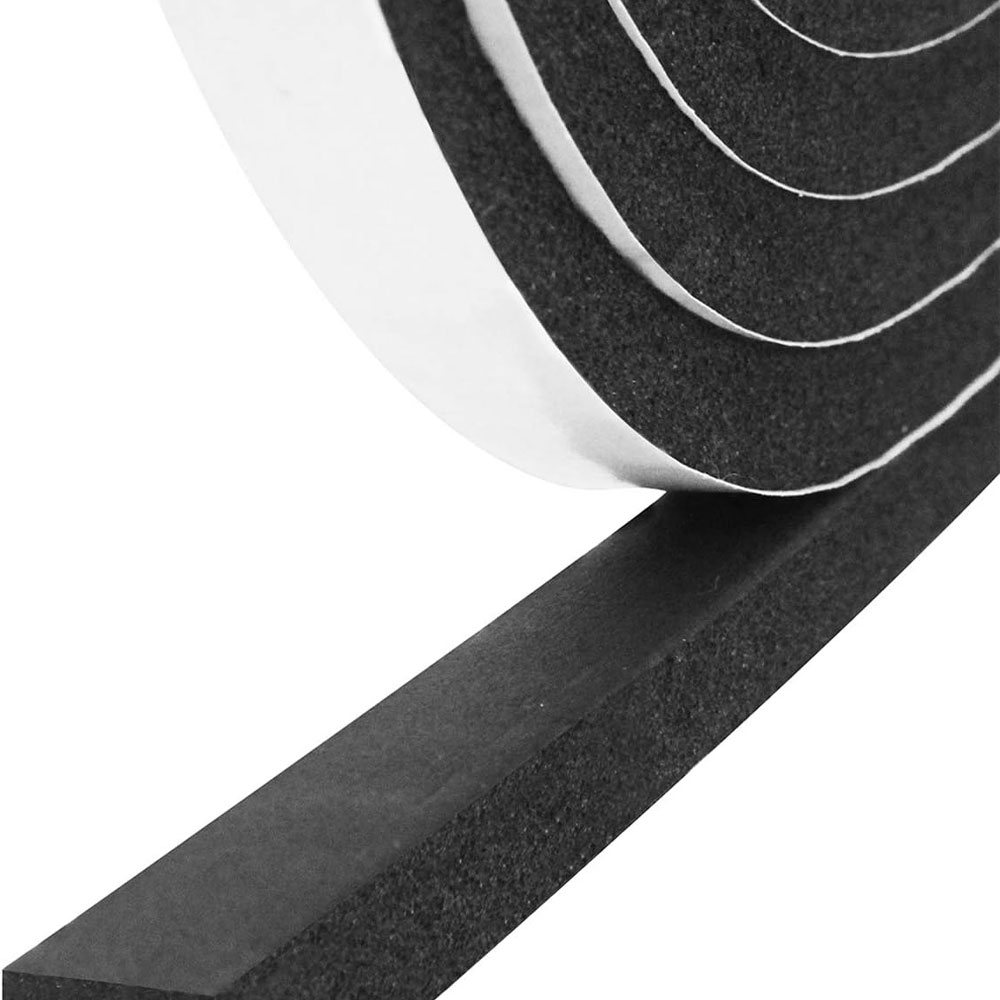
Multifoil insulation, composed of layers of foil and wadding, is suitable for solid and suspended floors, boasts a long lifespan, and is easy to handle without special tools. Draught-proofing, which involves sealing gaps in floorboards and skirting with flexible fillers, is a cost-effective method to prevent heat loss and improve warmth. Lastly, rugs and carpets, especially when combined with thick underlay, provide some insulation, primarily for comfort underfoot and minimal draught blocking, but full insulation beneath them is recommended for optimal heat retention. The article concludes by emphasizing that floor insulation is most effective when combined with other insulation types, such as cavity wall and roof insulation, to achieve comprehensive "top and tail insulation" and meet Building Regulation standards for U-values.
#FloorInsulation #HomeEnergyEfficiency #UtilityBills #ThermalPerformance #DraughtProofing #MineralWoolInsulation #FoamInsulation #MultifoilInsulation #HomeRenovation #FloorInsulation #HomeEnergyEfficiency #UtilityBills #ThermalPerformance #DraughtProofing #MineralWoolInsulation #FoamInsulation #MultifoilInsulation #HomeRenovation
0 comment in total
 No comments yet
You may also like
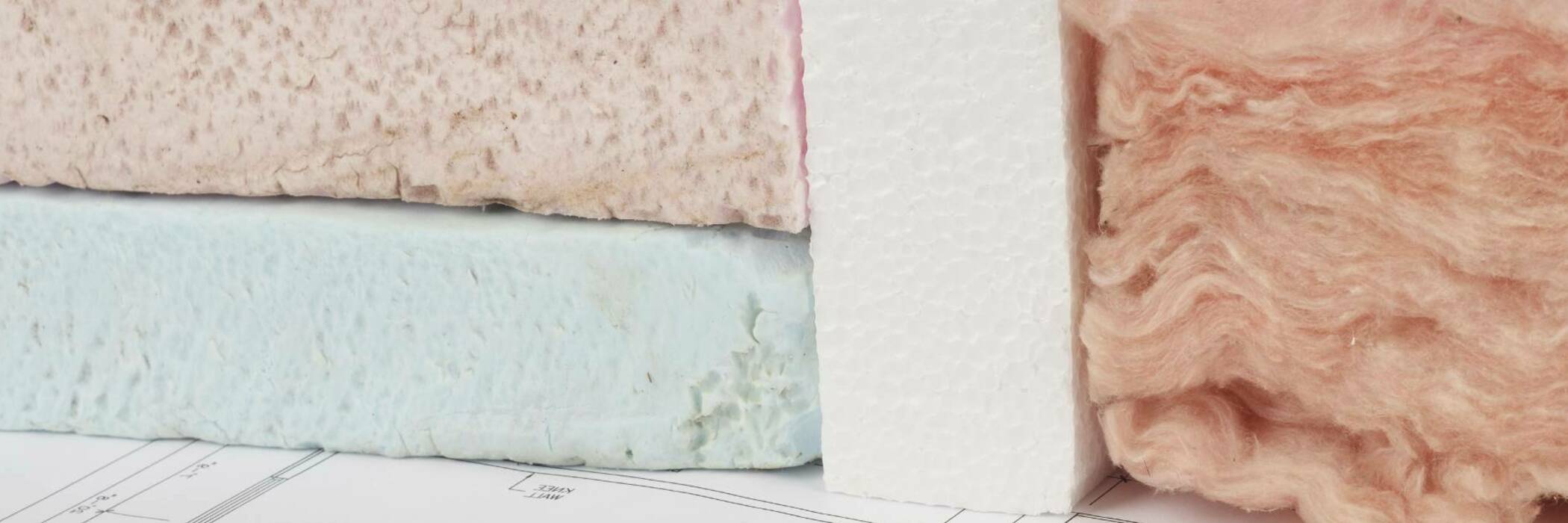
Home insulation materials

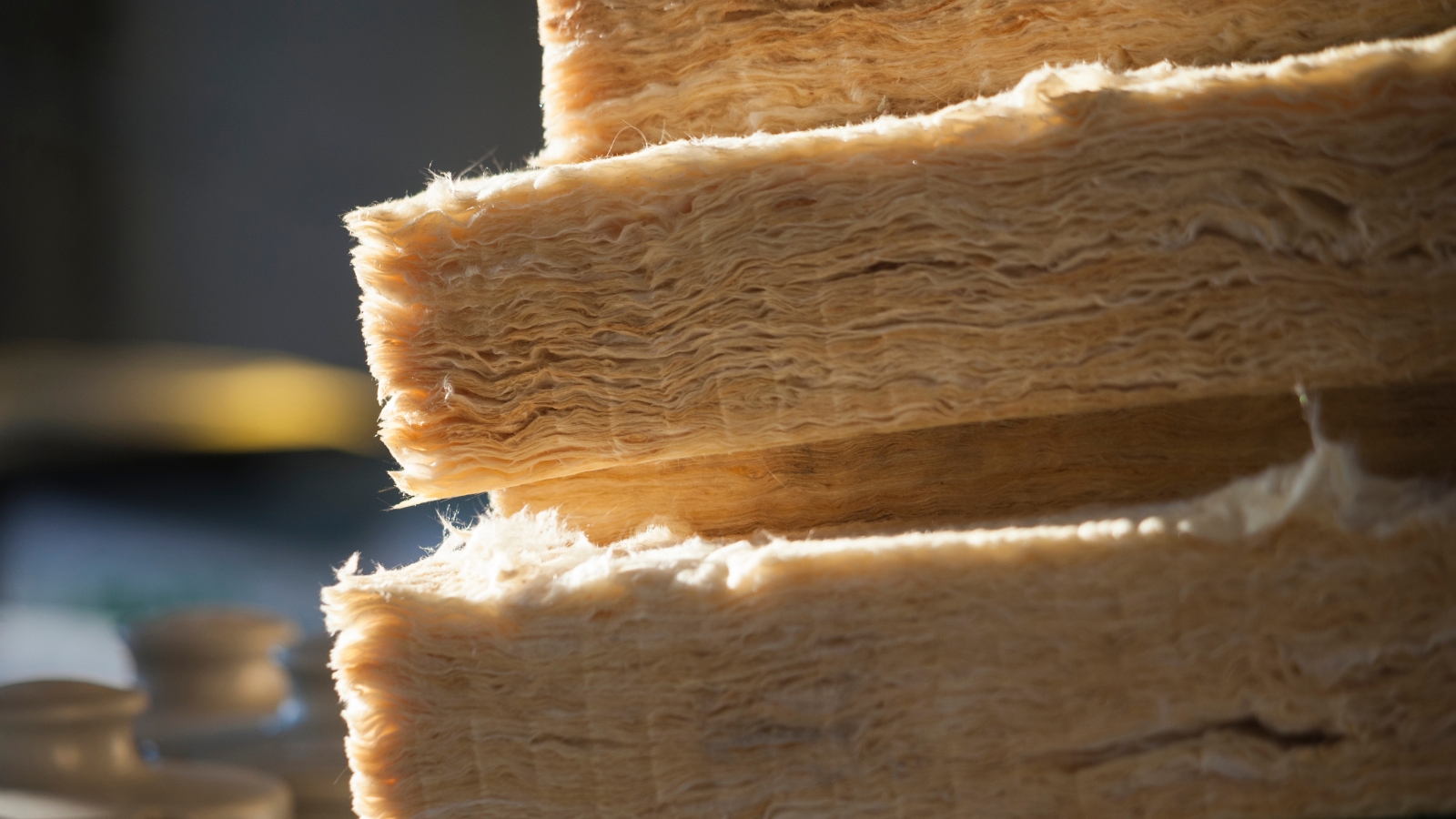
9 basement insulation ideas

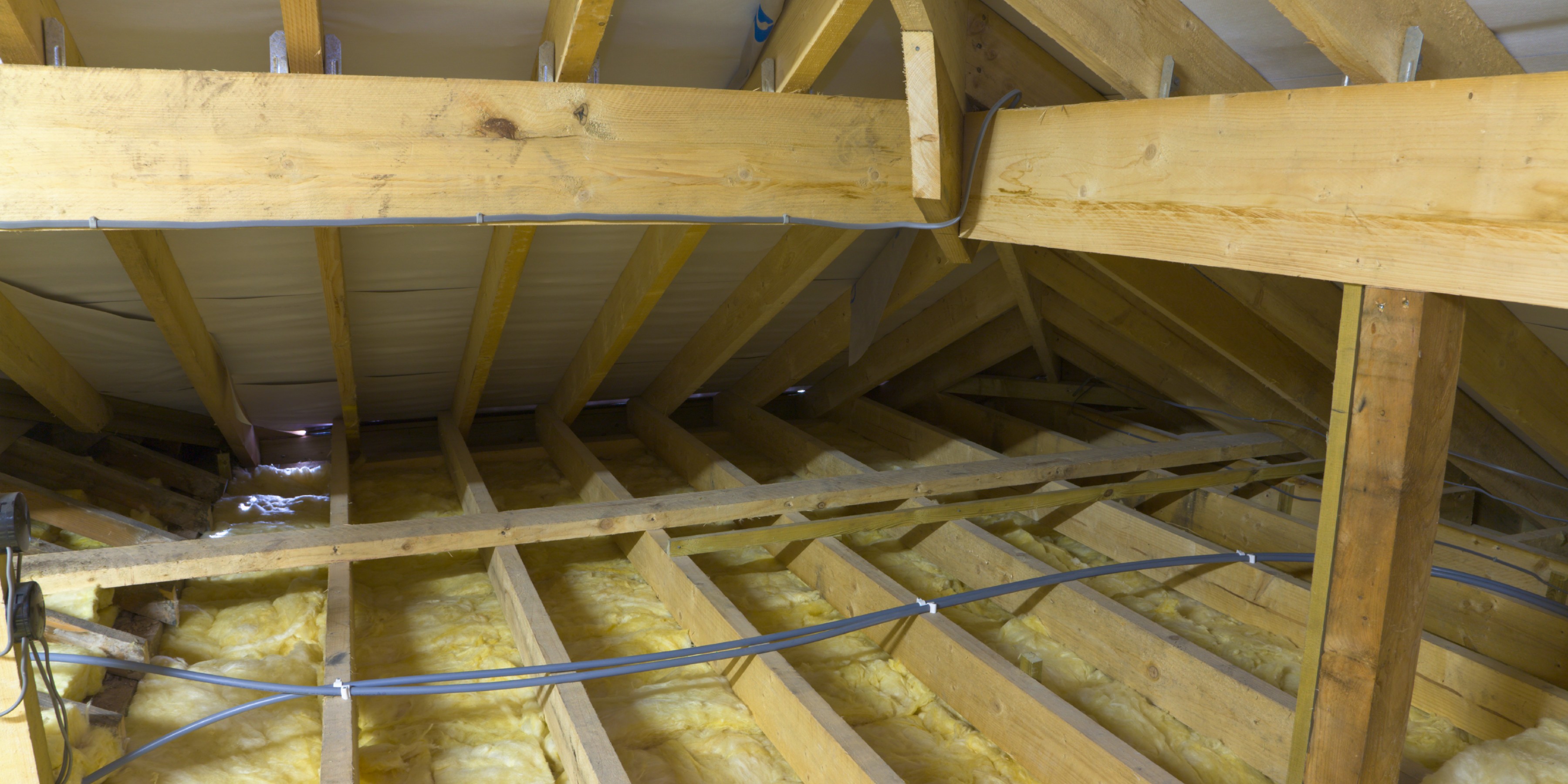
This is how to get your roof and loft insulation right so that your home stays warm and energy efficient all winter long
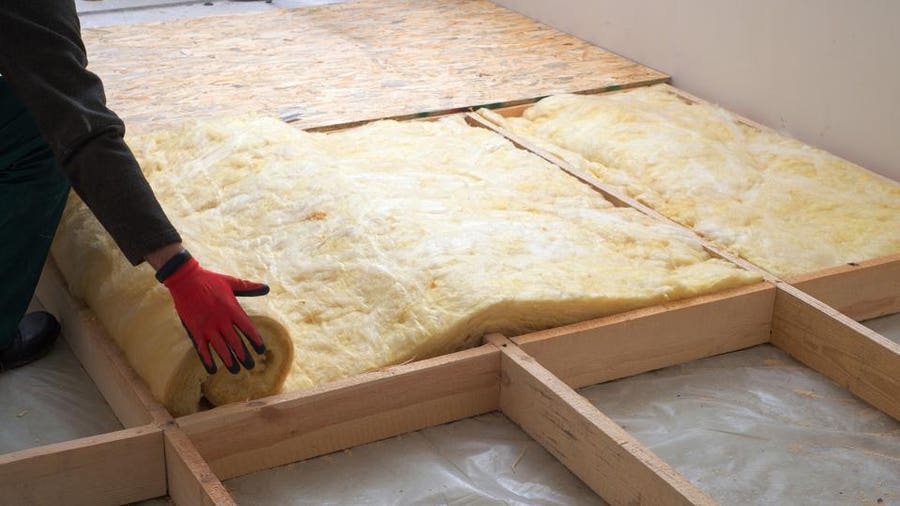
5 Types Of Sound Insulation To Dampen Noise Between Floors

15 of the best flooring materials for the home and why they work

What to Consider When Choosing Insulation

7 Flooring Choices That Always Show Dirt and Scuffs—No Matter How Often You Clean


What is the warmest kitchen flooring? 3 options that will keep your house toasty and feel cozy underfoot

6 types of attic insulation and how to pick one for your home
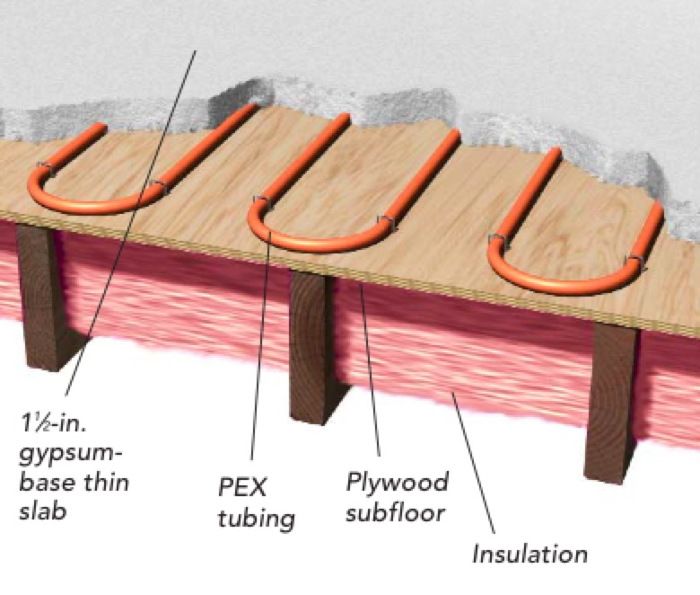
Is Radiant Floor Heating the Best Way To Warm A Well-Insulated House?
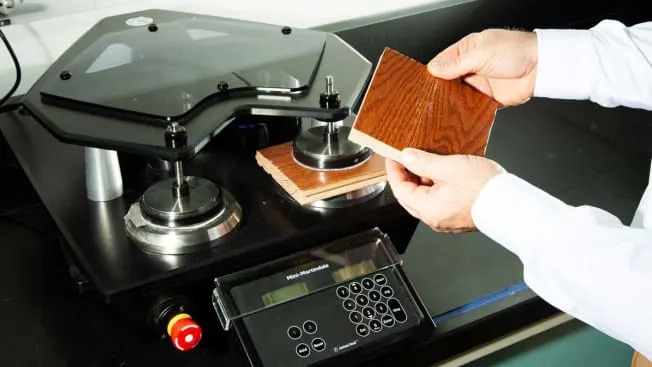
Best Flooring From Consumer Reports' Tests

5 flooring choices that will make it harder to sell your home
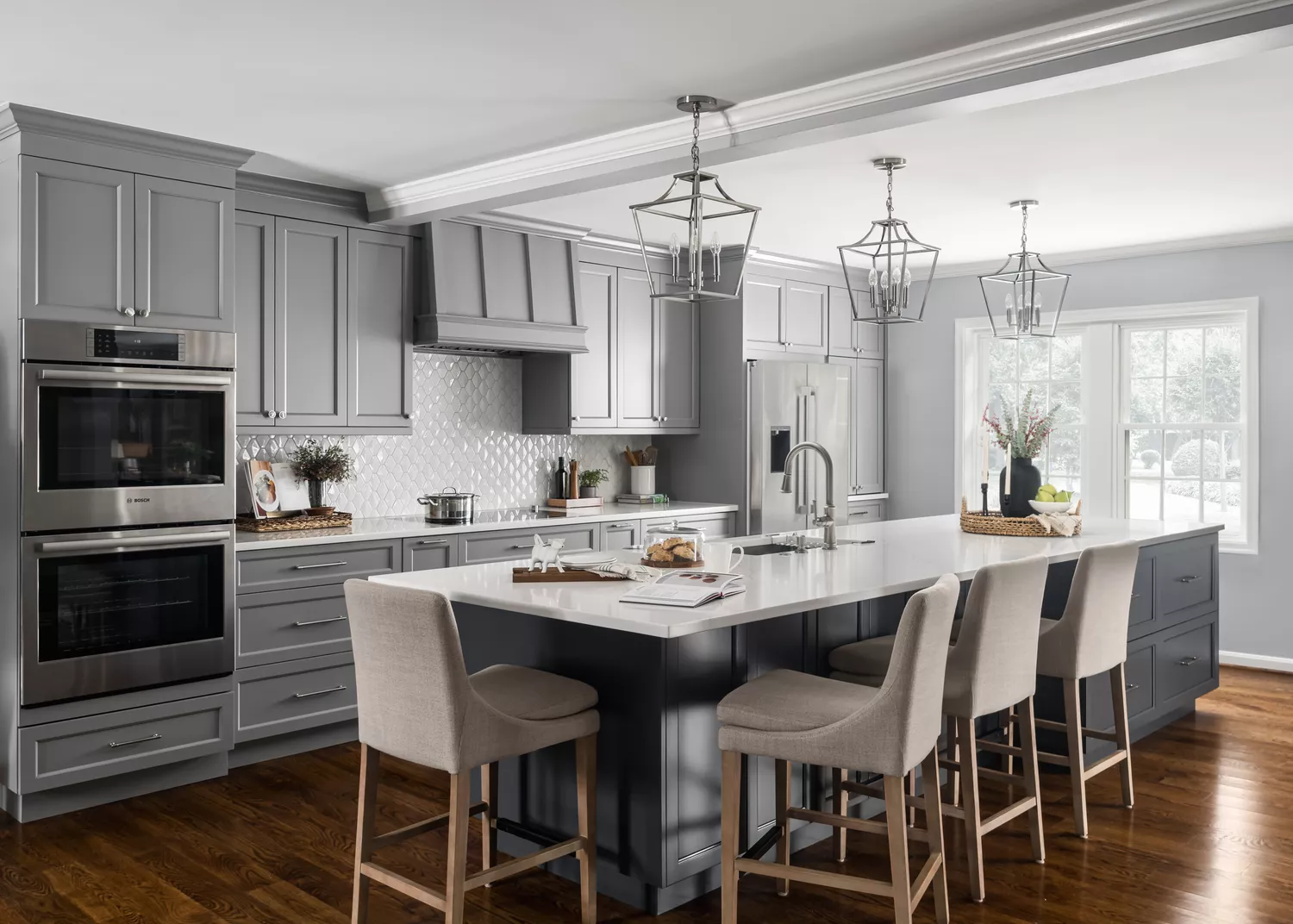
5 Flooring Choices Designers Completely Regret Using in Their Homes

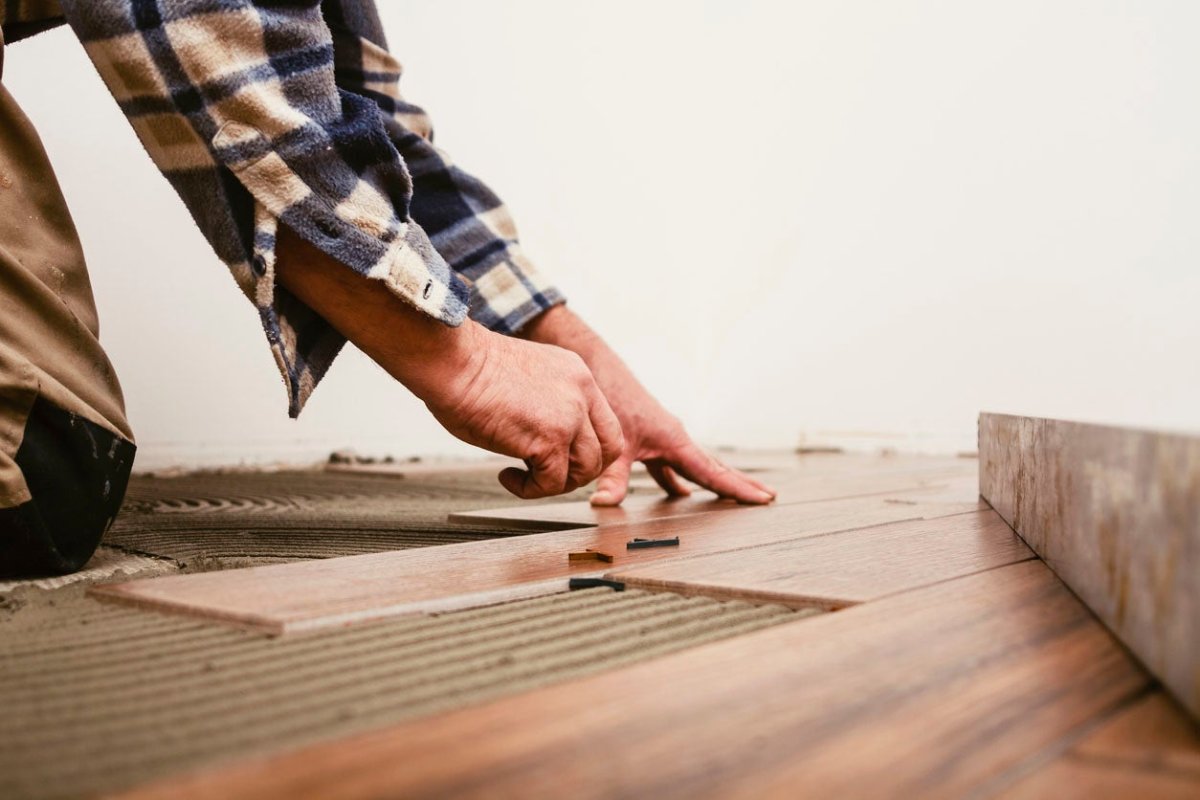
LL Flooring Boasts Hundreds of Flooring Choices—But Is It a Good Option for Homeowners?
5 Best Types of Flooring for Your Basement in 2022

Best Flooring of 2025
Loft Insulation


Flooring Materials That Just Aren't Worth The Price, According To Our Experts

The 4 areas of your home pros say to always insulate to keep it toasty in colder weather – plus, where to never insulate
7 Floor Materials Contractors Never Use (and You Shouldn't Either)