7 Floor Materials Contractors Never Use (and You Shouldn't Either)
The choice of flooring materials significantly impacts a home's aesthetic, durability, and long-term value. While some flooring options offer robust performance and lasting appeal, others present considerable drawbacks that can lead to premature wear, maintenance headaches, or diminished property value. This guide, informed by insights from experienced home designers and contractors, identifies seven specific flooring materials that are generally not recommended for residential applications, along with superior alternatives.
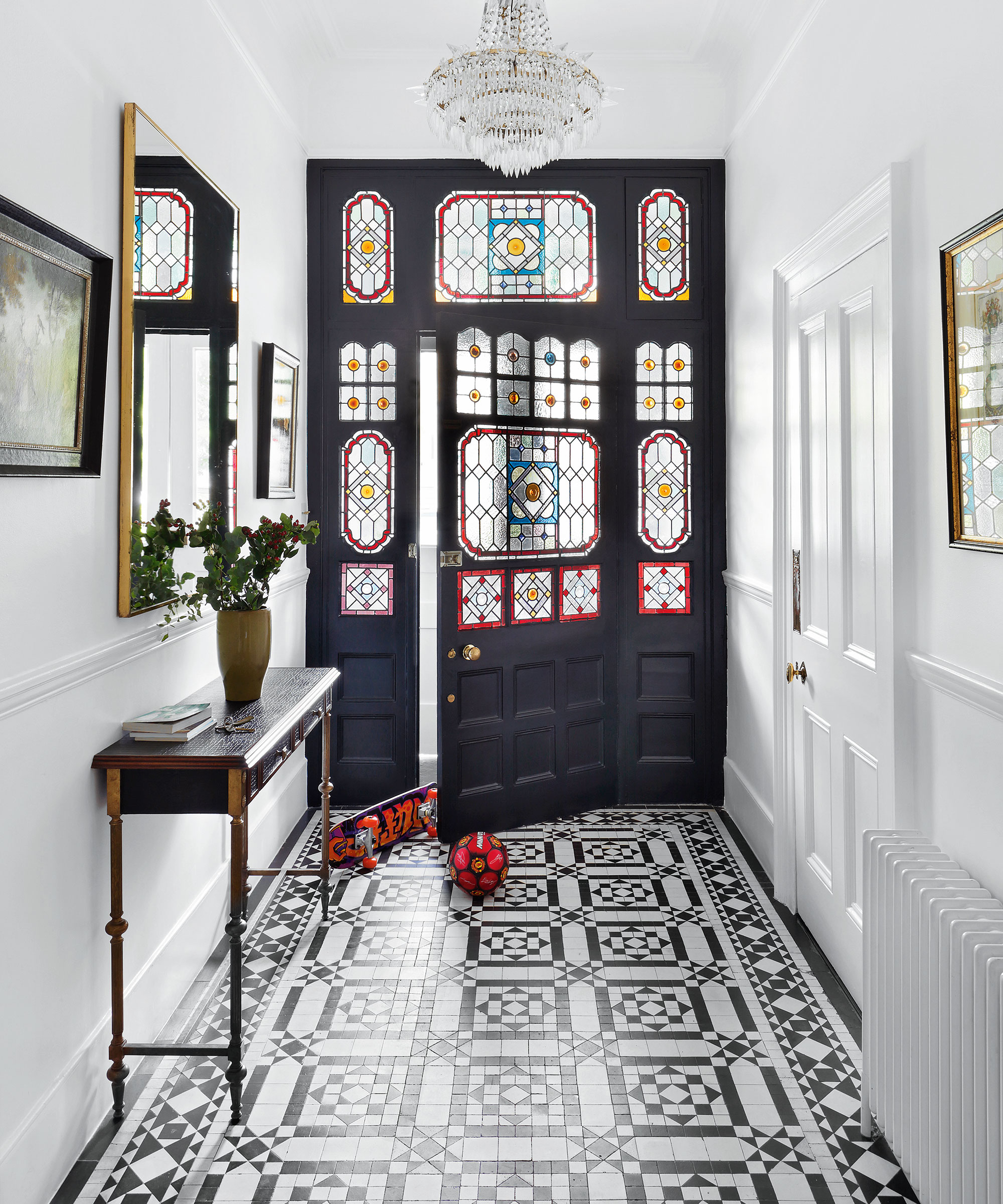
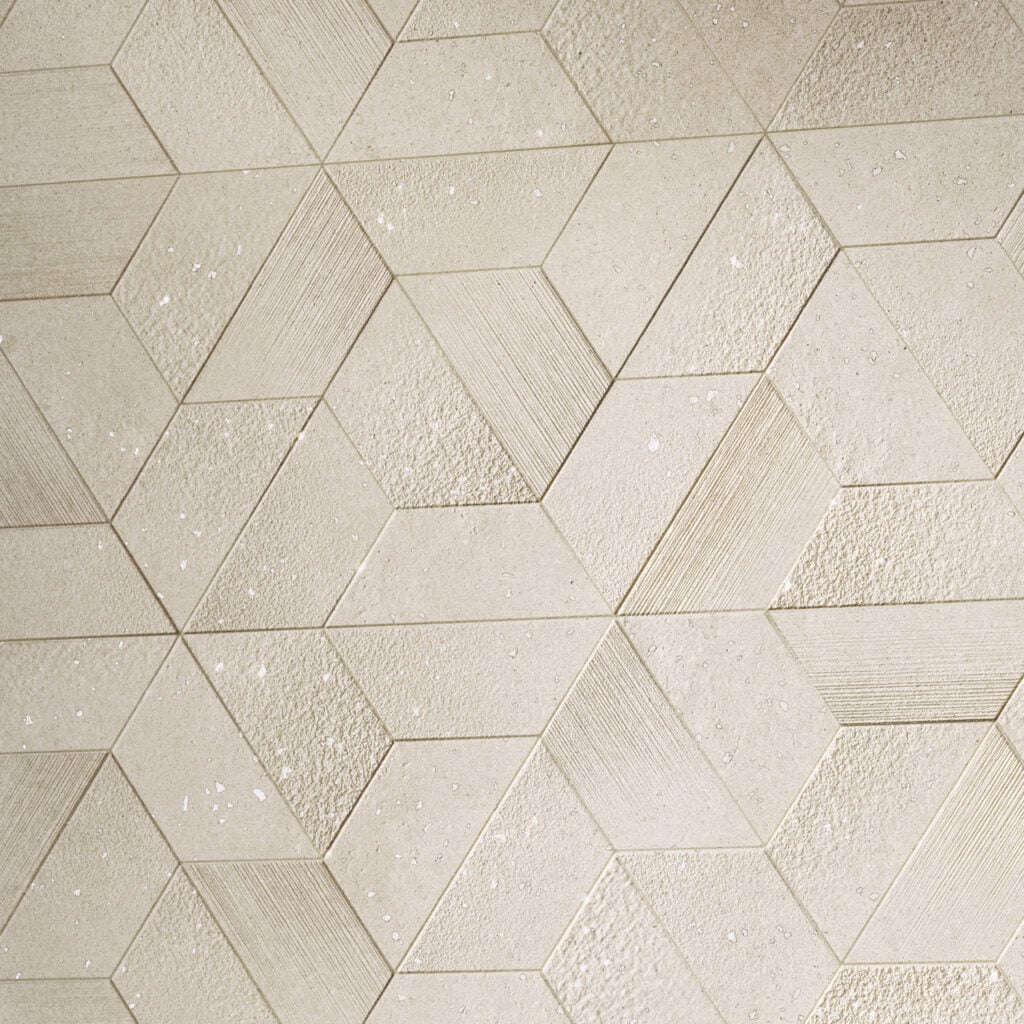
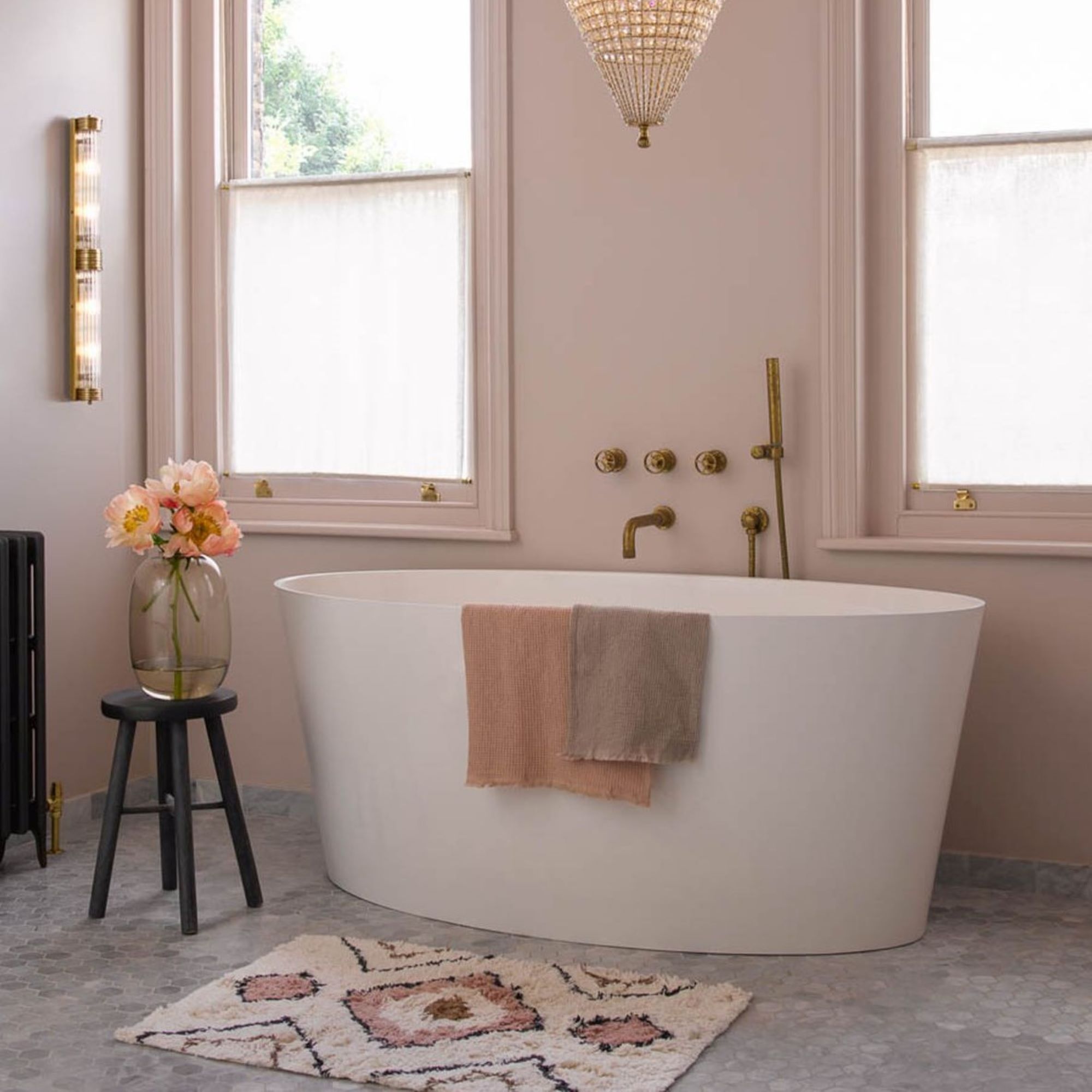
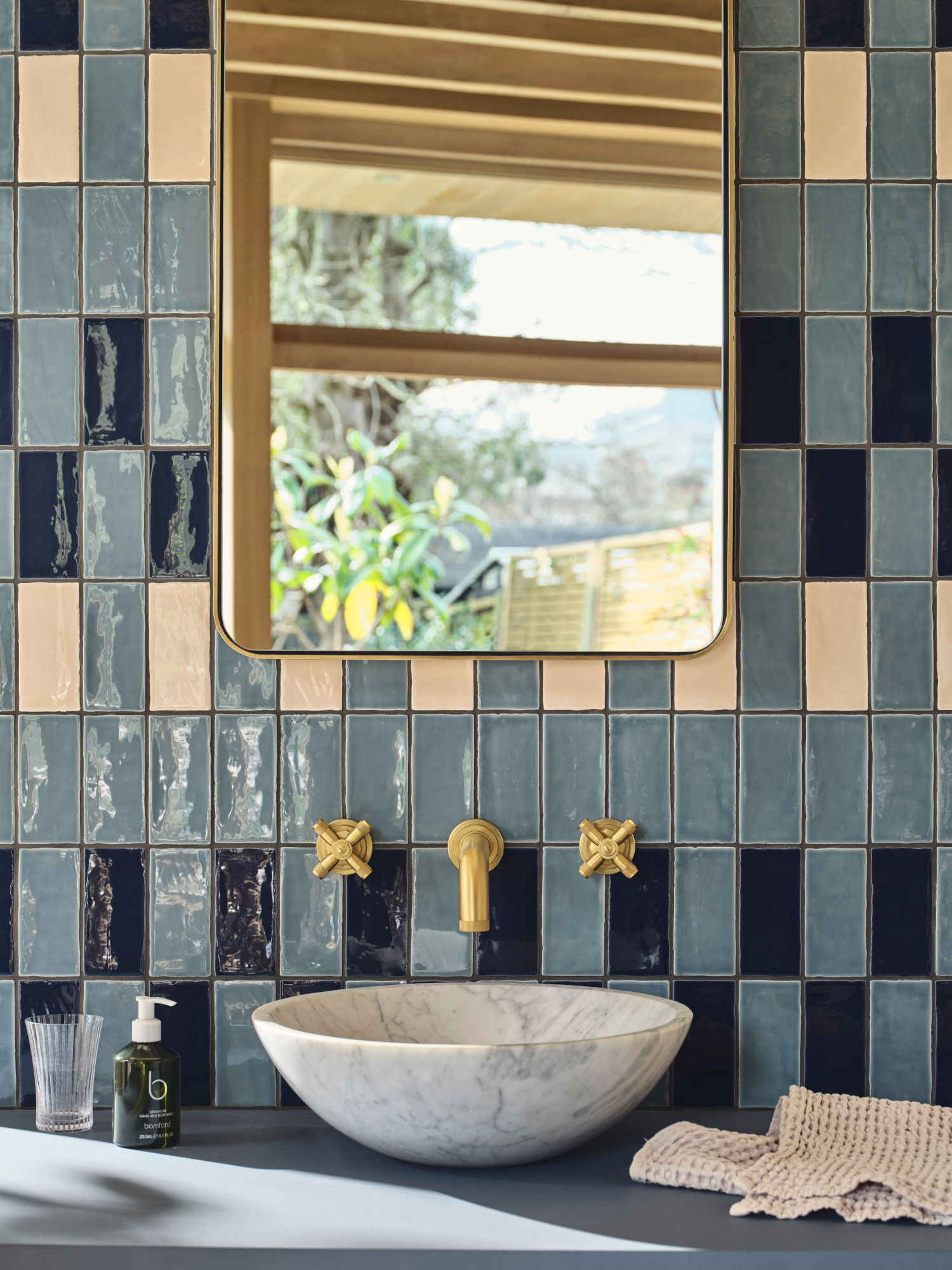
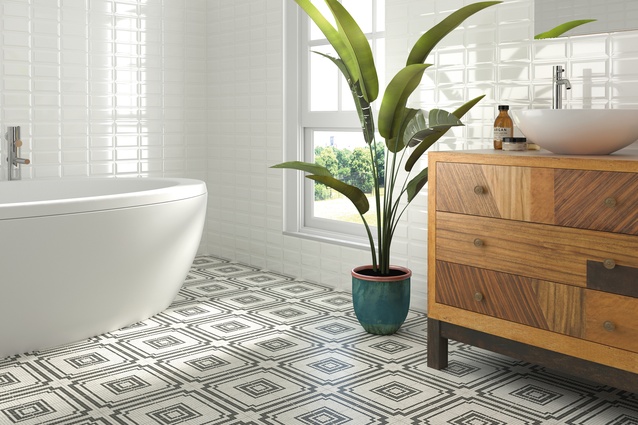
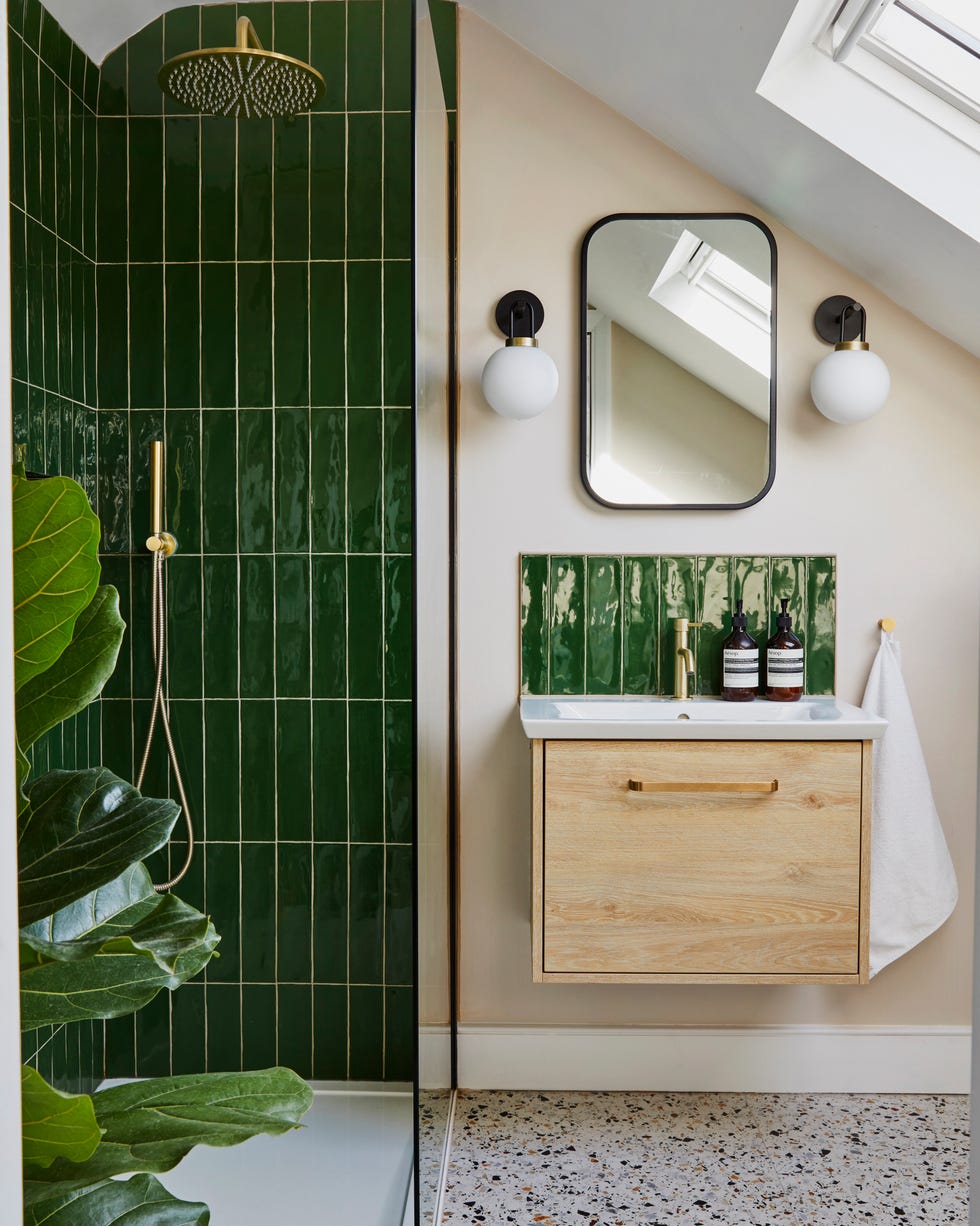
Small-format tiles, particularly those with numerous grout lines like penny tiles or mosaics, are often discouraged in high-traffic or spill-prone areas such as kitchens. The primary concern is the extensive amount of grout, which is susceptible to trapping dirt, grease, and grime, making it difficult to keep clean. A recommended alternative is the use of larger-format tiles, such as 12-inch by 12-inch or larger, which significantly reduce the number and length of grout seams, simplifying maintenance and improving hygiene.
Bamboo flooring, despite its reputation as an eco-friendly option due to bamboo's rapid renewability, frequently falls short in terms of durability. Many types of bamboo flooring are softer than traditional hardwoods and are easily prone to dents, gauges, and scratches. Additionally, bamboo flooring can bleach in direct sunlight, and its environmental benefits are often negated by the difficulty of recycling it, particularly when laminated over core materials like medium-density fiberboard (MDF). French white oak or ash are suggested as more durable and aesthetically pleasing natural wood alternatives.
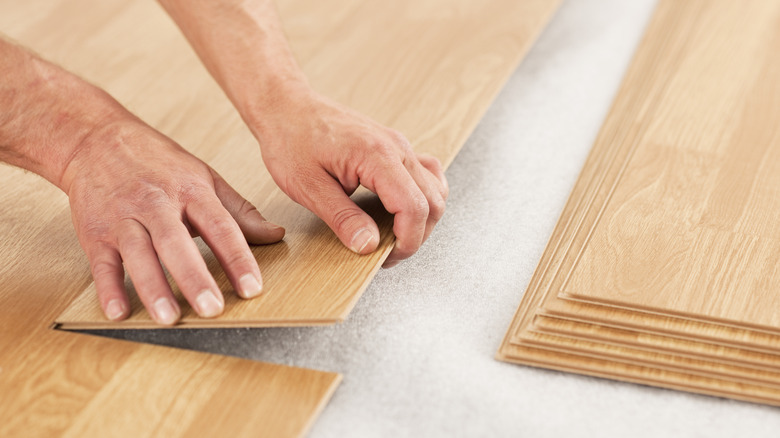
Laminate flooring, while popular among DIY enthusiasts for its ease of installation and initial appearance, often lacks long-term resilience. The core of laminate flooring, typically wood fiberboard, is vulnerable to water damage, which can lead to swelling and deterioration of the click-mechanism that holds planks together. Luxury vinyl plank (LVP) flooring is presented as a waterproof and more durable alternative, as it is entirely synthetic and resistant to moisture.
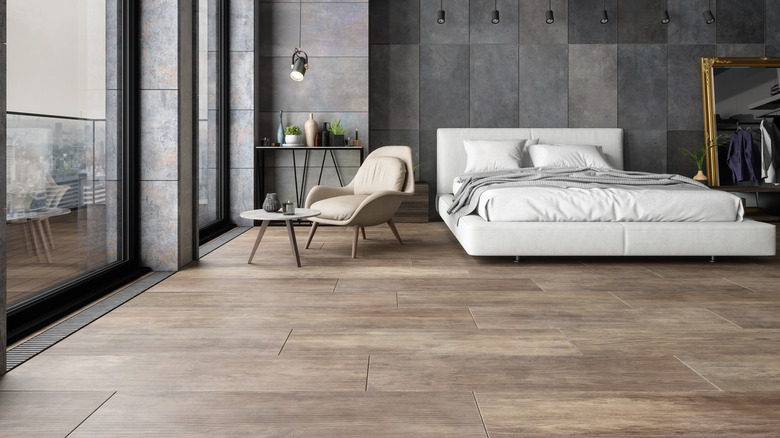
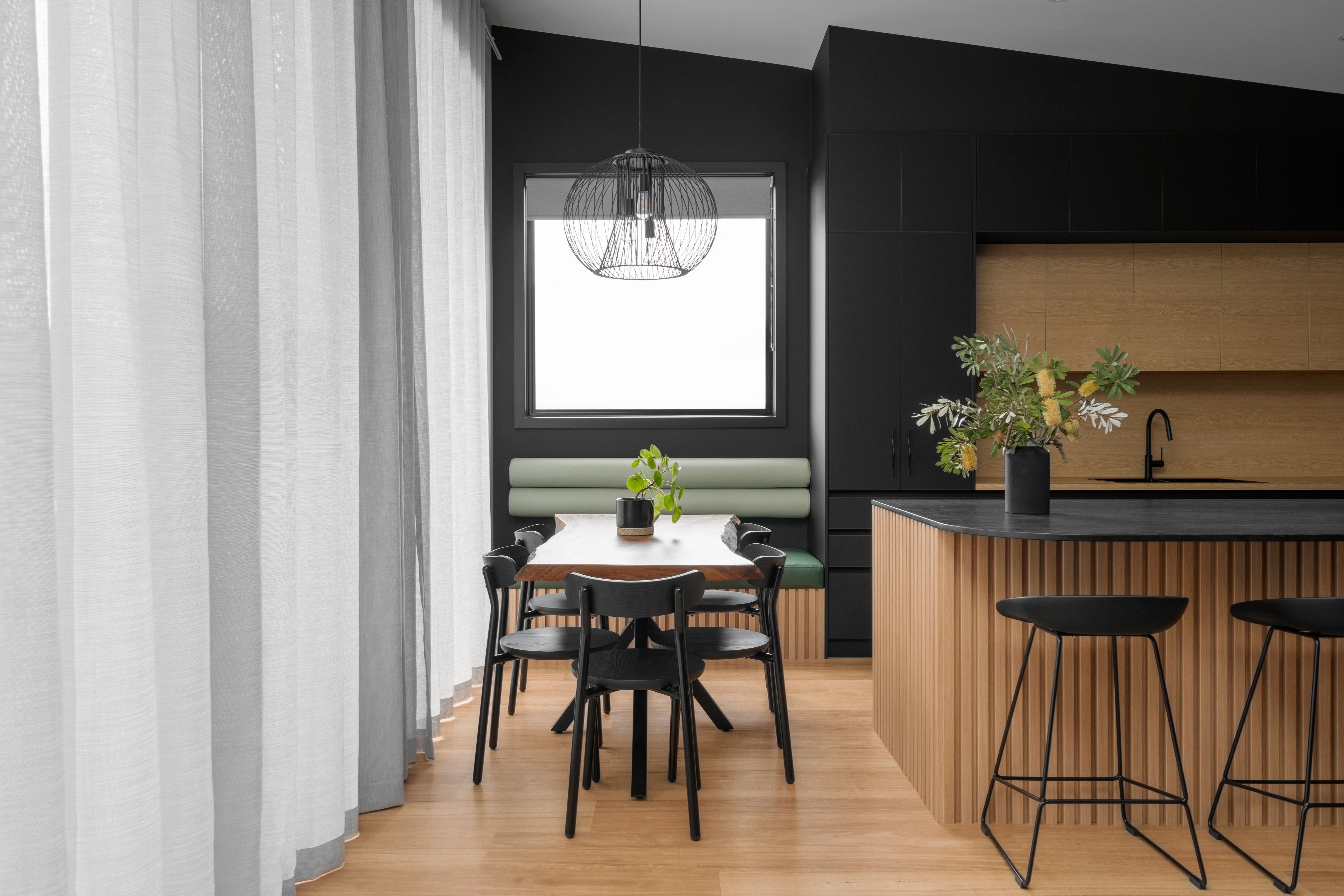
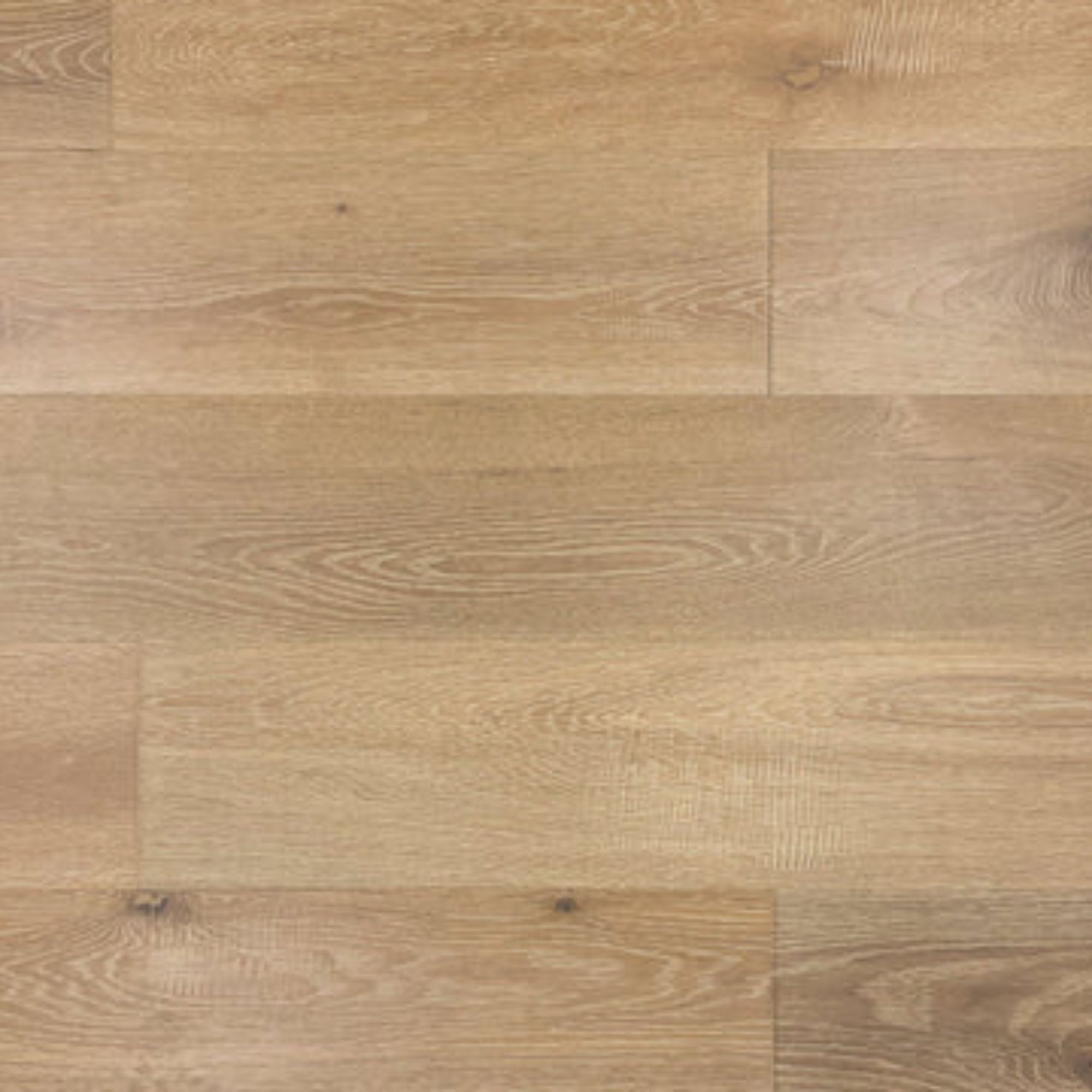
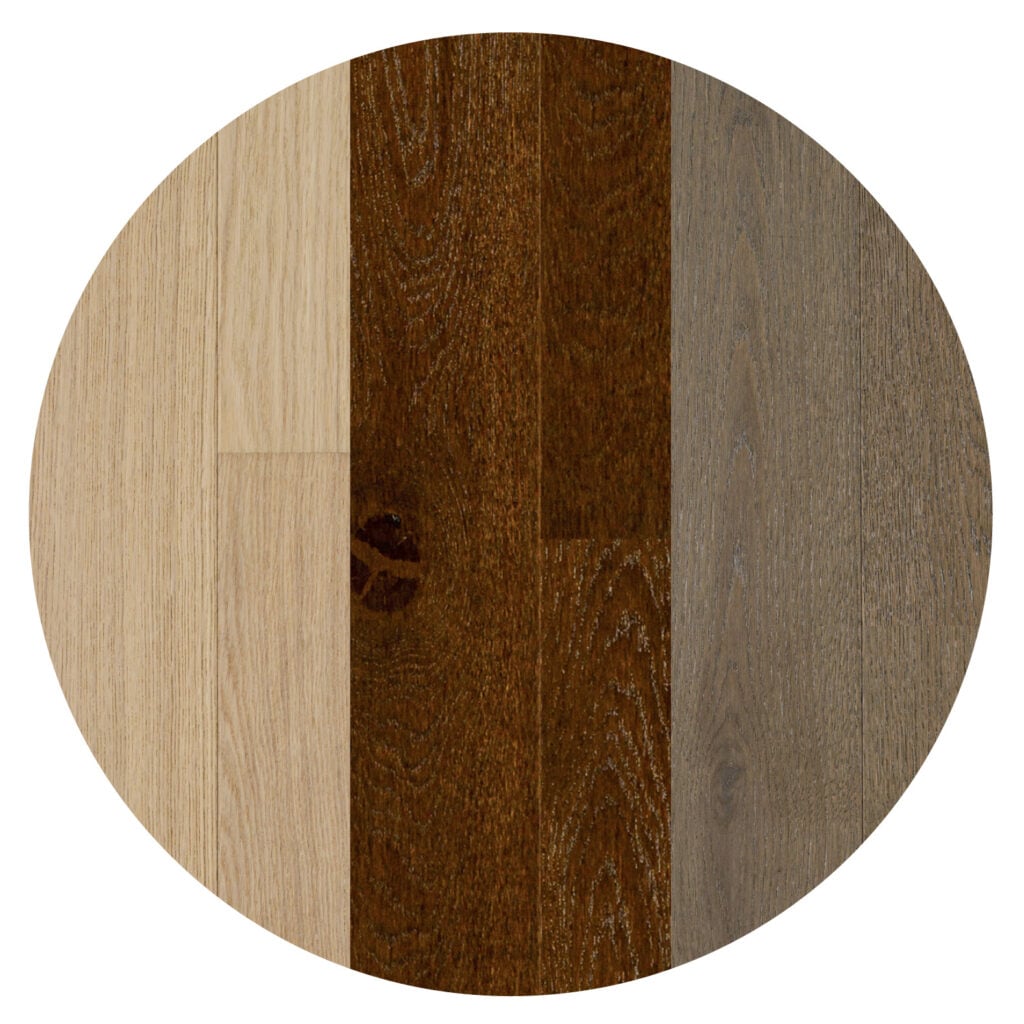
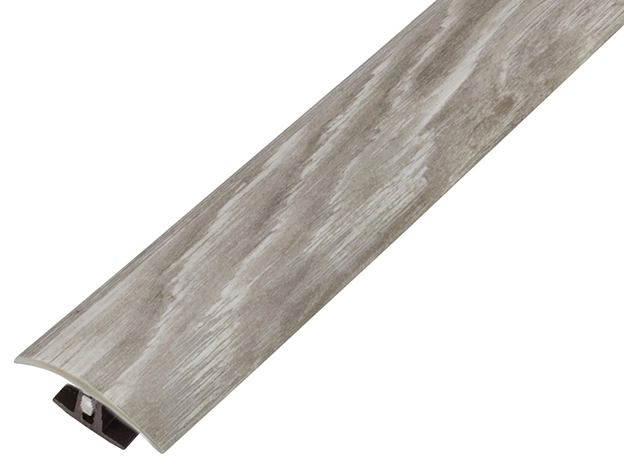
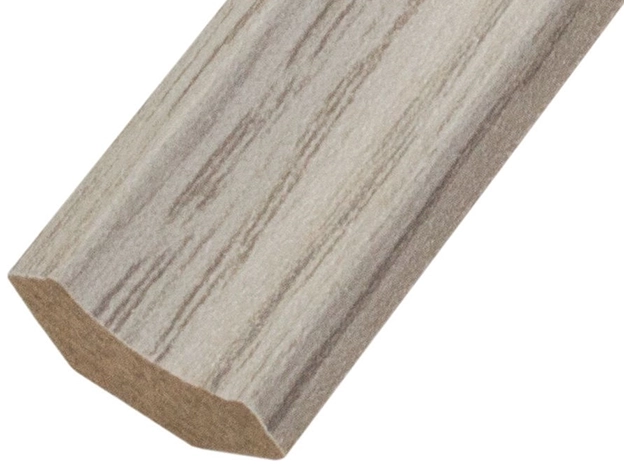
Gray luxury vinyl plank (LVP) flooring, despite its widespread availability and perceived versatility, is often considered bland and can detract from a space's vibrancy. Its cool gray tones can wash out the warmth of a room. Designers suggest opting for medium wood tones with minimal color variation instead, which can provide a neutral foundation while introducing warmth and character into the living space.
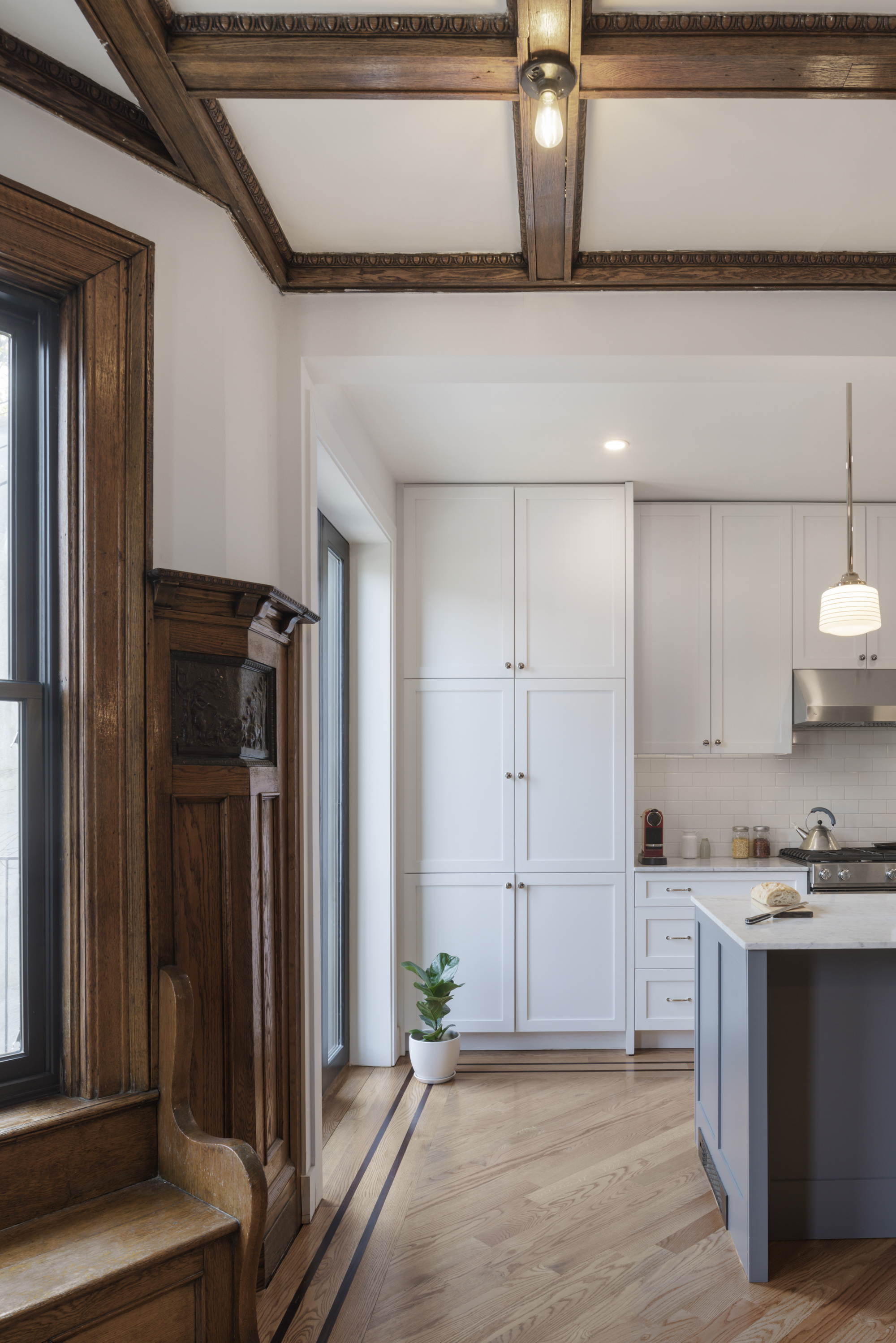
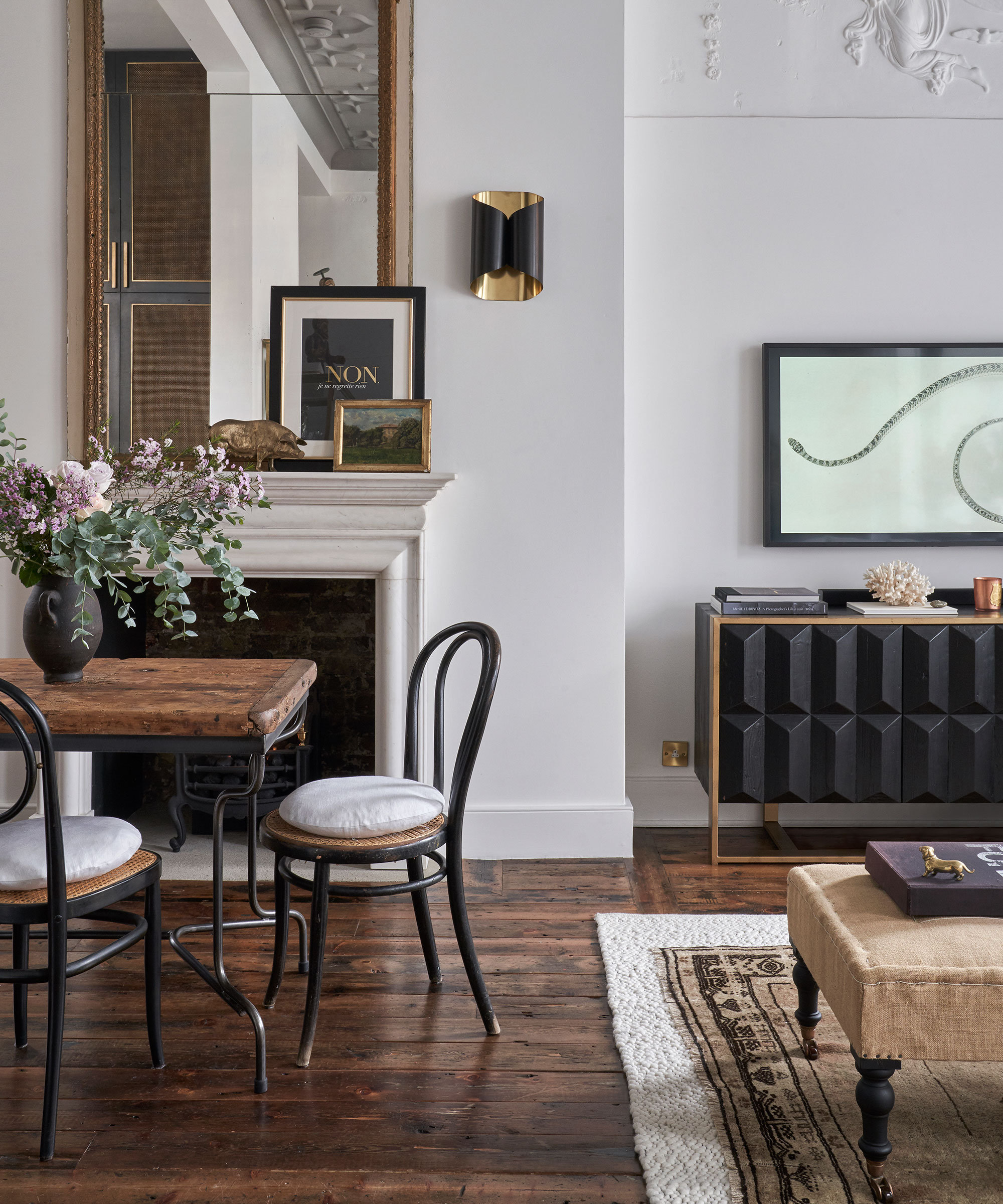
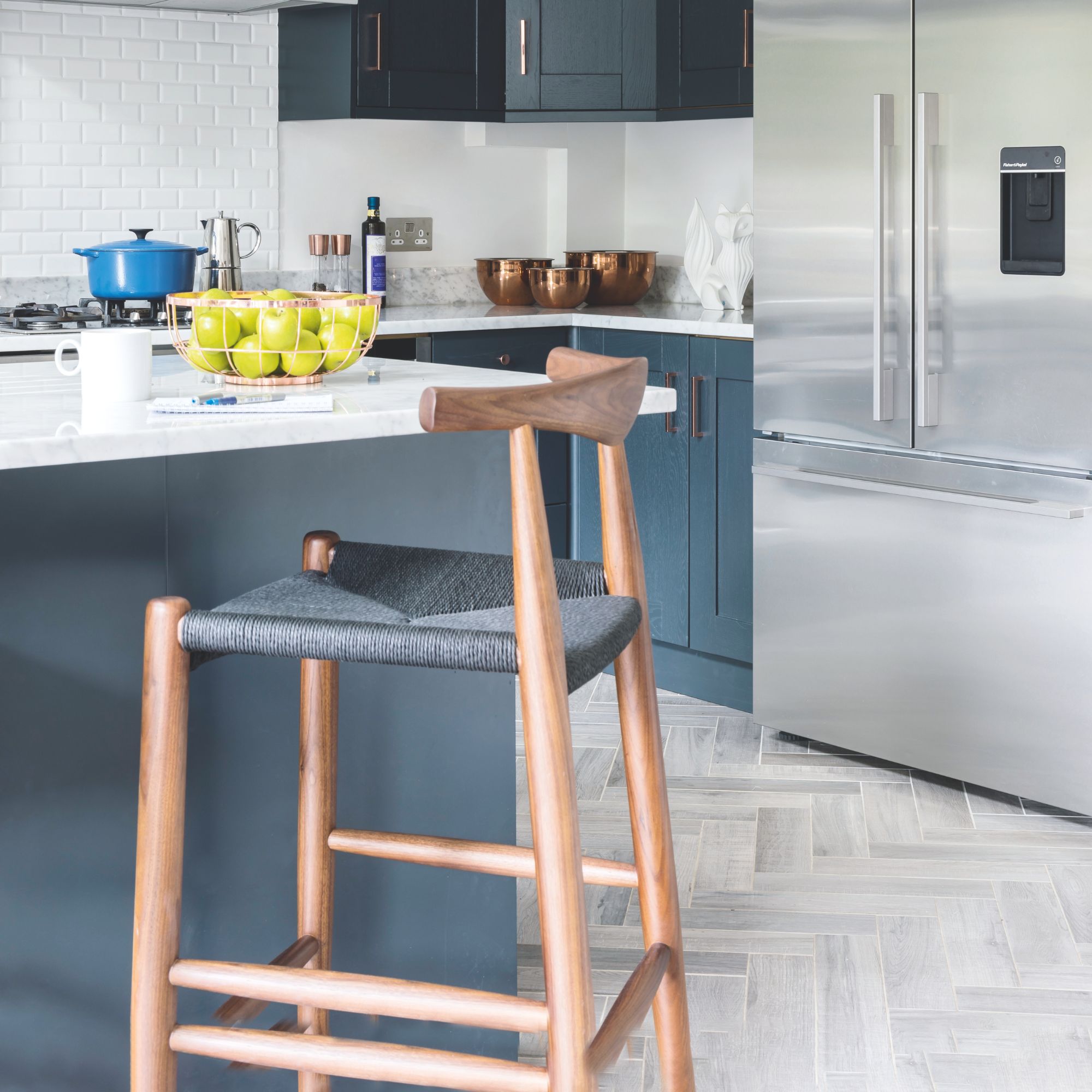
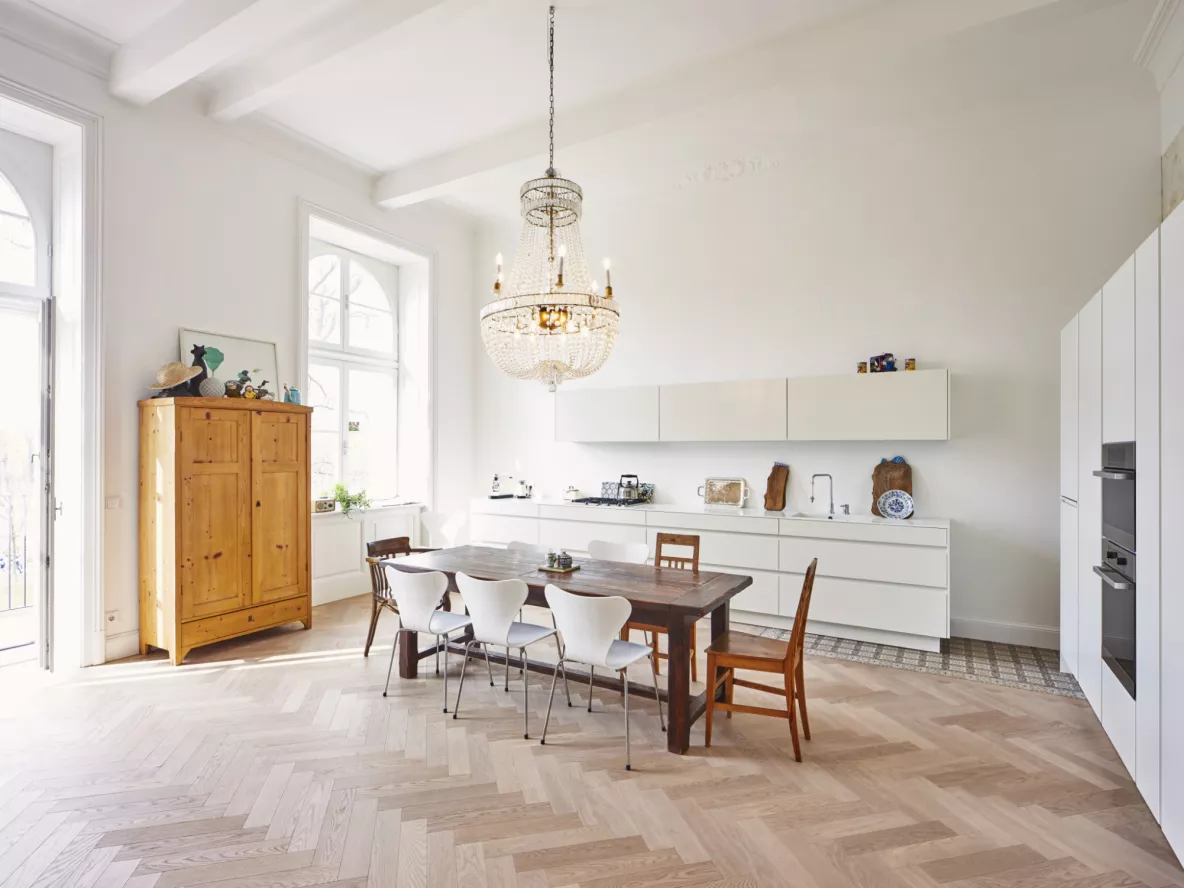
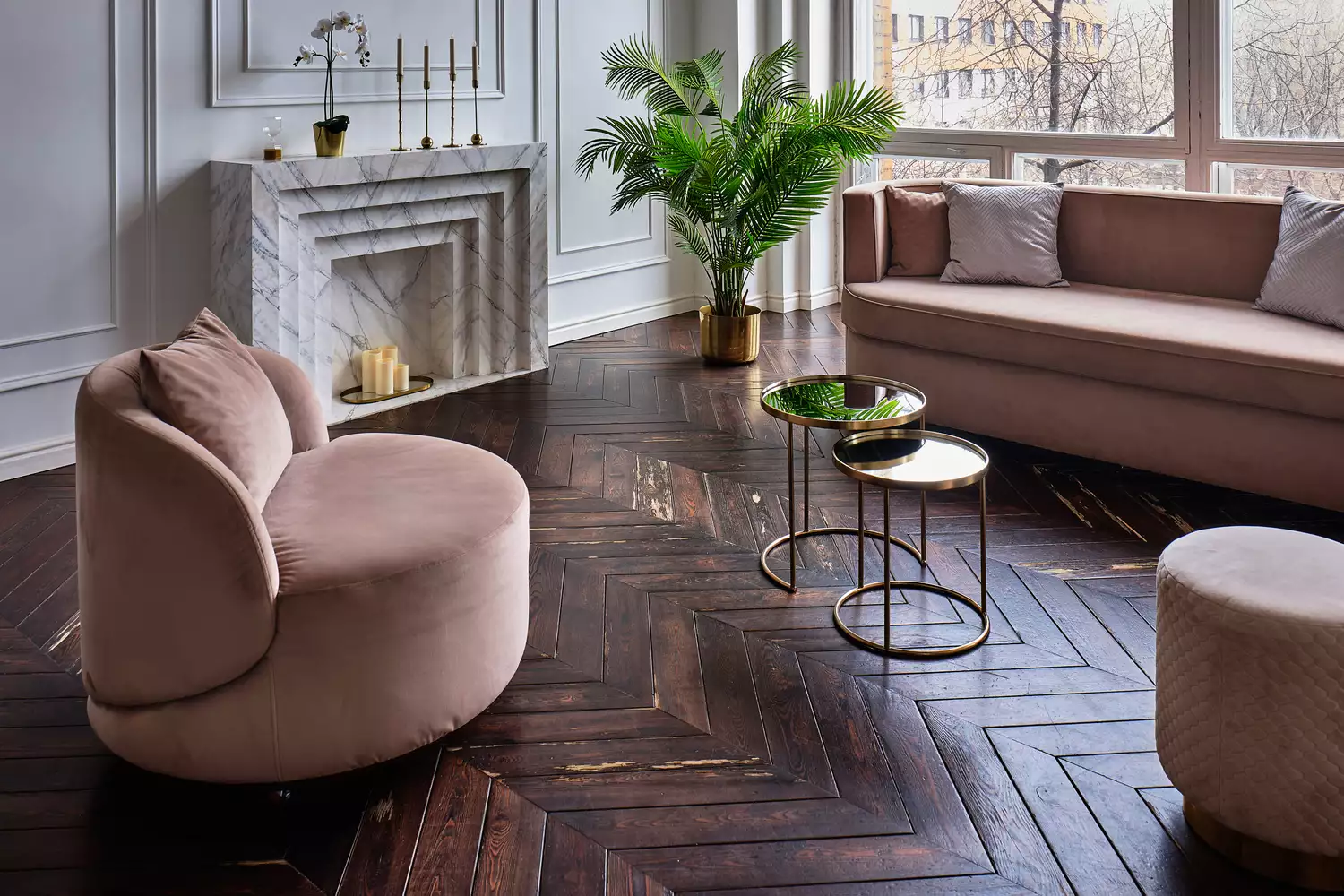
Parquet wood flooring, characterized by its intricate patterns formed from small wood slats, is aesthetically unique but presents structural and maintenance challenges. The small pieces of wood can lift, break, or creak over time, and refinishing is complicated by the varying grain directions. Professional installation and careful maintenance are crucial for parquet flooring, with an emphasis on preventing scratches due to the difficulty of repair.
Glue-down flooring, common in commercial settings, is generally unsuitable for residential use. While proponents may cite its longevity, it is not easily serviceable for stains, chips, or damaged corners. Furthermore, its removal is labor-intensive, posing a significant challenge when replacement is needed. For carpeting, glue-down methods eliminate the comfort of padding. Floating flooring systems, where planks or tiles interlock without being affixed to the subfloor, offer a superior alternative for vinyl, wood, or engineered flooring. For carpeting, wall-to-wall installations secured by spiked nailing strips are preferred.
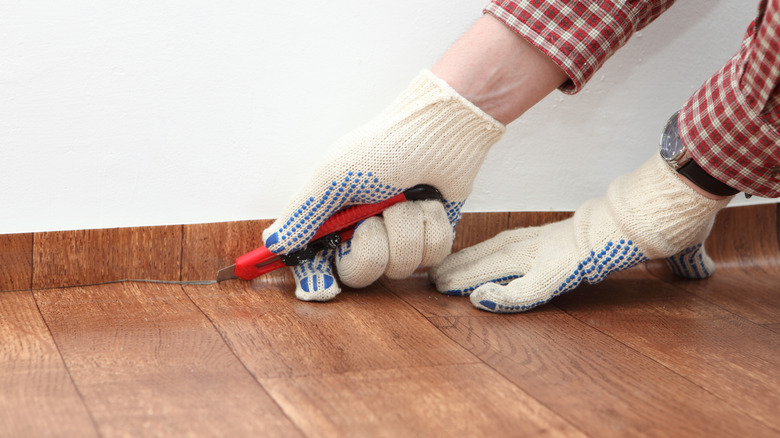
Self-adhesive vinyl tiles, often chosen for their affordability, are considered a poor long-term solution. The adhesive can lose its efficacy over time, leading to shifting tiles, exposed sticky residues, and an unappealing appearance. Superior alternatives include floating plank-style floors that mimic wood or tile, and sheet vinyl flooring, which can cover smaller rooms without seams, offering better durability and a cleaner finish.
#FlooringMaterials #HomeImprovement #InteriorDesign #ContractorTips #RenovationAdvice #DurableFlooring #EcoFriendlyMaterials #FlooringMaterials #HomeImprovement #InteriorDesign #ContractorTips #RenovationAdvice #DurableFlooring #EcoFriendlyMaterials
0 comment in total
 No comments yet
You may also like
Flooring Materials That Just Aren't Worth The Price, According To Our Experts
10 Flooring Products that Look Good and Work Hard

4 Countertop Materials to Avoid in a Bathroom and What to Use Instead in Your Next Renovation

7 Flooring Choices That Always Show Dirt and Scuffs—No Matter How Often You Clean

Professional cleaners never waste their time with standard mops on tile floors – this is the $13 essential they always recommend instead

Experts warn against these 6 bathroom flooring mistakes - what to do instead
6 Things You Should Never Use to Clean Wood Floors (Unless You Want to Ruin Them)

Flooring Tools & Accessories

9 Durable Kitchen Flooring Finishes That Interior Designers Swear Will Look Good for Longer
5 Flooring Choices Designers Completely Regret Using in Their Homes
5 flooring choices that will make it harder to sell your home
The Patio Construction Material This Landscape Designer Won’t Ever Work With

7 Flooring Trends Designers Don't Want to See in 2025
6 Outdated Tile Choices That Interior Designers Aren't Using Anymore — And What They Say to Try Instead
Walk on by: flooring focus
9 Things Professional Declutterers Won’t Keep In Their Bathroom

5 flooring mistakes to avoid – according to architects and interior designers
7 flooring trends you're about to see everywhere
5 things not to put on your bathroom countertops, according to interior designers
The Surprising Cleaning Supplies Experts Say to Never Use in Your Bathroom