1/4
How to insulate a loft or roof
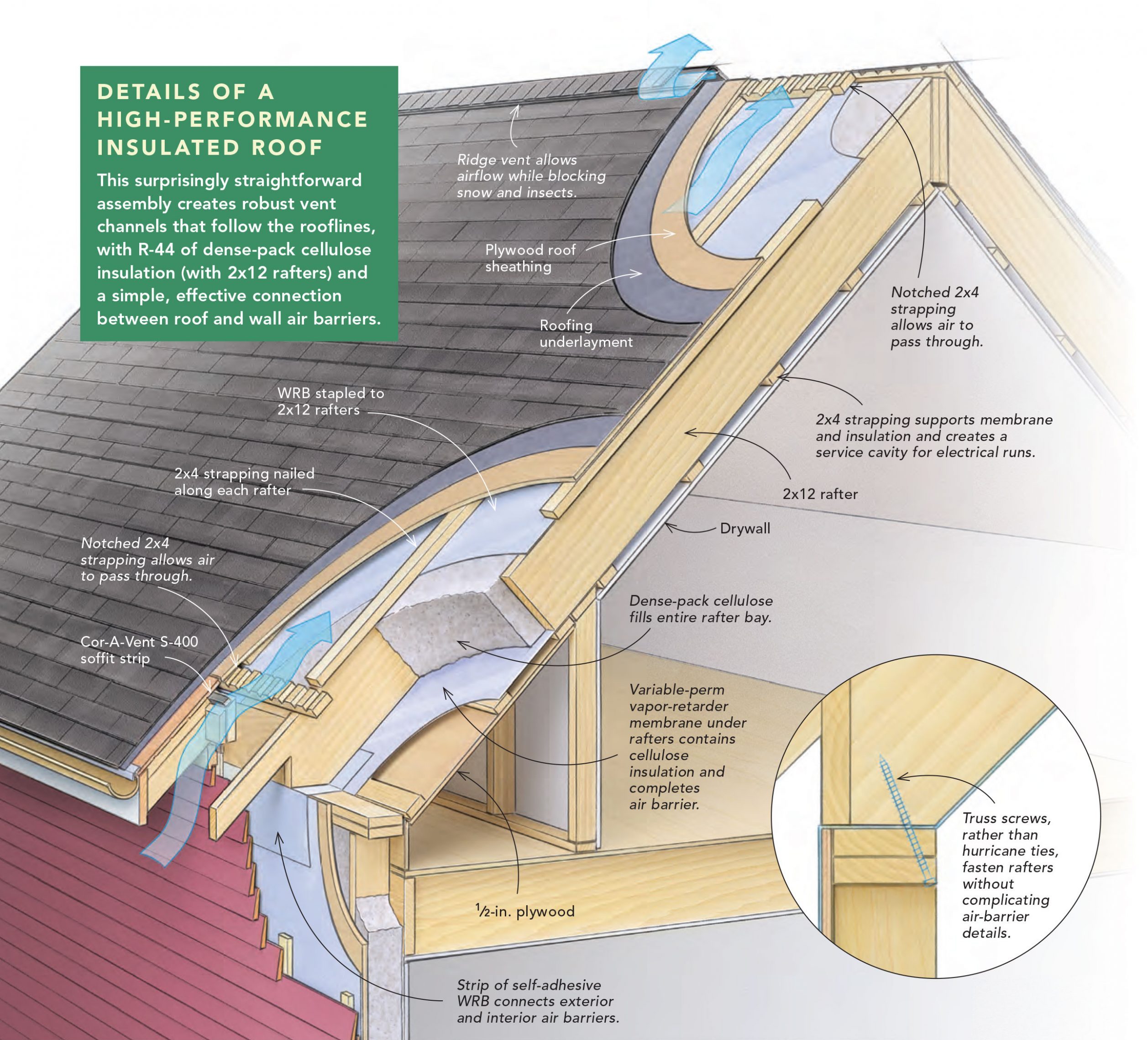
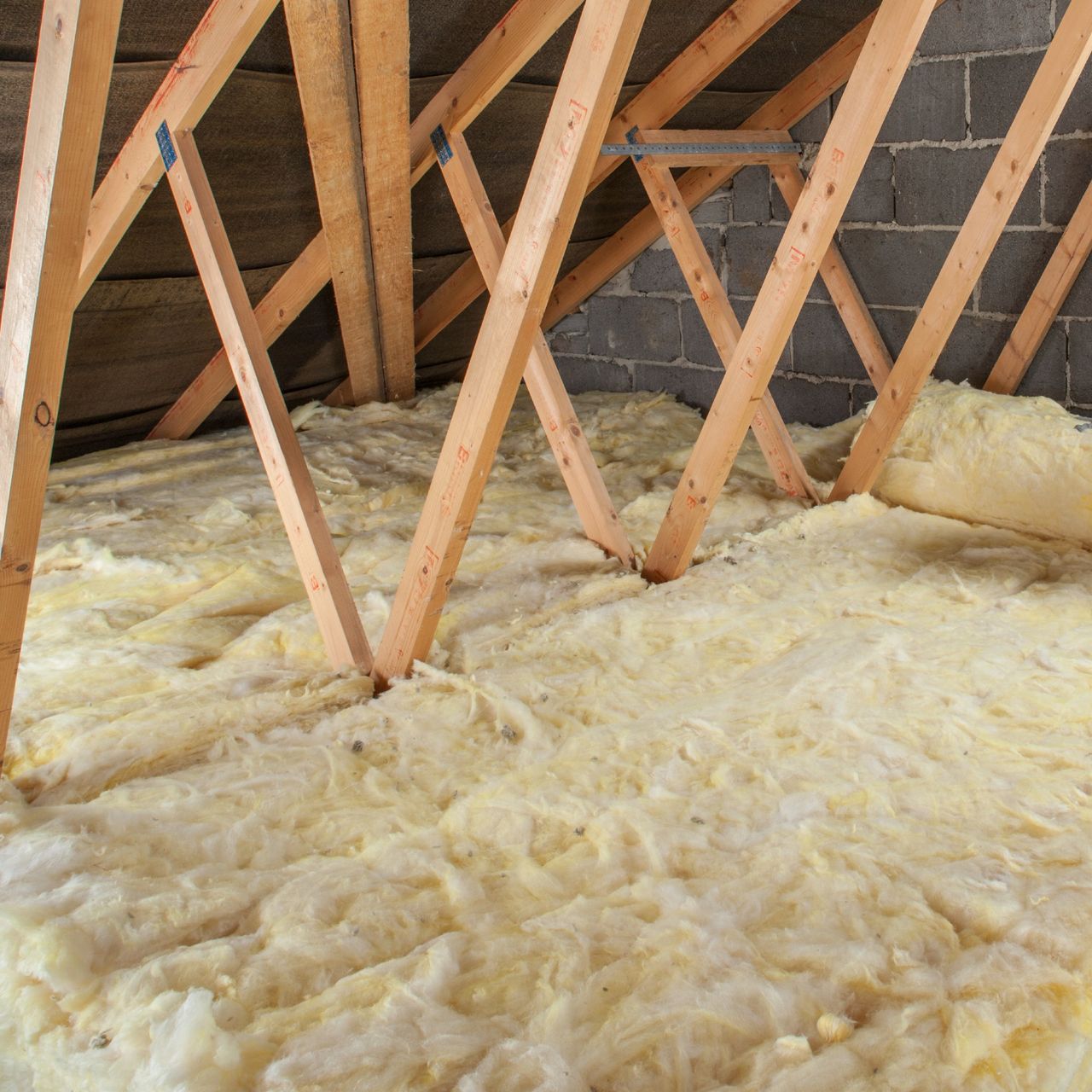
This article provides a comprehensive guide on insulating a loft or roof, emphasizing its role as one of the most cost-effective methods for improving a home's energy efficiency. Uninsulated homes can lose approximately a quarter of their heat through the roof, making insulation a crucial upgrade even for homes with existing, but insufficient, insulation. The guide begins by differentiating between insulating pitched and flat roofs, detailing various methods for each. For pitched roofs, two primary options are discussed: cold loft insulation and warm loft insulation.
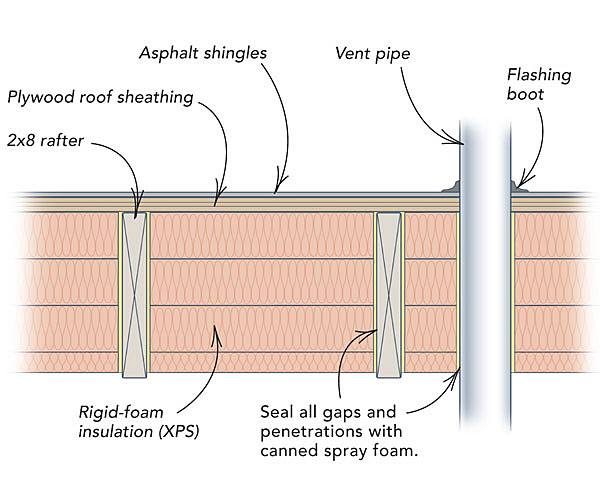
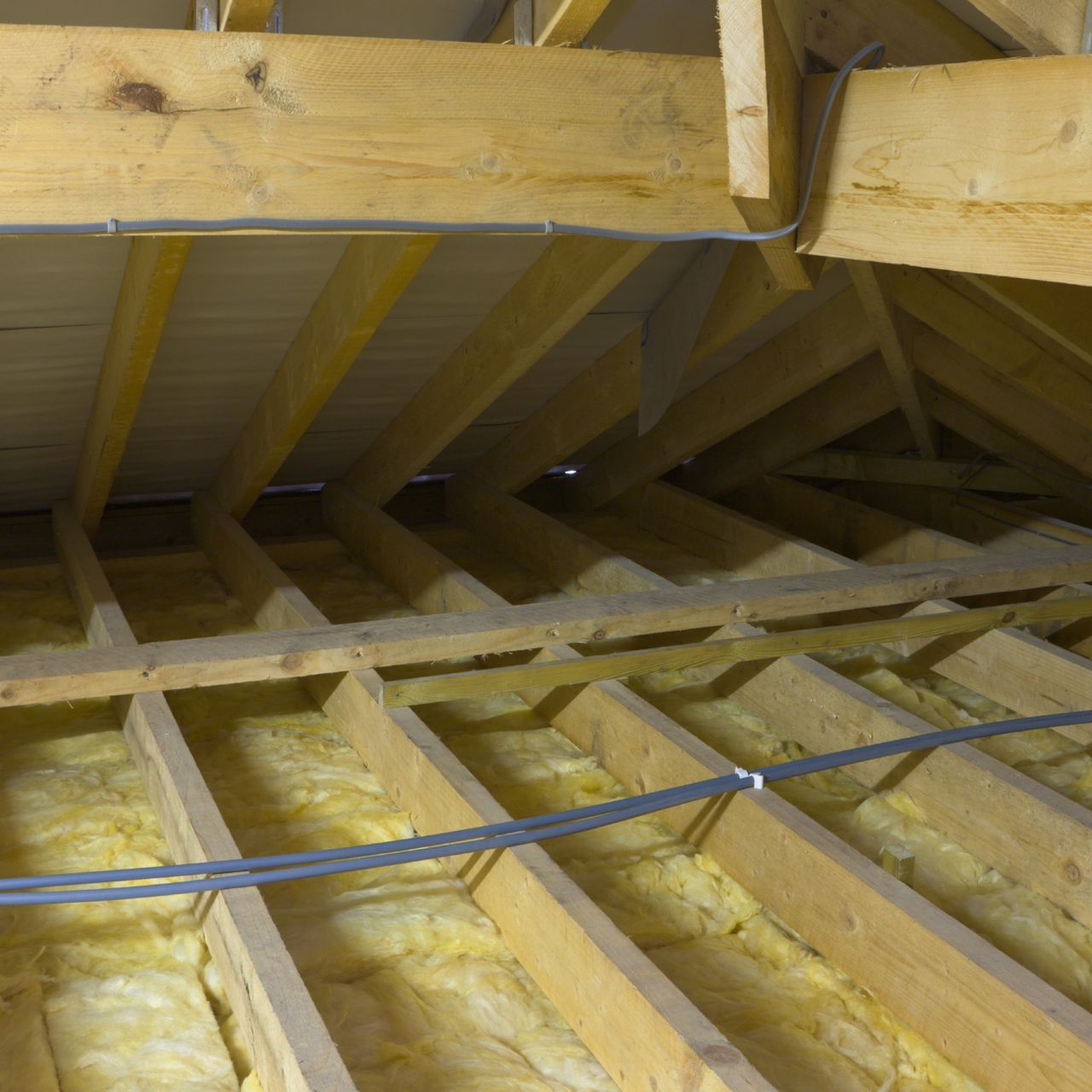
Cold loft insulation involves installing insulation between and across the timber joists, effectively creating a cold loft space. This method is generally the simplest and most affordable, suitable for lofts not frequently used or for storing items unaffected by extreme temperatures. It is presented as a viable DIY project. In contrast, warm loft insulation is recommended for lofts intended for regular use or for storing temperature-sensitive items. This approach involves installing insulation directly under the roof slope, between and across the timber rafters, maintaining a more stable temperature within the loft. However, warm loft insulation is more complex to install, typically requiring professional expertise to prevent issues like damp and condensation. It's noted that opting for warm loft insulation might lead to higher heating bills as the central heating system would be warming a larger volume of air.
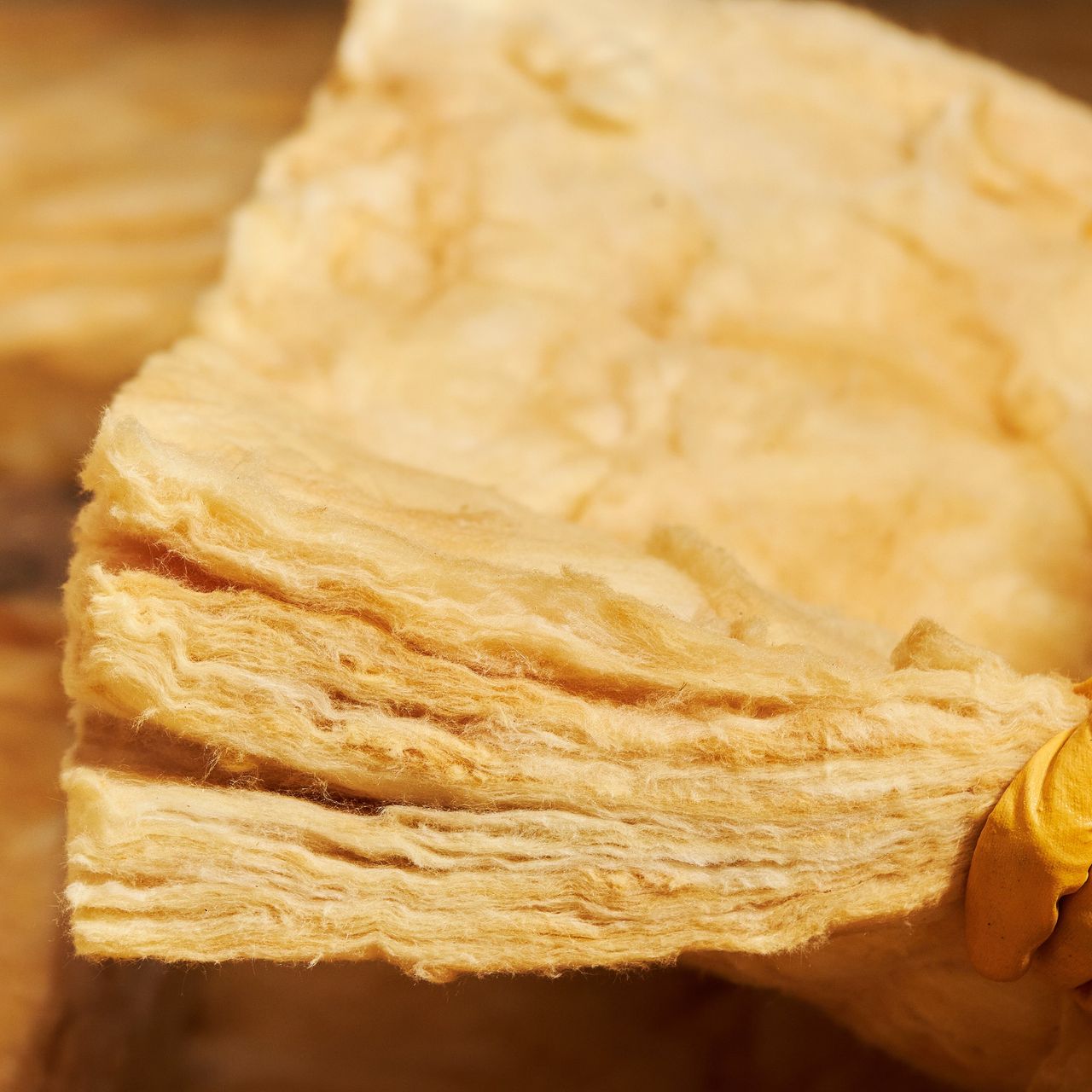
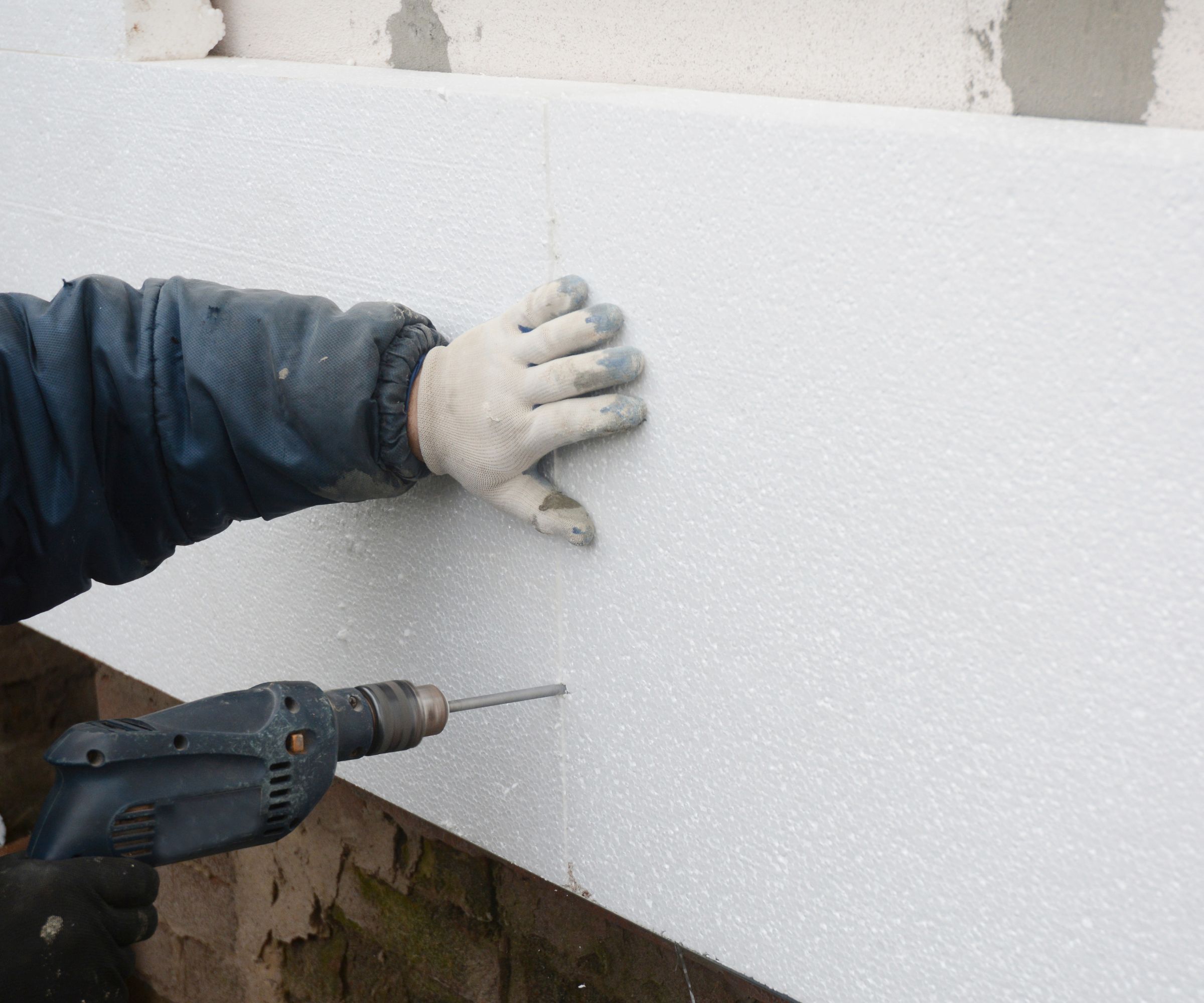
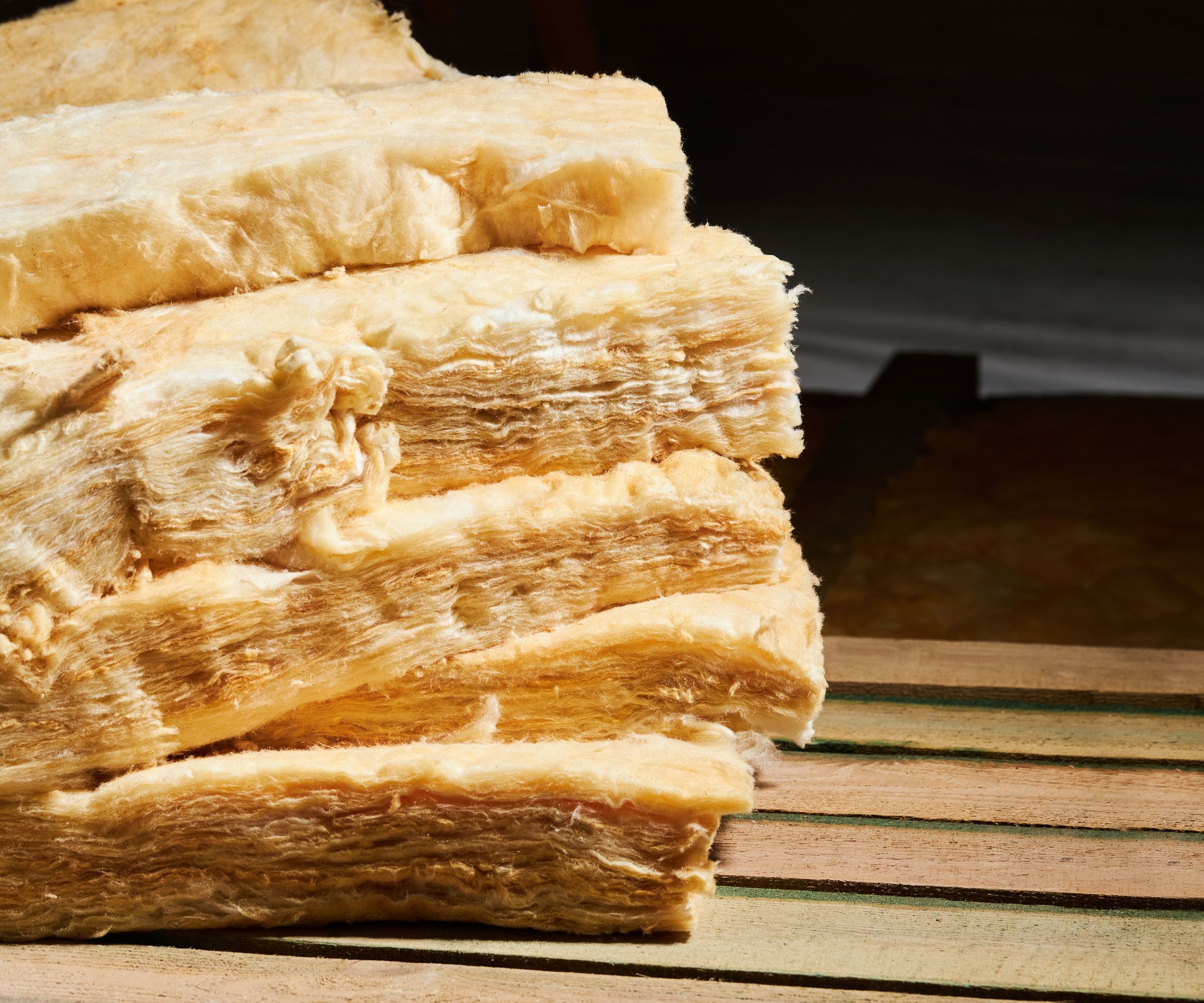
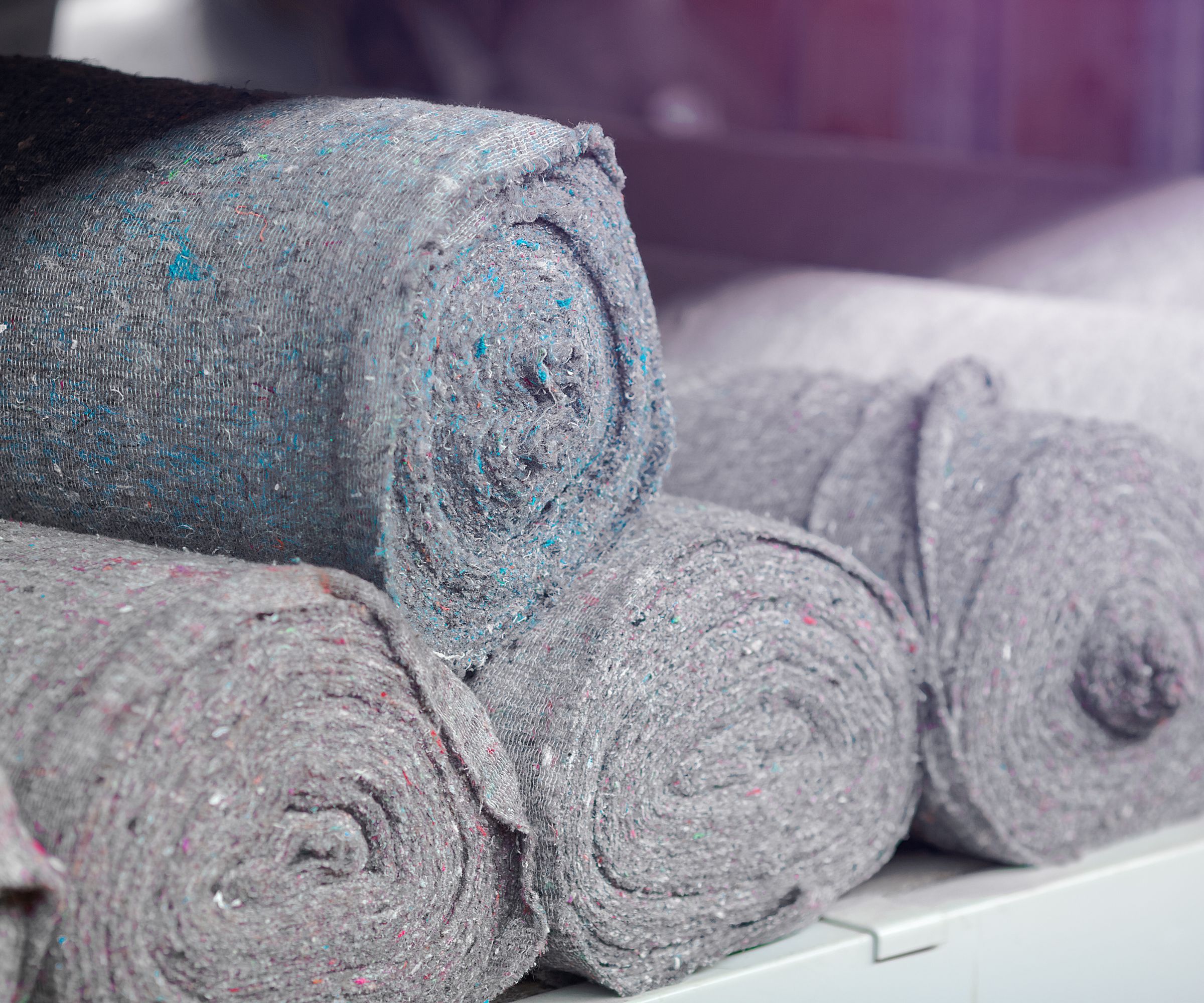
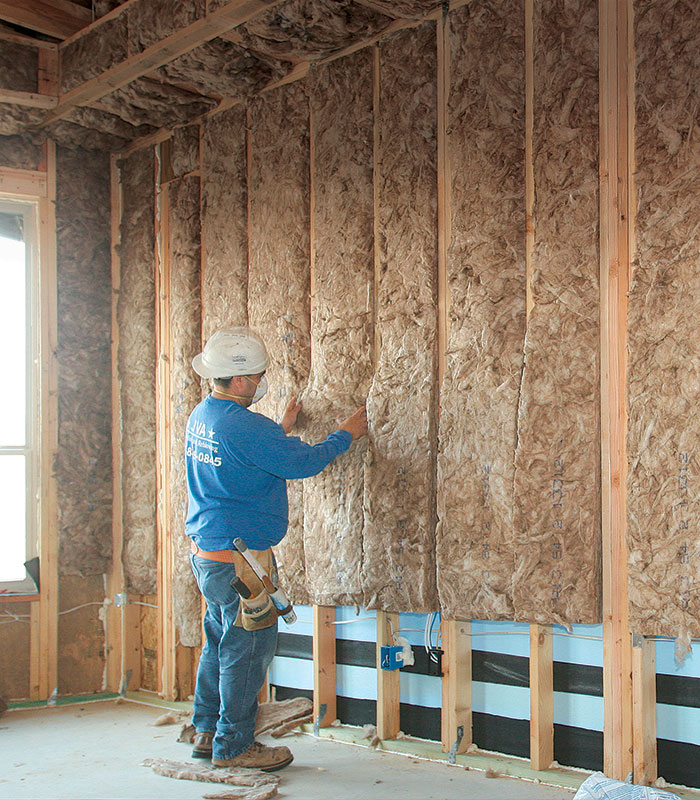
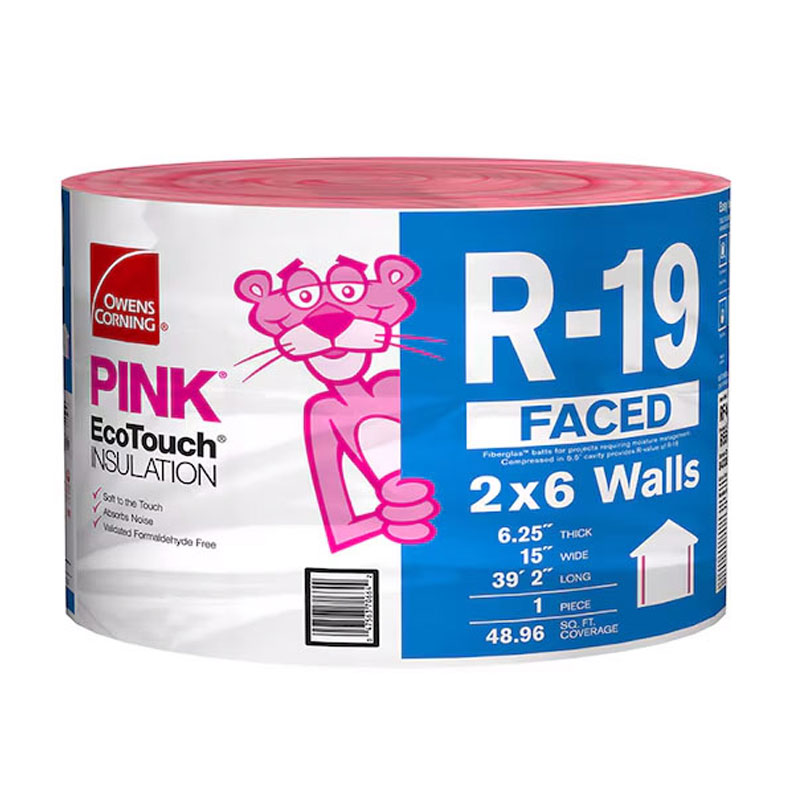
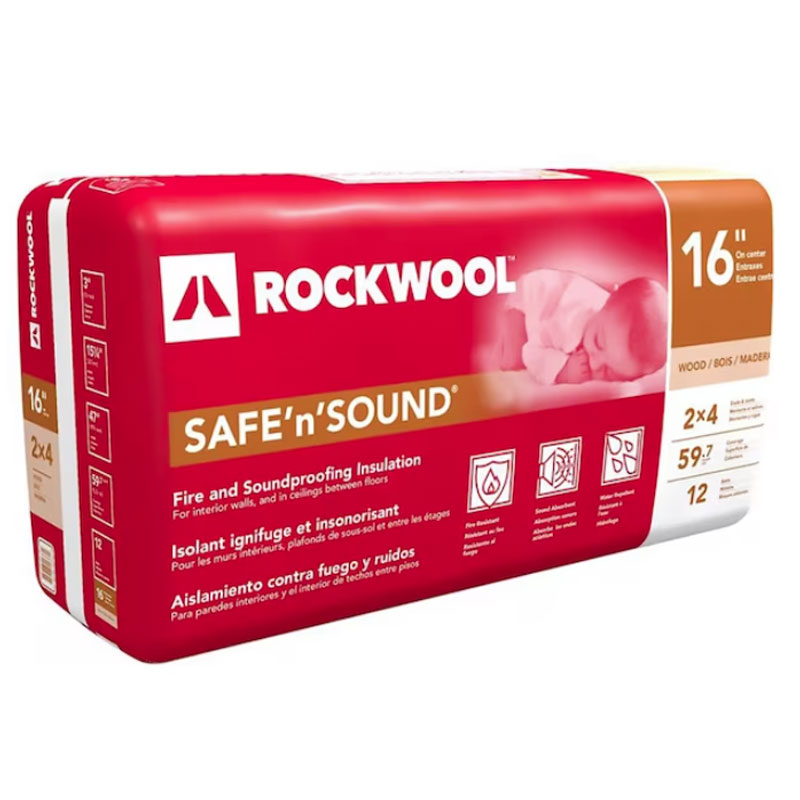
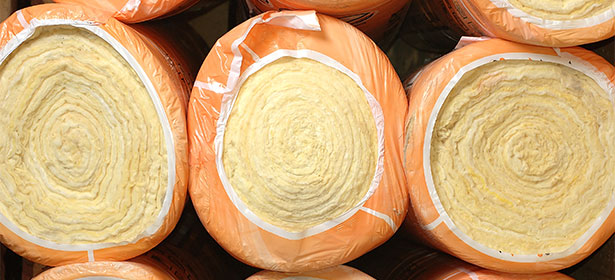
The article then delves into different types of loft insulation materials available for cold lofts. These include rolls (mineral wool, batts, blanket insulation), loose-fill, blown fibre, and insulated loft deck boards. For each type, the article outlines its pros and cons, such as ease of DIY installation, cost-effectiveness, sustainability, suitability for specific spaces, and potential irritants. For warm lofts, insulation boards (or sheet insulation) are highlighted, again discussing their advantages like high insulating value and aesthetic finish, alongside disadvantages such as higher cost and complexity of installation.
Cost considerations are addressed next, providing insights into the expenses associated with installation and the payback period. The article mentions that government and energy company grants may be available to offset costs. Average professional installation costs for different house types (terraced, semi-detached, detached) are referenced, with a note that prices can vary regionally. Pre-installation preparations are also covered, including clearing the loft space, safely managing wiring, protecting downlights from overheating, and insulating pipes and tanks. Emphasis is placed on wearing correct protective clothing for DIY installations.
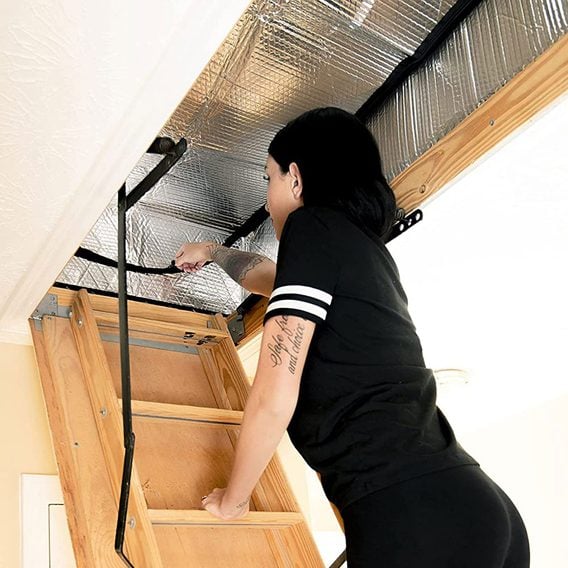
Detailed instructions are provided for DIY installation of blanket and loose-fill insulation, two common types. For blanket insulation, the guide explains how to lay rolls between and across joists to achieve the recommended depth of 270mm, emphasizing the importance of not compressing the material. For loose-fill insulation, the process of pouring the material between joists is described, along with advice on preparing the space and calculating required quantities. The article also covers insulating the loft hatch using blanket insulation or a custom-made 'pillow,' and discusses solutions for using an insulated loft for storage, such as raising the floor level. Finally, it addresses whether old insulation should be removed, listing conditions that necessitate removal (e.g., pest damage, hazardous materials, water damage) and advising on how to add new insulation over existing layers without compromising effectiveness.
#LoftInsulation #RoofInsulation #HomeEnergyEfficiency #DIYHomeImprovement #ColdLoft #WarmLoft #InsulationMaterials #HomeMaintenance #EnergySavings #LoftInsulation #RoofInsulation #HomeEnergyEfficiency #DIYHomeImprovement #ColdLoft #WarmLoft #InsulationMaterials #HomeMaintenance #EnergySavings
0 comment in total
 No comments yet
You may also like

How to insulate a loft

Home insulation materials

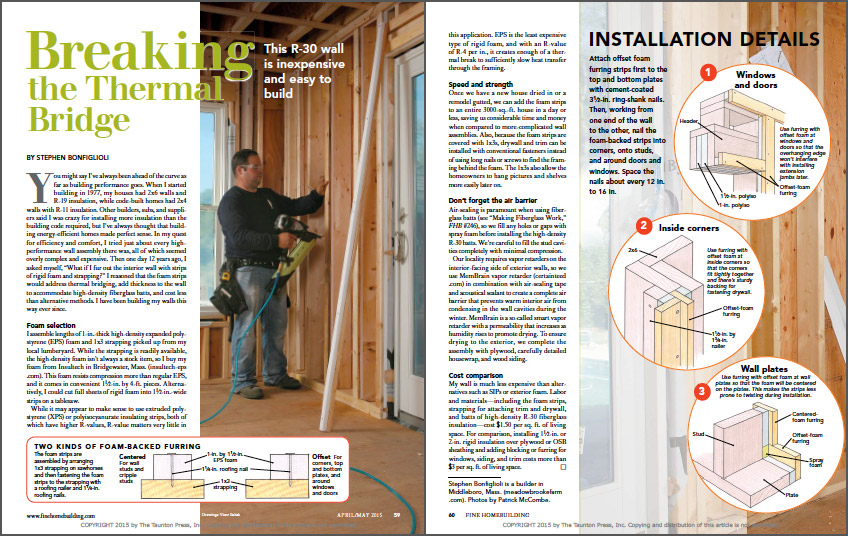
An Easy Way To Build a Well-Insulated House

Insulate Your Basement, Part 2
Loft Insulation
9 basement insulation ideas

Insulate Your Basement, Part 1
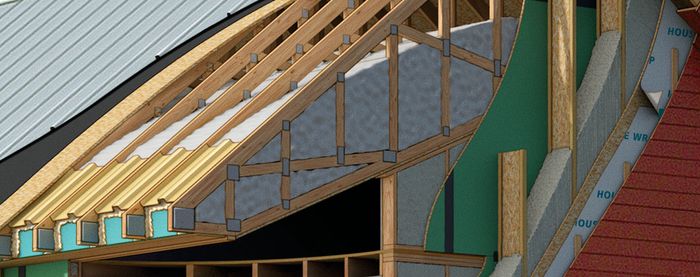
What to Consider When Choosing Insulation
A New Take on Insulating a Roof
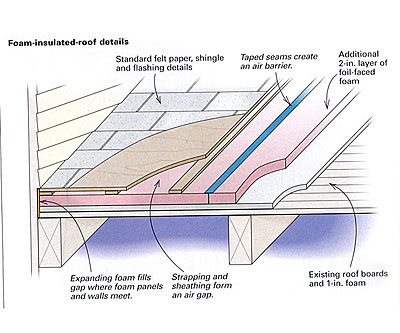
Upgrading a foam-insulated roof

Should you insulate a basement ceiling? Expert advice for a comfortable home

Building Materials - Building Supplies

When Insulation in the Roof Isn’t There

6 types of attic insulation and how to pick one for your home

The best floor insulation options for your home, explained

5 ways to insulate a wall to lower your energy bills and block out noise – and which ones are a mistake to DIY
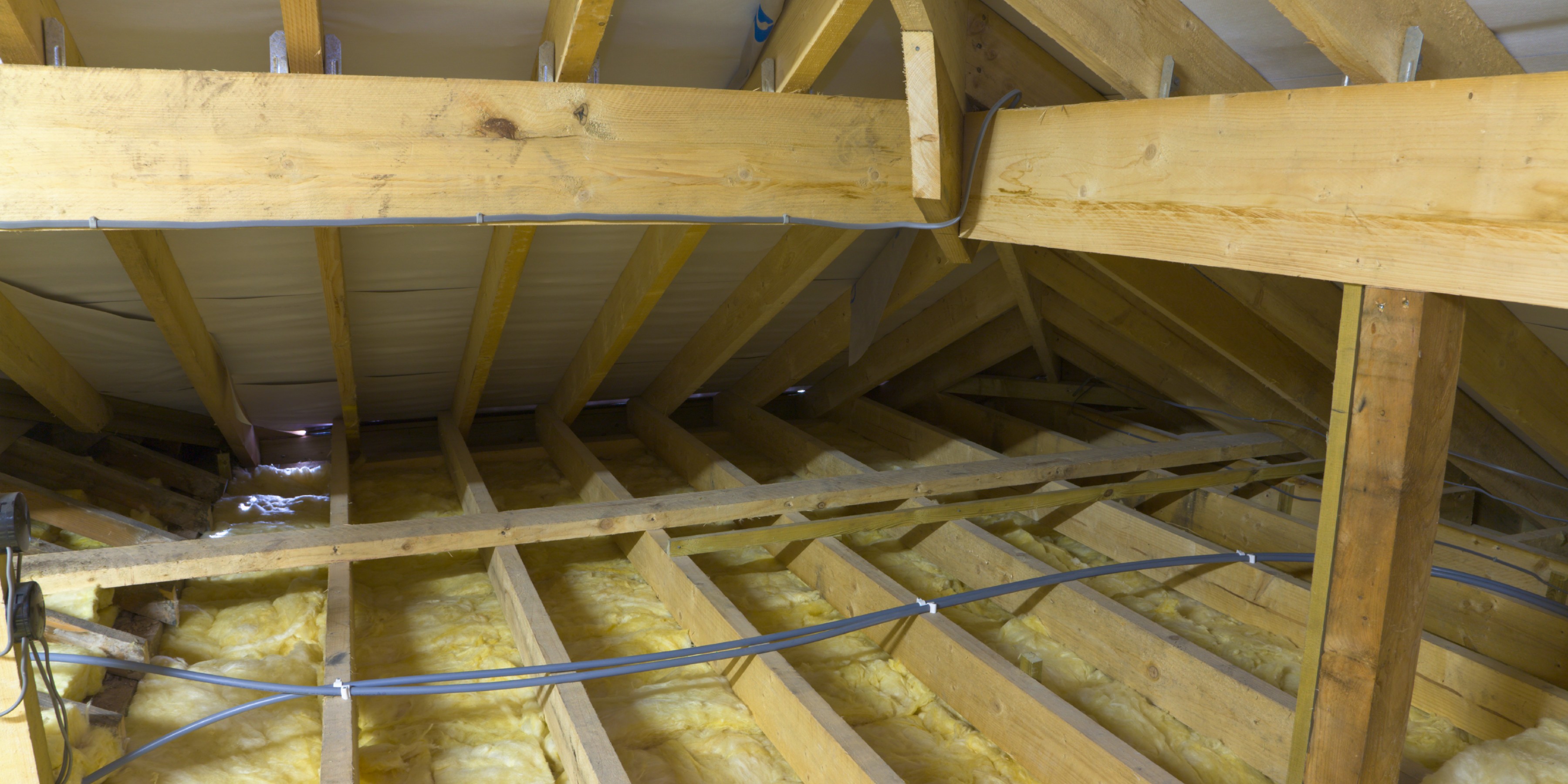
This is how to get your roof and loft insulation right so that your home stays warm and energy efficient all winter long

The 4 areas of your home pros say to always insulate to keep it toasty in colder weather – plus, where to never insulate

Attic Ideas, Storage and Insulation

Should I Vent a Roof Insulated With Spray Foam?