1/4
An Easy Way To Build a Well-Insulated House
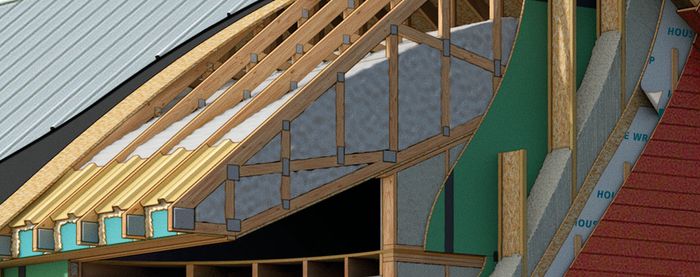
This article details an innovative and cost-effective method for constructing highly insulated walls in residential buildings, achieving an R-30 wall system. The technique, developed by builder Stephen Bonfiglioli, involves using strips of high-density expanded polystyrene (EPS) foam as a thermal break on the interior side of wall studs, followed by 1x3 strapping. This approach addresses thermal bridging, which is a common issue in conventional framing where studs create paths for heat transfer, compromising the overall insulation effectiveness. Bonfiglioli's method is presented as a less expensive and simpler alternative to other high-performance wall assemblies that often entail greater complexity and cost.
The historical context provided highlights Bonfiglioli's long-standing commitment to energy efficiency, tracing back to 1977 when he consistently built homes with 2x6 walls and R-19 insulation, exceeding the R-11 code requirement for 2x4 walls of his time. This commitment stemmed from a belief in the inherent value of energy-efficient homes. Over the years, he explored various high-performance wall systems, finding many to be overly intricate and expensive. The current method evolved from a question posed 12 years prior: what if interior walls were furred out with rigid foam strips and strapping? This idea offered a solution that integrated thermal breaking, increased wall thickness for higher-density insulation, and promised cost savings.
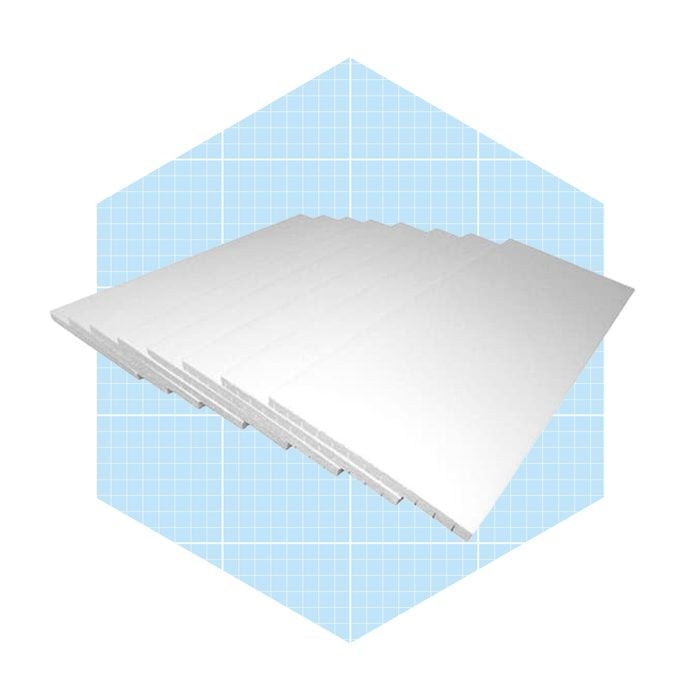
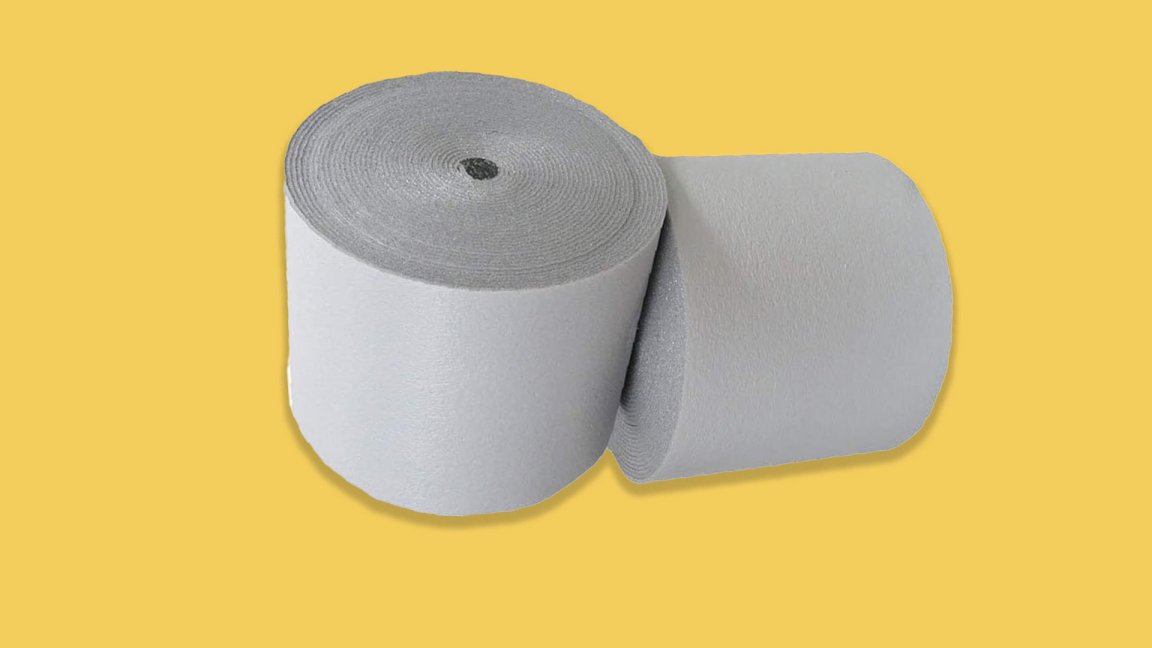
The selection of foam is crucial to this system. The article specifies the use of 1-inch-thick high-density EPS foam, typically sourced from specialized suppliers, or alternatively, full sheets of rigid foam can be cut into 1 1/2-inch-wide strips. The rationale for choosing EPS foam over other types like XPS or polyisocyanurate, despite their higher R-values, is primarily cost-effectiveness. EPS, with an R-value of R-4 per inch, is deemed sufficient to create an effective thermal break and slow heat transfer through the framing, making it the most economical choice for this application.
A significant advantage of this wall system is its speed and strength. The process of adding foam strips to an entire 3000-sq.-ft. house can be completed in a day or less, leading to considerable savings in time and labor compared to more complex wall assemblies. Furthermore, the presence of 1x3 strapping over the foam strips allows for the use of conventional fasteners for drywall and trim installation. This eliminates the need for longer, specialized fasteners often required in other deep-wall systems to reach framing behind insulation. The strapping also provides a convenient surface for homeowners to securely hang pictures and shelves later, enhancing the usability and appeal of the finished walls.
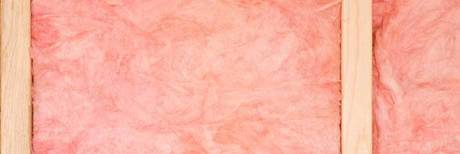
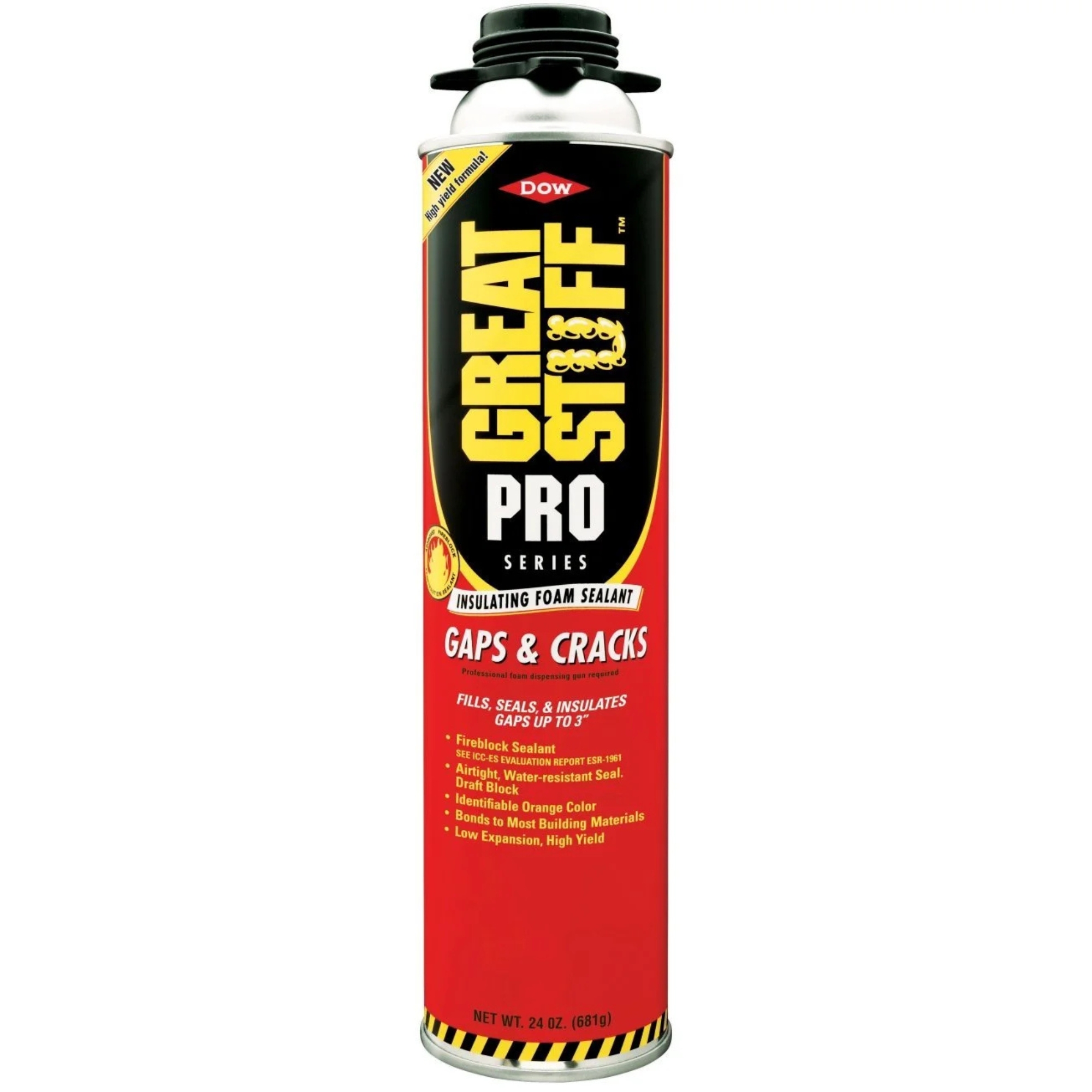
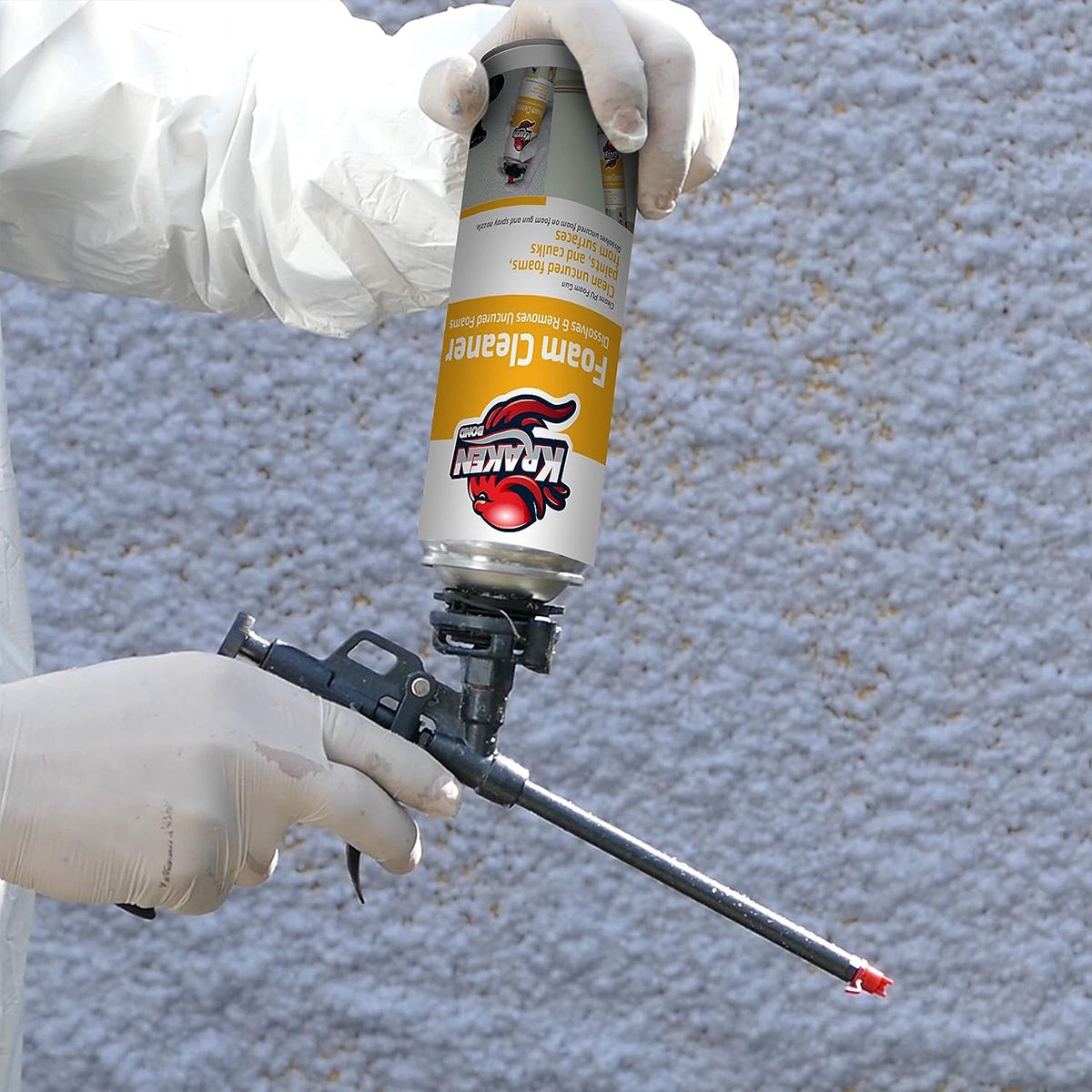
Effective air-sealing is emphasized as a critical component, particularly when using fiberglass batts. Before installing the high-density R-30 batts, all holes and gaps are sealed with spray foam. This meticulous air-sealing ensures that the fiberglass insulation performs optimally. The installation of the fiberglass batts requires careful attention to fill the stud cavities completely with minimal compression to maintain their stated R-value. The article also mentions the inclusion of a whole-wall vapor retarder as part of the system, further contributing to moisture management within the wall cavities and enhancing the long-term performance and durability of the structure. Overall, the described method provides a practical, economical, and high-performing solution for modern home insulation.
#HomeInsulation #ThermalBreak #EnergyEfficiency #WallConstruction #RigidFoamInsulation #BuildingPerformance #EPSFoam #AirSealing #FiberglassBatts #HomeInsulation #ThermalBreak #EnergyEfficiency #WallConstruction #RigidFoamInsulation #BuildingPerformance #EPSFoam #AirSealing #FiberglassBatts
0 comment in total
 No comments yet
You may also like
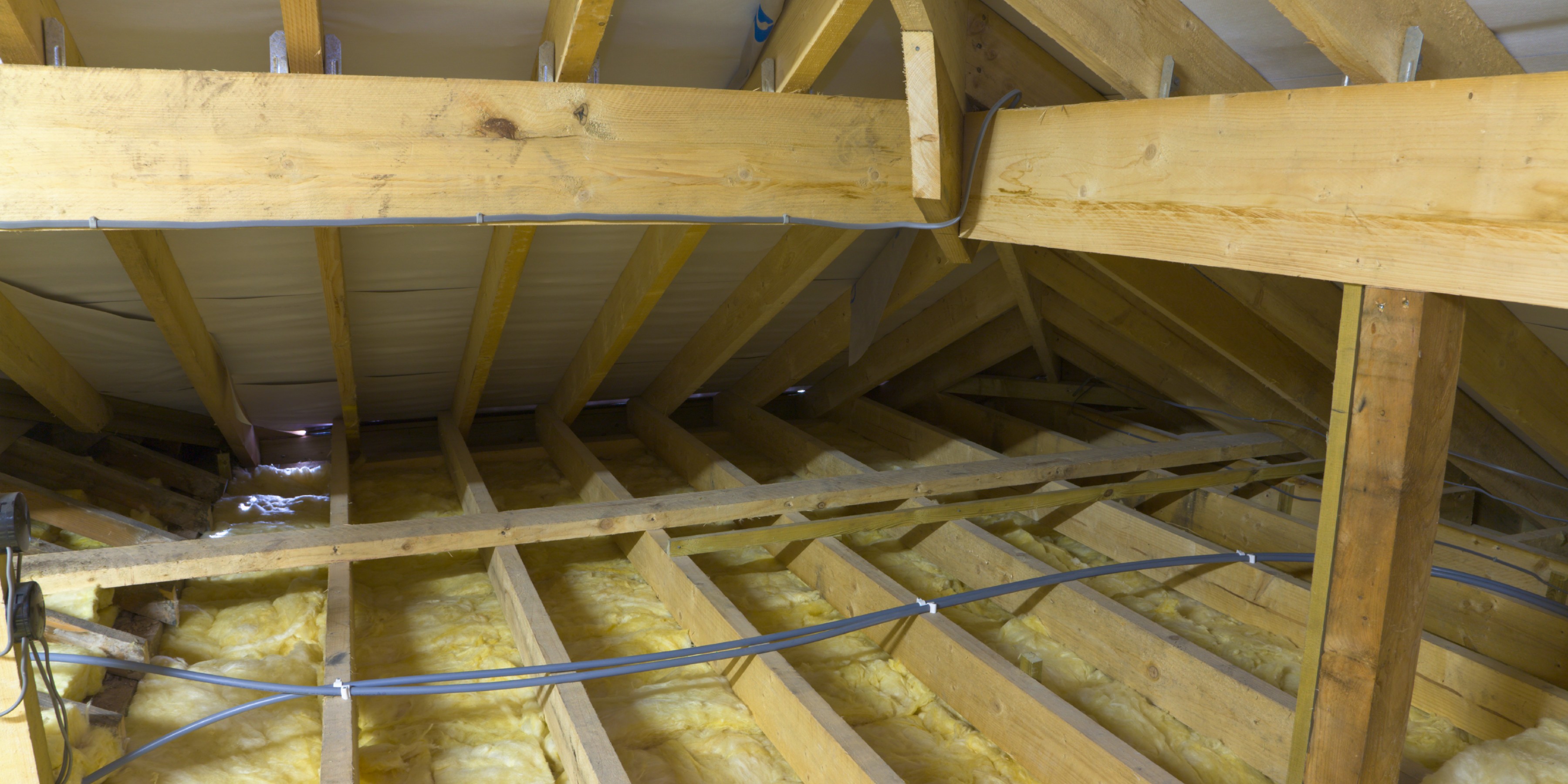
This is how to get your roof and loft insulation right so that your home stays warm and energy efficient all winter long

How to insulate a loft

The 6 Best Garage Door Insulation Kits for Temperature Control


6 Expert-Backed Ways to Keep Cold Air—and High Energy Bills—Out of Your House This Winter


This $8 hack to keep the cold out works almost as well as double glazing

The 4 areas of your home pros say to always insulate to keep it toasty in colder weather – plus, where to never insulate

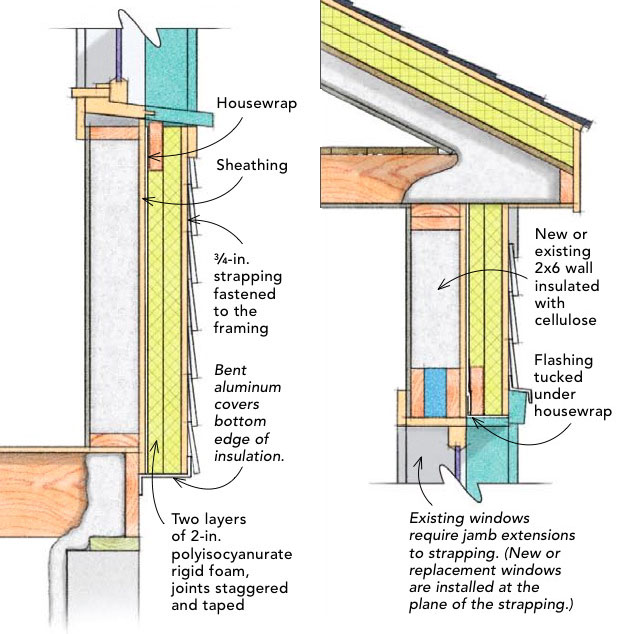
Insulating an Old House from the Outside

7 easy and efficient ways to keep your house warm this winter
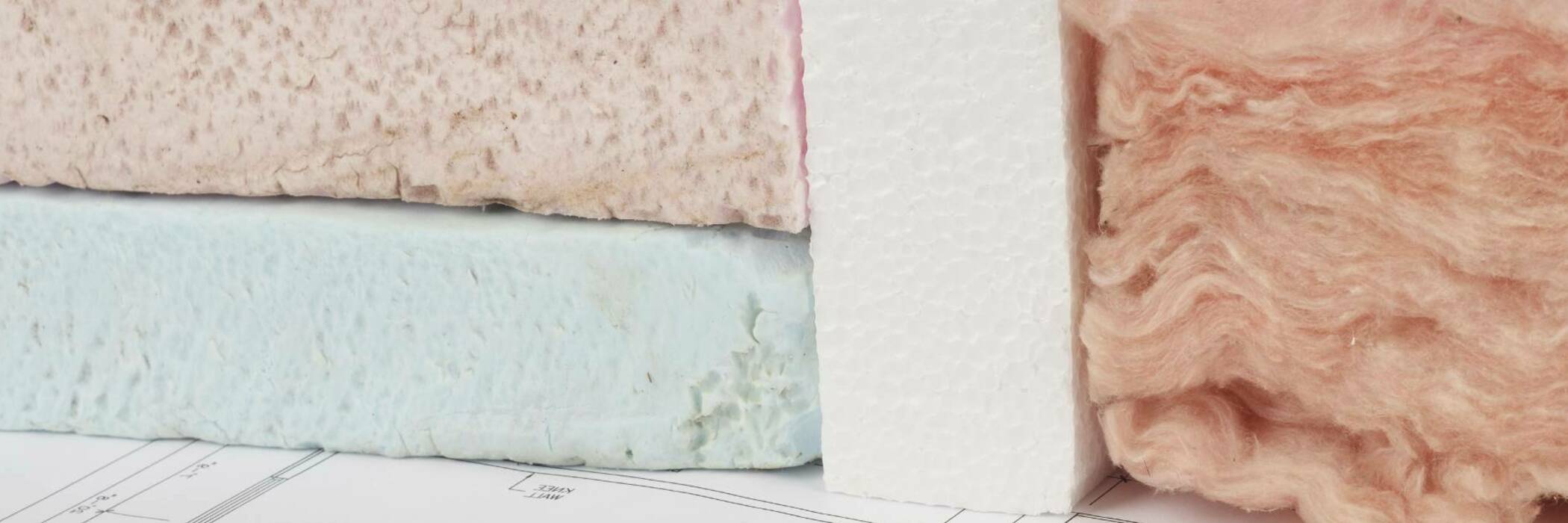
Home insulation materials

Insulate Your Basement, Part 1
Loft Insulation
17 Tips and Hacks to Help Keep Your House Warm This Winter

How to insulate your period house

Should you insulate a basement ceiling? Expert advice for a comfortable home

The best floor insulation options for your home, explained
Best Garage Door Insulation Kits: Create a More Comfortable Environment

How to insulate a loft or roof

Create a cozy home in 10 easy, inexpensive steps

9 basement insulation ideas
Insulate Your Basement, Part 2