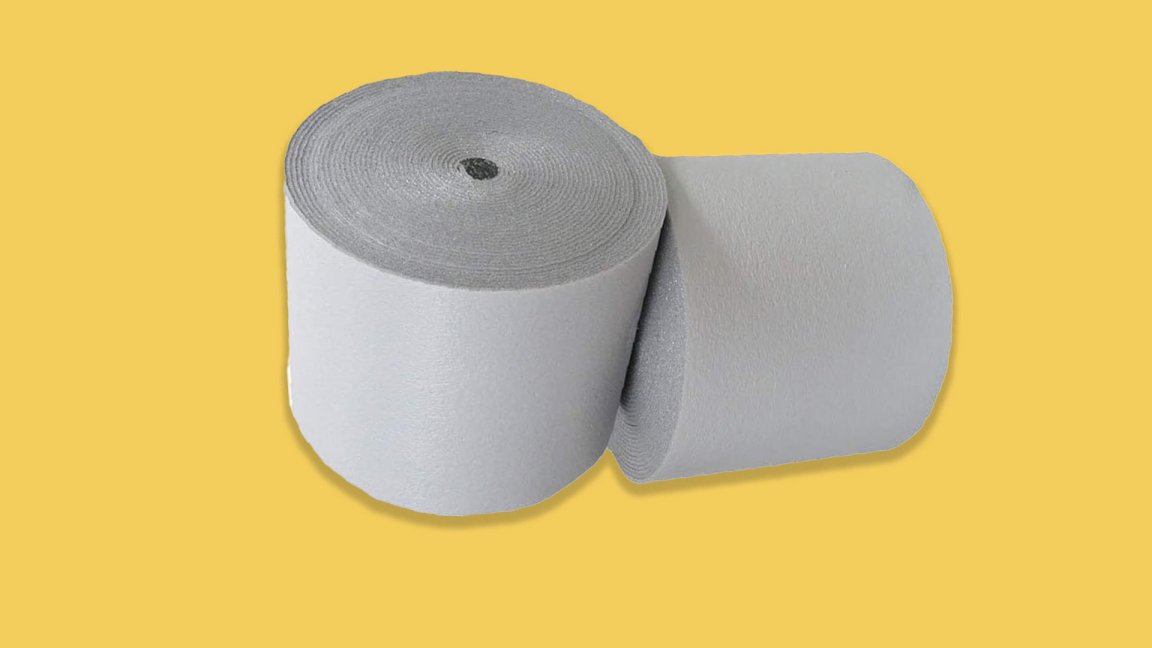
1/6
Should you insulate a basement ceiling? Expert advice for a comfortable home
Maintaining a comfortable home temperature throughout the year requires various strategies, including effective insulation. While basement insulation is broadly beneficial for energy savings and creating dry, comfortable living spaces, the specific approach of insulating basement ceilings versus walls is a key consideration. Basements can contribute significantly to heat loss, accounting for 10-30% of a home's total heat loss, and pose a risk for moisture issues due to cold surfaces. Therefore, insulating the basement can lead to substantial savings on energy bills and reduce a home's environmental impact.
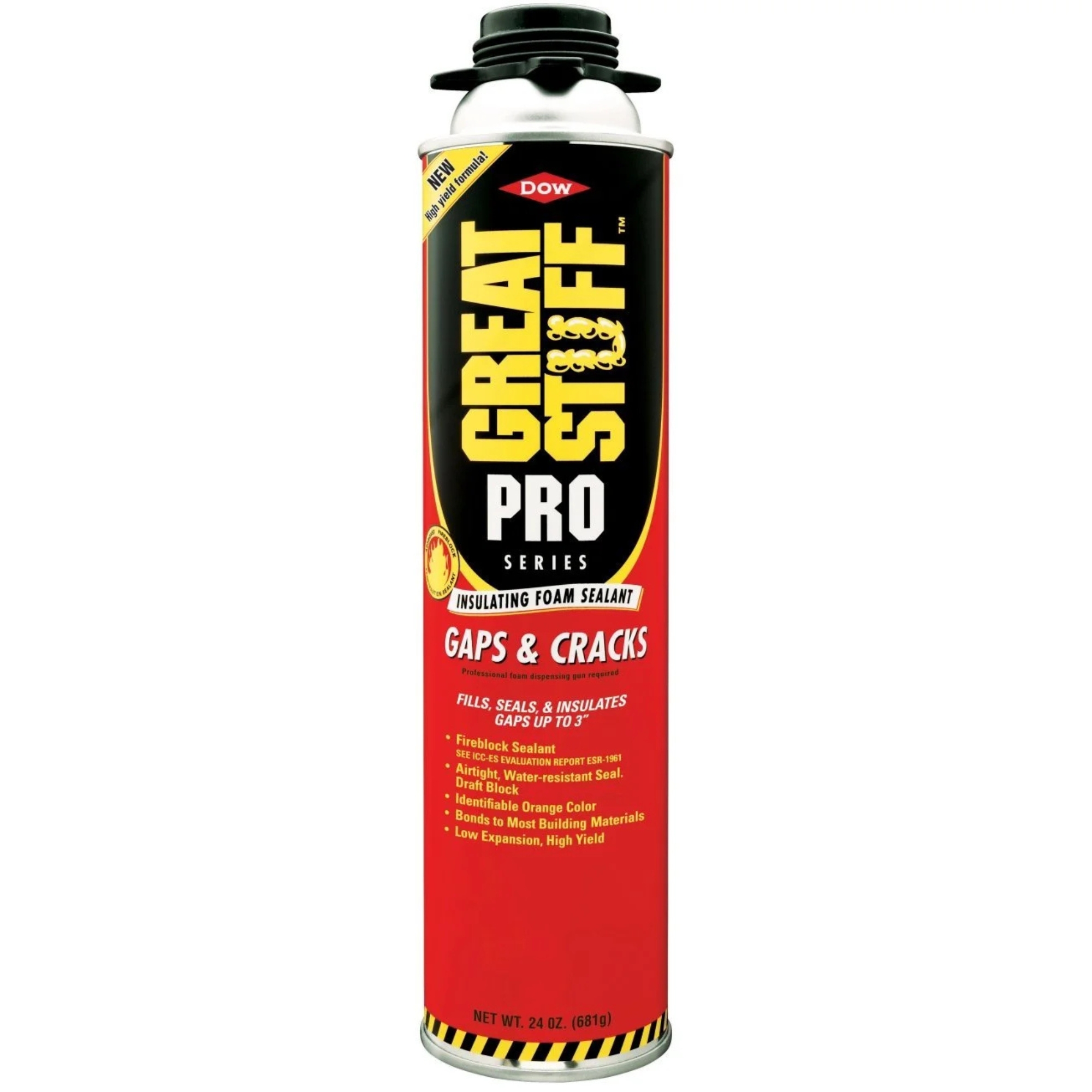
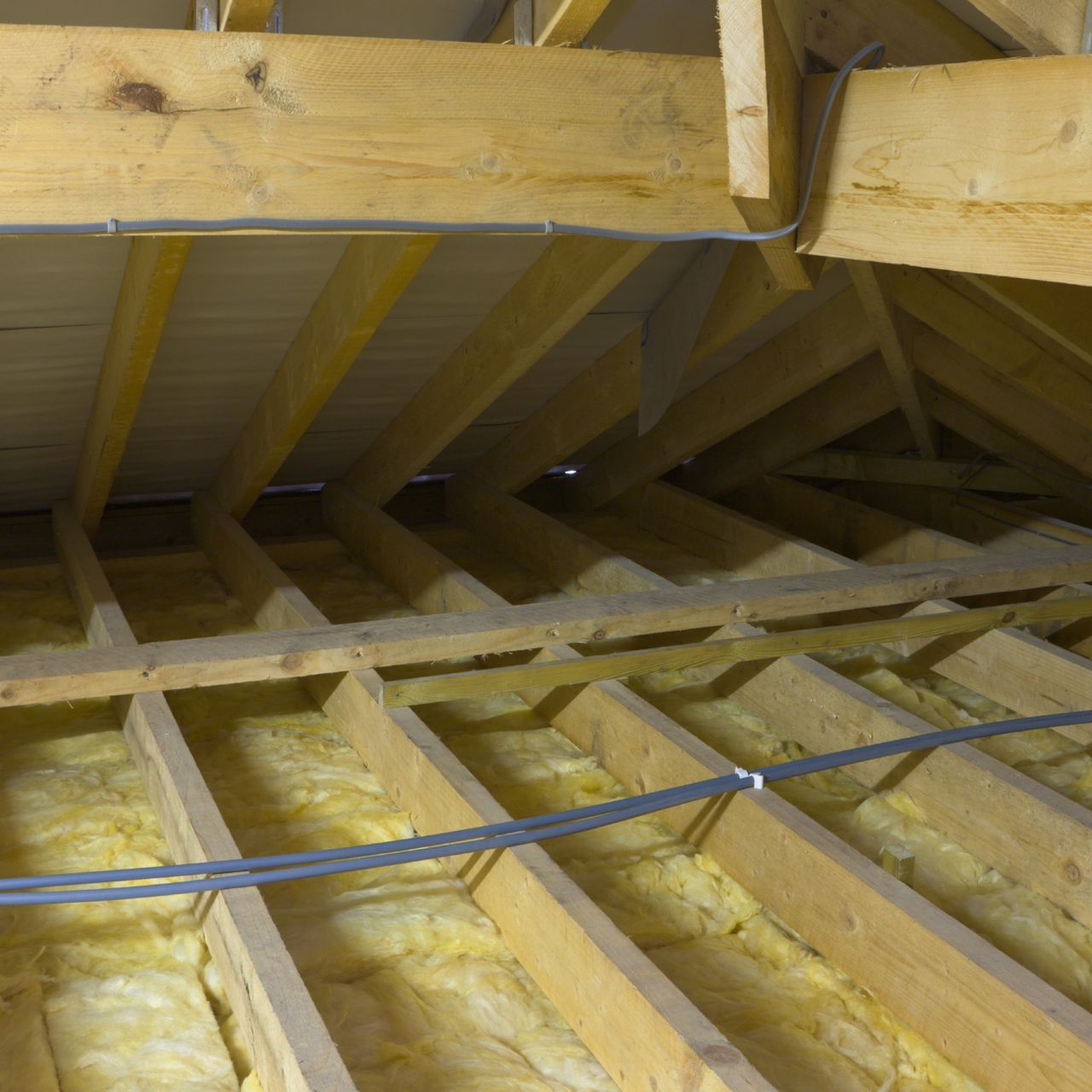
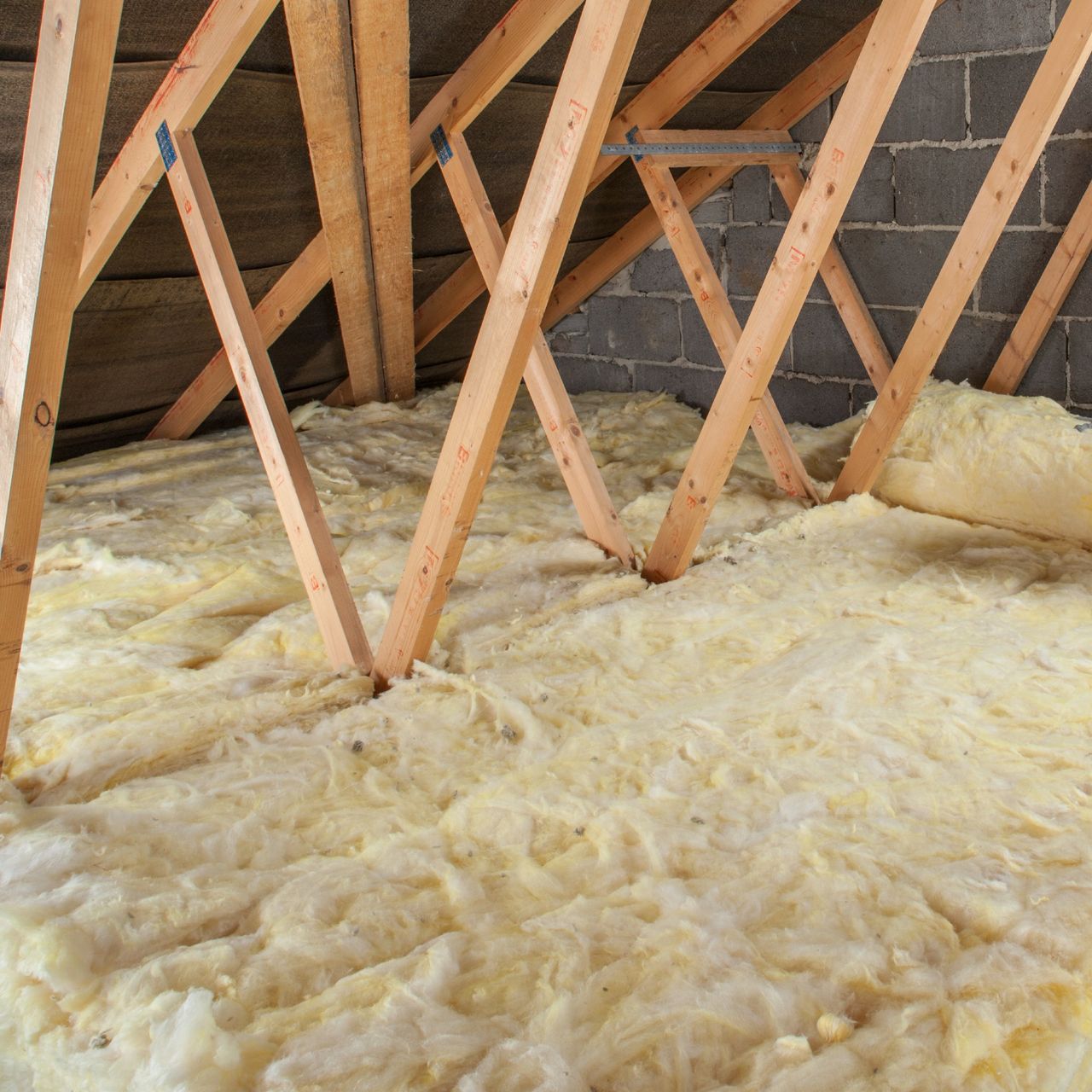
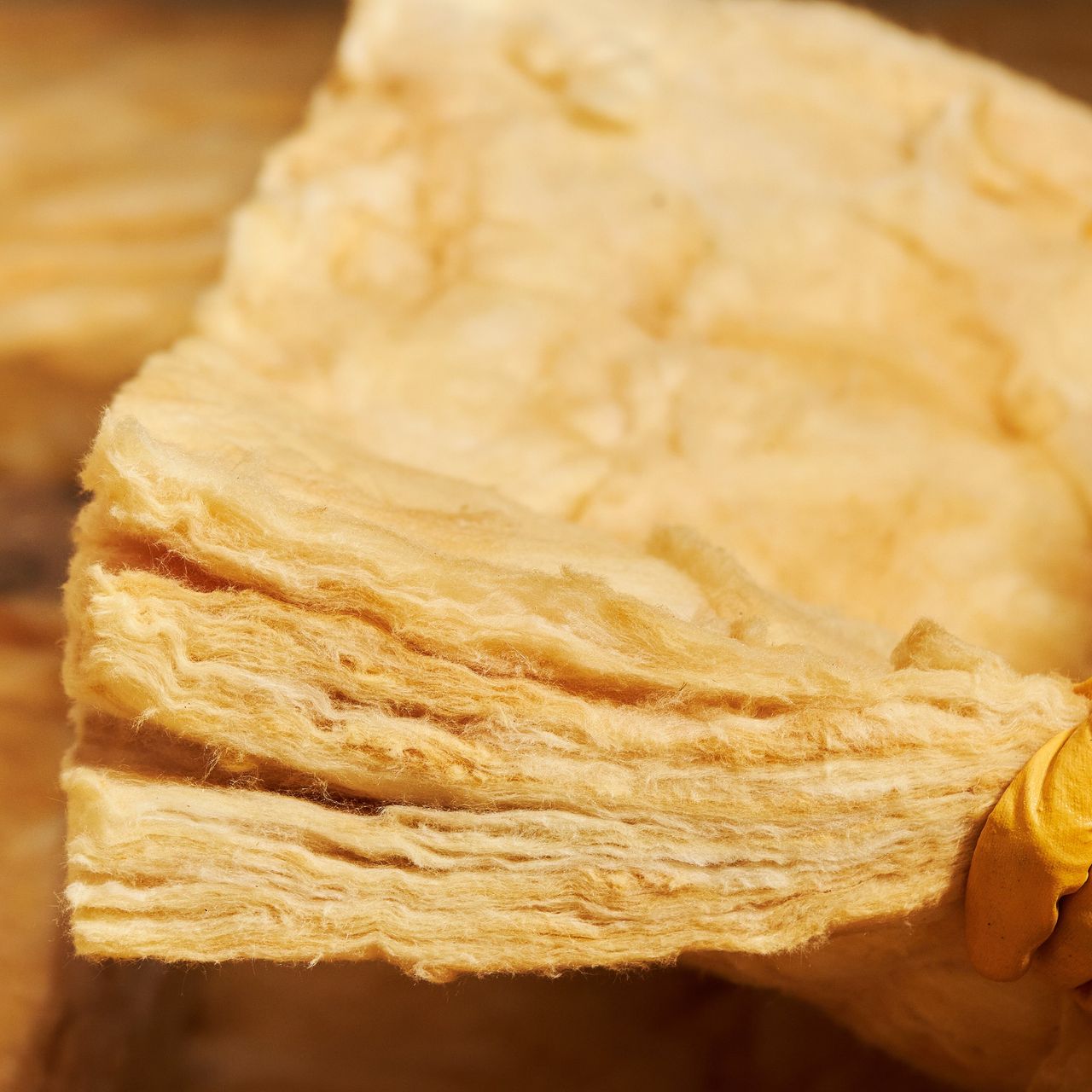
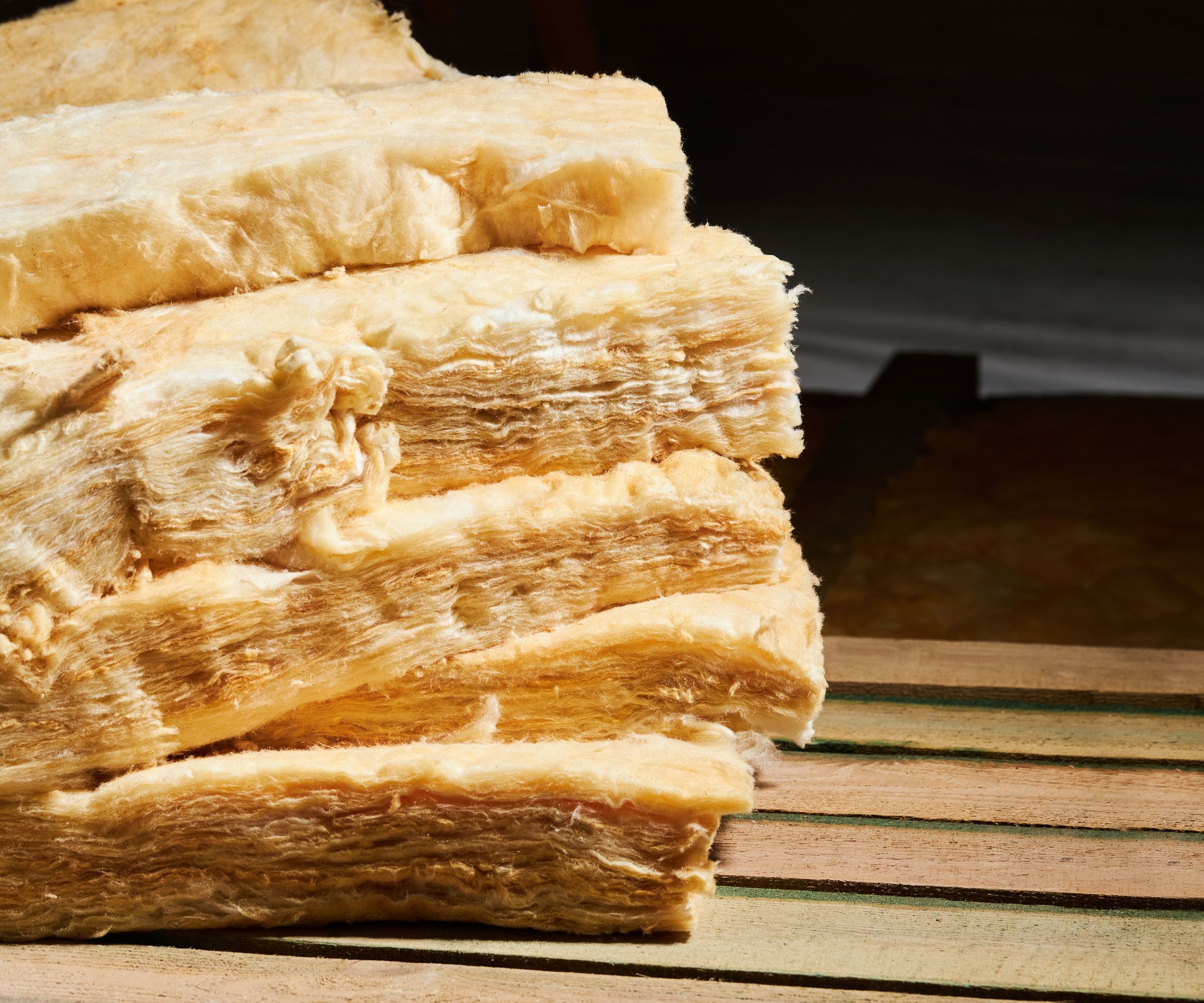
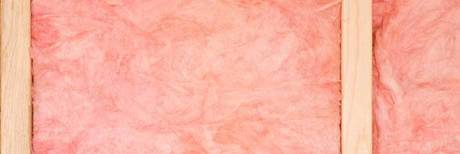
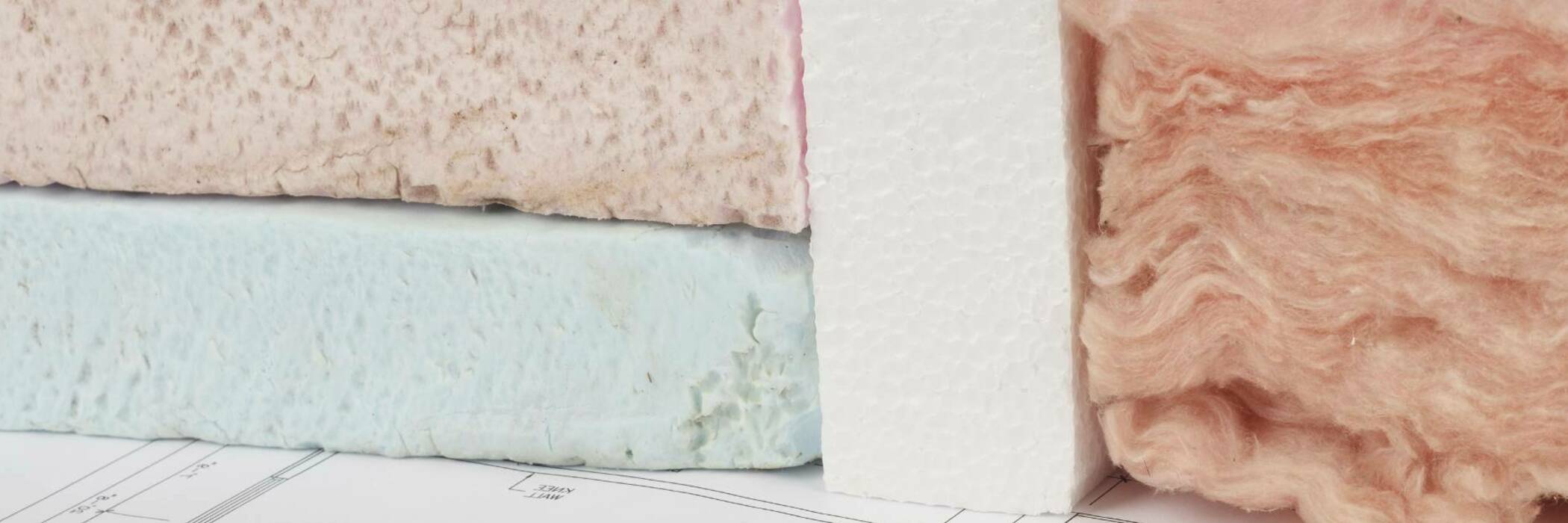
Insulating a basement ceiling offers several advantages, particularly in colder climates, by aiding in both heating and cooling efficiency. An additional benefit is noise reduction between floors, which can greatly enhance the living experience. However, basement ceiling insulation is not mandatory by code. There are also potential downsides to consider. Insulating the ceiling can thermally separate the basement from the main house, potentially making the basement colder. This could lead to cold air infiltrating the main living areas through cracks and holes around electrical wires and plumbing. Furthermore, the presence of numerous mechanical pipes and wires in the ceiling joists can complicate insulation installation, making it impractical. Height limitations in basements might also prevent the addition of insulation and drywall. Traditional fiberglass or mineral wool insulation, if installed with the paper facing exposed, can be a fire hazard. If unfaced, small fibers might continually fall, creating an "itchy" environment. While spray foam is an alternative, its cost is often not justified by the minimal gain when insulating the ceiling alone.
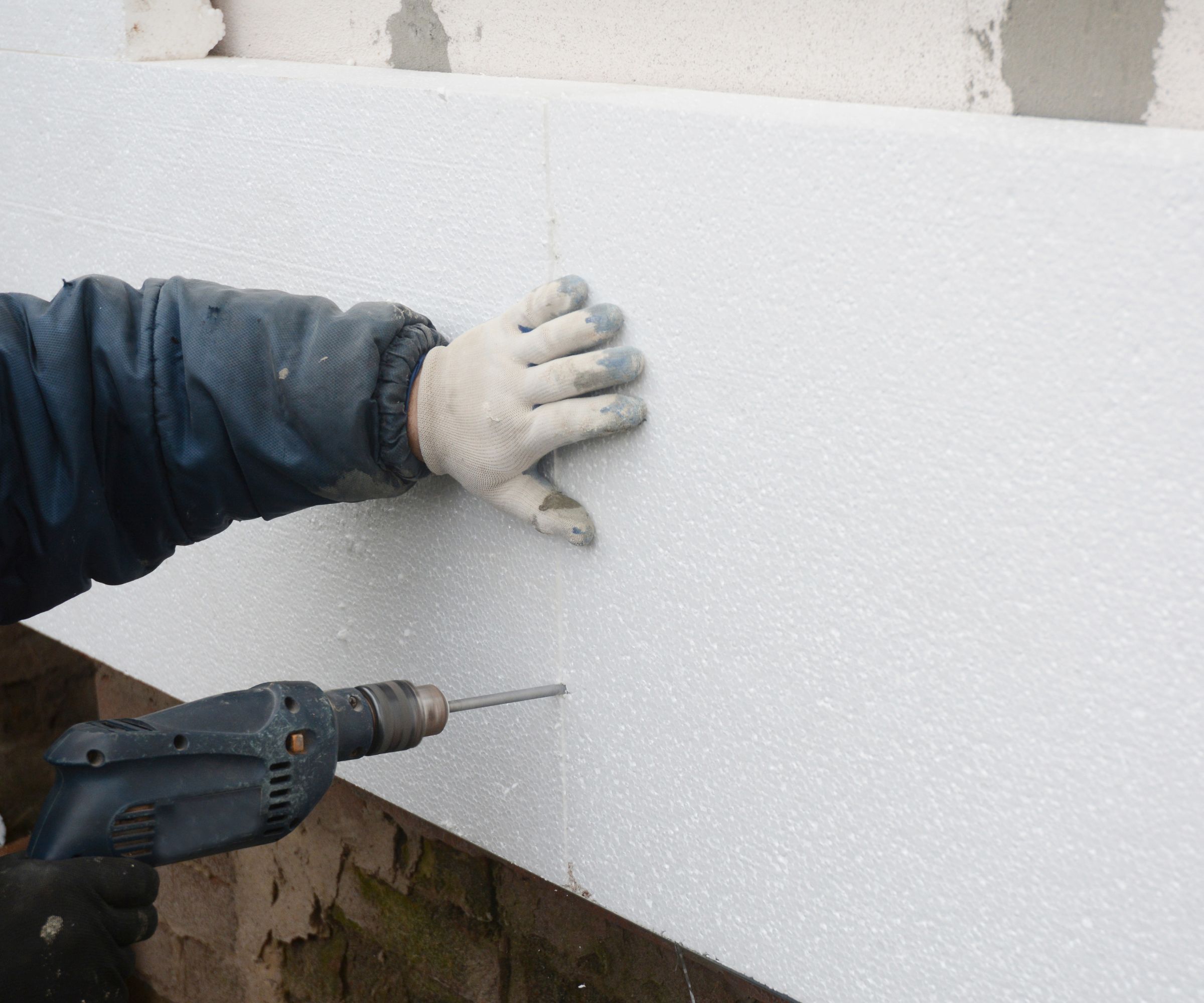
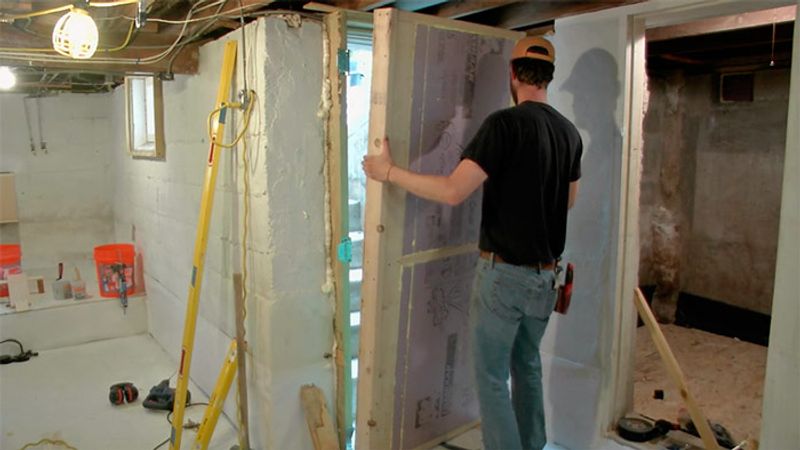
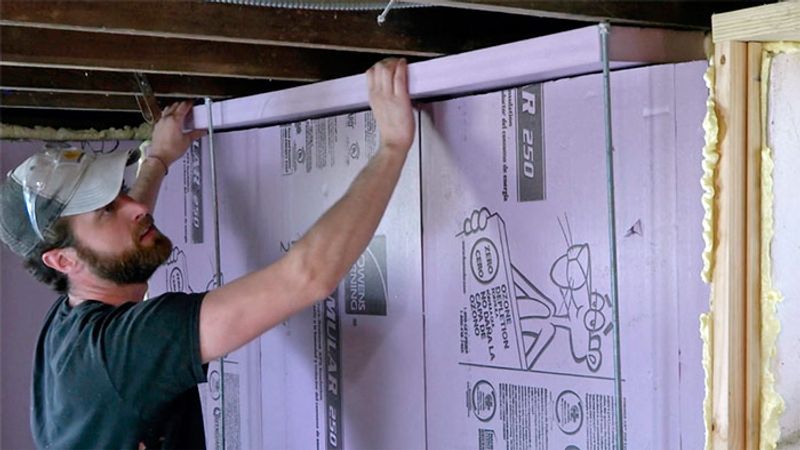
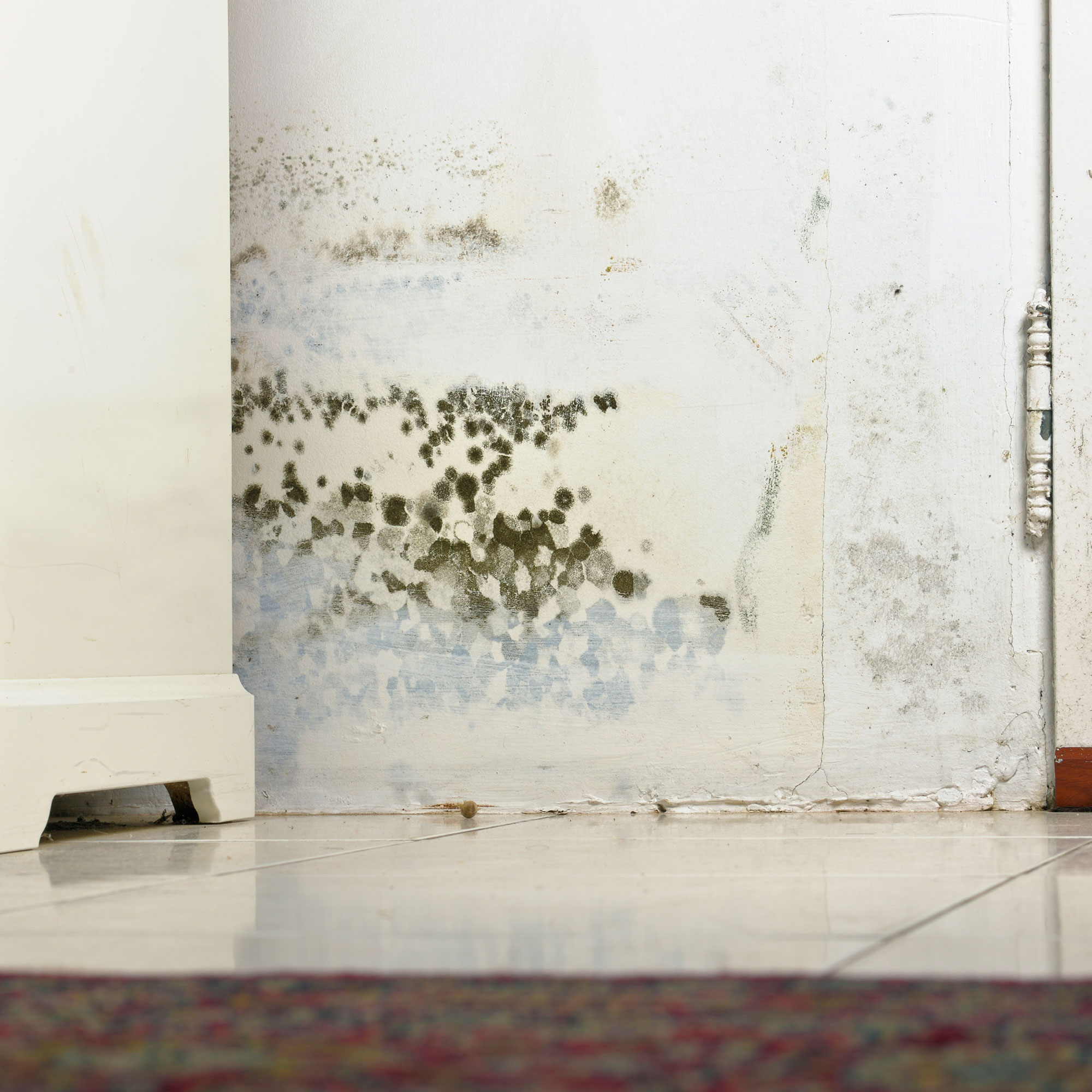
Conversely, insulating basement walls offers different benefits and challenges. Wall insulation is effective in controlling moisture, which helps prevent black mold and rot, and also contributes to energy conservation. For new constructions, exterior insulation can be applied, while interior wall insulation is an option for existing homes. However, interior wall insulation slightly reduces usable basement space and may require fire-rated coverings depending on the material. Crucially, proper installation is essential for interior wall insulation to be effective. It must be installed airtight to prevent airborne vapor from condensing on cold walls, and the material needs to be a semi-permeable vapor retarder, allowing any moisture from the wall to dry towards the interior.
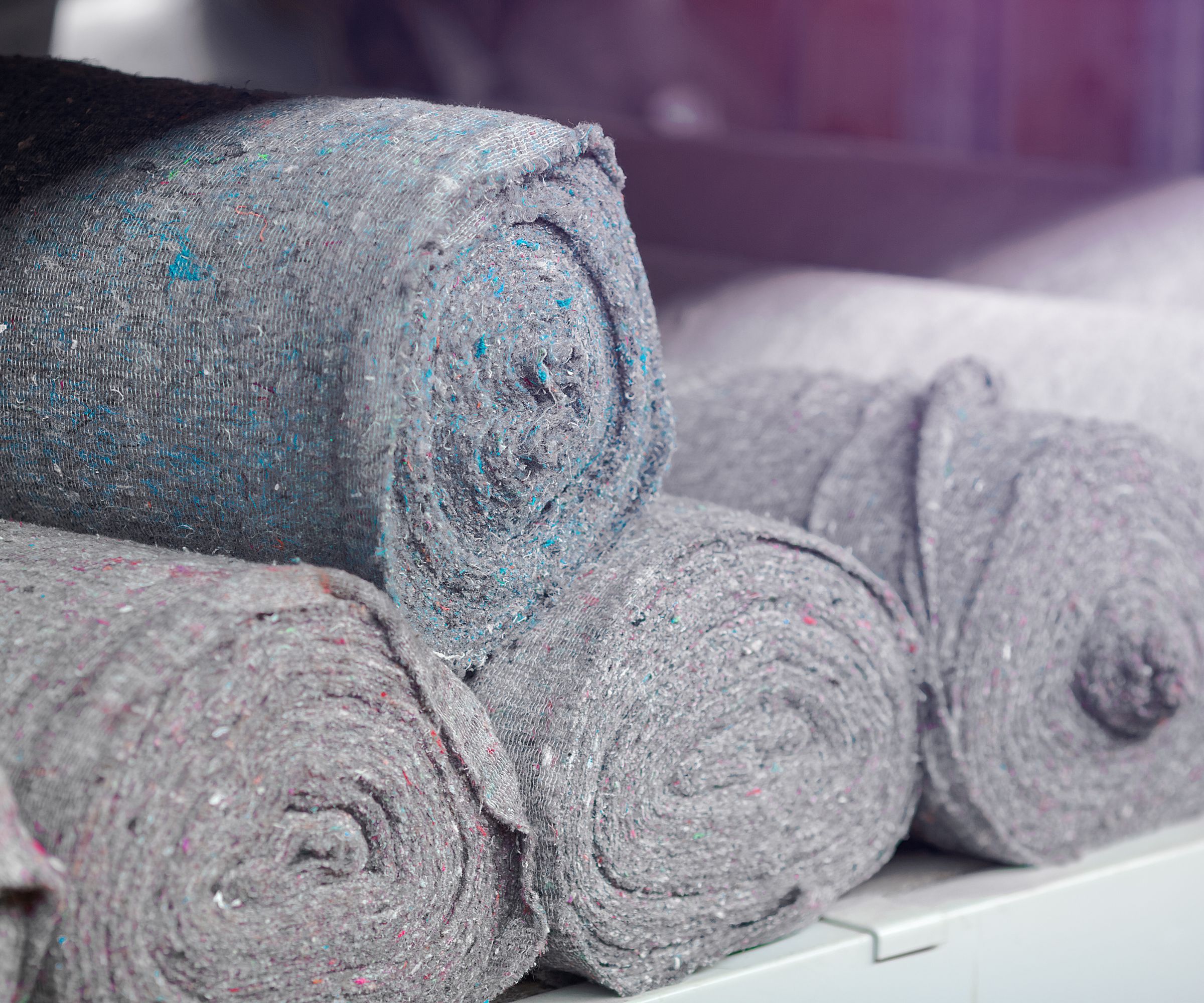
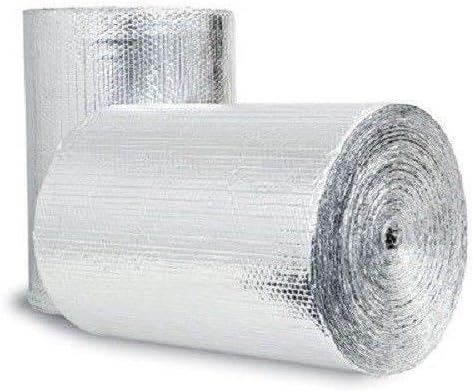
Experts generally recommend prioritizing external wall insulation over basement ceiling insulation. The rationale is that even an unconditioned basement is more thermally connected to the living spaces above than to the outside environment, making wall insulation a more effective strategy for overall home energy efficiency. This approach not only helps in mitigating moisture and mold issues, common in basements, but also offers a more significant reduction in energy bills. For those still considering basement ceiling insulation, primarily for soundproofing, acoustic insulation is recommended. Bat/roll acoustic insulation, available at hardware stores in various R-ratings, is suitable for DIY installation in open ceilings with standard studs and joists. Options with foil facing can act as a vapor or air barrier, which is beneficial for basements. Ultimately, comprehensive home insulation from roof to foundation is ideal, but for basements, focusing on wall insulation is often the more impactful solution for comfort and energy savings.
#HomeInsulation #BasementInsulation #EnergyEfficiency #HomeComfort #MoistureControl #NoiseReduction #HomeRenovation #DIYHomeImprovements #ThermalEnvelope #HomeInsulation #BasementInsulation #EnergyEfficiency #HomeComfort #MoistureControl #NoiseReduction #HomeRenovation #DIYHomeImprovements #ThermalEnvelope
0 comment in total
 No comments yet
You may also like
9 basement insulation ideas
This is how to get your roof and loft insulation right so that your home stays warm and energy efficient all winter long
This Simple DIY Upgrade Keeps Your Garage Comfortable and Warm


Cavity wall insulation problems – what can go wrong

The best floor insulation options for your home, explained

6 types of attic insulation and how to pick one for your home
Insulate Your Basement, Part 3


Avoid insulating these spots as it can cause damp and mould
Loft Insulation

Insulate Your Basement, Part 2

How to ventilate a basement – expert tips to reduce damp and mold

How to insulate a cold wall from the inside, and why the type of wall you have matters
Insulate Your Basement, Part 1
How to insulate a loft
The 4 areas of your home pros say to always insulate to keep it toasty in colder weather – plus, where to never insulate
Best Garage Door Insulation Kits: Create a More Comfortable Environment

How to insulate a loft or roof
Home insulation materials

6 areas of your home you should never insulate – and why it's a hazard that can do more harm than good

Peace & warmth: How thermal roof Insulation improves wellbeing