1/2
Cavity wall insulation problems – what can go wrong
Cavity wall insulation (CWI) is a popular method for enhancing home energy efficiency and reducing utility costs. While most installations are successful, leading to warmer, more comfortable living spaces, issues can arise. The Insulation Assurance Authority reports a low claims rate of 0.43% out of 6.2 million guarantees, suggesting that most problems are preventable and often stem from installation or maintenance oversights.
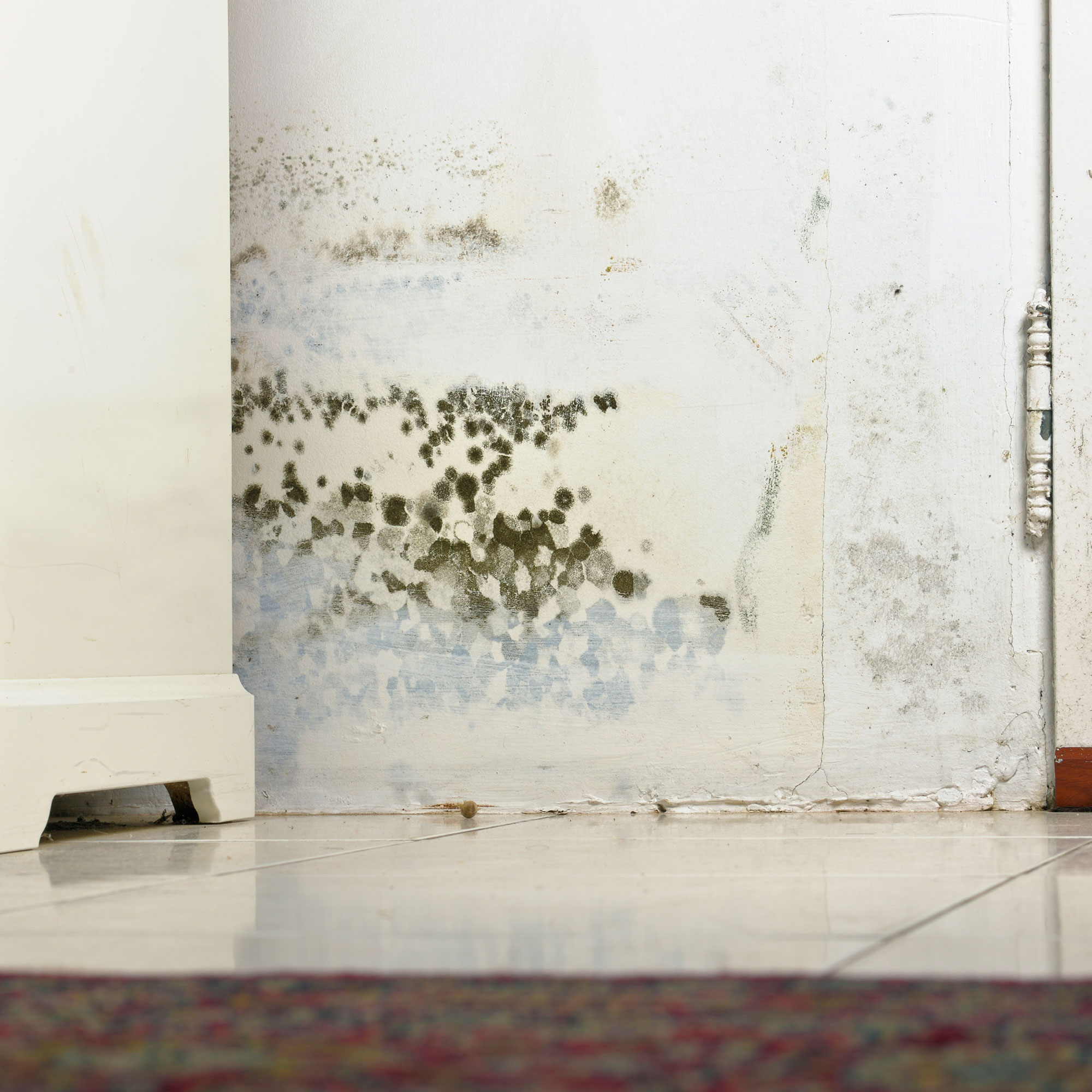
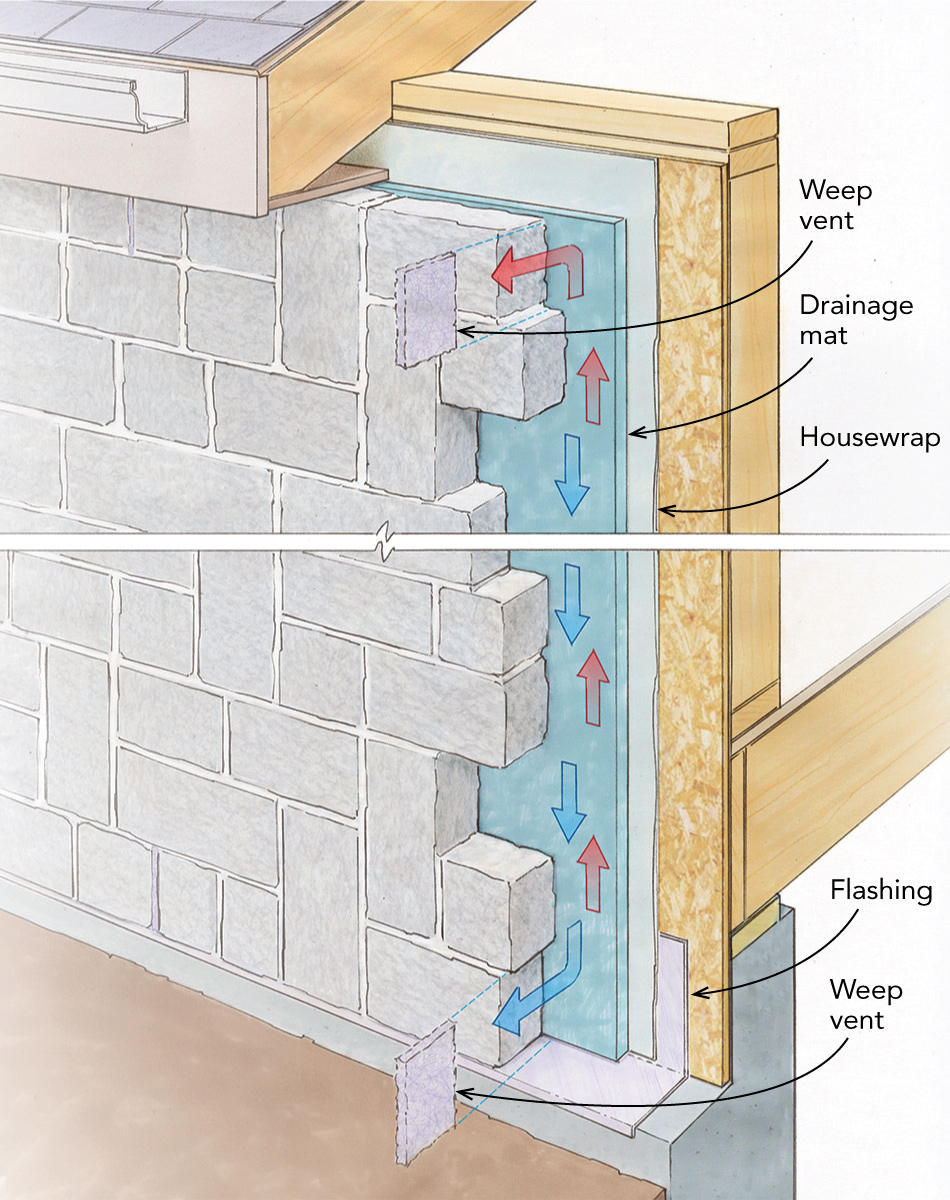
One of the most common issues associated with CWI is damp and mould. Although insulation typically helps reduce these problems, poor installation or an unsuitable house can exacerbate them. Cracks in brickwork, render, crumbling mortar, and leaky guttering can allow water to enter the cavity, soaking the insulation and compromising its effectiveness. This can lead to damp and mould. Reputable insulation companies should conduct pre-installation surveys to identify and address any structural weaknesses or advise if CWI is not suitable for a particular property. Post-installation, regular property maintenance, such as repointing mortar and checking gutters, is crucial to prevent future issues. Adequate ventilation is also essential, with dehumidifiers being a useful addition.
Inadequate ventilation is another problem, as insulating a house makes it more airtight. Installers must ensure existing airflow is maintained and install additional ventilation if needed. Poorly installed insulation or insulation that slumps over time can block vents, creating cold spots and contributing to damp. Homeowners are also advised to maintain good ventilation practices, such as opening windows and using extractor fans.
Poorly filled cavities during retrofit installations can also cause problems. Obstructions like mortar pieces in the cavity can snag insulation materials, preventing them from spreading evenly. A cavity that is too thin might also hinder proper insulation distribution. Choosing the correct type of insulation for the house is critical. "Cowboy" installers might not fill the cavity thoroughly, leading to cold spots and unexpectedly high energy bills. Since the cavity is hidden, these issues are not immediately visible, making it important for homeowners to monitor their energy consumption post-installation.
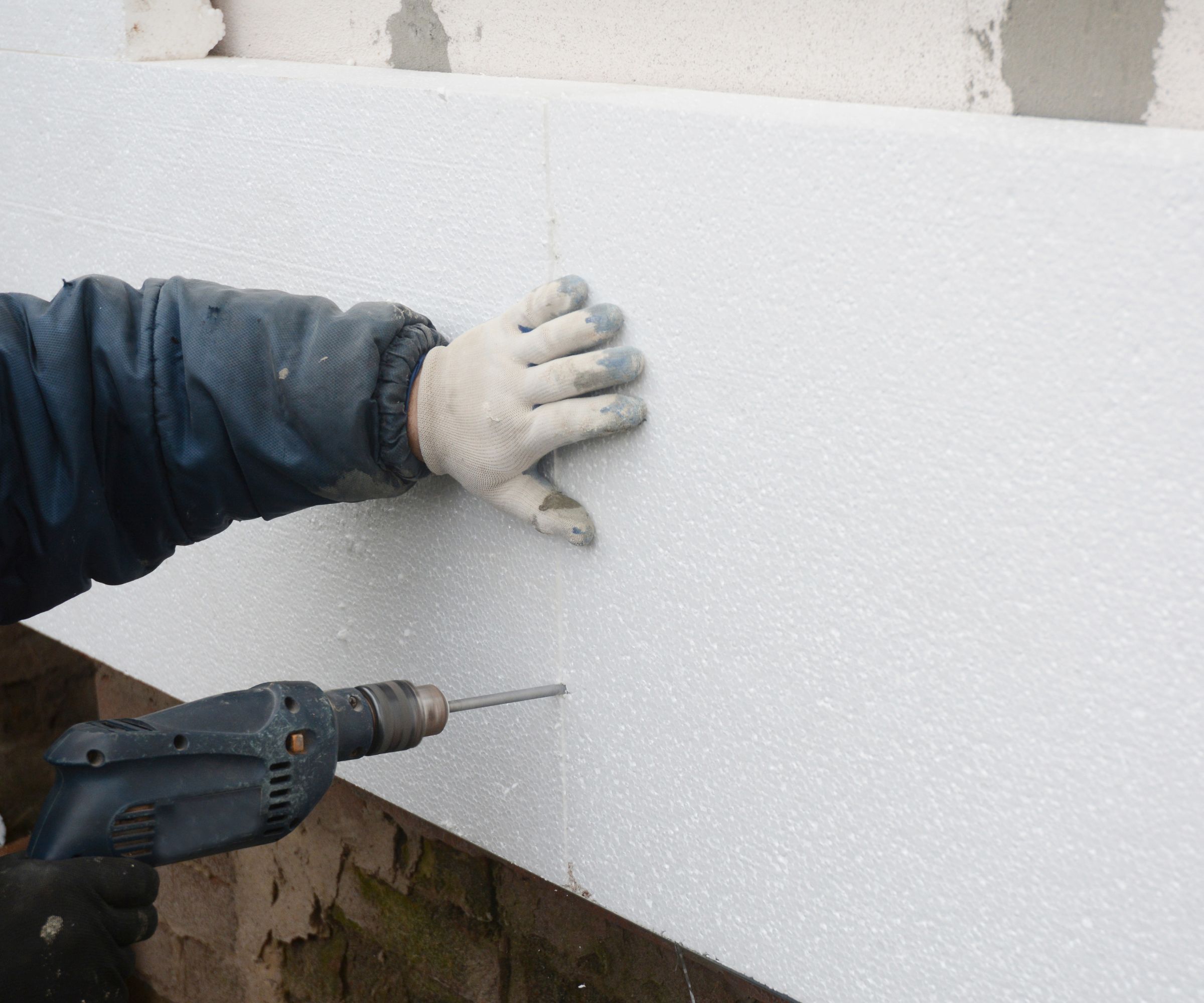
Unsightly retrofit installations are a more cosmetic concern. CWI involves drilling holes in exterior walls to inject insulation. While good contractors will patch these holes effectively and they tend to fade over time, poor cover-ups can detract from a home's appearance. Prospective clients should research installers thoroughly, inquire about their patching methods, and seek feedback from previous customers regarding insulation performance, aesthetic outcomes, and after-sales support.
If cavity wall insulation problems arise, the first step is to contact the original installer for assessment and remedial work. If they are unresponsive or out of business, the guarantee or warranty provider should be consulted. If all else fails, an independent surveyor can be hired for an assessment. Some properties are unsuitable for CWI, particularly those in exposed locations prone to wind-driven rain or lacking a damp-proof course. Properties with porous bricks or narrow cavities are also unsuitable. In such cases, alternative solutions like external wall insulation may be more appropriate. A thorough pre-installation assessment, including a probe camera inspection of the cavity, by a registered installer is crucial to avoid costly removal of unsuitable insulation and to ensure the work is covered by a guarantee.
#CavityWallInsulation #HomeInsulation #DampAndMould #EnergyEfficiency #HomeMaintenance #PropertyRenovation #InsulationProblems #HomeImprovement #Ventilation #CavityWallInsulation #HomeInsulation #DampAndMould #EnergyEfficiency #HomeMaintenance #PropertyRenovation #InsulationProblems #HomeImprovement #Ventilation
0 comment in total
 No comments yet
You may also like
6 areas of your home you should never insulate – and why it's a hazard that can do more harm than good

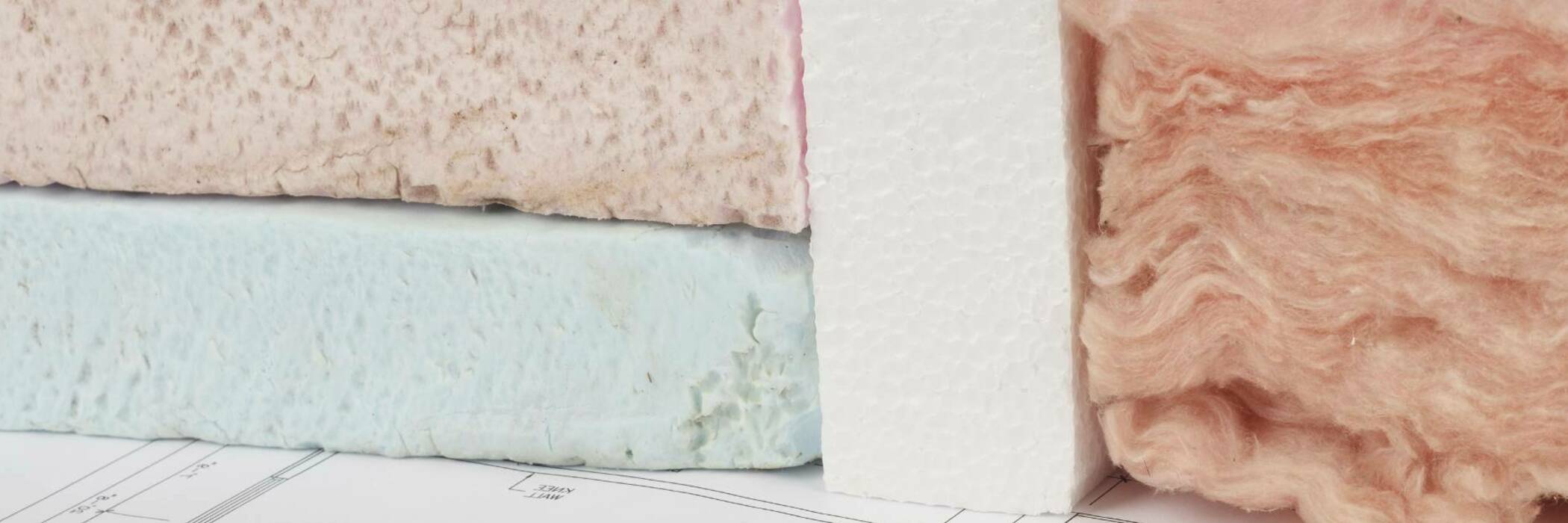
Home insulation materials

Podcast 563: Caulking Old Siding, Tearing Into Leaky Walls, and HVAC in Unconditioned Attics

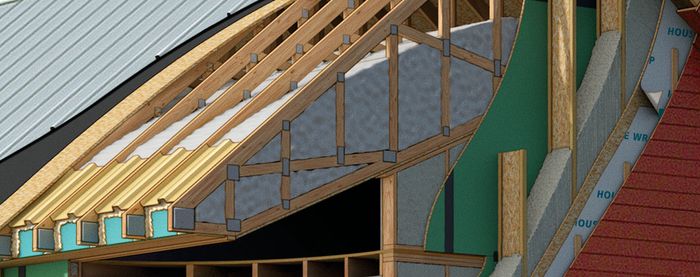
Insulate Your Basement, Part 3

How to insulate a cold wall from the inside, and why the type of wall you have matters
How to 'warm up' cold walls and 'protect' your home from condensation and mould growth
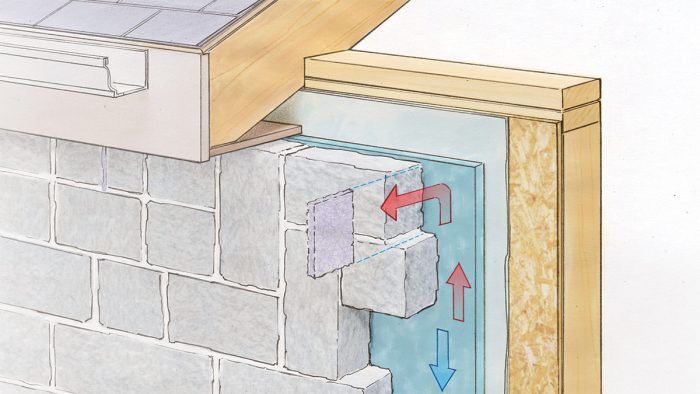
How to Remediate A Damp Exterior Wall Cavity
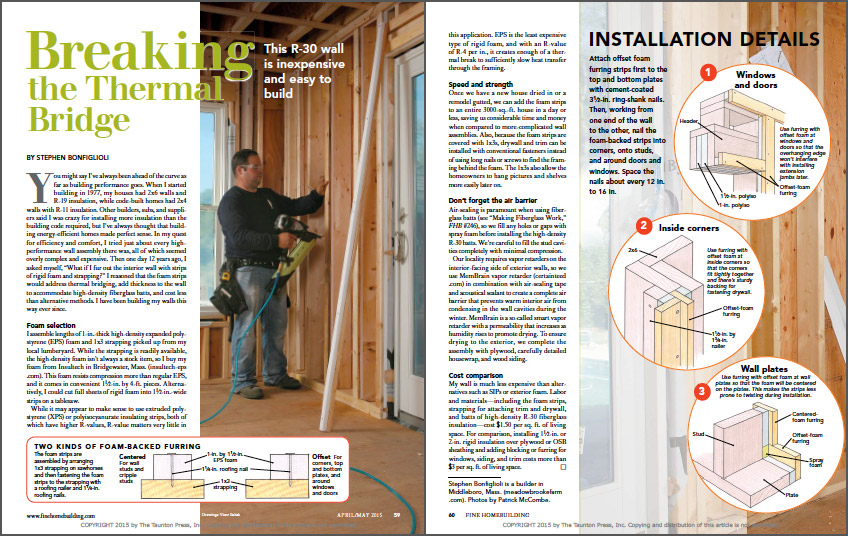
An Easy Way To Build a Well-Insulated House

Avoid insulating these spots as it can cause damp and mould

When Insulation in the Roof Isn’t There
Podcast 209: Exterior Caulk, Tub Drains, and Adding Insulation to Leaky Walls
9 basement insulation ideas
How to Install Dense-Packed Cellulose Insulation in Walls

5 ways to insulate a wall to lower your energy bills and block out noise – and which ones are a mistake to DIY
After Researching Over 20 Options for Exterior Walls Insulation, There is One Clear Winner

6 types of attic insulation and how to pick one for your home
What to Consider When Choosing Insulation
Loft Insulation

Podcast 193: Understanding Permeability, Insulating Behind Fiberboard Sheathing, and Building a Patio Door
Insulating an Old House from the Outside