
How to Install Dense-Packed Cellulose Insulation in Walls
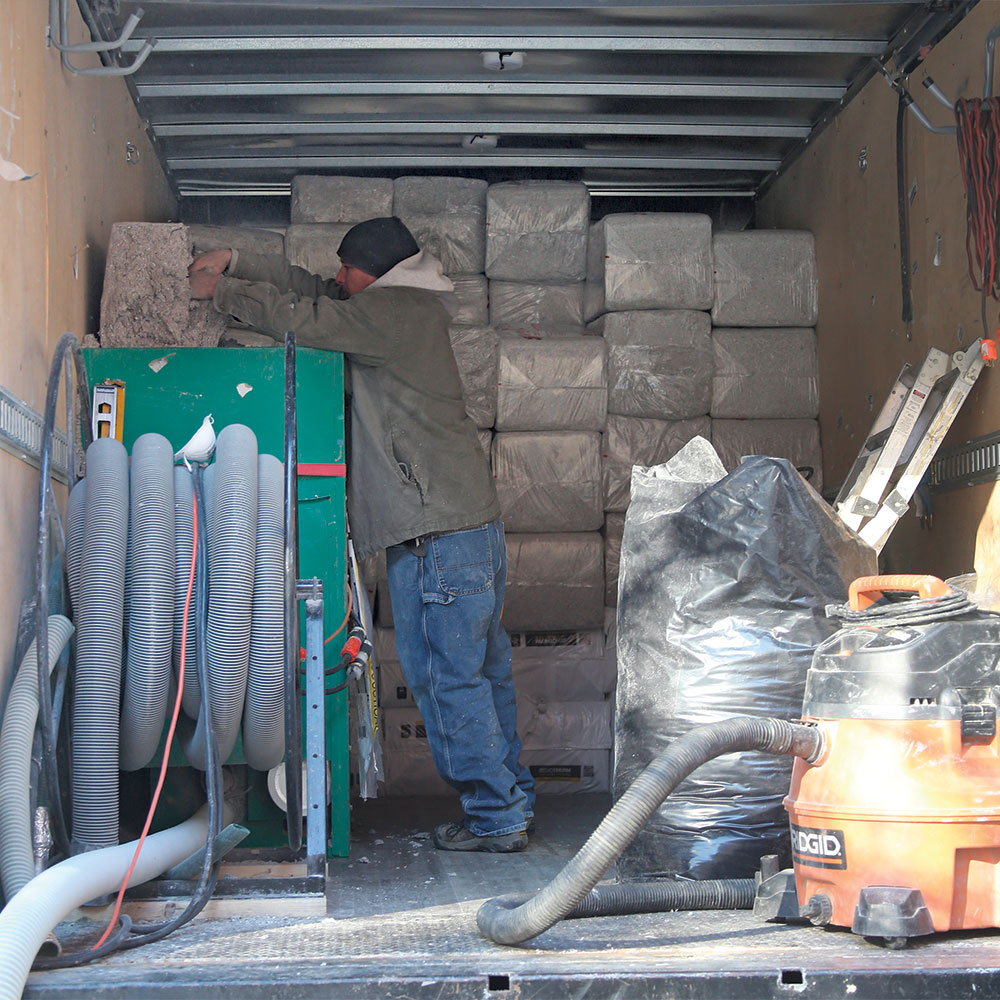
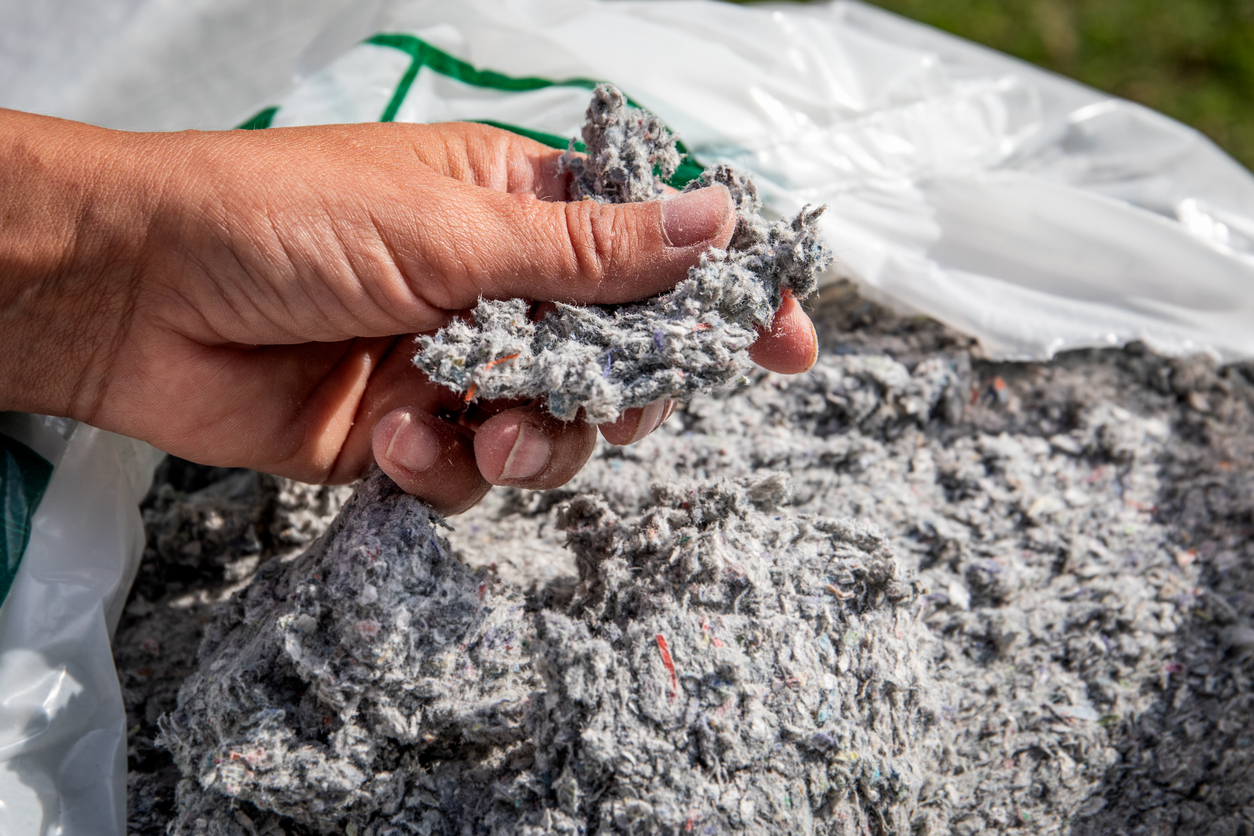
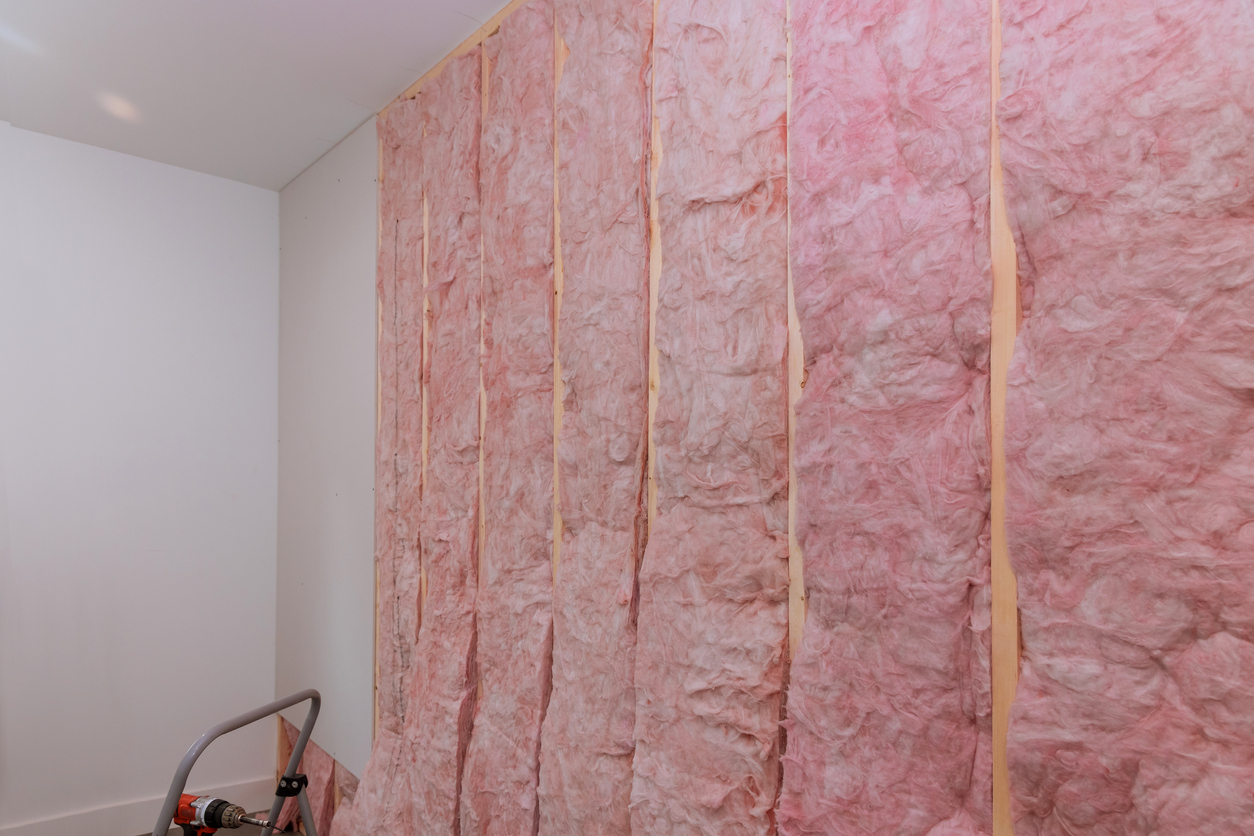
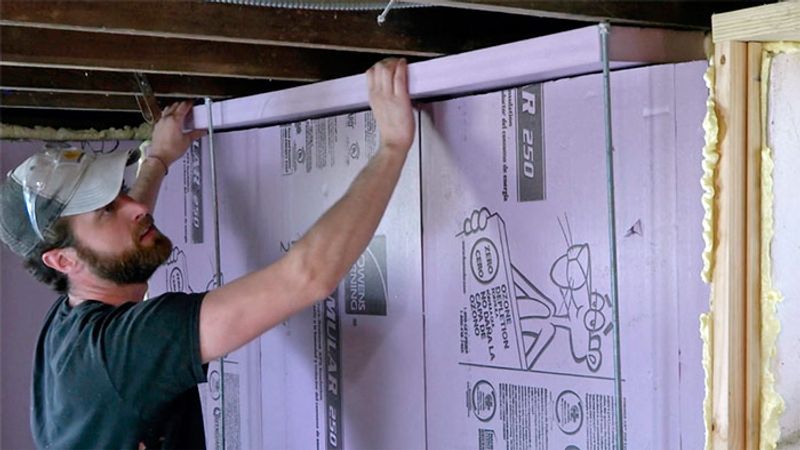
This blog post provides a comprehensive guide on the proper techniques for installing dense-packed cellulose insulation within wall cavities, based on insights from National Fiber representatives Bill Hulstrunk and Chris White at NESEA’s Building Energy 13 conference. Cellulose, derived from recycled newspaper, offers an R-value of approximately R-3.6 to R-3.7 per inch when installed at a density of 3.5 pounds per cubic foot. The installation process involves several critical steps and considerations.
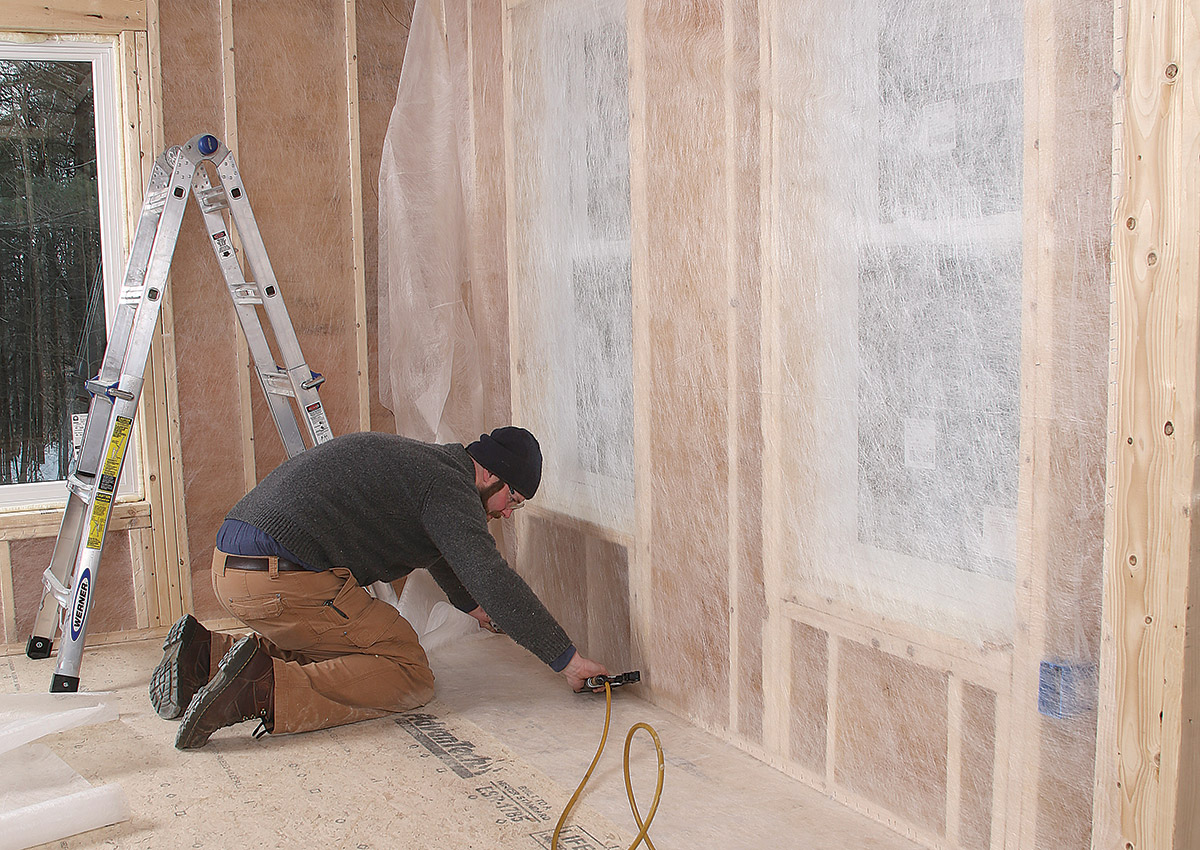
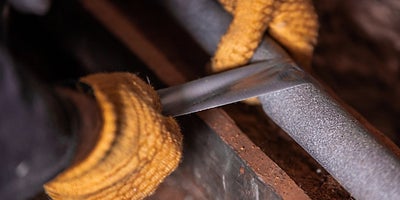
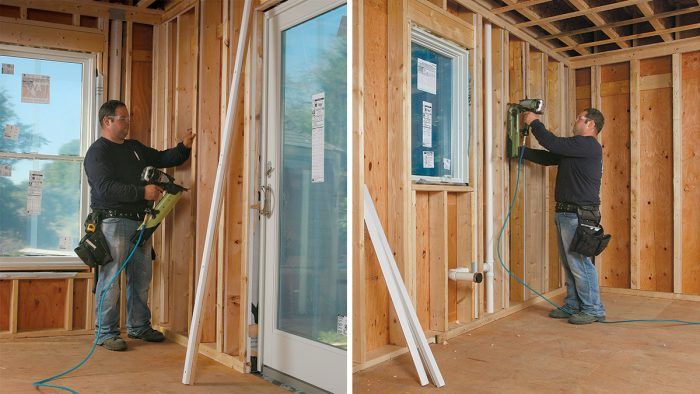
The article addresses various practical questions related to the installation, starting with the preparation of the wall cavity. For instance, it details the optimal tools for cutting InsulWeb fabric, recommending either scissors or a utility knife, and specifies the best tool for stapling InsulWeb. It also clarifies the maximum recommended spacing between staples to ensure proper containment of the insulation. Powering pneumatic staplers requires an air compressor, and the blog post outlines the minimum specifications for such equipment.
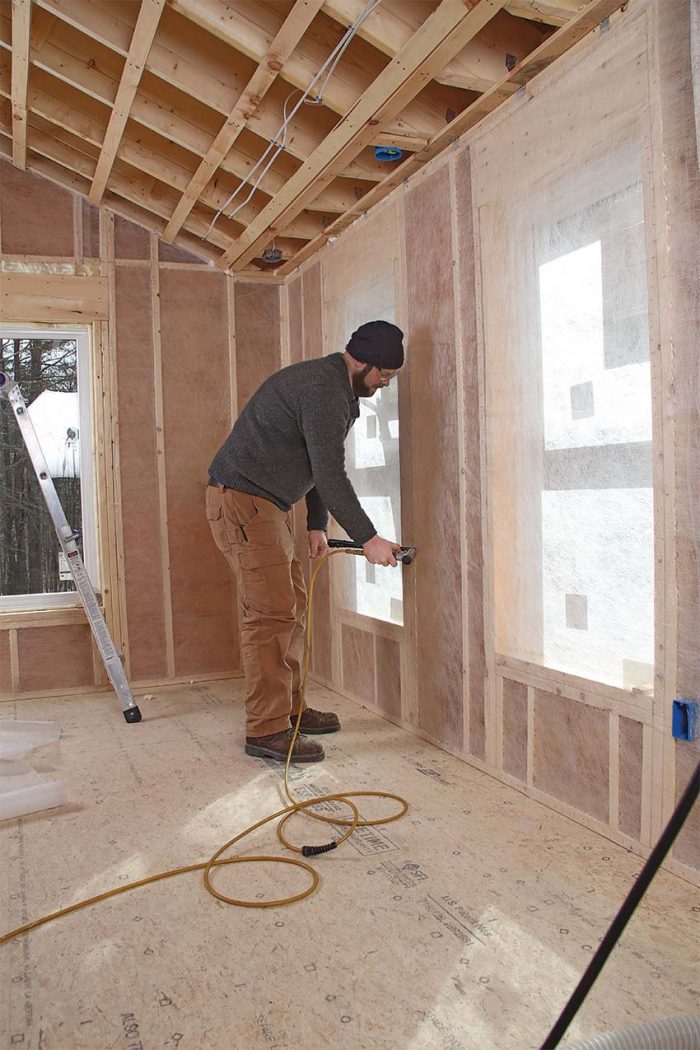
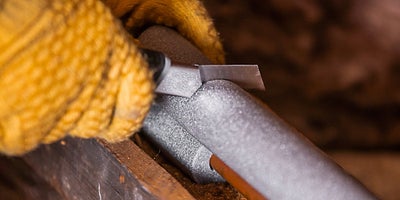
Techniques for filling the cavity are also covered, including 'lip stitching,' explaining when this method is necessary. A crucial aspect is creating the entry point for the cellulose tube; the article describes the tool used to make a hole in the InsulWeb for this purpose. Guidance is provided on where to aim the tube initially when filling an empty stud cavity to achieve uniform distribution.
Monitoring the density of the cellulose during installation is essential. The article explains how to determine when the insulation has reached the desired 3.5 pounds per cubic foot density. It also offers solutions for common issues, such as when the insulation bulges out beyond the studs, known as 'belly-out.'
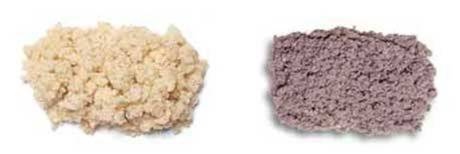
The blog post also compares different cellulose insulation methods, specifically contrasting damp-sprayed cellulose with dry dense-packed cellulose, highlighting any potential advantages of the former. It also discusses how to identify if damp-spray cellulose has been installed with an excessive amount of water, which can lead to problems. Lastly, the article addresses the feasibility of installing cellulose insulation behind InsulWeb in stud cavities spaced 24 inches on center, providing practical advice for this scenario.
In addition to installation techniques, the discussion touches upon the benefits of cellulose insulation, such as its sound-proofing capabilities, noting that it can reduce noise levels by up to 45%. This makes it a suitable option for improving the acoustic comfort of a home. Furthermore, it highlights cellulose's advantage in insulating existing walls by allowing for small holes to be drilled, filled, and then sealed, offering a less intrusive retrofit option. However, one comment in the discussion section raises a concern about mice potentially nesting in cellulose insulation, suggesting it is not irritating like fiberglass and provides suitable living quarters for them.
#CelluloseInsulation #DensePacked #WallCavities #InsulationInstallation #GreenBuilding #HomeImprovement #NESEA #BuildingEnergyConference #SoundProofing #CelluloseInsulation #DensePacked #WallCavities #InsulationInstallation #GreenBuilding #HomeImprovement #NESEA #BuildingEnergyConference #SoundProofing
0 comment in total
 No comments yet
You may also like
How Install Dense-Pack Cellulose Insulation Like a Pro
Home insulation materials

After Researching Over 20 Options for Exterior Walls Insulation, There is One Clear Winner
Next-generation precast insulated wall panels

5 ways to insulate a wall to lower your energy bills and block out noise – and which ones are a mistake to DIY

How to insulate a loft


Cavity wall insulation problems – what can go wrong
An Easy Way To Build a Well-Insulated House
Old Drafty House Owners: The Pros and Cons of Retrofit Insulation

Insulate Your Basement, Part 3

How to insulate a cold wall from the inside, and why the type of wall you have matters
Fight Mold With Paperless Drywall

It's a wrap: External wall insulation for your home

Podcast 209: Exterior Caulk, Tub Drains, and Adding Insulation to Leaky Walls

How to insulate a loft or roof

The Versatility of Drywall in Architecture: Pros and Cons


How to install fabric walling – the unique alternative to wallpaper
Loft Insulation

DIY shiplap walls: How to install shiplap on wall

Foam wall panelling is the latest DIY hack going viral on TikTok - the results are impressive, but is it a good idea?