1/2
It's a wrap: External wall insulation for your home
External Wall Insulation (EWI), also known as "the wrap" or external-thermal-insulating-composite-systems (ETICS), is a significant topic in home improvement. This method involves systematically applying insulation to the exterior surface of all outside walls, typically above the DPC at 150mm. EWI is the most expensive type of wall insulation but is generously supported by individual grants from the Sustainable Energy Authority of Ireland (SEAI) and can also be grant-aided through the Vacant Property Refurbishment grant scheme, though not simultaneously. SEAI grants range from €3,000 to €8,000 depending on the property type. It can also be combined with cavity fill insulation, which is grant-aided up to €1,700.
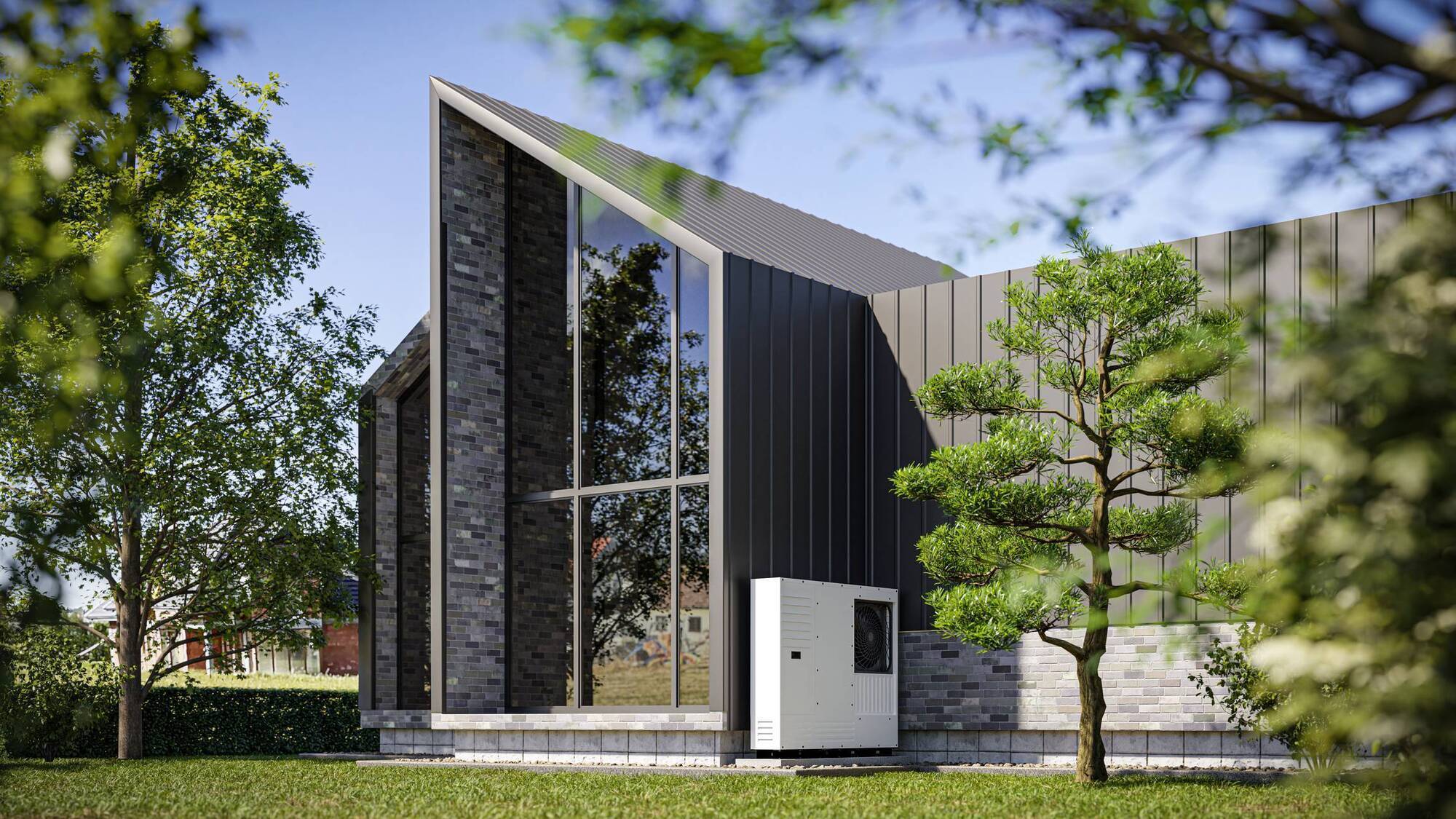
EWI is usually implemented as part of a comprehensive, deep-renovation project, alongside other substantial improvements to the house's fabric, such as thorough insulation, cavity fill, window replacements, stringent air-tightness measures, and heat-recovery ventilation. The goal is to create a building efficient enough to be heat-pump ready, featuring appropriately managed air exchanges, absence of drafts, and superior heat retention throughout. A primary advantage of EWI over internal insulation is that it does not reduce internal living space, as the walls become thicker on the exterior.
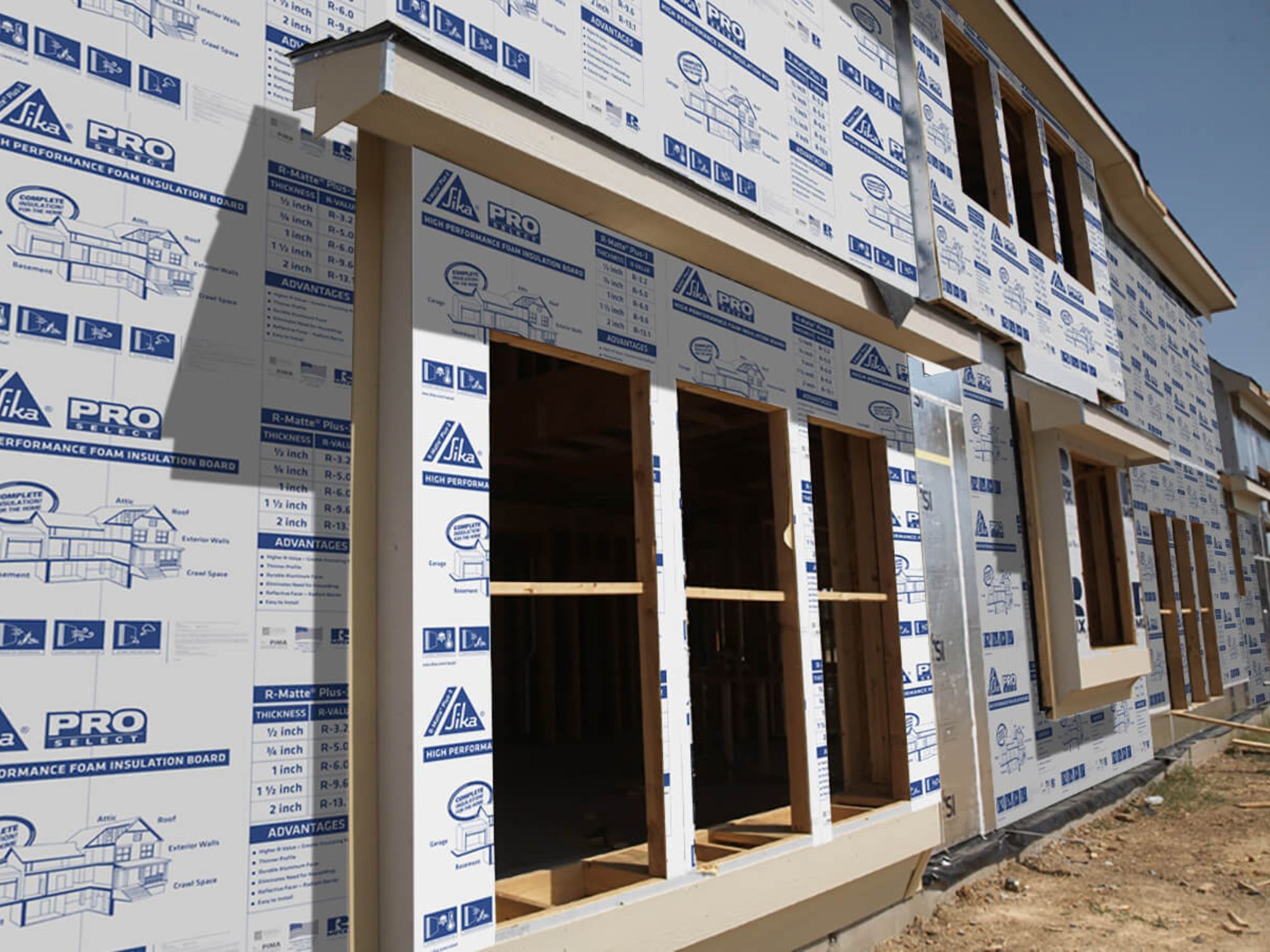
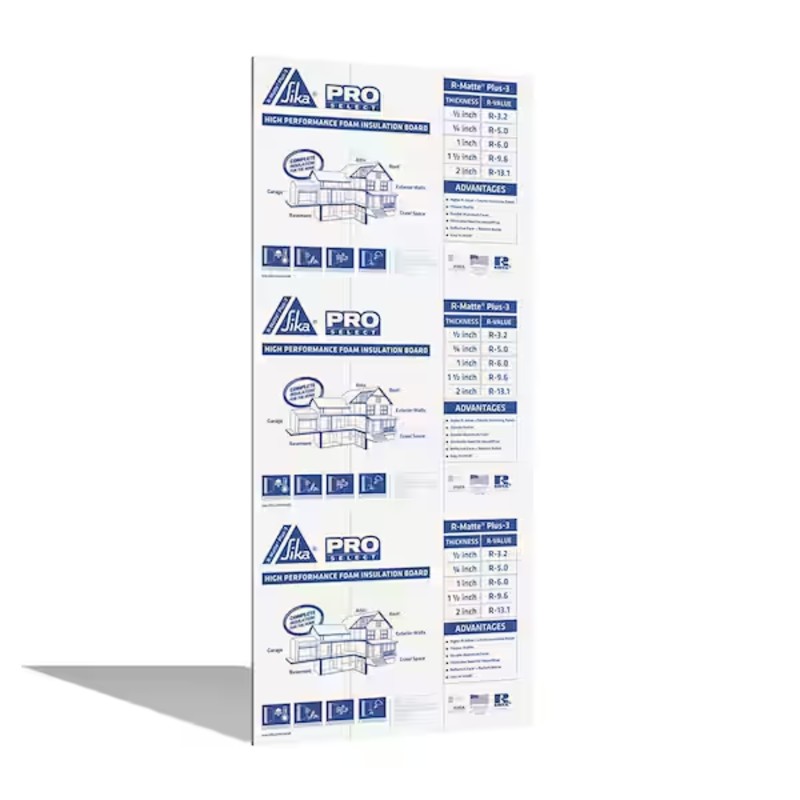
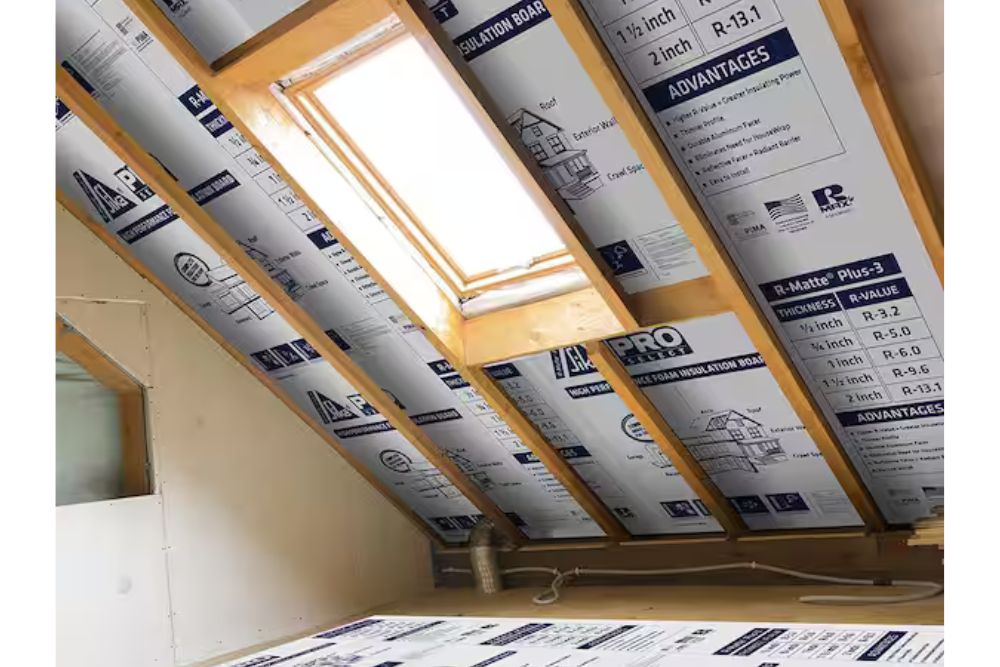
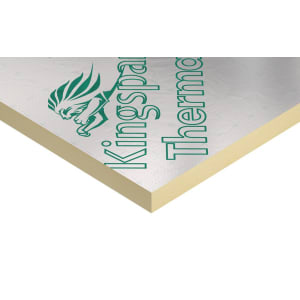
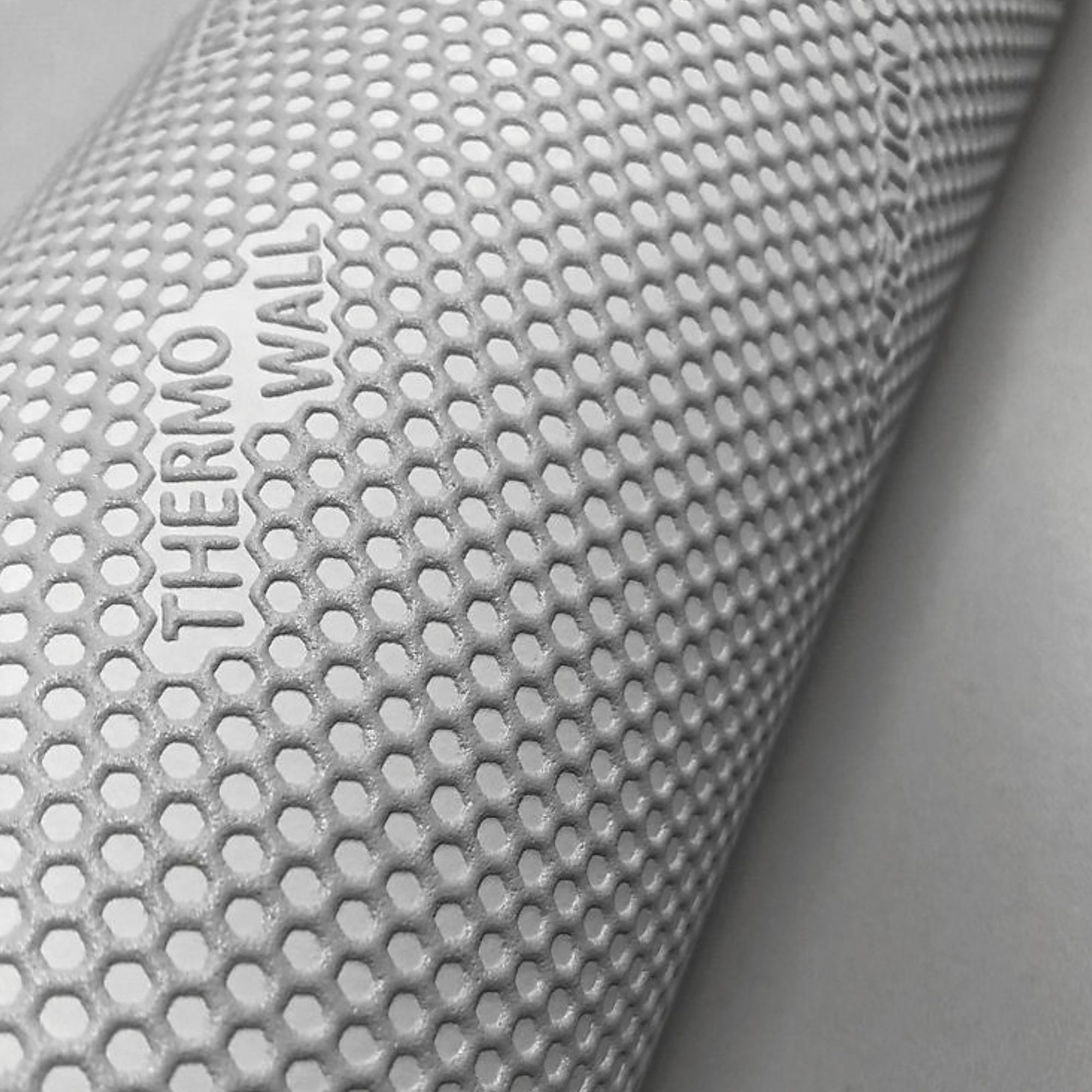
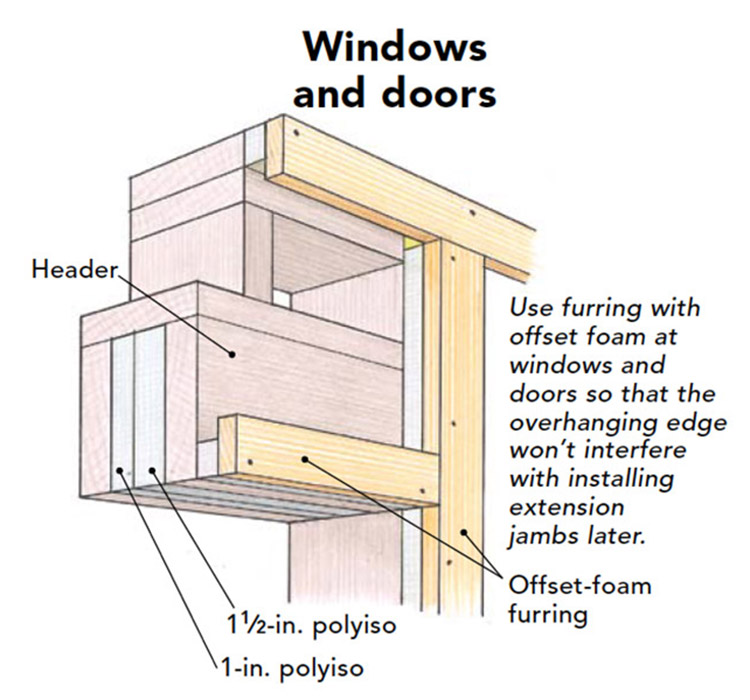
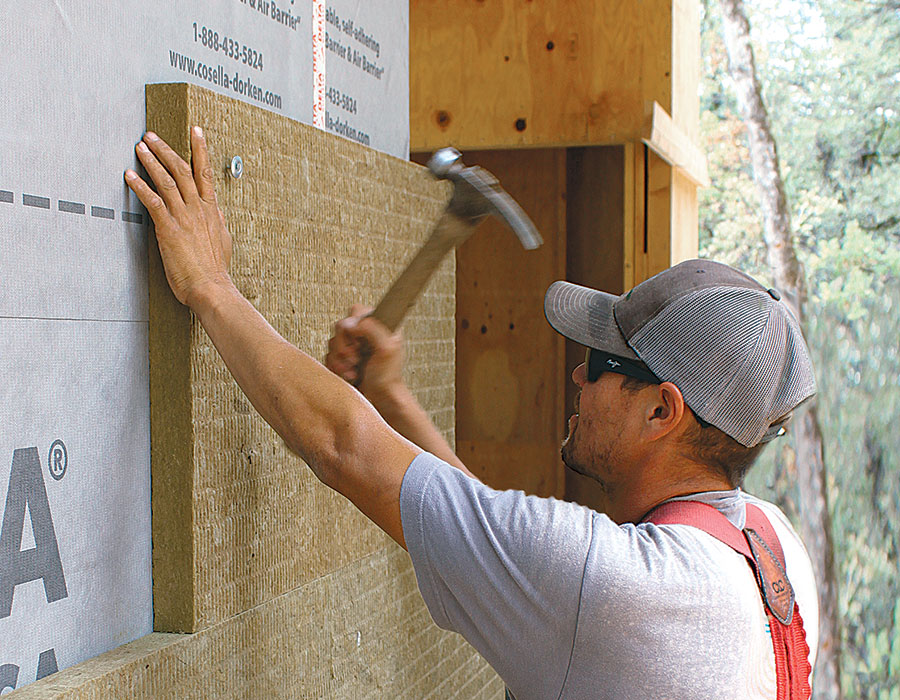
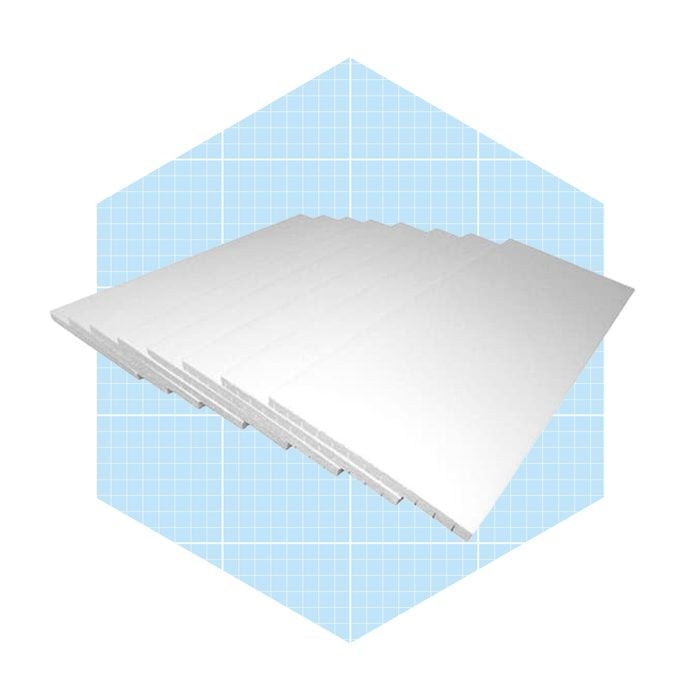
The process involves attaching insulation boards, made from expanded polystyrene or mineral wool slabs, to the existing wall using a specialized adhesive. A dedicated base coat is then applied, followed by a wire or glass-fiber fabric reinforcing mesh. This mesh is subsequently covered with a self-colored render. The final depth of the insulated wall can be between 150mm and 200mm, with insulation also applied to reveals around windows and doors, and all windowsills.
The benefits of EWI are substantial. It can be applied to all or part of an existing building and yields the most noticeable improvements in homes with poor energy efficiencies, typically those with BER ratings in the E to G range. EWI significantly improves the U-values of exterior walls, which measure the rate of heat loss. After EWI installation, U-values can drop to as low as 0.27 or even 0.21, comparable to a new A-rated home. This can lead to considerable fuel energy savings, potentially up to 30% in homes previously struggling with inefficient fossil fuel boilers. The increased air-tightness resulting from EWI necessitates managed ventilation, contributing to consistent, dry, and warm conditions in winter, and healthy air exchanges year-round.
Beyond functional benefits, EWI also provides an aesthetic upgrade, giving a visual facelift to older renders and brickwork. Most providers offer a variety of colors and textures for the self-colored finishes. Homes with EWI, especially when combined with new windows, undergo a significant visual transformation, recognizable by a subtle overhang and deep window reveals at ground level.
However, EWI is not suitable for timber or steel frame construction, or for solid, heritage walls that require "breathing" to manage internal condensation. For these types of structures, traditional wicking-style internal insulation solutions, such as hemp, wood-fiber, or cork-boards with lime renders, working from the inside out, are recommended. The SEAI has introduced a pilot program to assist with the costs of deep renovations for these heritage properties, with conservation-focused architects or engineers providing guidance.
Variations exist among EWI systems, but all products listed on the SEAI register must possess NSAI agreement certification. It is crucial to ensure that no insulation method interferes with the wall's intended ventilation process. Professional advice is essential, even if not pursuing the SEAI grant. In terms of disruption, EWI is generally less intrusive than internal insulation, allowing occupants to remain in the home during the process, although significant noise and activity will occur. A standard three-bedroom semi-detached house typically takes about two weeks for EWI installation. It's important to consult the local planning authority, as EWI can alter the home's exterior by more than 25%, triggering Part L stipulations. Budget considerations should include potential additional builder's costs for alterations to roof lines or roof structure ventilation. The NSAI advises obtaining quotes that explicitly include all associated works, such as relocating electrical and gas services, and modifying external drainage. The choice of a trusted installer is paramount, as the contract is directly with the installation firm, not the SEAI or NSAI.
#ExternalWallInsulation #HomeRenovation #EnergyEfficiency #SEAI #GrantAid #HomeImprovement #UValue #BuildingInsulation #SustainableEnergy #ExternalWallInsulation #HomeRenovation #EnergyEfficiency #SEAI #GrantAid #HomeImprovement #UValue #BuildingInsulation #SustainableEnergy
0 comment in total
 No comments yet
You may also like
Home insulation materials


5 ways to insulate a wall to lower your energy bills and block out noise – and which ones are a mistake to DIY

The best floor insulation options for your home, explained
Prep for Winter Weather with These 8 Window Insulation Kits

After Researching Over 20 Options for Exterior Walls Insulation, There is One Clear Winner
An Easy Way To Build a Well-Insulated House

Sheathing and Insulation in One
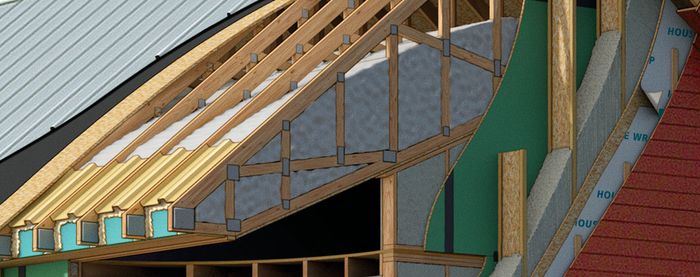
How Install Dense-Pack Cellulose Insulation Like a Pro
The 4 areas of your home pros say to always insulate to keep it toasty in colder weather – plus, where to never insulate

6 Expert-Backed Ways to Keep Cold Air—and High Energy Bills—Out of Your House This Winter


How to fix a drafty door – 6 ways to stop cold air getting through

How to draught-proof a front door — expert-approved tips to shut out the cold and prevent internal heat from escaping
Winterize Those Drafty Windows Now (Save Money on Heating Bills Later)
Loft Insulation

What to Consider When Choosing Insulation
This is how to get your roof and loft insulation right so that your home stays warm and energy efficient all winter long

How to insulate a cold wall from the inside, and why the type of wall you have matters
Podcast 209: Exterior Caulk, Tub Drains, and Adding Insulation to Leaky Walls

The 6 Best Garage Door Insulation Kits for Temperature Control


How to insulate your period house