1/12
How Install Dense-Pack Cellulose Insulation Like a Pro
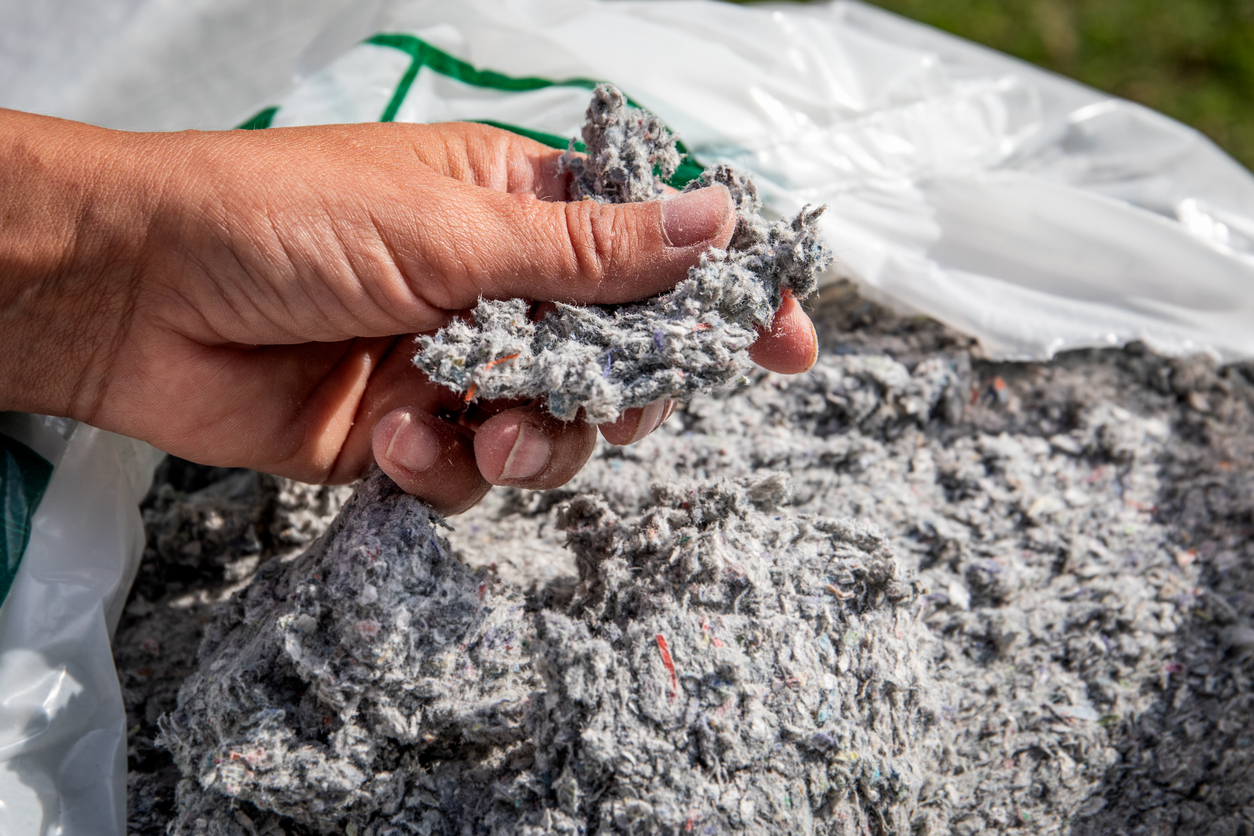
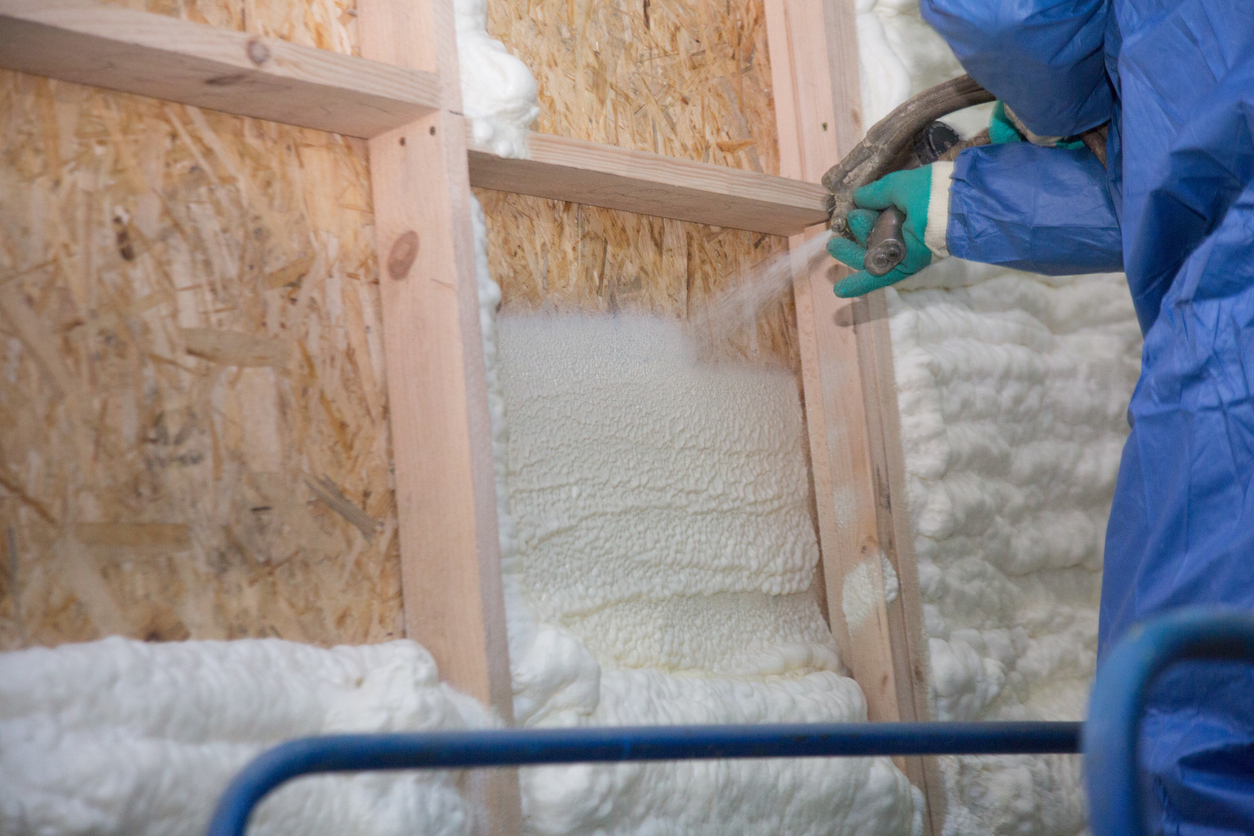
This article details the proper techniques for installing dense-pack cellulose insulation, highlighting the differences between a quality installation and a substandard one. The author, Jon Riley, shares his background in weatherization, inspired by his father's work in energy audits and affordable homeownership programs. He emphasizes his preference for dense-pack cellulose over spray foam, citing its effectiveness in stopping air movement, hygroscopic nature, and environmental benefits such as being made from recycled materials, non-toxic, and resistant to flame and pests. Unlike spray foam, cellulose installation allows homeowners to remain in the house, and it can be installed in freezing temperatures without additional heating costs.
The core of a proper dense-pack cellulose installation lies in achieving the correct density, typically between 3-1/2 lb. to 4 lb. per cubic foot. This density ensures the insulation is self-supporting, preventing settling over time and maintaining optimal thermal performance. The article points out that many contractors, driven by price pressure or lack of training, often fail to achieve this critical density, leading to inferior results that are not immediately visible. The author's company meticulously tracks bag count against the manufacturer's coverage chart to verify density, ensuring consistency and quality.
For new construction, installing dense-pack cellulose requires the use of an air-permeable netting, such as Insulweb, stapled over the framing. This netting's primary purpose is to contain the cellulose during the blowing process until it reaches a self-supporting density. A crucial technique described is "lip-stitching," where the netting is stapled along the corners of studs or framing members, creating continuous lines of staples that manage the intense pressure from the blower and prevent excessive bulging that could interfere with drywall installation. The article provides a step-by-step guide for installing this netting, including fastening along top and bottom plates, trimming around openings, and dividing deep cavities to ensure uniform density throughout.
The filling process involves a specialized hose system, beginning with a larger diameter hose that gradually steps down to a smaller "whip" hose, typically 1-1/2-in. or 2-in. in diameter. This smaller whip is essential for packing the cellulose tightly enough to achieve the required density, especially in deep or complex cavities. The technique involves filling from the bottom up, then from the top down, with the whip slowly withdrawn as the cavity fills. Special attention is paid to odd-shaped or hidden cavities, which are marked and filled strategically to avoid blind spots. Small cavities, less than 2 inches, are filled with canned spray foam.
The article also touches upon the equipment and materials used, advocating for high-quality cellulose that is clean and treated with boric acid rather than cheaper, more corrosive alternatives like ammonia or magnesium sulfate. It describes a typical three-person crew workflow, emphasizing efficiency, careful monitoring of material usage, and site cleanliness. While acknowledging that some DIYers attempt this with rental machines, the author strongly advises against it due to the low pressure of such machines, which makes achieving adequate density nearly impossible. Instead, it is recommended to hire a specialty subcontractor, with homeowners advised to prepare the site, ensure adequate power supply, and insist on tracking the number of insulation bags used to verify the quality of the installation.
#DensePackCellulose #HomeInsulation #EnergyEfficiency #Weatherization #BuildingScience #ConstructionTechniques #GreenBuilding #InsulationInstallation #AirSealing #DensePackCellulose #HomeInsulation #EnergyEfficiency #Weatherization #BuildingScience #ConstructionTechniques #GreenBuilding #InsulationInstallation #AirSealing
0 comment in total
 No comments yet
You may also like
How to insulate a loft

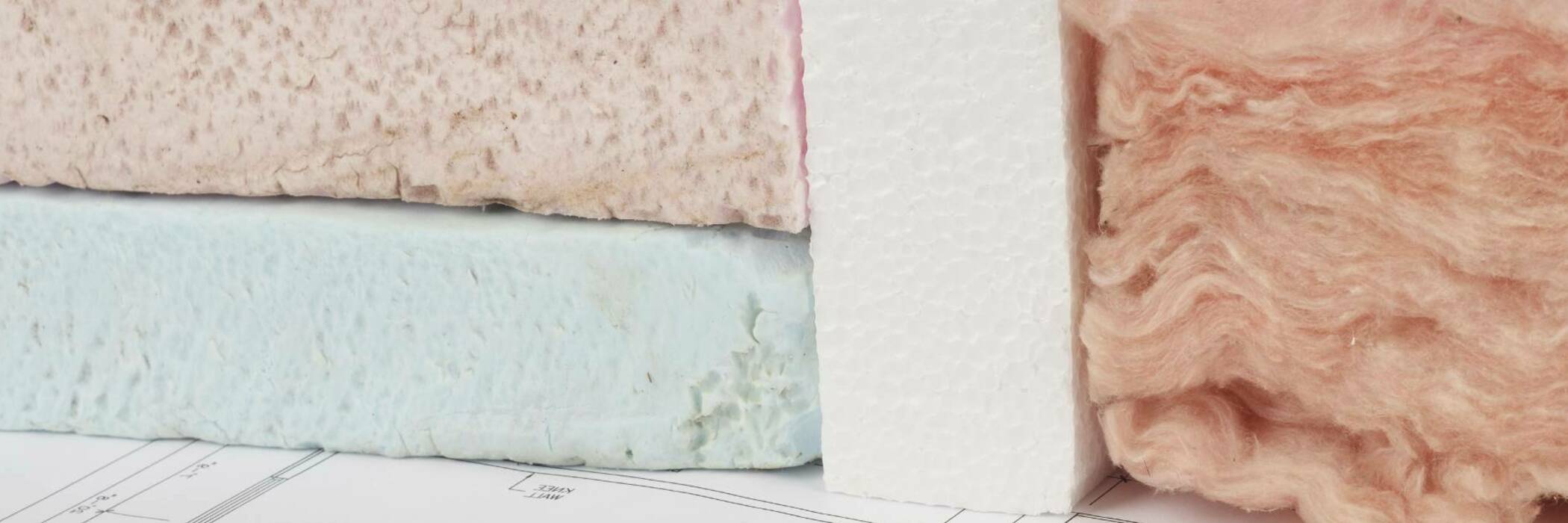
Home insulation materials


6 types of attic insulation and how to pick one for your home


It's a wrap: External wall insulation for your home

Podcast 209: Exterior Caulk, Tub Drains, and Adding Insulation to Leaky Walls

Loft Insulation
Winterize Those Drafty Windows Now (Save Money on Heating Bills Later)
This $8 hack to keep the cold out works almost as well as double glazing
How to insulate a loft or roof
![The best insulation installers in Canberra [Updated for 2025]](https://gstatic.ideal.house/news/images/da0069e1118d47929213ceb5f5c2e8d4.jpg)
The best insulation installers in Canberra [Updated for 2025]

The 4 areas of your home pros say to always insulate to keep it toasty in colder weather – plus, where to never insulate

A New Take on Insulating a Roof
How to Install Dense-Packed Cellulose Insulation in Walls
Old Drafty House Owners: The Pros and Cons of Retrofit Insulation


The best floor insulation options for your home, explained
Mrs Hinch shows how she gets her curtains looking picture perfect – using pipe insulation


5 ways to insulate a wall to lower your energy bills and block out noise – and which ones are a mistake to DIY
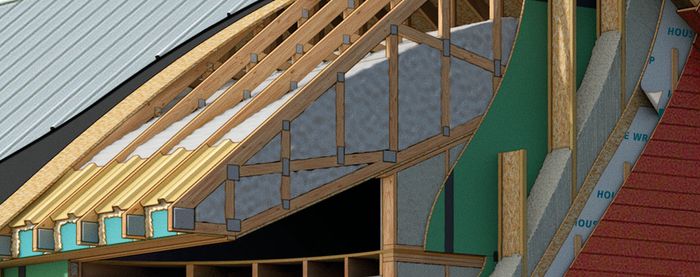
An Easy Way To Build a Well-Insulated House
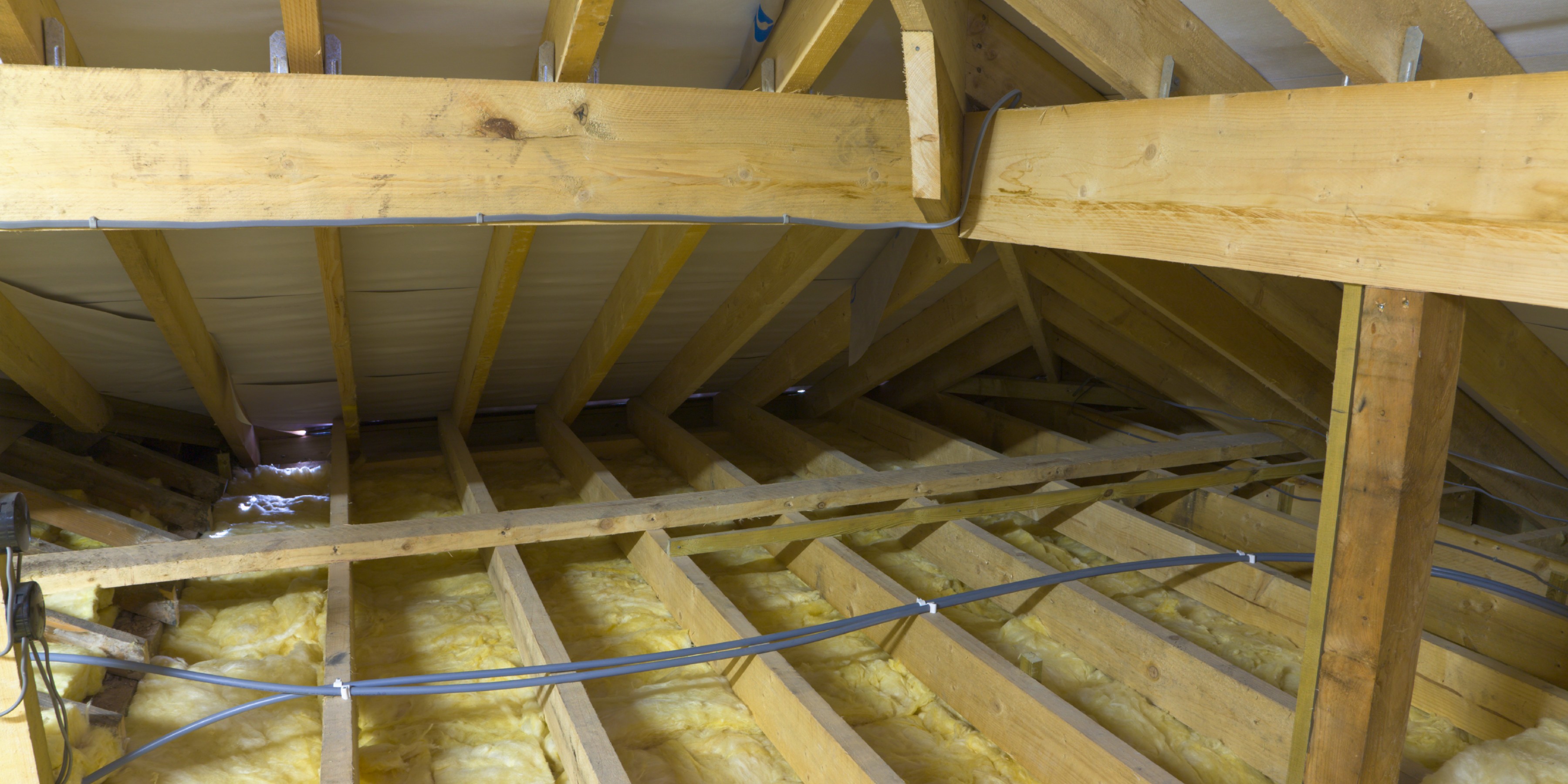
This is how to get your roof and loft insulation right so that your home stays warm and energy efficient all winter long
Insulate Your Basement, Part 2