1/5
After Researching Over 20 Options for Exterior Walls Insulation, There is One Clear Winner
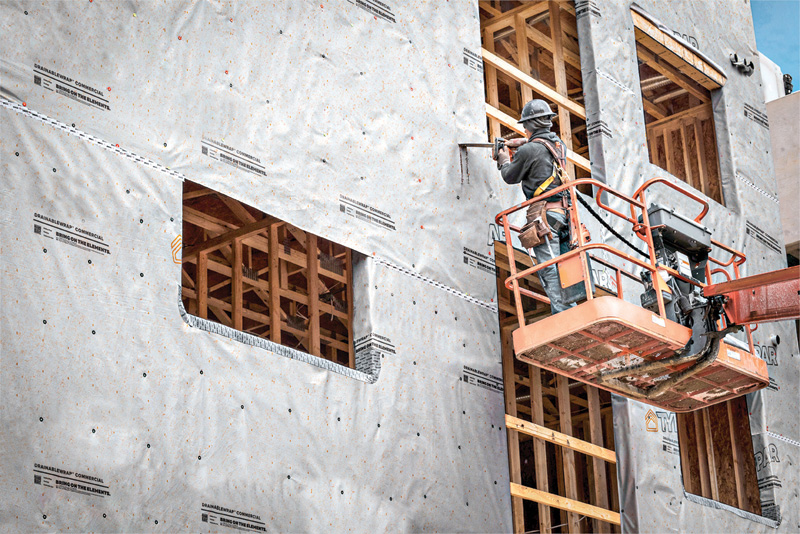
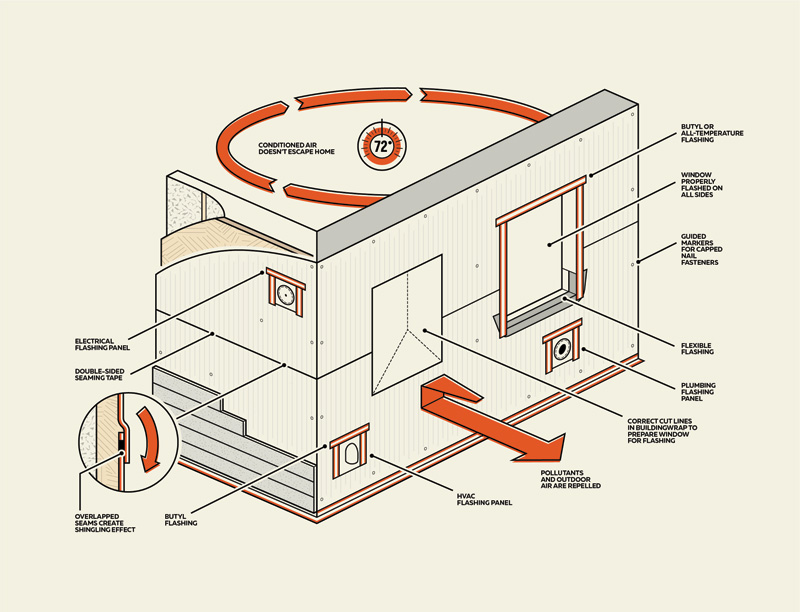
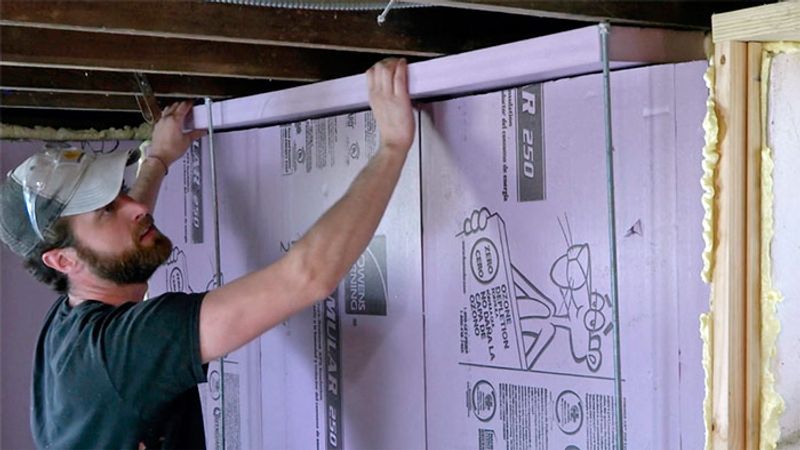
Reducing heat and air conditioning loss through exterior walls is crucial for energy efficiency, lower utility bills, and environmental benefits. However, selecting the right insulation can be complex due to various material options, installation methods, and factors like home structure and climate. This guide analyzes popular exterior wall insulation options, focusing on their performance and installation considerations. Sika Rmax Pro Select Polyiso Insulation Board is highlighted as the top choice due to its versatility, ease of use, and high R-value per inch, making it suitable for both indoor and outdoor applications where space is limited.
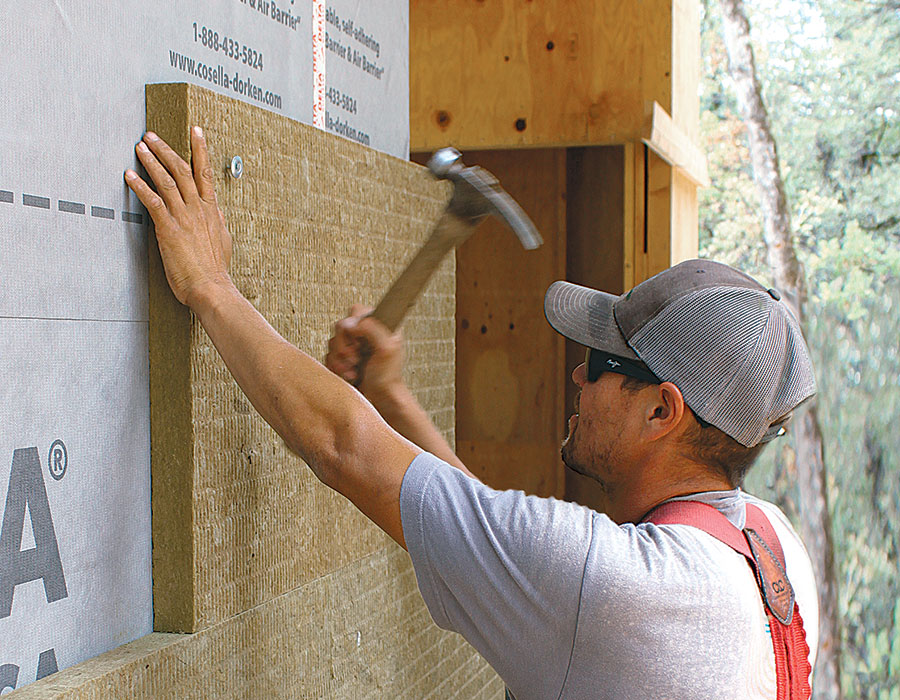
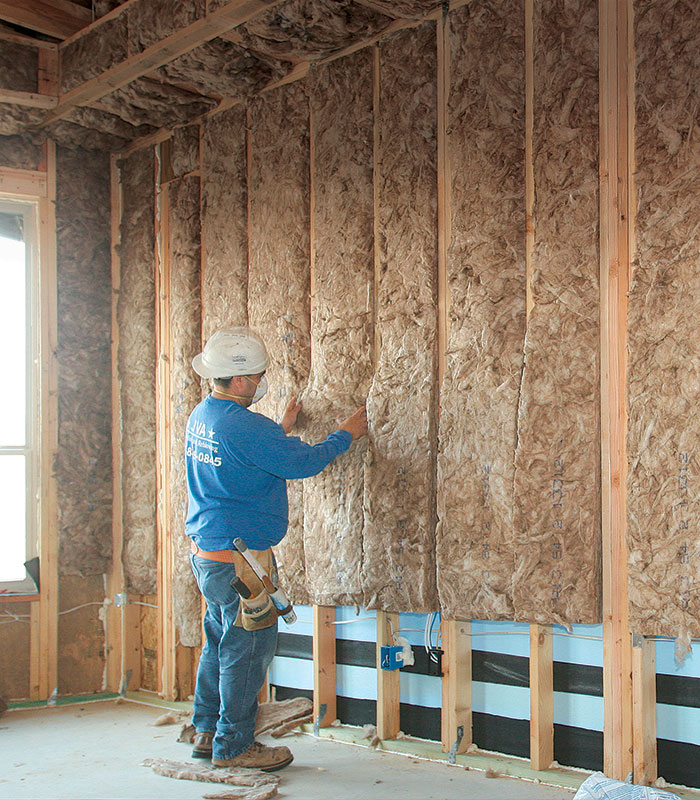
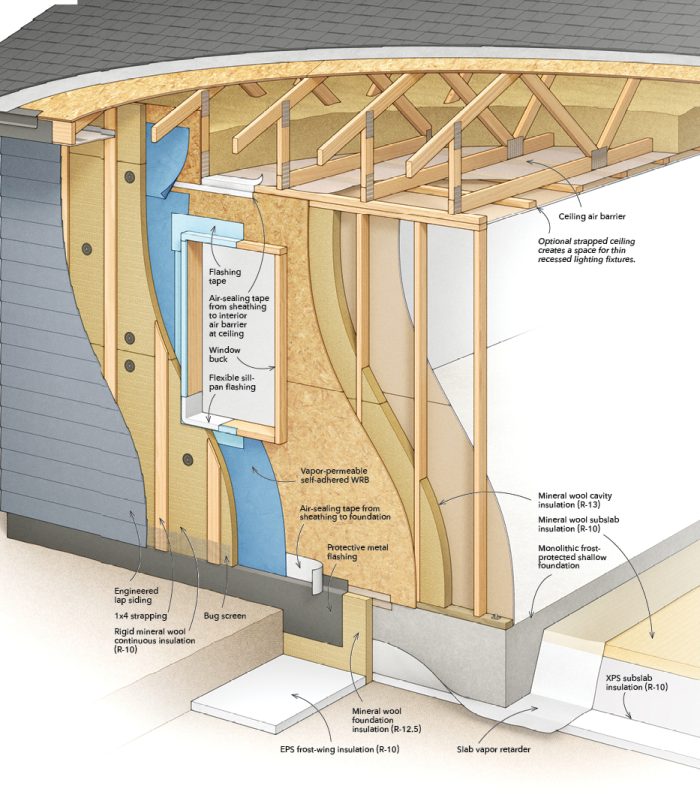
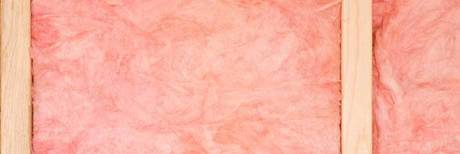
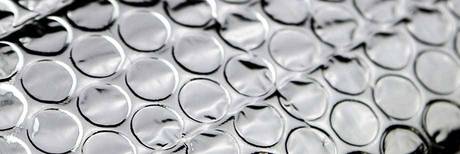
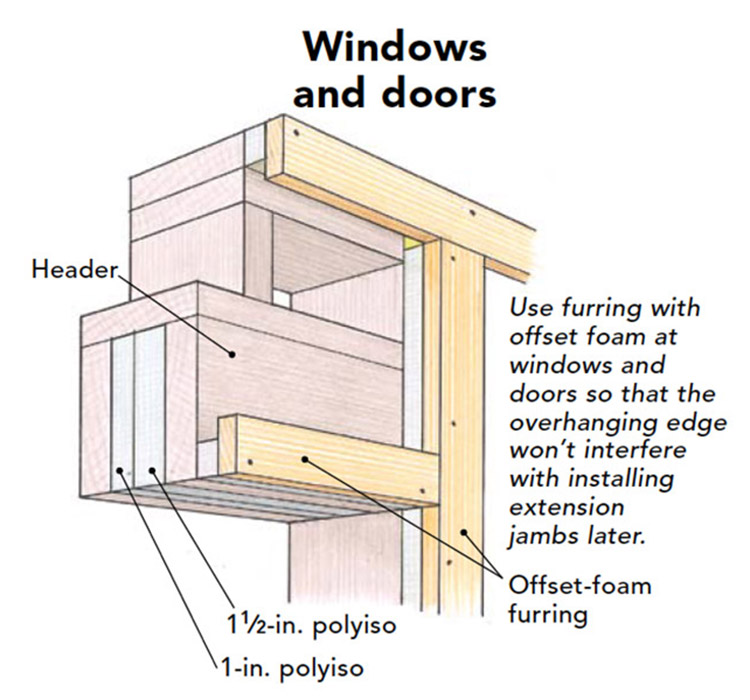
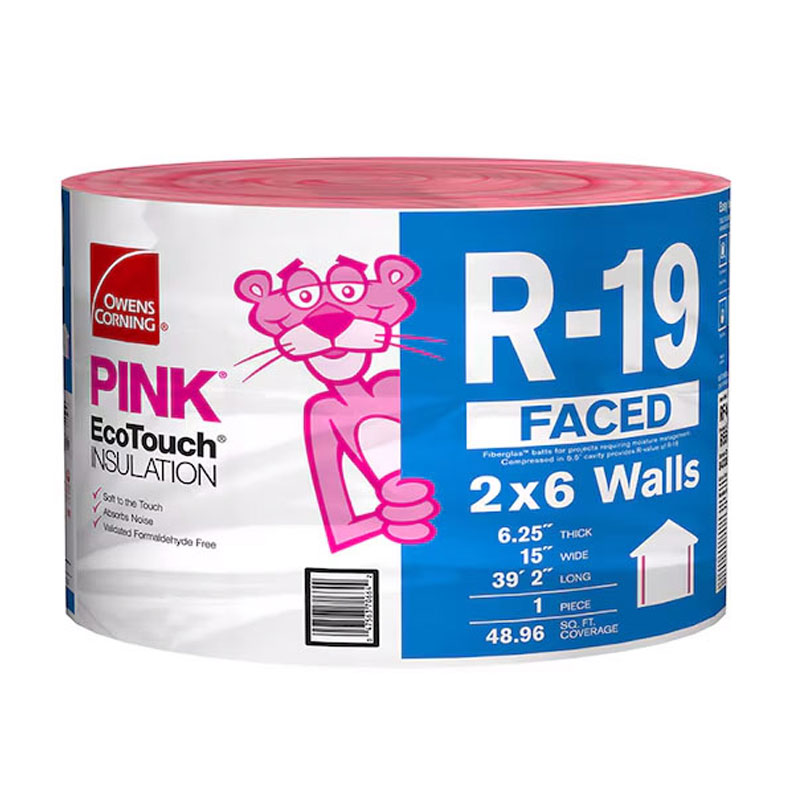
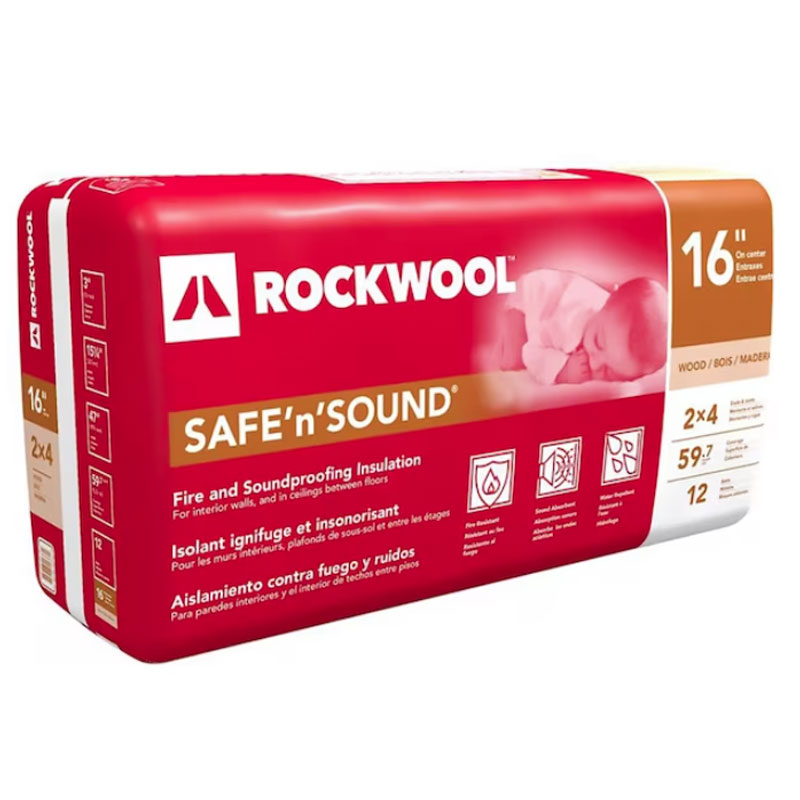
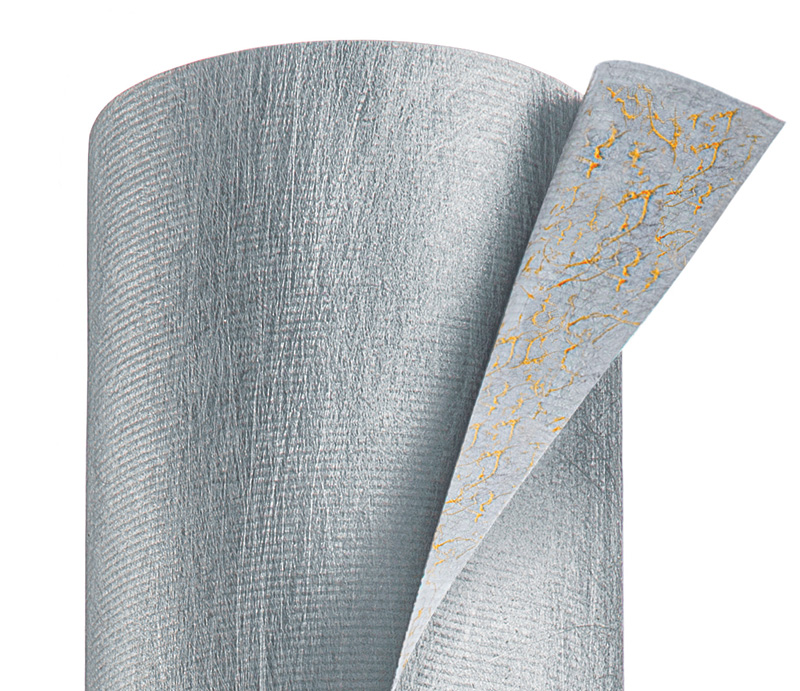
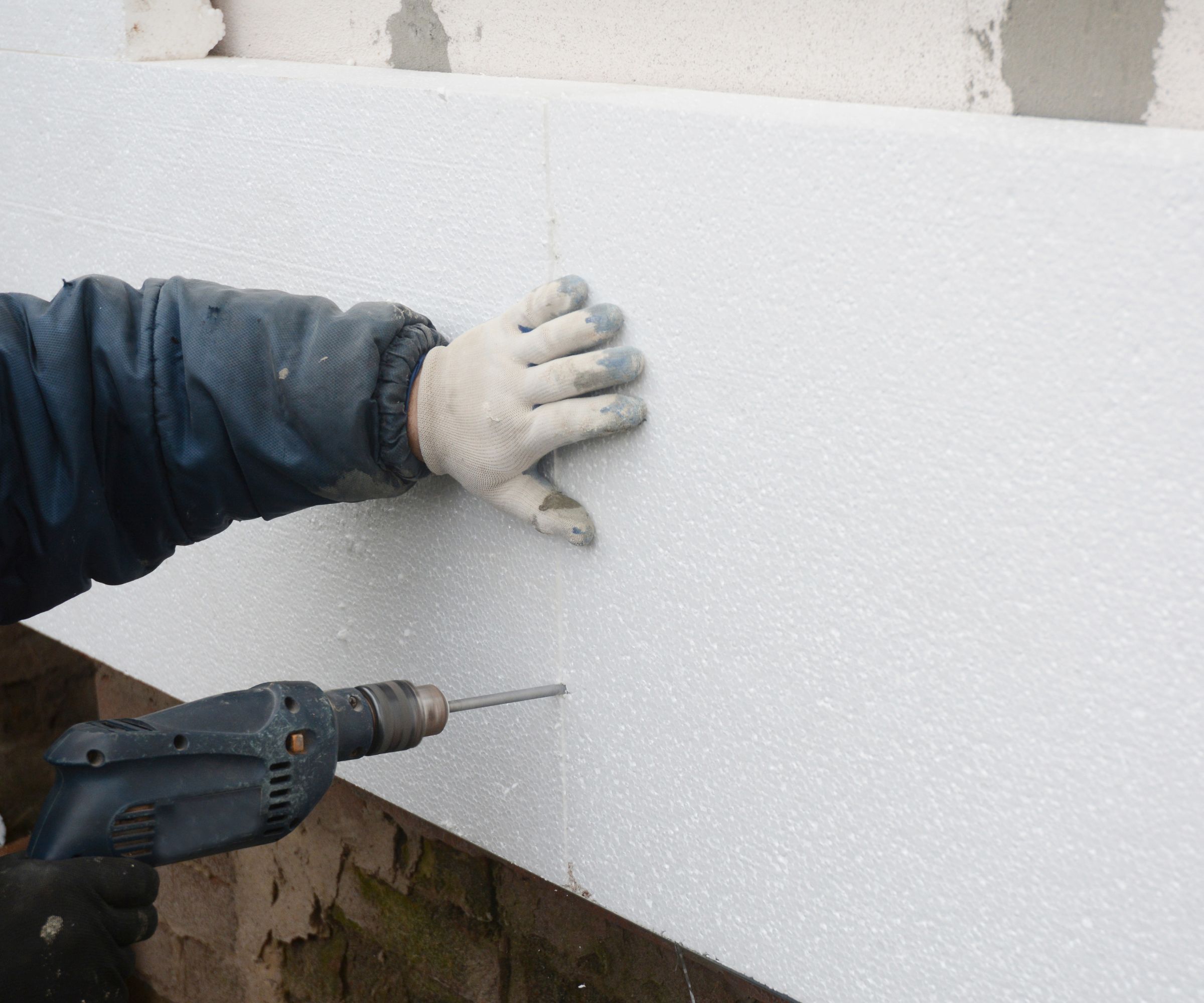
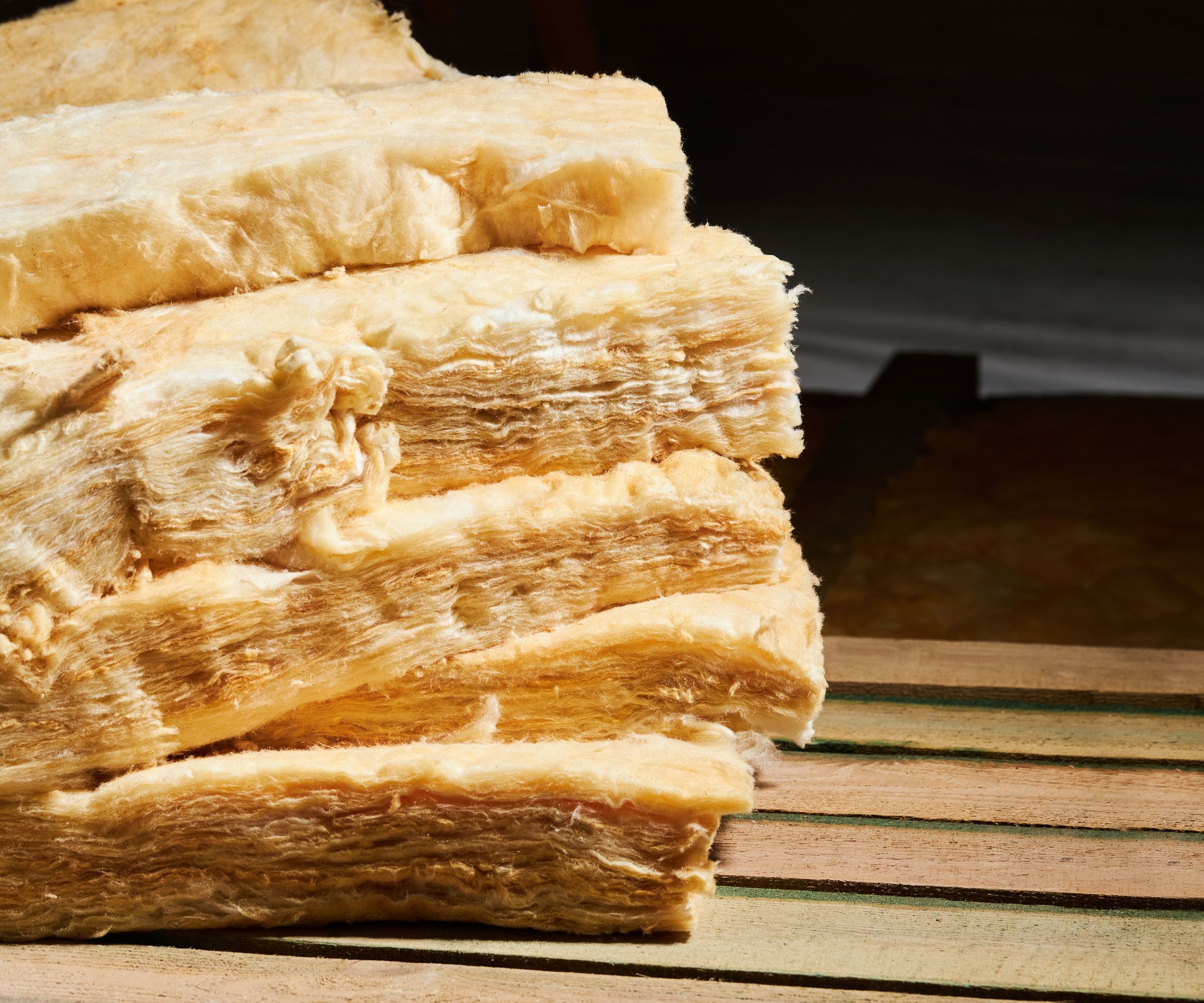
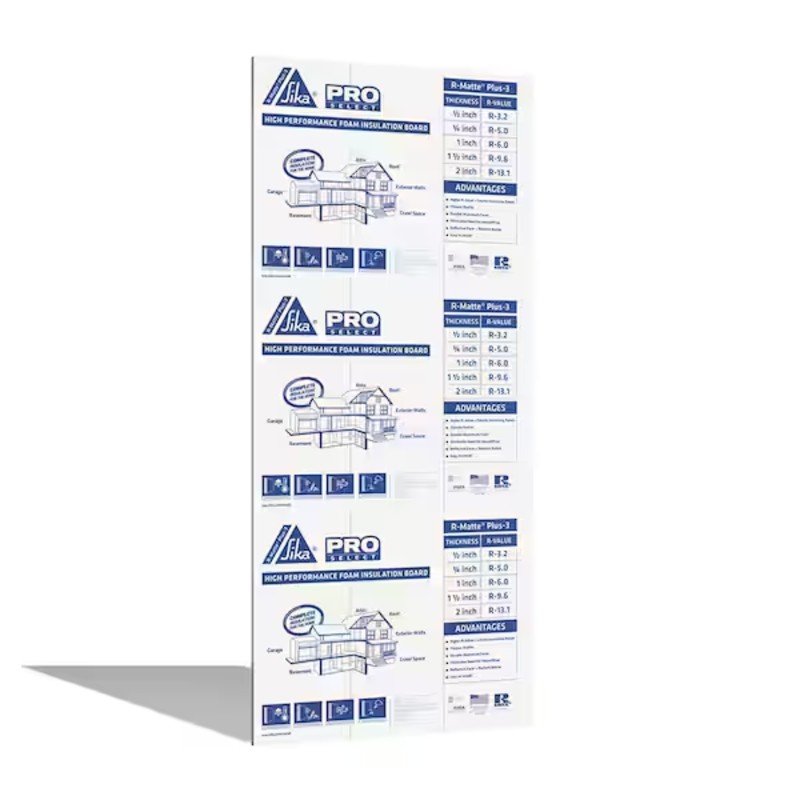
Sika Rmax Pro Select Polyiso Insulation Board, a dense foam insulation sheet, excels in its ability to be used both internally and as exterior cladding. Its polyiso foam composition uses pentane, an environmentally friendlier organic replacement for CFCs. The boards feature a white side and a reflective side, allowing them to function as an air/water barrier or a radiant barrier for exterior use. With an R-value of 13.1 at just 2 inches thick, it offers a high insulation performance in a thin profile. An important advantage is its continuous insulation property, covering wall studs and cavities to prevent heat loss through the entire wall assembly, unlike batts or blown-in insulation which only fill cavities. Despite being more expensive than some alternatives and requiring careful handling due to potential damage, its benefits often outweigh these drawbacks. Other effective insulation types include mineral wool rolls (like Rockwool ComfortBatt), extruded polystyrene (XPS) foam boards (Kingspan Greenguard), fiberglass rolls (Owens Corning), and fiberglass batts (Johns Manville).
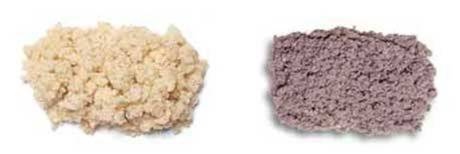
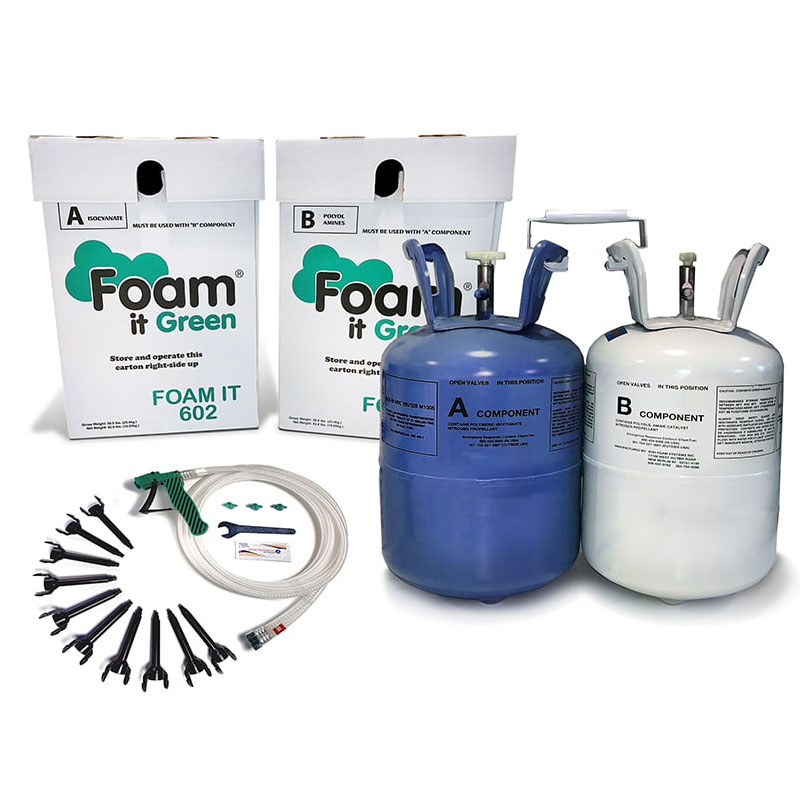
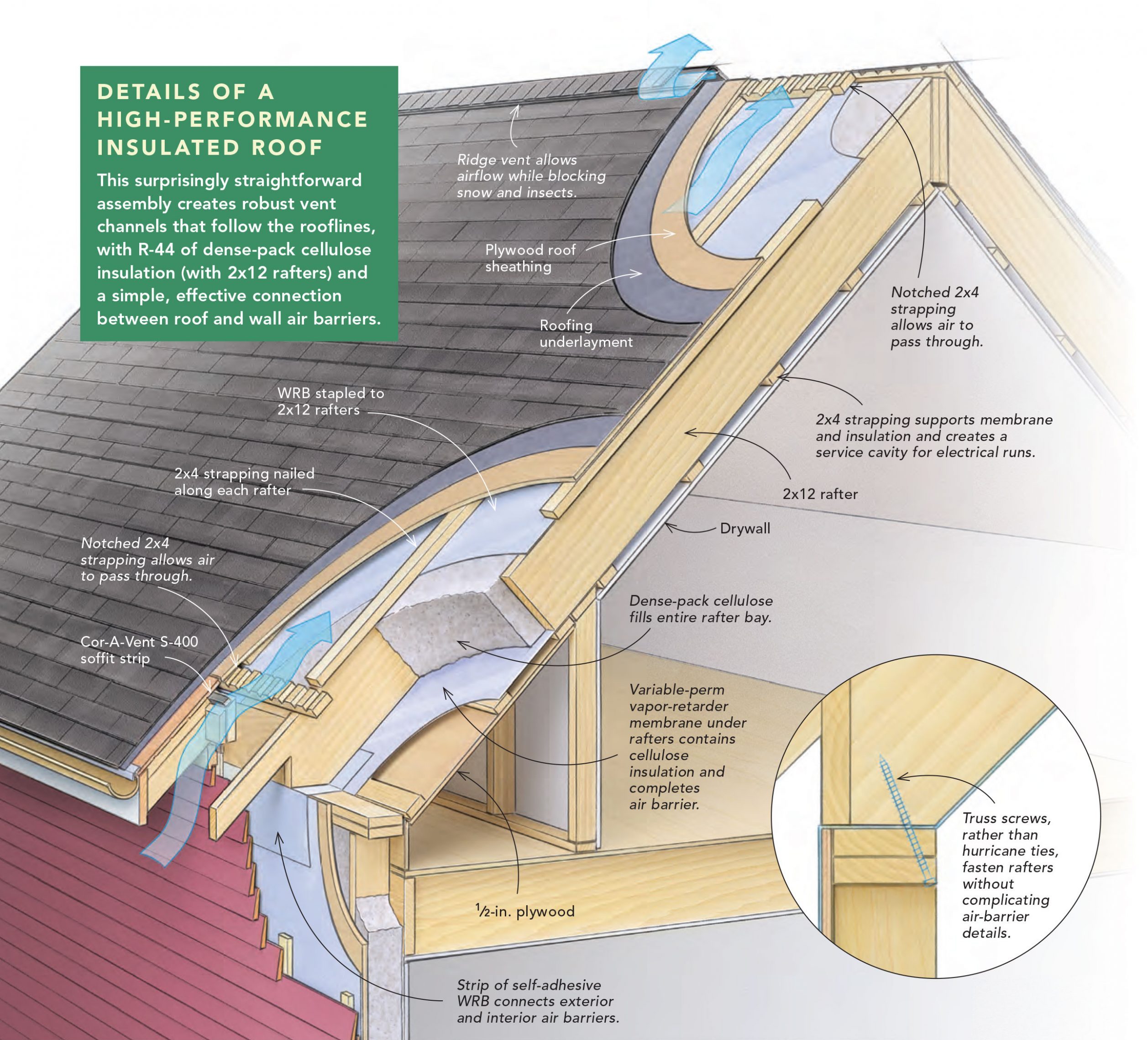
When choosing exterior wall insulation, several factors are important. The R-value, a measure of thermal resistance, indicates how well a material prevents heat transfer; higher values mean better insulation. However, the ideal R-value depends on the climate zone and specific home needs, with excessive R-value potentially leading to unnecessary expense. Thickness is also a significant consideration, especially for interior installations where wall space is limited. Foam boards generally offer higher R-values for less thickness compared to fiberglass or mineral wool. Different insulation types, including foam board, fiberglass, mineral wool, spray foam, and cellulose, each have unique properties, installation requirements, and environmental impacts. For instance, fiberglass is affordable but can cause irritation, while spray foam and cellulose typically require professional installation. Architect Baraa Yakzan emphasizes the importance of considering fire rating, and permeability to air and vapor to prevent moisture issues and mold, which can impact the insulation's effectiveness and lifespan. The presence and type of vapor barrier should also be determined based on the local climate. Fiberglass insulation, while durable, is not suitable for outdoor use due to its susceptibility to mold and mildew.
#ExteriorWalls #HomeInsulation #EnergyEfficiency #RValue #PolyisoInsulation #FiberglassInsulation #MineralWool #BuildingMaterials #HomeImprovement #ExteriorWalls #HomeInsulation #EnergyEfficiency #RValue #PolyisoInsulation #FiberglassInsulation #MineralWool #BuildingMaterials #HomeImprovement
0 comment in total
 No comments yet
You may also like
What to Consider When Choosing Insulation


5 ways to insulate a wall to lower your energy bills and block out noise – and which ones are a mistake to DIY


MaxiWall / MaxiFloor: New AAC building products
Sheathing and Insulation in One
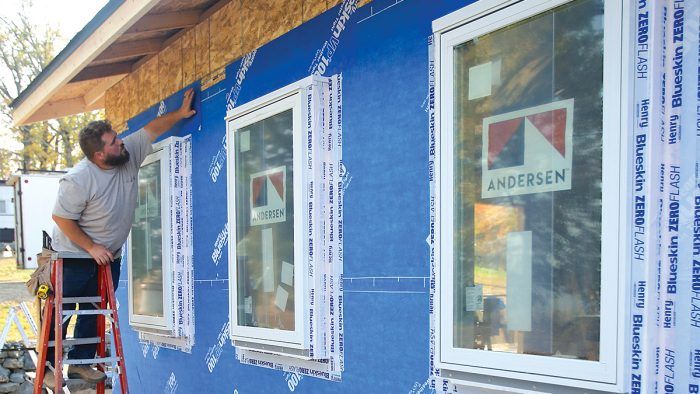
Build a "Perfect Wall" on a Budget for Affordable High-Performance
The best floor insulation options for your home, explained

Peace & warmth: How thermal roof Insulation improves wellbeing

6 types of attic insulation and how to pick one for your home
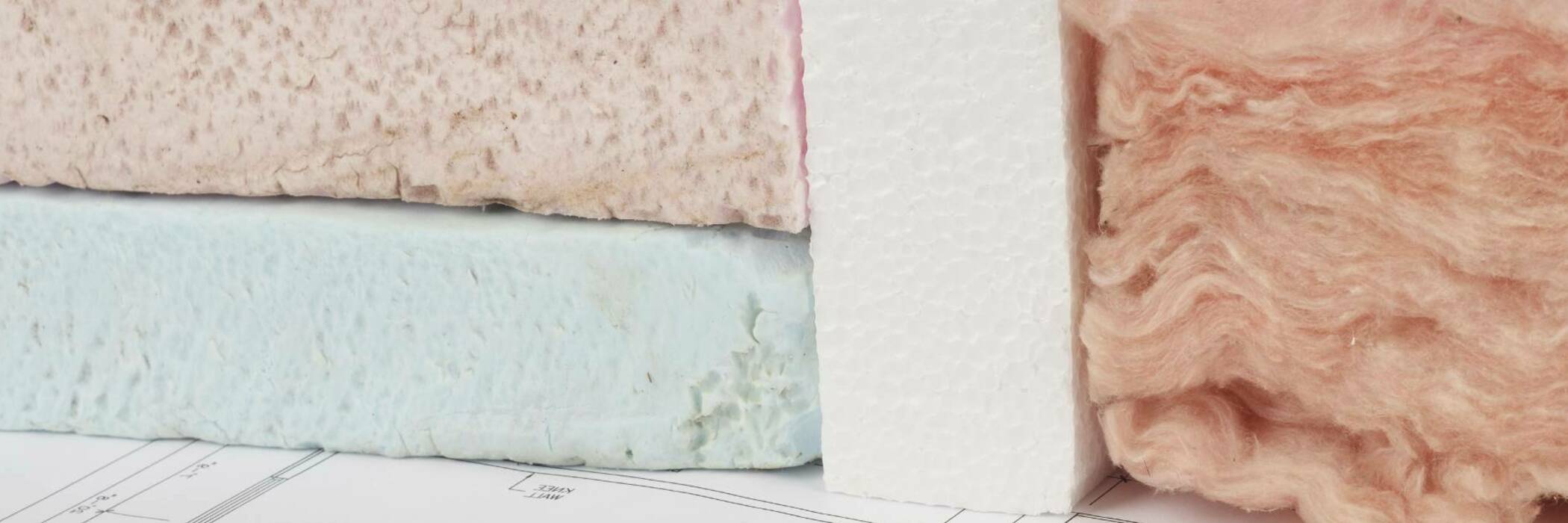
Home insulation materials


How to insulate your period house
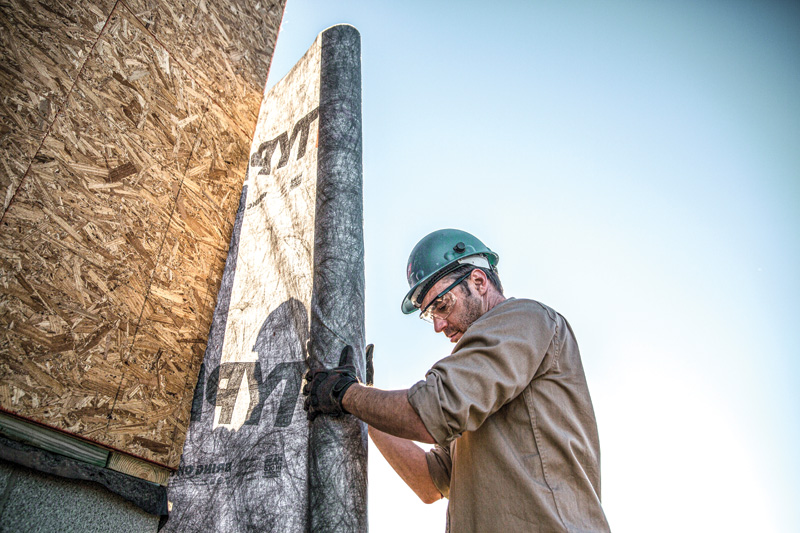
Weather-resistant barriers: Advanced technologies for modern construction
Detailed Assemblies for an Airtight Small Home
It's a wrap: External wall insulation for your home

A New Take on Insulating a Roof

The Versatility of Drywall in Architecture: Pros and Cons

The 4 areas of your home pros say to always insulate to keep it toasty in colder weather – plus, where to never insulate
An Easy Way To Build a Well-Insulated House
Loft Insulation

We Tested the 9 Best Exterior Caulks. Here Are Our Top Picks to Keep Your Home Dry

Insulate Your Basement, Part 3