1/10
7 Best Roofing Materials For Durability & Longevity (2025 Review)
Selecting the appropriate roofing material is a critical decision for homeowners, influencing a home's durability, energy efficiency, and aesthetic appeal. This guide assists eco-conscious homeowners in evaluating various roofing options by comparing their environmental impacts, costs, longevity, and sustainability.
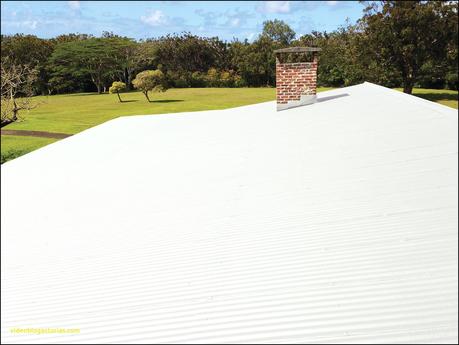
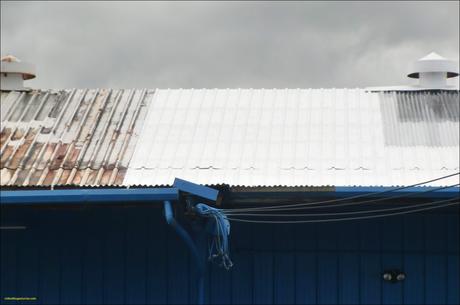
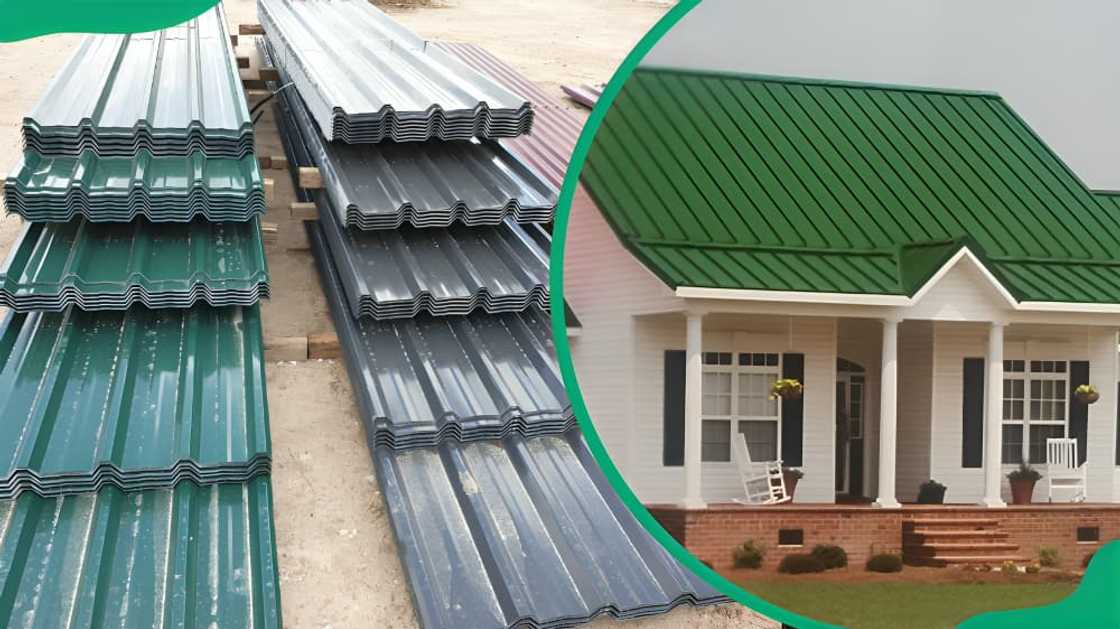
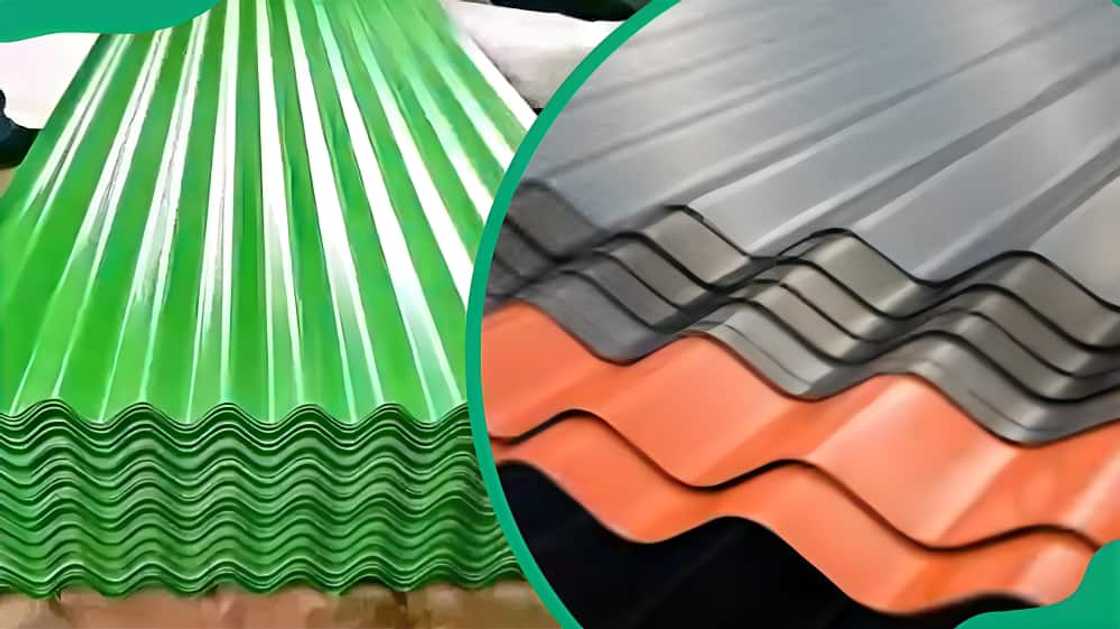
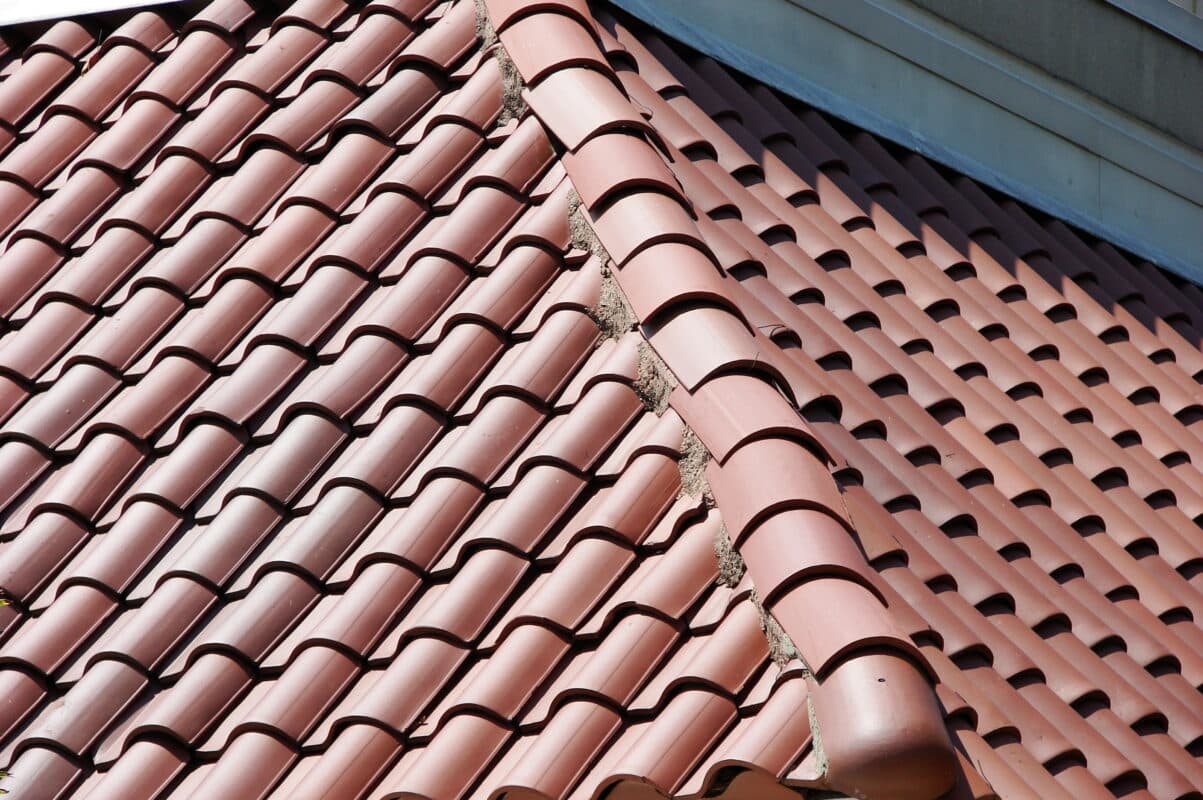
The article delves into seven primary roofing materials: asphalt shingles, wood shingles, wood shakes, metal roofing, concrete or clay tiles, slate roofing, and solar shingles/glass. Each material is analyzed based on its estimated lifespan, cost, advantages, disadvantages, suitable house styles, installation expenses, and environmental impact. For instance, asphalt shingles are highlighted for their affordability and widespread availability but noted for their shorter lifespan, heat retention, and petroleum-based composition, though they are recyclable. Wood shingles and shakes offer a rustic appearance, are renewable, biodegradable, and provide better insulation, but require more maintenance and are susceptible to mold in wet climates. Metal roofing stands out for its durability across various climates, long lifespan (40-75+ years depending on the metal), high solar reflectance, and recyclability, though initial costs can be higher. Concrete and clay tiles, while heavy and requiring structural reinforcement, boast exceptional longevity (50-100 years) and thermal resistance, contributing to energy efficiency. Slate roofing, a natural stone option, offers superior durability, longevity (100+ years), and aesthetic value but comes with a high price tag and specialized installation requirements. Solar shingles and glass represent the most energy-efficient choice, generating electricity while integrating seamlessly into the roof, albeit with higher upfront costs and evolving technology.
Key considerations for homeowners include the material's durability against local weather, overall cost, warranty, weight (and potential need for structural reinforcement), aesthetic compatibility with the home, and adherence to local building codes. An expert perspective emphasizes the roof's role in protection, aesthetic contribution, and energy efficiency, including its potential as a platform for solar installations. Homeowners are advised to prioritize finding a product that aligns with their specific needs and then seeking qualified installers through the manufacturer, rather than relying solely on general contractors.
The discussion also touches upon the environmental lifecycle of roofing materials. It highlights the significant landfill waste generated by asphalt shingles, which take centuries to decompose and release oil content. In contrast, materials like steel and aluminum, with high recycled content, and long-lasting options like slate, clay, and concrete, contribute less to waste. The importance of energy efficiency is underscored, as reflective and insulating roofing materials can reduce heating and cooling costs and lower a home's carbon footprint. The guide concludes by emphasizing that the most durable roofing materials are typically stone, clay, or concrete, while solar shingles offer the highest energy efficiency due to power generation. Slate, clay, concrete, and metal are identified as the longest-lasting options.
#RoofingMaterials #SustainableHomes #EnergyEfficiency #HomeImprovement #GreenBuilding #SolarRoofing #Durability #CostComparison #EnvironmentalImpact #RoofingMaterials #SustainableHomes #EnergyEfficiency #HomeImprovement #GreenBuilding #SolarRoofing #Durability #CostComparison #EnvironmentalImpact
0 comment in total
 No comments yet
You may also like
Roofing | Roofing Sheets | Roofing Supplies

Replacing a roof – everything you need to know
The latest and greatest innovations in sustainable building materials
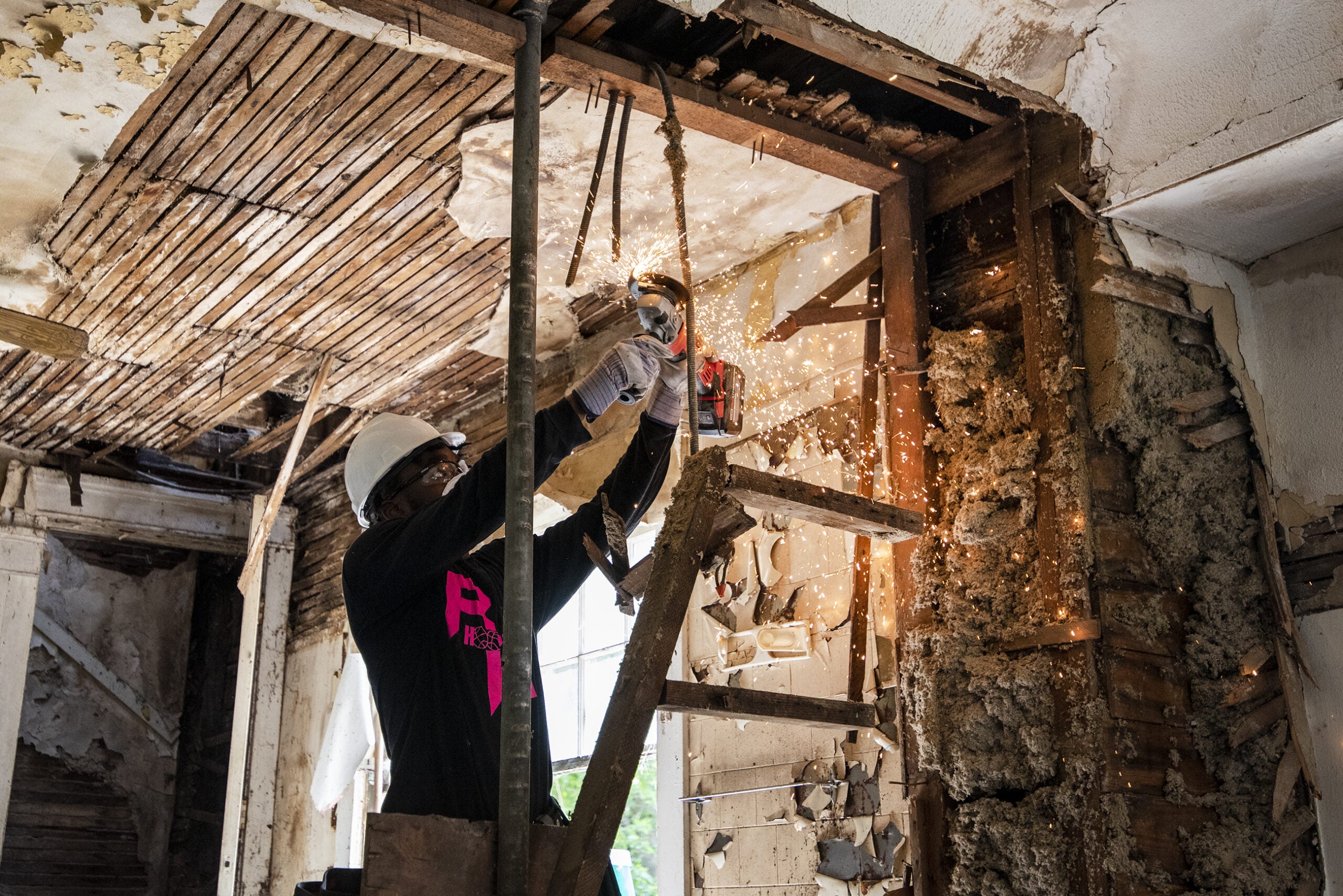
Home improvement: Remodeling trends and roof care

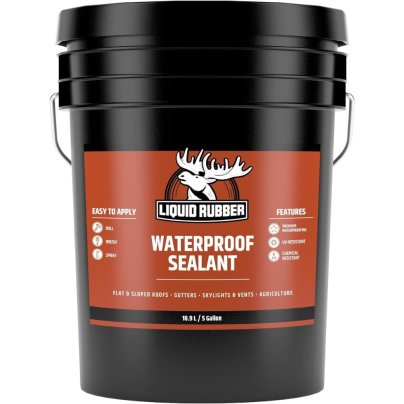
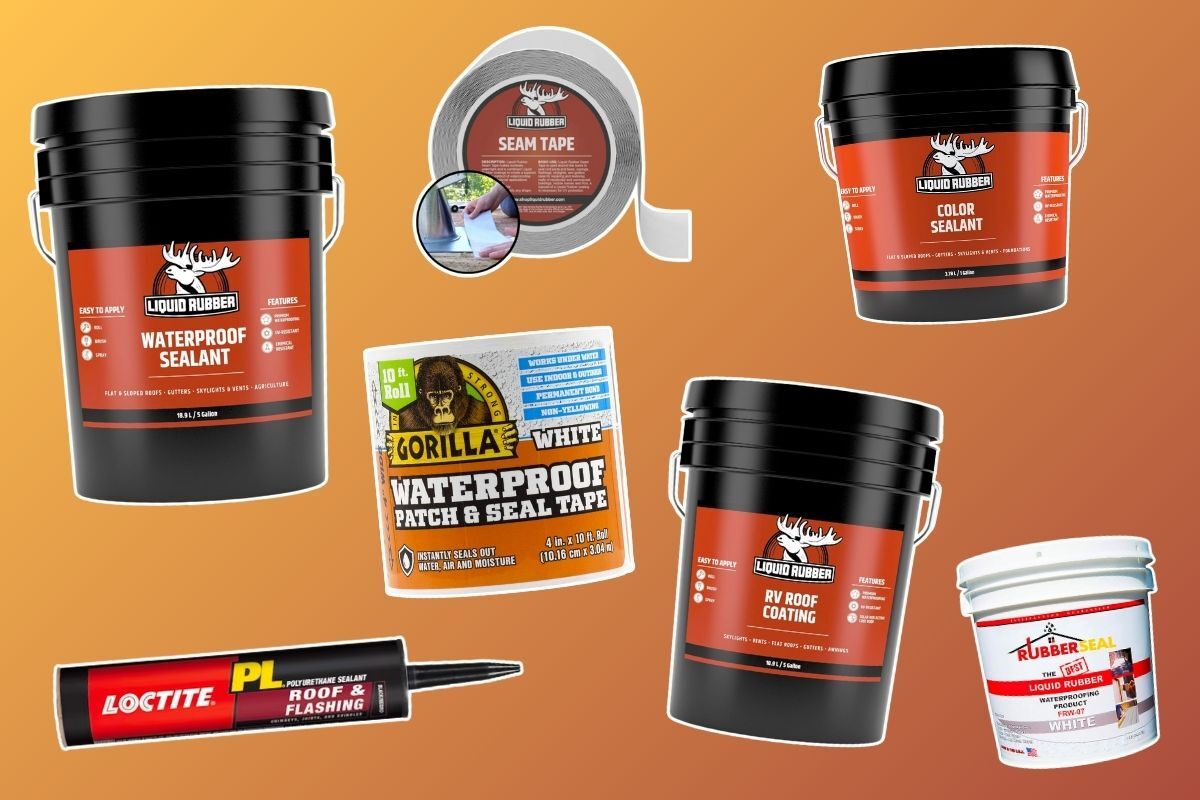
We Tested 7 Top-Rated Roof Sealants for 2 Weeks to Find the Best Products for Your DIY Roof Repair


Best plants for a green roof – 9 popular options for a living roof

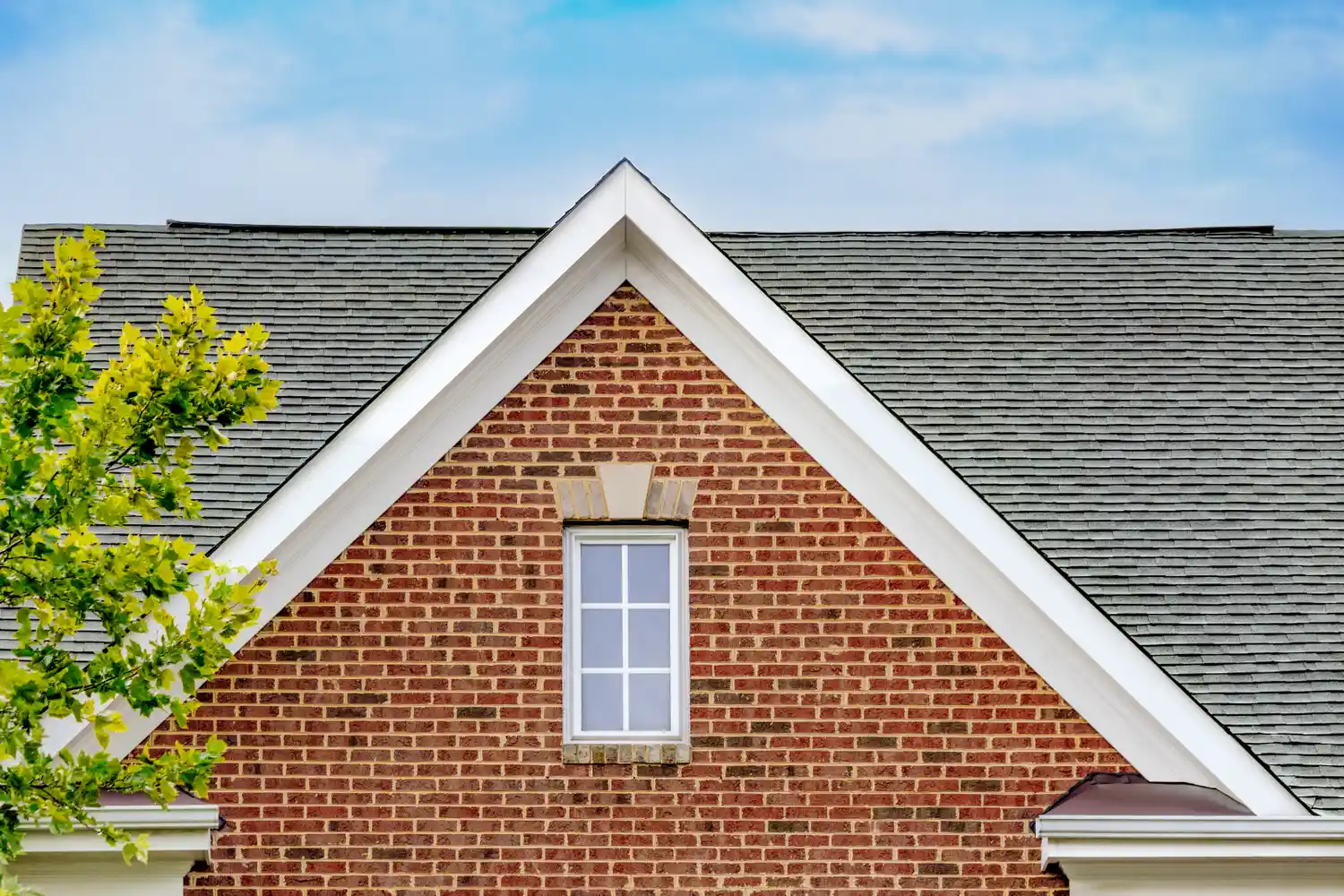
How to Know When Your Roof Needs Replacing? A Roofing Expert Shares His Method
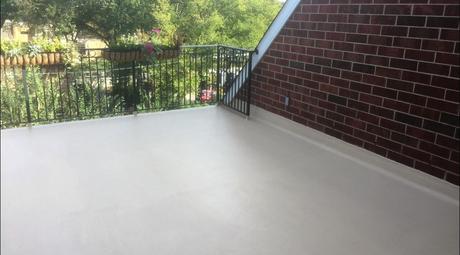
Beautiful Gaco Roof Coating

Best Roof Financing Options in 2025

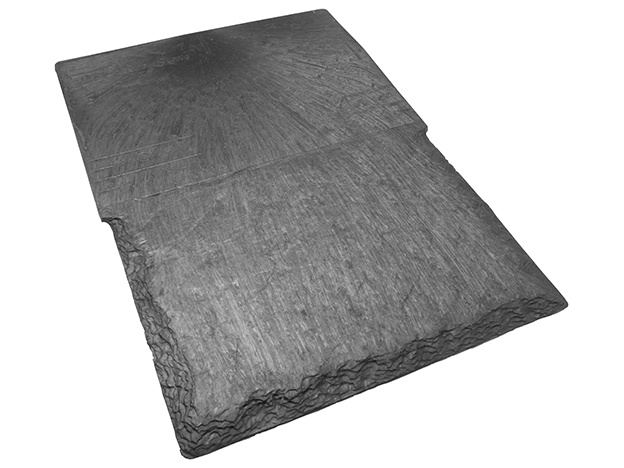
Roof Tiles
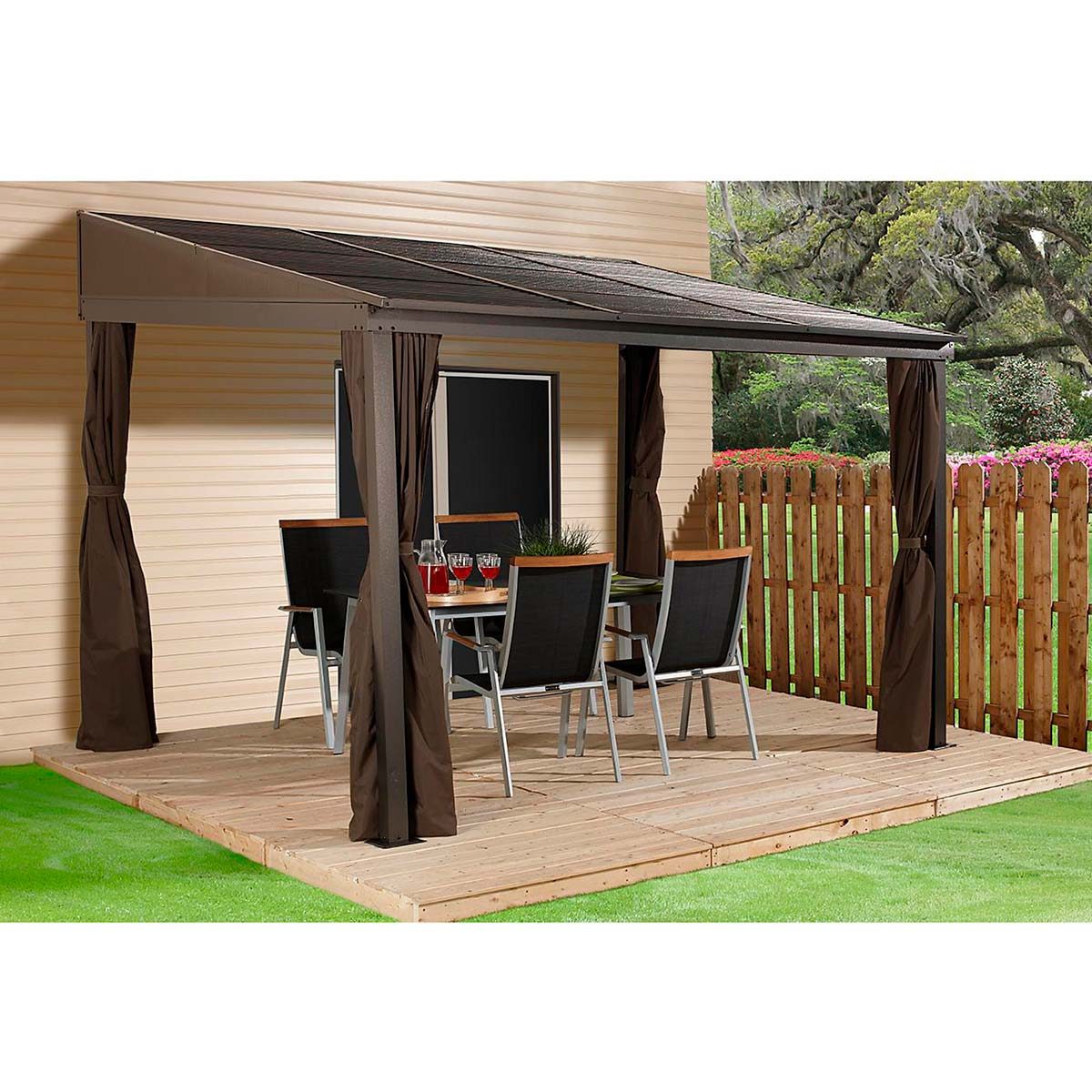
10 Metal Deck Roof Options We Love


Complete list of roof sheeting prices in South Africa in 2024


Best Home Warranties for Roof Coverage of 2025

What outdoor furniture lasts the longest? Every landscape designer we asked picked one of these 5 durable options

Bitumen Corrugated Roofing Sheets & Trims

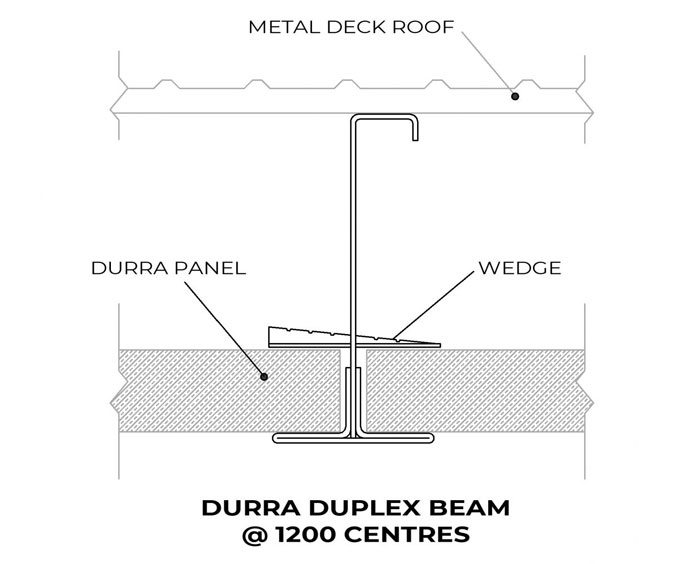
Roof and ceiling systems with versatile application

What outdoor furniture lasts the longest? Every landscape designer we asked picked one of these 5 durable options

10 Innovative Materials Poised to Make Home Building More Sustainable

Ten Innovations in North America’s Green Roof and Wall Industry

ELKANAH TRADING PLC (ETP)