1/2
Roof Tiles
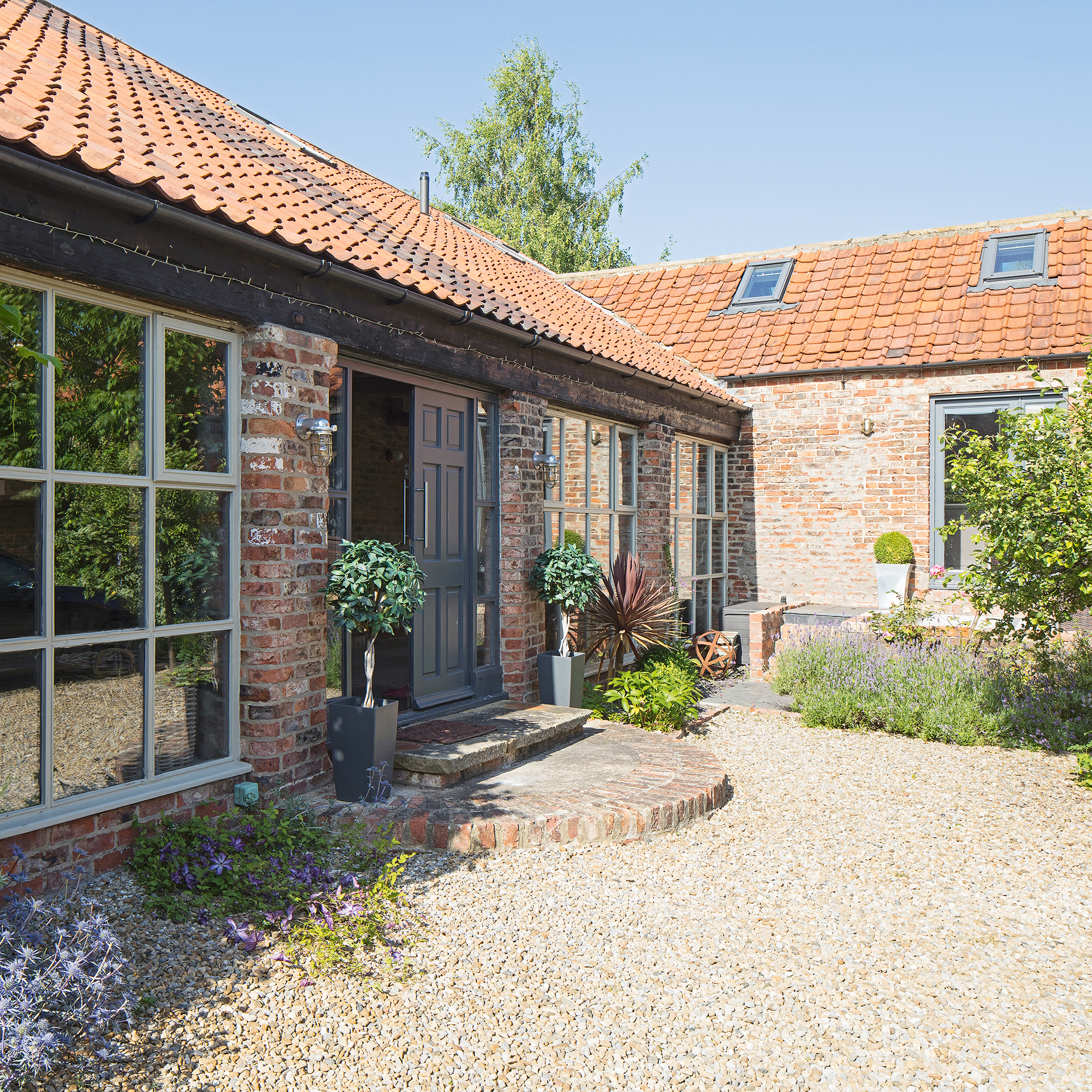
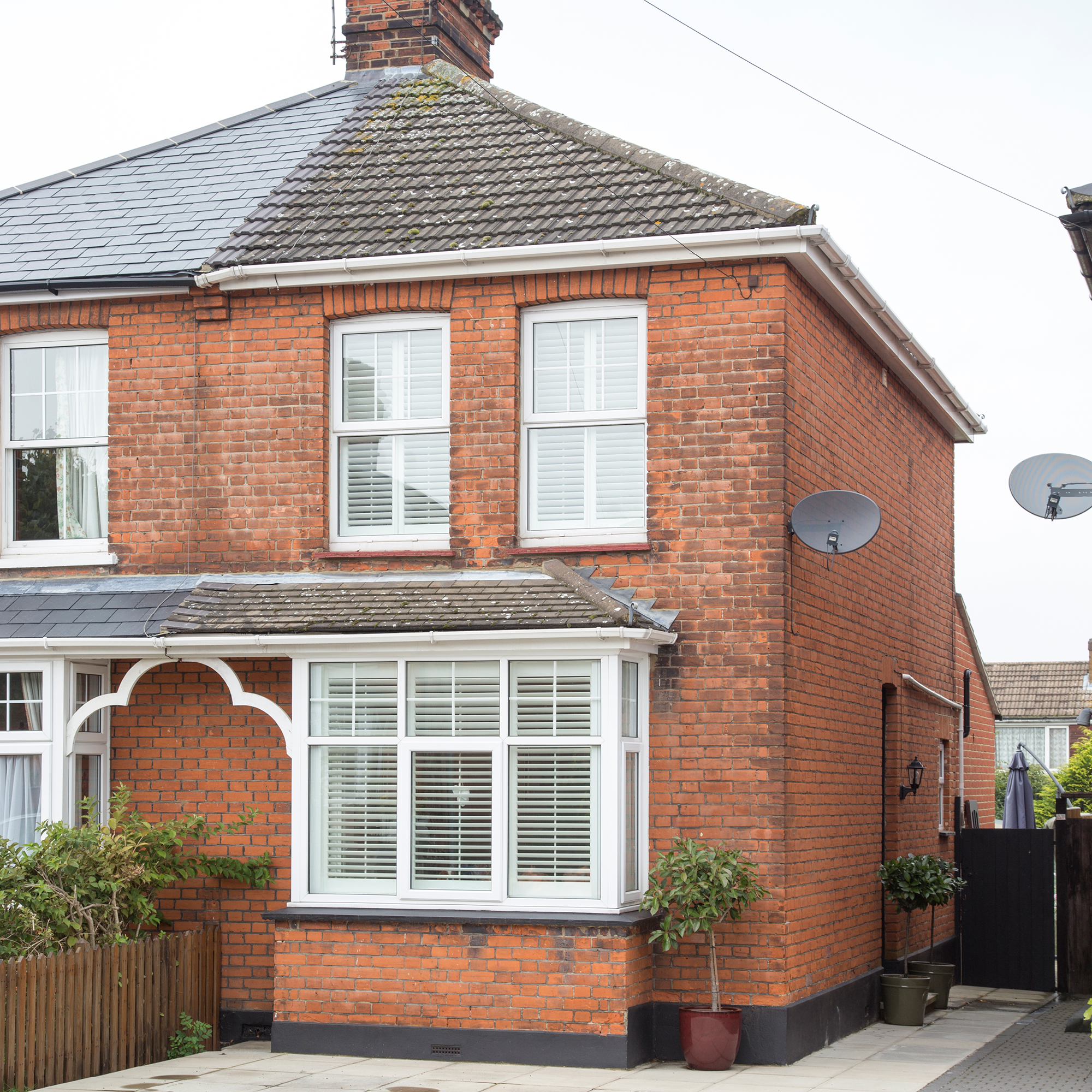
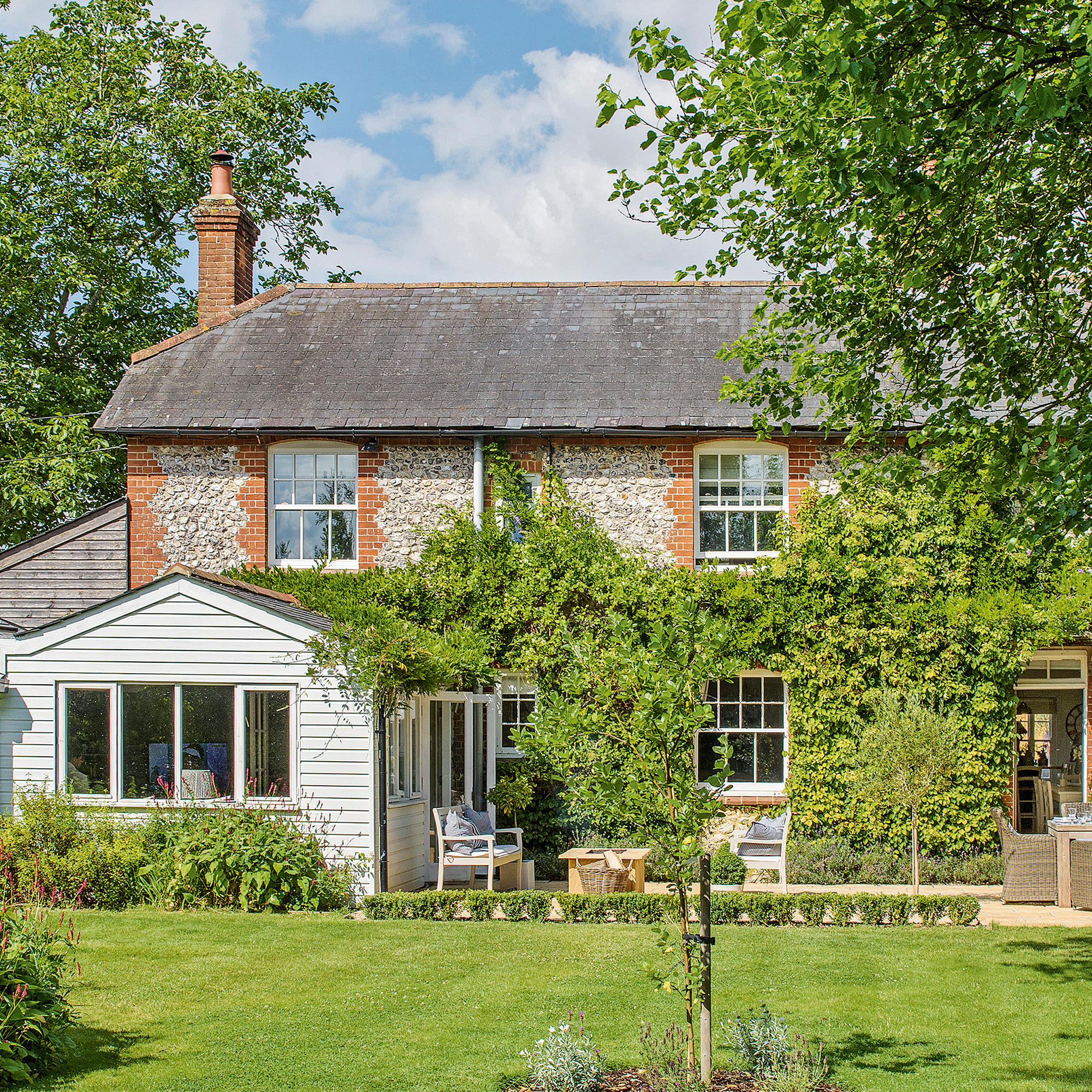
Roof tiles are an essential component for any property, offering both superior weather resistance and aesthetic enhancement. This article delves into various aspects of roof tiling, from installation and maintenance to material choices and quantity estimation. Quality tiling is crucial for building protection and contributes significantly to a home's overall appearance. The available styles and colorways provide diverse solutions to meet specific needs and purposes, catering to different architectural designs and personal preferences.
The process of tiling a roof begins with laying an under-tile membrane over the roof trusses, which serves as a protective layer. Subsequently, roof battens are horizontally attached to provide a stable structure for the tiles. The installation then proceeds from the bottom edge of the roof, working upwards, with each row overlapping the previous one to ensure complete coverage and watertightness. Proper fasteners are necessary for dry fixing, while cement and mortar are used for wet fixing. Specialized Verge, Ridge, and Hip Tiles are utilized for edges and features, ensuring a neat and secure finish. The final step involves installing ridge tiles along the peak of the roof, verifying that all tiles are securely in place and properly aligned for optimal performance and appearance.
Maintaining roof tiles is critical for their longevity and includes regular cleaning. Before cleaning, it is important to remove any loose leaves or debris from the roof surface. The tiles should then be watered down to prepare them for cleaning. A suitable roof cleaning solution is applied and gently worked into the tiles using a soft brush, taking care to avoid any damage. After scrubbing, the tiles are rinsed thoroughly with clean water, leaving them sparkling. Safety precautions are emphasized, particularly when working at heights during the cleaning process.
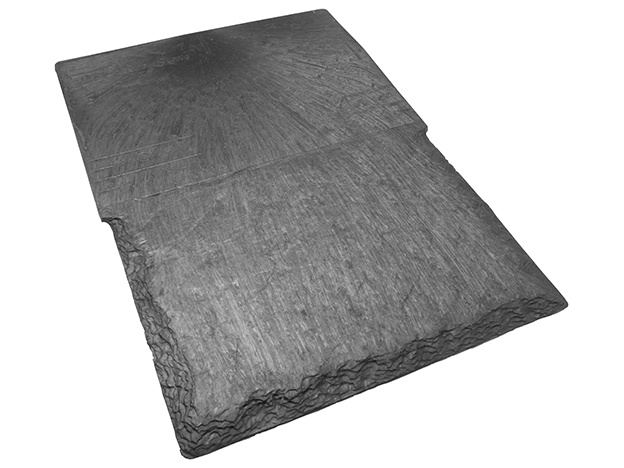
The number of roof tiles required per square meter varies depending on the specific type and size of the tiles. Typically, approximately 9-10 interlocking tiles are needed per square meter. However, it is always recommended to consult the product details for precise measurements and to accurately size up the required quantity for a particular project. The article highlights PVC roof tiles and slate as examples of quality materials that ensure longevity and reliability, combining the functional aspects of weather protection with a timeless elegance that enhances a property's curb appeal.
#RoofTiles #HomeImprovement #RoofingMaterials #PVC RoofTiles #SlateTiles #HomeMaintenance #DIYRoofing #BuildingProtection #ExteriorDesign #RoofTiles #HomeImprovement #RoofingMaterials #PVC RoofTiles #SlateTiles #HomeMaintenance #DIYRoofing #BuildingProtection #ExteriorDesign
0 comment in total
 No comments yet
You may also like

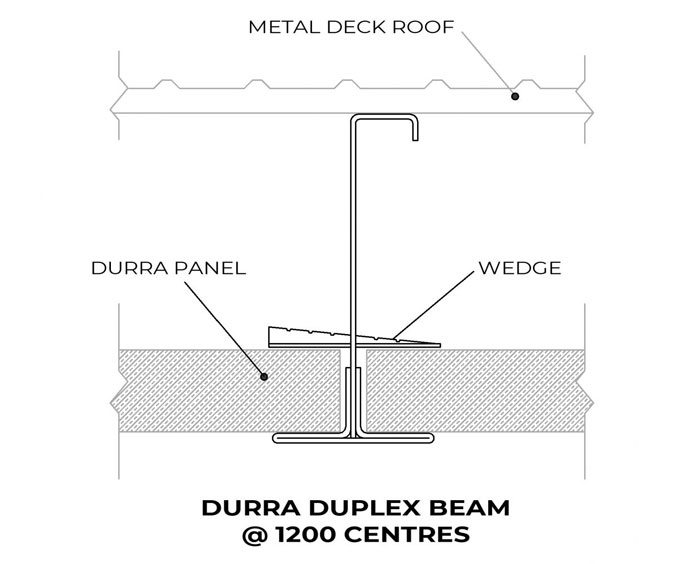
Roof and ceiling systems with versatile application
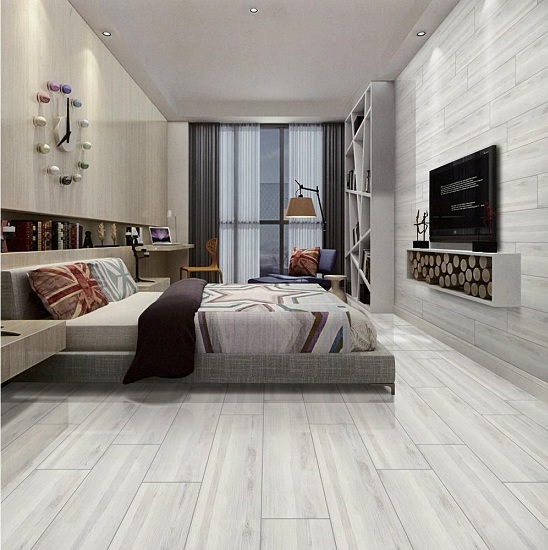
25 Popular Floor Tile Designs for 2025 with Images

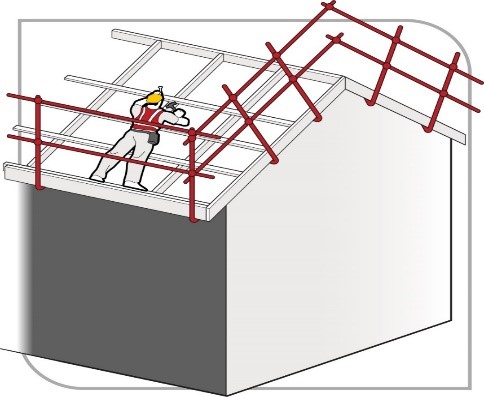
Installing roof battens
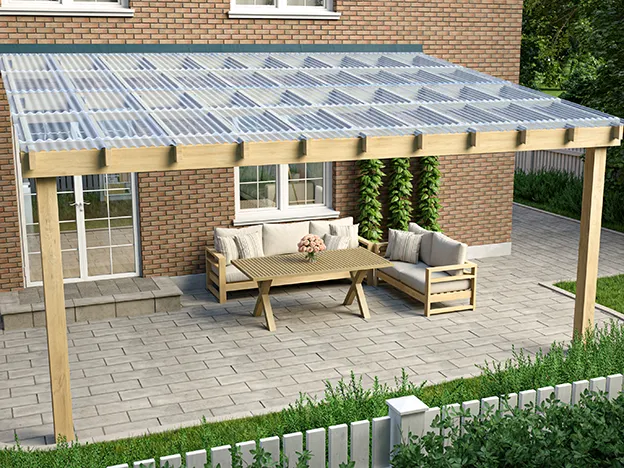
Roofing | Roofing Sheets | Roofing Supplies
Tile Adhesives
Tile Style

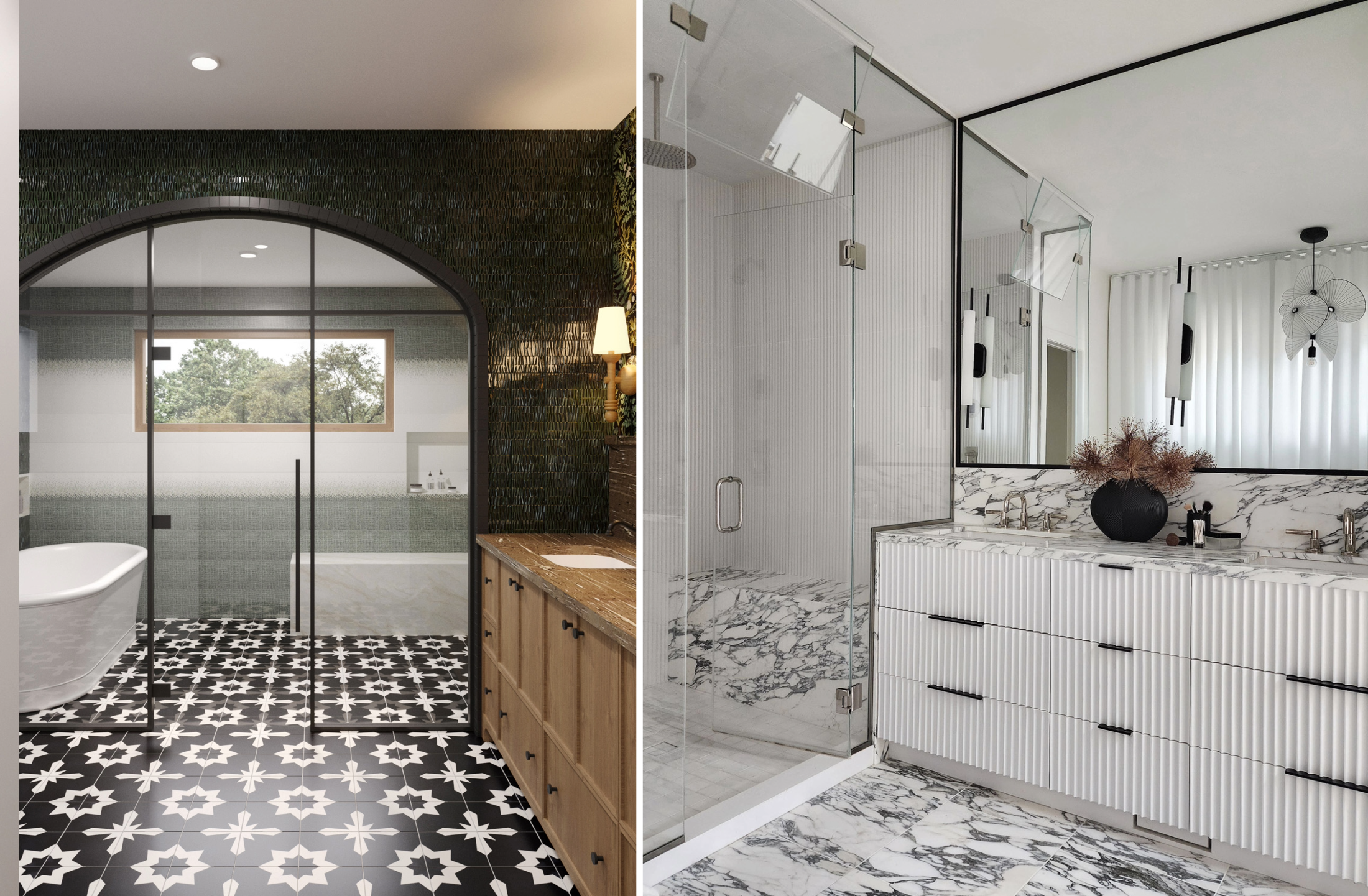
Showstopping Tile


Roofing Bolts


Deck Tiles
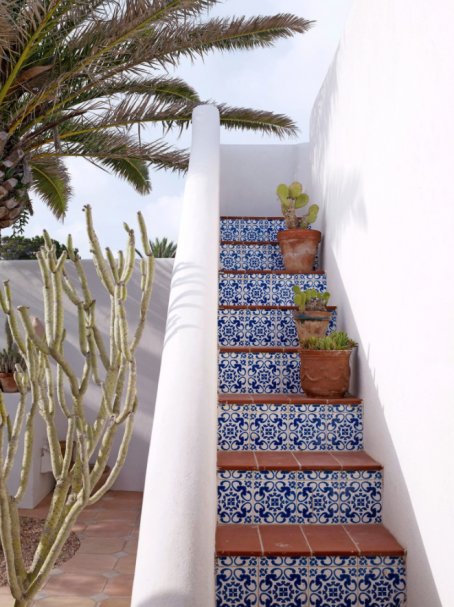
5 new ways to use tiles as decor rather than flooring

Replacing a roof – everything you need to know
What Are Eaves of a House, and Are They Worth Adding?


Homestyle: Terrific tiles

Tile Grout
The 9 Best Tile Brands of 2023


Roofing Nails

Tiles & Flooring Offers

Roof & Gutter Sealants
Framing a Cold Roof