What a damp basement can do to brick
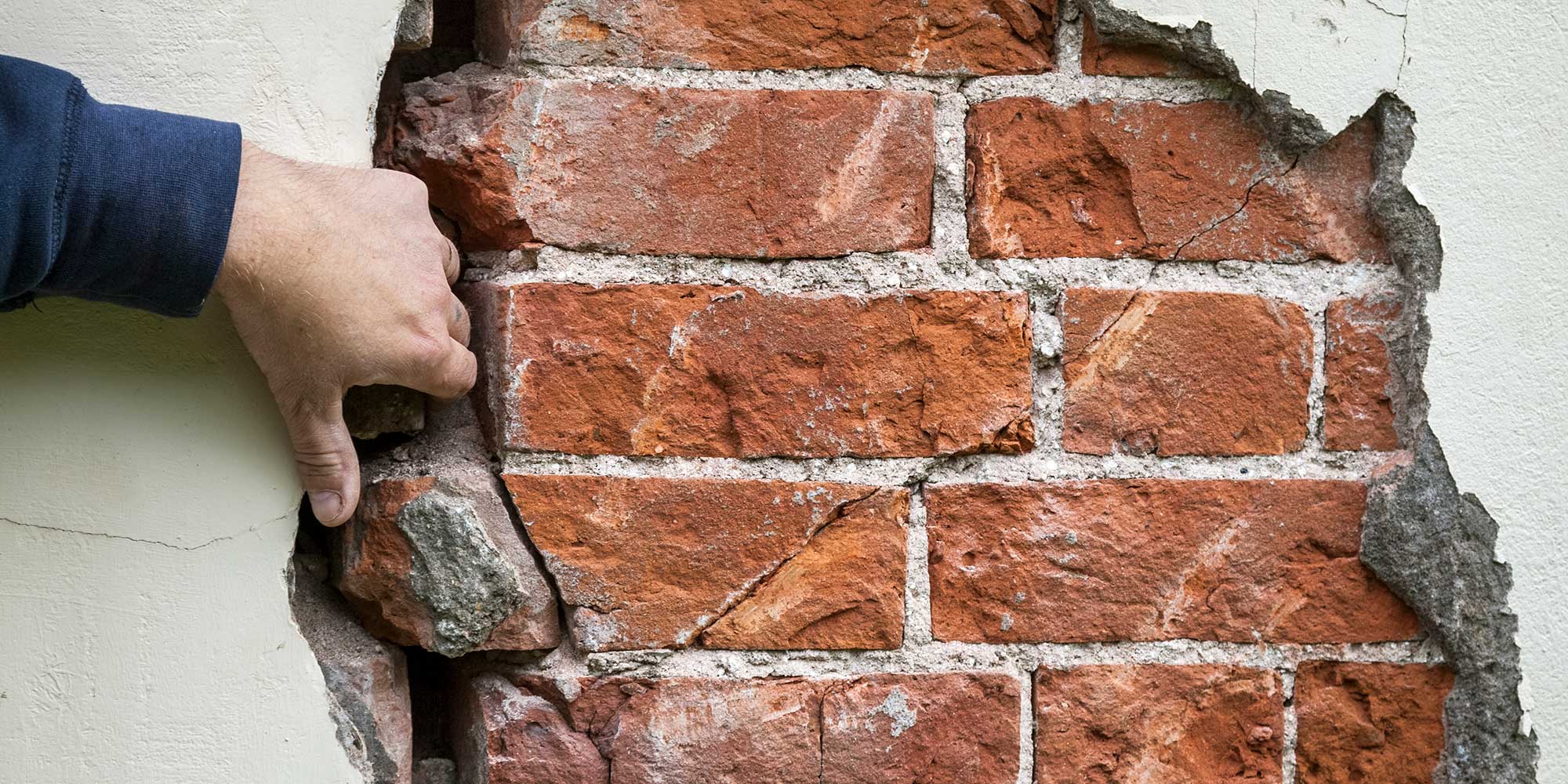
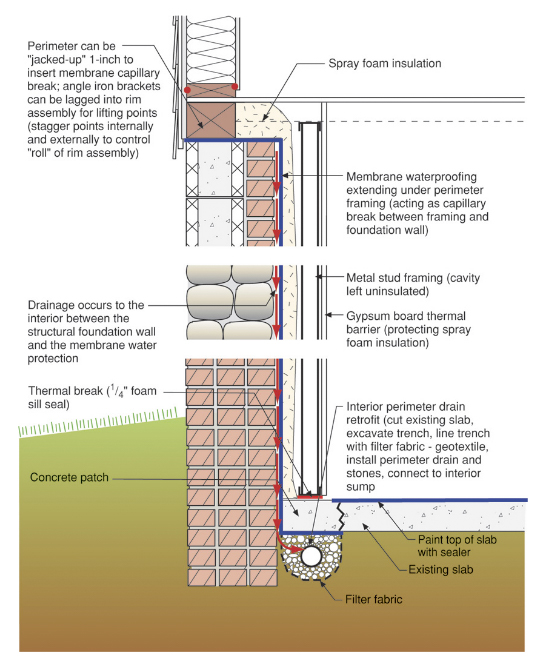
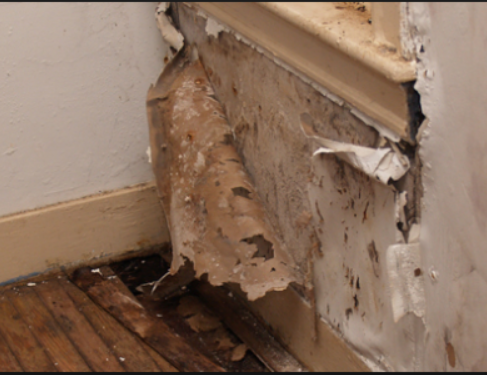
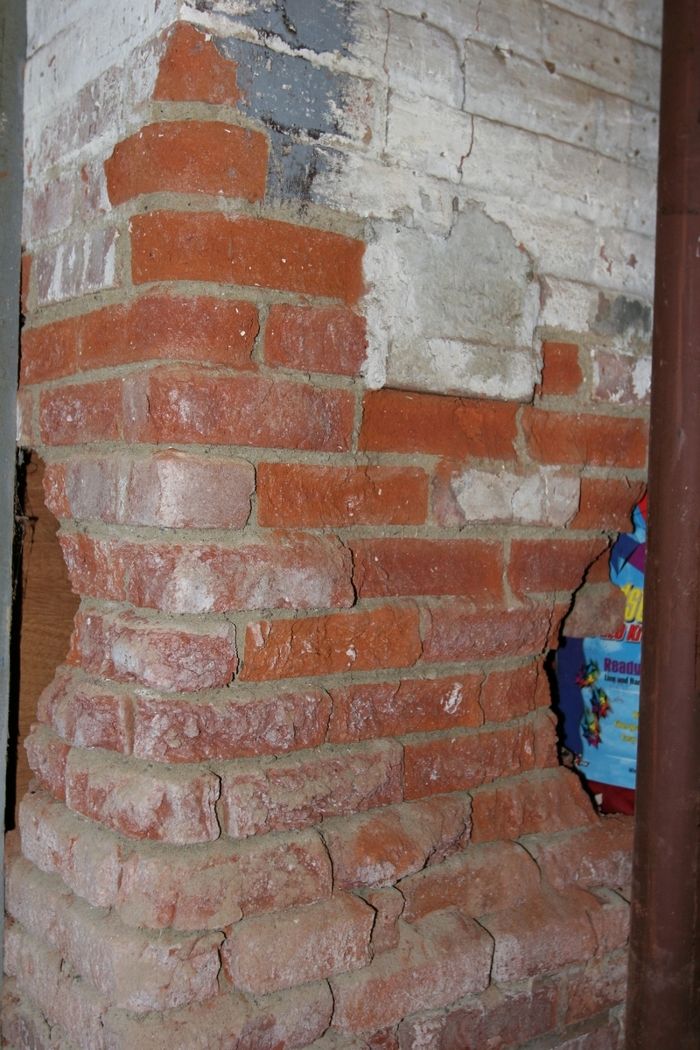
The author examines the deterioration of a brick column in the basement of his 1870s home. The column, a remnant of an old chimney, is located approximately three feet above ground level, resting on a concrete floor and extending to the floor joists. While it appears to have once supported a girder, its structural function has since been replaced by lolly columns. The author's primary concern is understanding the cause of the brick's deterioration, particularly given that the column is situated centrally within the house's footprint and does not appear to be directly exposed to external moisture from the foundation walls, despite the basement's overall dampness. He acknowledges the need to address the general moisture issues within the basement.
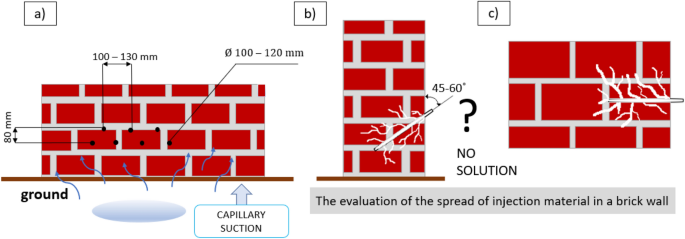
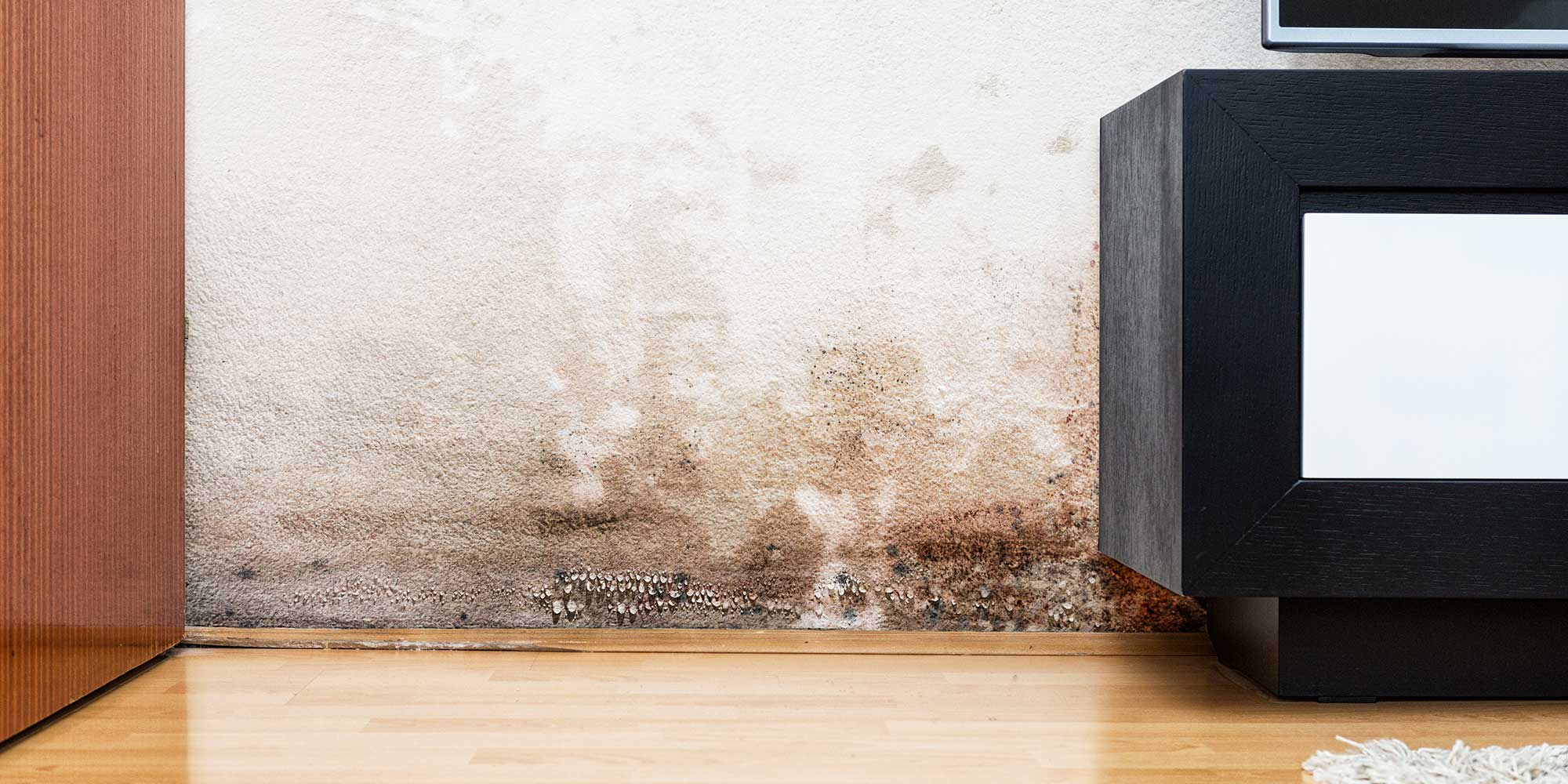
To find an answer, the author consulted experts on GreenBuildingAdvisor.com, including Michael Maines, Robert Riversong, Michael Chandler, and James Morgan, in addition to the insights provided by GBA itself. The consensus among these experts identified the cause of the brick's degradation as 'rising damp.' This phenomenon involves the brick wicking moisture from the ground below, which then dissolves minerals present in the masonry. As the moisture evaporates, these dissolved minerals are deposited on the surface or within the brick, leading to its gradual deterioration and the visible damage observed.
Addressing rising damp typically involves several strategies. One suggested method is the application of a lime-based whitewash or a thicker parge coat. These materials can serve as a sacrificial layer, protecting the underlying brickwork by allowing the dissolved minerals to crystallize on their surface rather than within the brick itself. Such coatings are breathable, allowing moisture to escape while minimizing further damage to the structural masonry.
However, the author indicates a likely intention to eventually remove the deteriorated section of the brick column, suggesting that while understanding the cause is important, a long-term repair or preservation effort for this specific, non-structural element might not be his immediate priority. The article highlights the importance of diagnosing the root causes of building material deterioration, especially in older homes, and illustrates how seemingly localized damage can be a symptom of broader moisture management issues like rising damp.
#DampBasement #BrickDeterioration #RisingDamp #HomeMaintenance #HistoricHomes #BuildingDiagnostics #MoistureControl #GreenBuildingAdvisor #MasonryRepair #DampBasement #BrickDeterioration #RisingDamp #HomeMaintenance #HistoricHomes #BuildingDiagnostics #MoistureControl #GreenBuildingAdvisor #MasonryRepair
0 comment in total
 No comments yet
You may also like
What Kind Of Damp Is Affecting My Home?
12 brick floors that will take your breath away


A Homeowner’s Guide to Maintaining and Restoring a Brick Facade

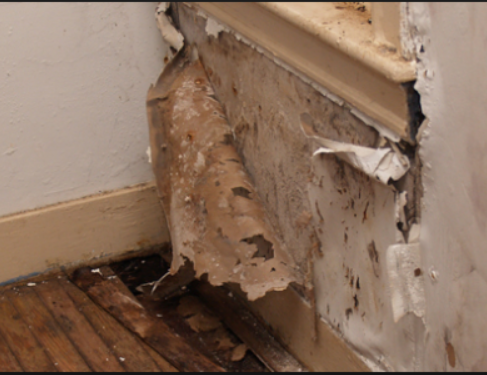
Advice on Damp problems – are these damp specialists trying to make a quick buck?
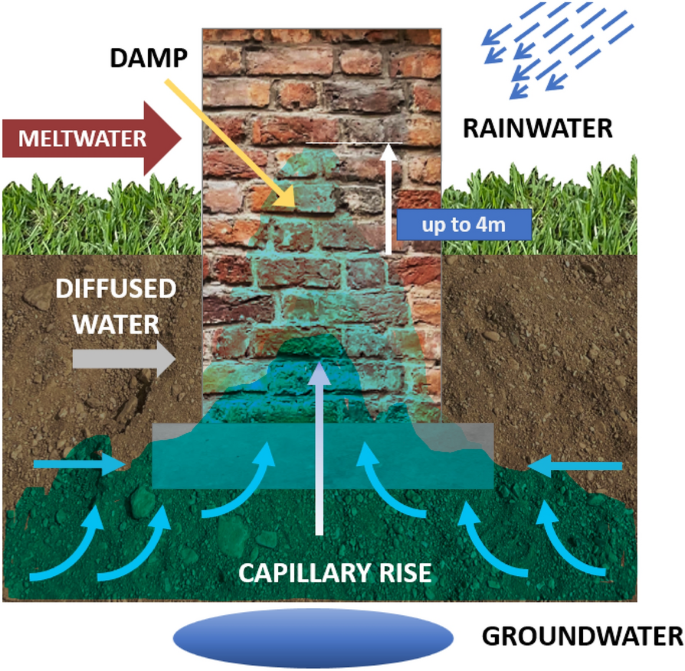
Assessment of the effectiveness of secondary anti-damp insulation in heritage buildings made of historic brick: the current state of knowledge, research gaps and perspectives
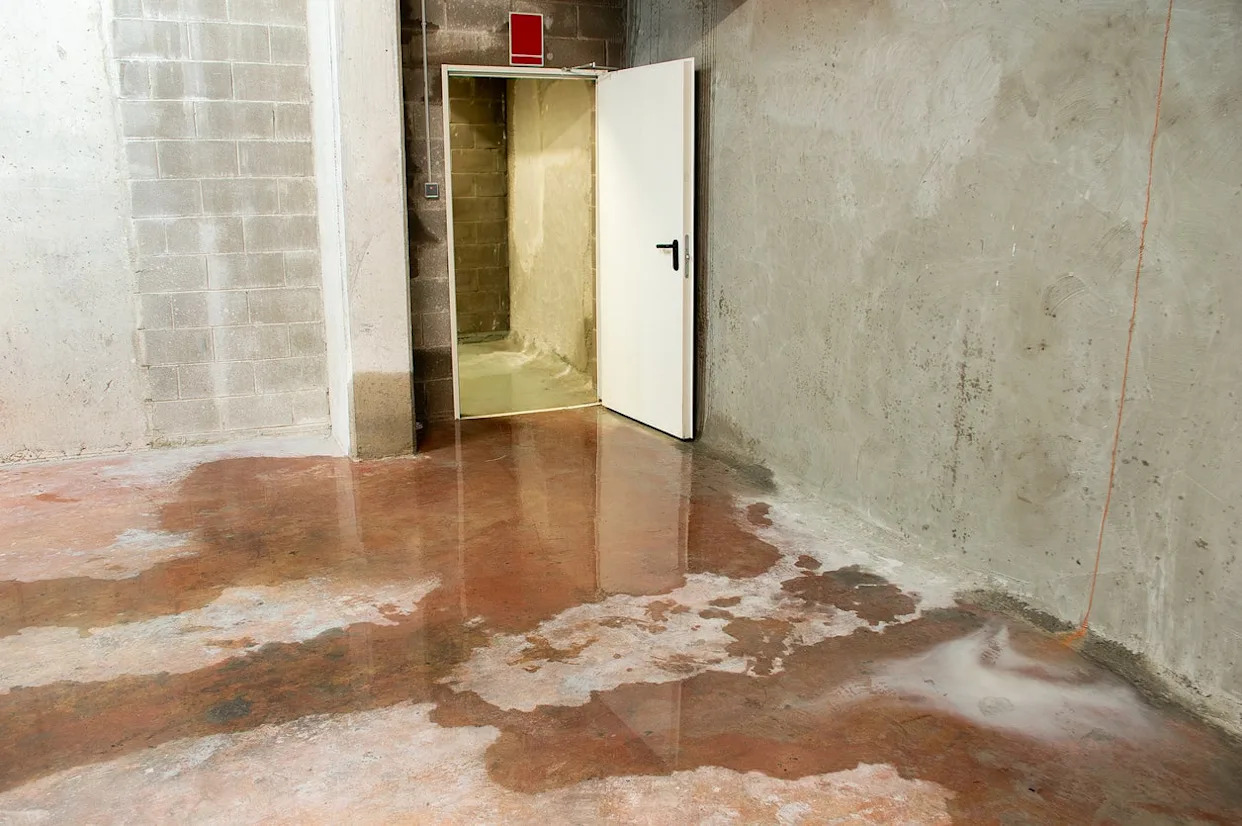
Solved! Here's What to Do About Water Leaking Into the Basement After Heavy Rain
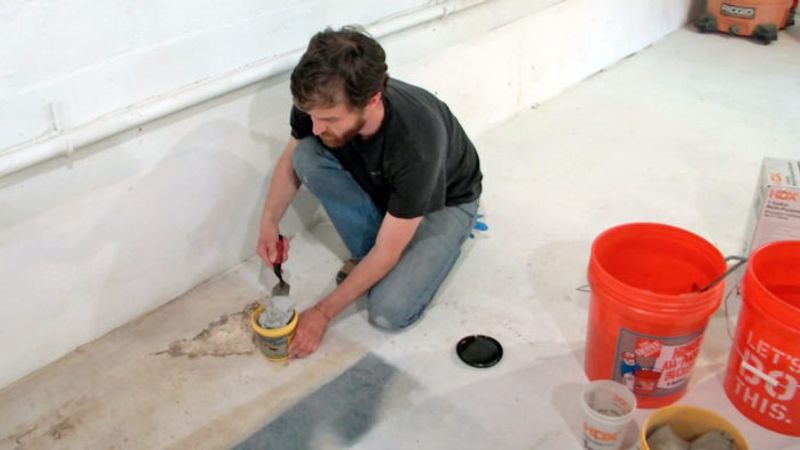
Insulate Your Basement, Part 1
‘It’s a tough lesson to learn’ – brick homeowners must complete this outdoor maintenance task to avoid costly repairs and structural failure

Dampproofing and Waterproofing for Foundation Walls
Brick Cladding: Helping keep moisture out
Getting Along With Stucco: Sometimes it just needs space
The 5 Best Basement Sealers to Waterproof Your Space


Why buildings fail: damp can become dangerous
Solved! Why Is Water Seeping Through My Basement Floor?

Worried about your basement flooding? Install these temporary measures before heavy rainfall
Finished basements


How to waterproof a basement – 5 steps from experts to safeguard this space

How to get rid of damp
The 9 Best Dehumidifiers for Basements to Get Ahead of Moisture Issues
What to Know Before You Finish Your Basement