Ask the Builder: Water loss causes shrinkage
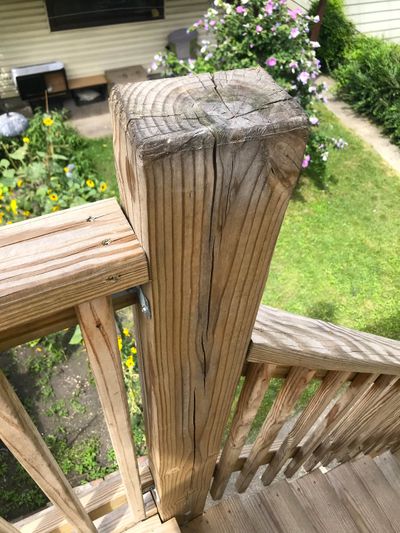
This article addresses the common issue of shrinkage cracks in wood, particularly in new treated lumber decks, and other building materials like concrete and plaster. A reader, Paula, observed significant cracks in her newly installed deck's handrails, posts, and decking, which had not been sealed since its installation in April 2023. The article explains that these cracks are a direct consequence of water loss from the wood. When wood is initially treated, it absorbs water containing dissolved copper, causing it to swell. If this water evaporates too quickly, the wood shrinks, leading to cracks. These cracks then allow rainwater to penetrate the wood, causing it to swell, and subsequent drying leads to further shrinkage, exacerbating the cracking over time.
The author critiques the lack of care instructions from treated lumber manufacturers, suggesting that a simple label recommending immediate sealing could significantly extend the lifespan of the wood. The analogy of the Centennial Light bulb, burning since 1901, is used to highlight the potential longevity of well-maintained materials. The article implies that the industry might not prioritize durability, as frequent material replacement benefits sales. This phenomenon of shrinkage is not limited to wood. The author recounts a personal experience with blacktop sealer applied too thickly in a depression, leading to shrinkage cracks after water evaporation. Similarly, concrete undergoes shrinkage as it dries, which creates internal tension. To manage this, expert masons incorporate control joints into new concrete slabs. These joints, cut to at least a quarter of the slab's thickness, encourage the concrete to crack along predetermined lines, relieving tension and preventing unsightly, random cracks.
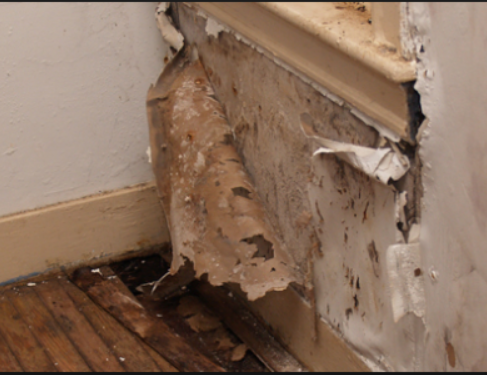
Beyond decks and concrete, the article points out that shrinkage due to water loss is responsible for cracks in new home features such as walls, woodwork, countertop backsplashes, and tile grout. Seasonal changes in moisture content also cause cracks in plaster and crown molding, and even contribute to the mysterious squeaking and silent periods of wood floors. The core message is that most shrinkage-related issues can be minimized or entirely prevented by carefully following product installation guidelines, especially regarding temperature ranges and timely sealing.
For readers like Paula, whose outdoor lumber has already developed significant cracks, the article offers practical advice. It suggests filling existing cracks with an exterior spackling compound, ideally one that matches the wood's color, and then sealing or staining it once dry and smooth. Regular application of a sealer, at least every two years or when water no longer beads on the surface, is crucial for ongoing protection. The author encourages readers to consult his website, AsktheBuilder.com, for more detailed information on concrete shrinkage and other home improvement topics, emphasizing that prior knowledge can save money and time by equipping homeowners before engaging contractors. Phone coaching services are also offered for DIY assistance.
#WoodShrinkage #DeckMaintenance #BuildingMaterials #HomeRepair #ConcreteCracks #WaterDamage #ConstructionTips #MaterialScience #DIYHomeImprovement #WoodShrinkage #DeckMaintenance #BuildingMaterials #HomeRepair #ConcreteCracks #WaterDamage #ConstructionTips #MaterialScience #DIYHomeImprovement
0 comment in total
 No comments yet
You may also like
Solved! Why Is Water Seeping Through My Basement Floor?

What Kind Of Damp Is Affecting My Home?
Advice on Damp problems – are these damp specialists trying to make a quick buck?

With 48 years of expertise, GJ MacRae Foundation Repair sets the bar high for full-service foundation repair and basement waterproofing
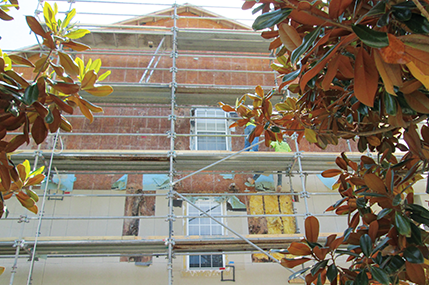
Getting Along With Stucco: Sometimes it just needs space
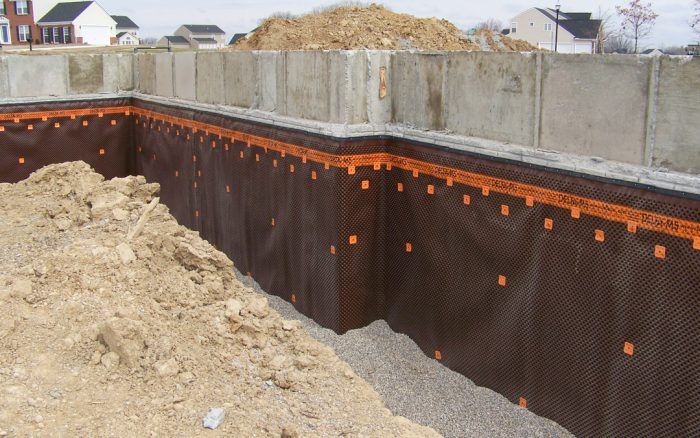
Dampproofing and Waterproofing for Foundation Walls

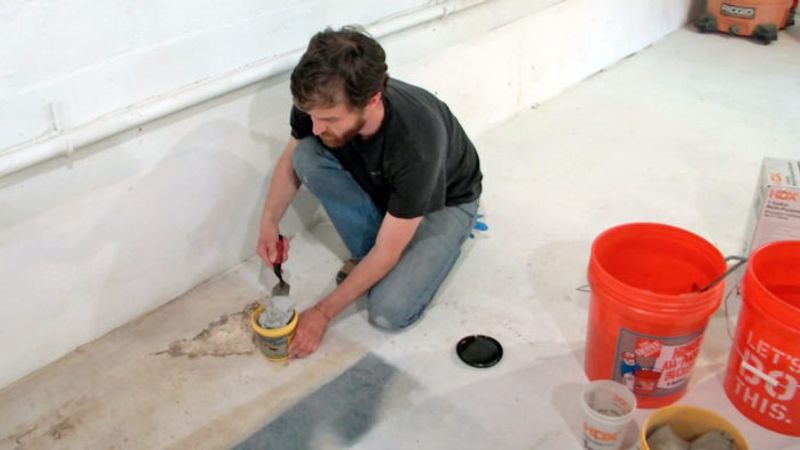
Insulate Your Basement, Part 1


How to spot home water leaks in time for repairs

How to waterproof a basement – 5 steps from experts to safeguard this space

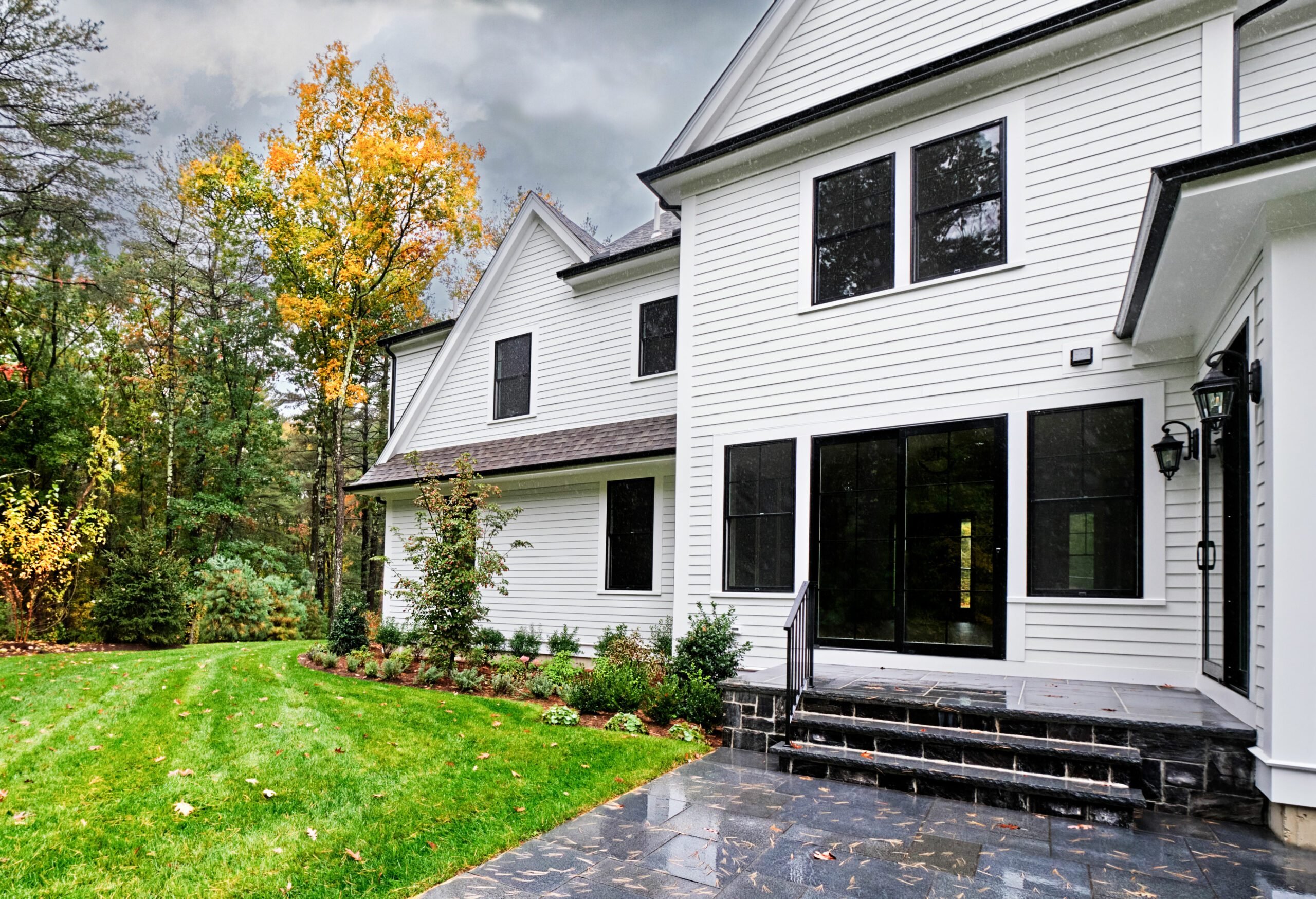
Why You Shouldn't Buy a House That Was Built in the Rain


Why buildings fail: damp can become dangerous
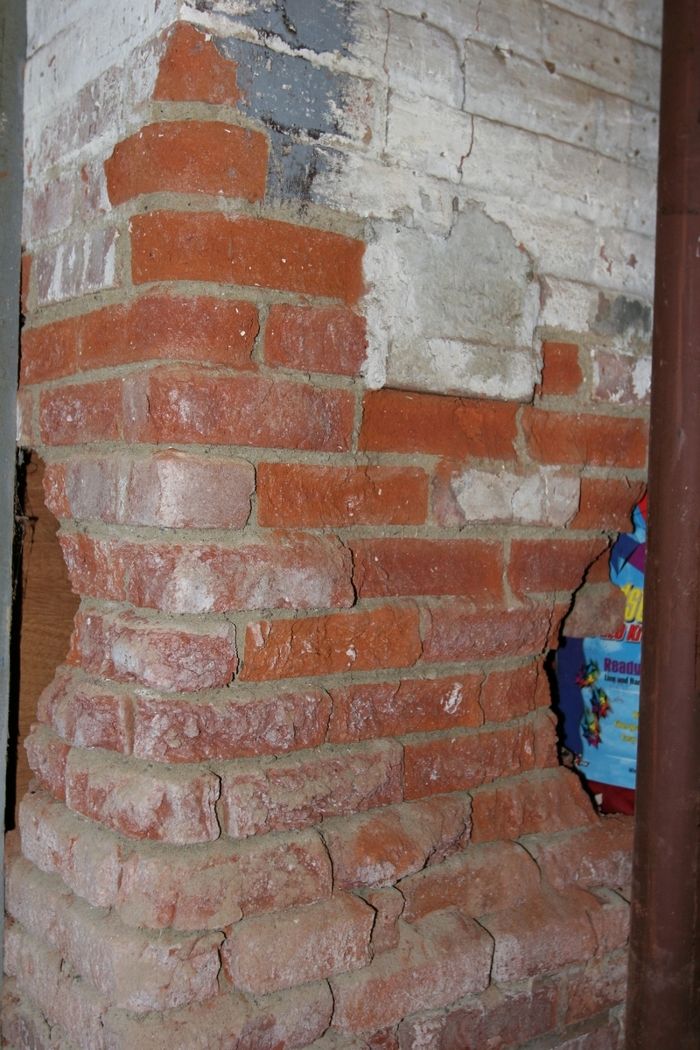
What a damp basement can do to brick
5 common types of water damage to your home – and how to fix them

Kuffa: Simple, inexpensive solutions to a wet basement
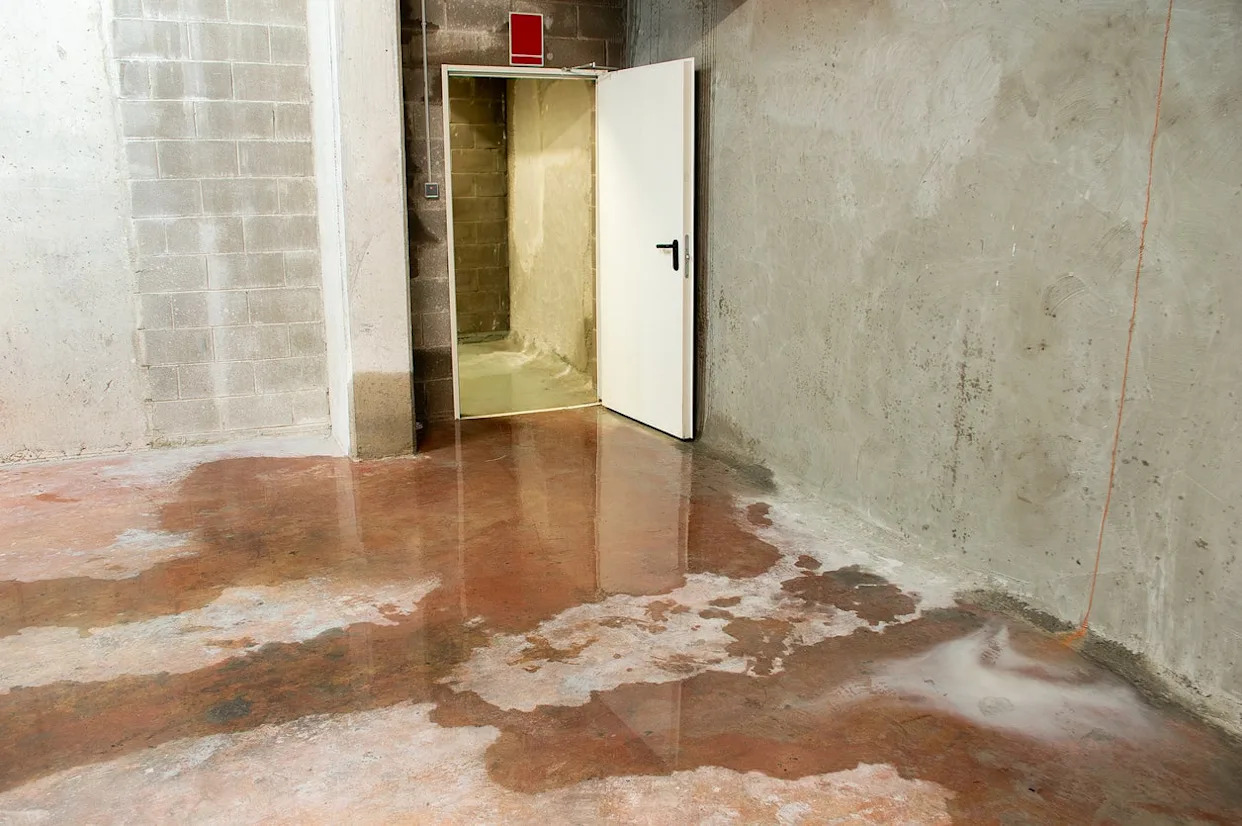
Solved! Here's What to Do About Water Leaking Into the Basement After Heavy Rain

This one basement conversion mistake could leave your space completely uninhabitable
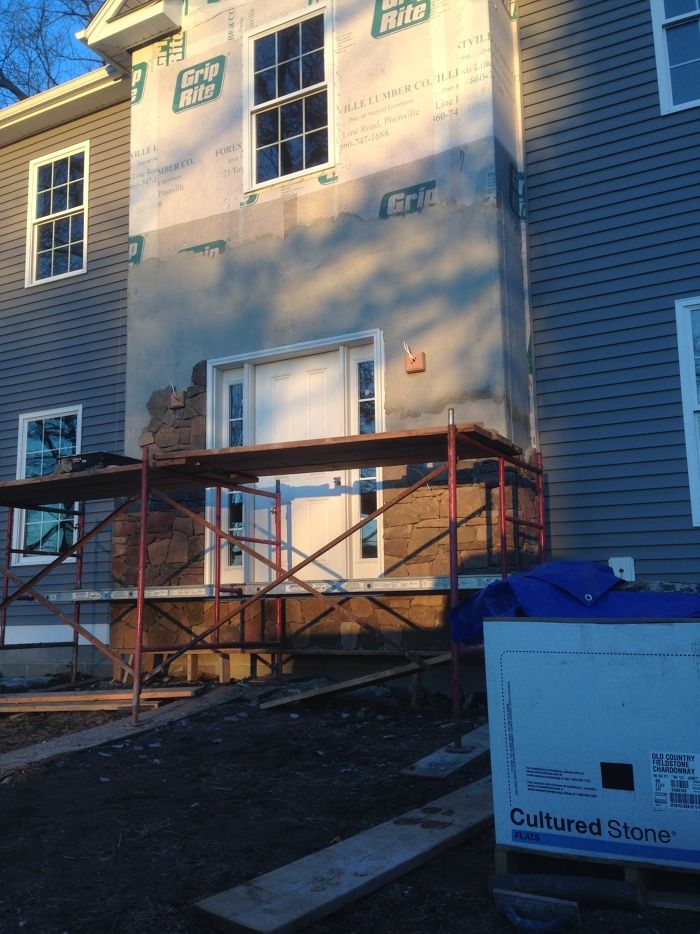
A manufactured stone installation that’s doomed to eventual failure