
How to Seal Drafty Windows (and Instantly Lower Your Heating Bill)
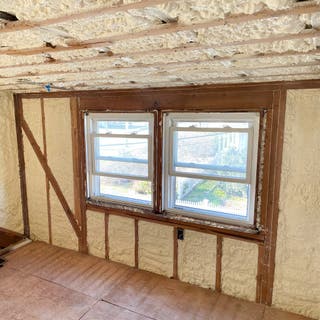
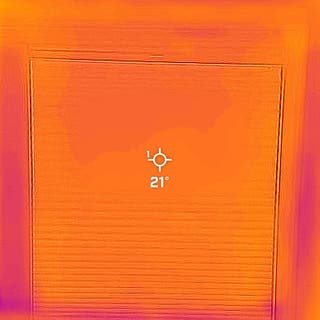
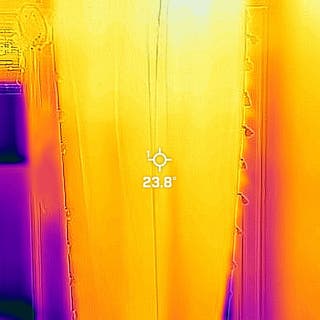
As winter approaches and temperatures drop, drafty windows can significantly impact a home's warmth and lead to increased energy bills. Sealing these windows is a crucial aspect of winterizing a home, offering an effective and often inexpensive solution to improve energy efficiency and maintain a comfortable indoor temperature throughout the colder months. This guide provides expert-recommended materials and practical, cost-effective methods for addressing drafty windows and minimizing heat loss.
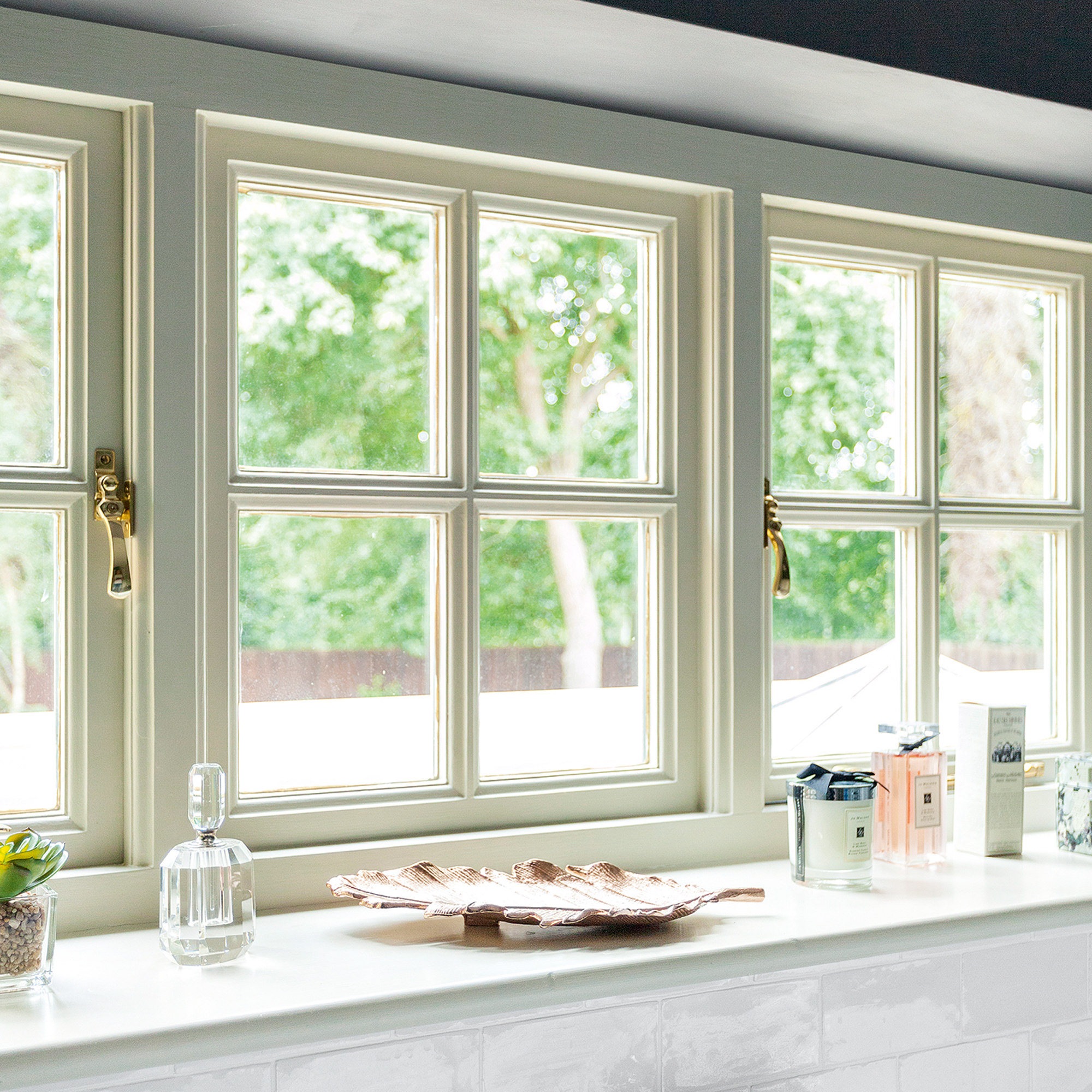
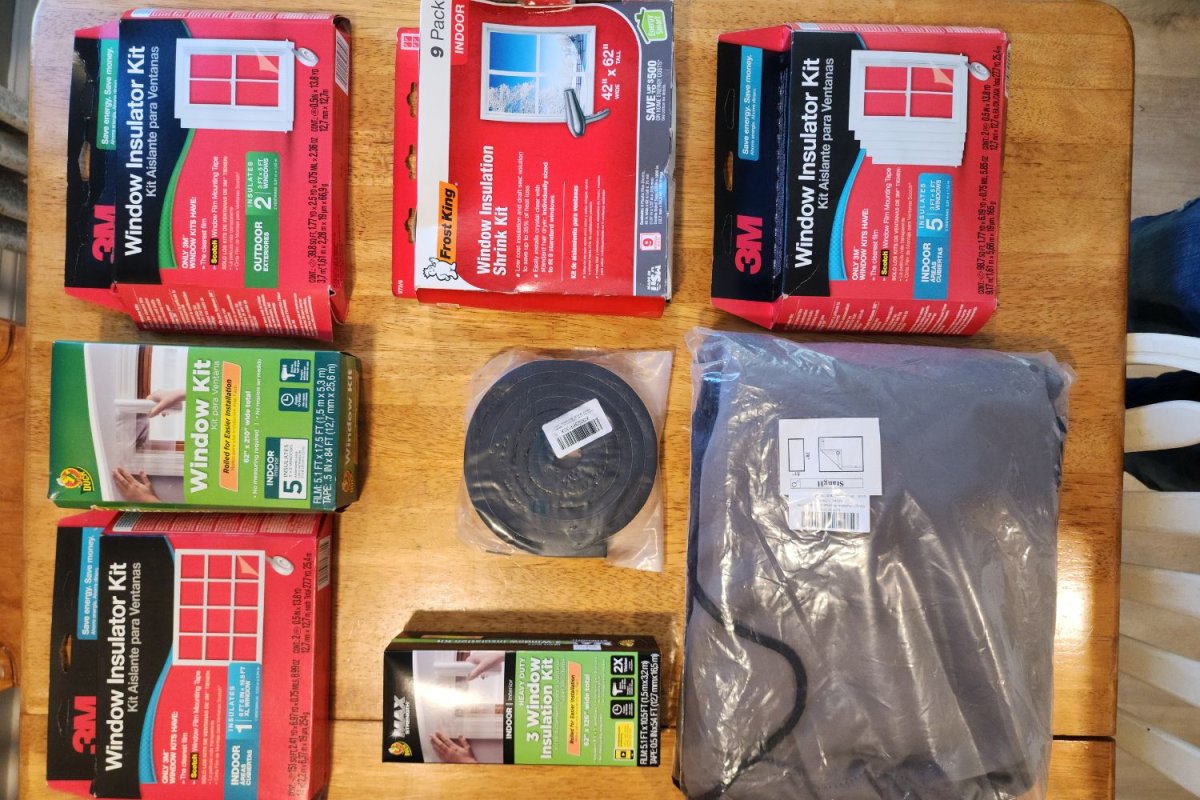
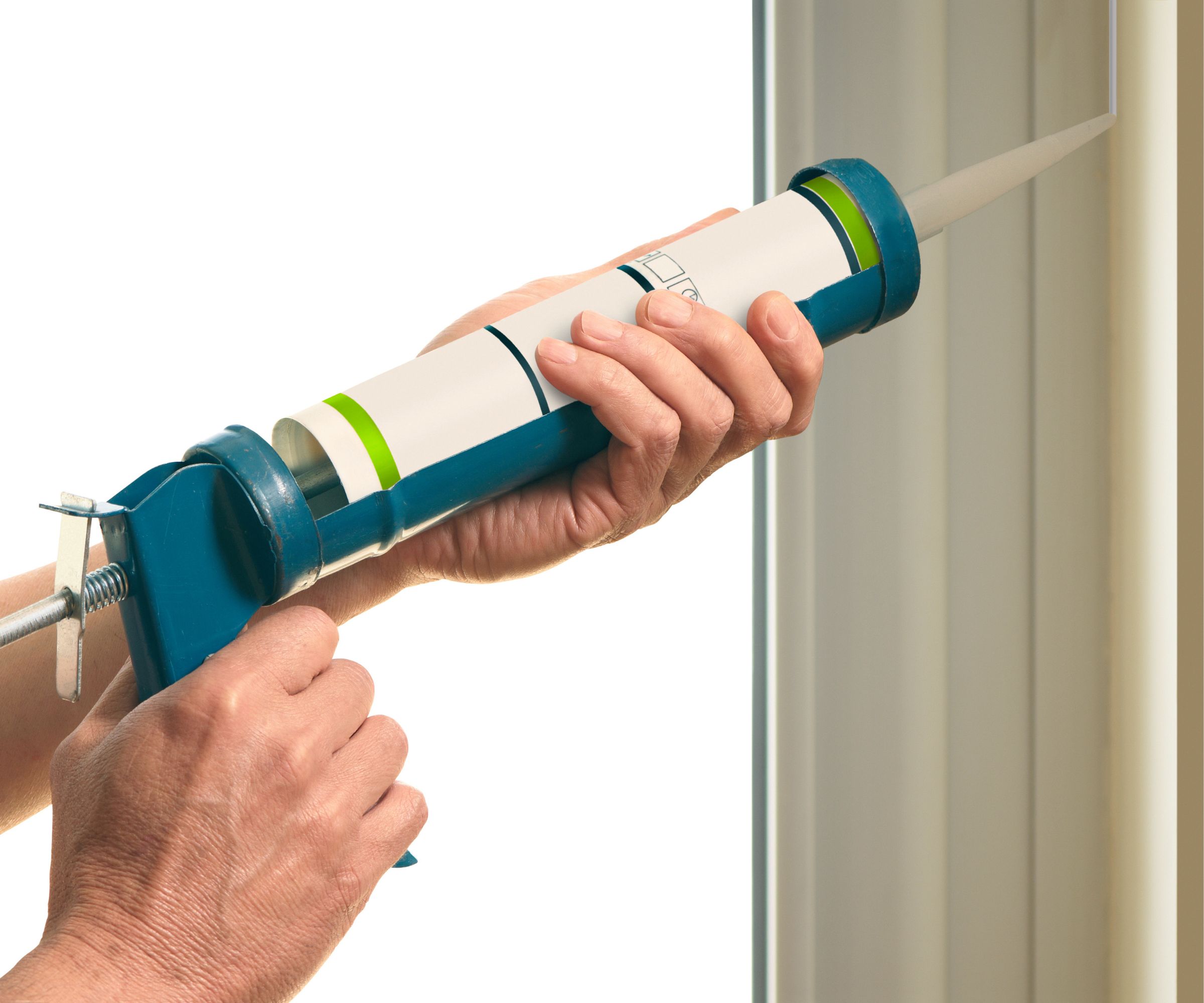
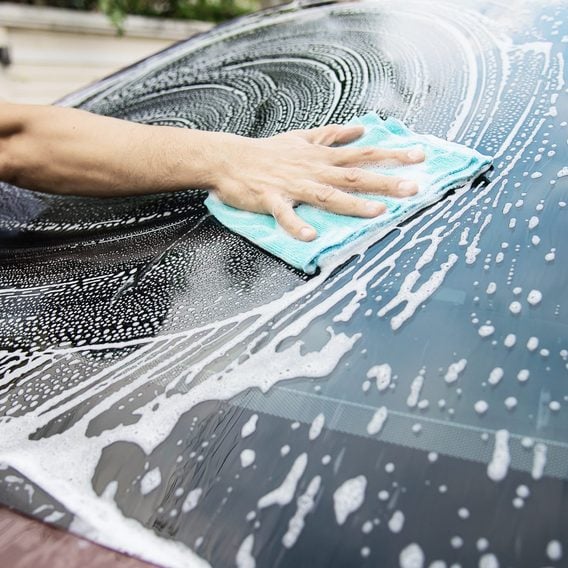
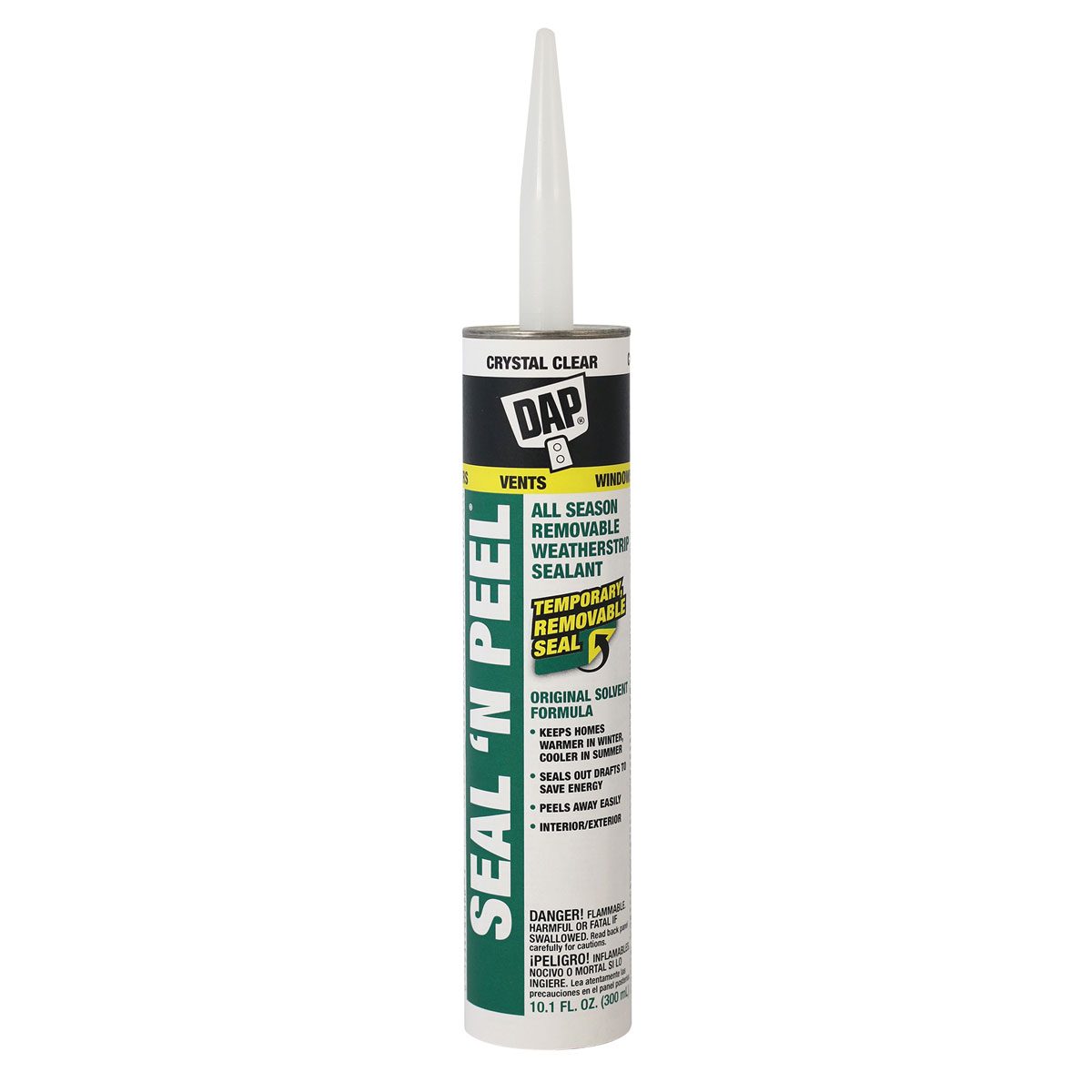
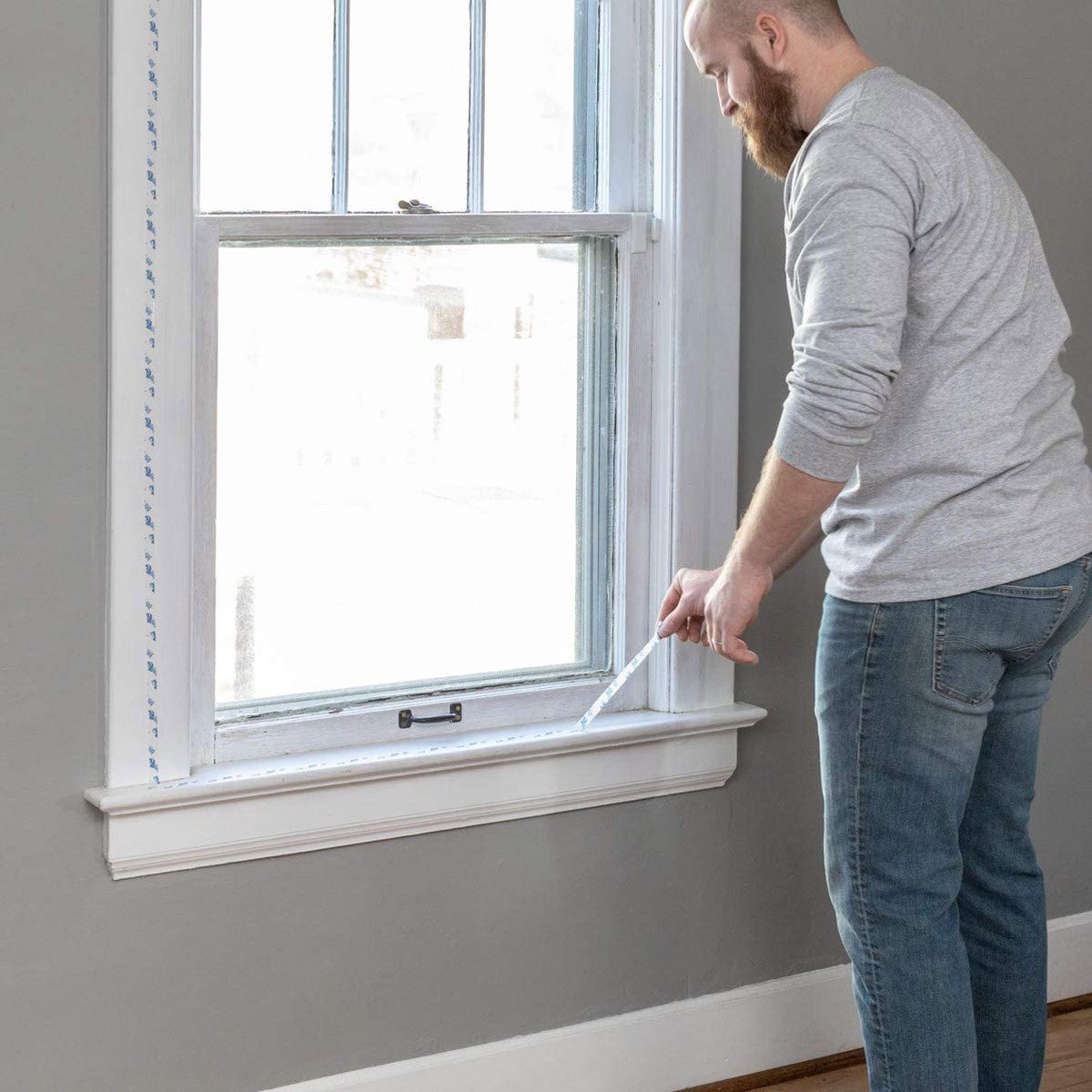
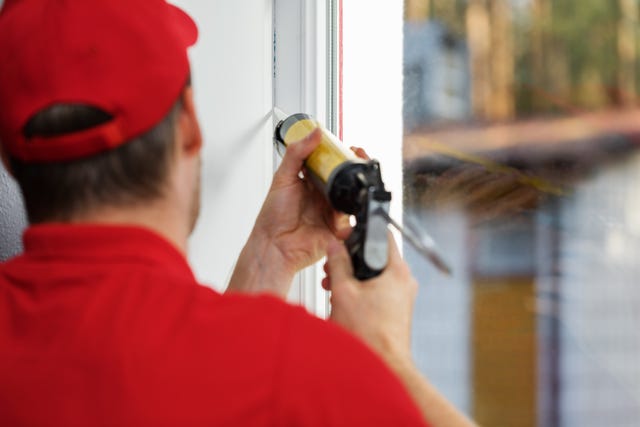
The primary culprit behind drafty windows is often aged weatherstripping, caulk, or product seals, which can crack or degrade over time, creating gaps that allow cold air to leak in. Mina Starsiak Hawk, a home renovation expert and star of HGTV's *Good Bones*, and Nicole Willits, from Pella Corporation, advocate for simple, low-cost solutions. One such method involves replacing old weatherstripping. This process requires opening the window, carefully removing any damaged weatherstripping and adhesive, cleaning the surfaces, and then measuring and applying new adhesive-backed foam tape weatherstripping to the bottom of the lower sash and the top of the upper sash. Locking the window after application ensures a tighter seal, and any remaining small gaps around the exterior frame can be sealed with caulk.
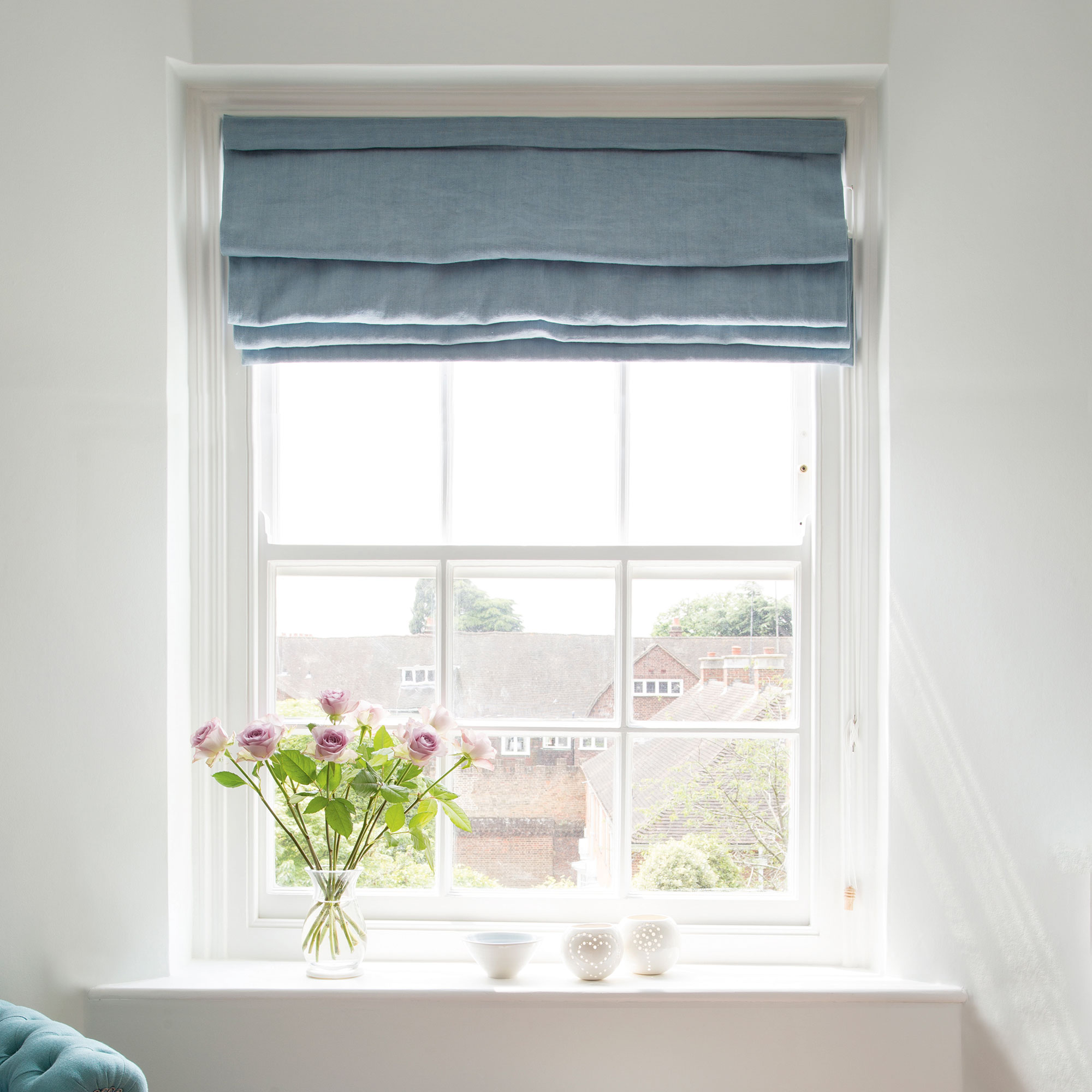
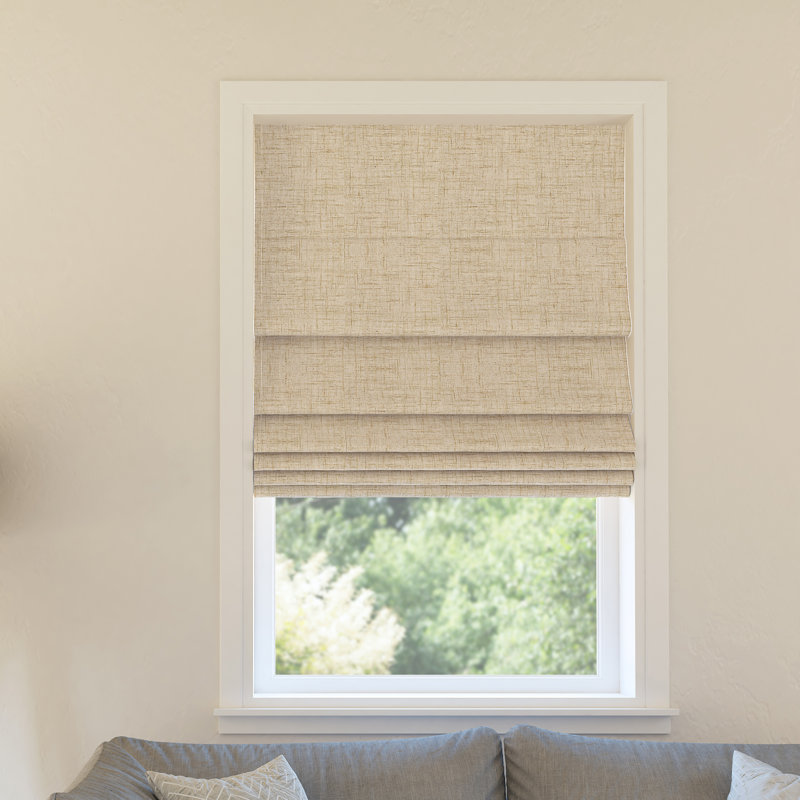
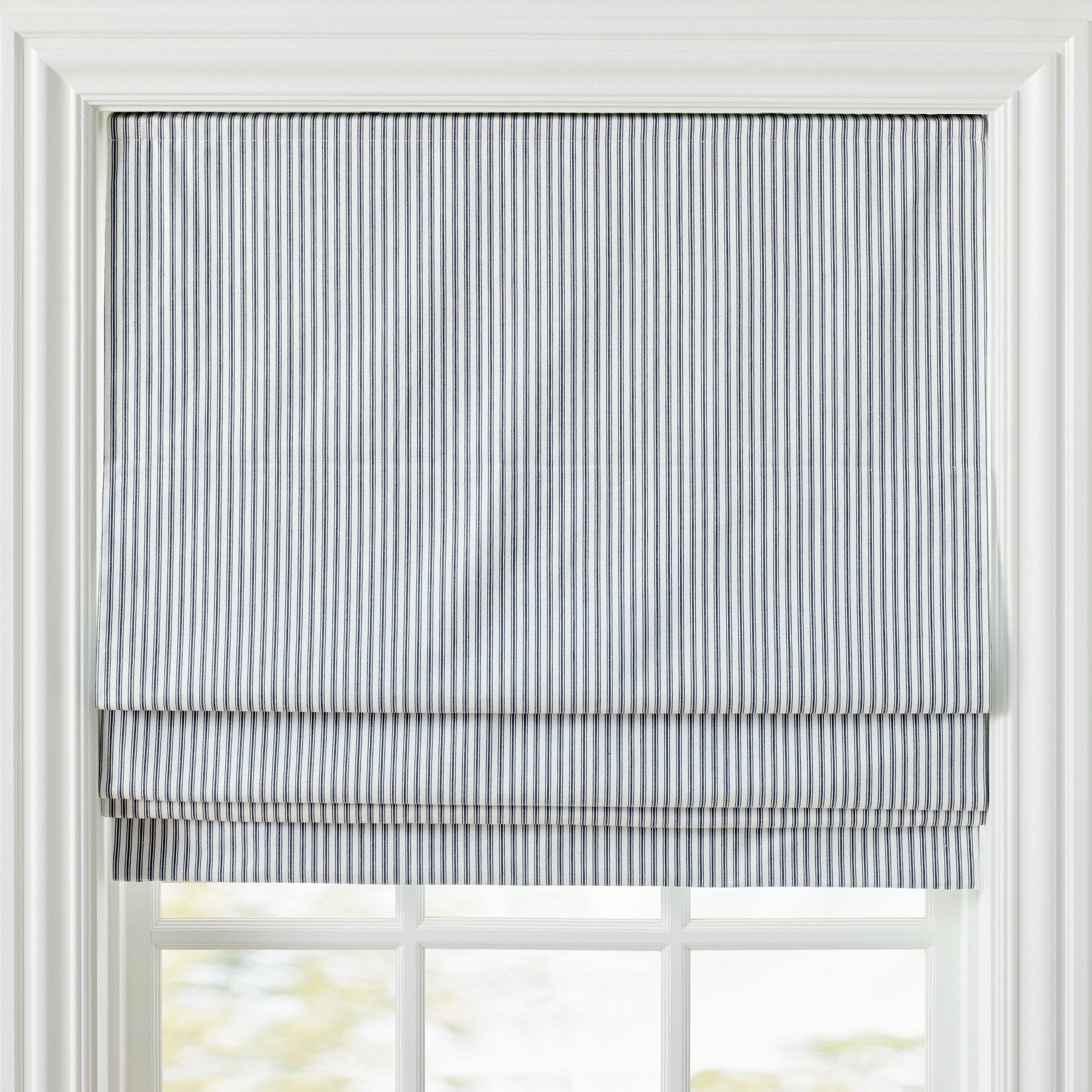
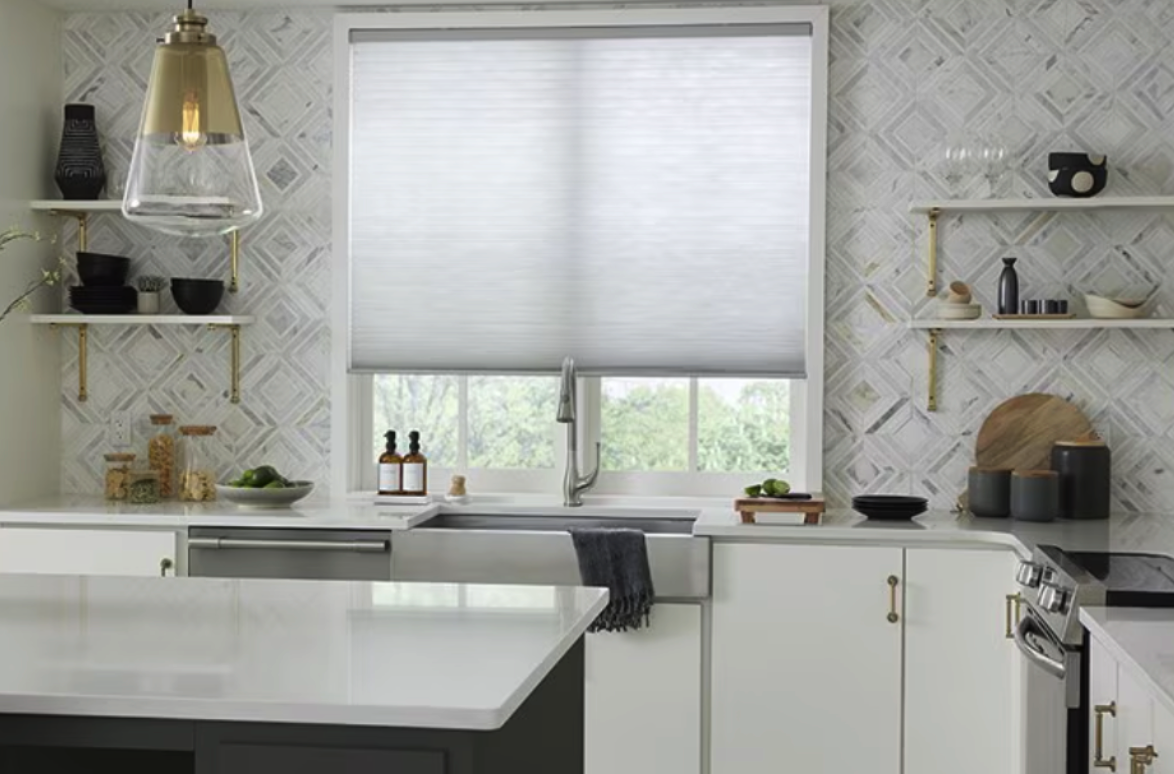
Another effective and straightforward approach utilizes draft guards and insulated drapes. This method is suitable for both DIY enthusiasts and those who prefer pre-made solutions. Weighted fabric draft stoppers can be placed directly against the bottom of the window sash to block cold air, while heavy insulated drapes add an extra layer of insulation, significantly reducing drafts and enhancing indoor comfort. Starsiak highlights these as quick fixes that yield noticeable improvements.
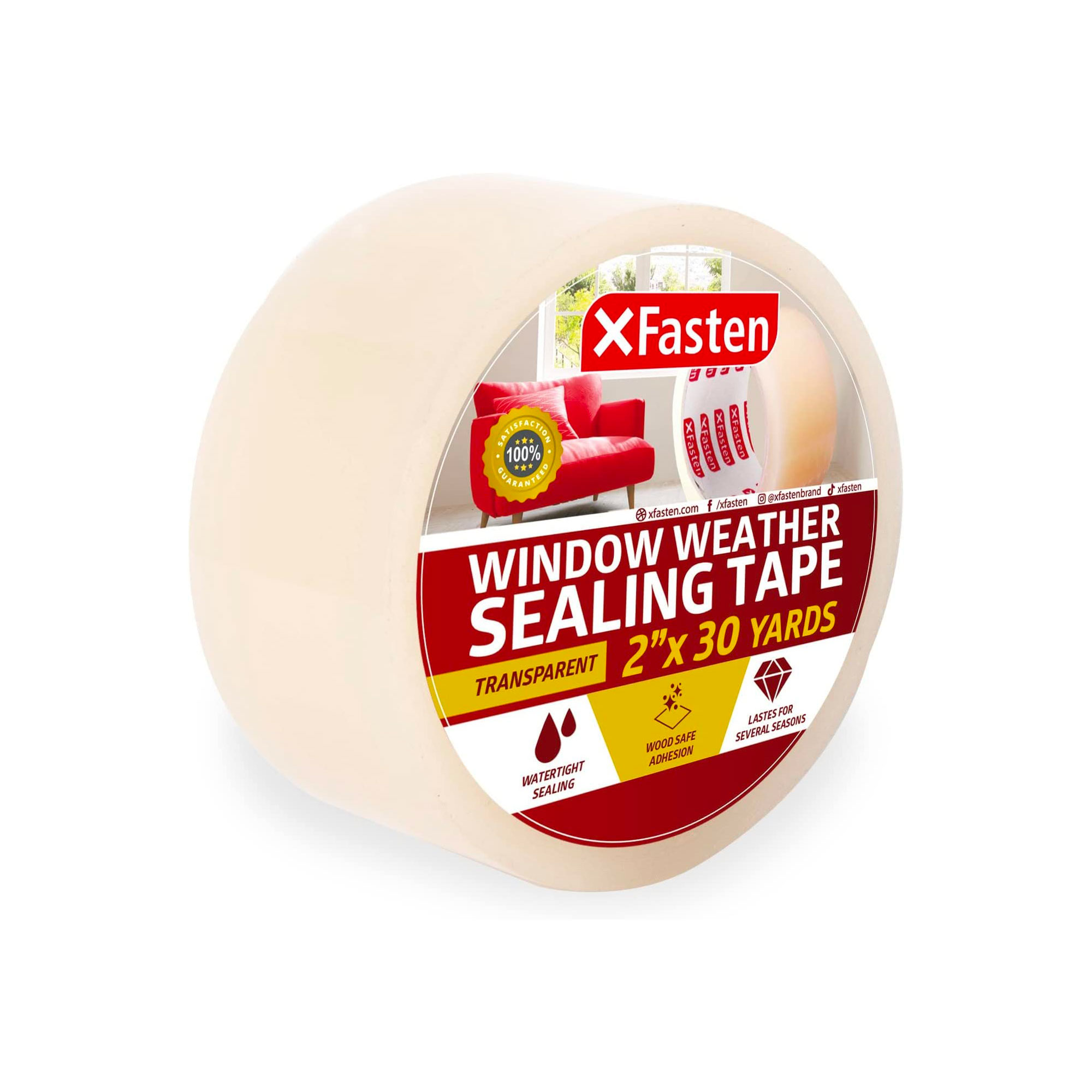
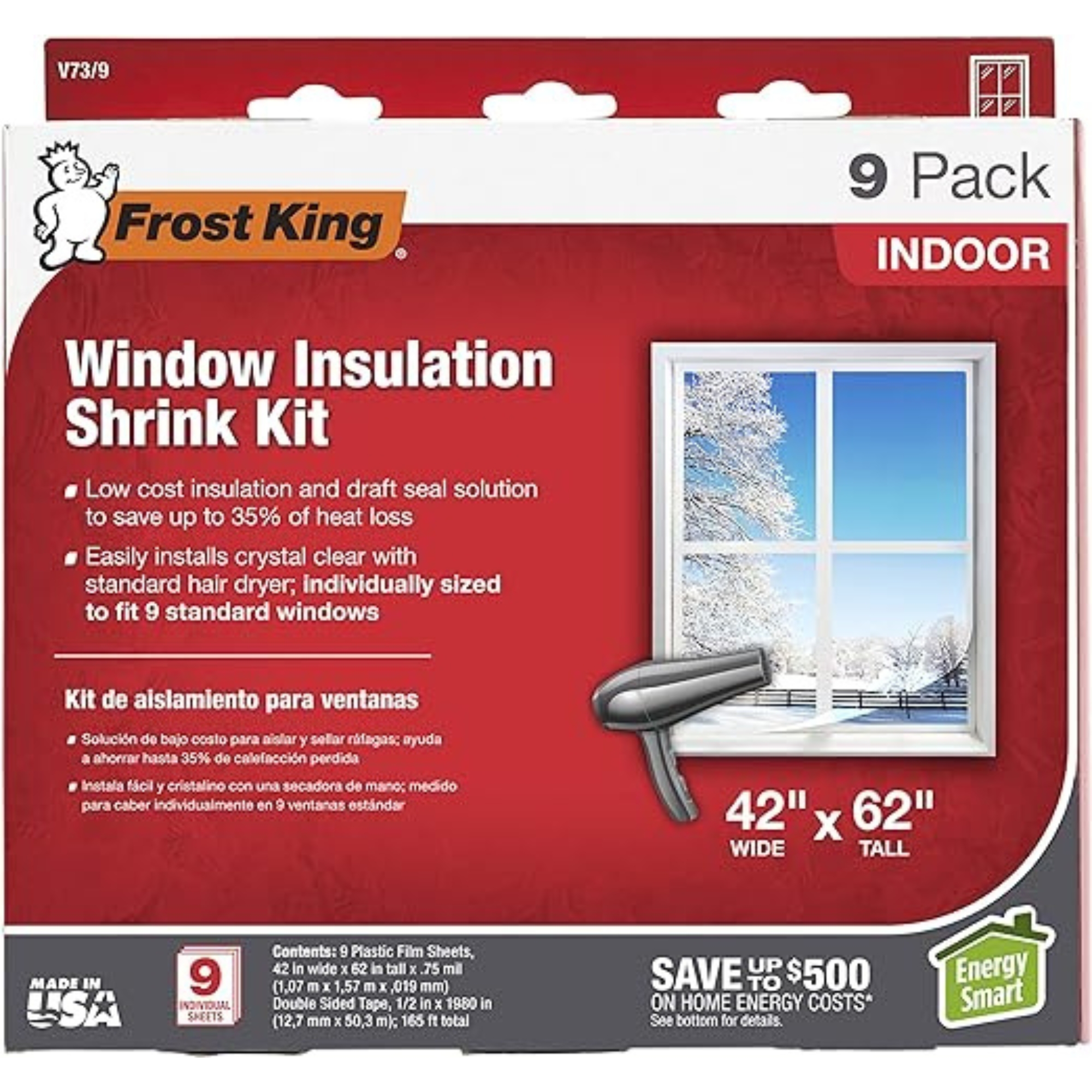
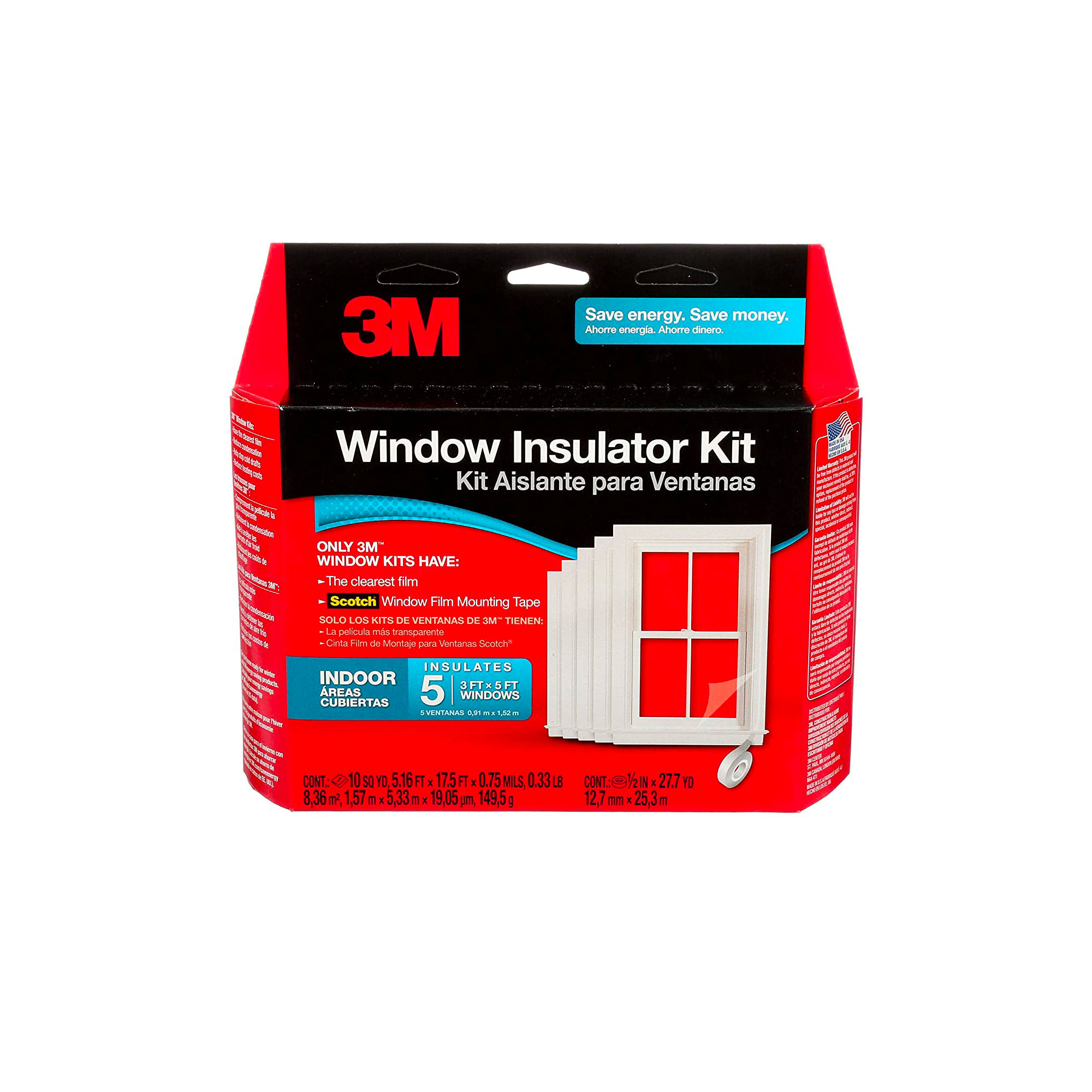
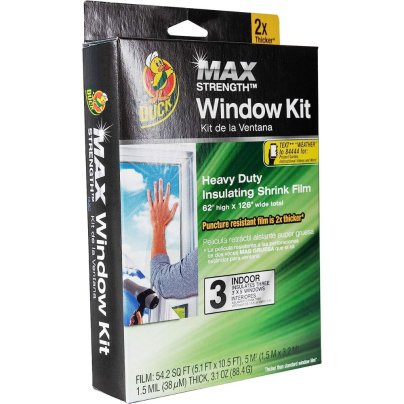
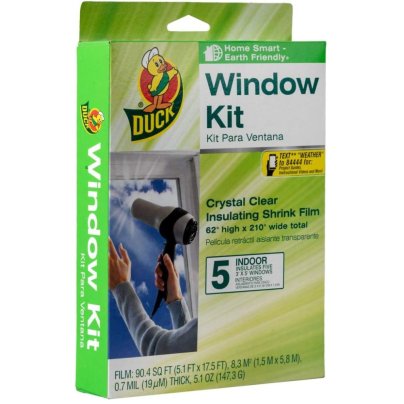
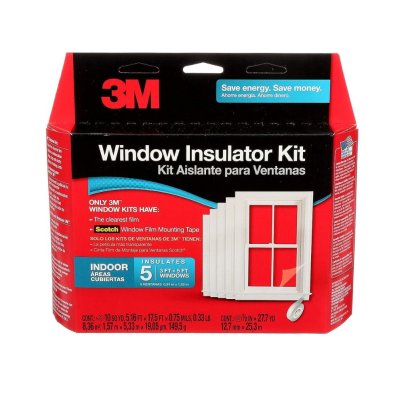
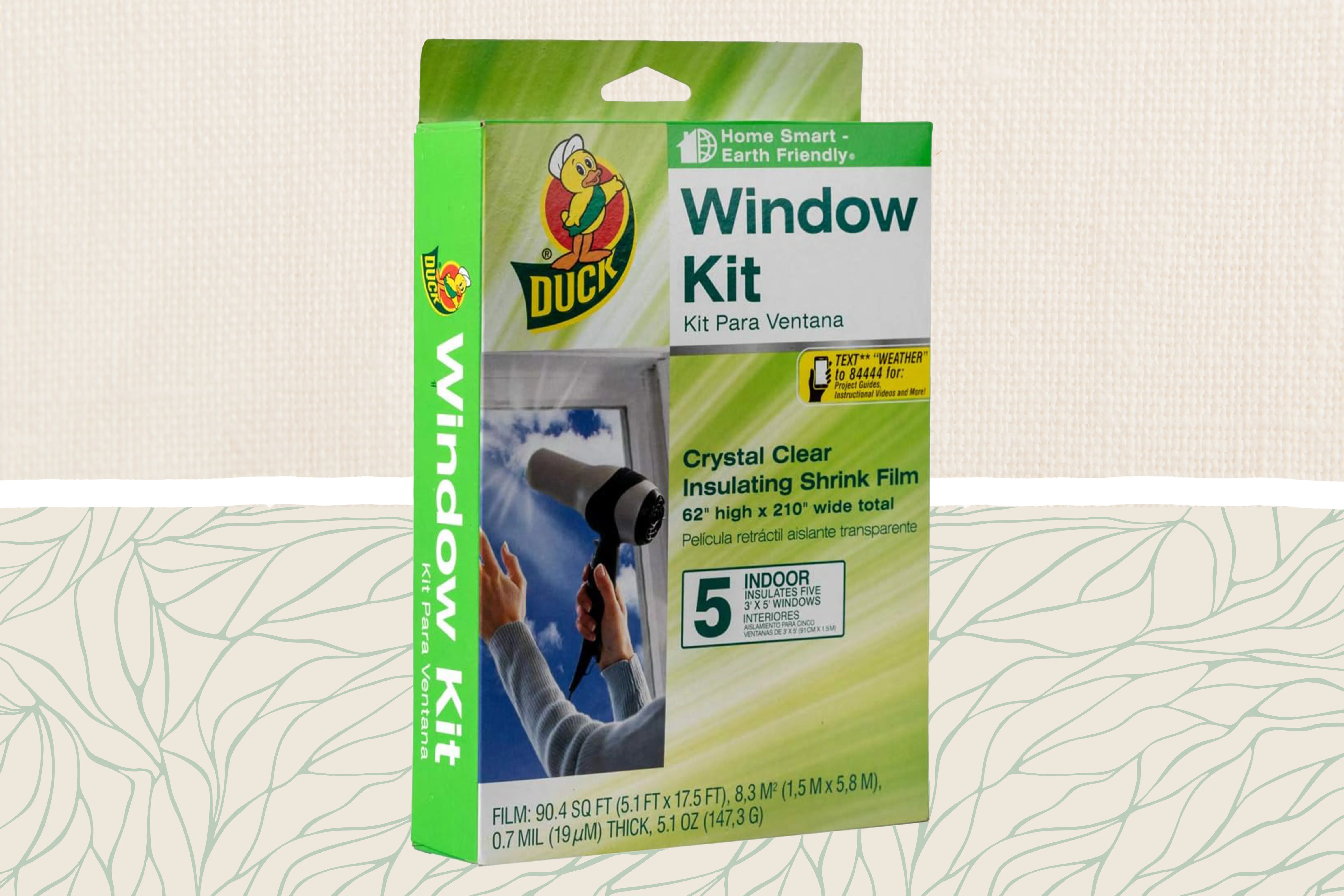
Window insulation film offers another cost-effective way to combat drafts. To apply, windows must be closed, locked, and thoroughly cleaned. Tape is applied to the perimeter of the window on all four sides, and then the insulation film is carefully applied over the tape, ensuring it lies flat. A hairdryer is then used to heat the film, causing it to shrink and create a tight seal across the window. It is important to move the hairdryer slowly and evenly to prevent wrinkles and avoid concentrating heat in one area.
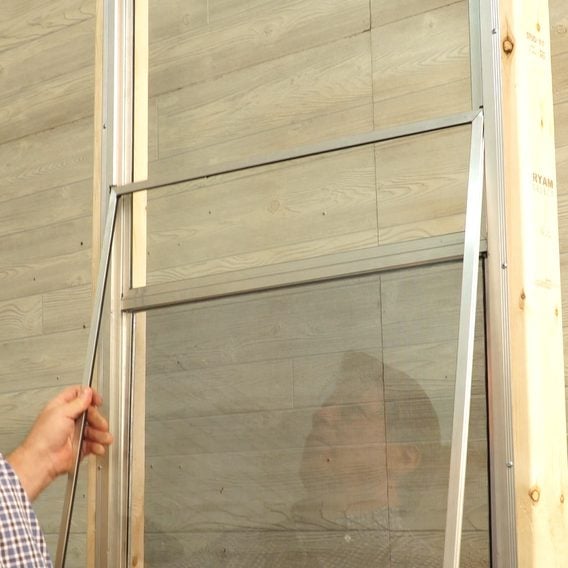
For more long-term solutions, temporary acrylic or polycarbonate window inserts that fit inside the window frame can improve insulation. A semi-permanent option is the installation of storm windows, which create an additional barrier between indoor and outdoor air. These can be installed on either the interior or exterior of existing windows and are particularly beneficial for inefficient windows, allowing the original windows to remain in place. The decision to repair or replace windows depends on factors such as their age, condition, and the cost-effectiveness of each option. Windows older than 20 years, or those exhibiting cracks, warping, rotting frames, fogging, or operational difficulties, may warrant replacement due to significant material degradation and reduced efficiency.
#HomeWinterizing #WindowSealing #EnergyEfficiency #DraftyWindows #HomeMaintenance #DIYHomeProjects #InsulationTips #HeatingBills #HomeComfort #HomeWinterizing #WindowSealing #EnergyEfficiency #DraftyWindows #HomeMaintenance #DIYHomeProjects #InsulationTips #HeatingBills #HomeComfort
0 comment in total
 No comments yet
You may also like

How to Seal Your Drafty Windows for Less Than $50

The $54 Frost Fix That Stops Drafty Windows – and Looks Great

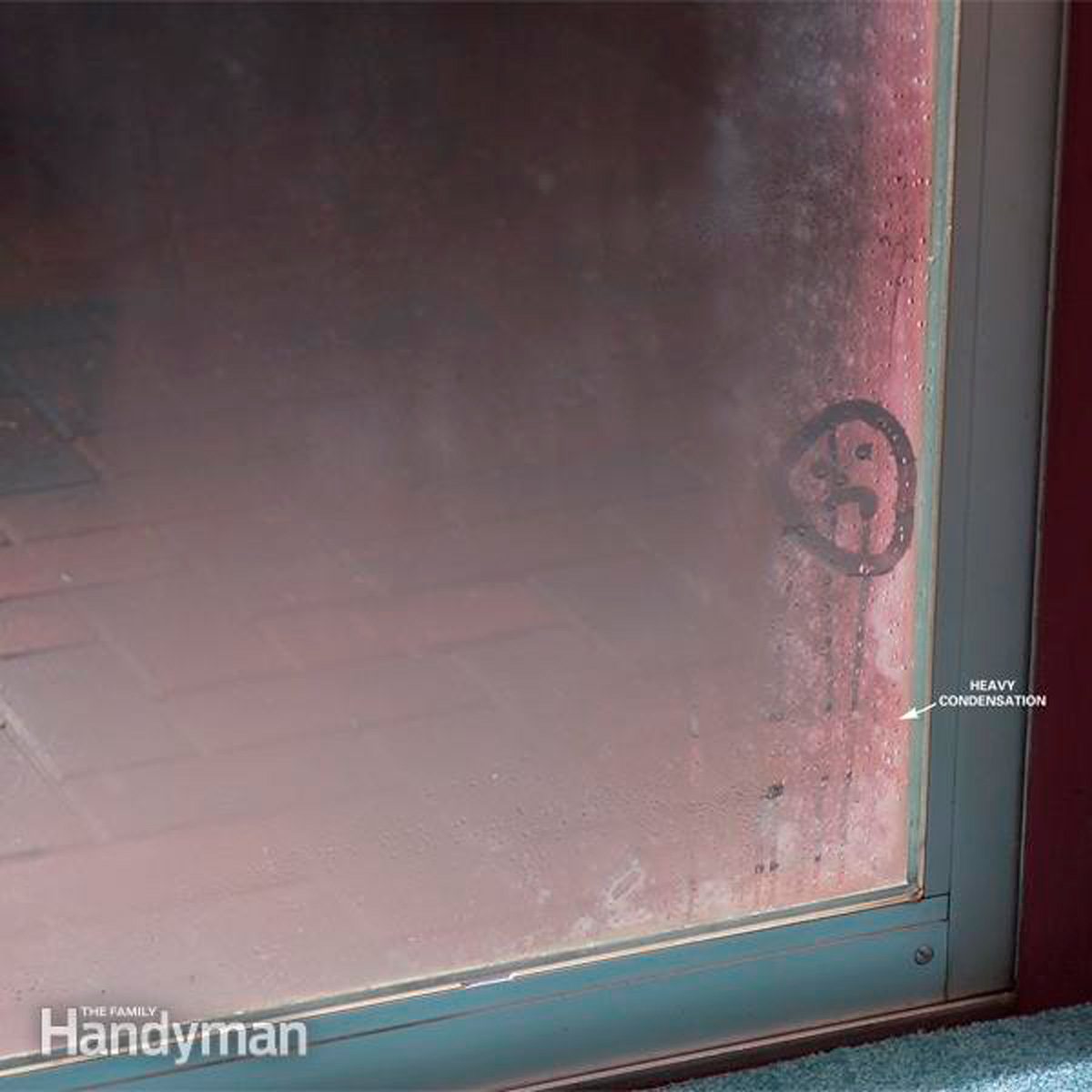
Home Window Installation, Parts and Repair


Block the Sun and Lower Your Energy Costs With Window Coverings

8 budget fixes for drafty windows — including a $2.99 beauty product I use every single day


6 places you shouldn't caulk around windows – and expert tips for caulking correctly
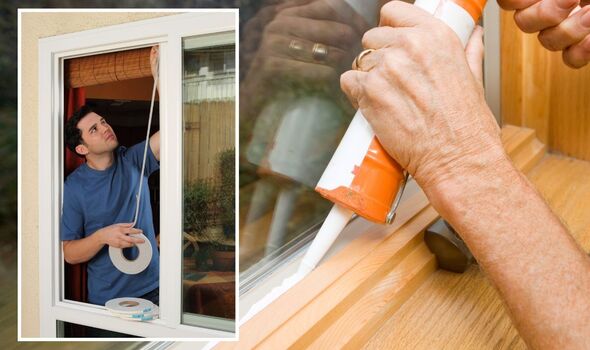
Four ‘simple’ DIY methods to draught-proof windows for under £5 - keep the cold air out

How to fix a drafty door – 6 ways to stop cold air getting through
How to draught proof a window - easy ways to keep heat inside your home this winter
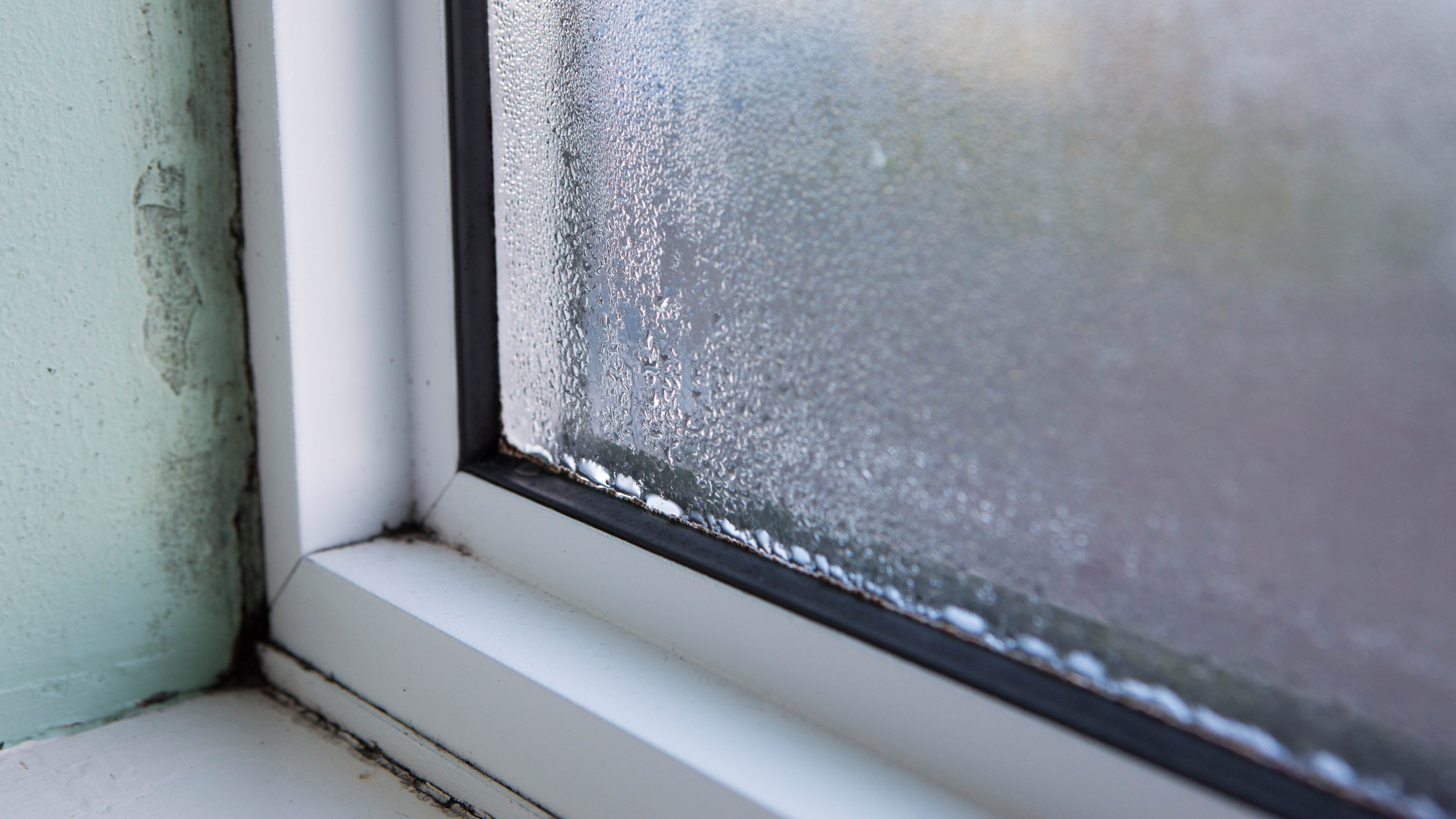
Cut heating costs with this $10 weekend fix — here’s how to seal leaks around doors and windows in minutes

5 Best Window Draft Stoppers

Do thermal curtains keep heat out in the summer? Experts reveal whether these window dressings are worth buying
Winterize Those Drafty Windows Now (Save Money on Heating Bills Later)

5 ways to draft-proof a bathroom – expert tips that you can do yourself

9 DIY draft-proofing jobs to warm your home in a weekend – and the big mistake to avoid

Pet Door Drafts? 5 Quick Fixes to Slash Winter Bills
Surprisingly, Our Favorite Window Insulation Isn’t the Thickest


Buy One, Get One Free: Increase Your Home’s Energy Efficiency With This Simple Upgrade

The 4 simple tricks that stopped condensation from forming on my bedroom windows – I no longer have to wipe my windows down every morning
Prep for Winter Weather with These 8 Window Insulation Kits