1/10
9 DIY draft-proofing jobs to warm your home in a weekend – and the big mistake to avoid
The rising cost of energy has made learning how to reduce energy bills a top priority for many homeowners, and effective draft-proofing is crucial for maintaining warmth and lowering expenses during colder seasons. This article provides nine expert-approved DIY draft-proofing tips that can be implemented quickly to make a significant difference in home energy efficiency. These methods are generally straightforward and affordable.
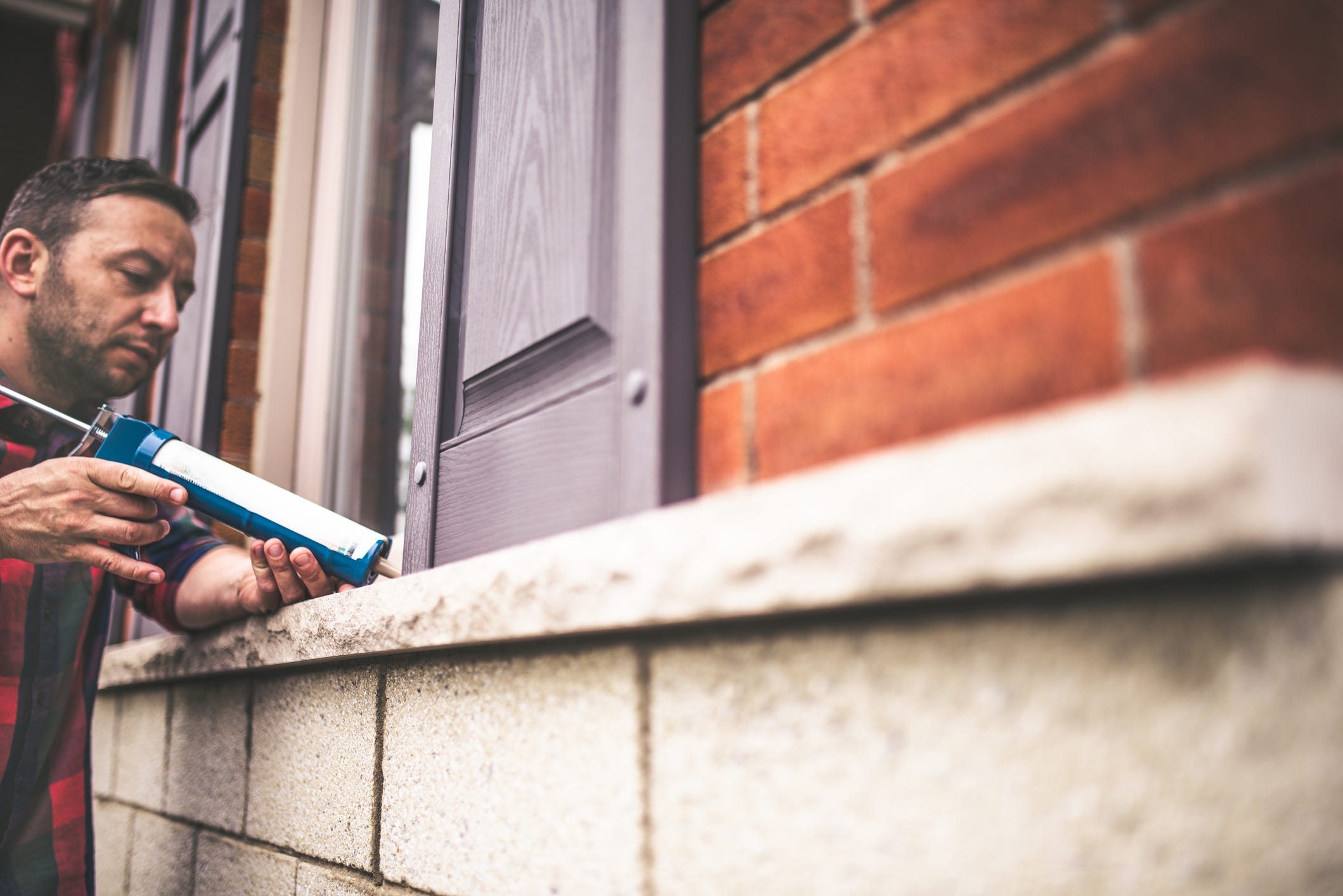
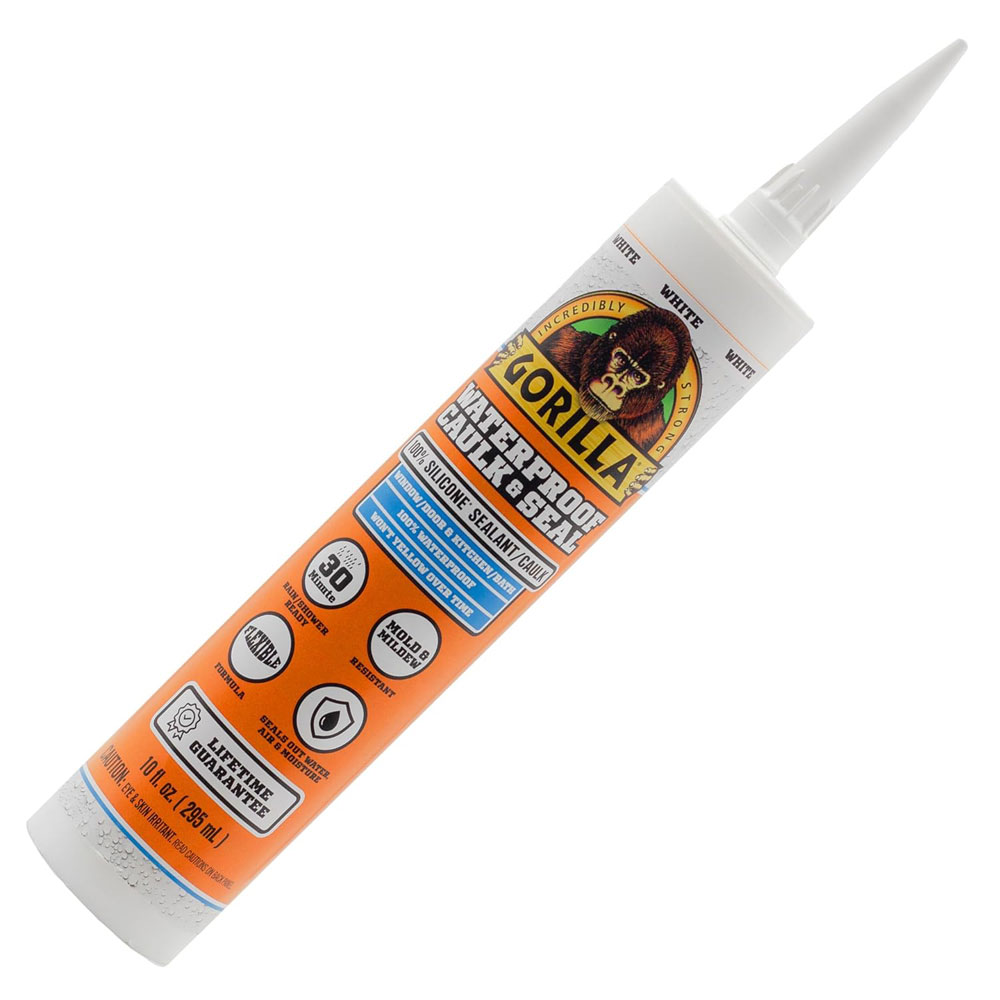
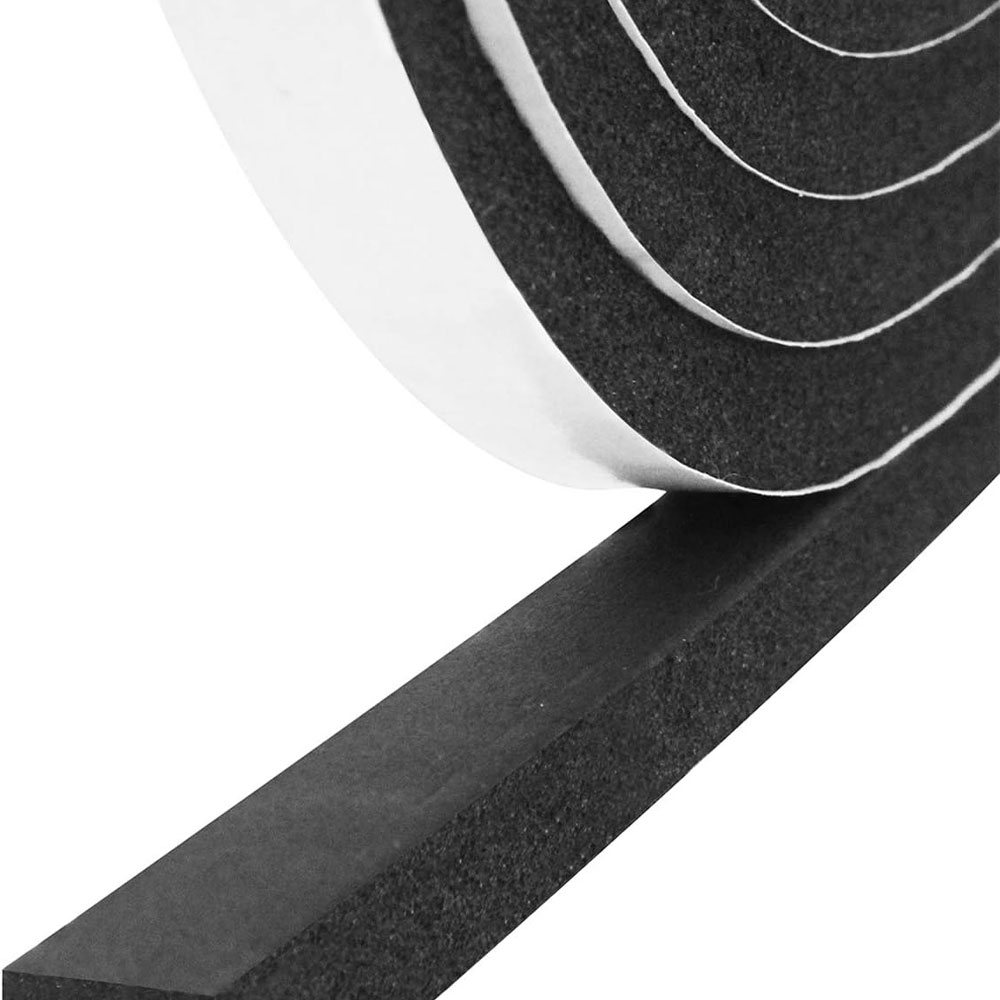
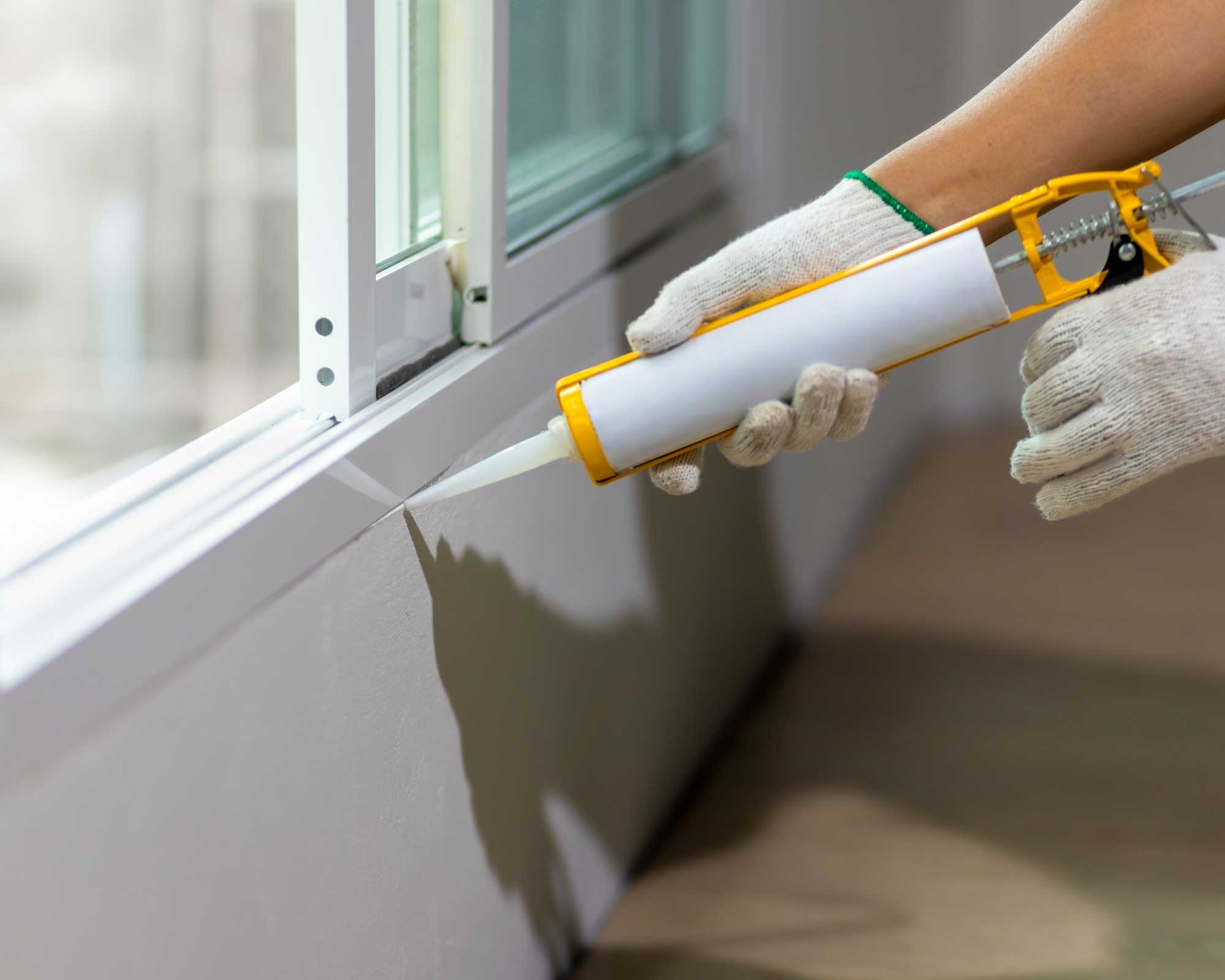
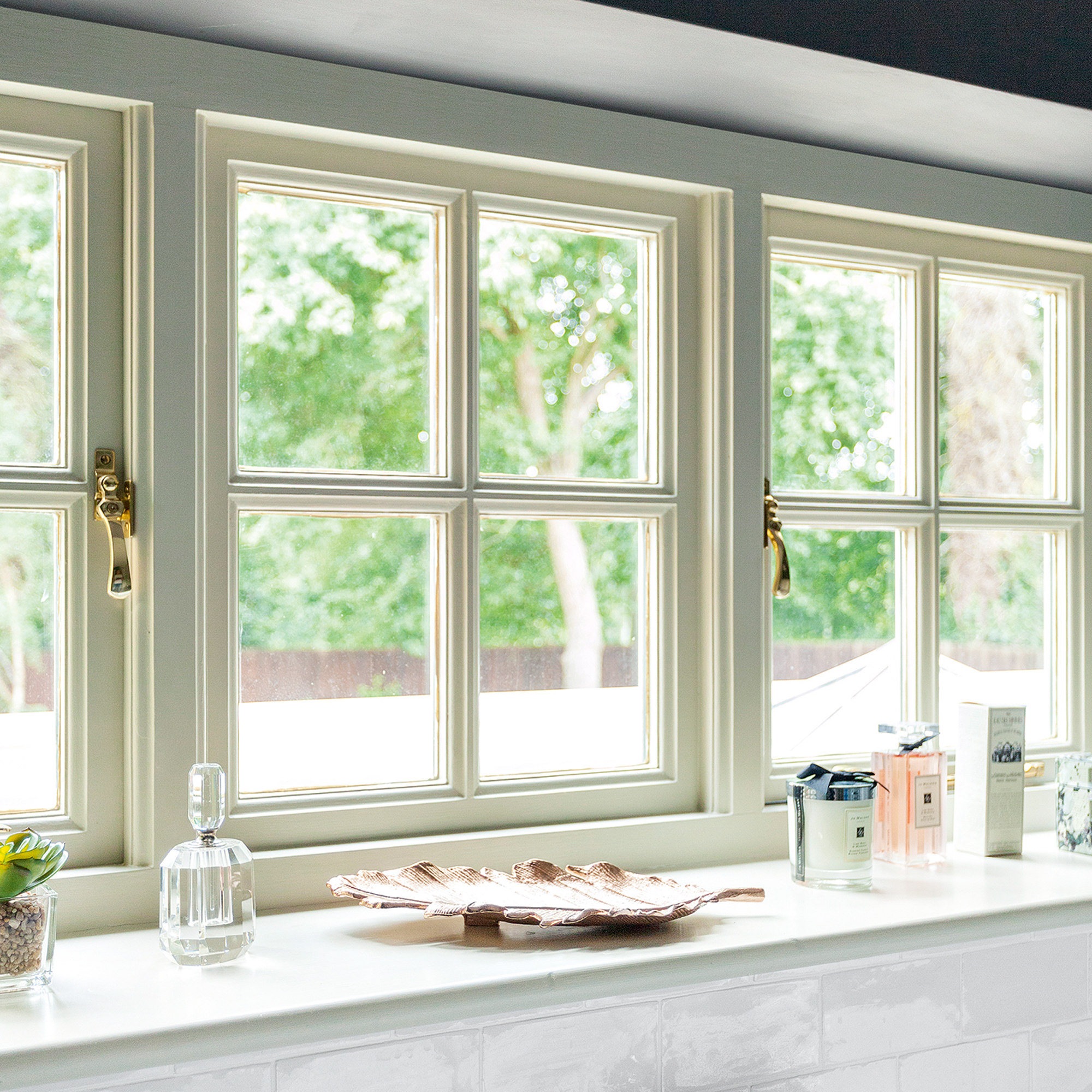
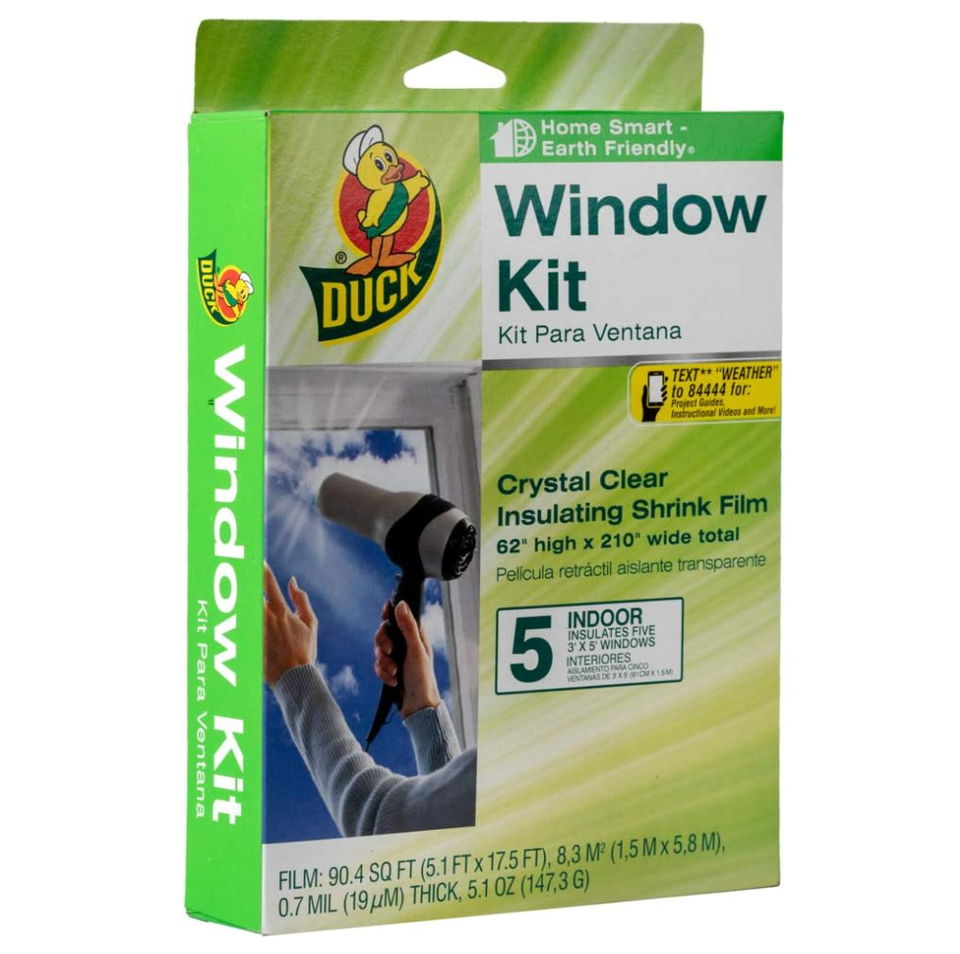
The first recommendation focuses on sealing gaps around door and window frames. Chartered architect George Omalianakis advises using silicone or expanding filler to seal spaces between frames and masonry, as these are primary points of air escape. For the 'openable' sections of windows, adhesive foam tape is suggested to prevent drafts. This initial step is identified as highly impactful.
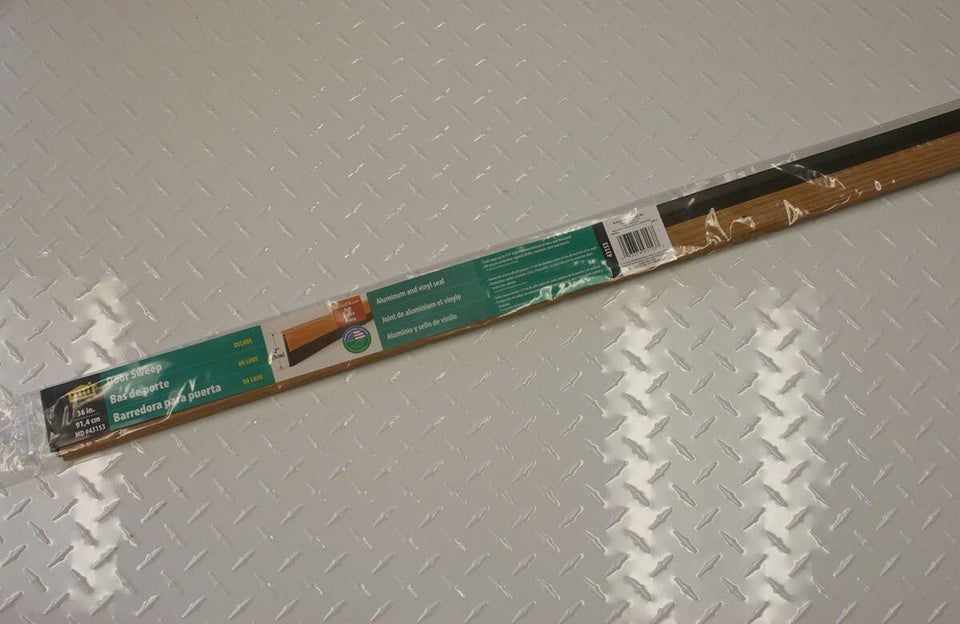
Secondly, adding draft-proofing strips to doors and windows is recommended. These strips, often self-adhesive or easily affixed with small screws, are an inexpensive and simple DIY solution to prevent cold air from entering. They are effective for both front doors and interior doors, helping to maintain temperature control between rooms. Weatherstripping, in particular, is highlighted as a quick and easy fix for drafty doors.
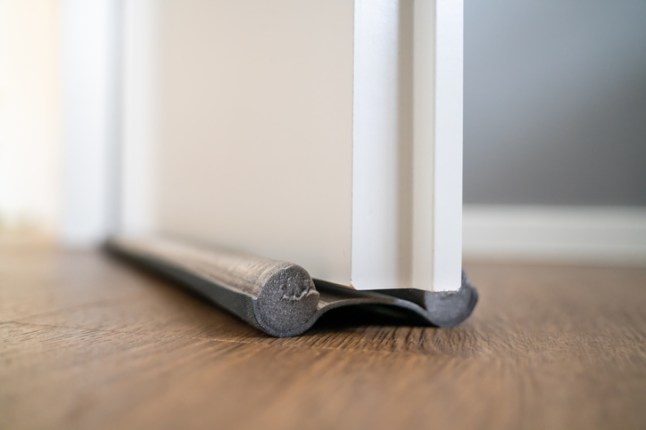
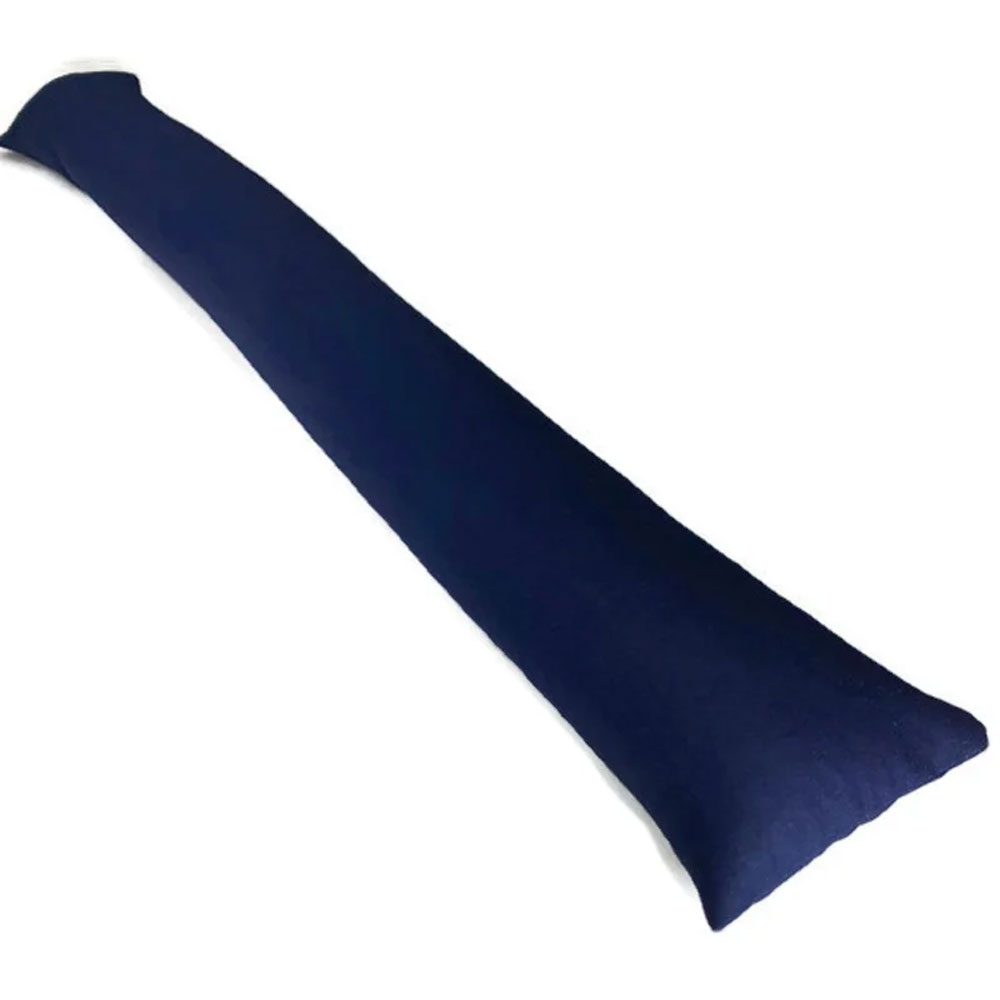
Thirdly, for interior doors that don't reach the floor, or for those who cannot install permanent strips, old-fashioned cushion excluders are presented as a viable alternative to block drafts. Various styles are available, including decorative options.
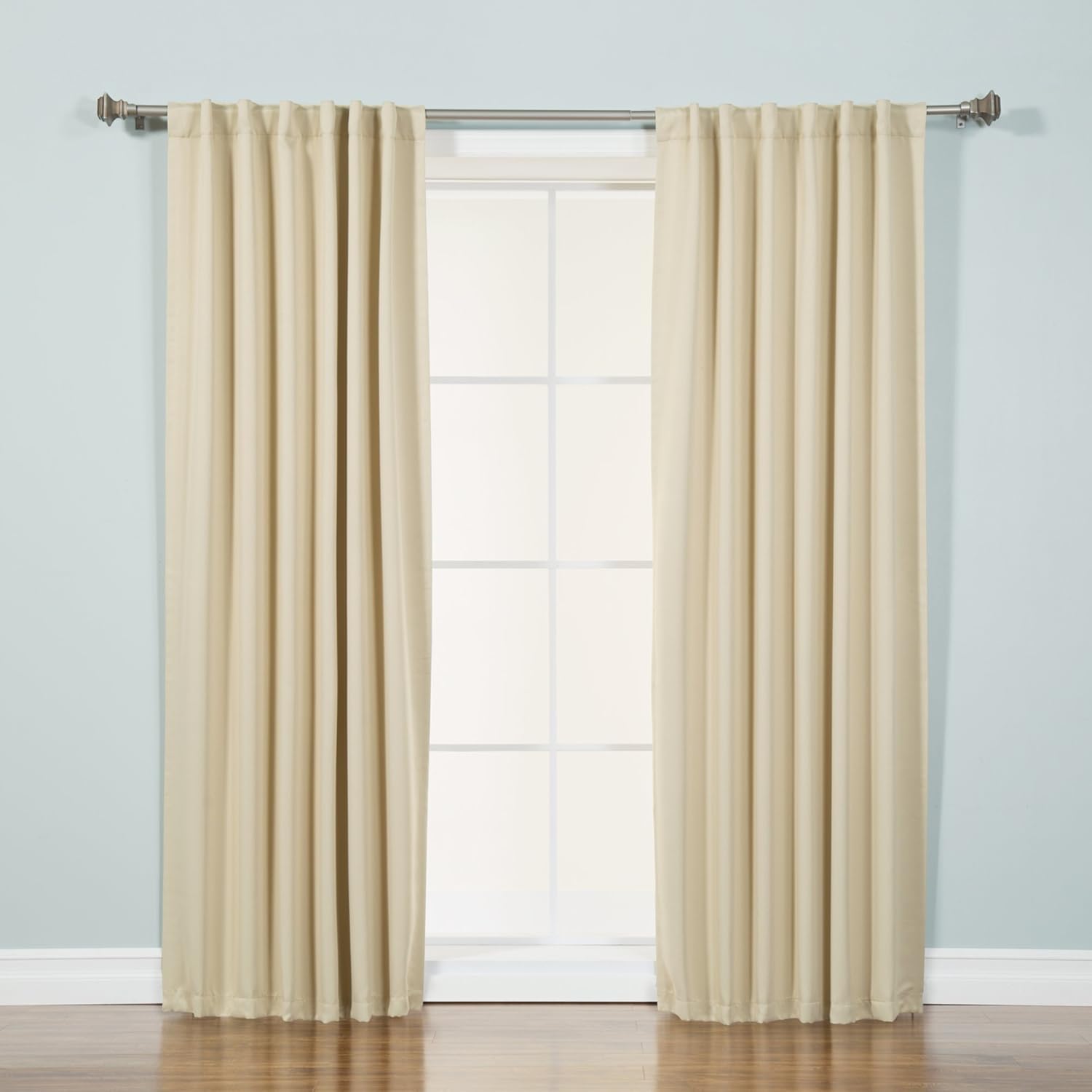
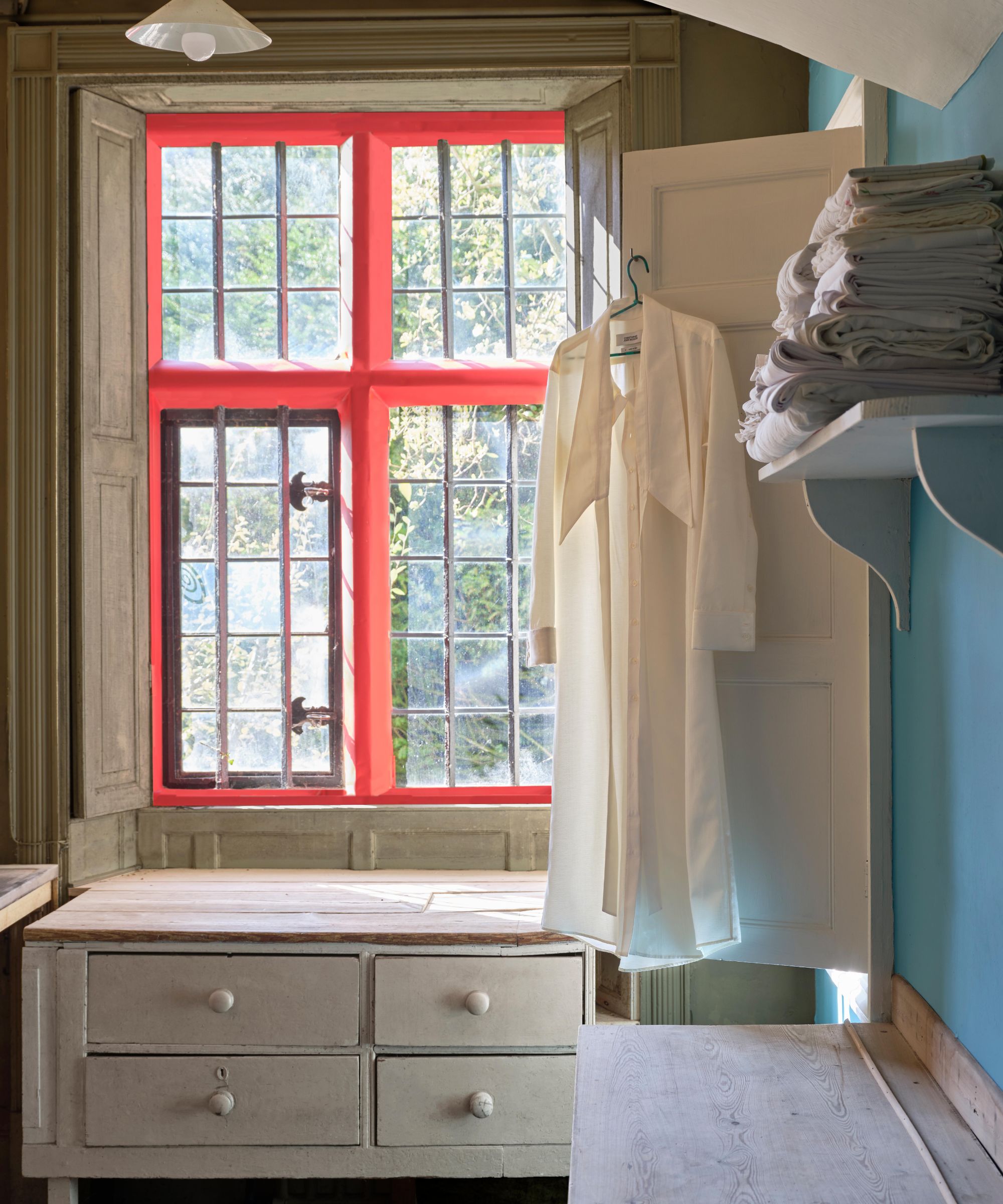
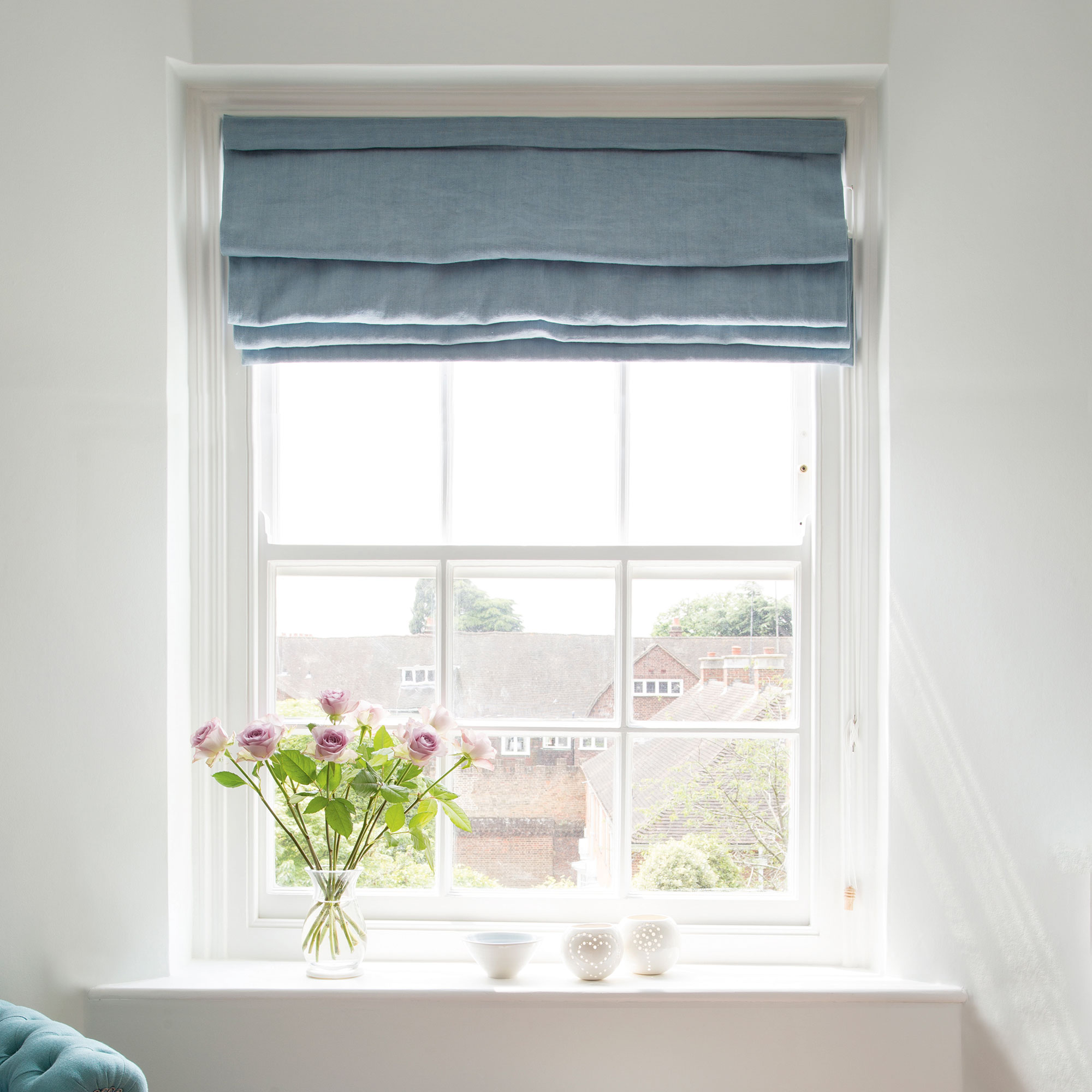
Fourthly, thermal drapes are advised, especially for rooms with large windows or glazed doors, as glass is a less effective insulator than solid walls. While natural sunlight offers warmth during the day, thick drapes become essential at night. The article suggests using fabrics with generous volume, lining existing curtains with thermal materials, or purchasing ready-made thermal curtain panels or basic thermal curtains. Shutters are also mentioned as an excellent way to improve window energy efficiency, potentially reducing heat loss by up to 62% through single glazing when closed.
The fifth tip addresses keyholes and letterboxes. These small openings, particularly on front doors, can allow cold air to enter. The simple fix involves sealing them with metal covers designed for this purpose. Kamil Kowalsk of LimakWay Remodeling suggests that adding insulation more broadly, such as installing new windows, adding drywall, new roofs, or spraying foam on walls, can be beneficial in cooler climates for reducing energy consumption and improving indoor air quality. Reflective insulation in attics is also mentioned.
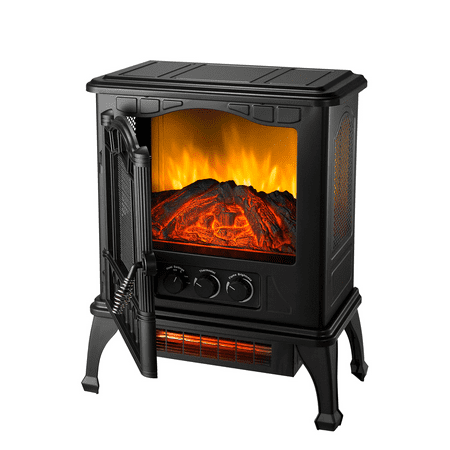
Sixthly, sealing unused chimneys is crucial. While active fireplaces and woodburners provide warmth, dormant chimneys can allow cold air in and warm air out. Chimney draft excluders, such as basic chimney balloons or sheep's wool draft stoppers, are recommended to block cold air effectively, though care must be taken to avoid complete sealing, which could lead to dampness.
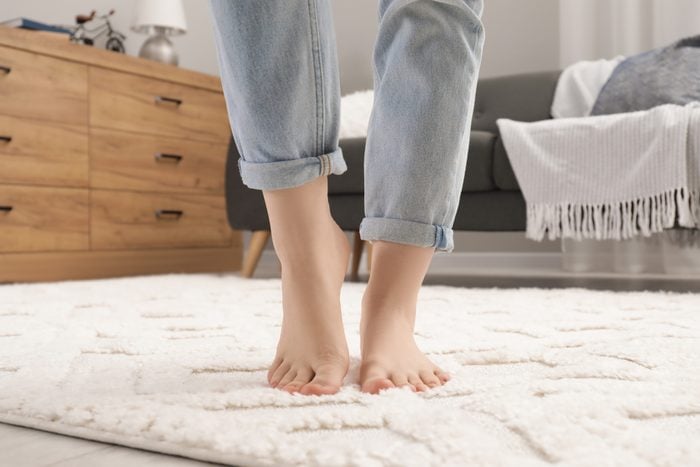
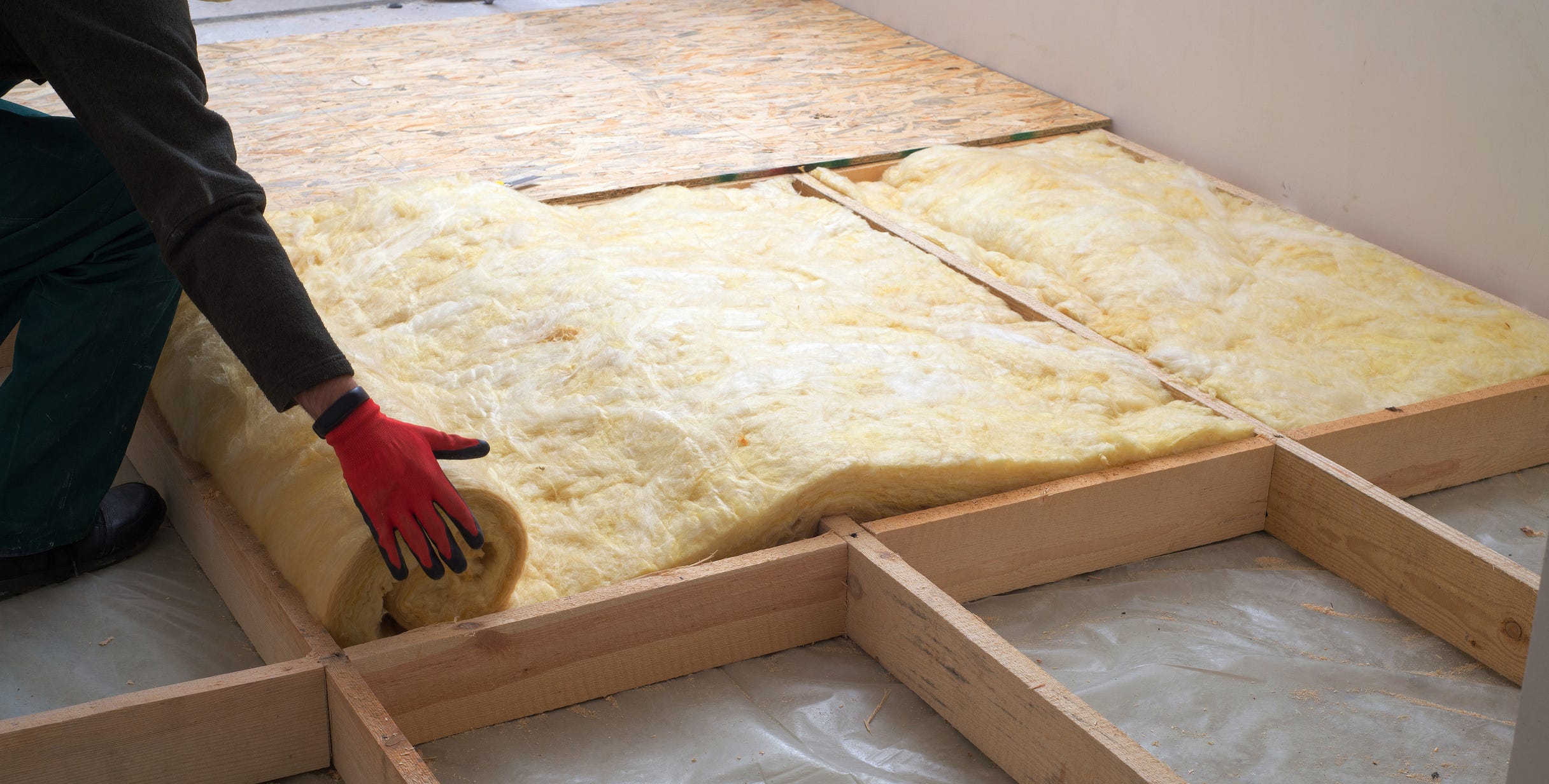
The seventh point concerns original wood flooring. While aesthetically pleasing, it can be drafty. A long-term solution involves insulation beneath the floorboards or filling gaps between them, but for a quicker fix, using thick, large area rugs is suggested. Inexpensive carpet underlay can be placed under thinner rugs to add insulation and extend the rug's lifespan.
Eighth, attic hatch openings should not be overlooked. If an attic is accessed via a ceiling hatch, insulating the upper side of the hatch door is important to prevent warm air from escaping into the cold, drafty attic space. George Omalianakis emphasizes that a poorly fitting attic hatch can continuously draw air upwards. Using weather-stripping products to fill gaps around the hatch is also advised.
Finally, the ninth tip is to close doors to rooms that are not frequently used. This practice helps prevent heating unnecessary spaces and stops cold air from unused rooms from spreading into heated areas. Closing upstairs room doors during the day and keeping the door closed to the room currently occupied can have a similar insulating effect.
The article concludes by highlighting a common draft-proofing mistake: hindering necessary ventilation. George Omalianakis cautions that while draft-proofing aims to prevent uncontrolled ventilation, a healthy home requires some level of ventilation, especially in wet areas like bathrooms. He advises ensuring trickle vents and fans are still functional to provide controlled and beneficial airflow. Further resources for draft-proofing basements, garages, and kitchens are also provided.
#DIYHomeImprovement #DraftProofing #EnergyEfficiency #HomeInsulation #WinterizingHome #ReduceEnergyBills #ThermalDrapes #HomeMaintenance #InteriorDoors #DIYHomeImprovement #DraftProofing #EnergyEfficiency #HomeInsulation #WinterizingHome #ReduceEnergyBills #ThermalDrapes #HomeMaintenance #InteriorDoors
0 comment in total
 No comments yet
You may also like
17 Tips and Hacks to Help Keep Your House Warm This Winter


9 cheap ways to heat your home this winter for under £10 each


5 easy DIY tricks to draft-proof sunrooms for winter
How to Save Money and Energy Heating Your Apartment (Published 2018)
It's Time to Prepare Your Home for Winter With These 10 Quick, Easy Ways

6 of the best heater ideas to warm up your home this winter


6 Expert-Backed Ways to Keep Cold Air—and High Energy Bills—Out of Your House This Winter

10 Expert-Recommended Products For Keeping Drafts Out

The 8 Must-Have Products to Winterize Your Home


Stuck Inside? 10 Easy DIYs Contractors Say You Should Learn This Winter


How to warm up your first floor – 7 expert tricks to hold heat downstairs for a cozy winter

7 easy and efficient ways to keep your house warm this winter

I Was Sick of Cold Front Door Drafts Making My Living Room Feel Arctic and Driving Up Energy Costs – A $4 Easy Amazon Fix Has Been A Game-Changer

7 Sneaky Ways Drafts Hide in Your Home – And How to Fix Them So Holiday Guests Feel Cozy and Welcome
How to draft proof your kitchen, cook in comfort and reduce your energy bills

How to keep your mudroom warm – 5 expert-recommended tips

5 ways to draft-proof a bathroom – expert tips that you can do yourself

The 4 areas of your home pros say to always insulate to keep it toasty in colder weather – plus, where to never insulate
How to draught proof a window - easy ways to keep heat inside your home this winter

Heat your home efficiently this winter