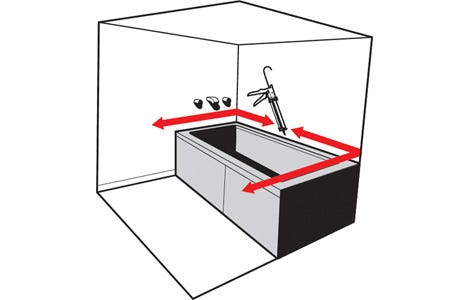
1/4
6 places you shouldn't caulk around windows – and expert tips for caulking correctly
Caulking around windows is a common home maintenance task aimed at improving energy efficiency, preventing drafts, and reducing heat loss. However, improper caulking can lead to moisture trapping, structural damage, and compromised window functionality. It is crucial to understand specific areas around windows that should not be caulked to ensure their longevity and proper operation. Home improvement experts emphasize that homeowners should avoid caulking parts of a window designed for movement, air circulation, or moisture drainage, as the exact components can vary by window type and style.
One critical area to avoid caulking is between movable parts of a window, such as between the sash and the frame. Sealing these joints restricts the window's intended operation, creating unwanted drafts and diminishing energy efficiency, which can result in higher utility bills. Flexibility must be maintained in these areas to allow for necessary movement and air exchange. Similarly, window sash tracks in sliding windows should never be caulked. Caulking these tracks can impede smooth operation, potentially rendering the window inoperable. Instead, silicone spray or dry lubricants should be used to maintain functionality without compromising the seal.
Another common mistake is caulking the interior and exterior of the window sill, particularly when attempting to address drafts from faulty window installations. Caulking gaps in the interior window sill can trap moisture, fostering an environment for mold growth. In such cases, replacing or reinstalling the sill is a more effective solution. When sealing gaps between the window frame and the exterior wall, it is important to avoid caulking directly onto the window sill. Sills are specifically designed to channel water away from the window, and caulking them can obstruct proper drainage, leading to water pooling and potential leaks.
Expansion gaps, which are small spaces around the window frame, are necessary to accommodate thermal expansion and contraction of materials. Caulking these gaps tightly can stress the window frame and sealant, resulting in cracks and eventual failure. Different window frame materials, such as vinyl, require these gaps to expand and contract naturally with temperature changes, and sealing them can compromise the window’s structural integrity and lifespan. Therefore, a small, unsealed space should be left to allow for this essential movement.
Weep holes, typically located on the bottom exterior of the window frame, are designed to drain trapped moisture. Sealing these holes, often mistakenly done to fix perceived deformities or prevent drafts, will prevent water drainage, leading to water damage and mold growth within the walls of the home. Additionally, the drip edge, an angled protrusion on the underside of the roof above the window, serves to direct rainwater away from the house. Caulking over the drip edge can disrupt this water flow, potentially causing leaks around the window frame.
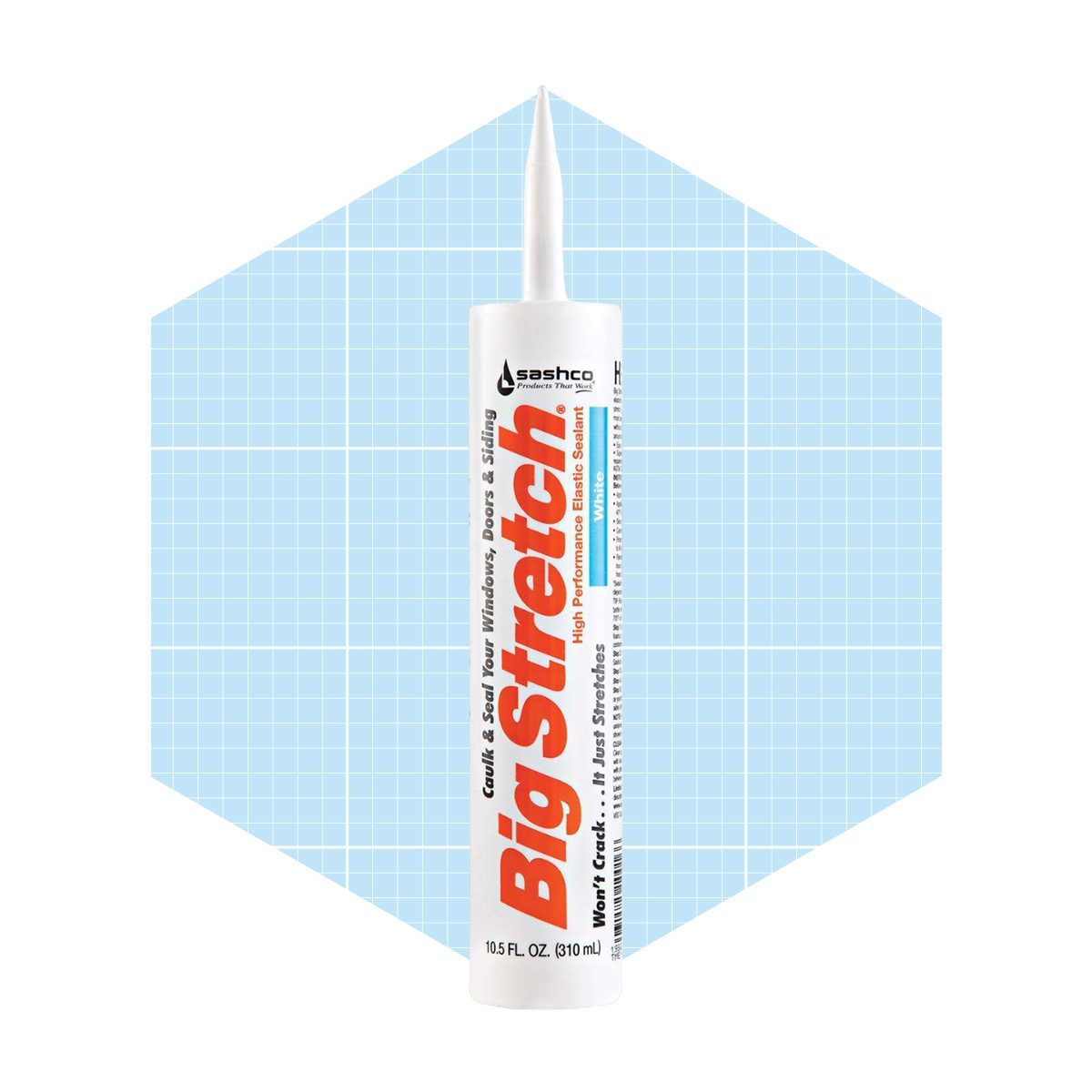
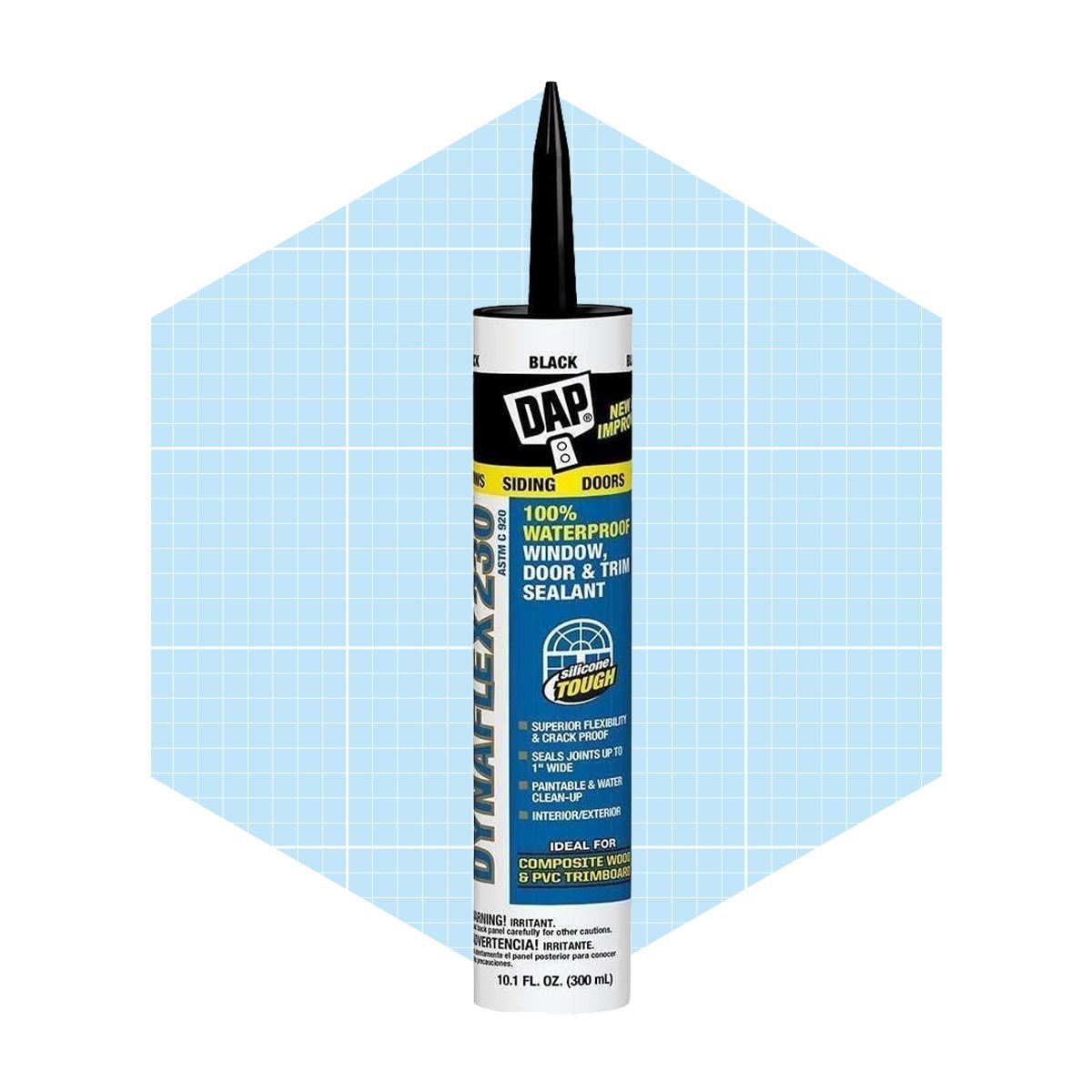
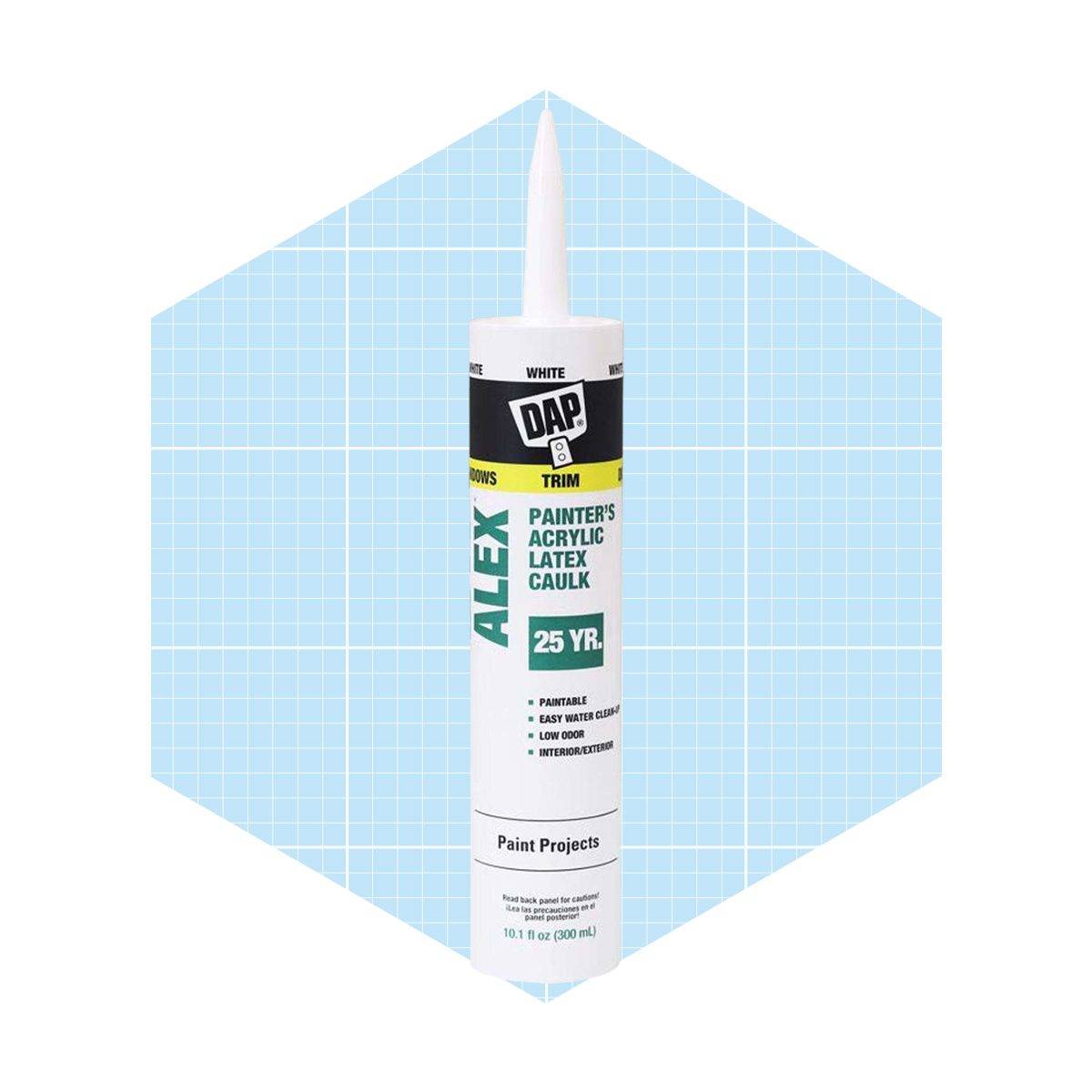
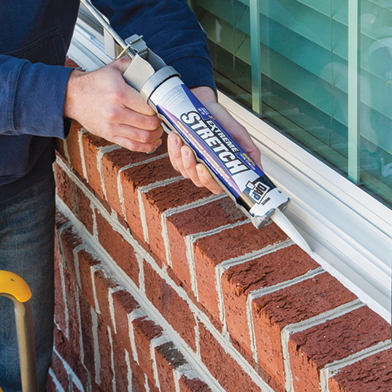
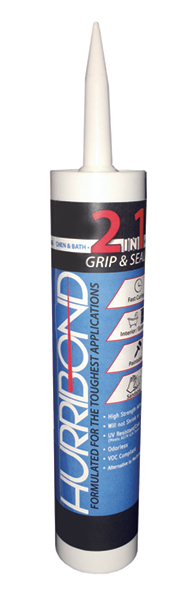
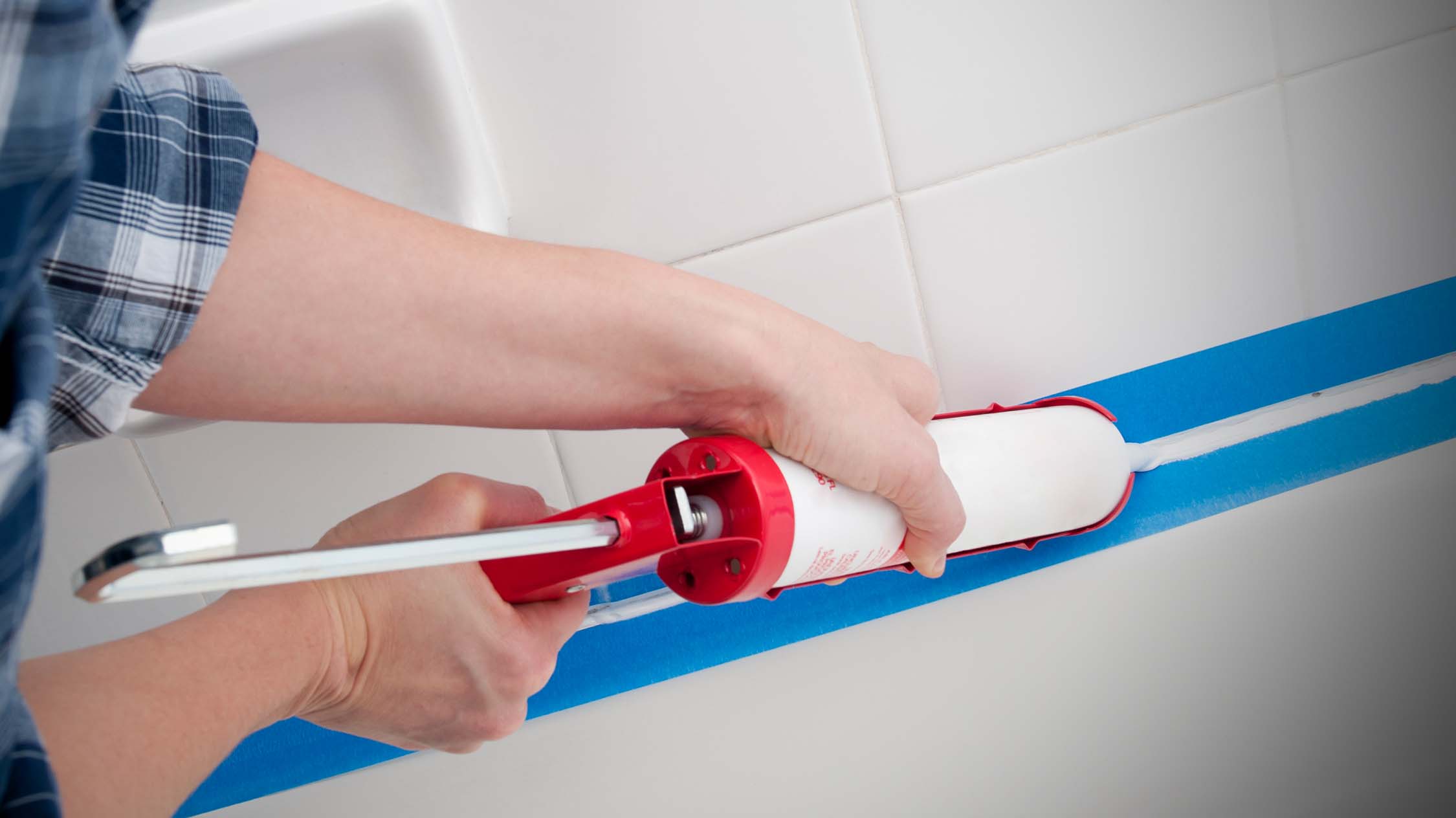
For effective and proper caulking, it is recommended to use the correct type of caulk, specifically a high-quality, exterior-grade, and window-specific silicone-based caulk due to its waterproof, flexible, and temperature-resistant properties. The focus should be on sealing gaps around the perimeter of the window frame where it meets the siding or trim, ensuring a smooth and even application without gaps to prevent drafts and moisture infiltration. Maintaining proper ventilation in the home, especially in high-humidity areas, helps reduce condensation. Finally, old, deteriorating caulk should always be removed completely before applying a fresh layer, as caulking over existing caulk can trap moisture and hinder proper adhesion of the new sealant.
#WindowCaulking #HomeMaintenance #EnergyEfficiency #MoistureControl #WindowFunctionality #DIYHomeImprovement #DraftPrevention #ThermalExpansion #WeepHoles #DripEdge #WindowCaulking #HomeMaintenance #EnergyEfficiency #MoistureControl #WindowFunctionality #DIYHomeImprovement #DraftPrevention #ThermalExpansion #WeepHoles #DripEdge
0 comment in total
 No comments yet
You may also like
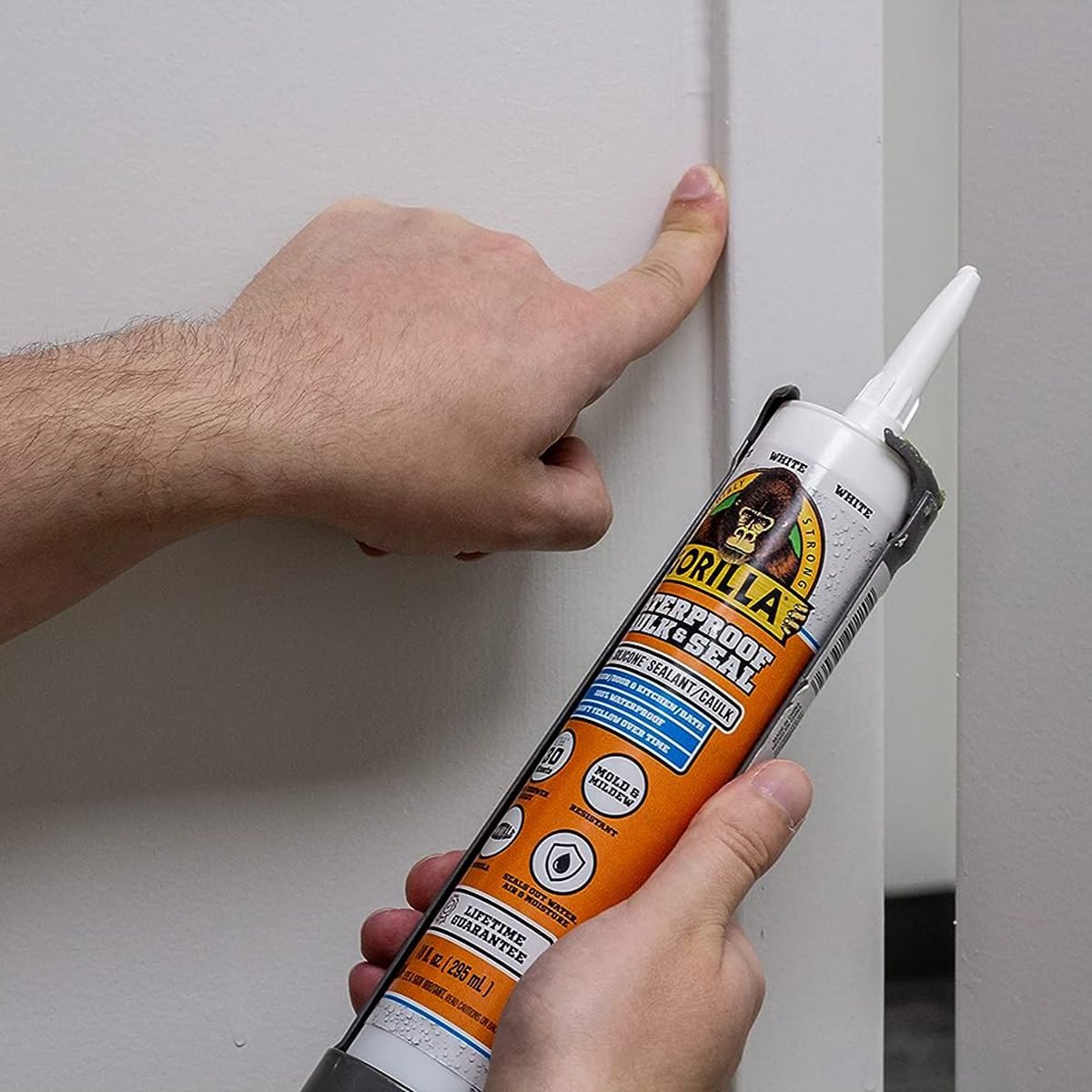
Best Caulk & Sealant Guide: Popular Types of Caulk and How To Choose

In Depth: Caulks, Sealants & Adhesives


Podcast 209: Exterior Caulk, Tub Drains, and Adding Insulation to Leaky Walls

We Tested the 9 Best Exterior Caulks. Here Are Our Top Picks to Keep Your Home Dry


Awkwardly Placed Windows Are No Match for These Designer Tricks


Tackle Oddly Placed Windows Like the Pros With These 7 Design Tips


6 areas of your home you should never insulate – and why it's a hazard that can do more harm than good

6 Window Treatment Mistakes Designers Are Tired of Seeing
These Are the Best Caulk Options for Baseboards According to Our Tests

7 Window Treatment Mistakes You Might Be Making


George Clarke's top tips on choosing the perfect window treatments for your space

The Best Way To Caulk Your Bathtub

How to Seal Your Drafty Windows for Less Than $50
IN DEPTH: Caulking & Adhesives

5 Places You Should Never Use Peel and Stick Tile—And Where to Put It Instead