1/4
In Depth: Caulks, Sealants & Adhesives
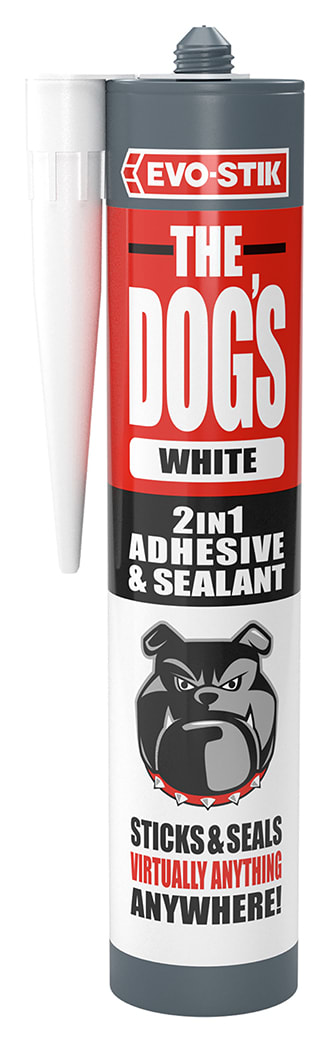
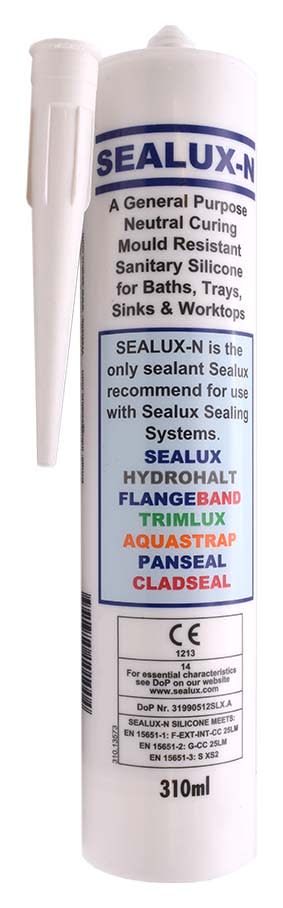
The article emphasizes the crucial role of dealer knowledge in guiding customers through the extensive and evolving category of caulks, sealants, and adhesives. It highlights that this product segment, while often overlooked, is continuously innovating with new ingredients and formulations. To effectively serve both professional builders and DIY consumers, lumberyard dealers must possess a comprehensive understanding of the products they offer, including their specific applications and compatibility with other building materials in their inventory.
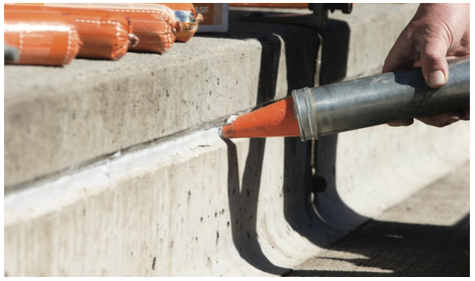
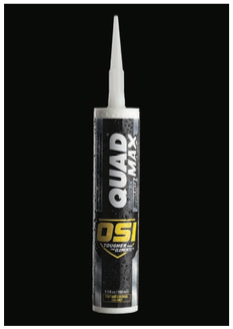
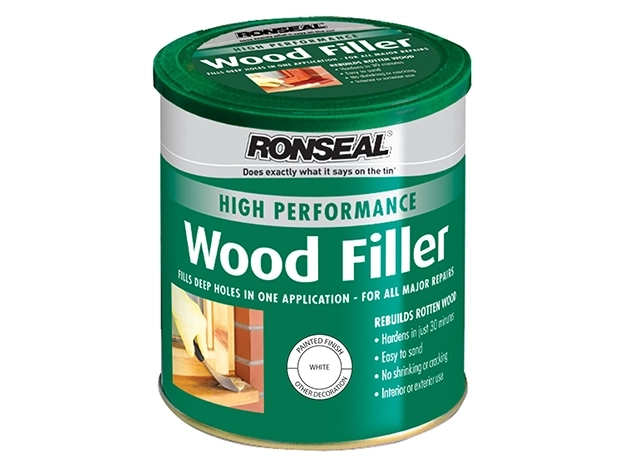
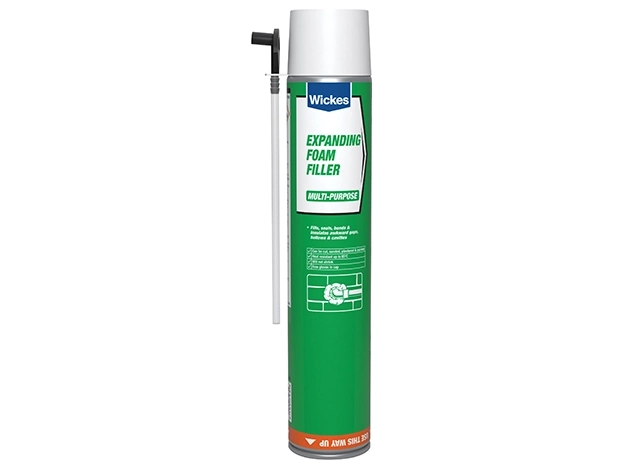
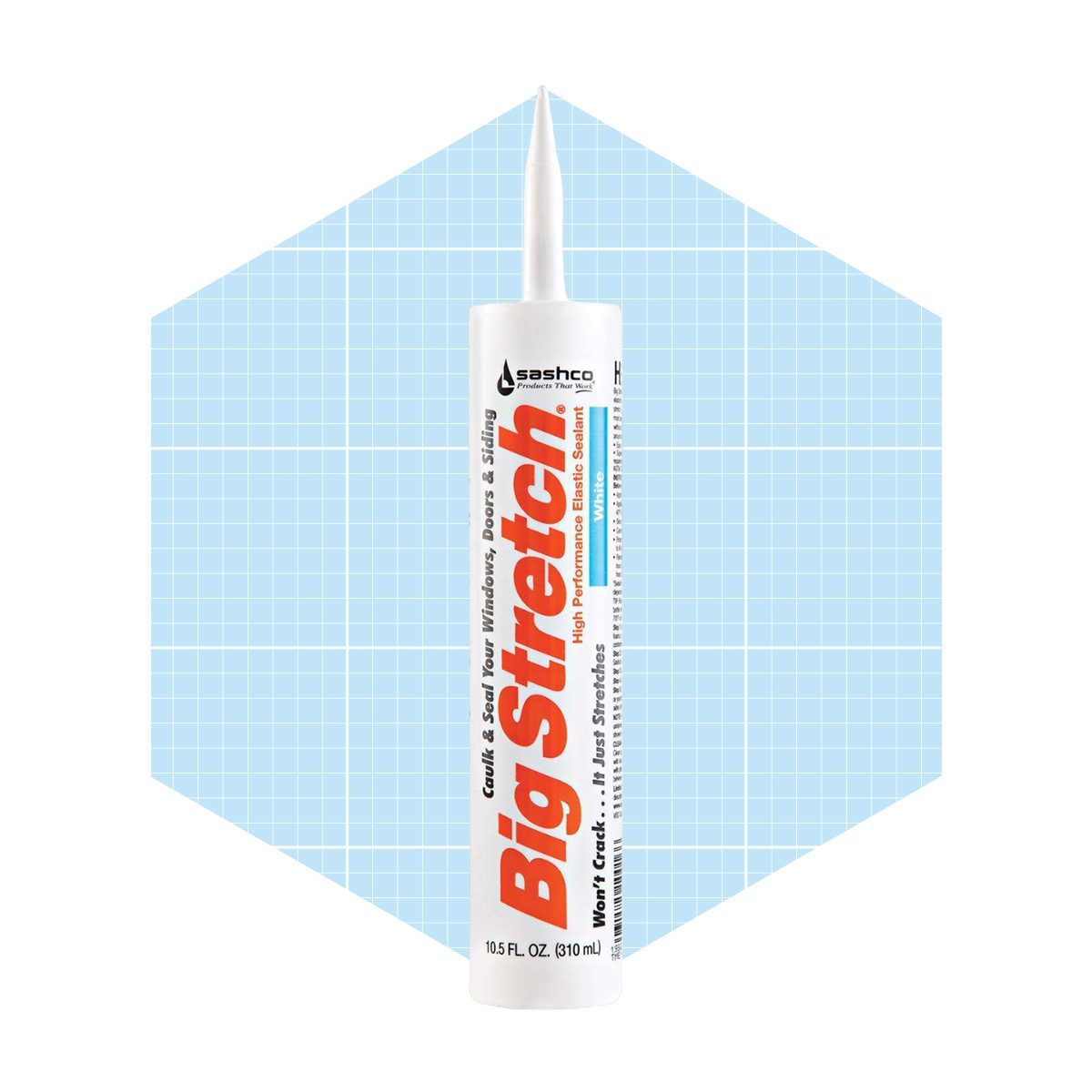
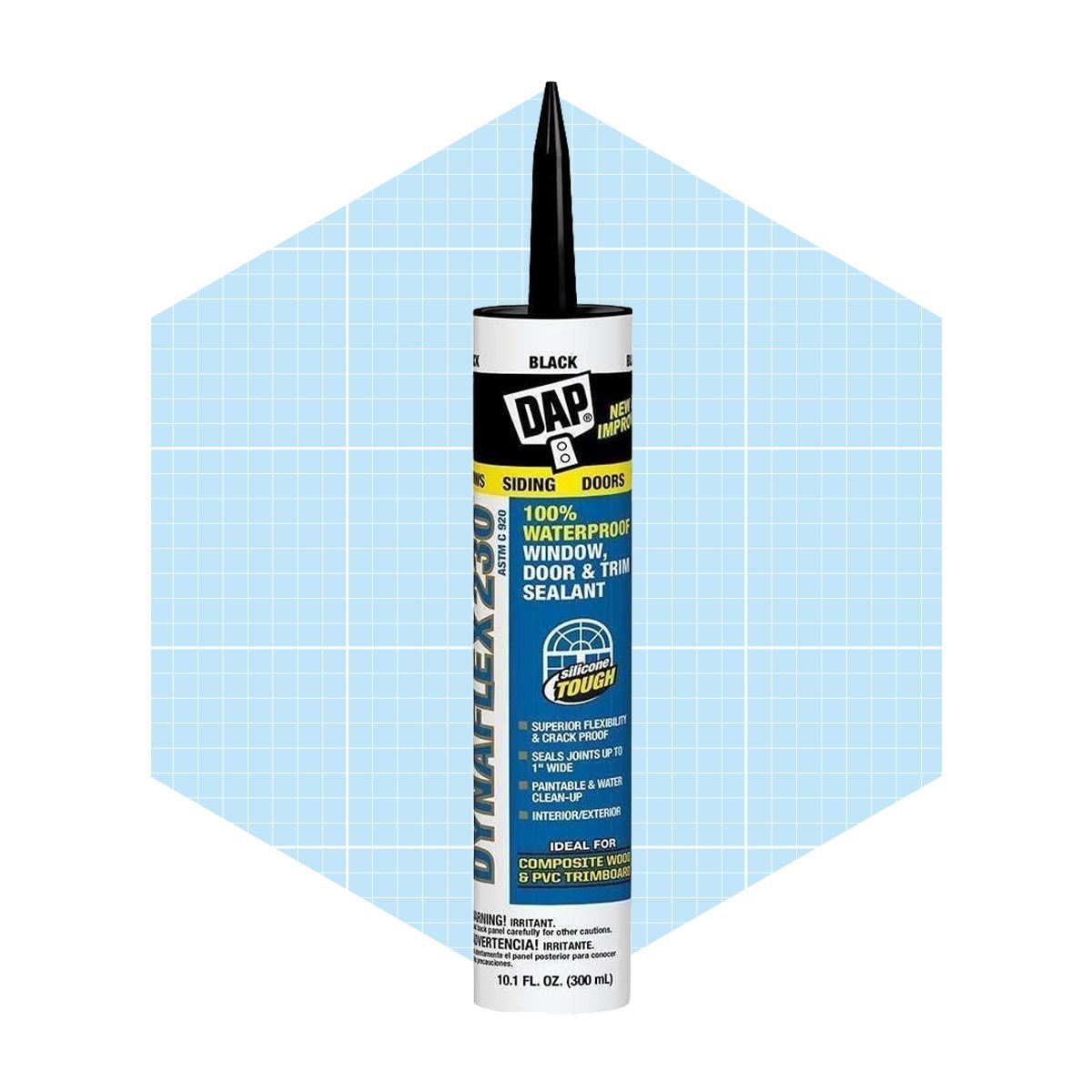
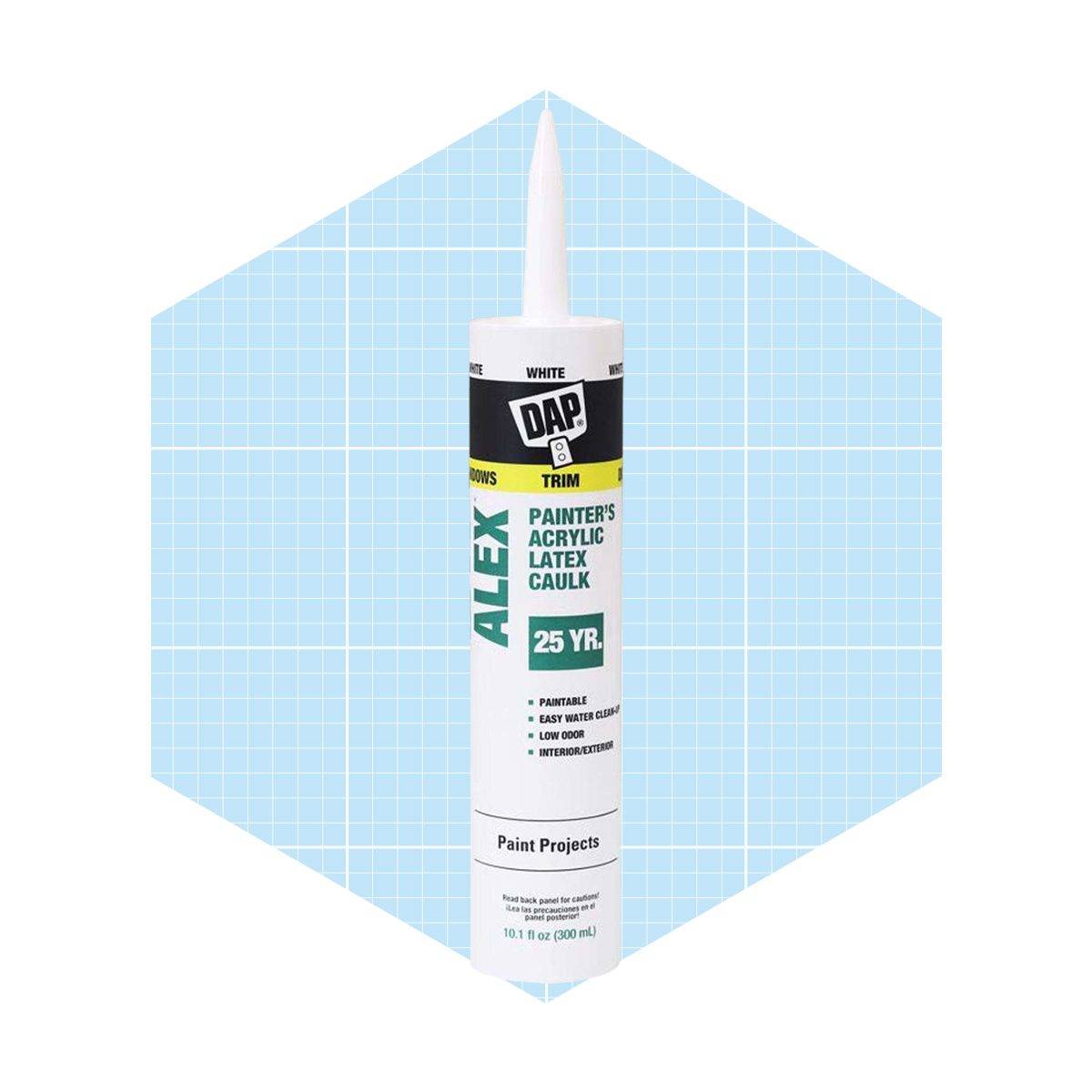
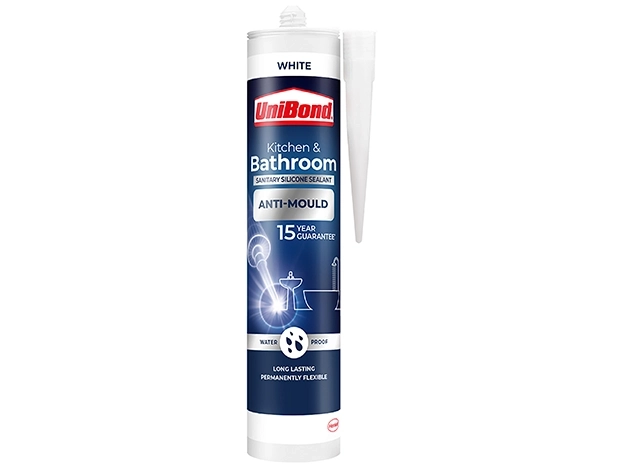
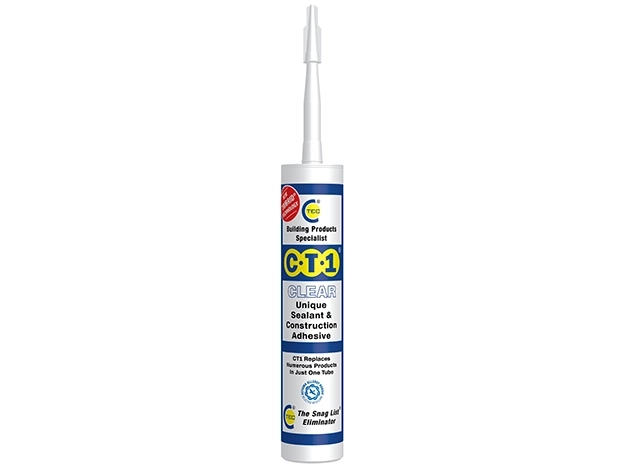
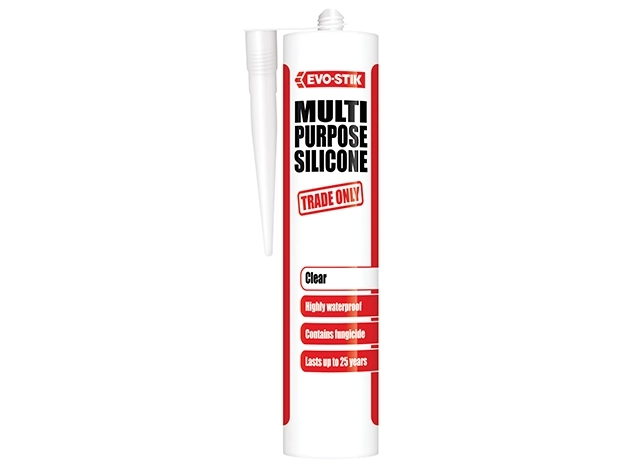
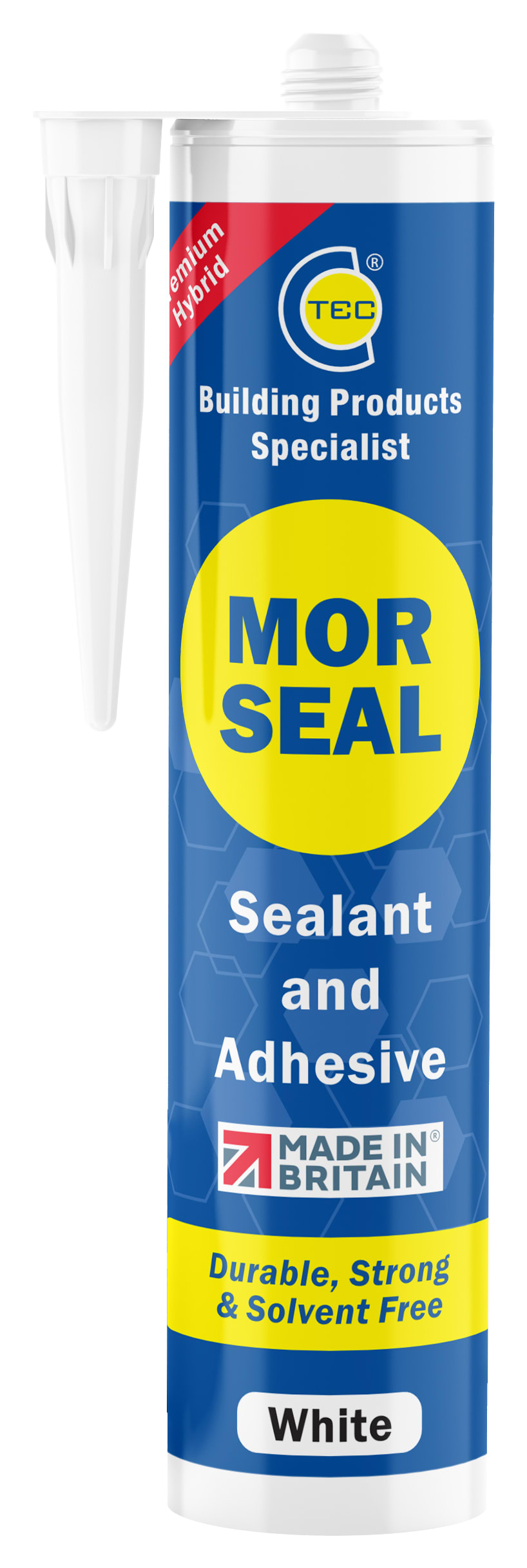
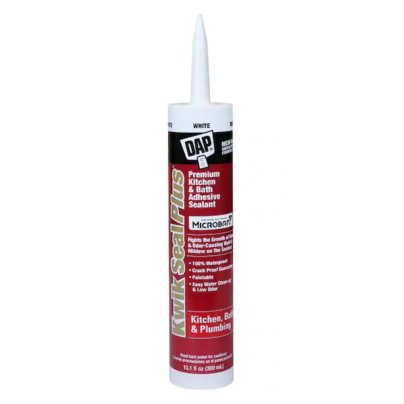
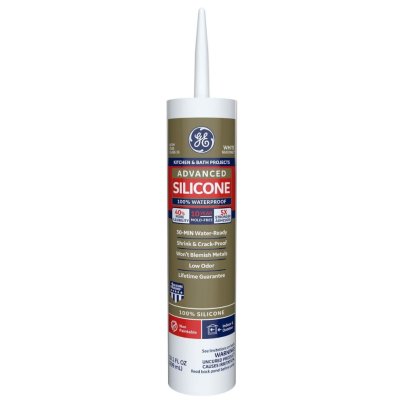
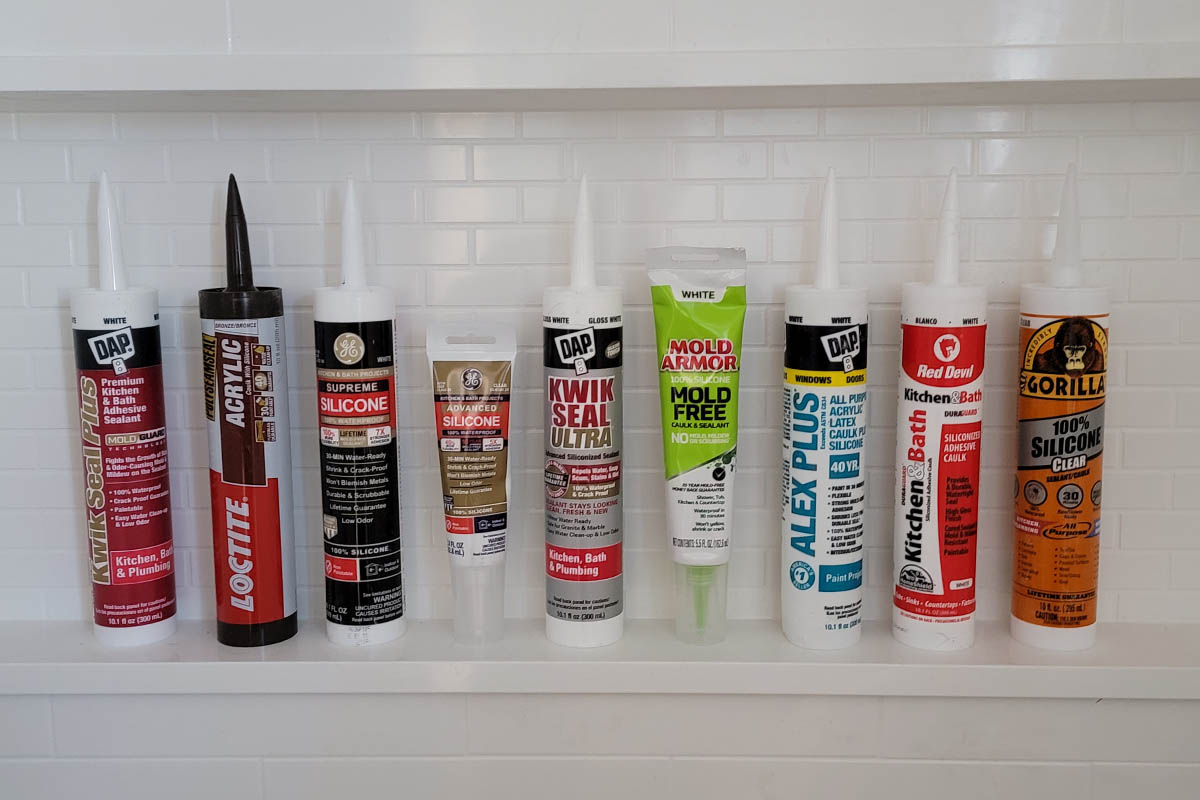
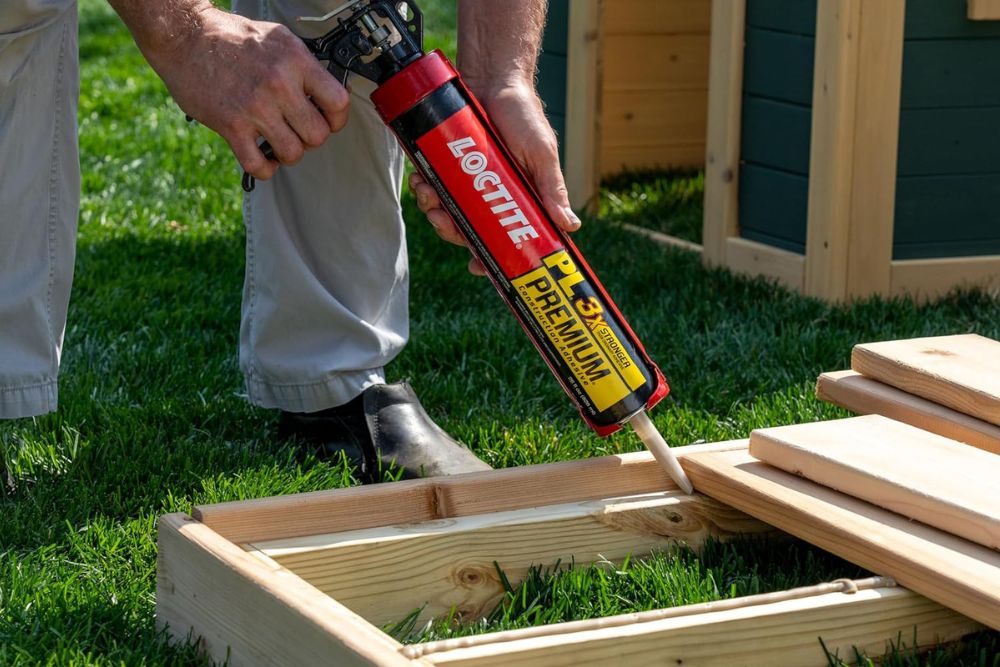
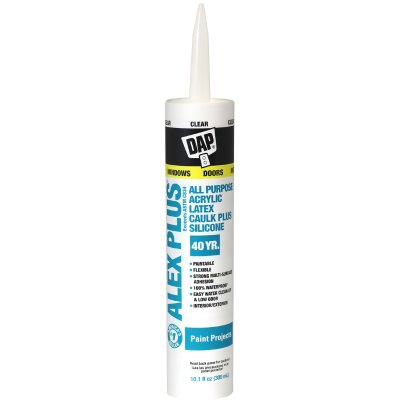
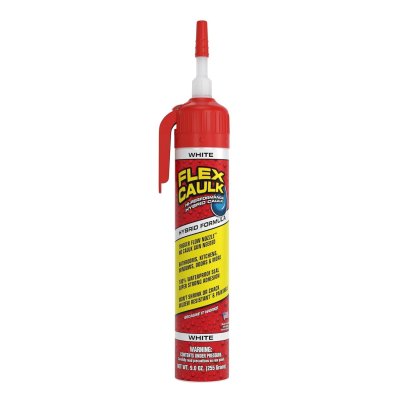
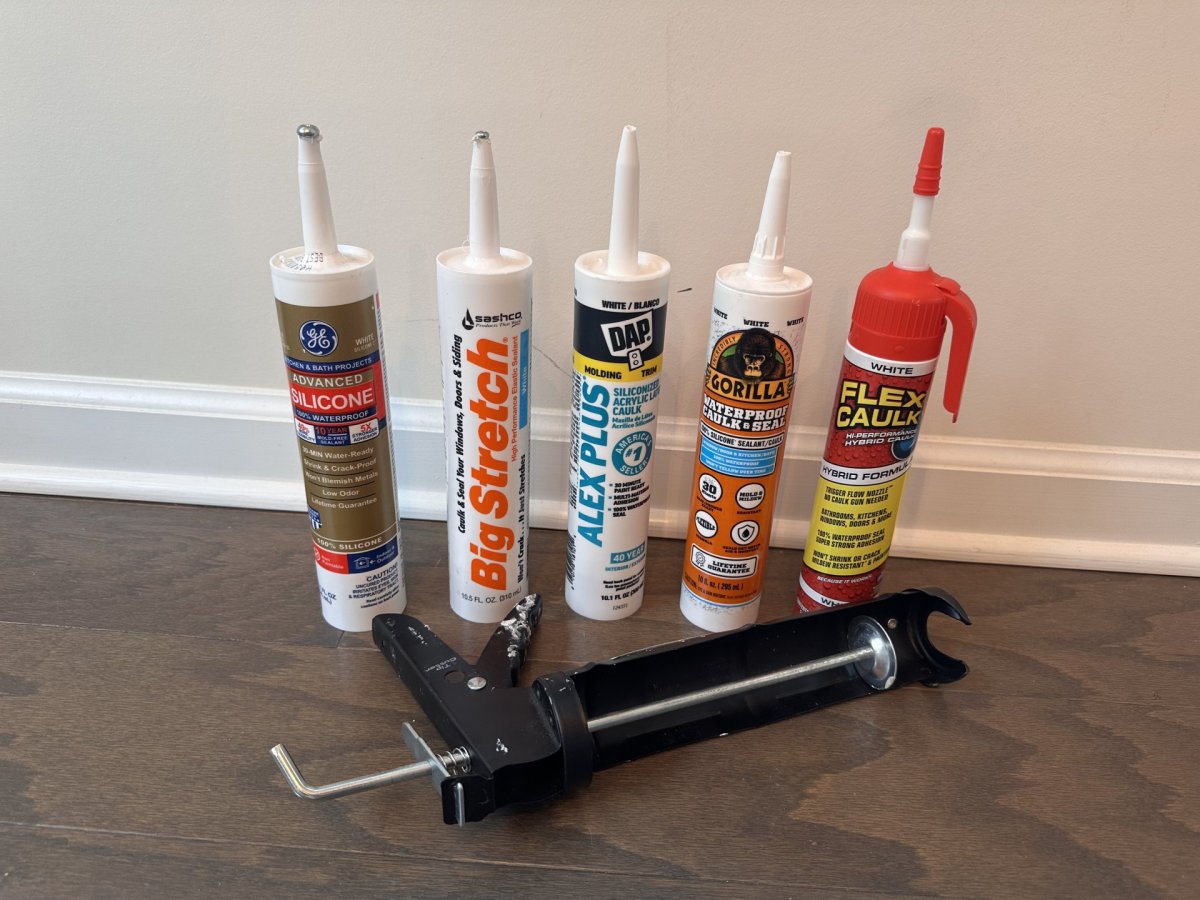
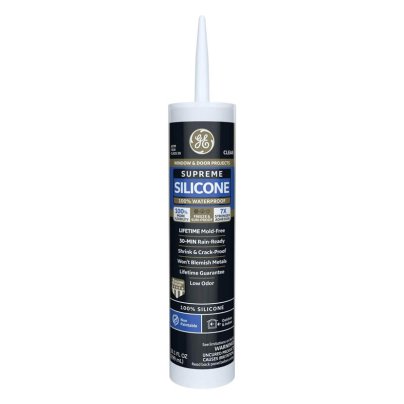
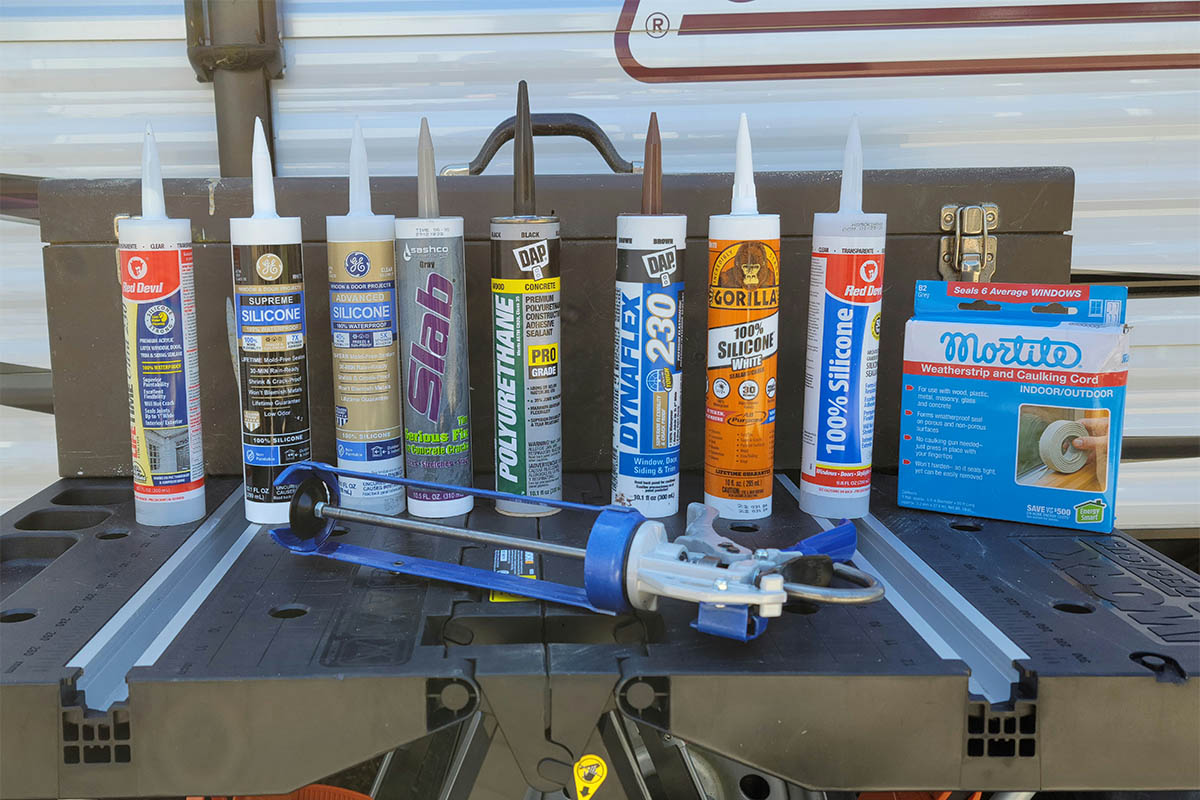
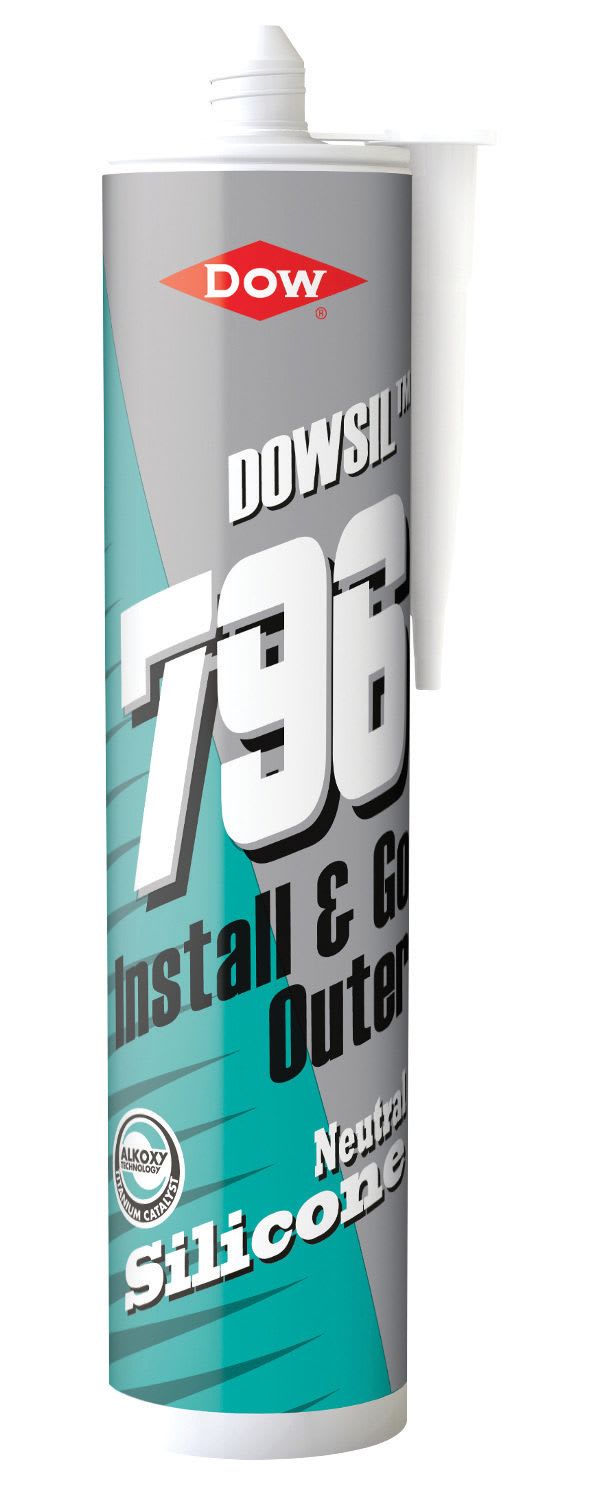
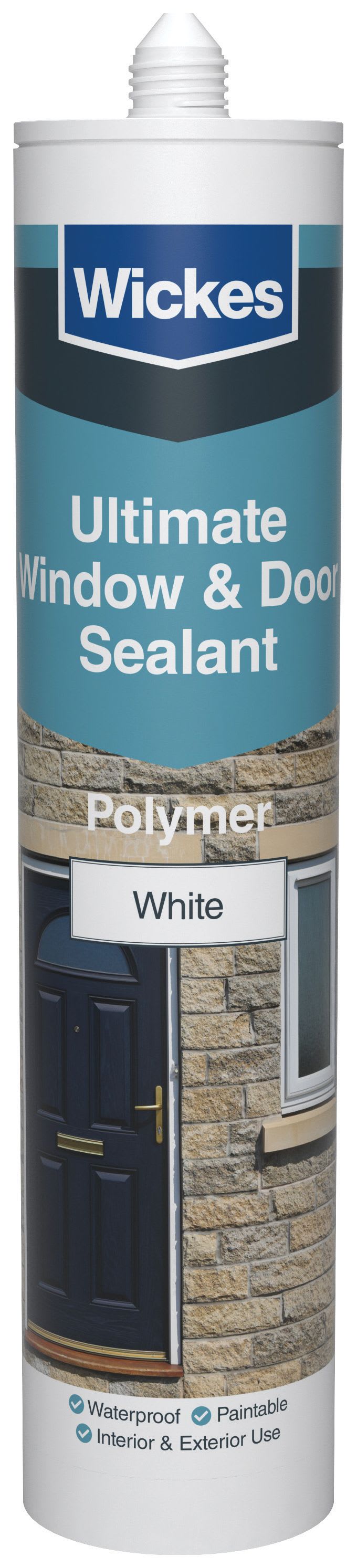
The article clarifies the distinct properties and functions of caulks, sealants, and adhesives, which are often mistakenly considered interchangeable. Adhesives are primarily designed to bond materials, such as paneling or tub surrounds. Caulks and sealants both fill gaps, but sealants offer greater flexibility and waterproofing capabilities, making them suitable for applications where movement with the substrate is expected. Caulks, on the other hand, may not possess these attributes universally. A common misconception addressed is that all caulks and sealants are uniform in quality or application suitability. The article stresses the importance of using products specifically formulated for the task at hand, citing window, door, and siding sealants as an example where a painter's grade caulk would be inadequate. Higher-grade, application-specific formulas are generally more expensive but promise superior long-term performance. An example, DAP Extreme Stretch urethanized sealant, is mentioned for its elasticity and ability to prevent cracking in wide gaps.
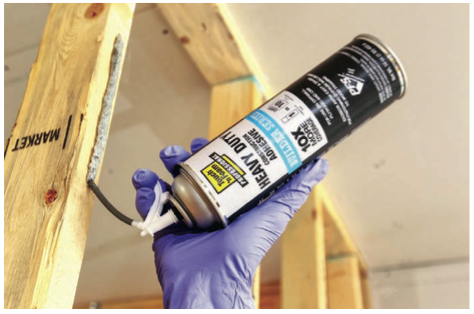
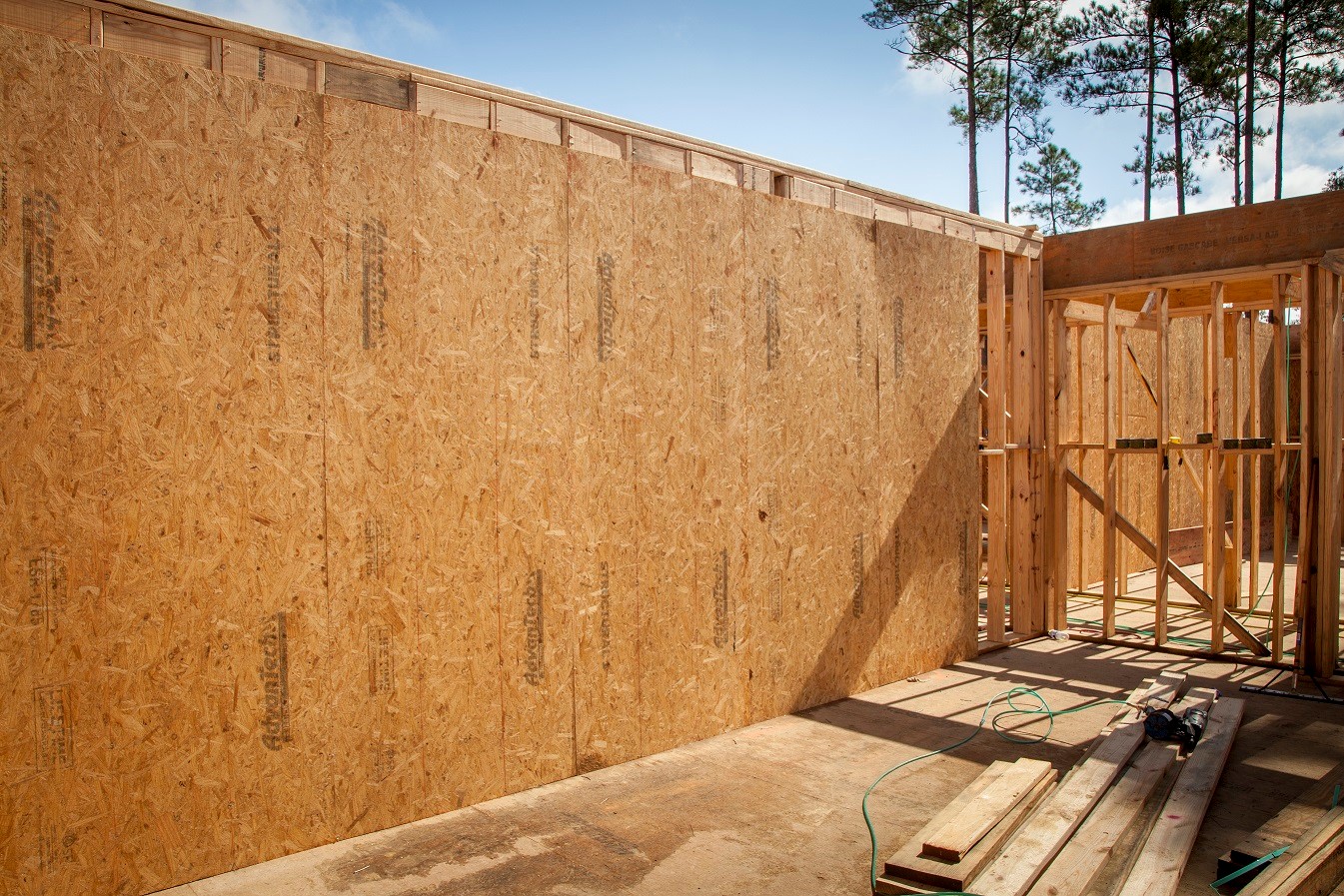
A significant factor driving innovation in caulks, sealants, and adhesives is the continuous development of new building materials. As manufacturers introduce advanced sidings, subflooring, and other components, adhesive and sealant producers must adapt their formulas to ensure compatibility and expected performance. This includes responding to trends like the increased use of coated materials designed for enhanced weather protection or color fastness. Huber Engineered Woods is presented as an example of a building material manufacturer that developed its own subfloor adhesive, AdvanTech, specifically engineered to work with its AdvanTech subfloor panels. This foam-based adhesive addresses issues with traditional squeezable adhesives in cold temperatures, offers extended coverage, and bonds to various lumber conditions, ultimately aiming to simplify the building process and reduce pain points for builders. Similarly, Smart Vent Products introduced HurriBond, a hybrid caulk/adhesive designed for its foundation flood venting systems, suitable for both indoor and outdoor use, and offering features like sandability and fast curing.
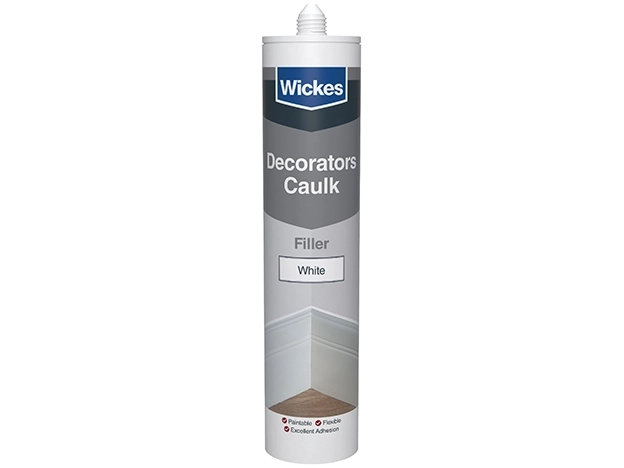
Another key aspect of product development is color coordination. Manufacturers of caulks and sealants collaborate with building material producers to create hues that match or complement specific brands and product lines, particularly for applications like siding, windows, and roofing. This effort makes it easier for dealers to stock color-coordinated products, simplifying selection for customers. Clear, paintable, or stainable options further supplement the range, providing alternatives when an exact color match is not available. This collaborative approach between material and adhesive/sealant manufacturers ensures that the entire building system works cohesively, delivering optimal results and customer satisfaction.
#Caulks #Sealants #Adhesives #BuildingMaterials #Lumberyard #ProductInnovation #ConstructionTechnology #DealerKnowledge #BuildingPerformance #Caulks #Sealants #Adhesives #BuildingMaterials #Lumberyard #ProductInnovation #ConstructionTechnology #DealerKnowledge #BuildingPerformance
0 comment in total
 No comments yet
You may also like
IN DEPTH: Caulking & Adhesives

Flooring Adhesives & Sealants

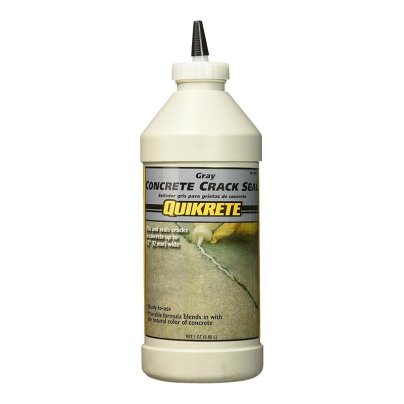
The Best Concrete Bonding Agents for Your Project
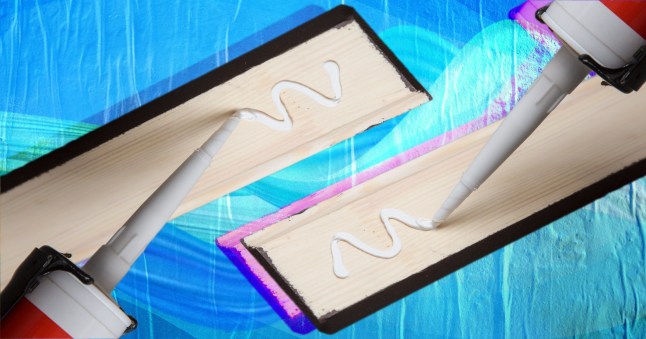
A beginner's guide to the different types of glue and their uses

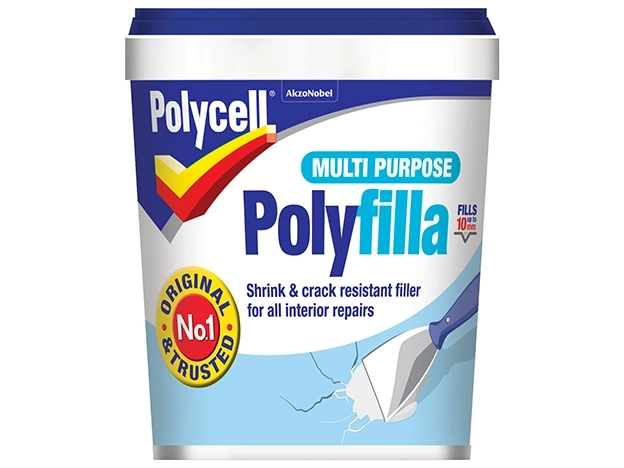
Fillers, Putty & Caulk

Decorator’s Caulk
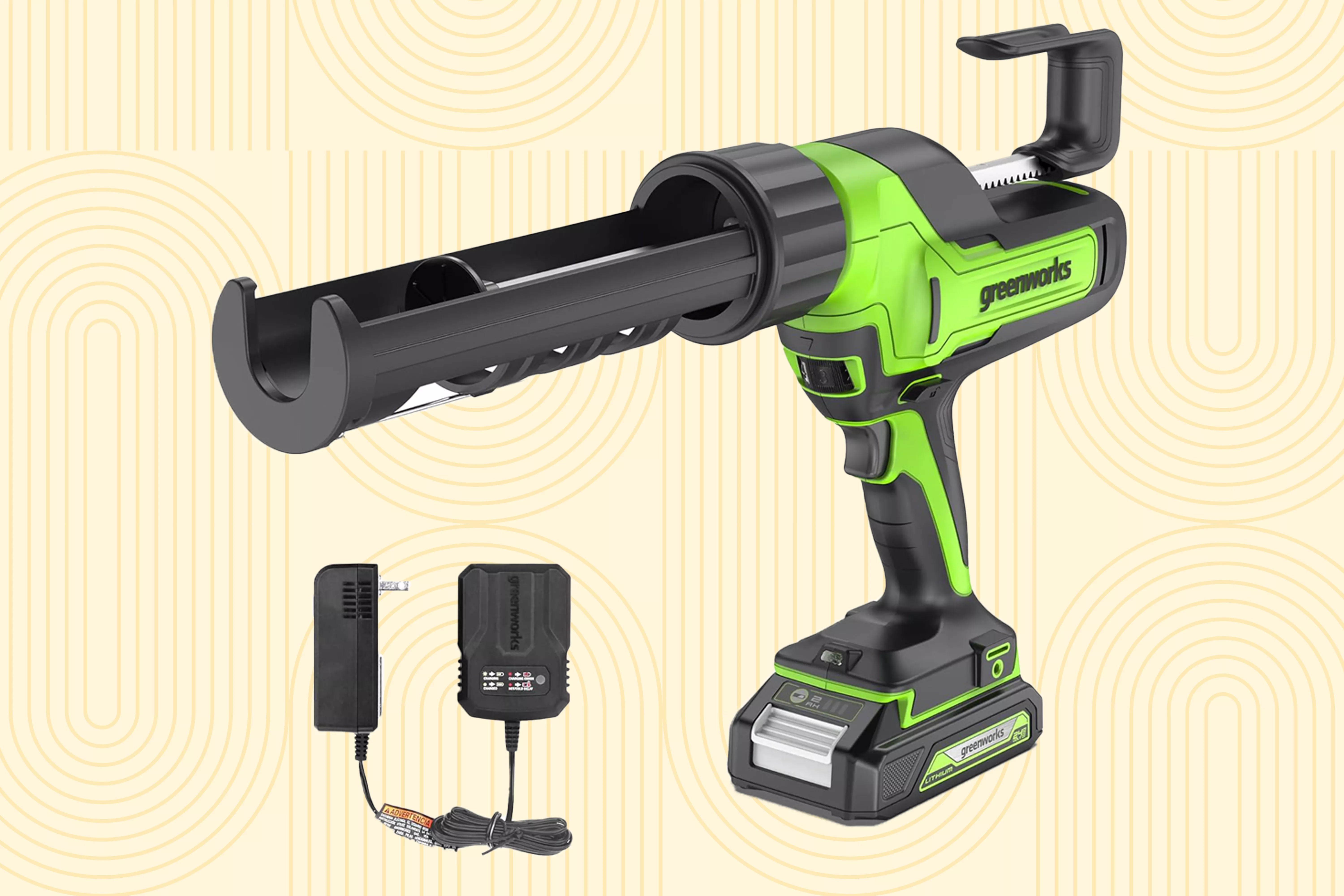
The 5 Best Caulk Guns for Home Improvement Projects

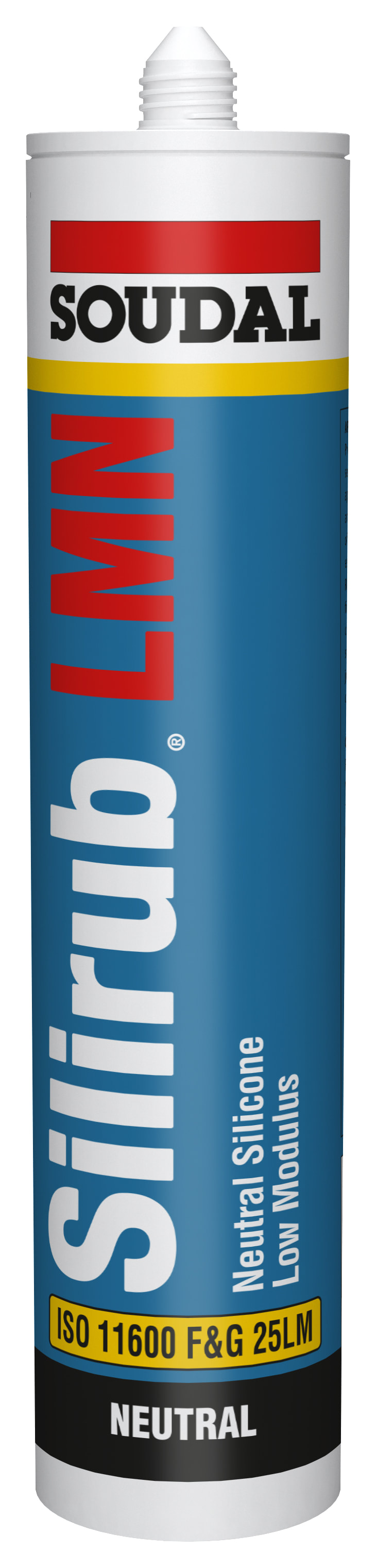
Kitchen & Bathroom Sealants
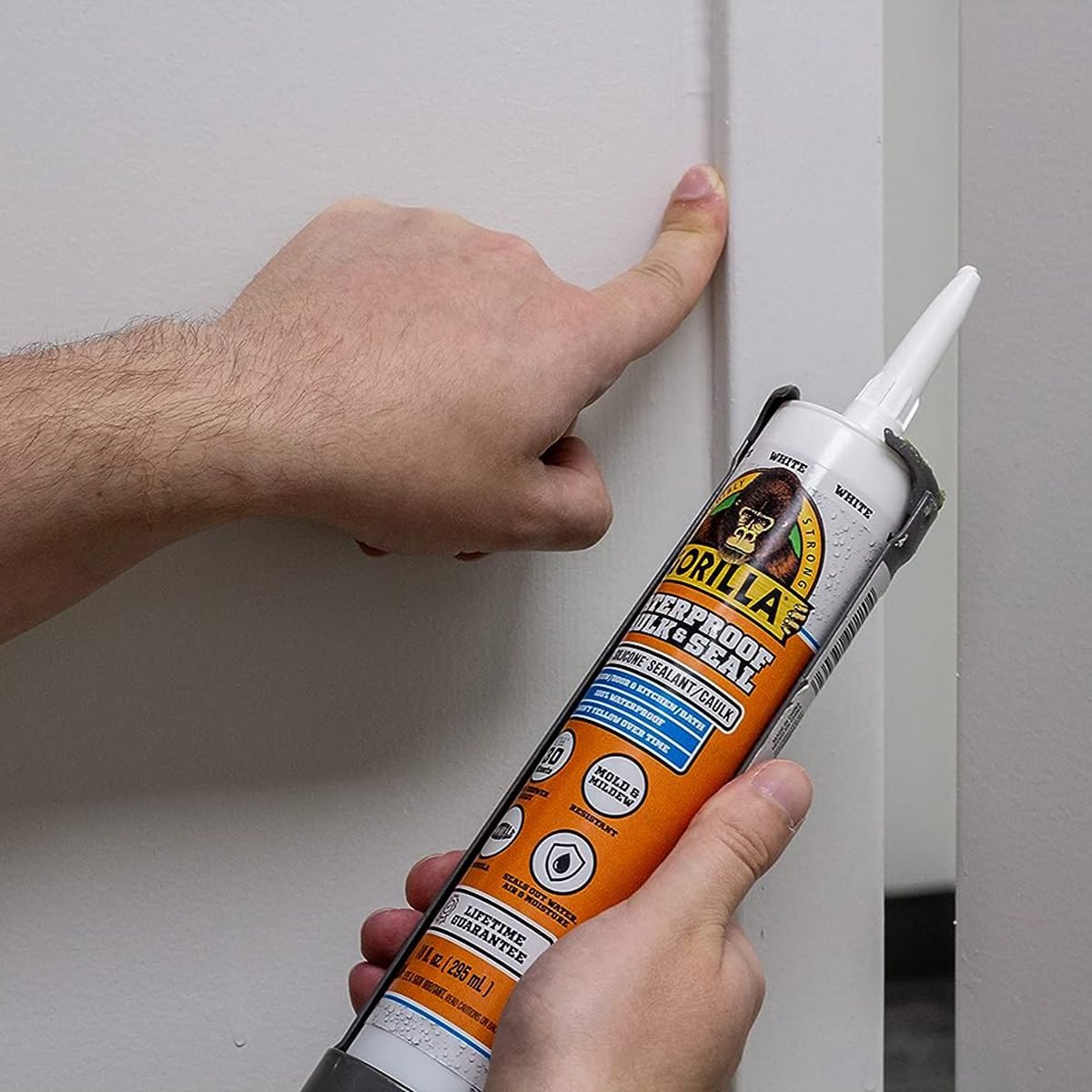
Best Caulk & Sealant Guide: Popular Types of Caulk and How To Choose

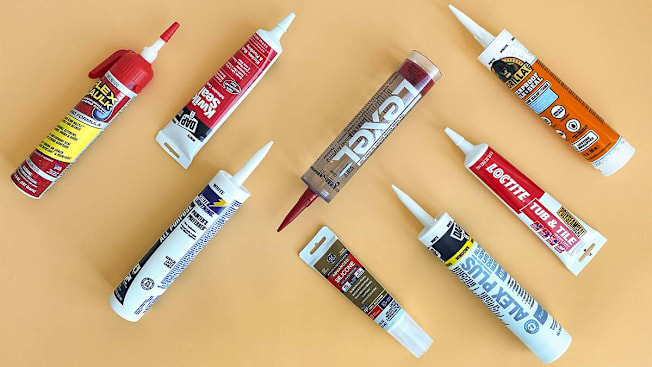
The Two Best Caulks for Small Home Projects
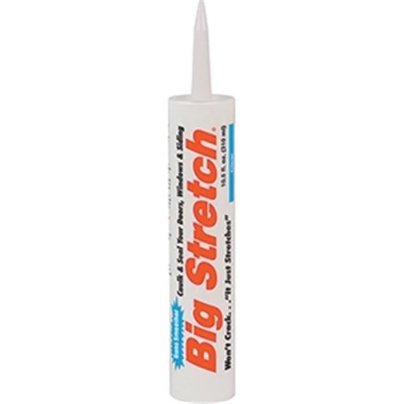
These Are the Best Caulk Options for Baseboards According to Our Tests

Specialty adhesives (Bostik)


Foam, Sealant & Caulking Guns
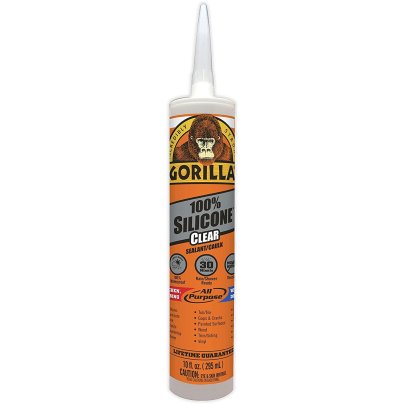
The Best Caulk for Perfectly Sealed Showers and Tubs
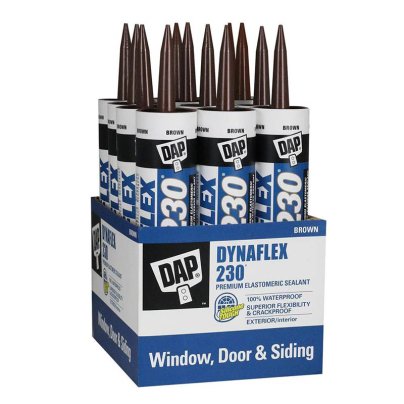
We Tested the 9 Best Exterior Caulks. Here Are Our Top Picks to Keep Your Home Dry

Door & Window Sealants
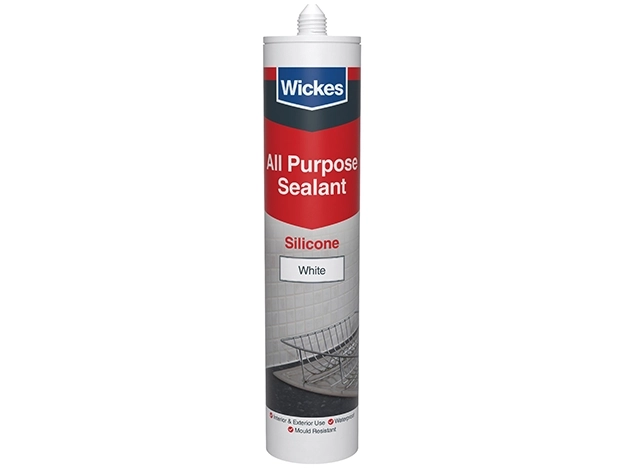
Sealants
Podcast 209: Exterior Caulk, Tub Drains, and Adding Insulation to Leaky Walls

Sinopec VAE BJ 707 GW707 GW 705 Vinyl Acetate Ethylene copolymer VAE emulsion glue for building waterproofing coatings

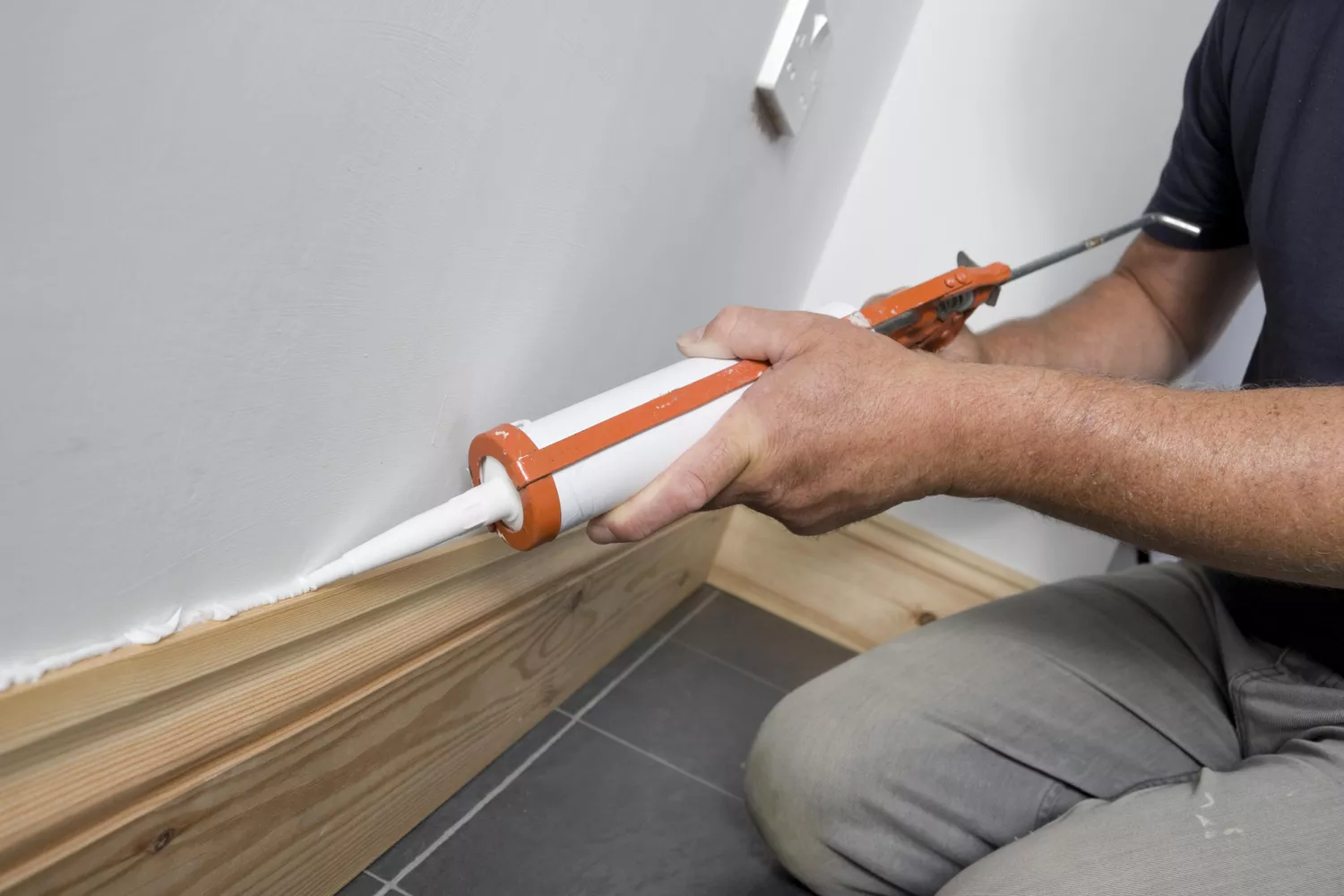
How to Caulk Baseboard Gaps