1/15
These Are the Best Caulk Options for Baseboards According to Our Tests
The article evaluates and recommends the best caulk options for baseboards, highlighting their importance in filling gaps, preventing insect intrusion, and providing a clean, professional finish to a room. It details a testing process involving five different caulk types on a simulated baseboard setup and provides information on two additional products based on research. The primary objective is to guide DIYers in selecting the most suitable caulk for their baseboard projects.
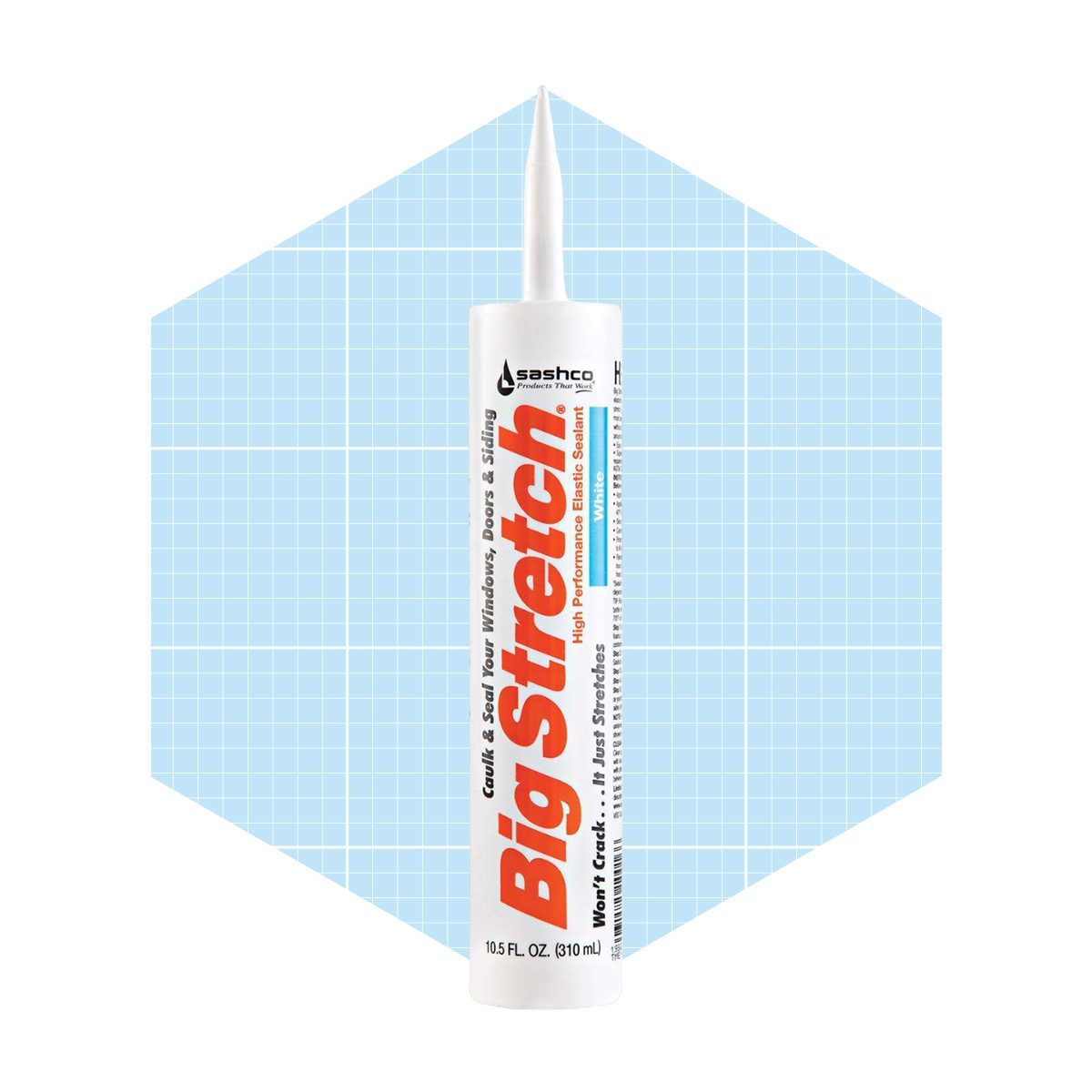
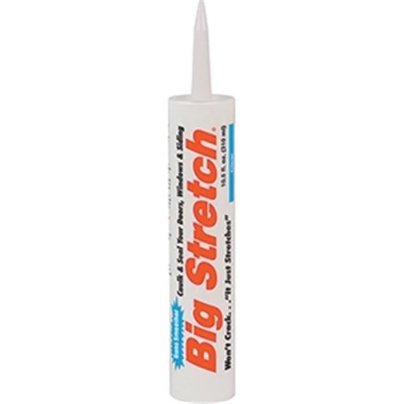
The article identifies Sashco Big Stretch Latex Caulk as the best overall option due to its exceptional stretchability, ability to cover wide gaps without cracking, and a white finish that closely matches typical baseboards. While it comes in 13 colors and is paintable, it is noted that it is not waterproof or mold-resistant, making it unsuitable for high-humidity areas like bathrooms or kitchens. The curing time for this product can range from 4 to 5 days, extending up to two weeks in humid conditions.
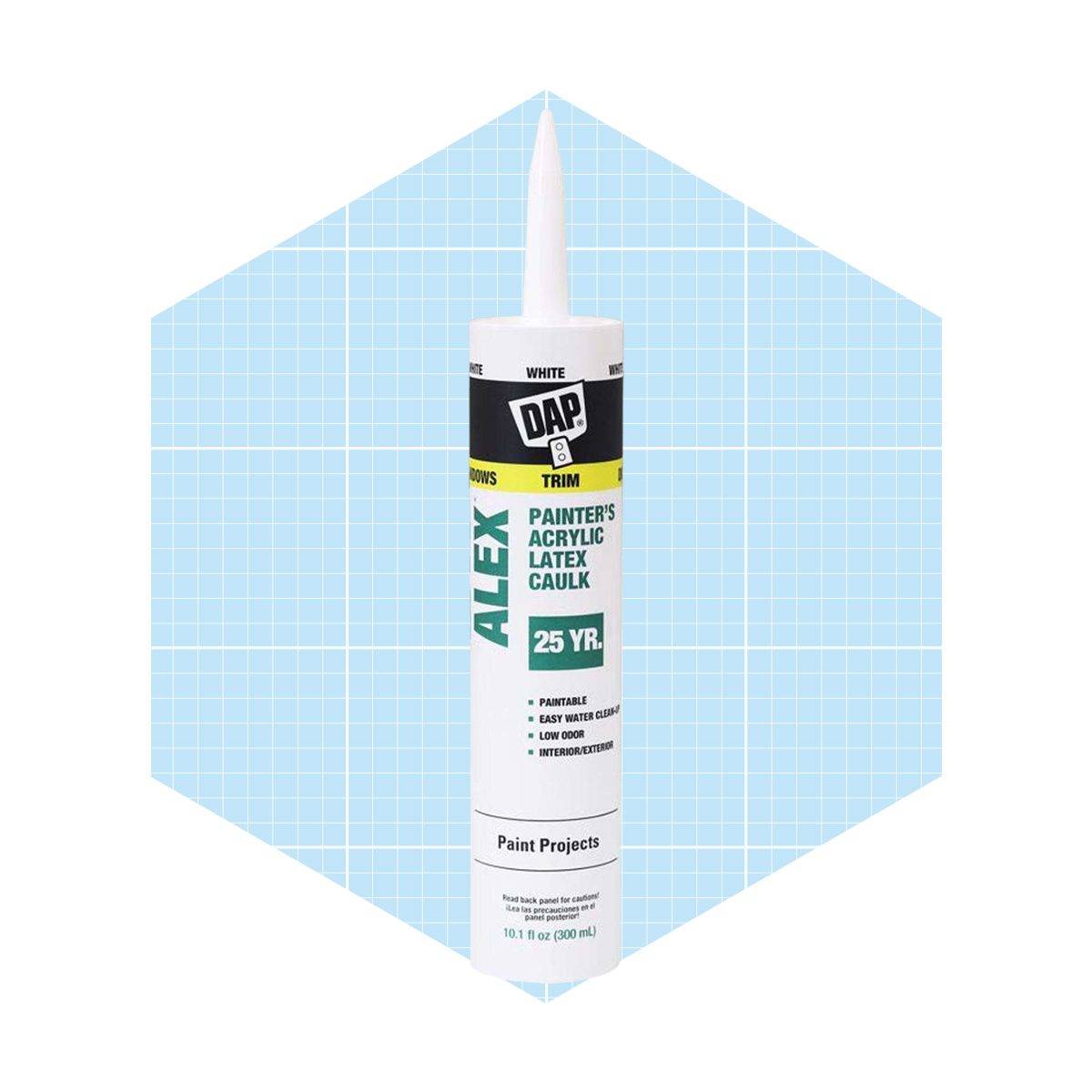
DAP Alex Plus All-Purpose Acrylic Latex Caulk is presented as the best value option. This acrylic latex caulk includes silicone for enhanced flexibility and waterproofing. It offers excellent adhesion and is suitable for various porous and non-porous surfaces. Its thicker consistency facilitates easier application and better gap coverage. The caulk dries to a flat white, paint-friendly finish, distinguishing it from glossy alternatives. However, it is less flexible than other tested caulks, potentially leading to small cracks under movement. Its durability is rated for 40 years, with a tack-free time of 30 minutes and a full cure in 24 hours.
For those seeking an upgraded option, Flex Caulk Hybrid Polymer Sealant is recommended. This product features an easy-to-use design with a built-in trigger, eliminating the need for a caulk gun. It boasts significant stretching capabilities, preventing cracks even with substantial movement. The caulk dries to a semi-gloss white finish, often negating the need for painting. Its main drawback is its higher price compared to other options. It becomes tack-free in 10 minutes and fully cures in 24 hours.
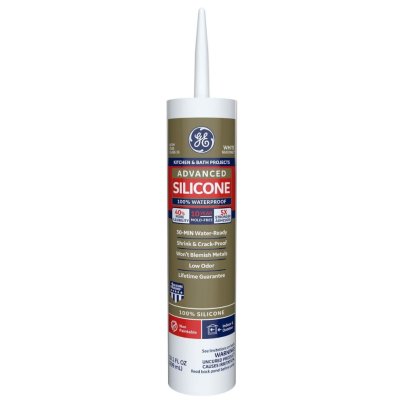
GE Advanced Silicone Caulk is highlighted for its ease of application, smooth consistency, and quick drying time. Its thin formula allows for consistent bead application over long stretches. This silicone caulk demonstrates impressive flexibility, resisting cracks and gaps, even when subjected to significant movement. However, its shiny, high-gloss finish and unpaintable nature may not be ideal for all baseboard applications, as it can appear wet and slightly translucent.
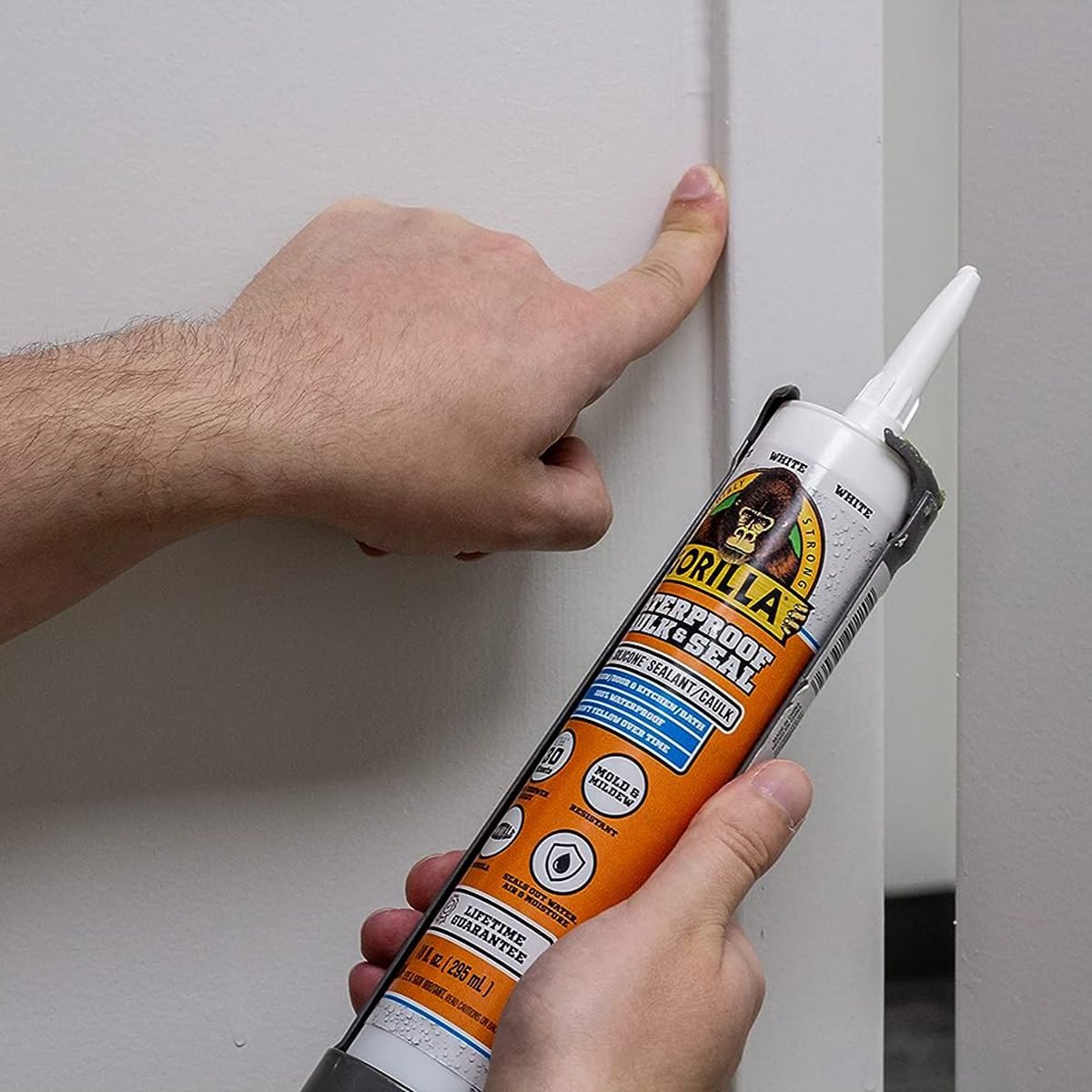
Gorilla Waterproof Silicone Caulk & Seal is presented as the best waterproof option, suitable for high-humidity environments. Its silicone formula applies smoothly, allowing for easy tooling and maintains flexibility and adhesion once dry. While it matches standard white baseboard colors, its high-gloss finish might contrast with semi-gloss baseboards. This product offers a lifetime durability and is water-ready in 30 minutes.
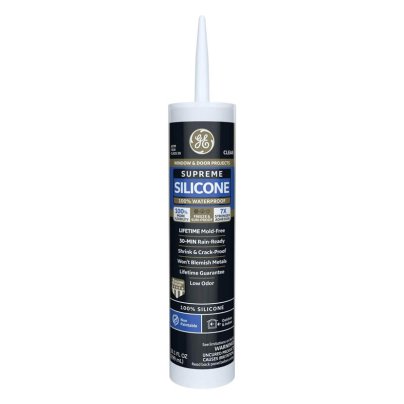
Additional recommendations include GE Supreme Silicone Caulk for Kitchen & Bathroom, valued for its versatility, strong adhesion to diverse materials, 100% waterproof nature, and resistance to cracks. DAP Extreme Stretch White Acrylic Urethane Sealant is suggested for large gaps, capable of stretching significantly to prevent cracking over time. This sealant is paintable, adheres to various surfaces, and is fully waterproof, making it suitable for both interior and exterior applications, though it has a longer drying time.
The article also provides comprehensive guidance on choosing caulk, discussing different types (latex, pure silicone, latex with silicone), emphasizing durability, curing time, paintability, gap size, adhesion properties, and mold and mildew resistance. Practical tips for applying caulk are included, covering preparation, application techniques, and smoothing. The benefits of caulking baseboards, such as improved aesthetics, pest prevention, and protection against dirt, water, mold, and mildew, are also outlined. A frequently asked questions section addresses common concerns, including mixing different caulk types, caulking to tile floors, and the sequence of caulking and painting.
#CaulkForBaseboards #DIYHomeImprovement #HomeMaintenance #CaulkingGuide #HomeRepair #ProductReview #InteriorDesign #WallCare #CaulkForBaseboards #DIYHomeImprovement #HomeMaintenance #CaulkingGuide #HomeRepair #ProductReview #InteriorDesign #WallCare
0 comment in total
 No comments yet
You may also like
Best Caulk & Sealant Guide: Popular Types of Caulk and How To Choose

Vetted: The Best Baseboard Heaters for Home Comfort
Best Flooring From Consumer Reports' Tests
The Two Best Caulks for Small Home Projects
We Put the 7 Best Deck Sealers to the Test. Here's How They Performed—and Which You Should Choose


Decorator’s Caulk

The best way to clean baseboards – pro tips for dusty, greasy, and painted surfaces

The 7 Best Deck Paints You Can Get, Tested and Reviewed
We Tested the 9 Best Exterior Caulks. Here Are Our Top Picks to Keep Your Home Dry
How to Choose the Right Type of Baseboards for Your Home

The 12 Best Engineered Wood Flooring Options, According to Testing and Reviews
7 checkerboard floor tile alternatives to try in 2025

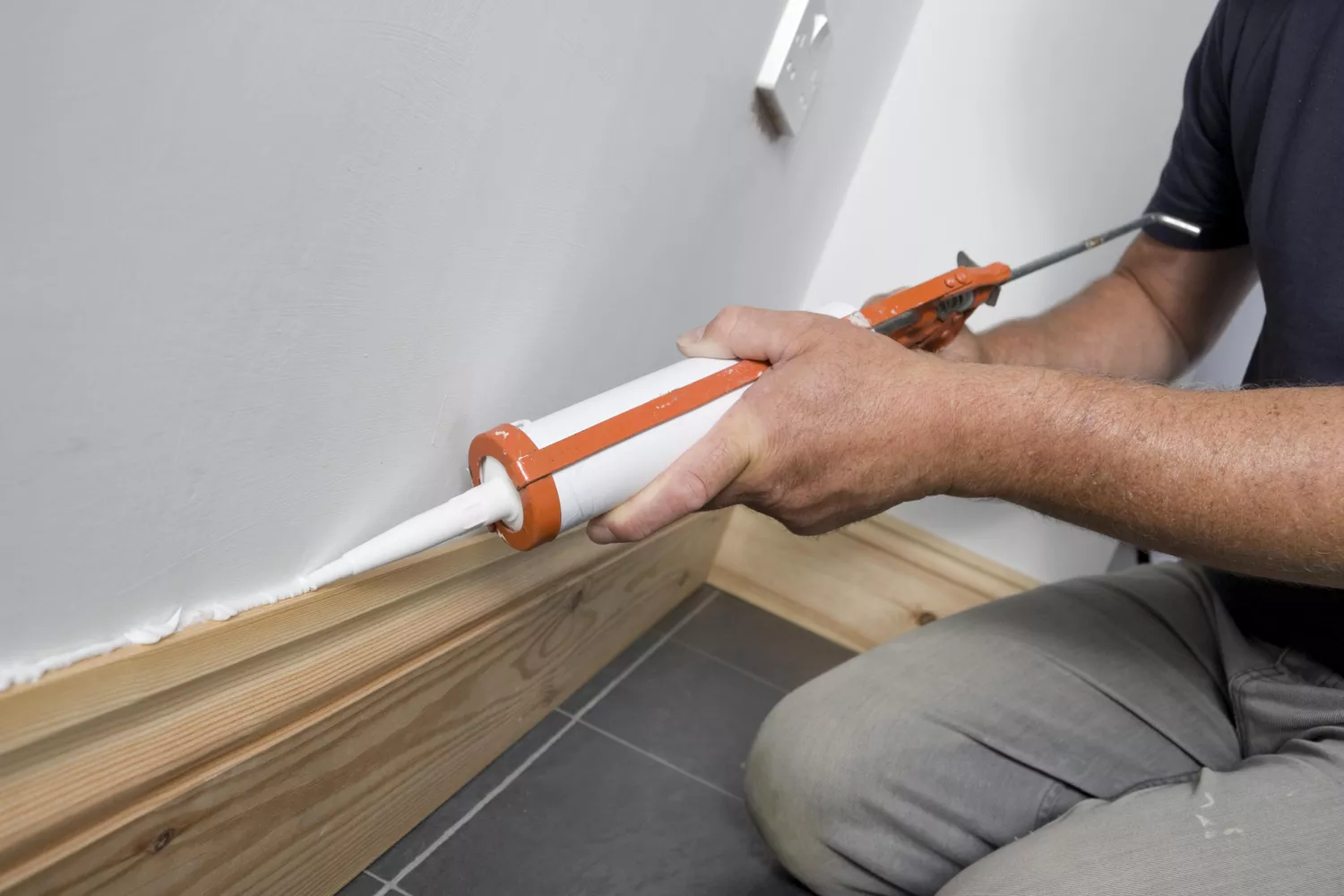
How to Caulk Baseboard Gaps

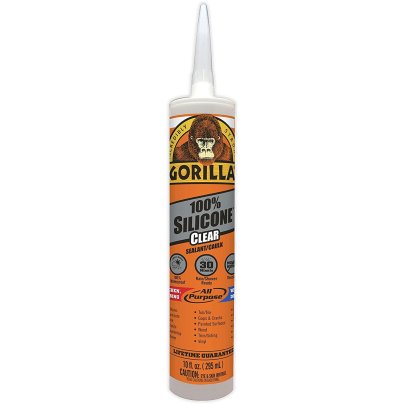
The Best Caulk for Perfectly Sealed Showers and Tubs
We Researched 30 Marble Sealers—Our Top Pick is Long-Lasting and Easy to Apply
The Best Solid Deck Stains to Protect and Revitalize, Tested
We Tested The Best Caulk Removal Tools: These Are The Must-Haves For Your Tool Kit
Wood Flooring – Our Pick of the Best
The 5 Best Basement Sealers to Waterproof Your Space
How to Choose the Best Deck Finish