1/15
We Put the 7 Best Deck Sealers to the Test. Here's How They Performed—and Which You Should Choose
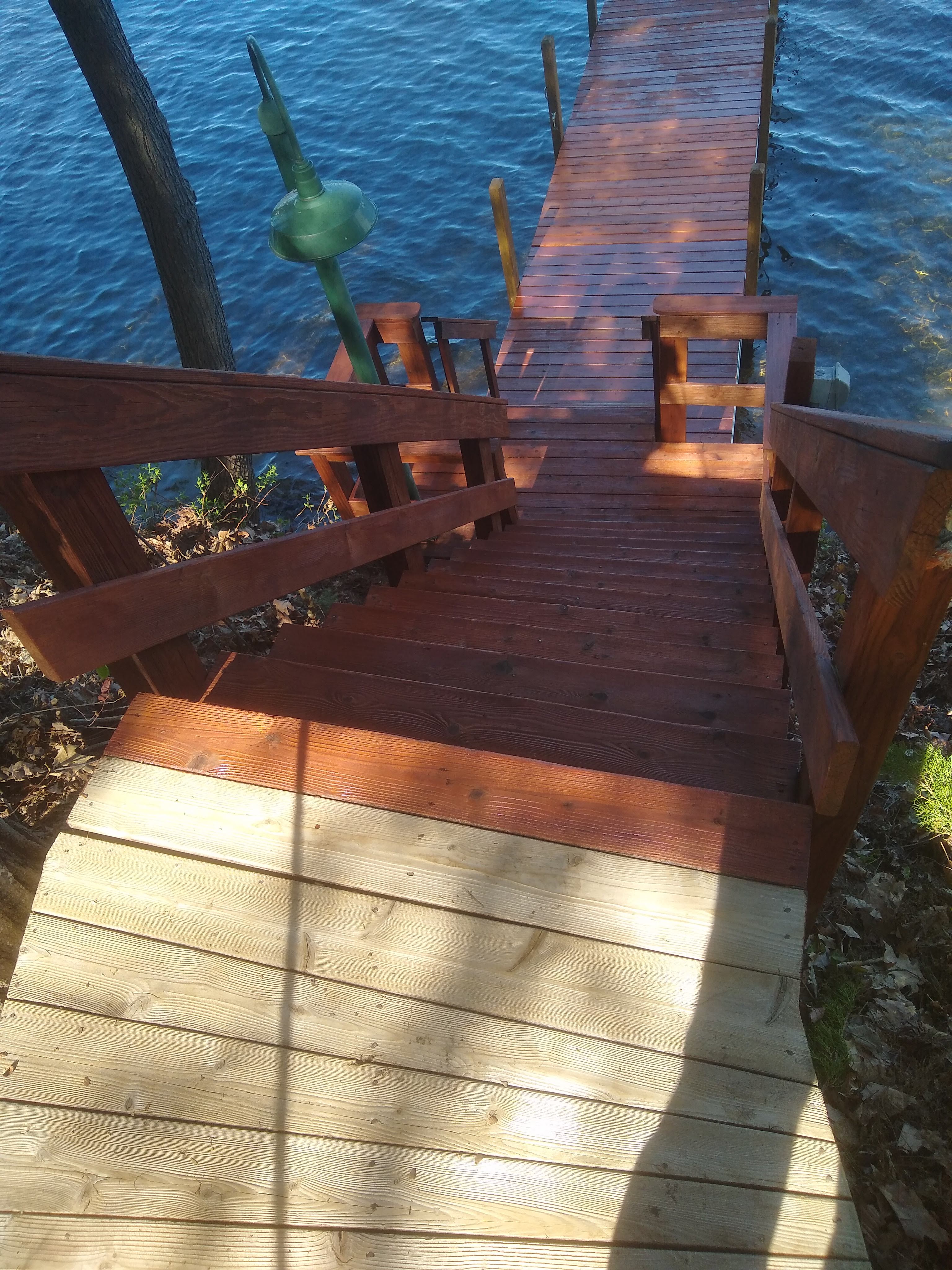
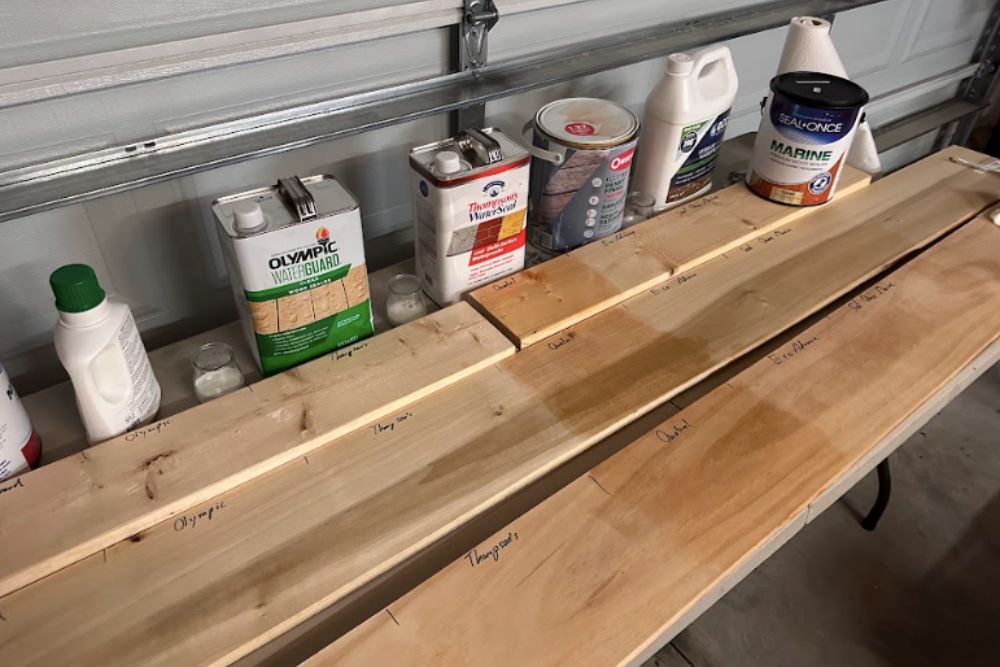
This article details a comprehensive test of seven popular deck sealers, evaluating their performance, ease of use, and durability. The primary goal of the testing was to identify which deck sealers are most effective at protecting outdoor wood decks from environmental damage, including sunlight, moisture, and general wear and tear. The testing methodology involved applying each sealer to decking boards and assessing various attributes such as application process, drying time, water repellency, and resistance to scratches, with a focus on long-term performance over a one-month period.
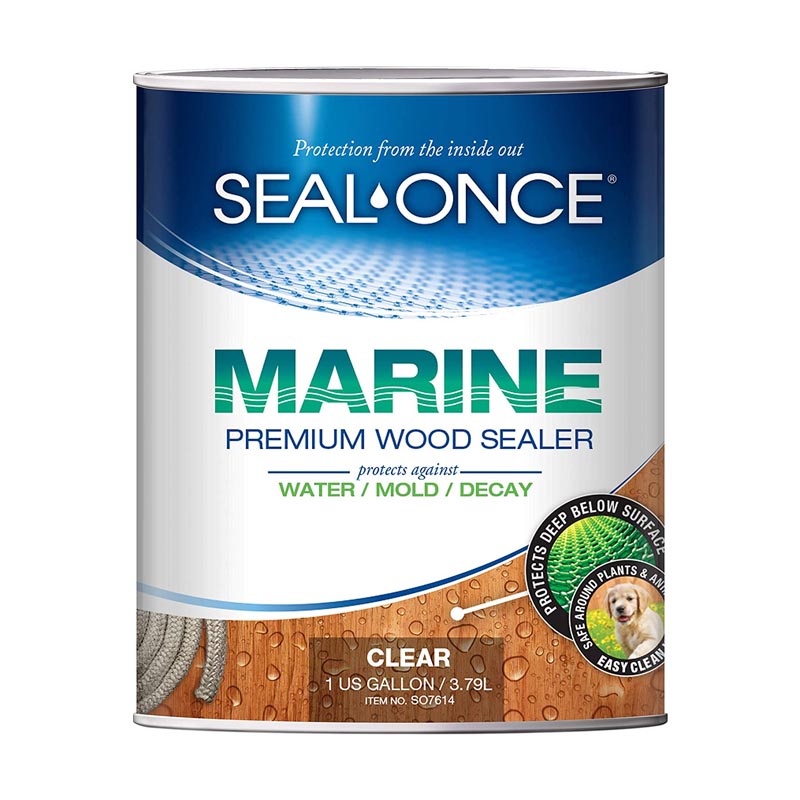
The test results revealed a range of performances across the seven selected products. The Seal-Once Marine Premium Wood Sealer was identified as the 'Best Overall' due to its deeply penetrating, low-VOC formula that effectively repelled water and resisted salt, mold, and algae. The Rust-Oleum Varathane Spar Urethane Deck Sealer earned the 'Best Bang for the Buck' title, providing a durable semigloss finish and robust protection against elements, albeit requiring multiple coats and having strong fumes. Thompson’s WaterSeal Transparent Wood Sealer was highlighted for 'Treated Lumber' as it effectively counteracted the greenish tint of pressure-treated wood while offering moisture and UV protection. For superior 'Waterproofing,' Thompson’s WaterSeal Clear Wood Sealer was recommended for its ability to repel water without altering the wood's natural color. The Defy Composite Deck Sealer stood out for its 'UV Protection' capabilities, utilizing zinc particles to shield both wood and composite decks from sun damage. The Olympic Maximum Oil-Based Clear Waterproofing Sealant was noted for its 'Longevity,' promising up to six years of protection and being suitable for application in colder temperatures. Lastly, the Eco Advance Exterior Wood Water Repellent Concentrate was recognized as the 'Easiest to Use,' due to its crystal-clear, eco-friendly, and odorless formula that can be applied with a sprayer.
The article also provides essential considerations for consumers before purchasing a deck sealer. It distinguishes between sealers, stains, and paints, explaining their different functions and ideal applications. Expert advice emphasizes the importance of proper deck preparation, including cleaning and sanding, to ensure effective sealing and prevent issues like rot from trapped moisture. Key factors such as the type of wood (e.g., cedar, redwood, pressure-treated, composite), the choice between oil-based and water-based sealers, and the significance of VOC levels, water and mildew resistance, UV protection, the number of coats required, and drying times are thoroughly discussed. Oil-based sealers generally offer better durability in extreme weather and are often less expensive, while water-based options are easier to apply and clean up, emit fewer toxic fumes, and are more environmentally friendly. The impact of VOCs on health and the environment is also addressed, advocating for low-VOC or no-VOC products. Furthermore, the article offers practical tips for applying deck sealer, stressing the need for a clean, dry surface for optimal results.
#DeckSealer #HomeImprovement #DIY #ProductReview #OutdoorLiving #WoodProtection #UVProtection #DeckSealer #HomeImprovement #DIY #ProductReview #OutdoorLiving #WoodProtection #UVProtection
0 comment in total
 No comments yet
You may also like
We Researched the Best Driveway Sealers—Our Top Pick Is Ideal for DIYers and Pros Alike

These Are the Best Caulk Options for Baseboards According to Our Tests
The 5 Best Basement Sealers to Waterproof Your Space


The Best Wood Stain and Sealer for Cedar Shake Siding

We Tested 7 Top-Rated Roof Sealants for 2 Weeks to Find the Best Products for Your DIY Roof Repair
How To Keep Outdoor Wood Beautiful Year-Round: Best Sealers for the Job
The 5 Best Caulk Guns for Home Improvement Projects

I Spent Two Days Lining My Kitchen with 14 Shelf Liners—These 7 are the Best for Pantries, Drawers, and More
See Our Top Picks For The Best Grout Sealers, Including Some Expert Tips
The Two Best Caulks for Small Home Projects
The 7 Best Deck Paints You Can Get, Tested and Reviewed
The Best Caulk for Perfectly Sealed Showers and Tubs
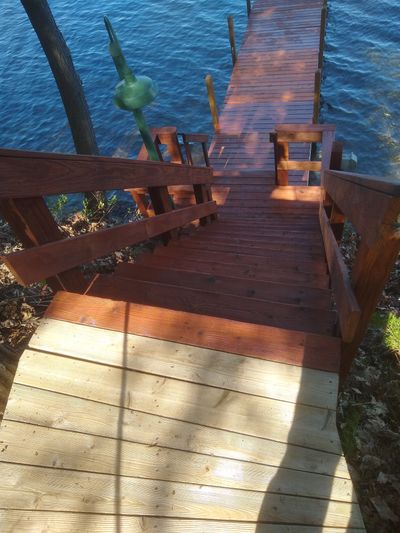
Ask the Builder: What to do about peeling and flaking deck sealers
We Tested the 9 Best Exterior Caulks. Here Are Our Top Picks to Keep Your Home Dry
We Researched 30 Marble Sealers—Our Top Pick is Long-Lasting and Easy to Apply
After Researching Over 20 Options for Exterior Walls Insulation, There is One Clear Winner
Best Caulk & Sealant Guide: Popular Types of Caulk and How To Choose
Sealants

Giving Your Deck a New Life Doesn’t Have to be a Chore Thanks to This Product

Reviewed: The Best Deck Builders for Commander