1/2
Four ‘simple’ DIY methods to draught-proof windows for under £5 - keep the cold air out
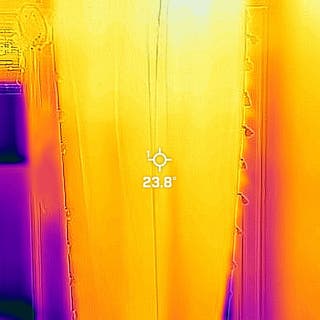
Draughty windows can significantly impact a home's comfort and energy efficiency, leading to higher heating bills due to increased heat loss. Identifying draughts typically involves checking for cold spots around window frames and observing condensation between glass panes. Once identified, several cost-effective DIY methods can be employed to draught-proof windows, with many solutions available for under £5.
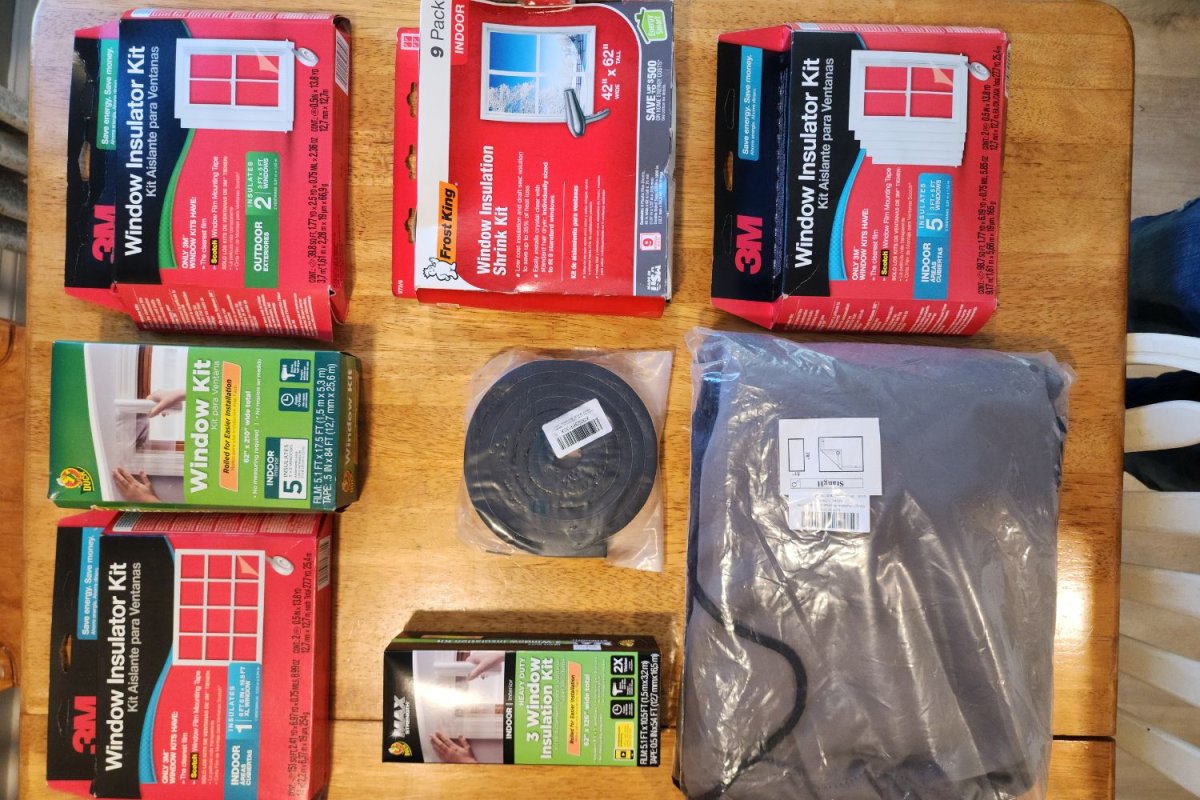
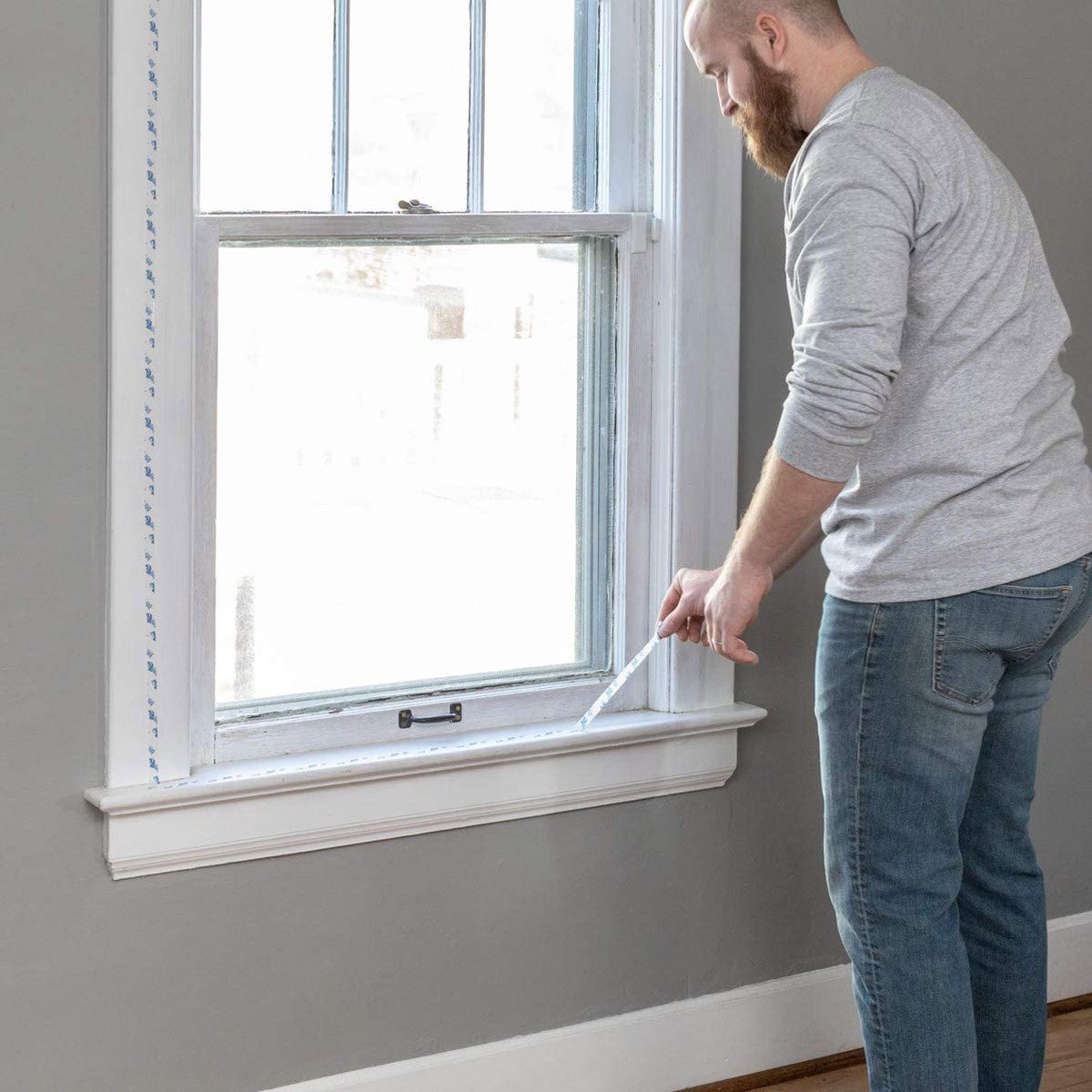
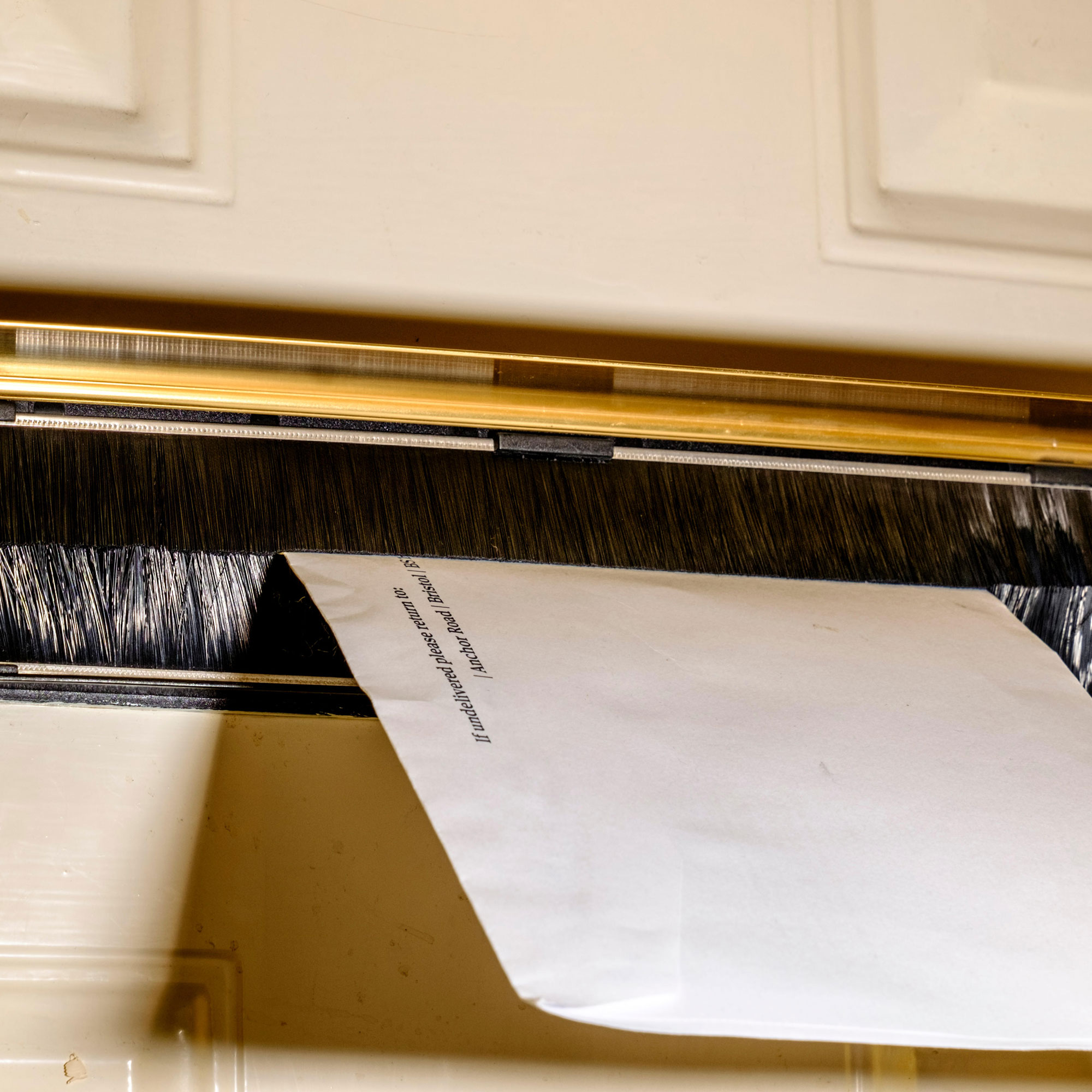
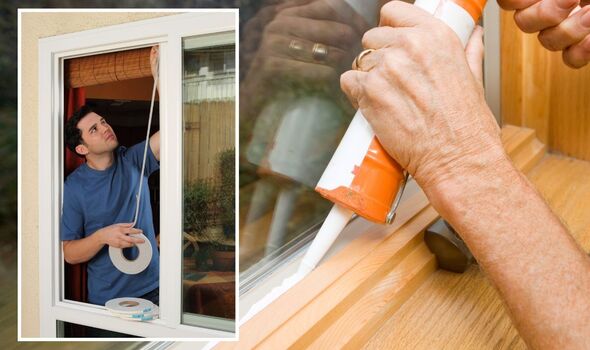
One effective method is installing weather stripping. Homeowners can choose between metal/plastic strips with brushes or self-adhesive foam strips. While foam strips are generally cheaper, they may not offer the same longevity as their metal or plastic counterparts. Crucially, the weather stripping must be precisely sized to fit the gaps in the window; an oversized strip can obstruct window operation, while an undersized one will fail to seal effectively. Weatherstrips are widely available from various retailers, with costs starting from as little as £5.
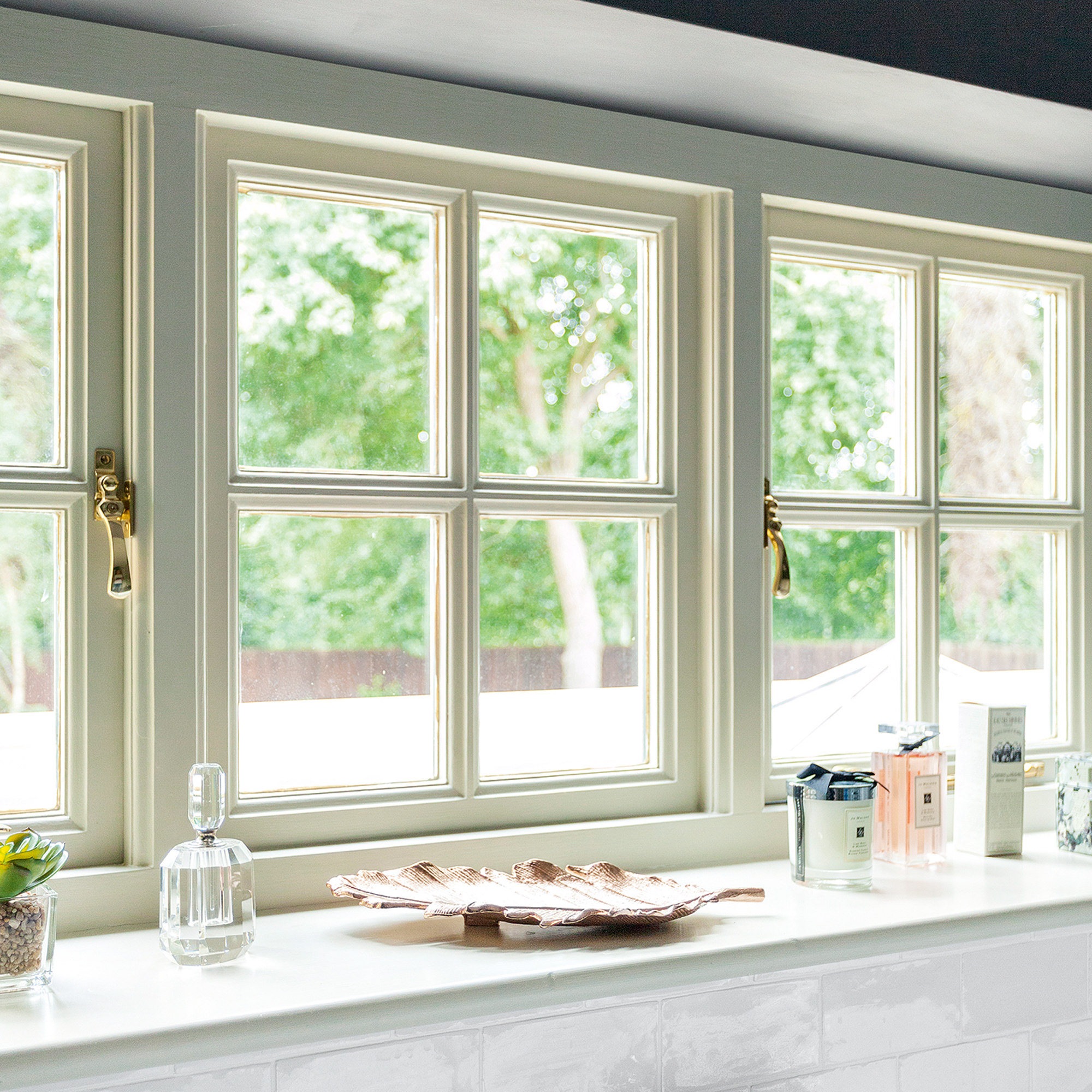
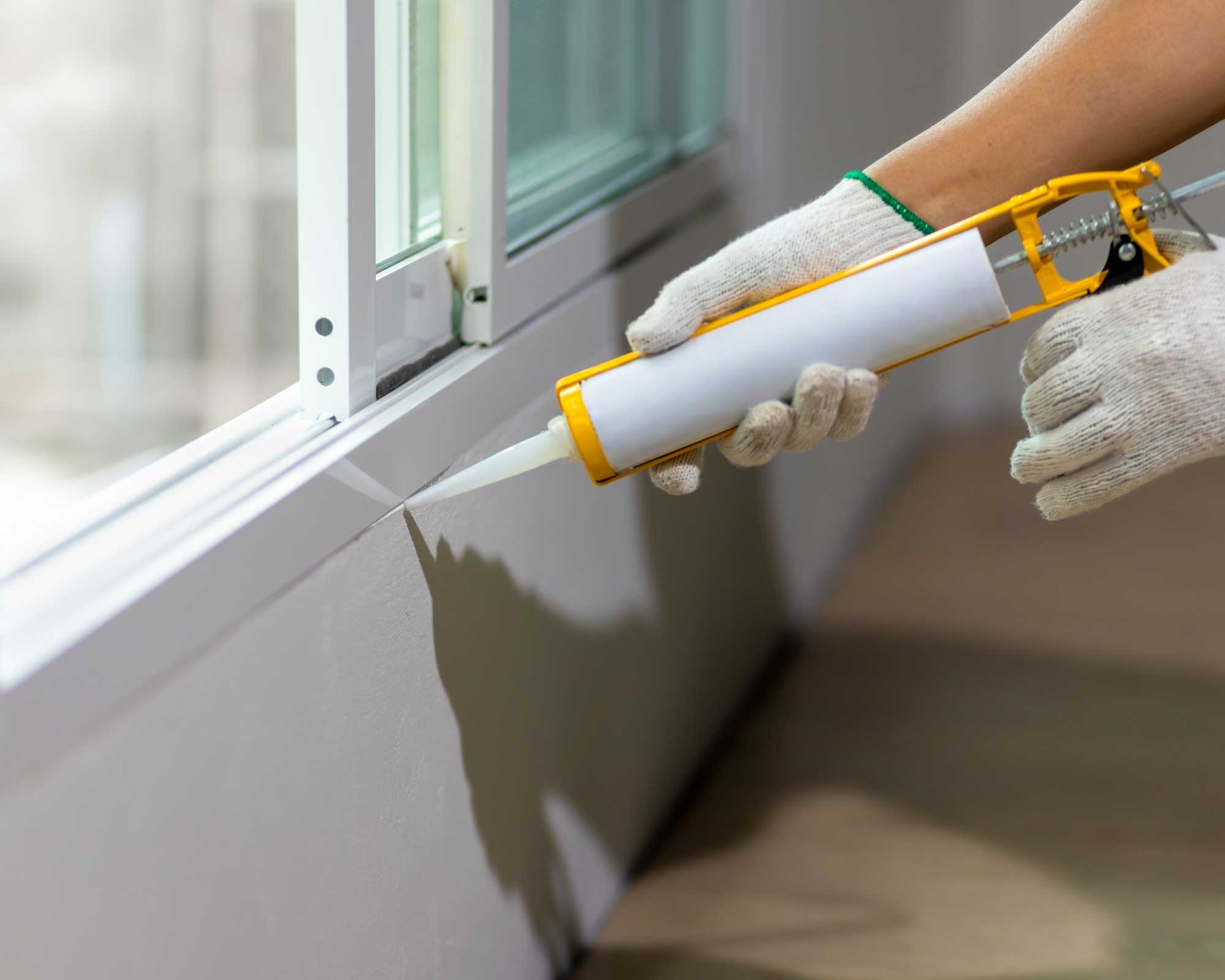
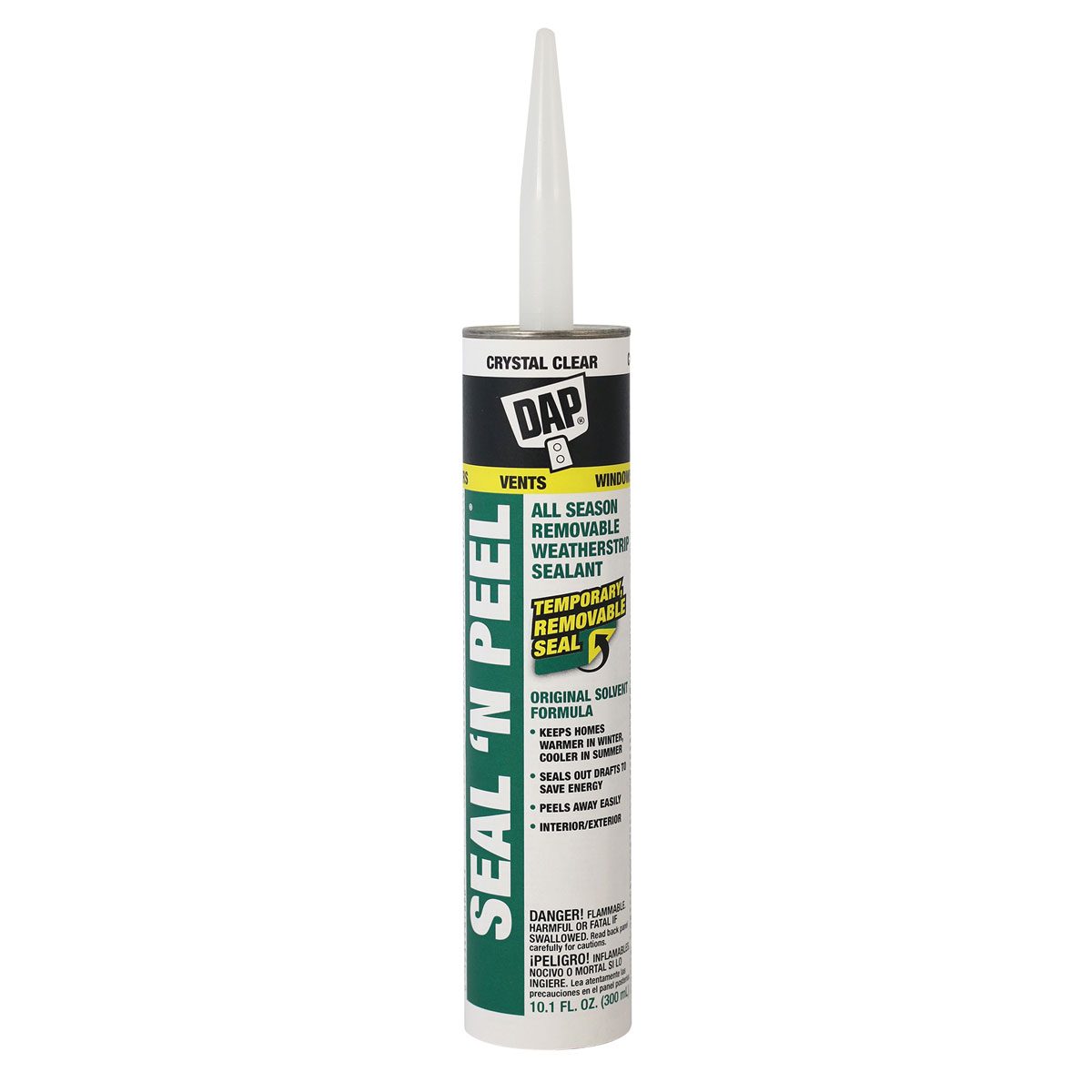
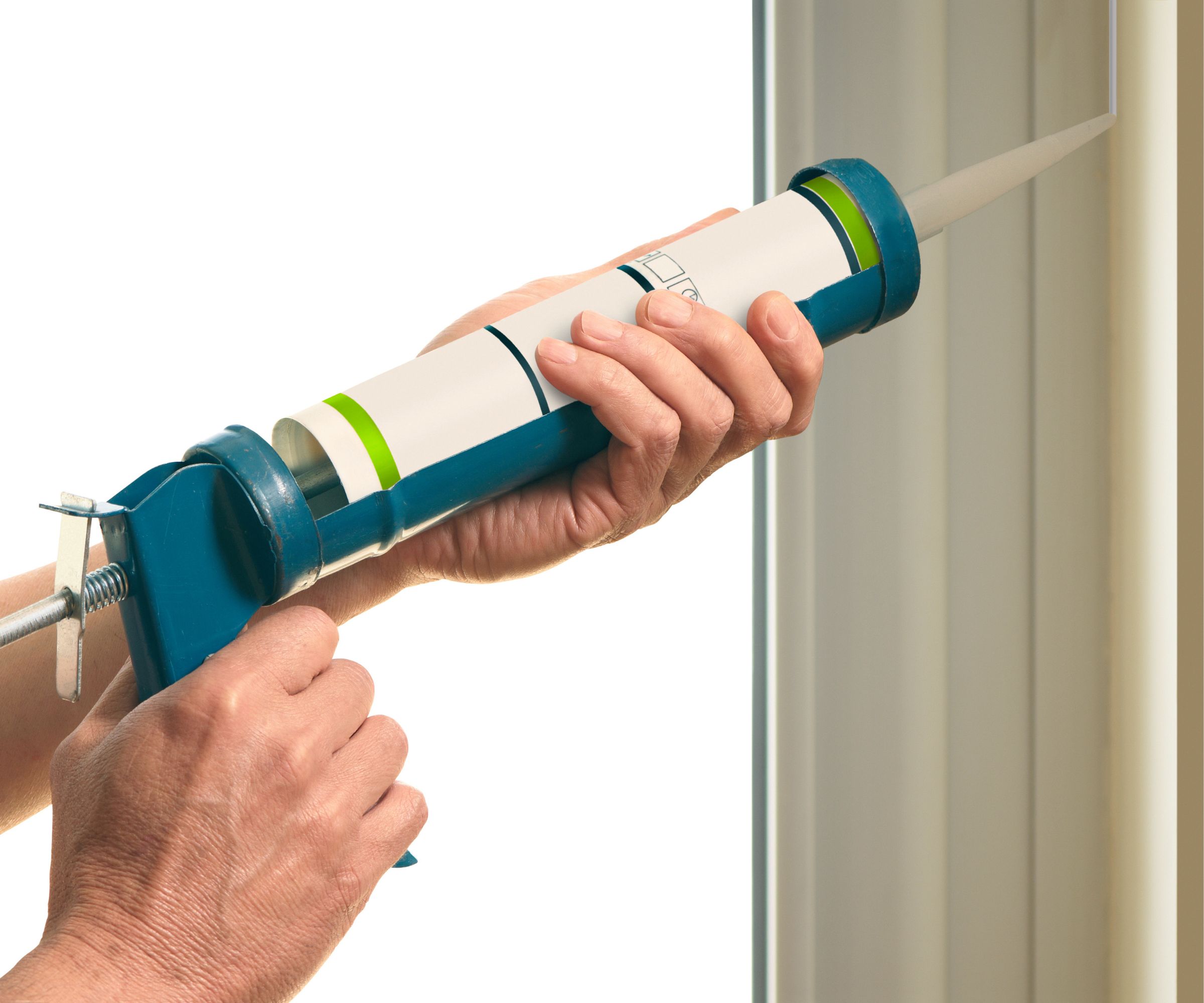
Another simple DIY solution is applying silicone caulk. This involves sealing any existing gaps or cracks around the window frame. Proper selection of caulk is important, especially for humid environments, where mould-resistant and waterproof varieties are recommended. Before application, any old caulk should be removed using a putty knife, and the surface must be clean and free from dirt or damage. The caulk is then applied using a caulk gun, with the tip cut at a 45-degree angle. A continuous bead should be applied firmly against the window, and any excess smoothed over before it dries. Caulk is an inexpensive material, often available for as little as £1 from hardware stores.
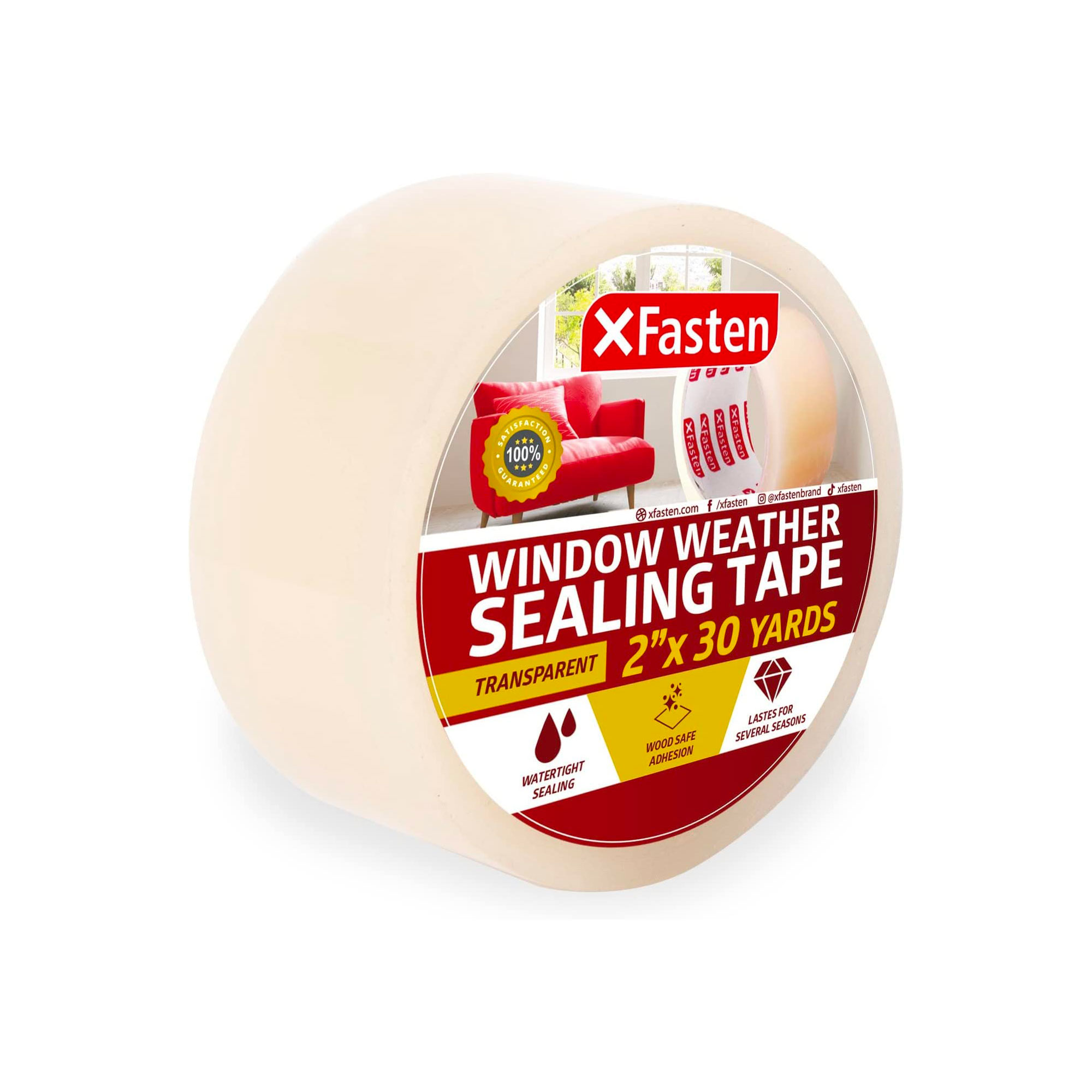
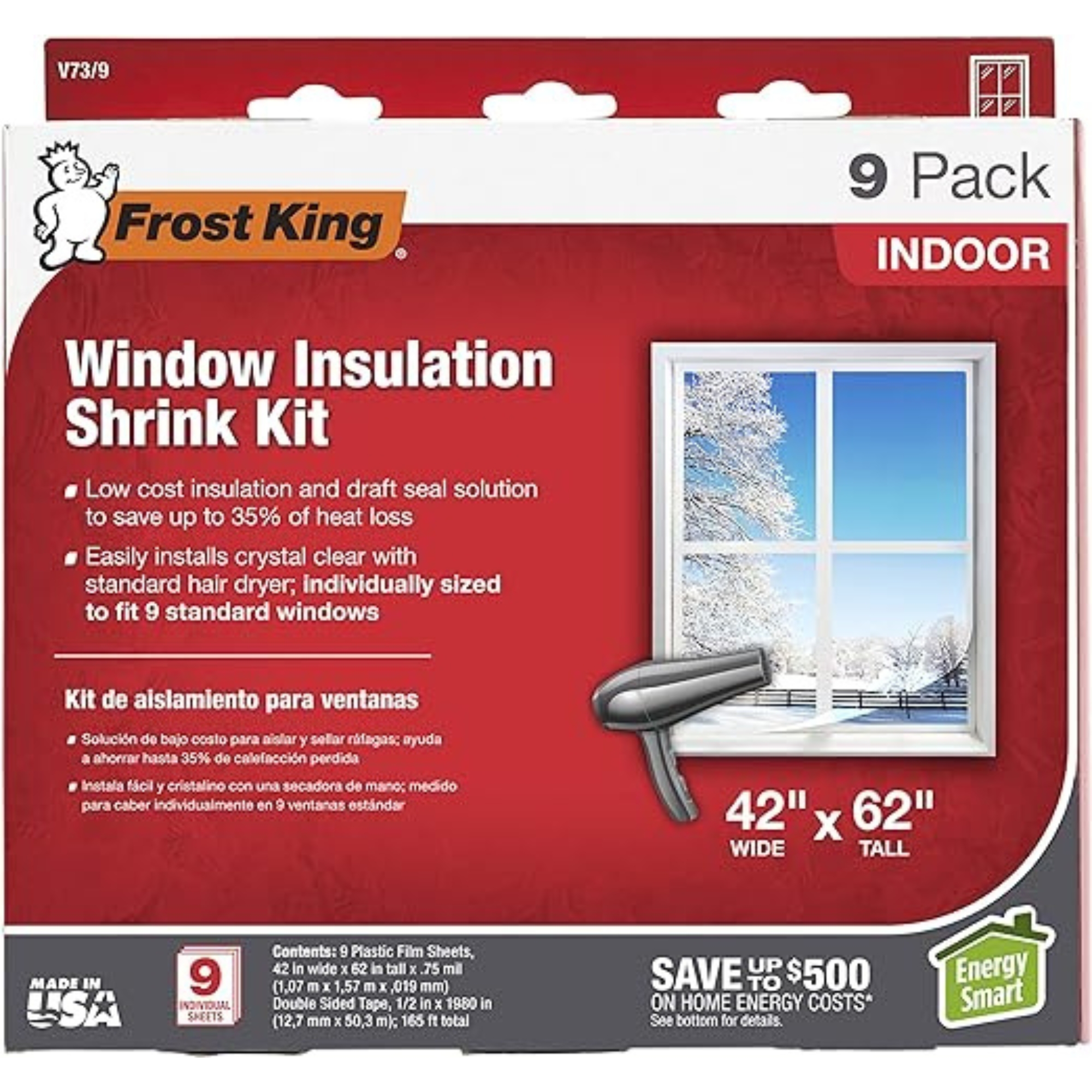
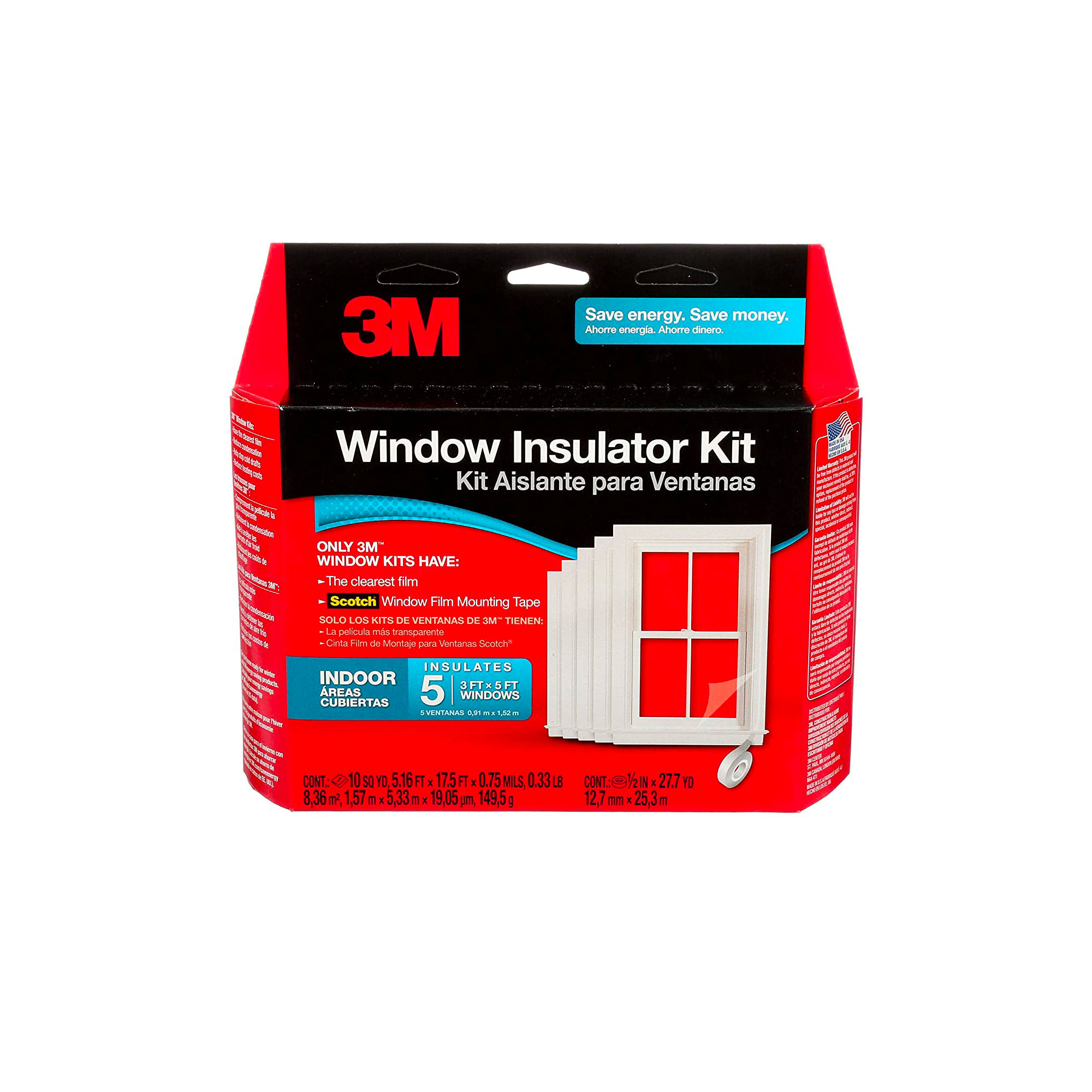
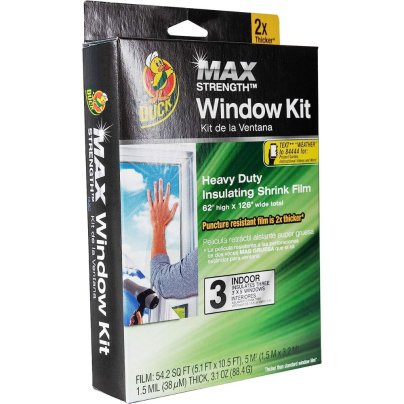
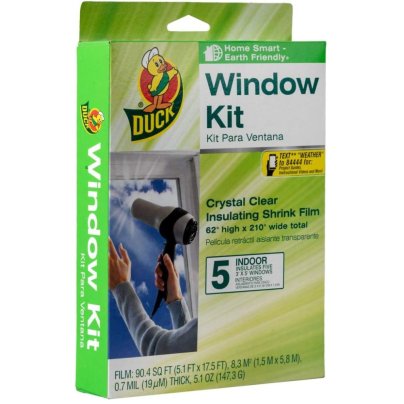
Window insulation film offers a way to reduce heat loss through glass, which can account for approximately 18% of a home's total heat loss, according to Safestyle UK. To apply, windows and surrounding areas should be cleaned, and the windows locked. Tape is then applied in a straight line along the edges of all frames and rubbed down securely. After removing the tape's backing, the insulation film is attached from top to bottom, excess material is trimmed, and a hairdryer is used to shrink the film and remove wrinkles. While a DIY task, professional installation is advised if one lacks experience or if the film frequently detaches.
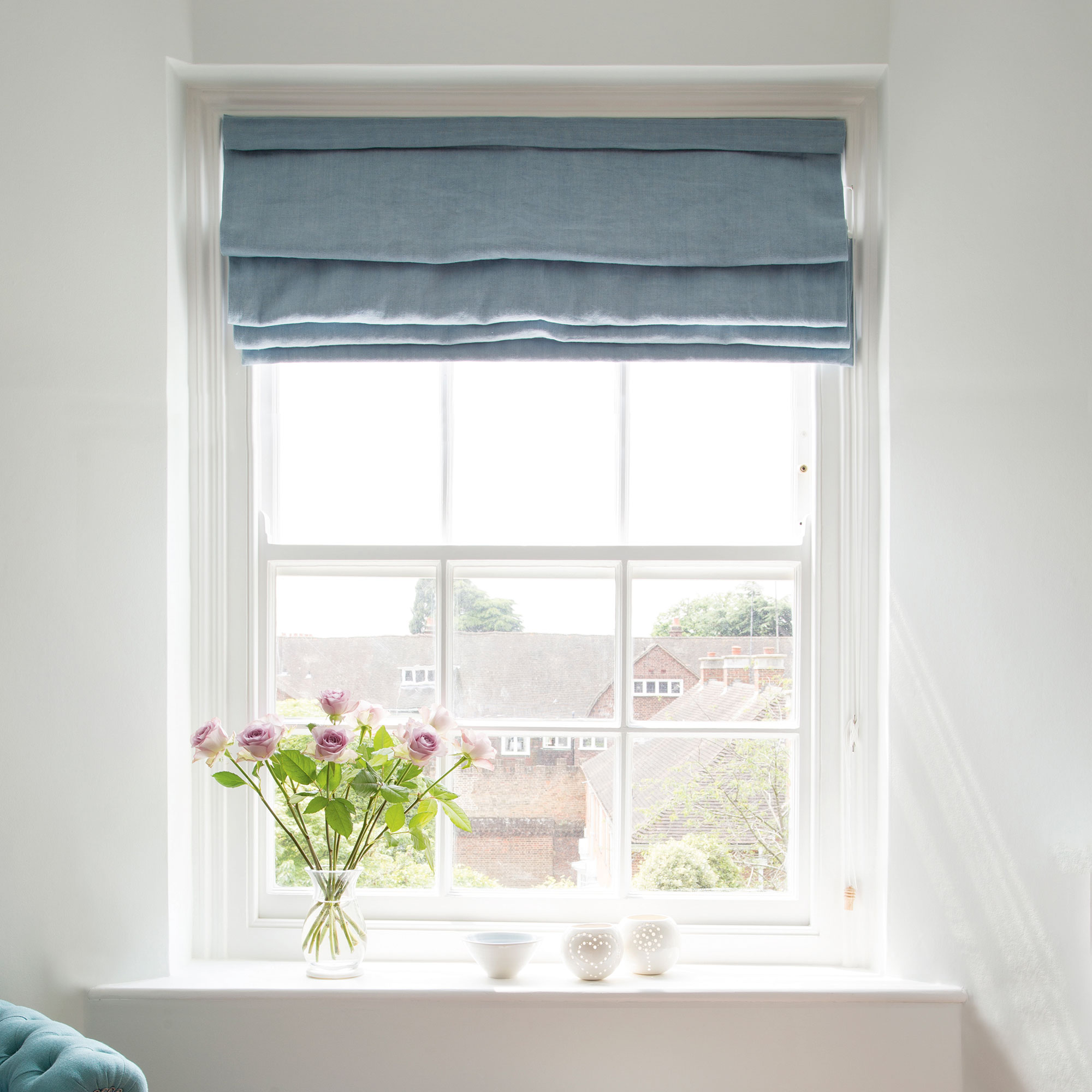
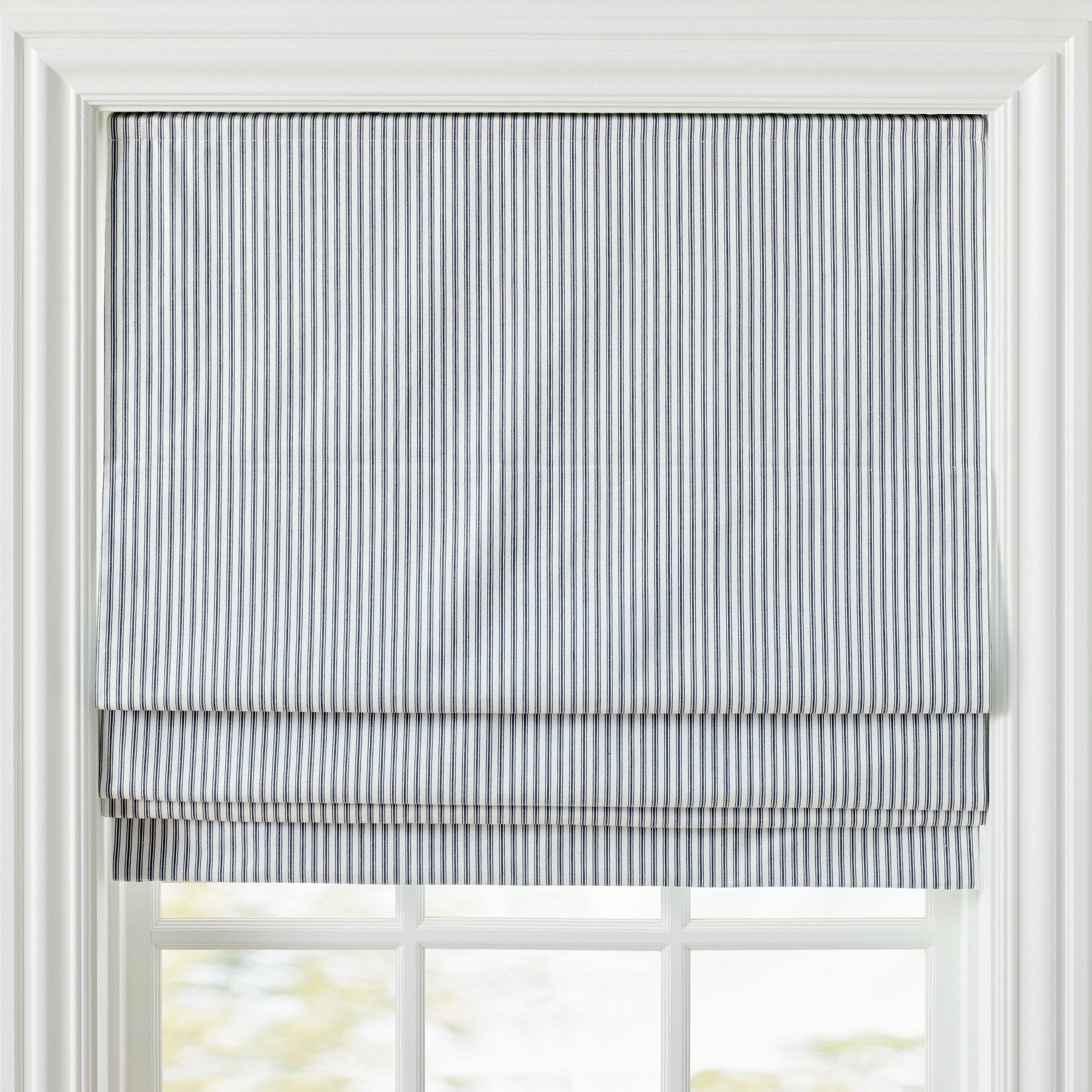
Finally, adding insulated drapes or curtains serves as a practical and stylish way to manage indoor temperatures. Thick curtains are particularly effective at retaining heat during winter nights and blocking heat during summer days. During colder months, they should be kept closed after sunset to trap warmth and opened during daylight hours to maximize solar gain. While these DIY methods are budget-friendly, it is essential to ensure correct application, as improperly sealed windows can lead to issues such as water damage, mould growth, and persistent draughts, negating the purpose of the draught-proofing effort.
#DraughtProofing #WindowInsulation #EnergyEfficiency #DIYHomeImprovement #WeatherStripping #SiliconeCaulk #WindowFilm #InsulatedCurtains #DraughtProofing #WindowInsulation #EnergyEfficiency #DIYHomeImprovement #WeatherStripping #SiliconeCaulk #WindowFilm #InsulatedCurtains
0 comment in total
 No comments yet
You may also like

How to draught proof a window - easy ways to keep heat inside your home this winter

5 ways to draft-proof a bathroom – expert tips that you can do yourself

Surprisingly, Our Favorite Window Insulation Isn’t the Thickest


3 Retrofit Windows That Avoid the High Cost of Replacement


How to Seal Your Drafty Windows for Less Than $50

The $54 Frost Fix That Stops Drafty Windows – and Looks Great

Winterize Those Drafty Windows Now (Save Money on Heating Bills Later)

6 places you shouldn't caulk around windows – and expert tips for caulking correctly

8 budget fixes for drafty windows — including a $2.99 beauty product I use every single day

Prep for Winter Weather with These 8 Window Insulation Kits


5 Best Window Draft Stoppers


Pet Door Drafts? 5 Quick Fixes to Slash Winter Bills

How to Seal Drafty Windows (and Instantly Lower Your Heating Bill)


The 4 simple tricks that stopped condensation from forming on my bedroom windows – I no longer have to wipe my windows down every morning
10 ways to stop draughts from doors - Expert tips for keeping cold gusts of air out
The Best Door Draft Stoppers to Keep the Cold Out, Tested

5 easy DIY tricks to draft-proof sunrooms for winter

How to fix a drafty door – 6 ways to stop cold air getting through

9 DIY draft-proofing jobs to warm your home in a weekend – and the big mistake to avoid
7 Things Your Windows Are Trying to Tell You