1/5
10 ways to stop draughts from doors - Expert tips for keeping cold gusts of air out
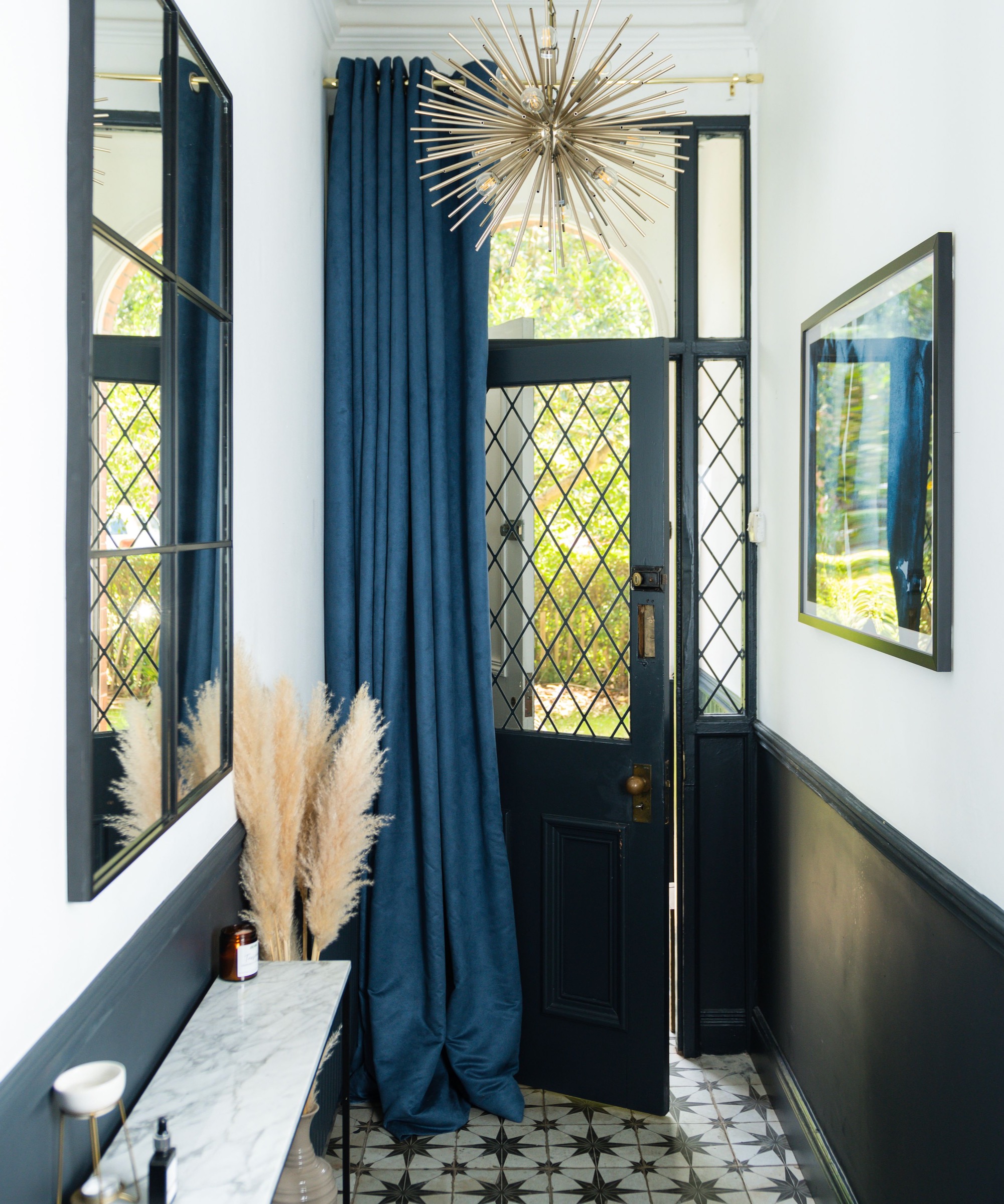
The article addresses the common problem of draughts from doors, emphasizing their impact on home comfort and energy efficiency. It begins by highlighting that draughts, particularly from doors, are a significant source of cold air entry into homes and can be rectified with relatively simple DIY solutions. The Energy Saving Trust estimates that draught-proofing around windows and doors can save an average household approximately £45 annually on energy costs. Victoria Brocklesby, COO at Origin, underscores that door draught-proofing is among the most cost-effective methods for saving energy and money.
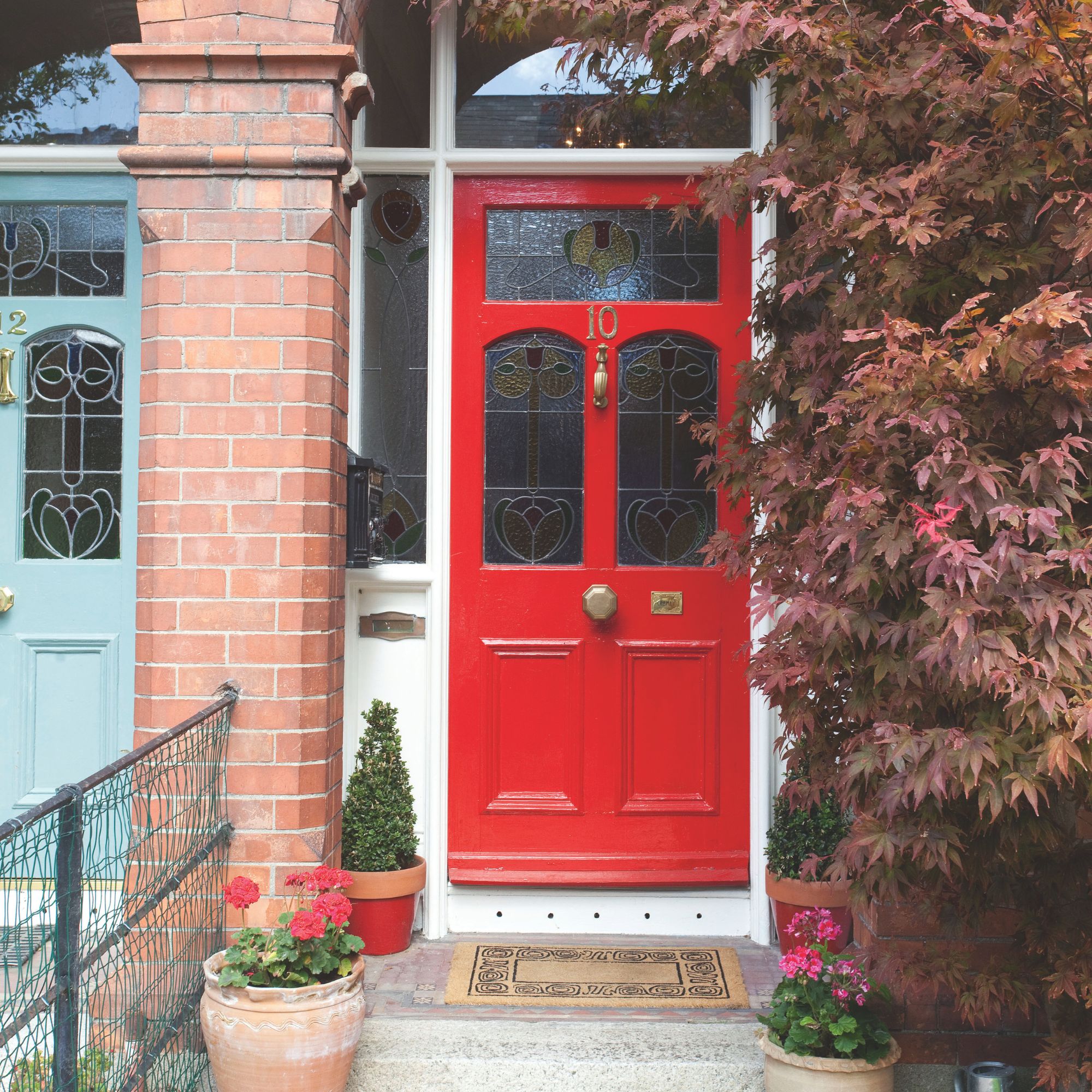
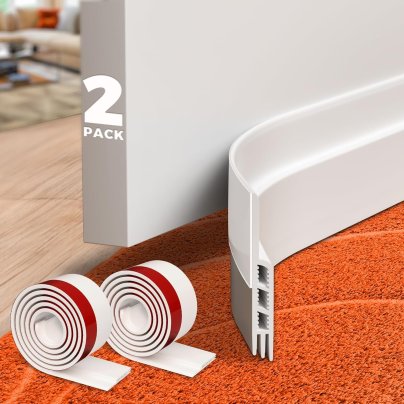
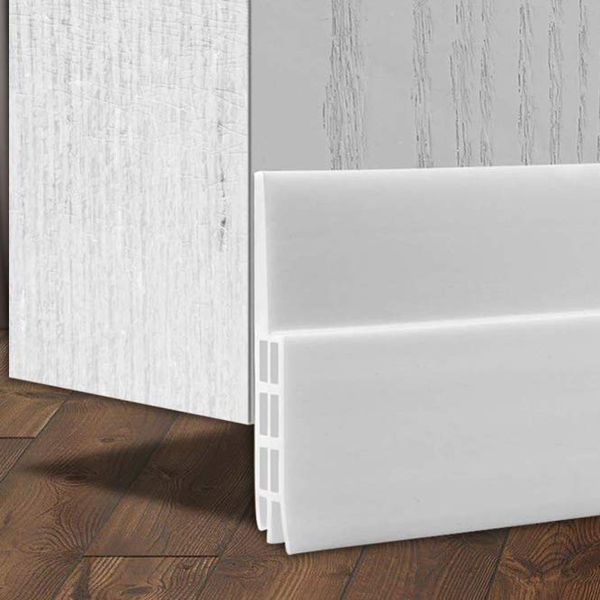
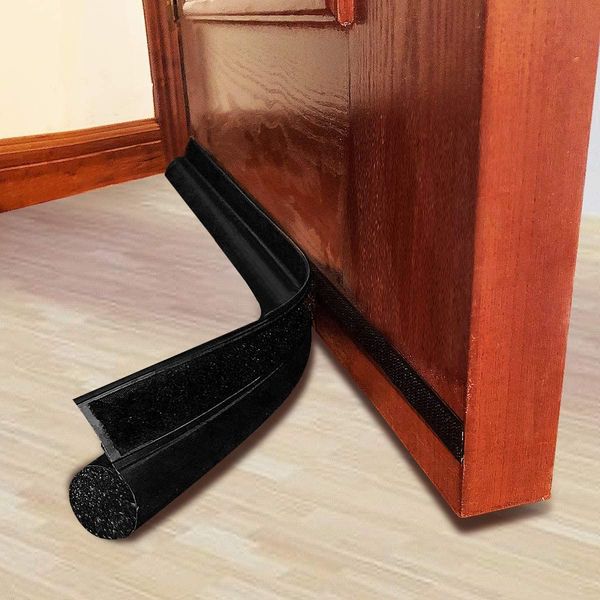
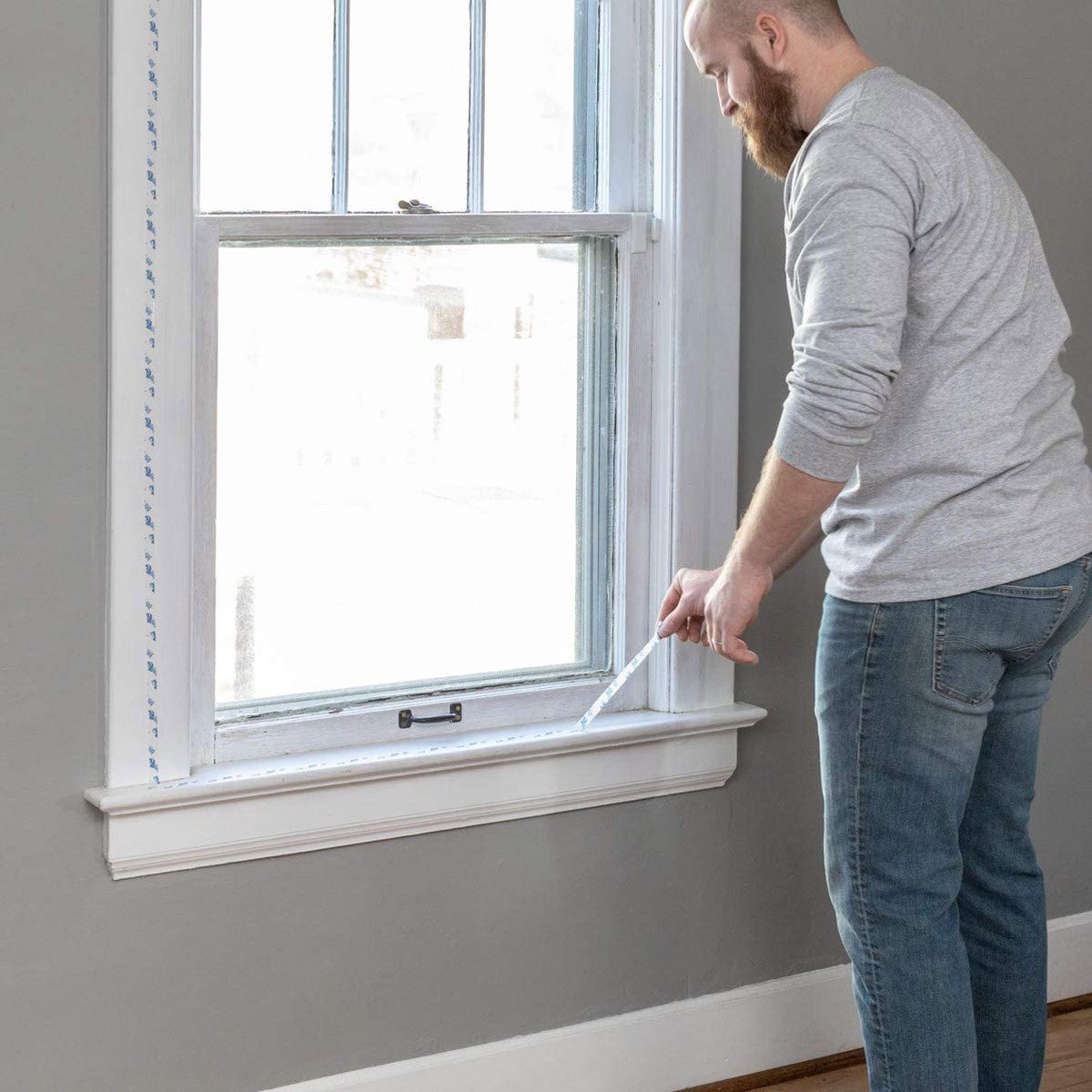
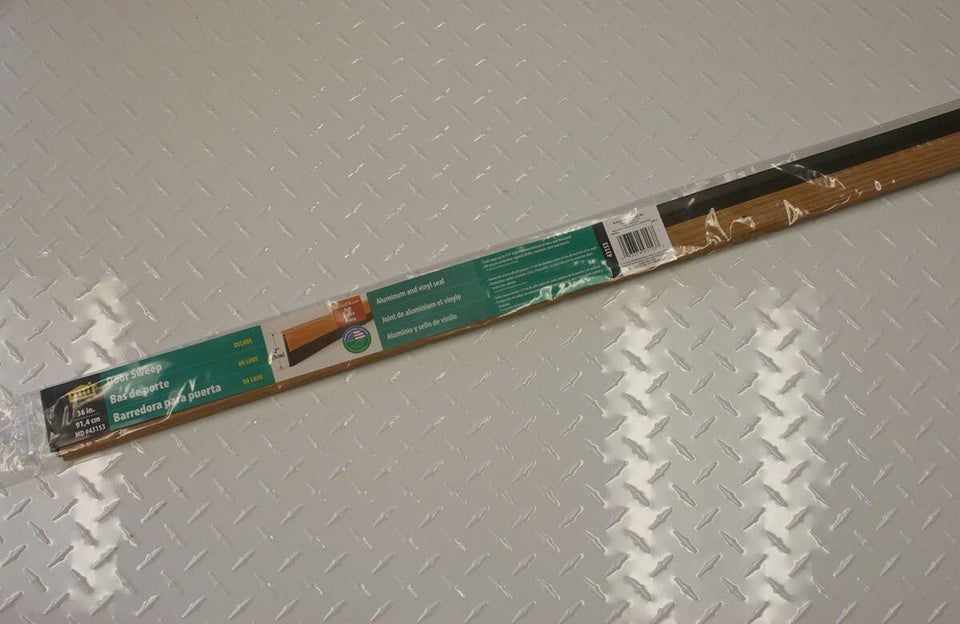
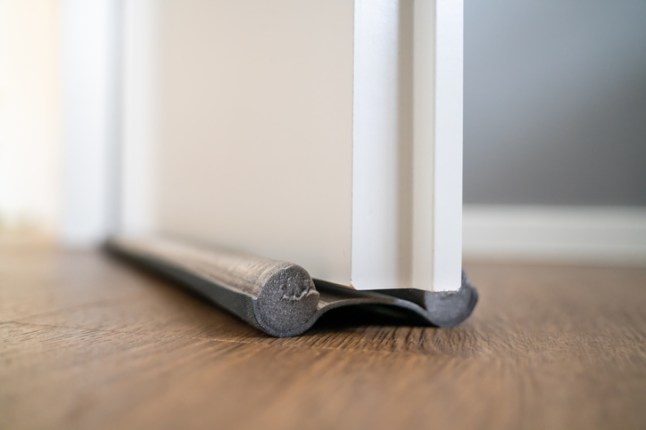
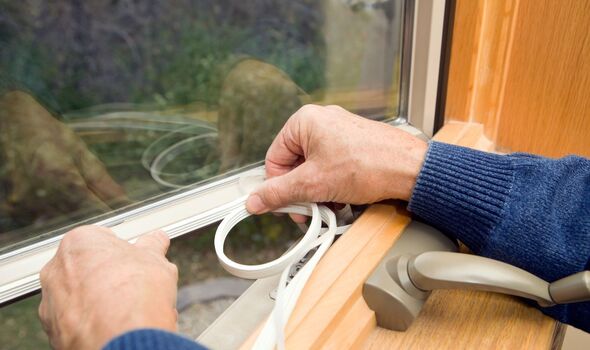
The article outlines ten practical strategies for draught-proofing doors. The first method involves fitting a door brush strip draught excluder at the bottom of the door, where it meets the floor. These strips are widely available and should be cut to the exact door width and positioned to lightly sweep the floor for optimal effectiveness. The second tip suggests installing a hinged flap, also known as a weather bar, at the bottom of the door. This device, usually with a rubber panel, hinges to allow the door to open and close, but is typically suitable only for inward-opening doors. The third recommendation is to apply draught strips around the edges and top of the door frame, using materials like rubber, foam, brush, or wiper strips. These are affixed with adhesive and potentially screws, requiring proper surface cleaning for adherence. Some of these strips also offer acoustic insulation.
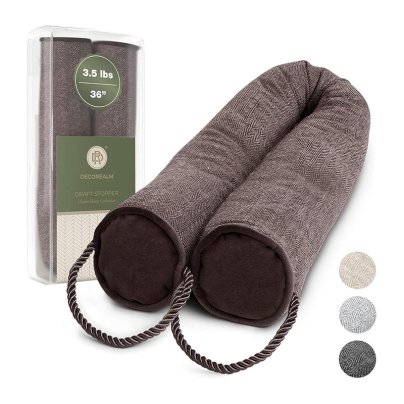
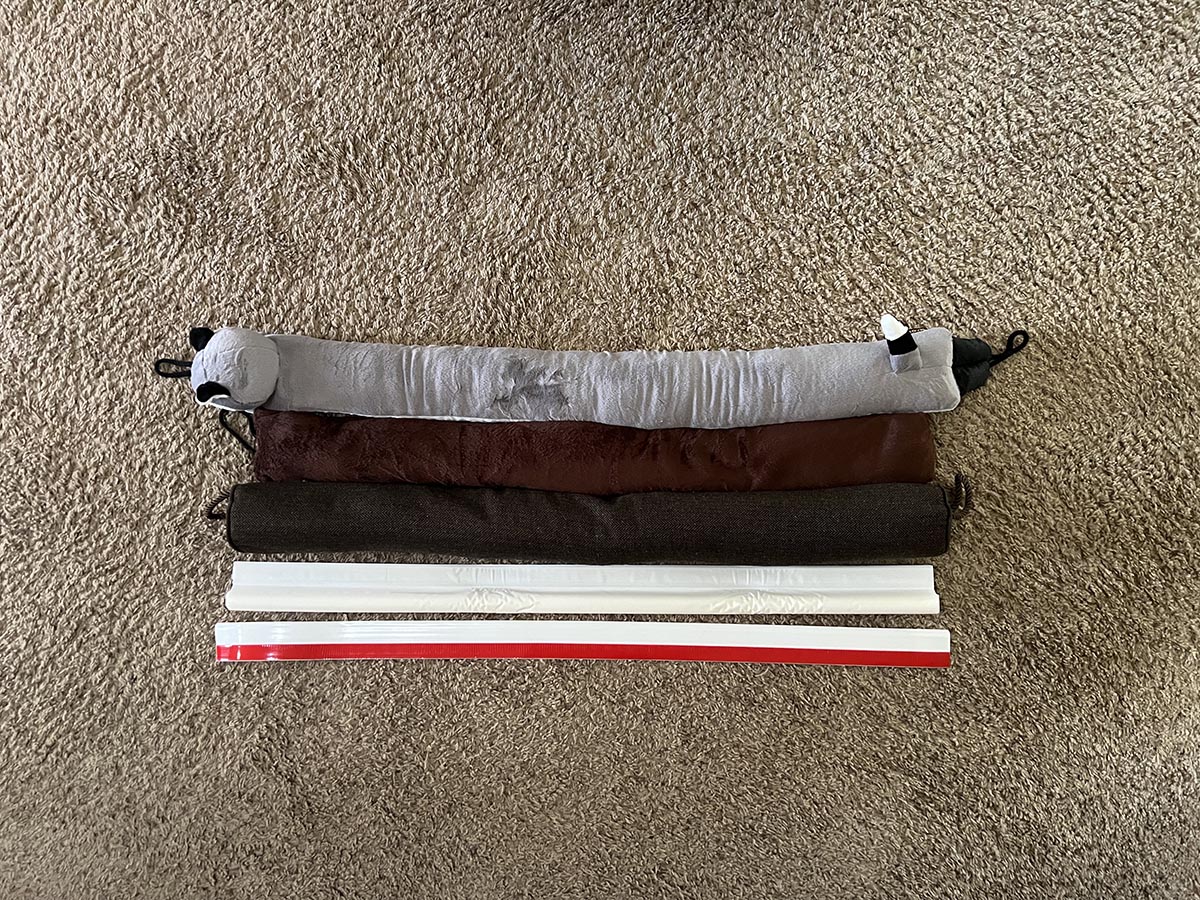
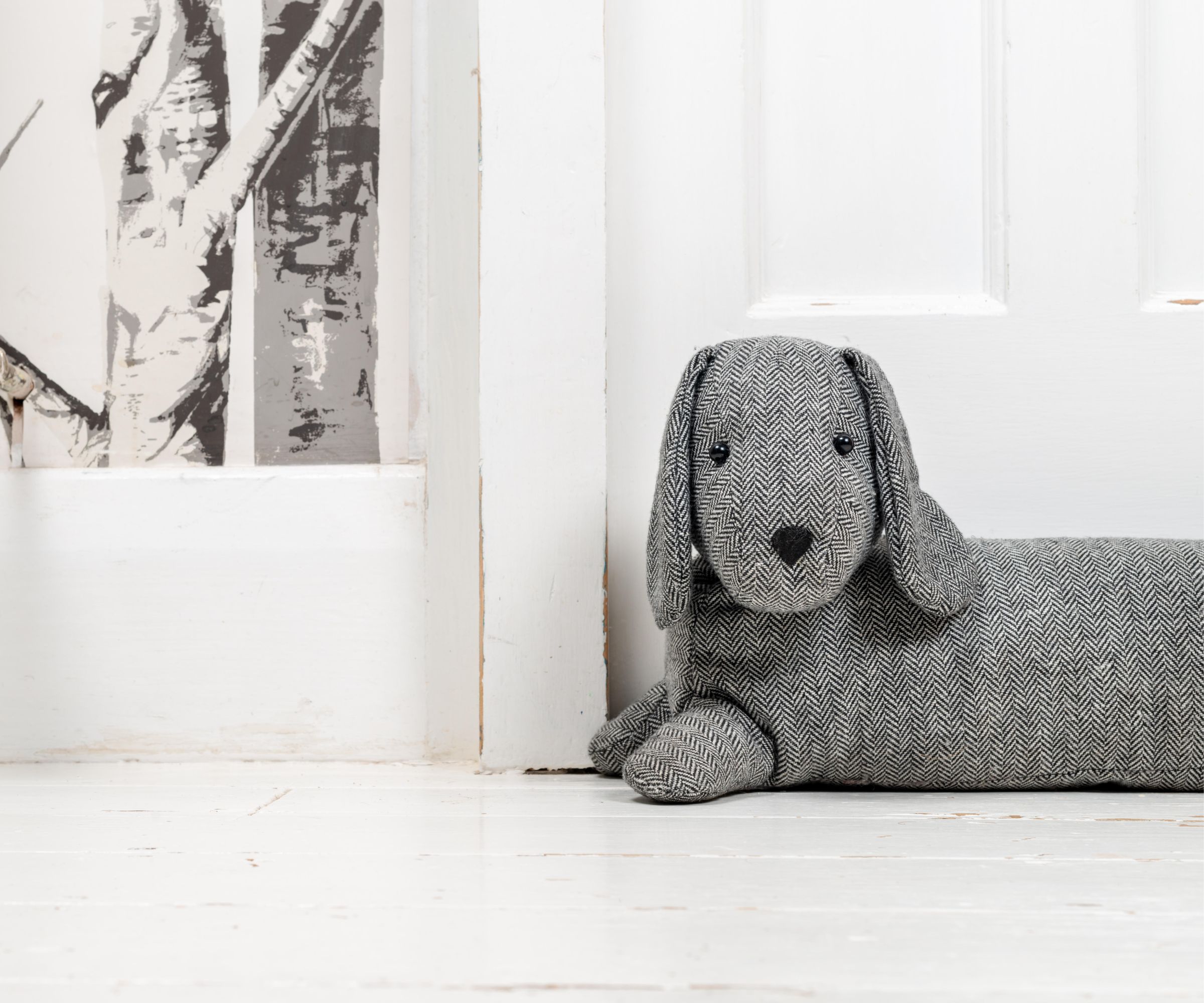
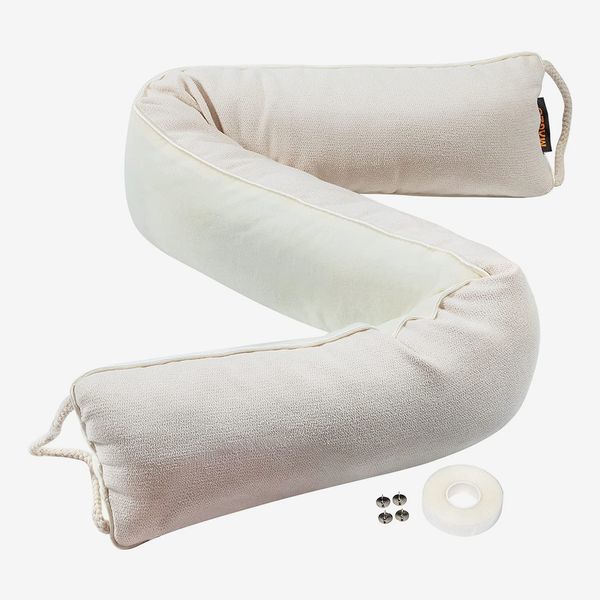
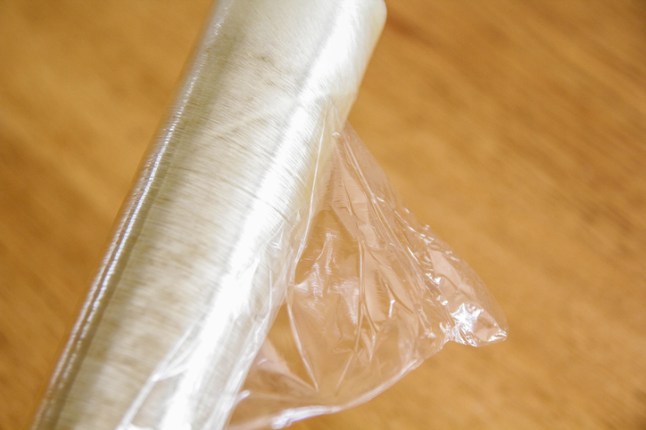
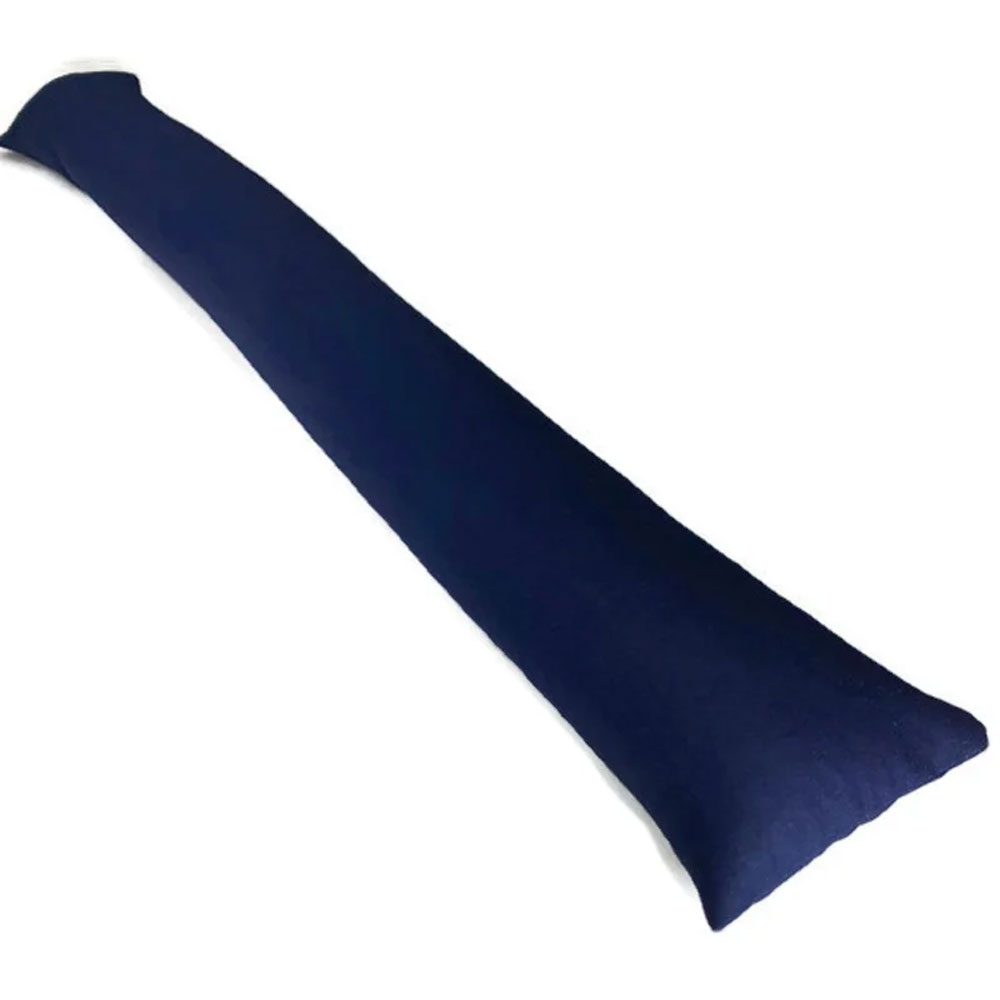
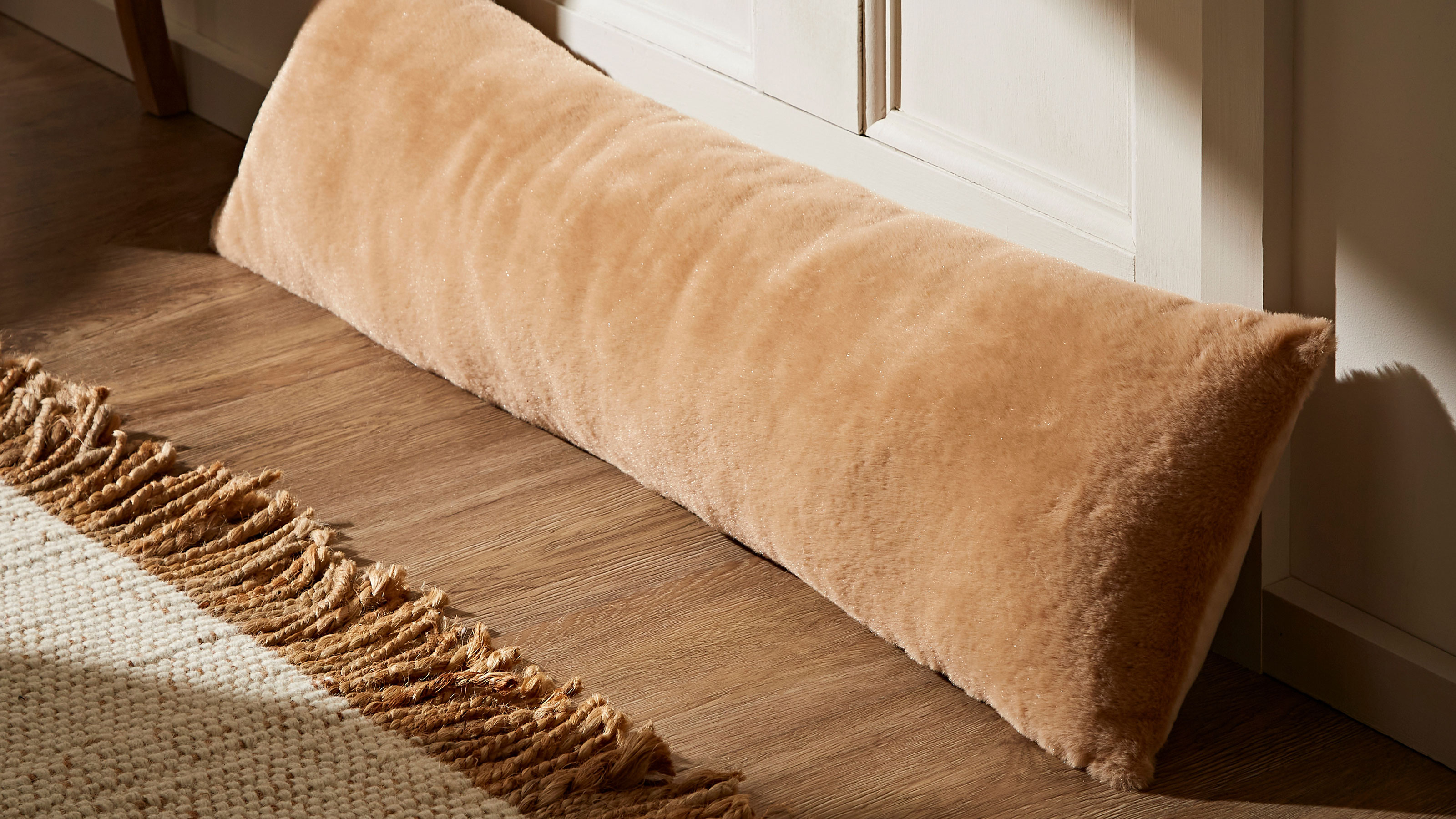
Fourth, the article advises investing in an efficient letterbox flap, which combines brushes and a flap to prevent air infiltration. Many existing letterboxes lack these features, and upgrading the internal faceplate with a more thermally efficient model is suggested. Alternatively, for timber doors, one could fill the letterbox hole and install an external wall-mounted letterbox. The fifth method involves using a soft pillow draught excluder placed at the base of the door. While charming, this is often better suited for internal doors as it may not be in place when leaving the house, leaving the front door vulnerable. The sixth idea encourages DIY enthusiasts to create their own draught excluders using repurposed materials like plastic bags or fabric scraps.
Seventh, to address keyhole draughts, the article suggests using covered escutcheons, keyhole lock cover guards for modern cylinder locks, or brush draft excluders. For old, unused keyholes, filling the gap is recommended. Eighth, the article emphasizes upgrading door glass, particularly single-glazed panels, to more thermally efficient options. It highlights the importance of the U-value, a measure of heat loss, with lower values indicating better insulation. Building Regulations from June 2022 require replacement doors to meet a maximum U-value of 1.4 W/m2K. Ninth, a simple yet effective strategy is to keep internal doors closed to create barriers against cold air flow, especially in open-plan layouts. Finally, if all other options fail, the tenth recommendation is to invest in a new door equipped with efficient weather seals. Elizabeth Assaf from Urban Front suggests double and triple silicon weather seals as more durable alternatives to brushes, and a mobility threshold with a seal on the cill. Proper installation by recognized professionals is crucial to ensure the new door's thermal performance.
#DraughtProofing #HomeEnergyEfficiency #DIYHomeImprovement #DoorInsulation #EnergySavingTips #HomeComfort #UtilityBills #ThermalEfficiency #InteriorDoors #FrontDoors #DraughtProofing #HomeEnergyEfficiency #DIYHomeImprovement #DoorInsulation #EnergySavingTips #HomeComfort #UtilityBills #ThermalEfficiency #InteriorDoors #FrontDoors
0 comment in total
 No comments yet
You may also like
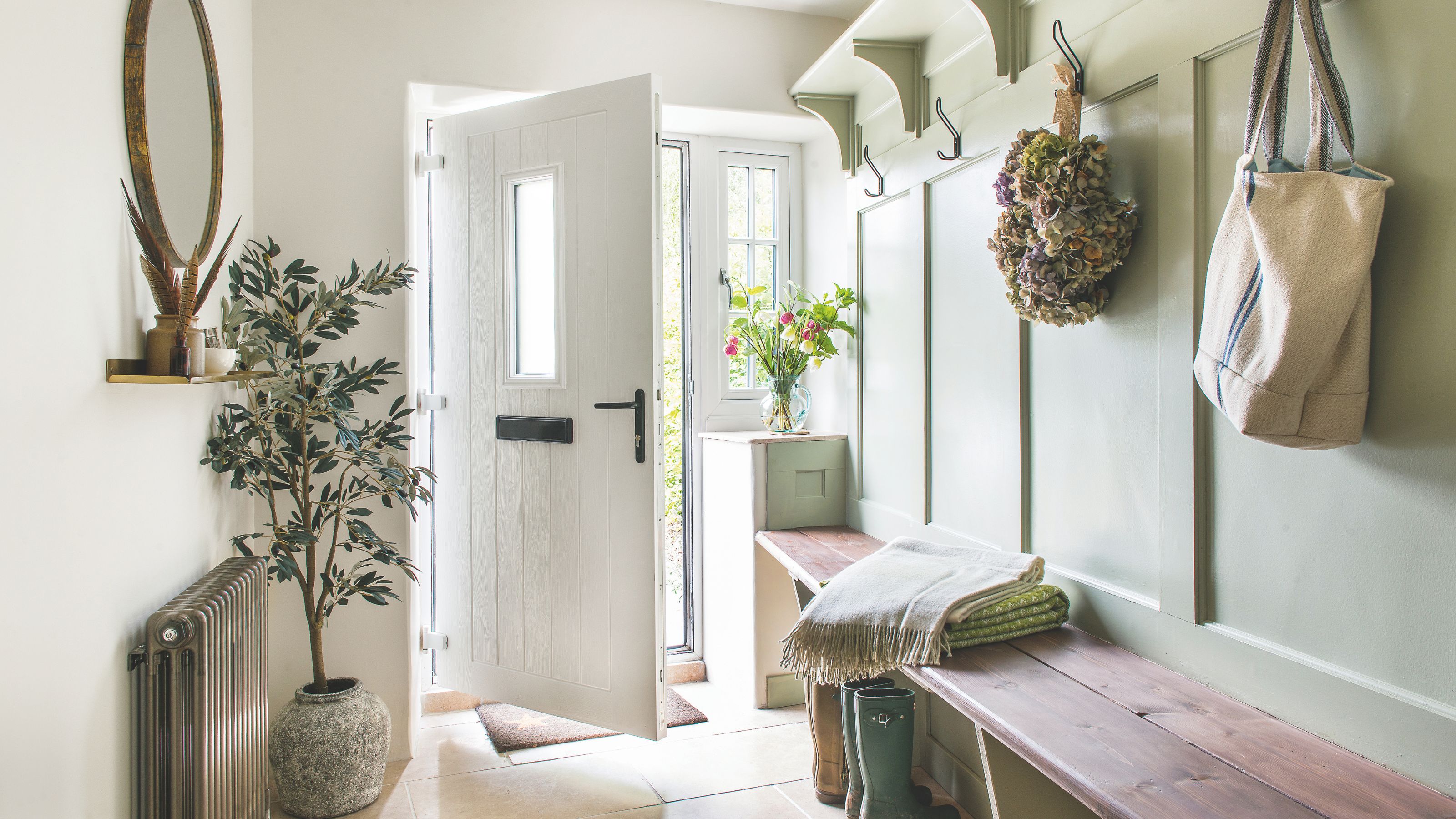
How to draught-proof a front door — expert-approved tips to shut out the cold and prevent internal heat from escaping

7 Sneaky Ways Drafts Hide in Your Home – And How to Fix Them So Holiday Guests Feel Cozy and Welcome

Pet Door Drafts? 5 Quick Fixes to Slash Winter Bills
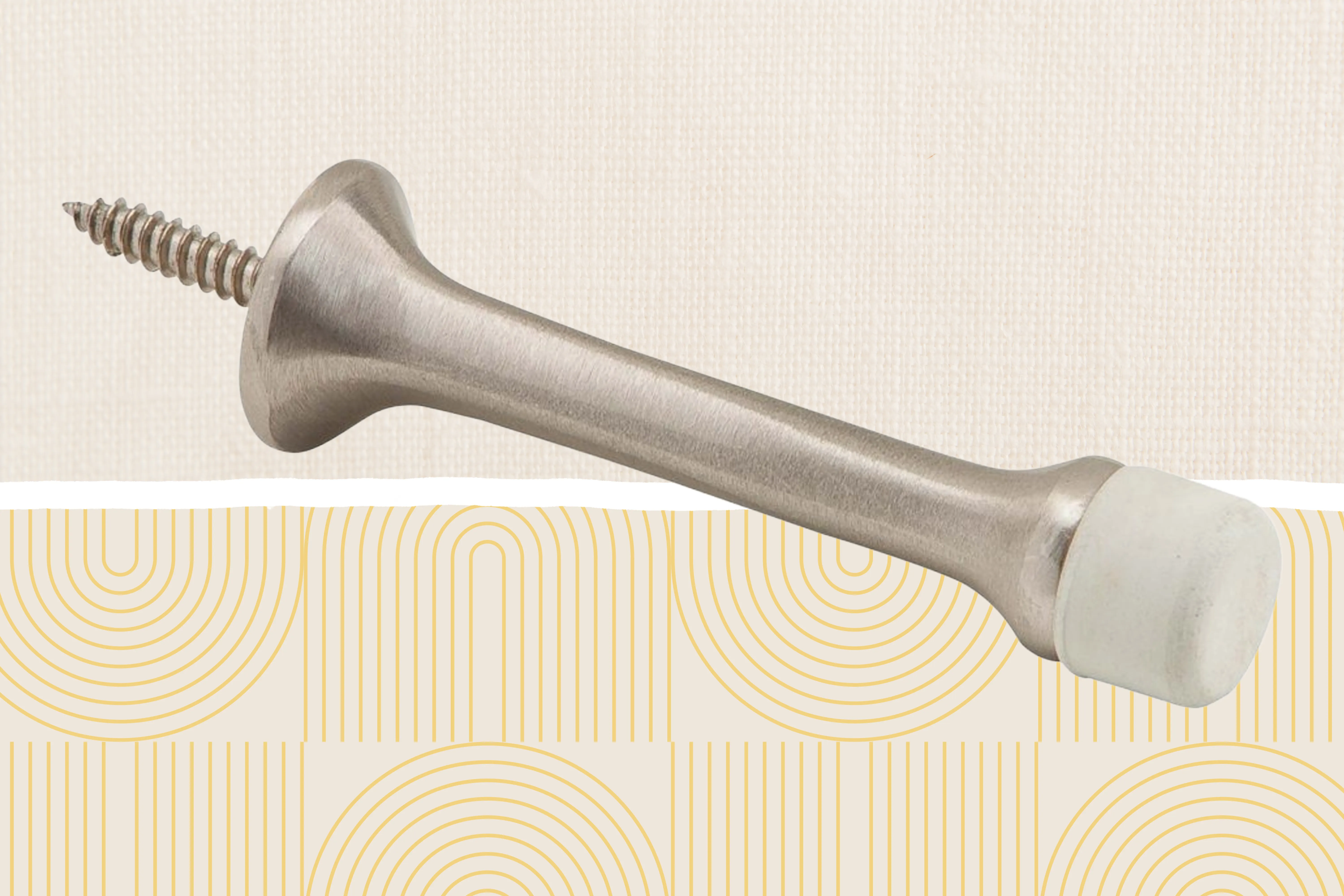
Keep Your Doors from Slamming with the 6 Best Door Stops Our Editors Love

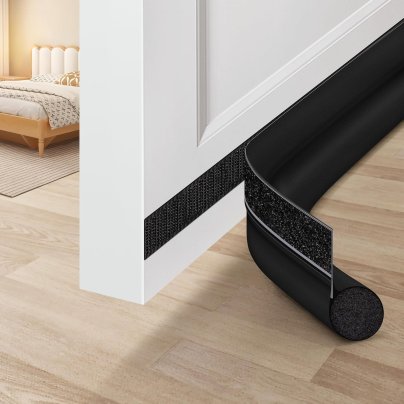
The Best Door Draft Stoppers to Keep the Cold Out, Tested


9 DIY draft-proofing jobs to warm your home in a weekend – and the big mistake to avoid
6 Expert-Backed Ways to Keep Cold Air—and High Energy Bills—Out of Your House This Winter

9 cheap ways to heat your home this winter for under £10 each

How to fix a drafty door – 6 ways to stop cold air getting through
10 Easy Ways to Keep Cluster Flies Out of Your House for Good This Fall
10 Expert-Recommended Products For Keeping Drafts Out
How to draft proof your kitchen, cook in comfort and reduce your energy bills
The 8 Best Door Draft Stoppers for Winter-Proofing Your Home
The Best Door Draft Stoppers on Amazon, According to Hyperenthusiastic Reviewers

5 ways to draft-proof a bathroom – expert tips that you can do yourself

8 budget fixes for drafty windows — including a $2.99 beauty product I use every single day

How to draught proof a window - easy ways to keep heat inside your home this winter

5 Best Window Draft Stoppers


How to draught-proof a chimney — 3 DIY solutions recommended by the experts
Four ‘simple’ DIY methods to draught-proof windows for under £5 - keep the cold air out