7 Things Your Windows Are Trying to Tell You
Windows in a home can provide crucial insights into various issues affecting a residence, ranging from ventilation and moisture problems to structural damage and energy inefficiency. Bob Minoli, president of Integrity Residential Window Repair, outlines several common window-related problems and their underlying causes, offering practical solutions.
One common issue is condensation forming along the bottom or corners of the glass. This indicates inadequate home ventilation or high indoor moisture levels, which can foster mold, mildew, or rot in wood sills. Modern, tightly built homes often trap moisture, making it essential to manage humidity. Solutions include running a dehumidifier, using bathroom fans, or opening a window for about 15 minutes daily to exchange indoor air with drier outside air.
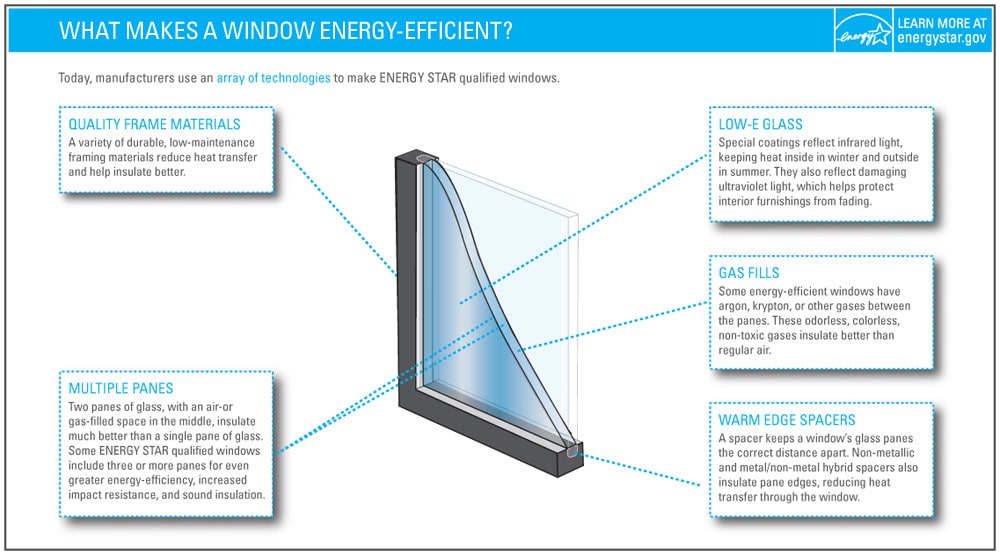
Condensation between the panes of double- or triple-pane windows signals deteriorating or failed seals, allowing moisture to become trapped and cause fogging. In such cases, replacing the failed panel is typically sufficient, rather than the entire window.
If condensation appears in the center of the glass inside the house, it could indicate a gas leak in gas-filled windows, often argon. The gas leakage causes the glass to bow inward, sometimes to the point where the panes touch, creating a rainbow effect and potential scratches. This issue compromises the window's insulation, making replacement the only viable solution, which may be covered under warranty.
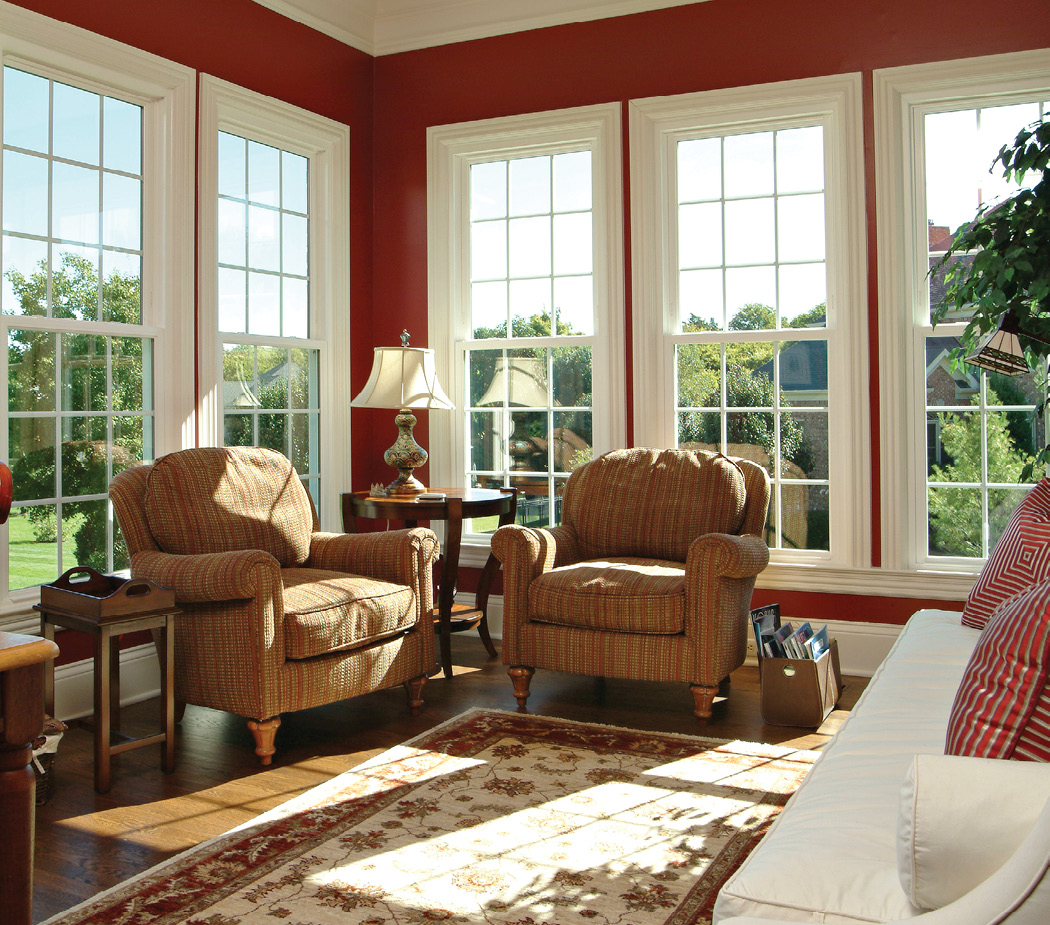
Difficulty in opening and closing double-hung windows often points to wood swelling due to dampness or high humidity. Gentle planing or sanding of the wood panes can help. Alternatively, the internal mechanisms, such as springs, may fail, requiring replacement of inexpensive parts or lubrication with silicone in the sliding track.
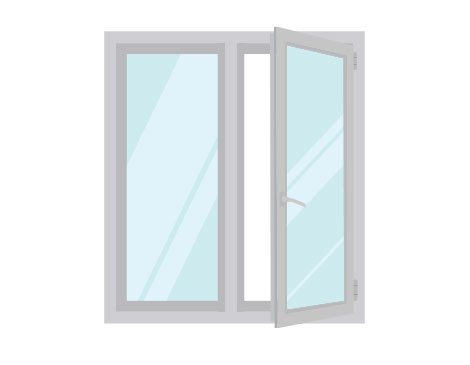
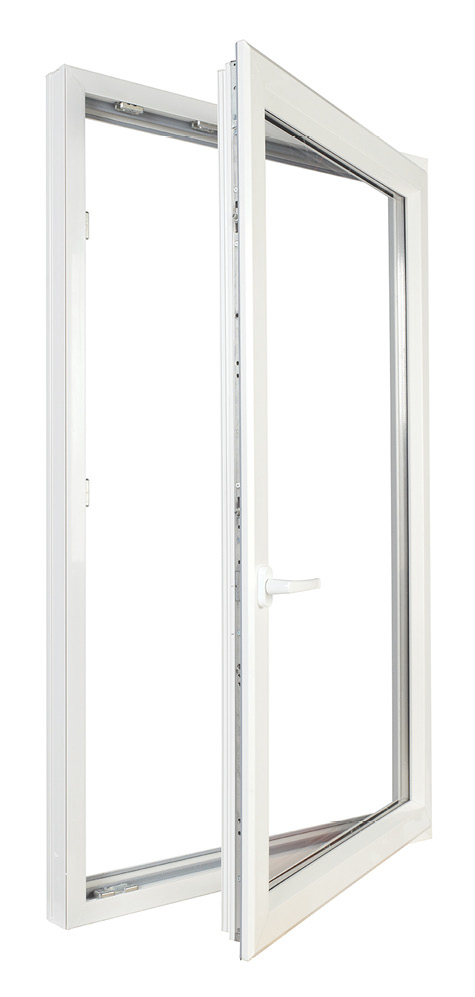
Casement windows that are hard to operate typically have debris in their tracks or require cleaning and lubrication of moving parts. Worn operator handles can be easily replaced, and applying dry lubricant to weatherstripping helps prevent stickiness. Lithium grease applied to crank gears ensures smooth operation.
Water leaking around a window suggests it is not closing tightly. Ensuring the window is locked can improve the seal. Water can also accumulate in window tracks during heavy rains and be blown inside by strong winds. If a leak persists even when the window is securely shut, especially near the top, the source is likely exterior, such as the roof or siding, with water dripping down to the window area.
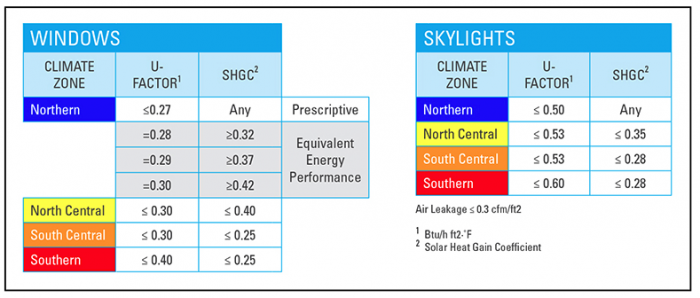
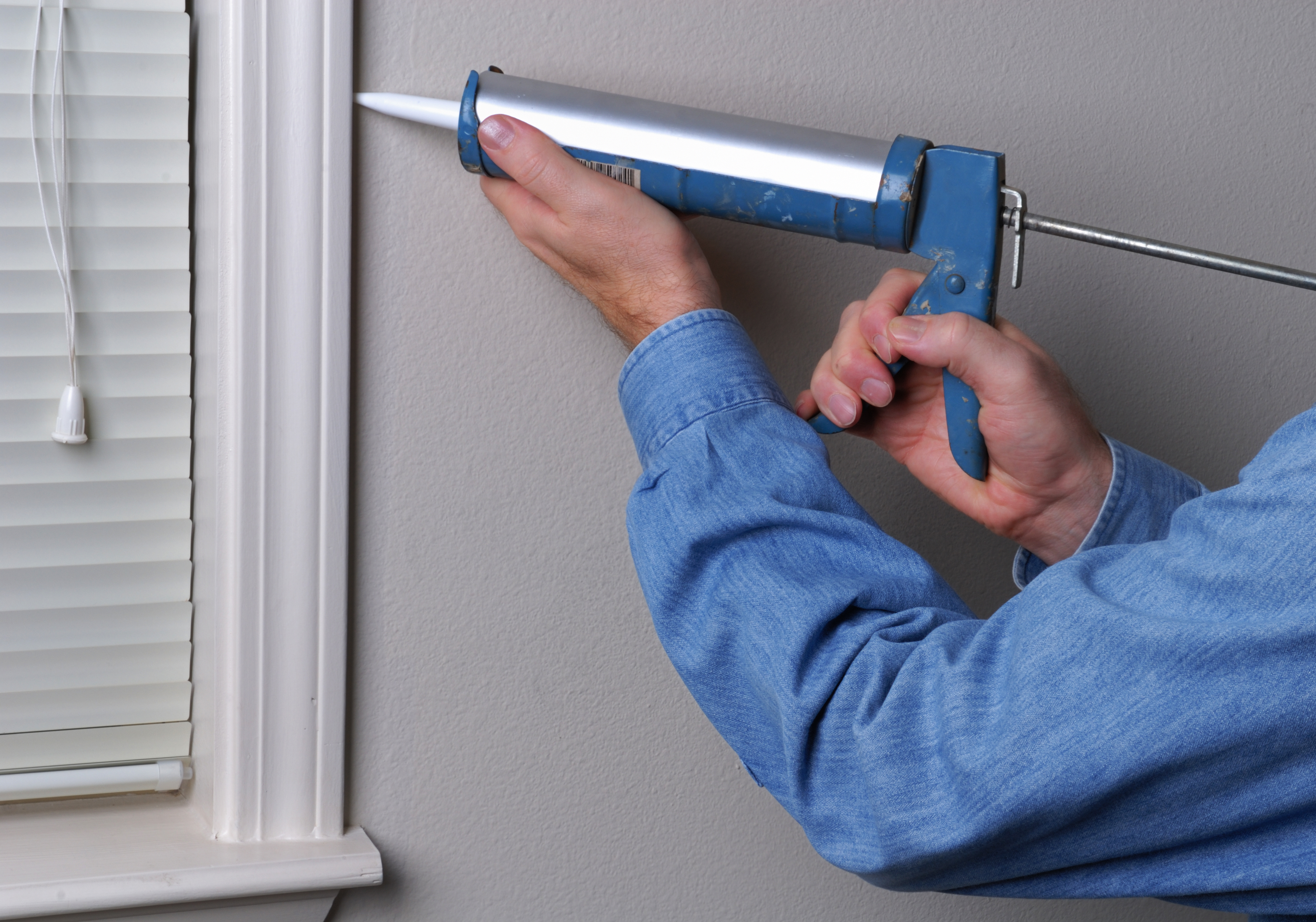
Drafty windows indicate either worn-out panes or degraded weatherstripping. Air transfer through the glass, particularly in large windows, can create a noticeable draft if the window is poorly designed or lacks proper insulation. Replacing the window with a more energy-efficient model, indicated by a lower U-value, can resolve this. Alternatively, if weatherstripping is peeling or missing, it needs replacement. Addressing drafts can reduce energy bills and enhance indoor comfort.
#WindowMaintenance #HomeRepair #MoistureControl #EnergyEfficiency #DIYHome #WindowProblems #HomeImprovement #WindowMaintenance #HomeRepair #MoistureControl #EnergyEfficiency #DIYHome #WindowProblems #HomeImprovement
0 comment in total
 No comments yet
You may also like

Window Pros Break Down Six Styles

Doors & Windows

A Profile in Windows
Learn About Windows (2025)

A Beginner’s Guide to High-Performance Windows


An Interior Design Expert Explains How To Style Your Windows To Make Them Look Bigger

How Smart Windows Work

Windows Dynamic Lighting


These 8 Unusual Windows Will Take You by Surprise

High-Tech Windows


Curtain Call: How To Dress Up Your Windows In Style
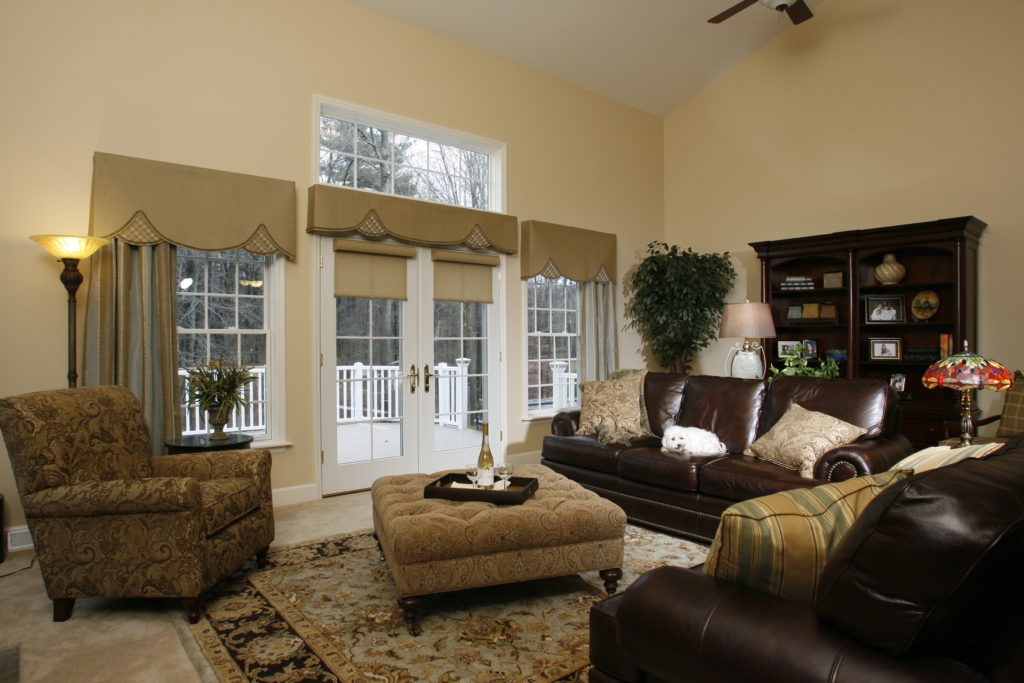
Shedding Light on the Future of Window Treatments


How to Pick Windows: 5 Factors to Consider
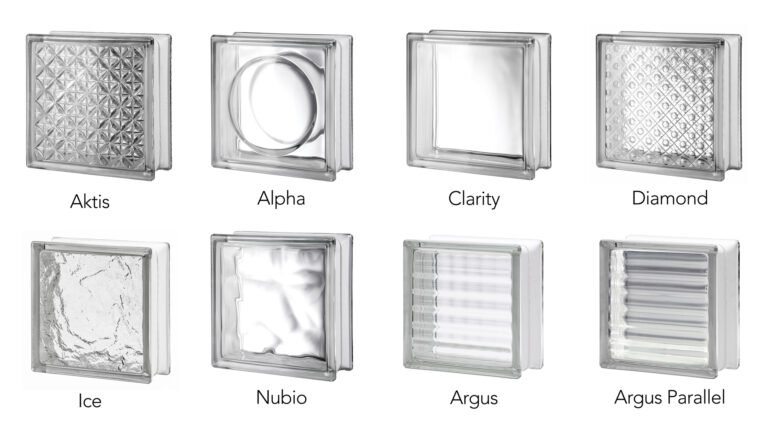
Clear Choice Windows

5 Simple Solutions for More Efficient Windows This Summer


Well-Dressed Windows | The Shade Store X Studio McGee

The Best Window Films Tested for Privacy and More

In the frame: windows and skylights with a different perspective

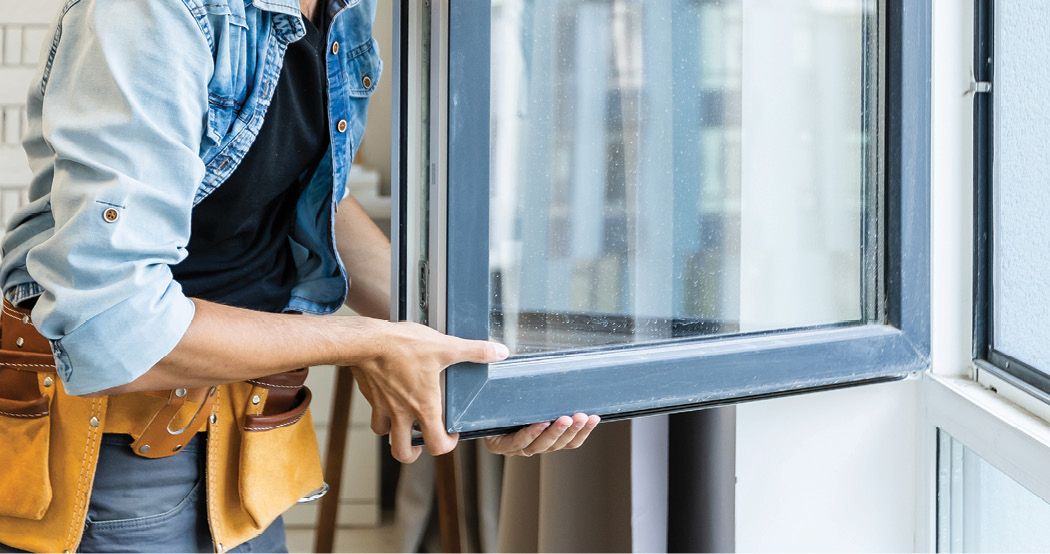
Progress Never Stops for Window Manufacturers

6 Ways to Choose the Right Window Designs for Your Home