1/2
Learn About Windows (2025)
Energy-efficient windows play a critical role in home sustainability, significantly impacting heating and cooling costs and reducing greenhouse gas emissions. Outdated or damaged windows can lead to a 25-30% waste of a home’s heat or air conditioning, directly translating to higher utility bills. Energy Star estimates that upgrading to energy-efficient windows can save an average homeowner up to $583 annually. The typical cost for a single window replacement in the U.S. is around $600, with a range of $200 to $1,200. Several factors influence this cost, including window size, material choice, the number of windows, geographical location, the installer selected, and the type of installation required.
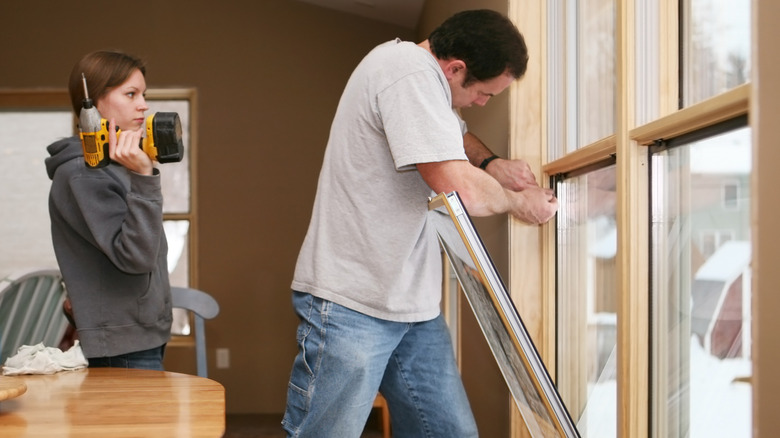
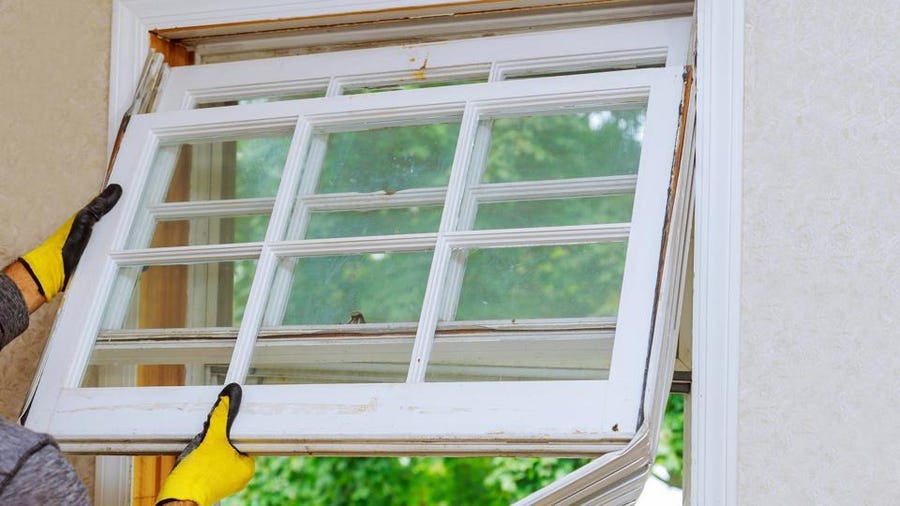
There are two primary types of window installation services: full-frame and pocket installations. Full-frame installations involve a complete replacement of the window unit, including the frame, sill, and interior and exterior trim. These are generally more expensive due to increased material, labor, and time requirements. Pocket installations, conversely, involve replacing only the window sash within the existing frame. The choice between these two methods depends on factors such as the age and condition of the home, its construction materials, and the homeowner's budget and timeline. Consulting with a certified installer is recommended to determine the most suitable option for a specific home.
The broader impact of upgrading to efficient windows extends beyond individual savings. Residential energy consumption accounted for approximately 20% of U.S. greenhouse gas (GHG) emissions in 2019. If this were a country, it would rank as the world’s sixth-largest GHG emitter. Inefficient windows alone contribute to an estimated $50 billion annually in energy waste across the U.S. Replacing single-pane windows can lead to a reduction of 1,006 to 6,205 pounds of carbon dioxide per household per year, equivalent to saving 51 to 317 gallons of gasoline. These figures underscore the substantial environmental benefits of such home improvements.
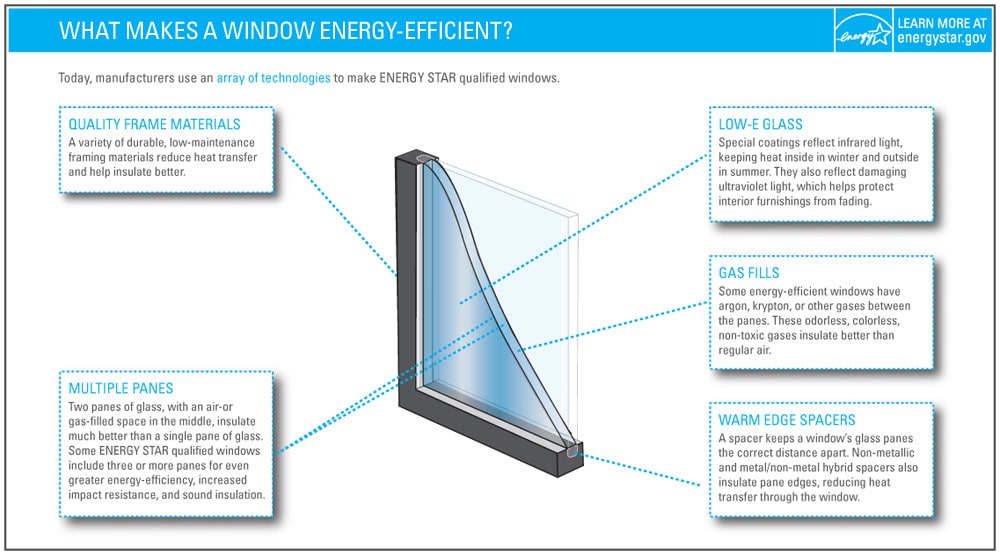
Window technology has seen significant advancements over the past two decades. While homeowners are generally advised to replace windows every 15 to 20 years, modern innovations offer enhanced efficiency. Improvements include the use of more efficient materials, such as warm edge spacer bars that provide better insulation than traditional aluminum. Gas insulation has also evolved; double-pane windows, once filled with regular air, now often contain argon or krypton gas for superior thermal insulation. Additionally, low-emissive (Low-E) glass coatings are now common, controlling ultraviolet and infrared light while maintaining visible light transmission, optimizing thermal performance. Triple-glazed windows offer even greater insulation and soundproofing benefits, making them ideal for noisy environments or extreme climates. These technological strides ensure that contemporary windows provide significantly better energy performance than their predecessors.
#EnergyEfficientWindows #HomeImprovement #WindowReplacement #SustainableLiving #GreenBuilding #EnergySavings #HomeEnergyEfficiency #ResidentialEmissions #EnergyEfficientWindows #HomeImprovement #WindowReplacement #SustainableLiving #GreenBuilding #EnergySavings #HomeEnergyEfficiency #ResidentialEmissions
0 comment in total
 No comments yet
You may also like
A Beginner’s Guide to High-Performance Windows


How to Pick Windows: 5 Factors to Consider

8 Window Treatment Trends You'll See Everywhere in 2025, According to Designers


How Smart Windows Work
The Defining Window Treatment Trend Of 2026 (& The Many Ways To Get The Look)


Interior Designers Reveal the Biggest Window Treatment Trends of 2025
Best Replacement Windows of 2025
How Much Does Window Replacement Cost In 2025?


High-Tech Windows

2025's Biggest Window Treatment Trend Is A Better Investment For Your Future