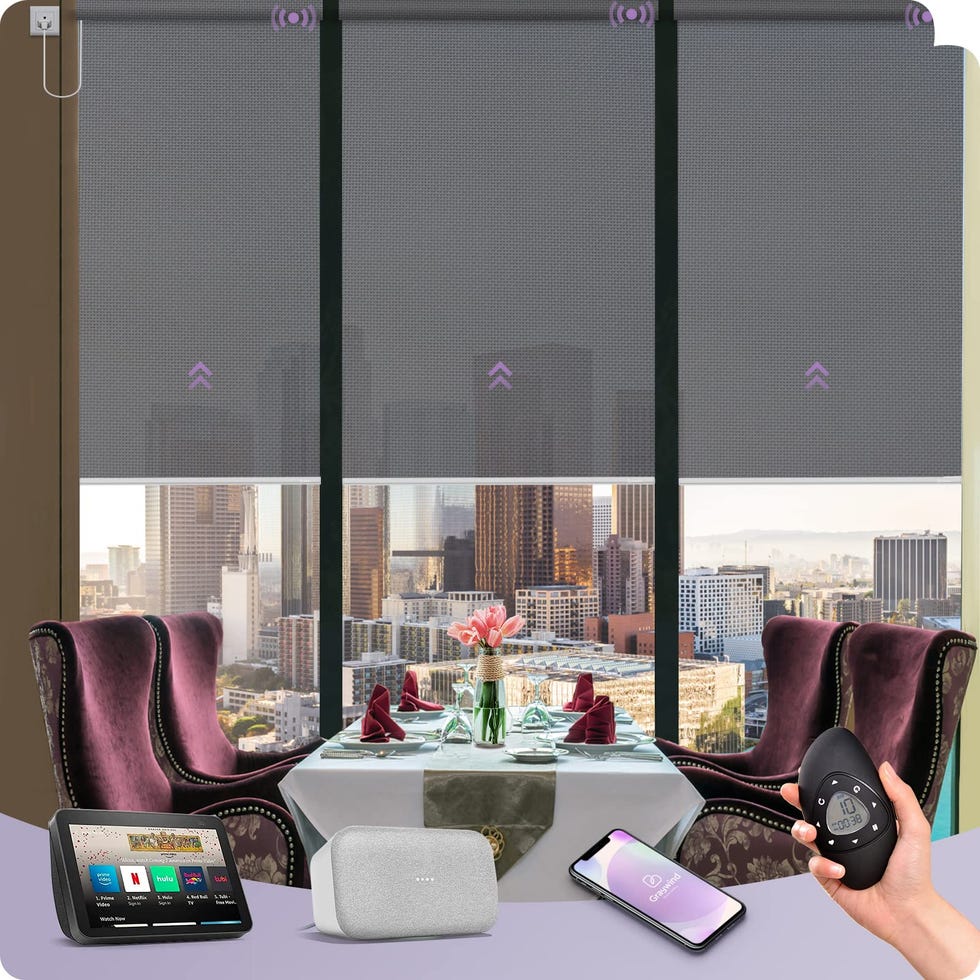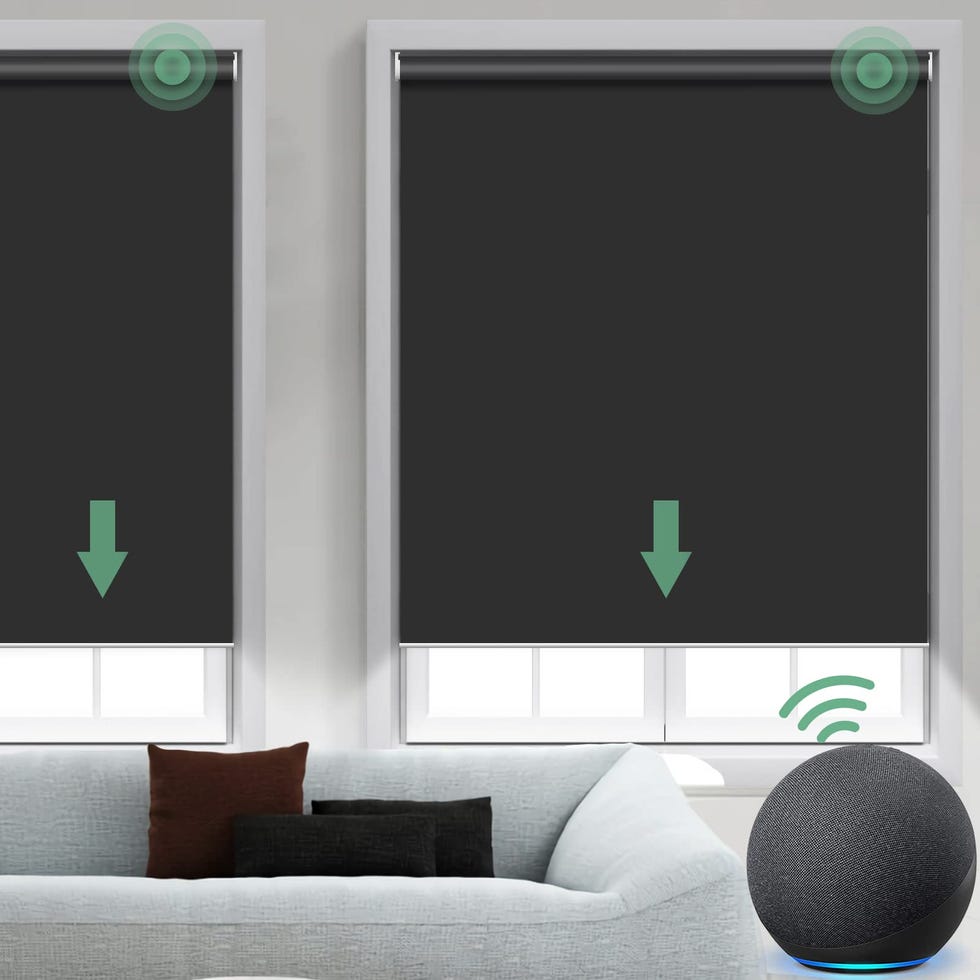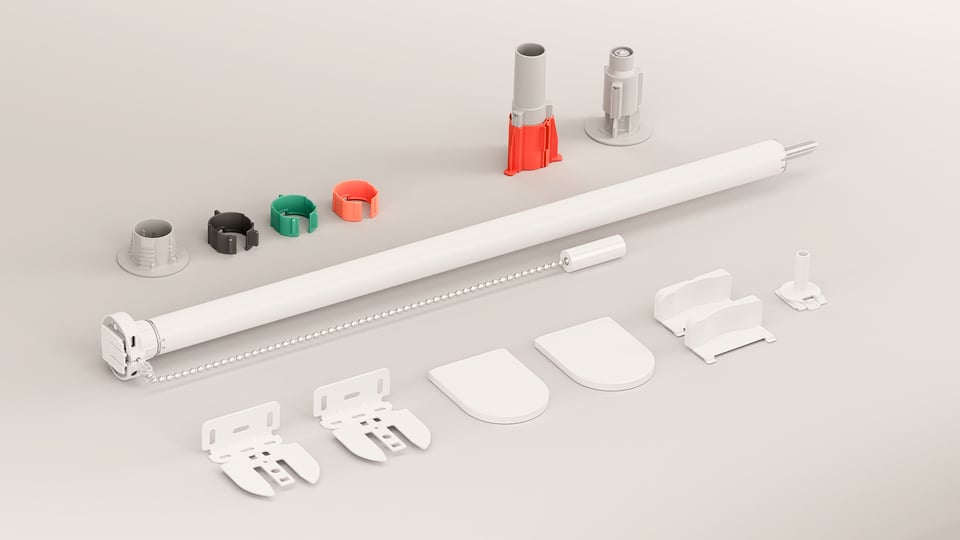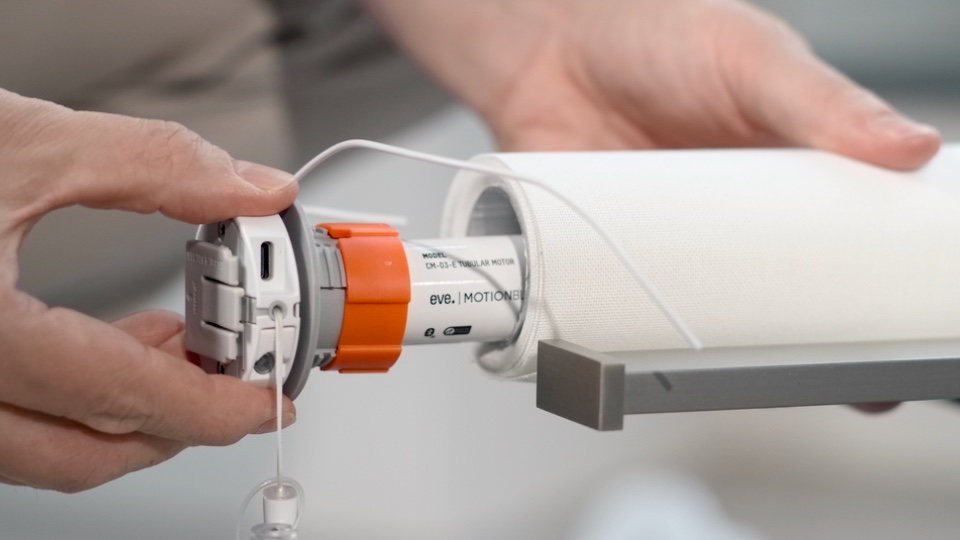
How Smart Windows Work
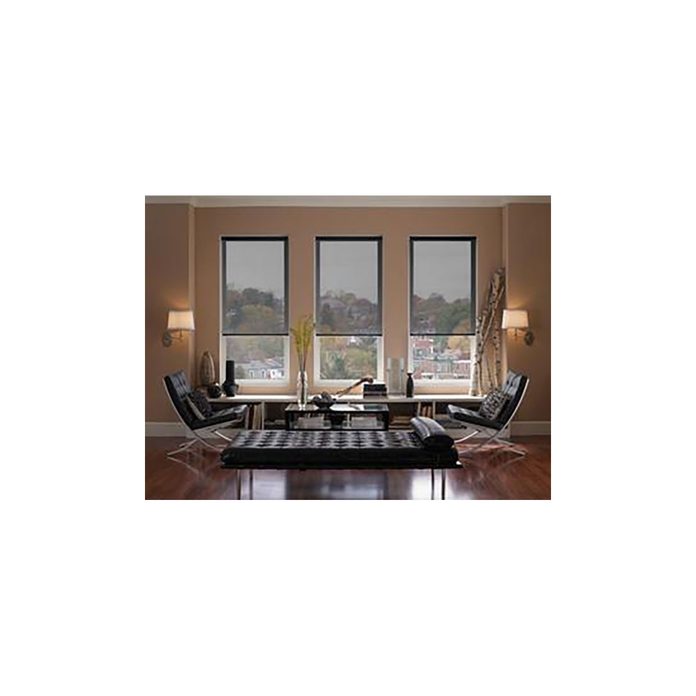
The United States is facing a significant energy crunch, with projections indicating a substantial increase in energy consumption across electricity, natural gas, and oil over the next two decades. The Department of Energy forecasts that energy supplies will be insufficient to meet this rising demand, leading to higher prices for consumers. In response to this challenge, researchers are developing low-power-consuming technologies, among which smart windows are emerging as a promising solution. Unlike traditional windows, smart windows offer dynamic control over light transmission, allowing users to selectively block or reduce the amount of light entering a space with a simple knob turn or button press.
This innovative window technology holds the potential to generate billions of dollars in savings on heating, cooling, and lighting expenses. Residential windows currently account for approximately 2 percent of all energy consumption in the United States, highlighting a significant area for efficiency improvements. Smart windows can mitigate this energy drain by optimizing natural light use and reducing the need for artificial lighting and climate control. For instance, in hot climates, smart windows can be set to block a significant portion of solar heat gain, reducing the load on air conditioning systems. Conversely, in colder climates, they can be adjusted to maximize solar heat gain during the day, contributing to passive heating and lowering heating costs.
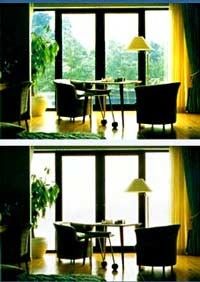
Beyond energy conservation, smart windows offer enhanced privacy and comfort. Users can instantly transition the windows from clear to translucent states, providing privacy on demand without the need for blinds or curtains. This feature is particularly beneficial in urban environments or for spaces requiring flexible privacy options. The technology behind smart windows encompasses various methods, including electrochromic, thermochromic, photochromic, and suspended particle device (SPD) technologies, each utilizing different principles to alter light transmission. Electrochromic windows, for example, change their tint in response to an electrical current, while thermochromic materials react to temperature changes. SPD technology involves particles suspended in a liquid that align or disorient to control light passage when an electric field is applied.
The integration of smart windows into building designs aligns with broader trends in green construction and sustainable living. By reducing energy consumption, these windows contribute to a lower carbon footprint and decreased reliance on fossil fuels. Their adaptability allows for optimized energy performance throughout the year, responding to varying weather conditions and occupant preferences. The development and adoption of smart window technology represent a significant step towards creating more energy-efficient and comfortable living and working environments, addressing both economic and environmental concerns related to energy use.
#SmartWindows #EnergyEfficiency #GreenConstruction #HomeImprovement #SustainableTechnology #WindowTechnology #EnergyConservation #ResidentialEnergy #SmartWindows #EnergyEfficiency #GreenConstruction #HomeImprovement #SustainableTechnology #WindowTechnology #EnergyConservation #ResidentialEnergy
0 comment in total
 No comments yet
You may also like
The 4 Best Smart Window Shades, Blinds, and Curtains of 2025 | Reviews by Wirecutter
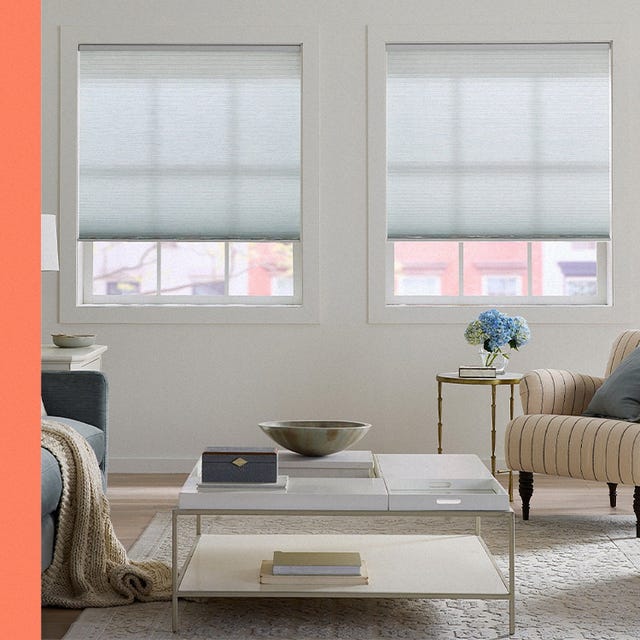
These Smart Blinds Are Great for Privacy—and for Your Energy Bill

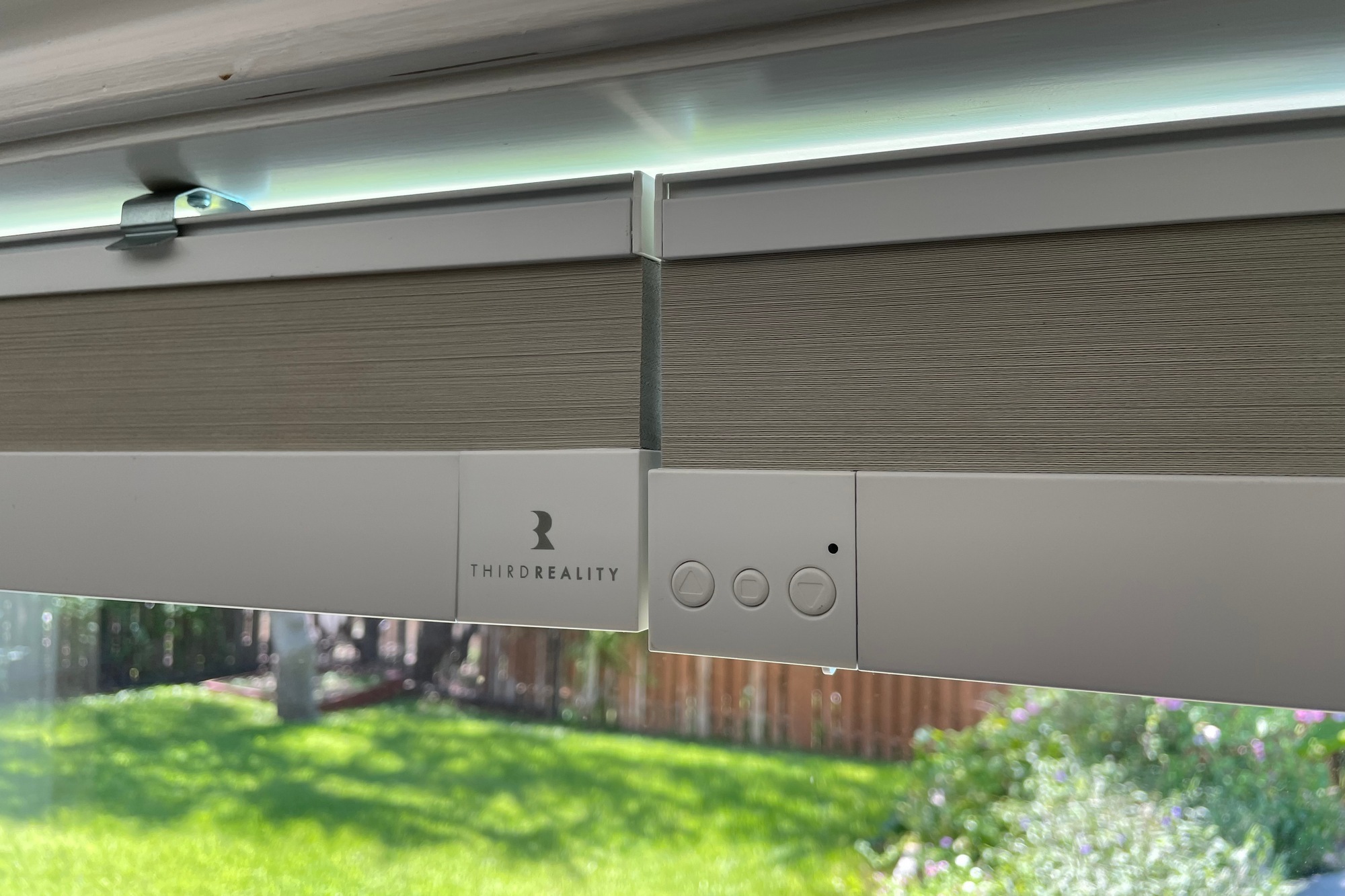
ThirdReality Smart Blinds review: DIY motorized Zigbee shades

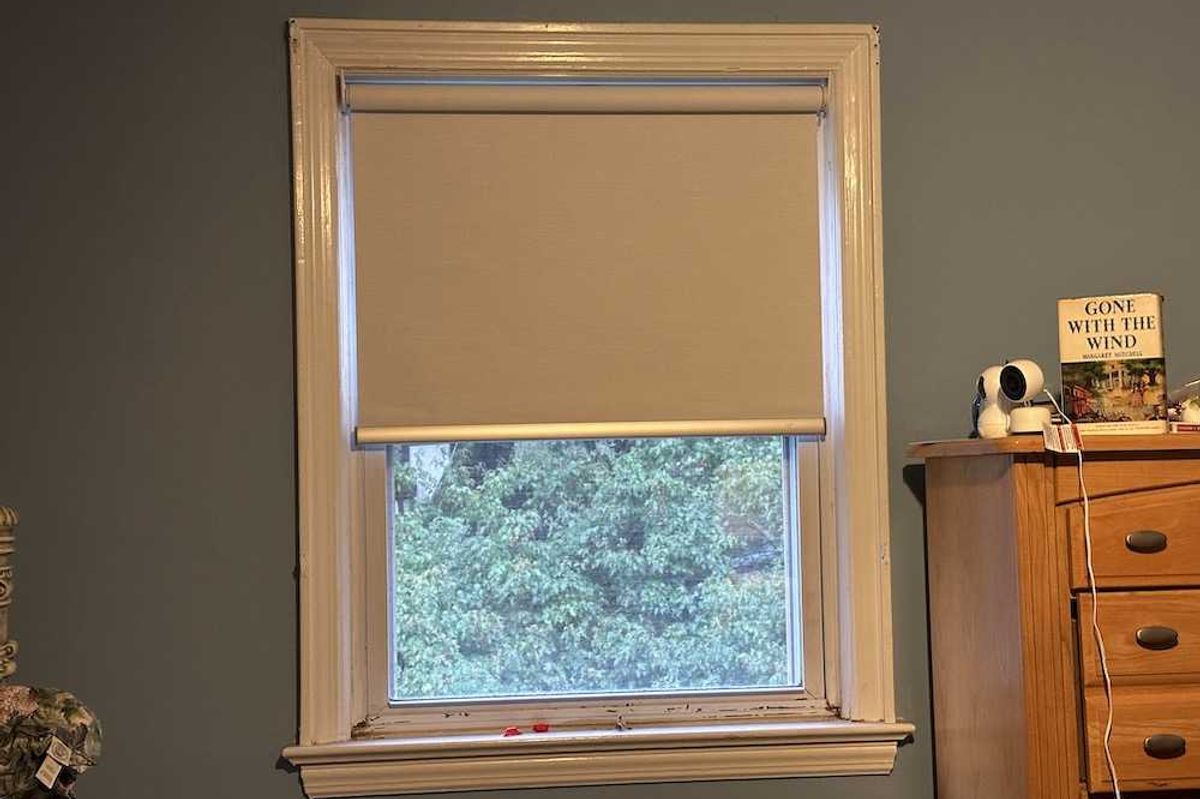
SmartWings Smart Blinds Review: Quiet, Durable, and Flexible — But Setup Requires Patience

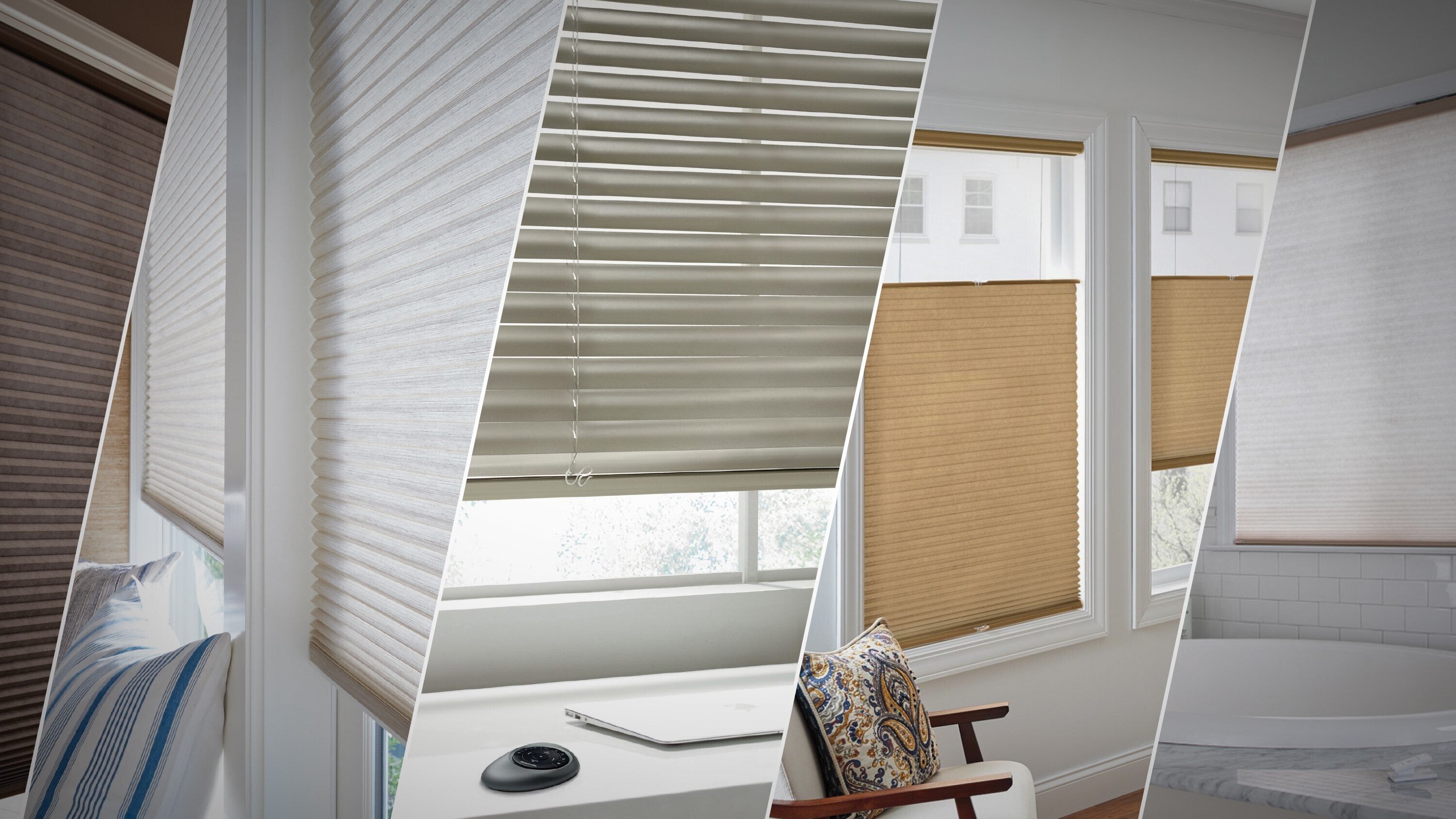
Best smart shades: High-tech, high-fashion window treatments
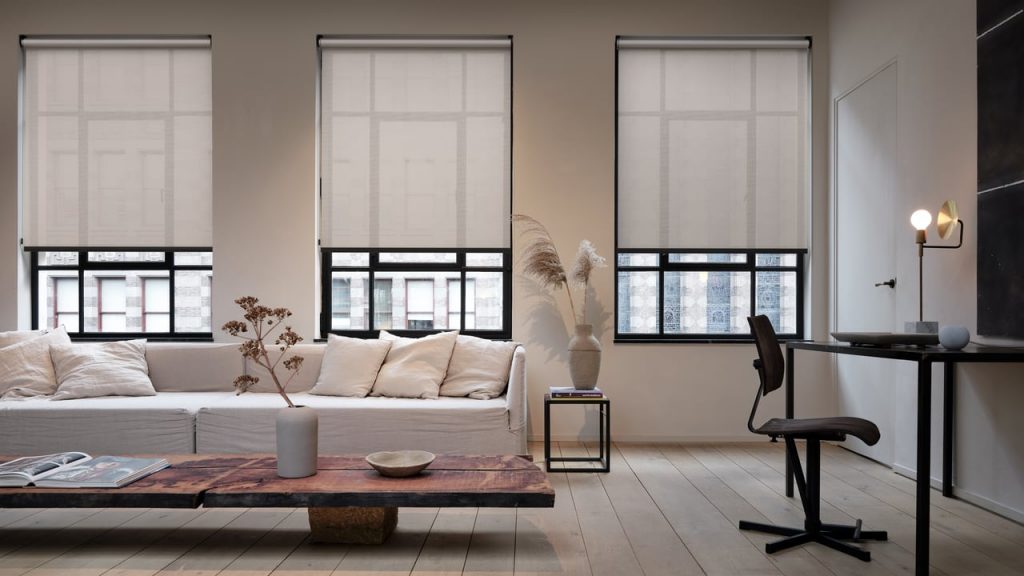
Smart Blinds: Window Covering in the Matter Standard

Best Smart Blinds for 2026, Tested and Reviewed

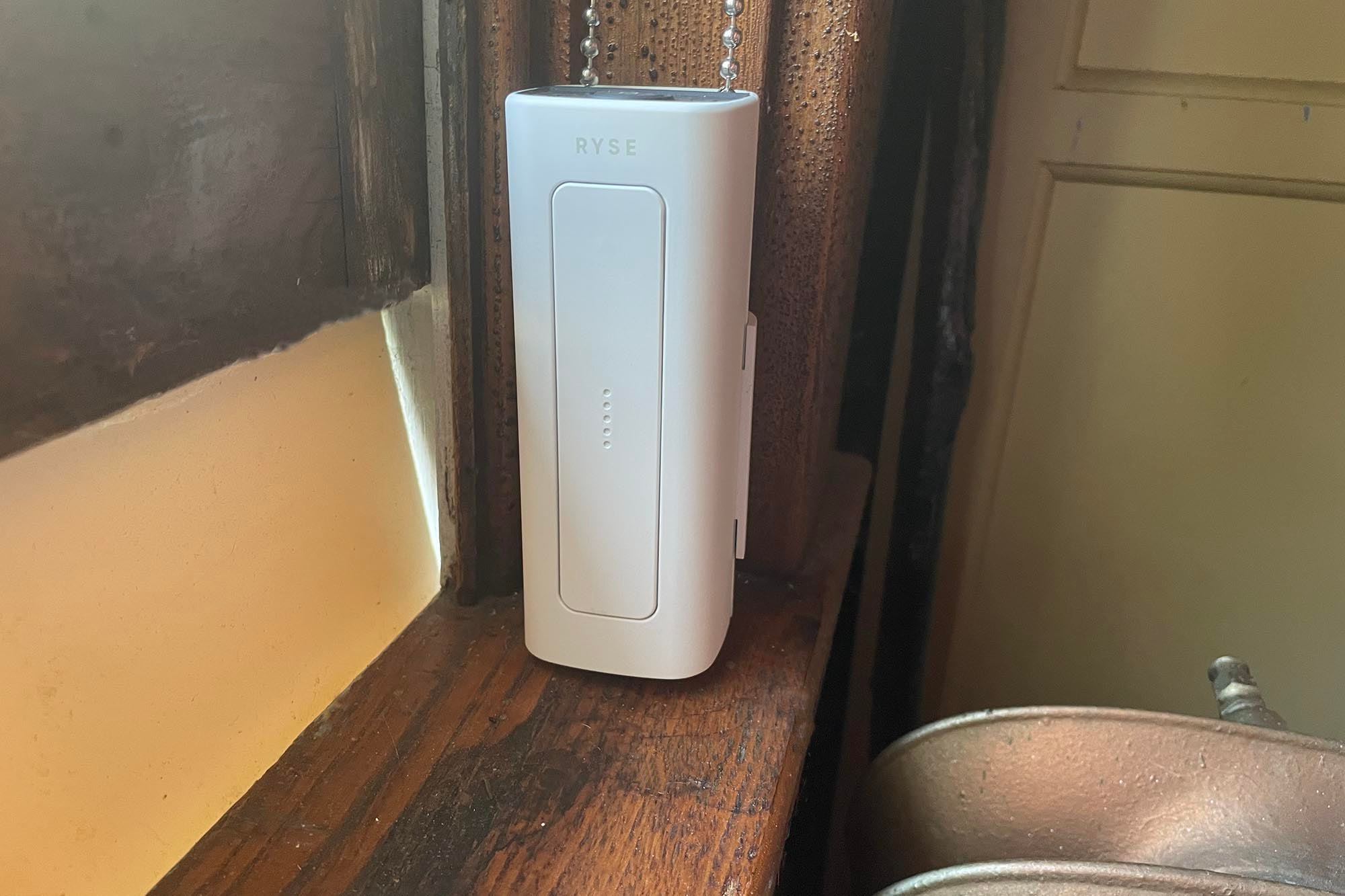
Ryse SmartShade review: Easily make your old shades smart

The 4 Best Smart Retrofit Shade, Blind, and Curtain Openers of 2026 | Reviews by Wirecutter

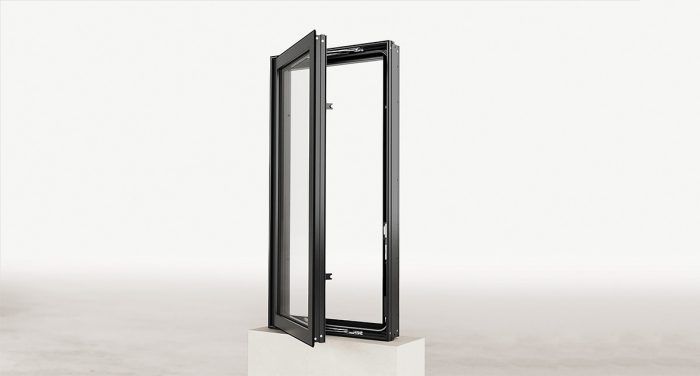
Awning Windows From Marvin Make Fresh Air Automatic

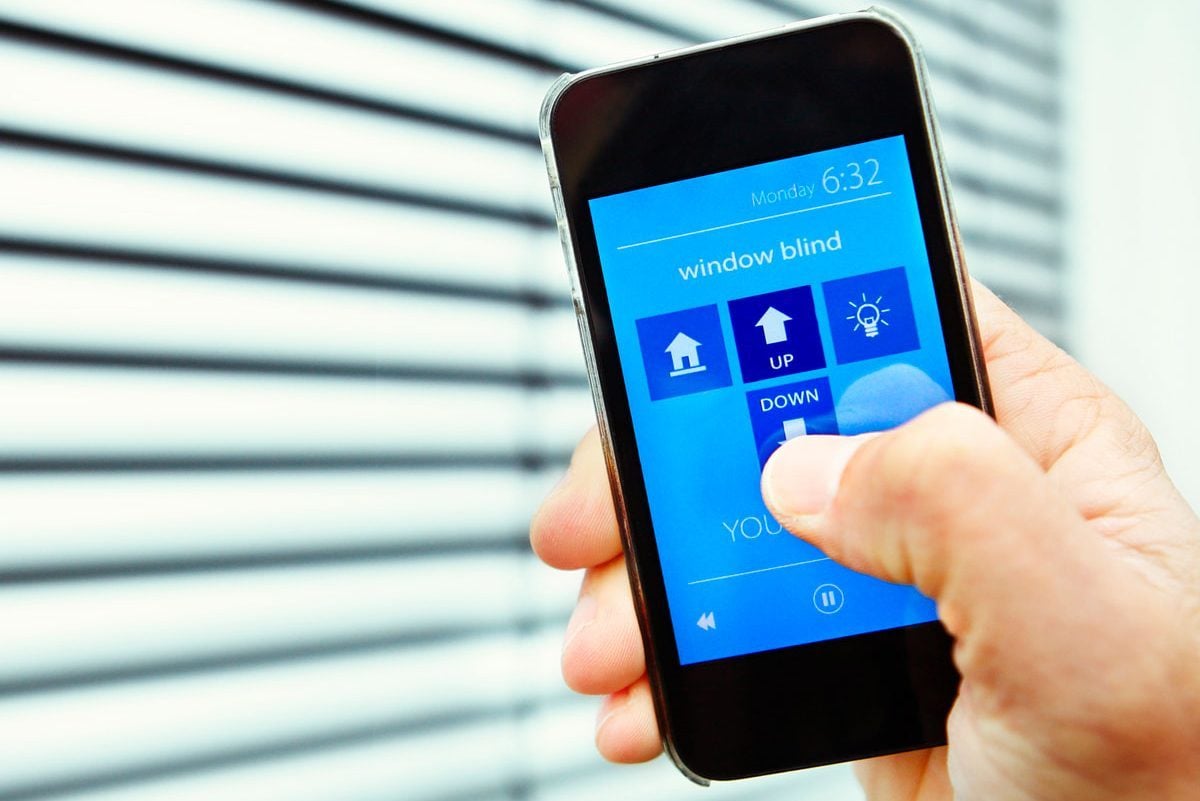
8 Best Smart Blinds

Shutters vs blinds – what you need to know to dress windows beautifully and practically


High-Tech Windows

Smartwings Smart Roller Shades w/ Matter over Thread (review)

These smart curtain openers will make you feel like Kate Winslet in The Holiday

A Beginner’s Guide to High-Performance Windows
Best Smart Blinds for 2025, Tested and Reviewed
The Shade Store’s automated window treatments empower any project

5 of the Best Smart Blinds You Can Buy Online
You’ll Never Pull a Cord Again After Trying These Smart Blinds